UDAYGIRI & KHANDAGIRI CAVES

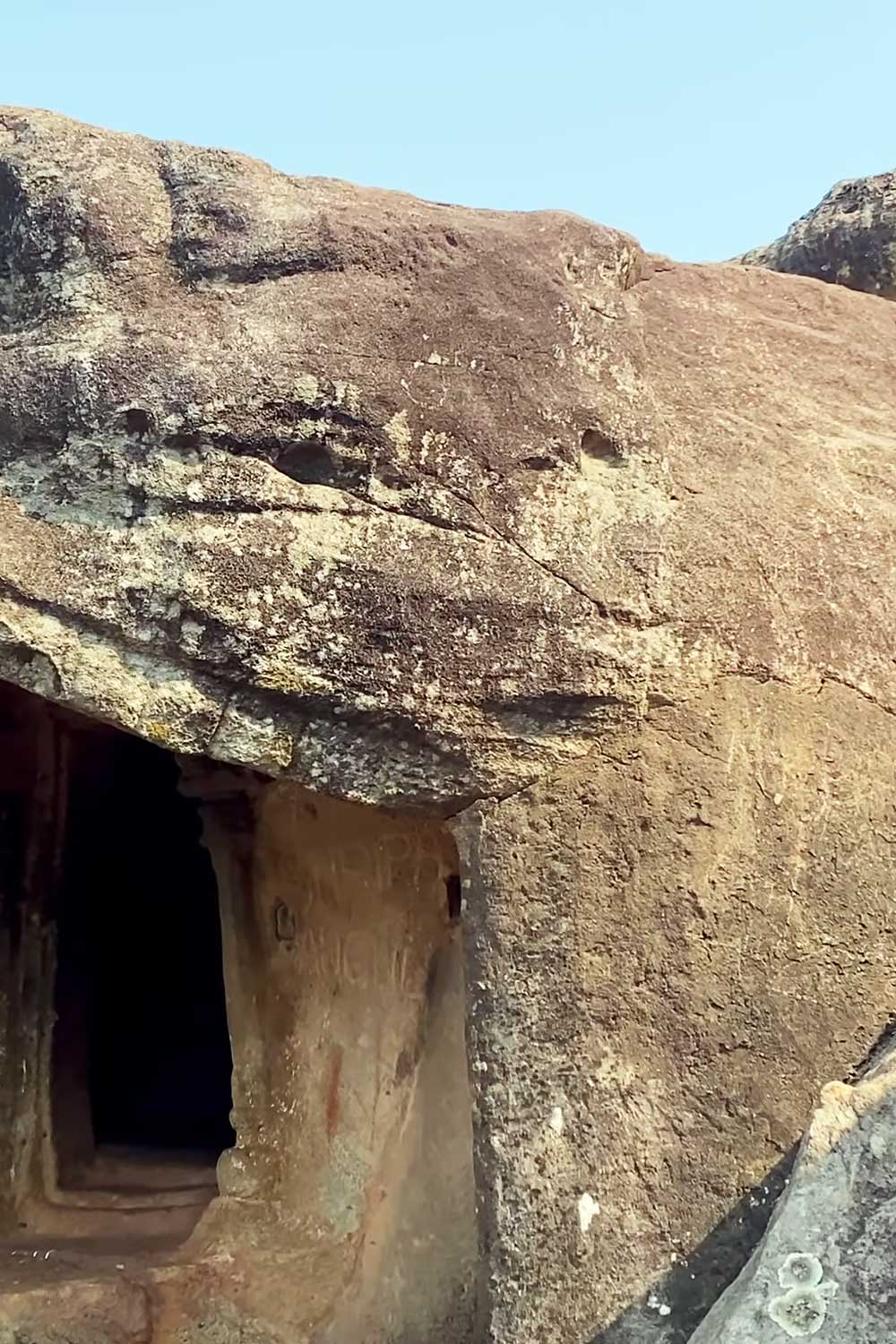
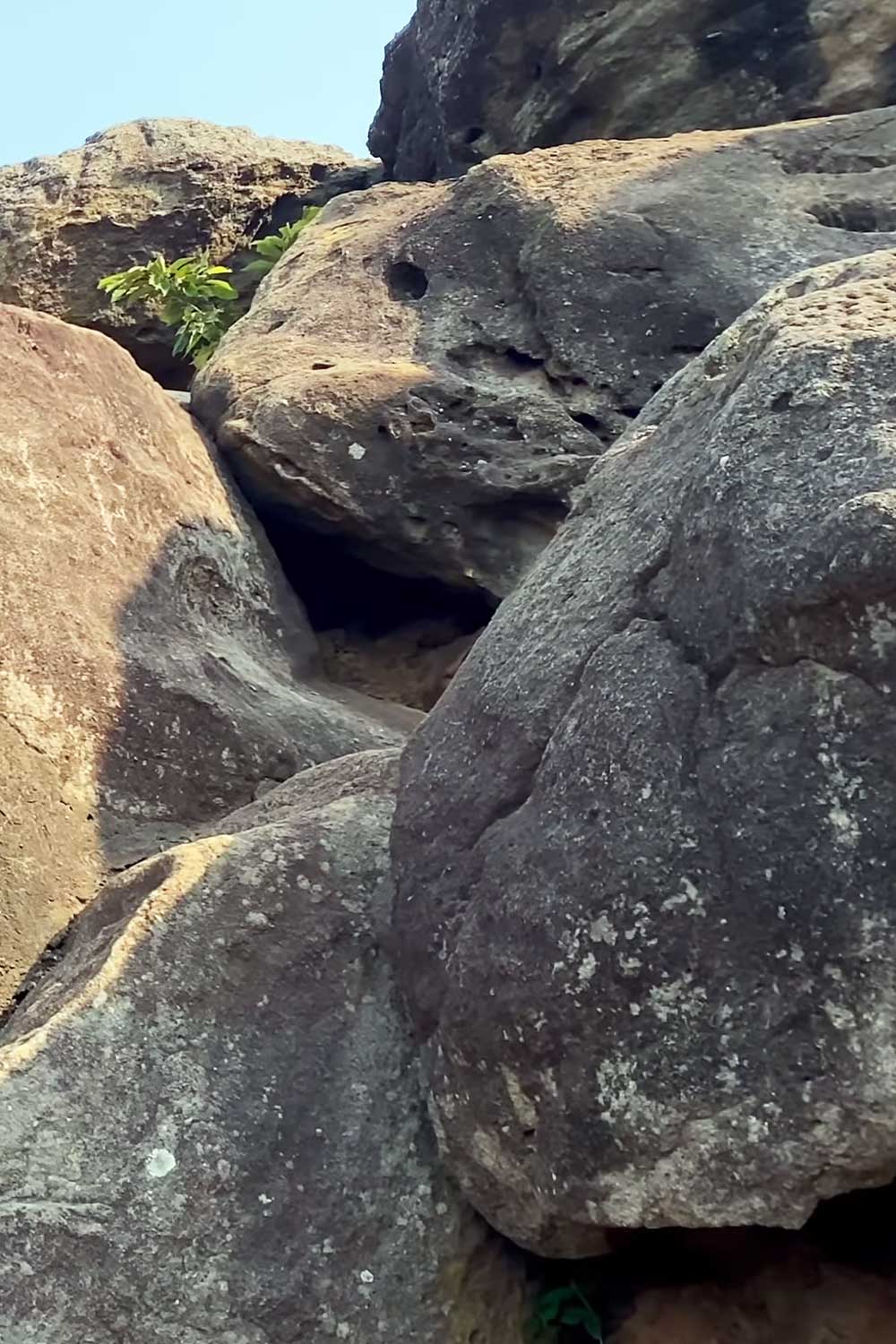
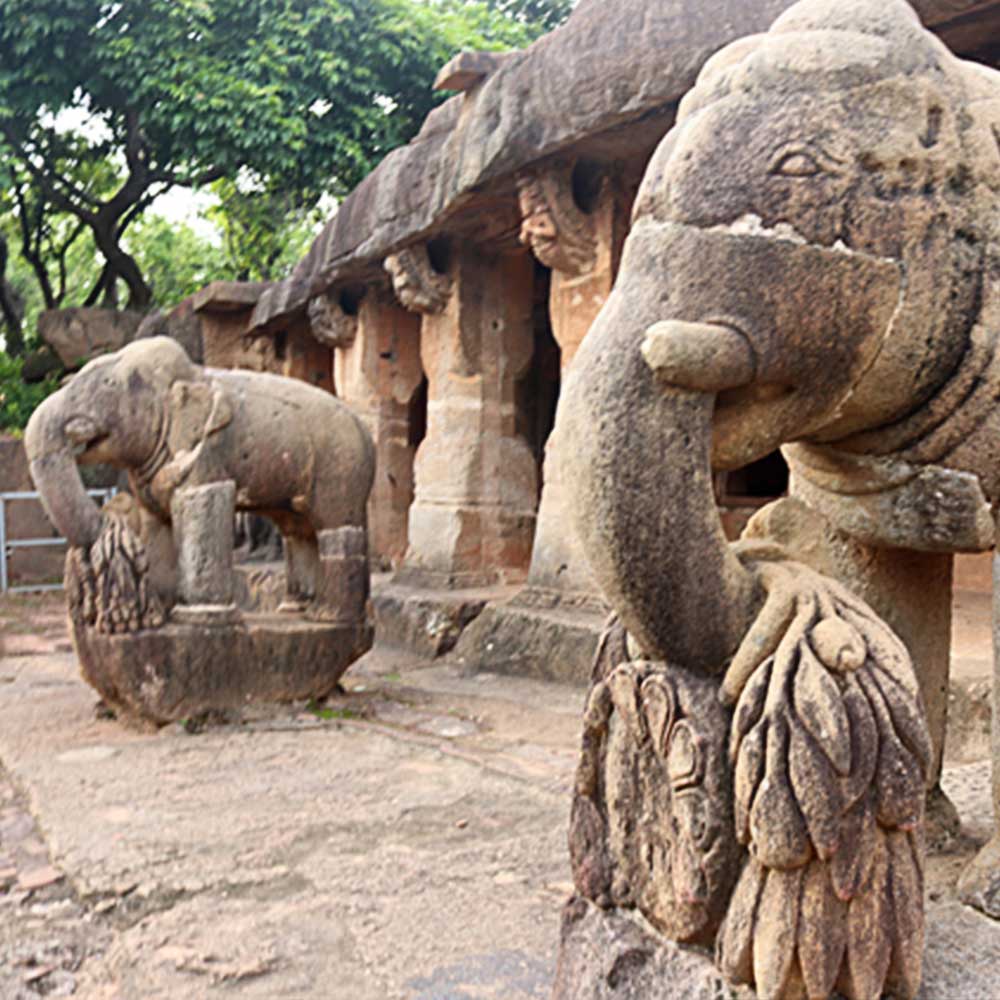
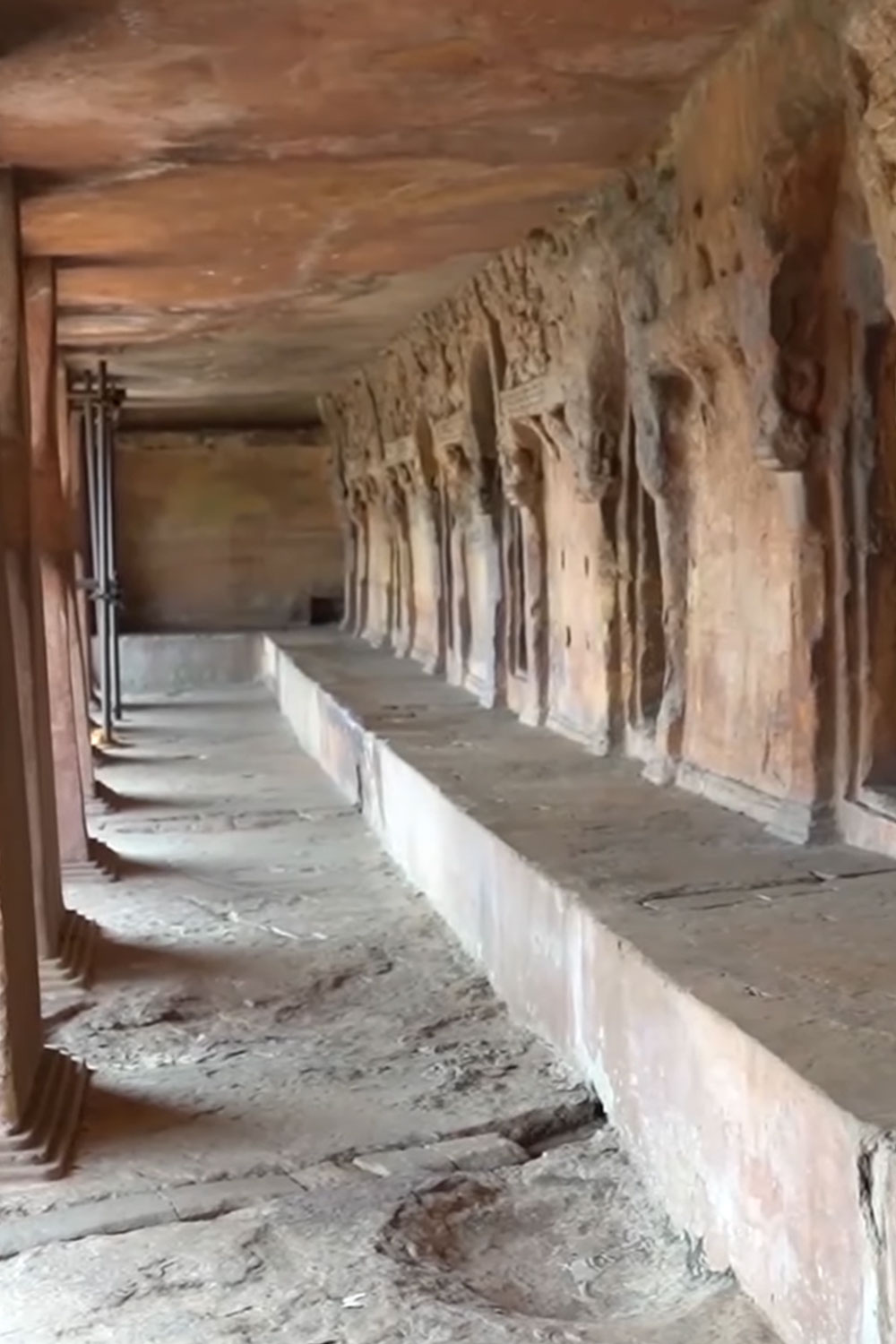
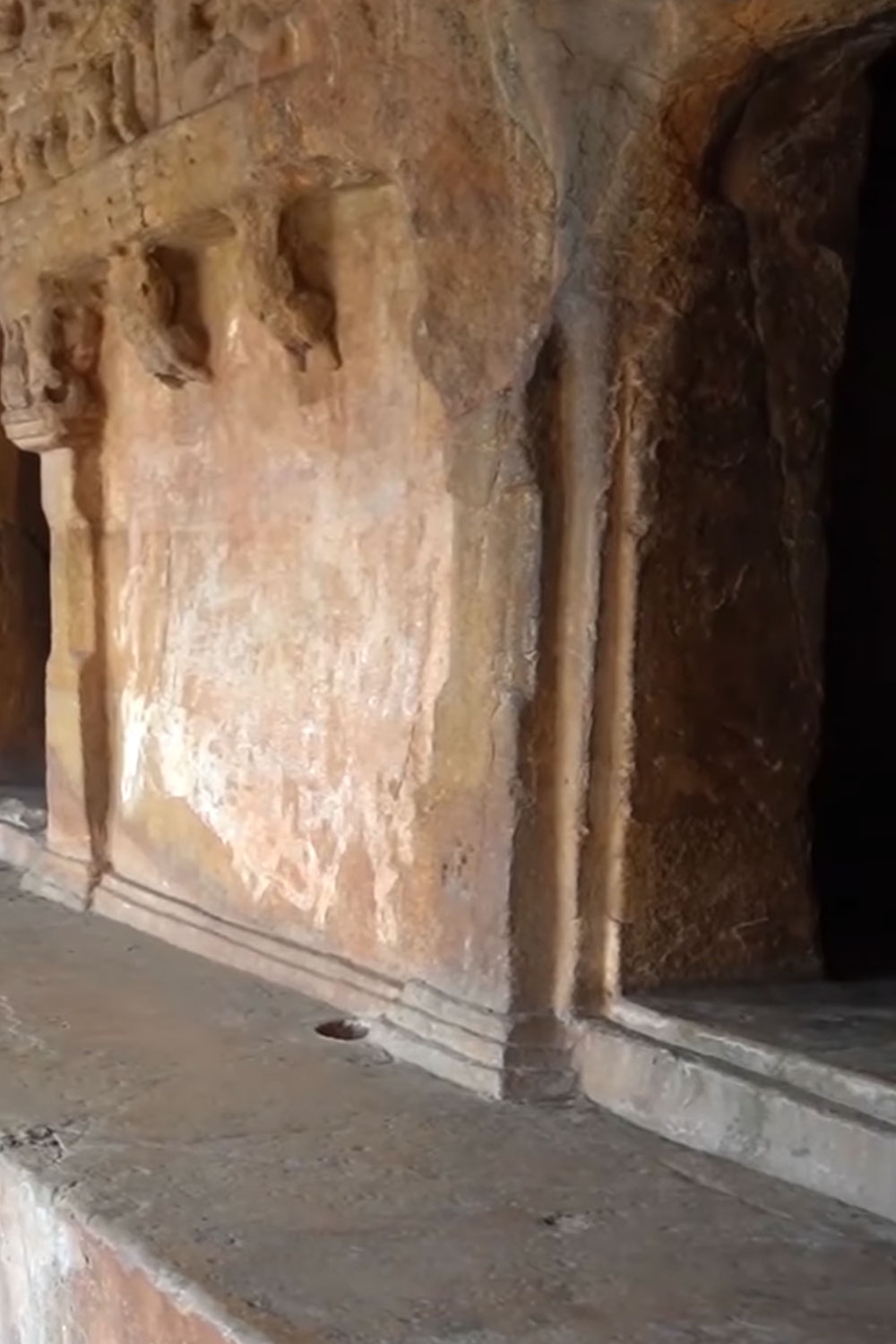
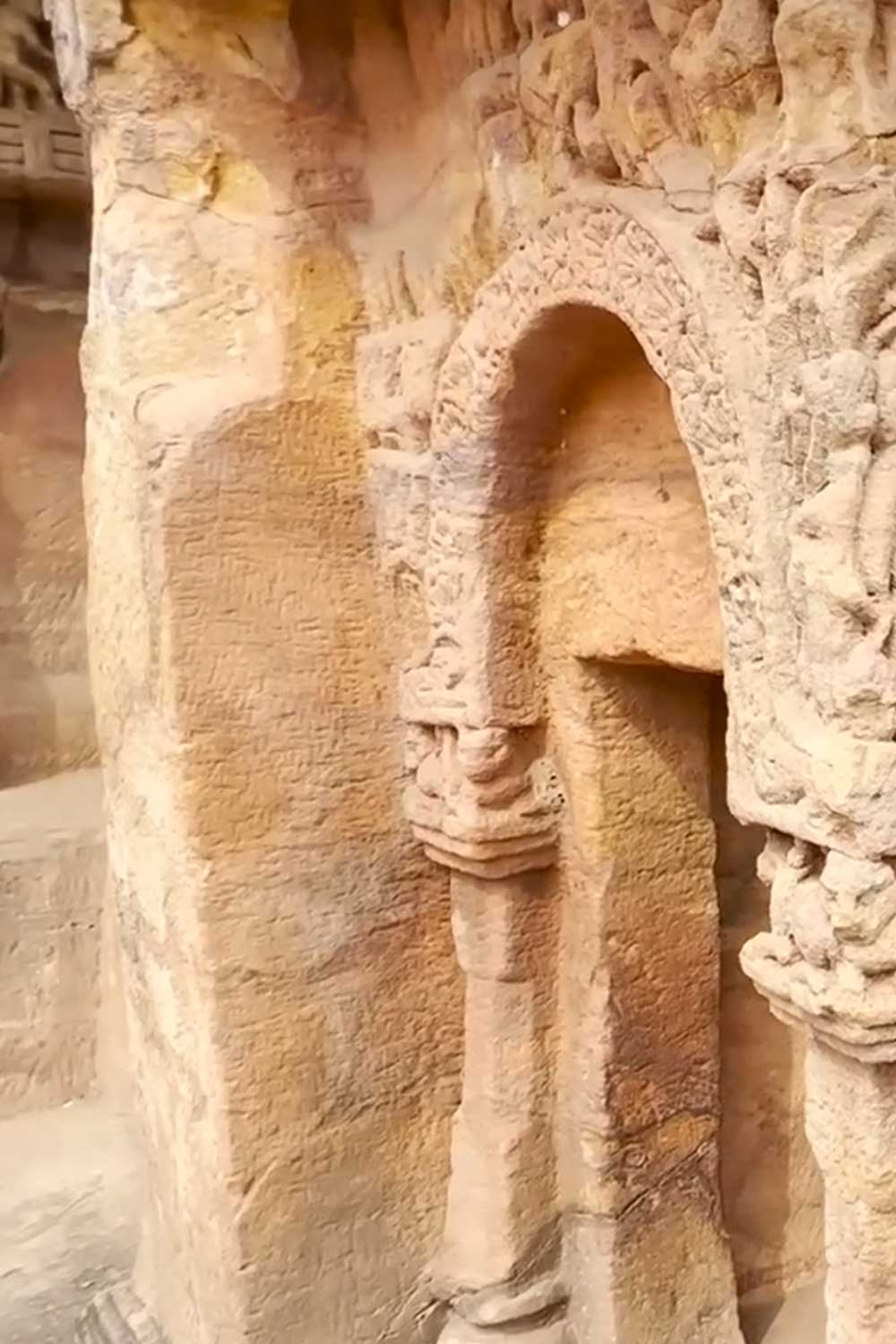
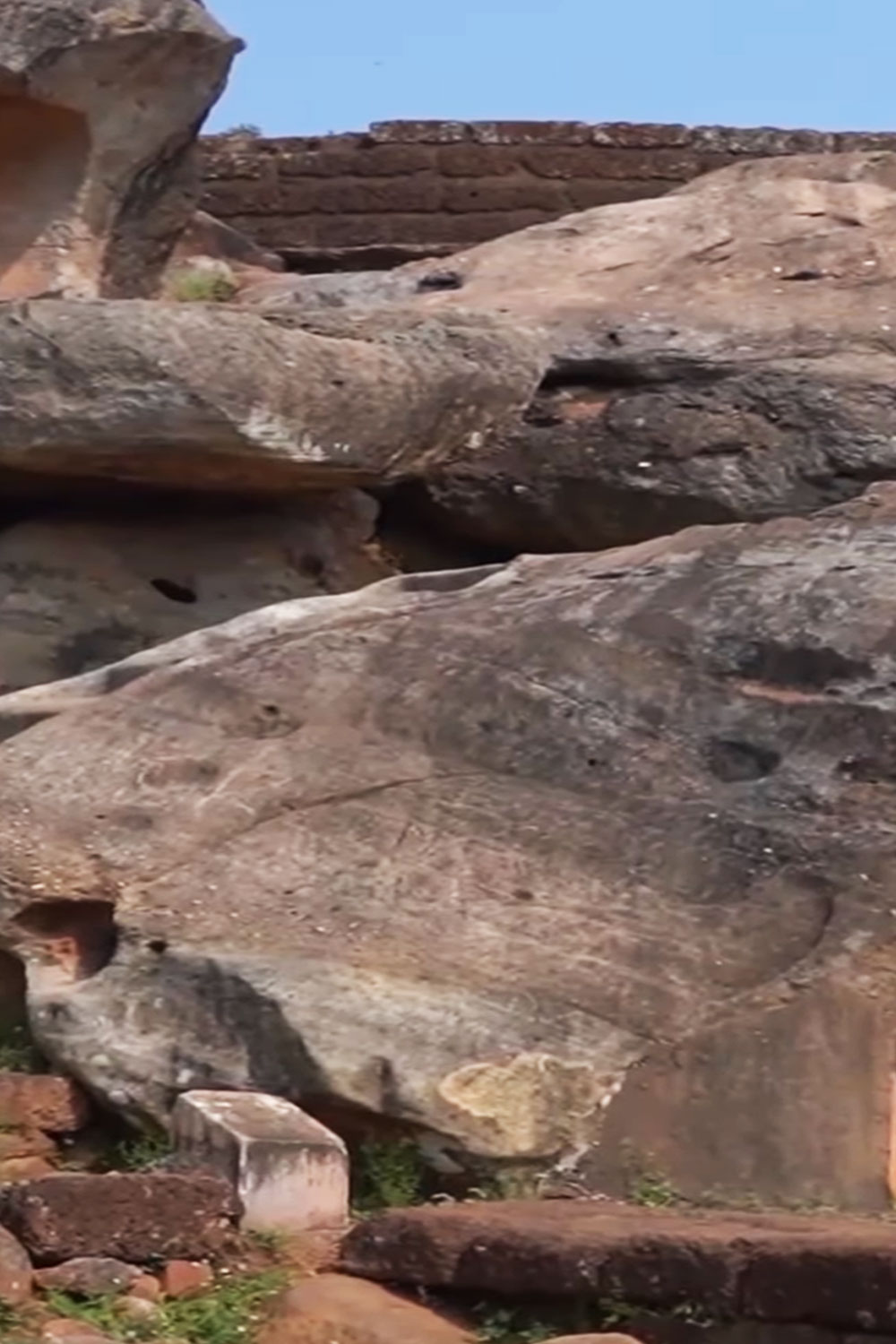
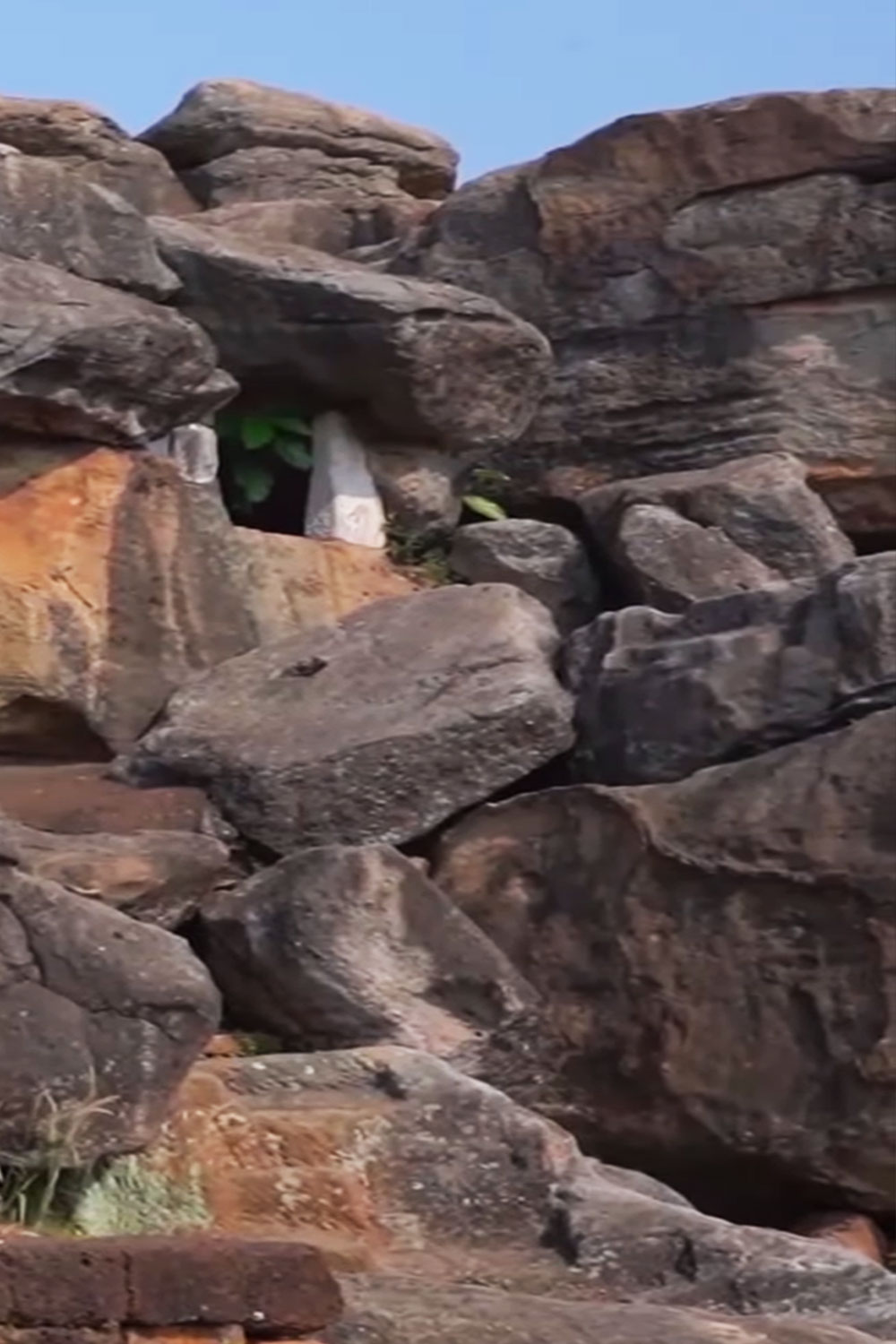
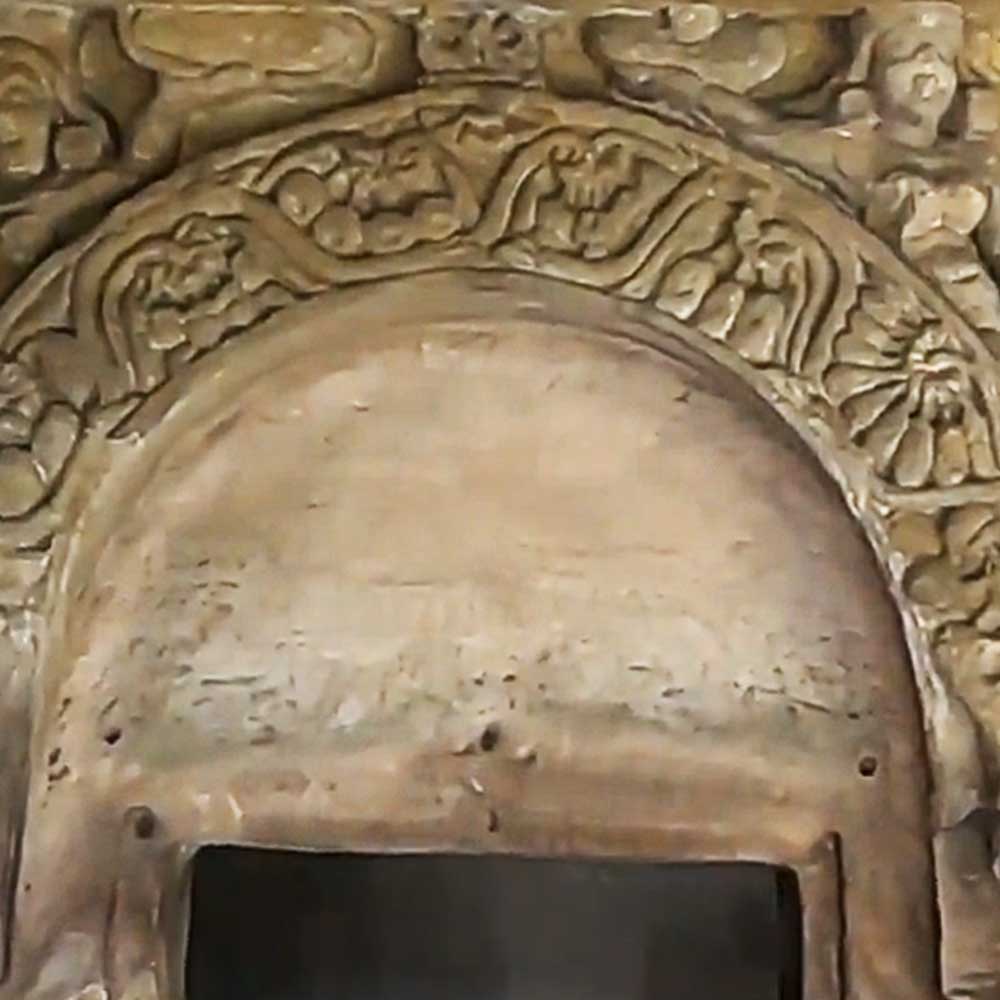
Udayagiri and Khandagiri Caves, formerly called Kattaka Caves or Cuttack caves, are partly natural and partly artificial caves of archaeological, historical and religious importance near the city of Bhubaneswar in Odisha, India. The caves are situated on two adjacent hills, Udayagiri and Khandagiri mentioned as Kumari Parvata in the Hathigumpha inscription. They have a number of finely and ornately carved caves built during the 1st century BCE. It is believed that most of these caves were carved out as residential blocks for Jain monks during the reign of King Kharavela. Udayagiri means "Sunrise Hill" and has 18 caves while Khandagiri has 15 caves.
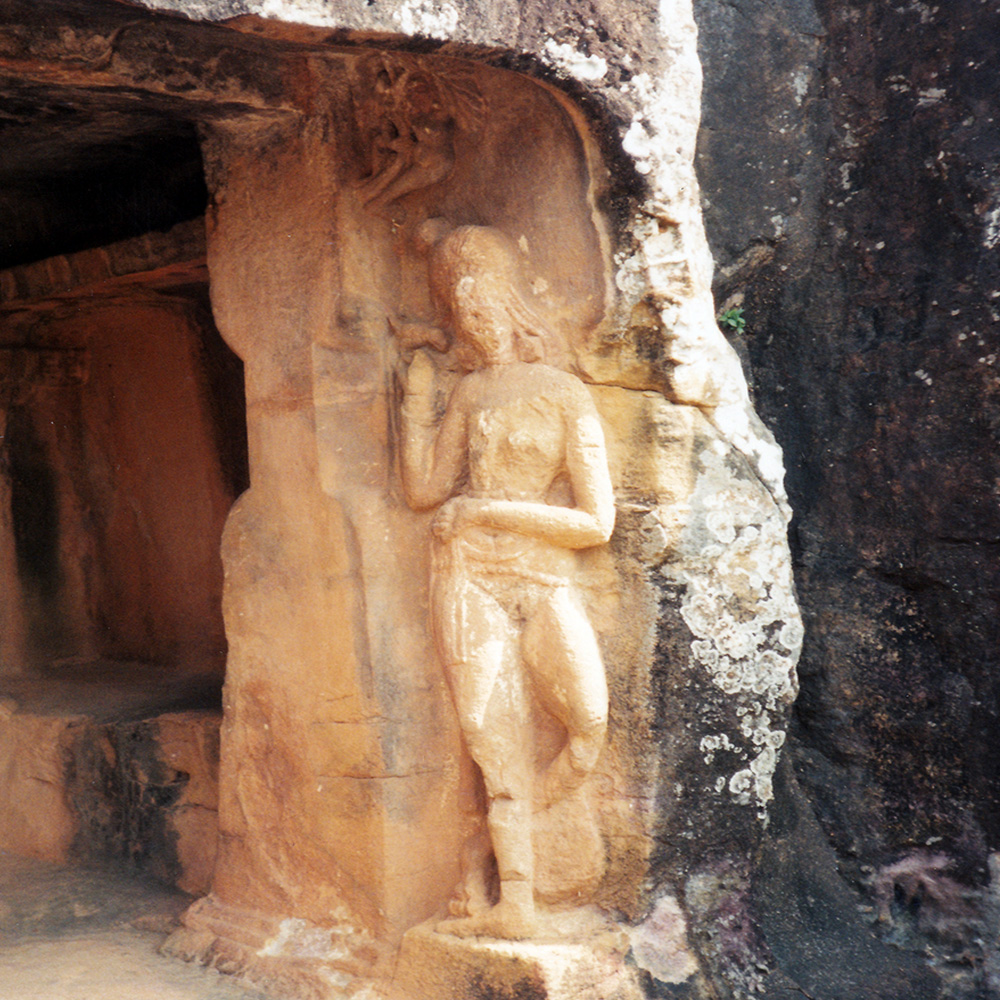
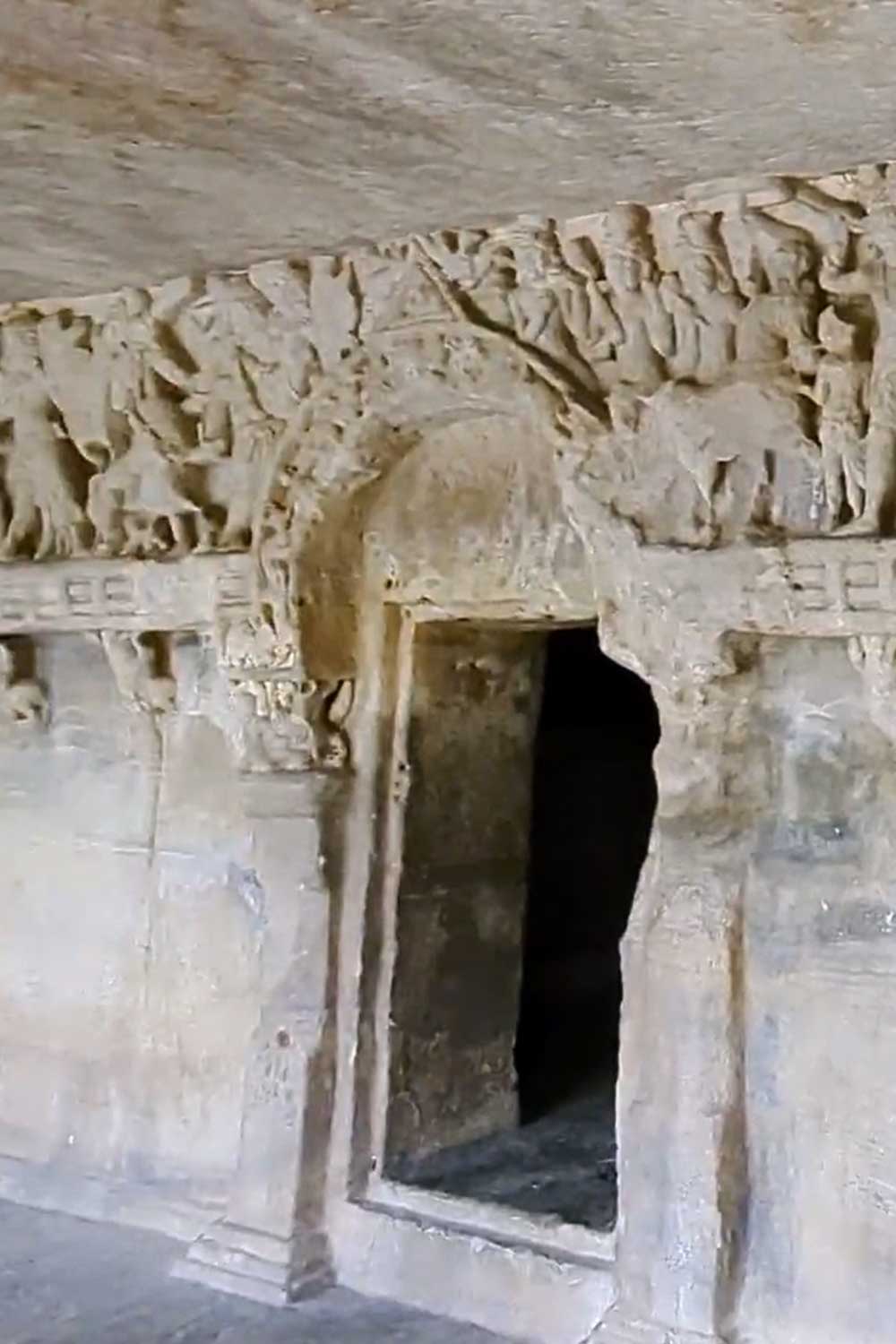
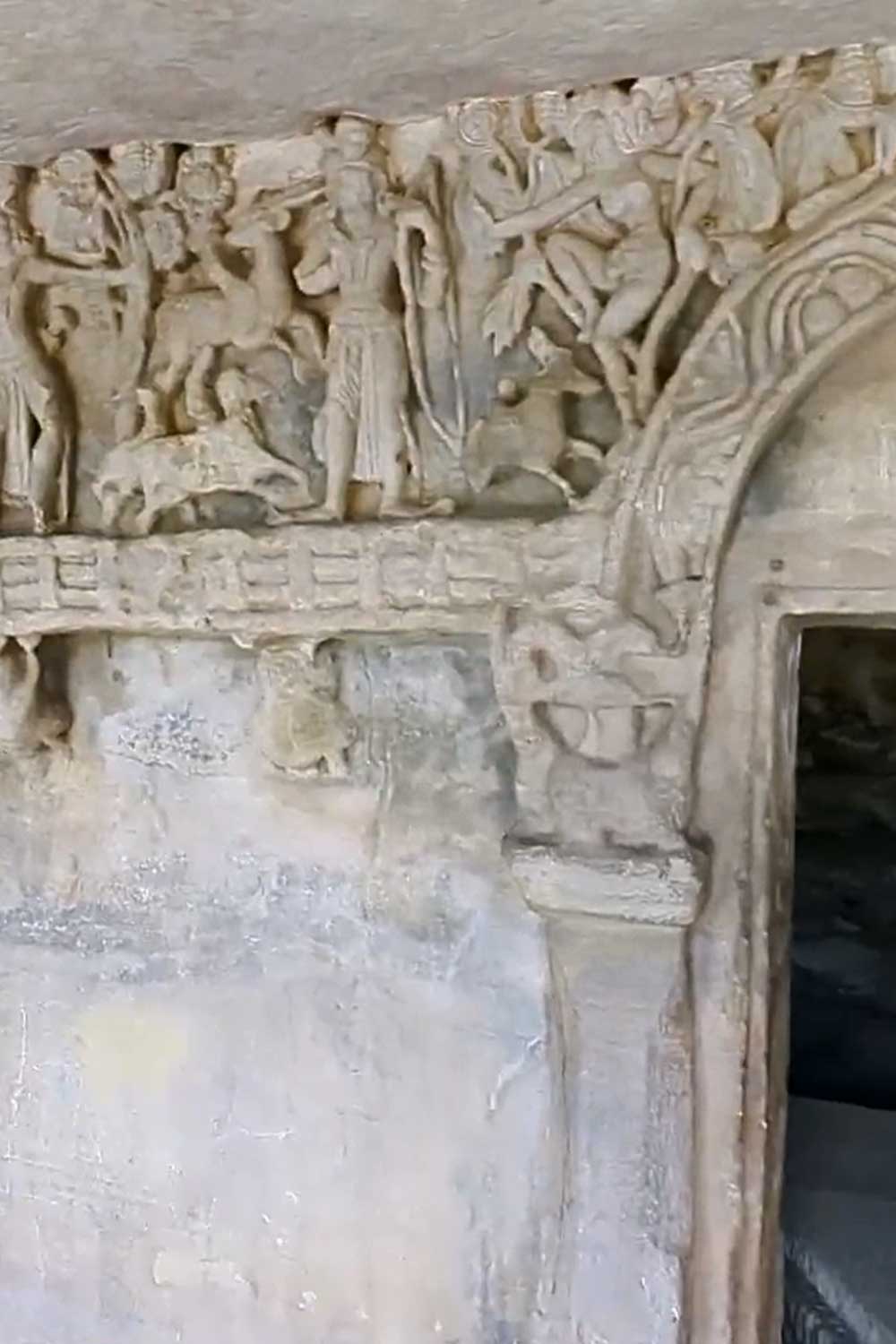
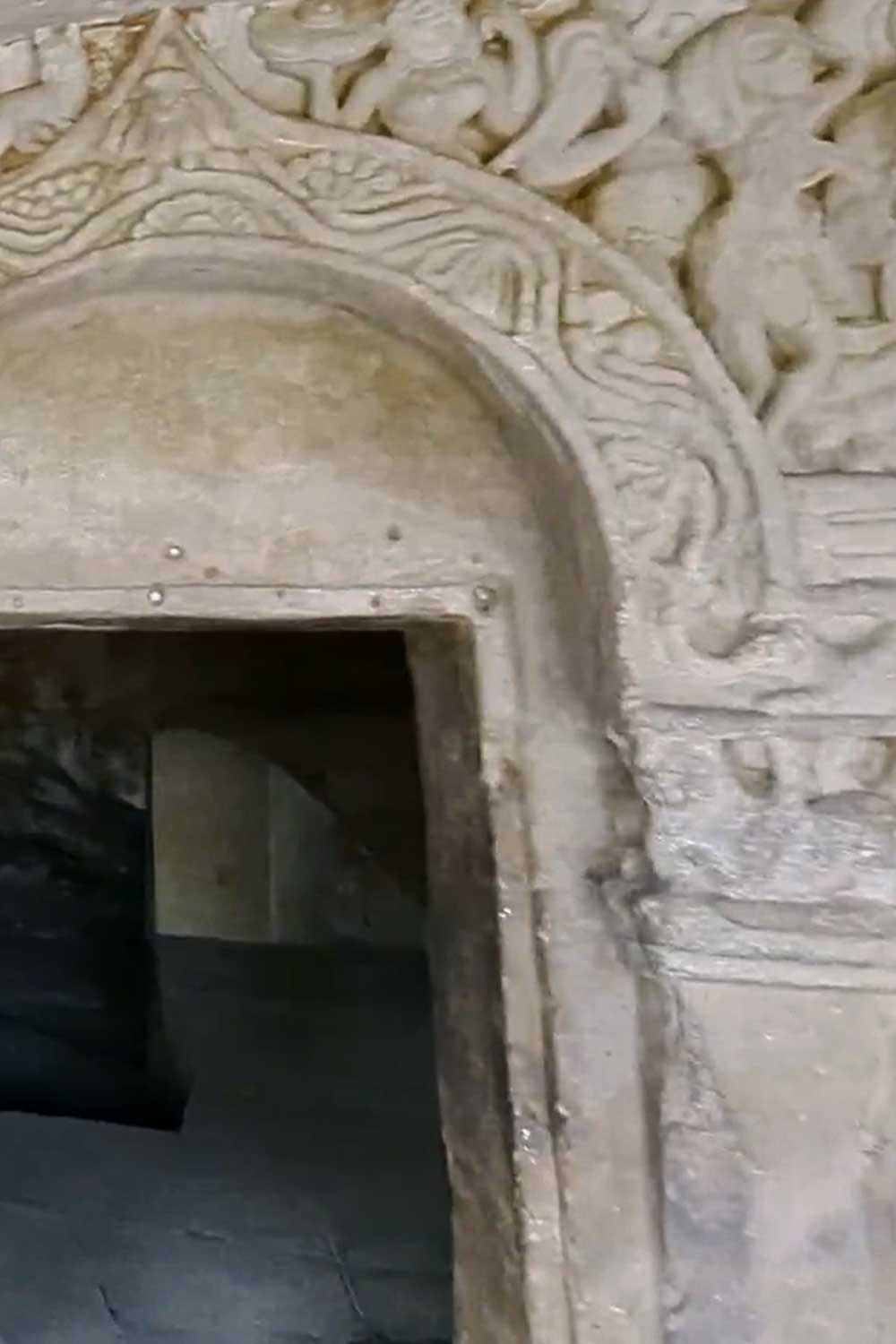
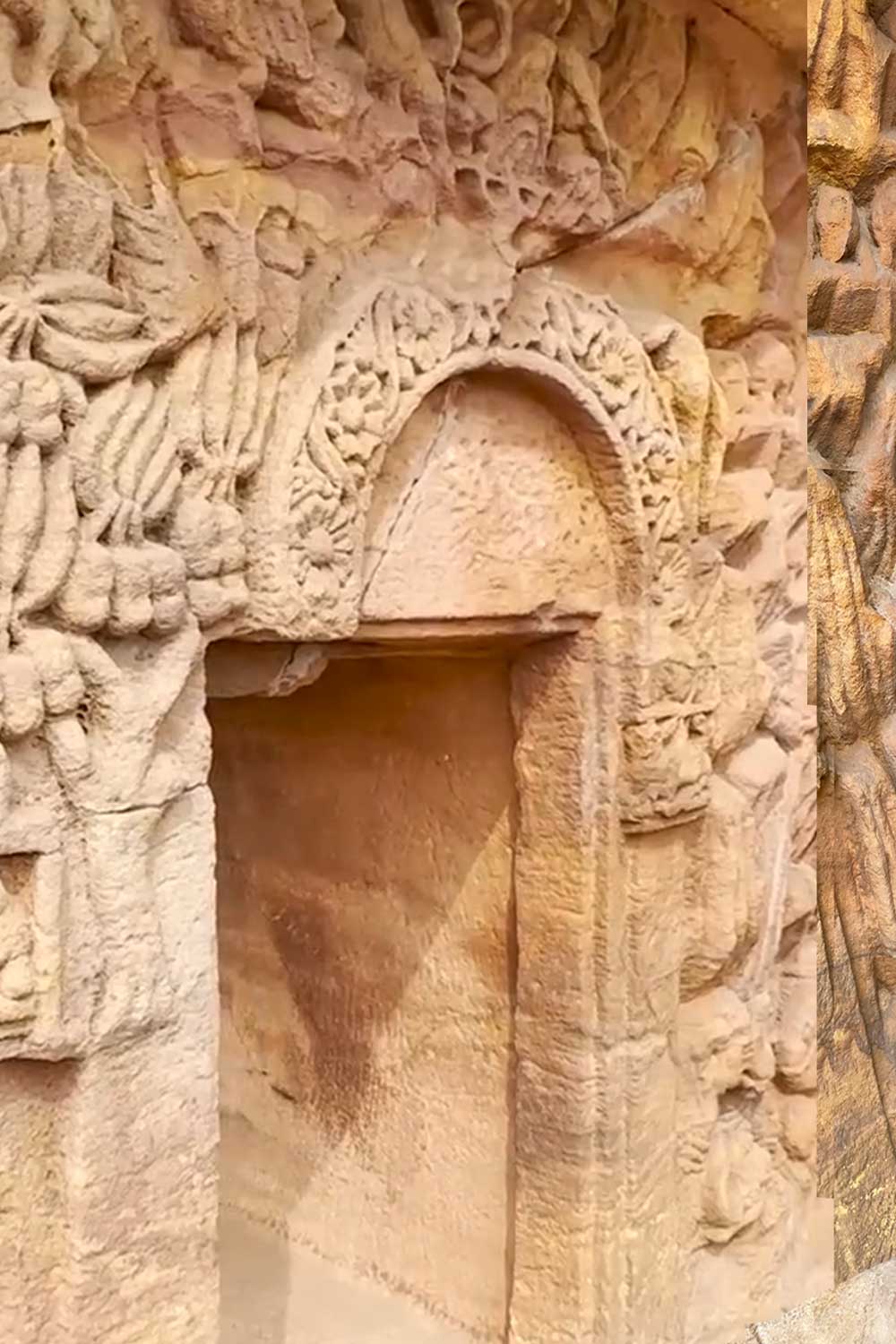
““ Udayagiri Caves, finely and ornately carved caves built during the 1st century BCE, Odisha, India
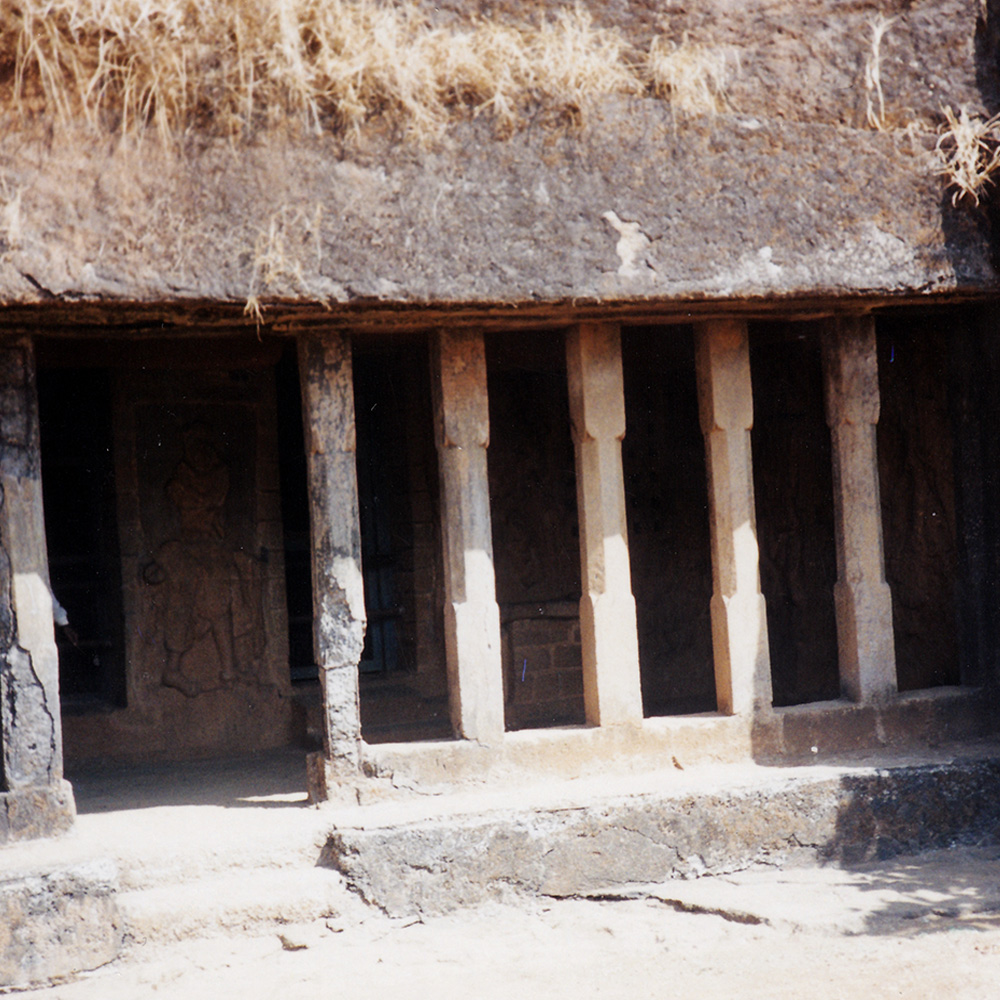
““It is believed that most of these caves were carved out as residential blocks for Jain monks during the reign of King Kharavela, 1st century BCE, Odisha, India, India
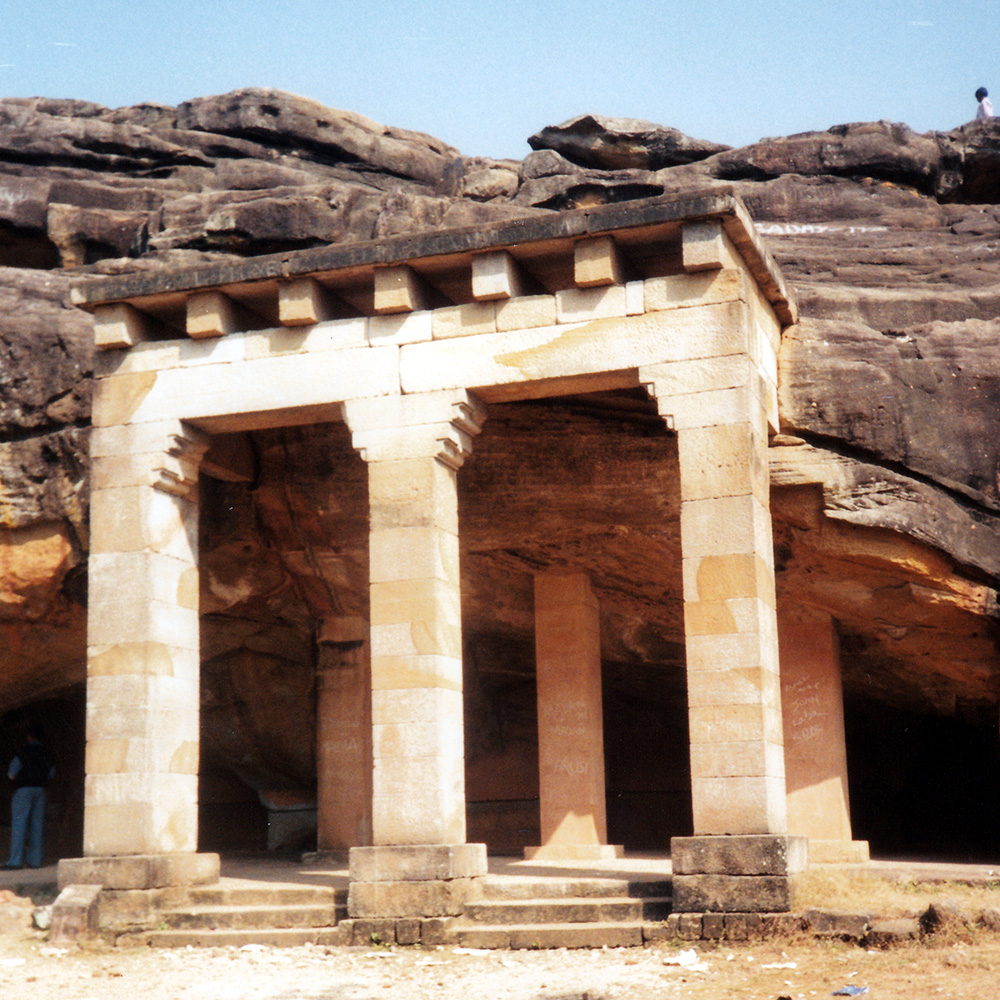
““The caves of Udayagiri and Khandagiri, called lena or leṇa in the inscriptions, these were taken out mostly during the reign of Kharavela for the abode of Jain ascetics, 1st century BCE, Odisha, India
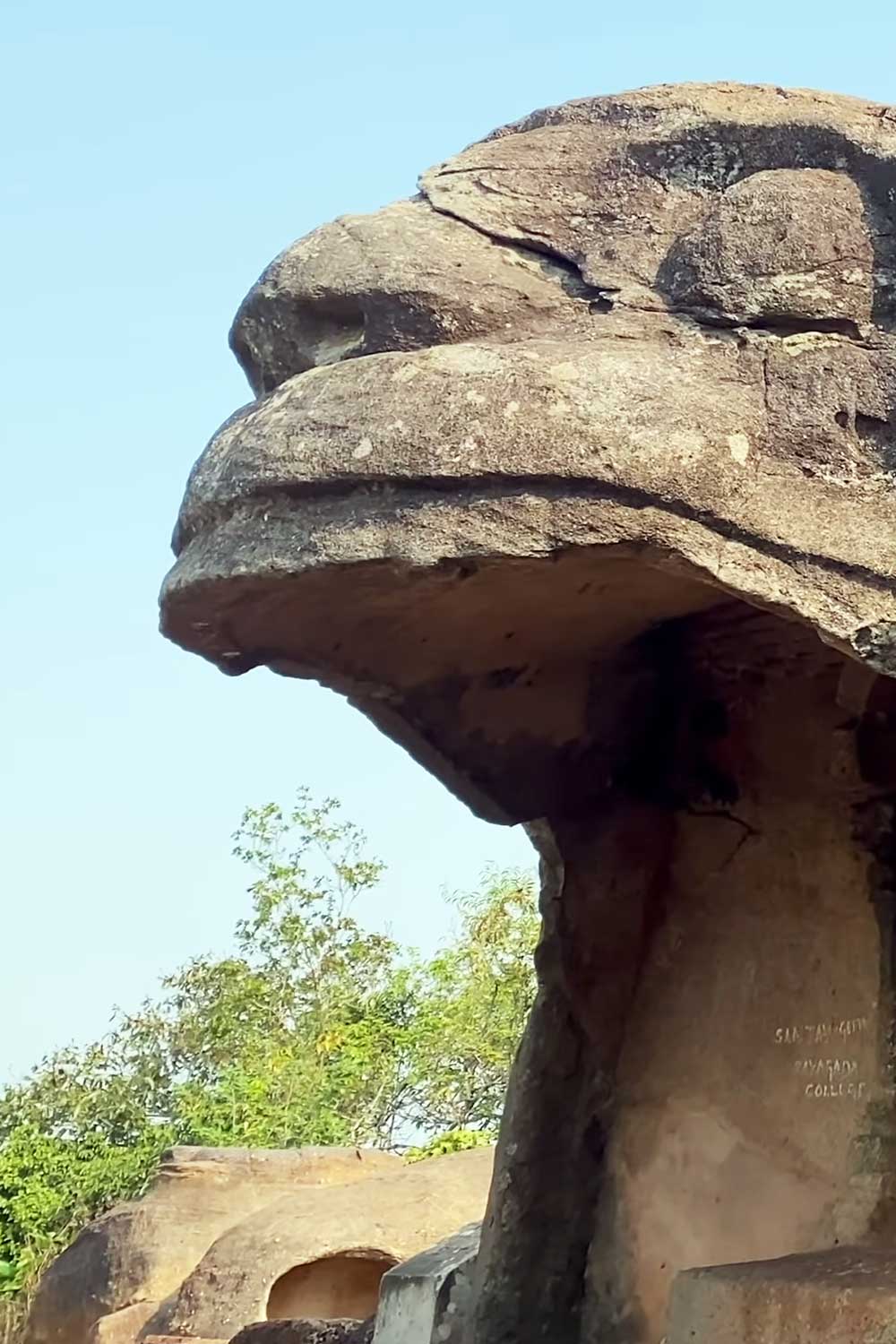
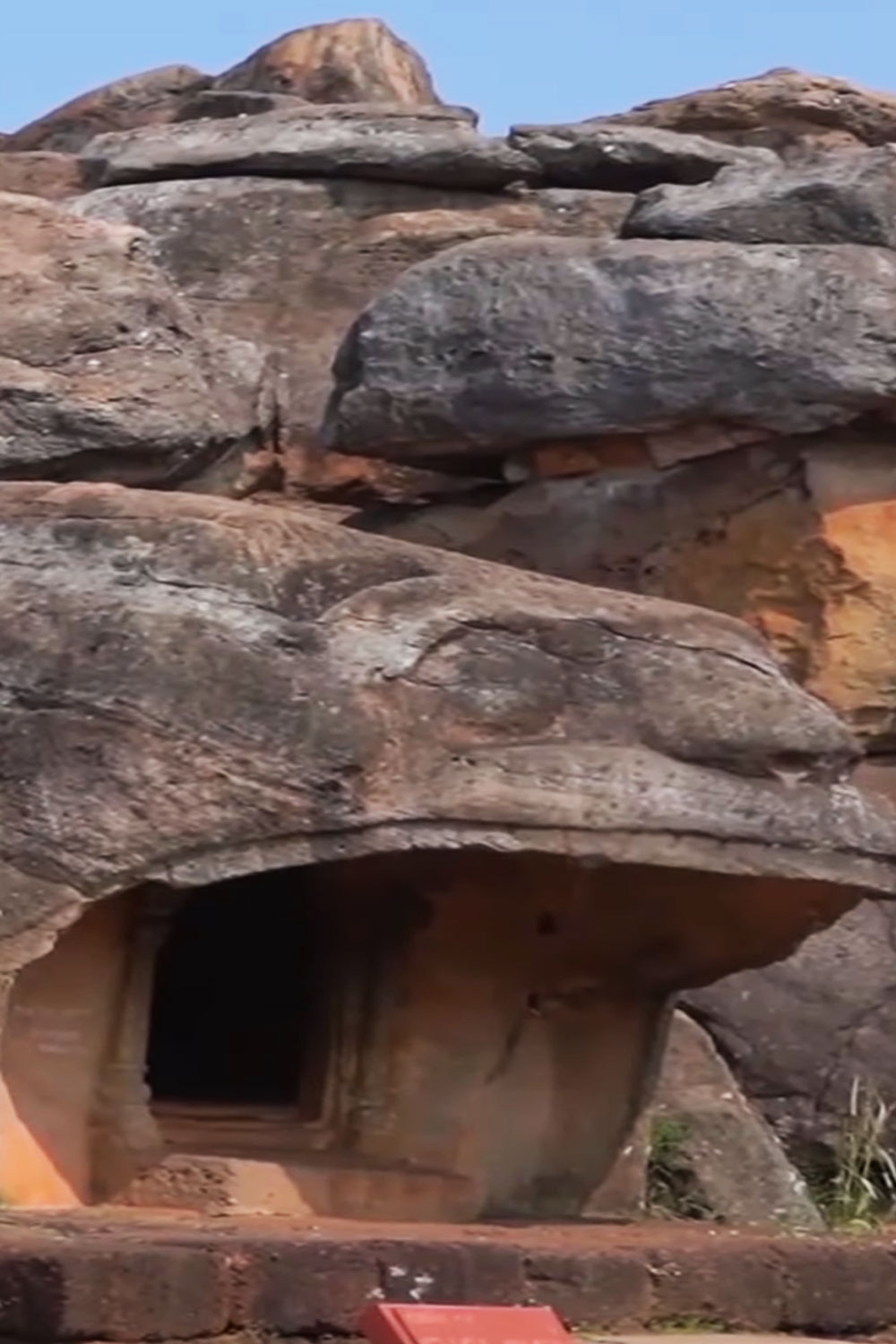
““Entrance to the Vyaghra Gumpha, also known as the Tiger Cave, a rock-cut cave in Udayagiri
““
““
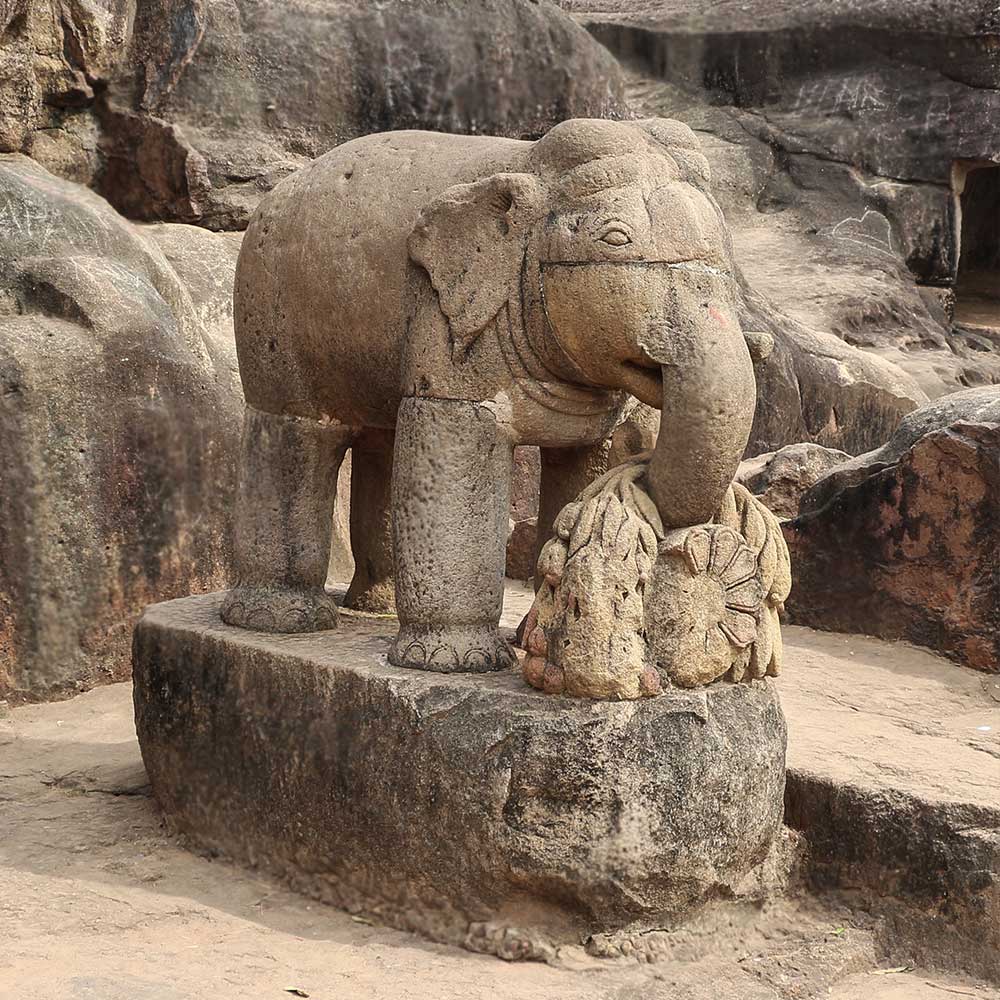
““Elephants hold a deeply sacred and powerful place in Indian culture, symbolizing wisdom,
““royalty, good fortune, and strength, primarily through the revered elephant-headed god Ganesha,
““ but also as royal mounts, military assets, and central figures in festivals and art
““In Udayagiri, Hathi Gumpha (cave 14) and Ganesha Gumpha (cave 10) are especially well known for their historically important sculptures and reliefs, 1st century BCE, Odisha, India
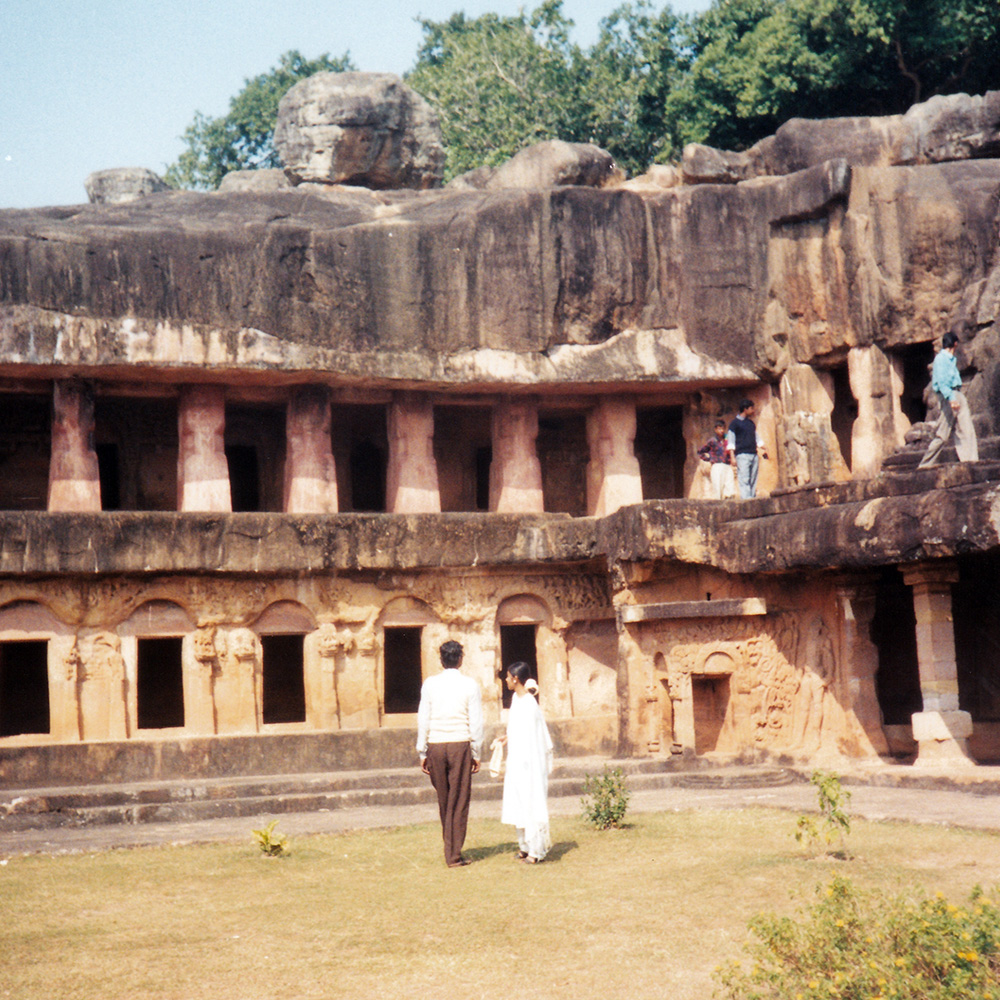
““Rani Gumpha is the largest and most popular cave among the caves of Udayagiri and Khandagiri. The word Rani means "queen", 1st century BCE, Odisha, India
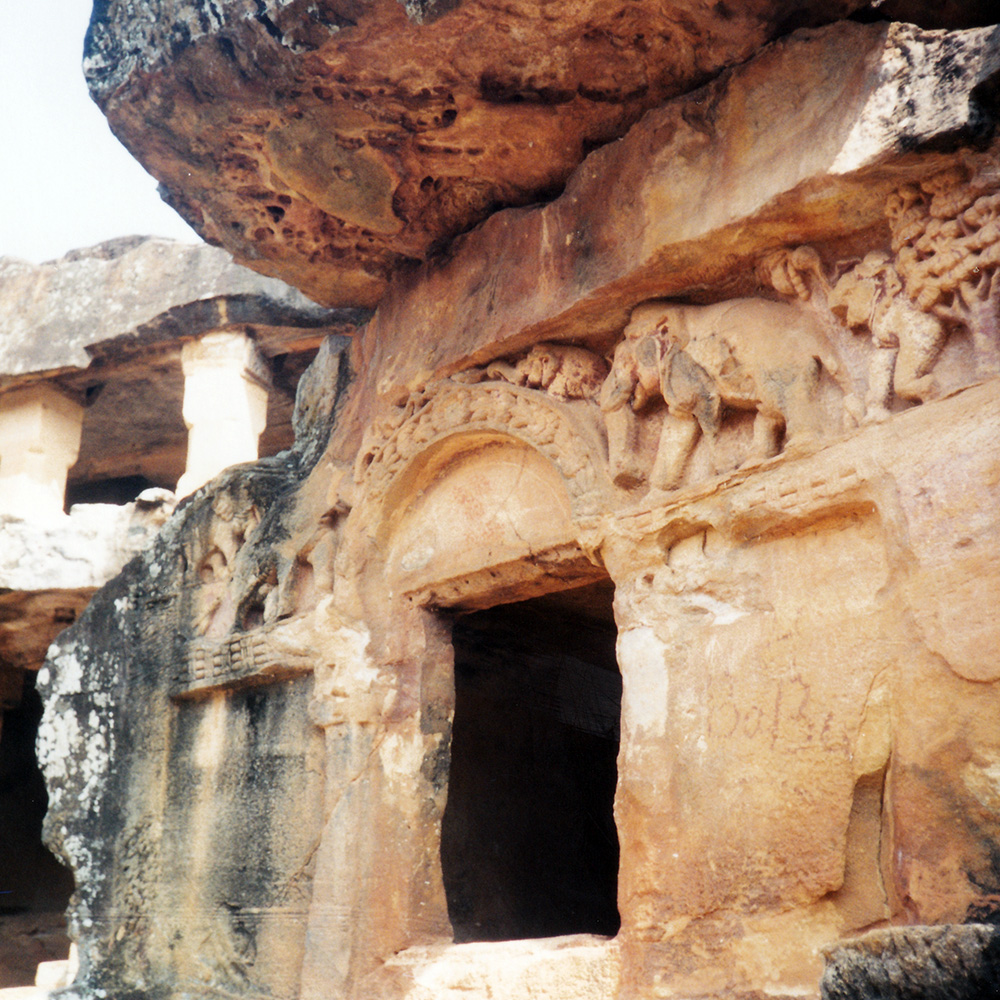
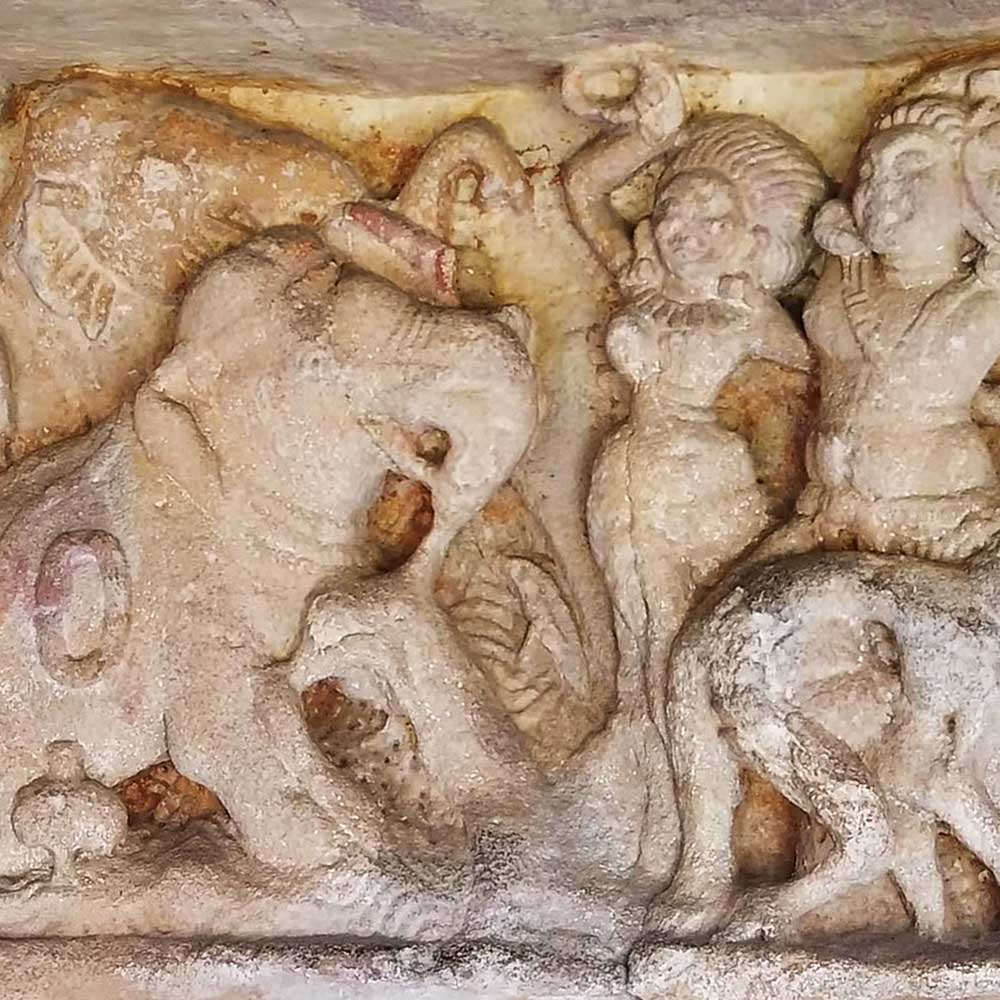
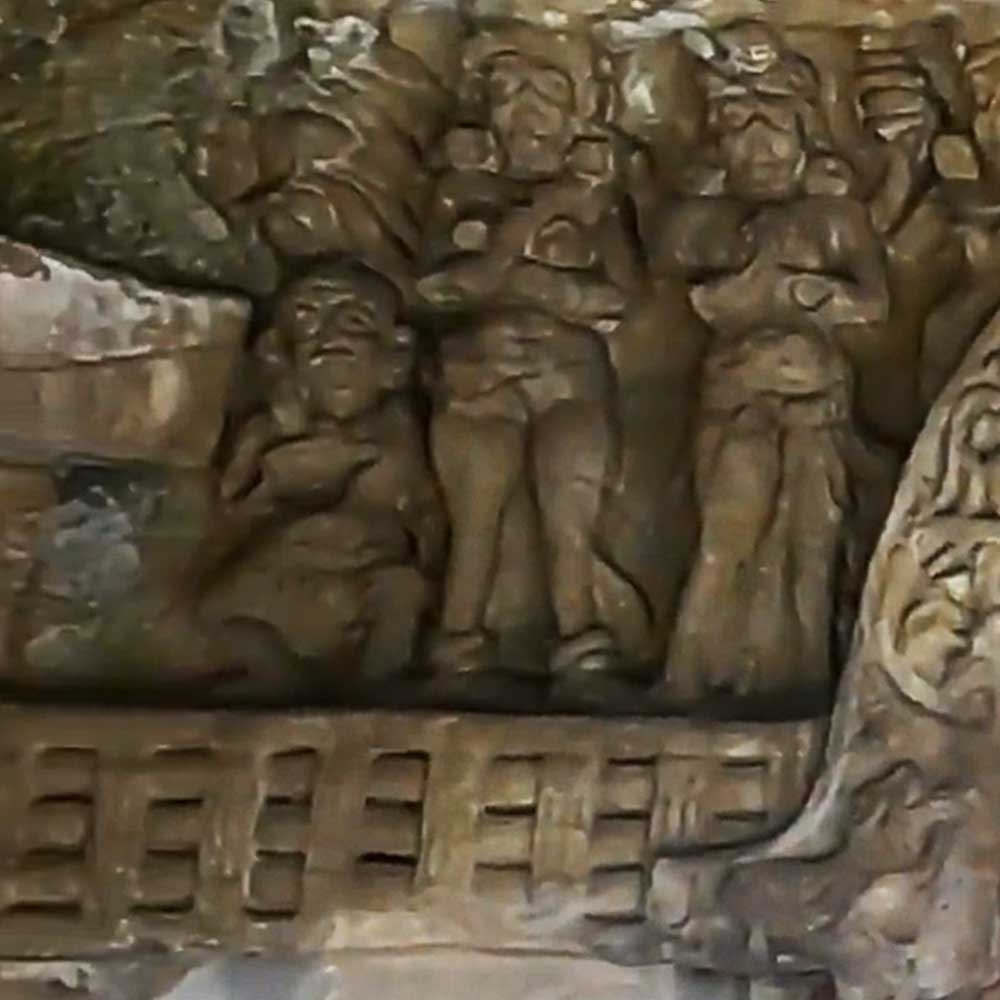
““ Khandagiri offers a fine view back over Bhubaneswar from its summit. The Ananta Cave depicts carved figures of women, elephants, athletes, and geese carrying flowers 1st century BCE, Odisha, India
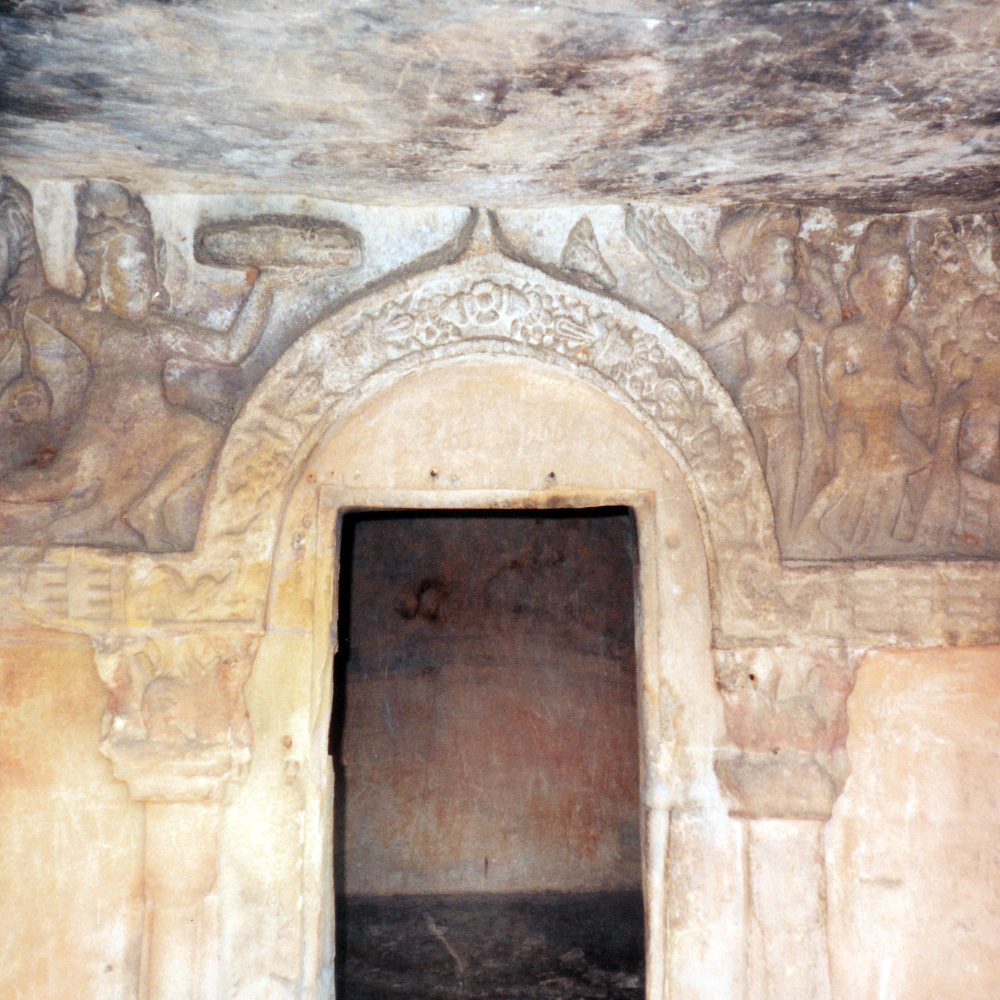
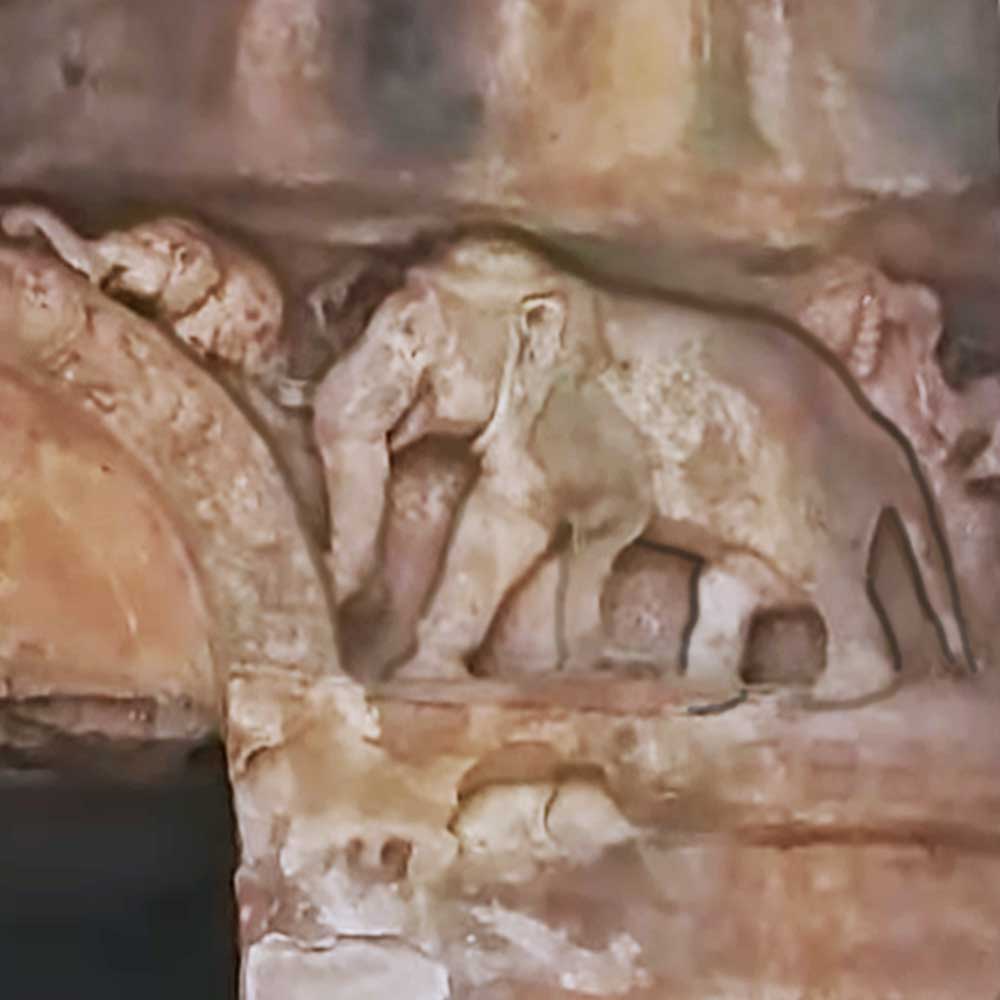
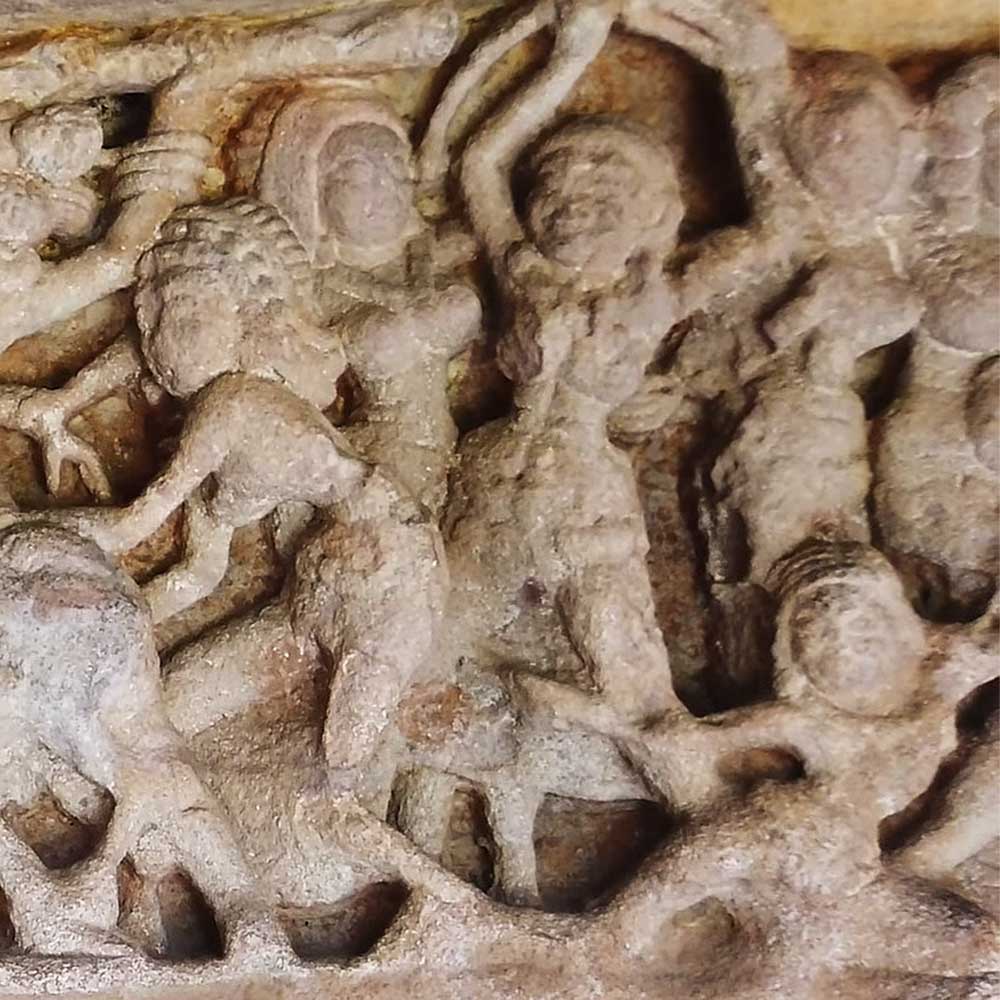
““ an episode where wild elephants attack a party of men 
““and women in a lotus lake. The scene includes a female figure
““ who appears to be dancing or in a dramatic pose as an elephant lunges toward the group.
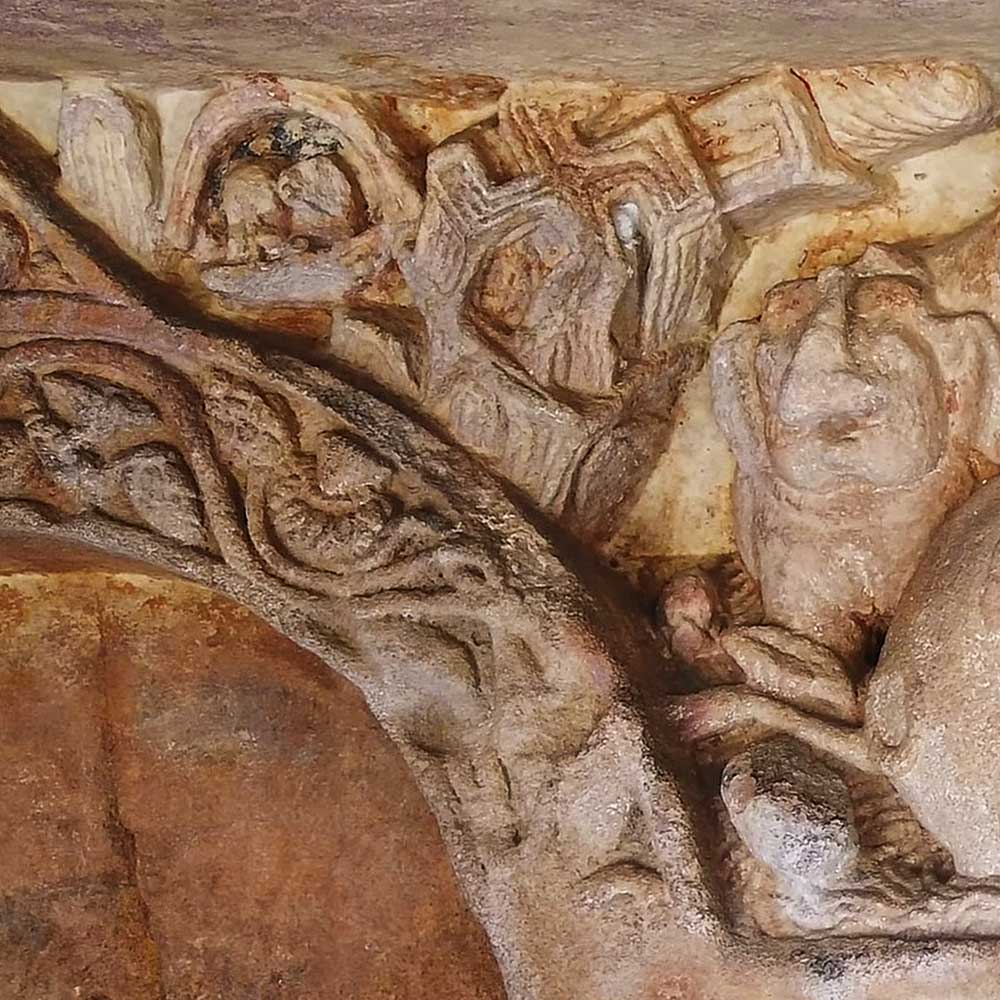
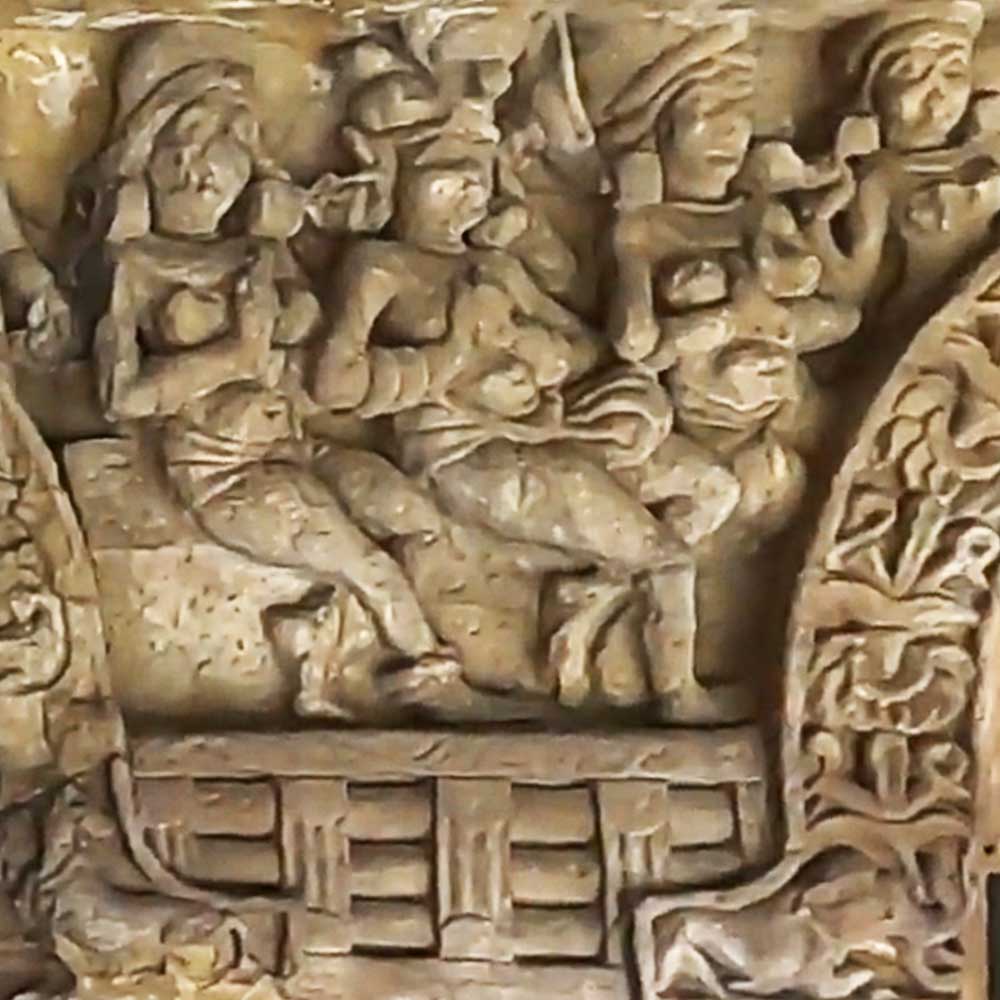
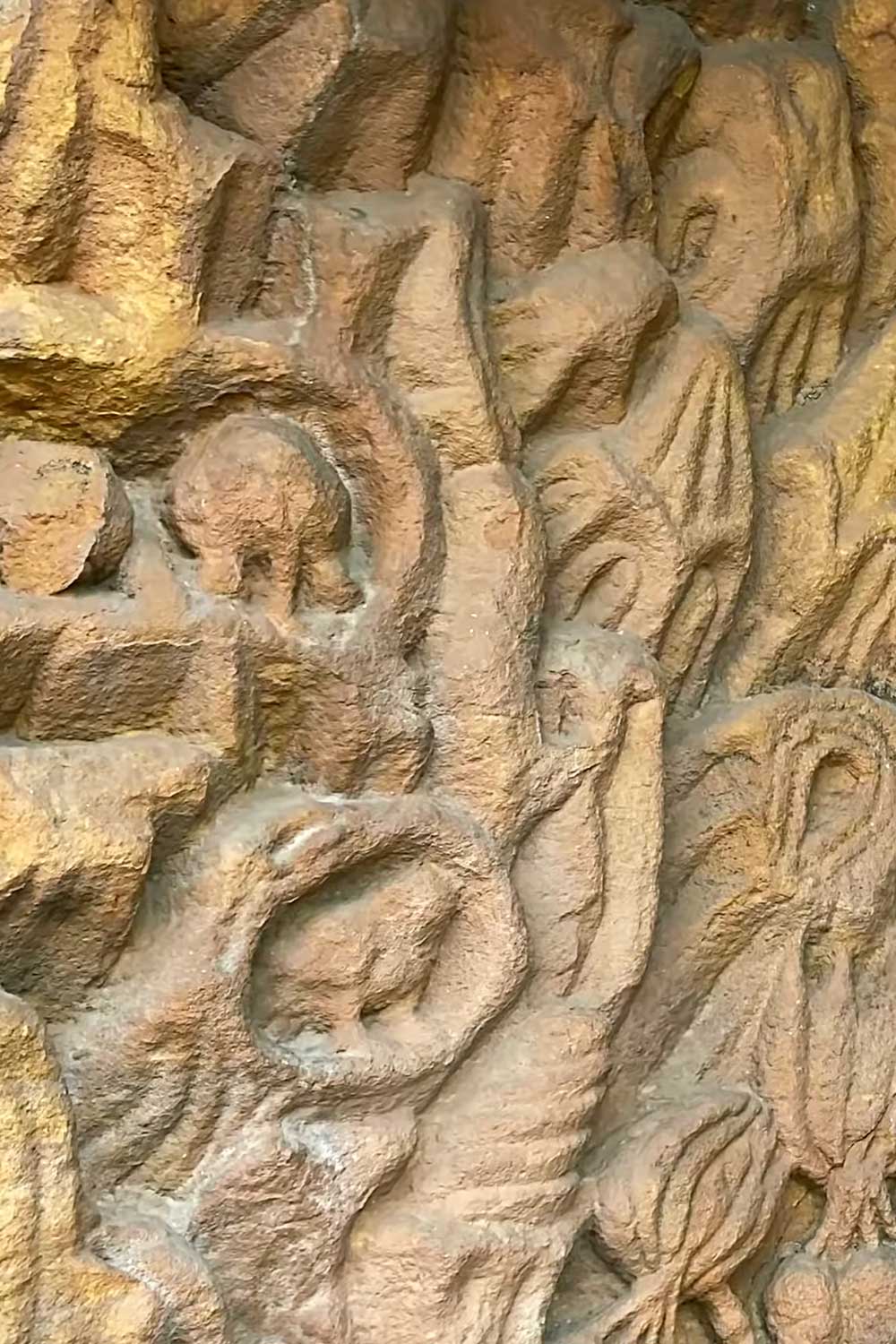
““Relief sculpture of a detailed rock-cut carving from the Udayagiri and Khandagiri Caves in Odisha
““
““
““Long corridor connecting cave
““
““ Odisha, India
““
““
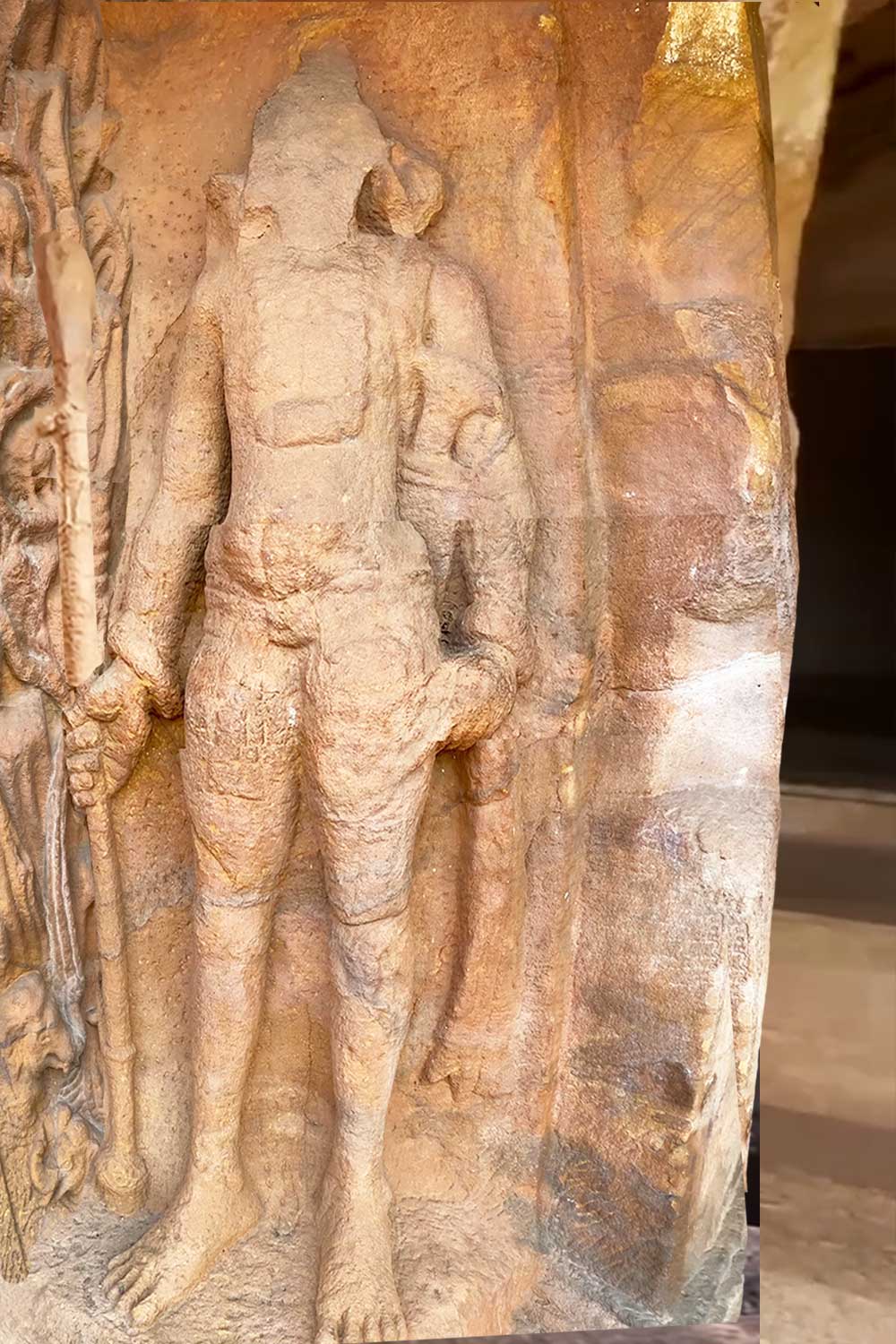
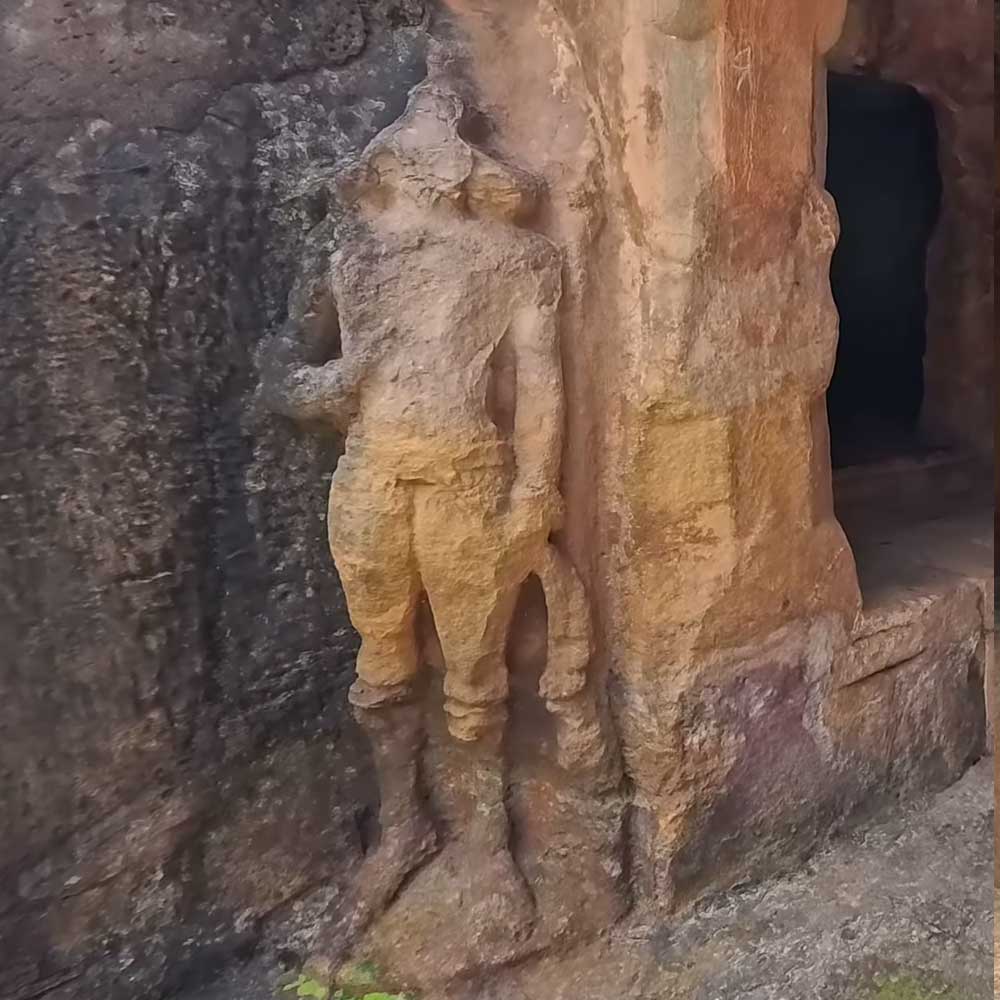
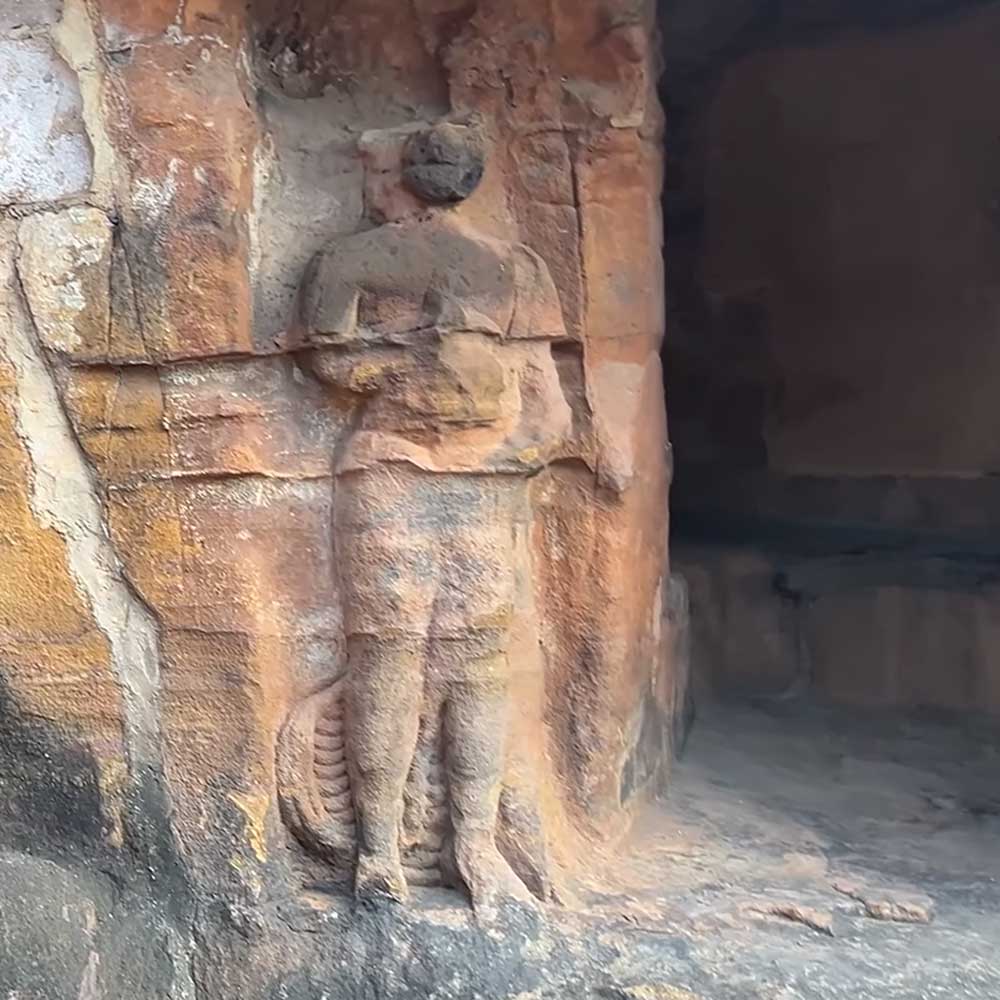
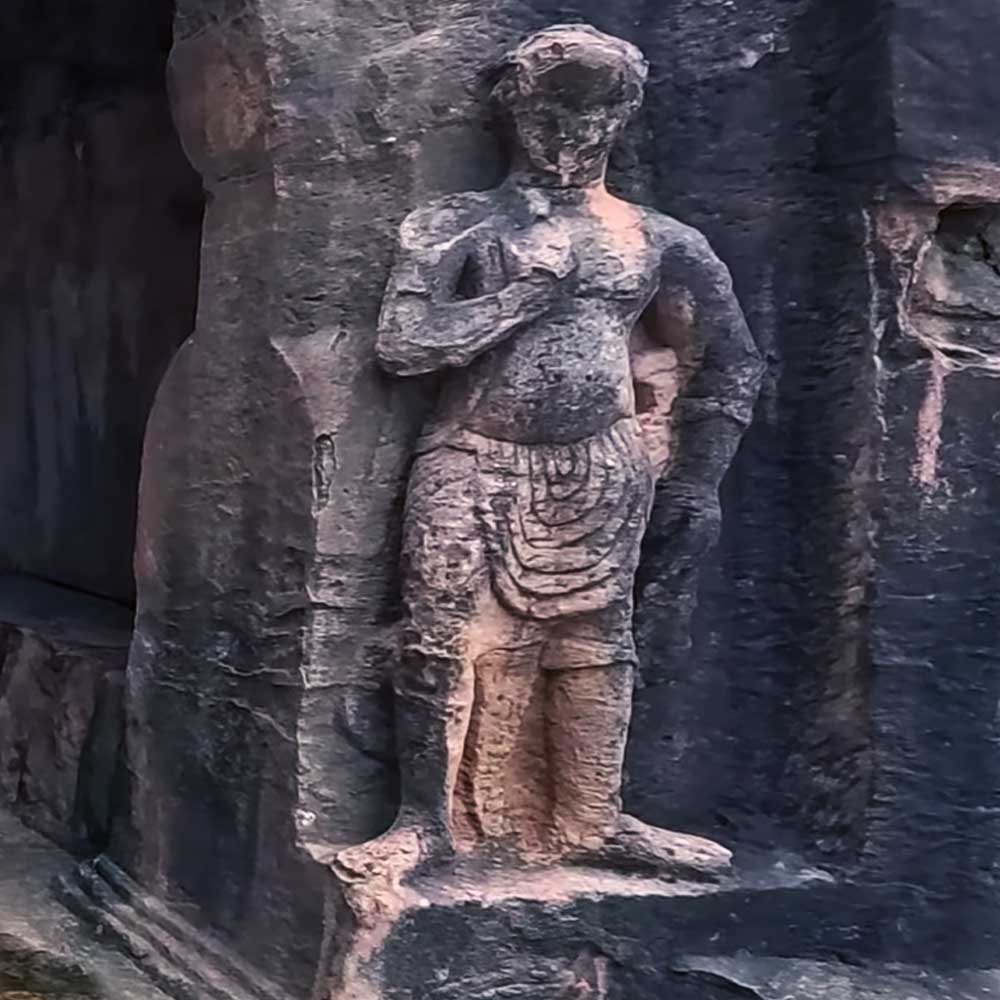
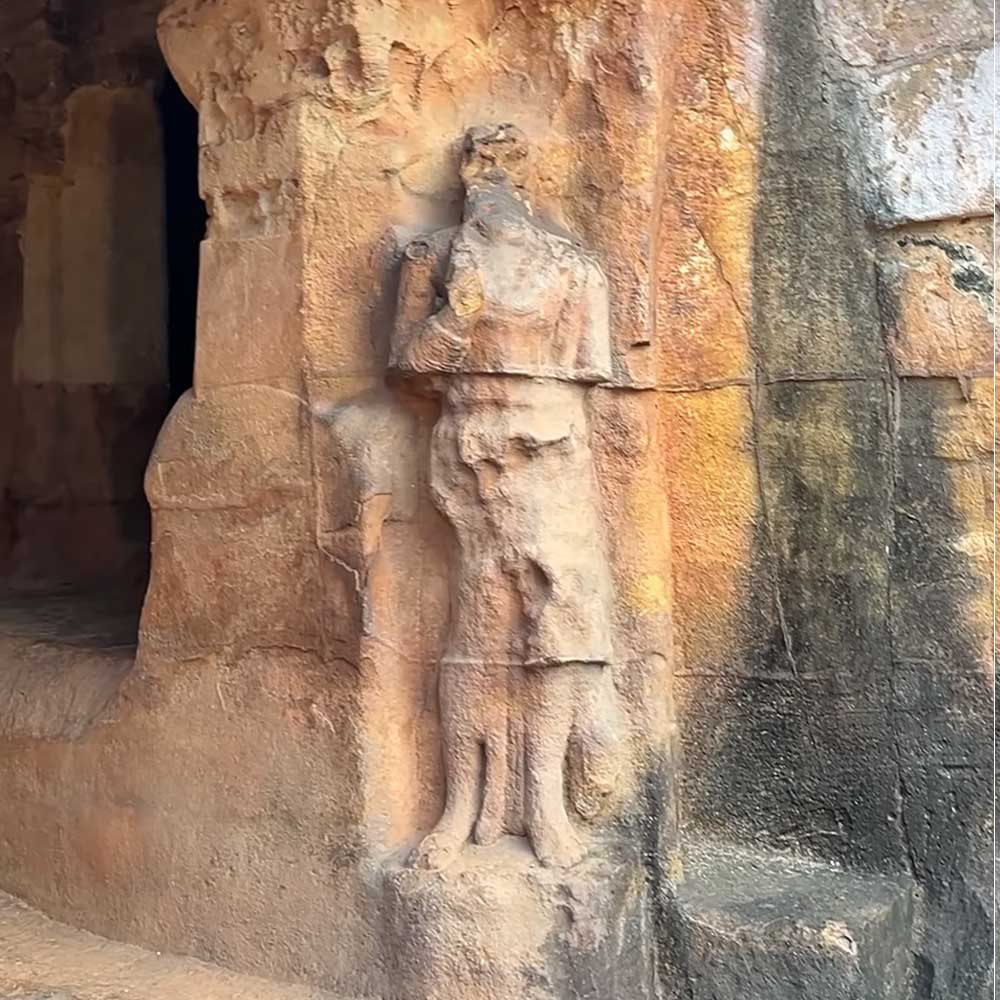
““This is a rock-cut sculpture, possibly a Yavana or Indian warrior, found in the Udayagiri and Khandagiri Caves.
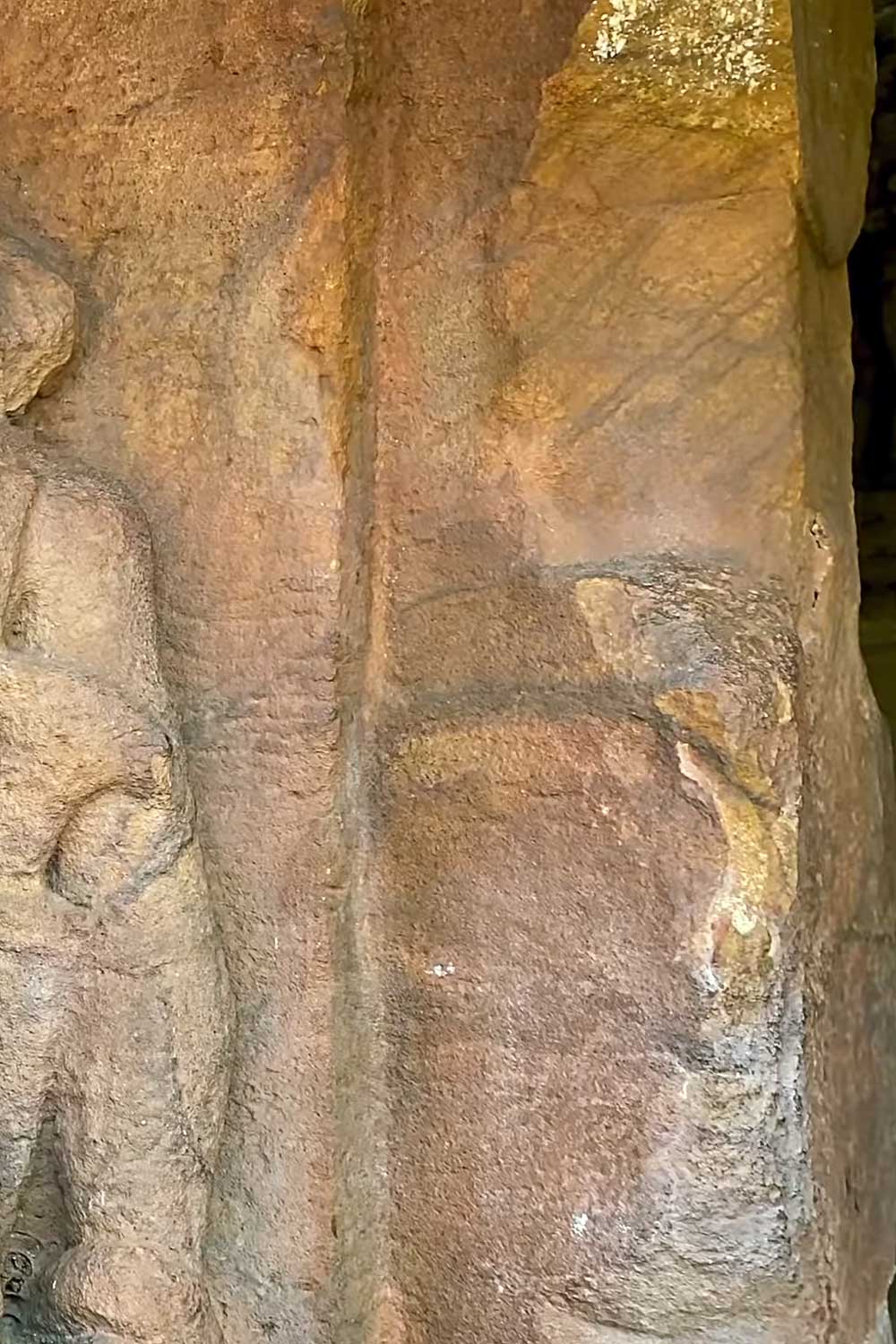
““image shows the entrance to the Vyaghra Gumpha, also known as the Tiger Cave, which is part of the Udayagiri Caves complex in Odisha
““
““
““ Carved out by Jain monks between the 2nd century BCE and the 1st century CE.
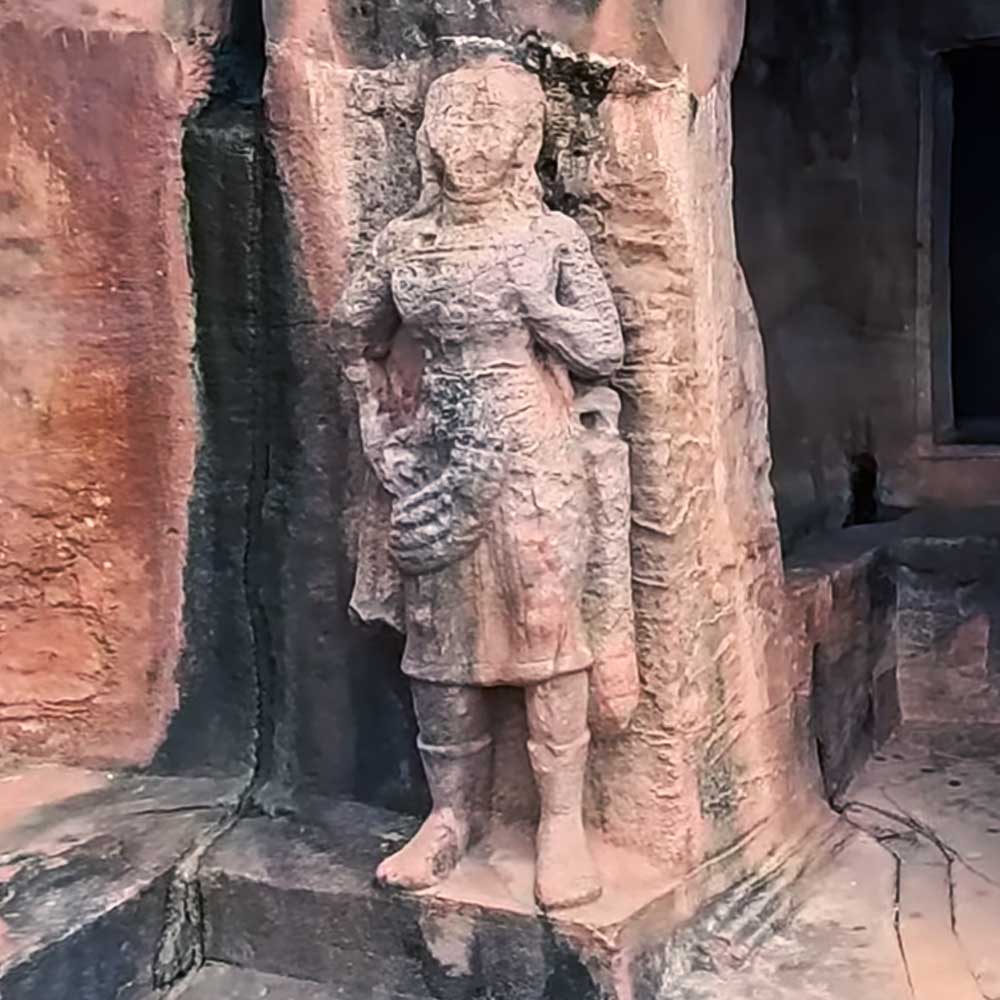
““Yavana Dvarapala wearing a chiton & boots, Rani Gumpha, Udayagiri Caves, Odisha, India, 50-25 BCE
““Sculpture of a Yavana warrior carved into the rock-cut Udayagiri and Khandagiri Caves in Odisha
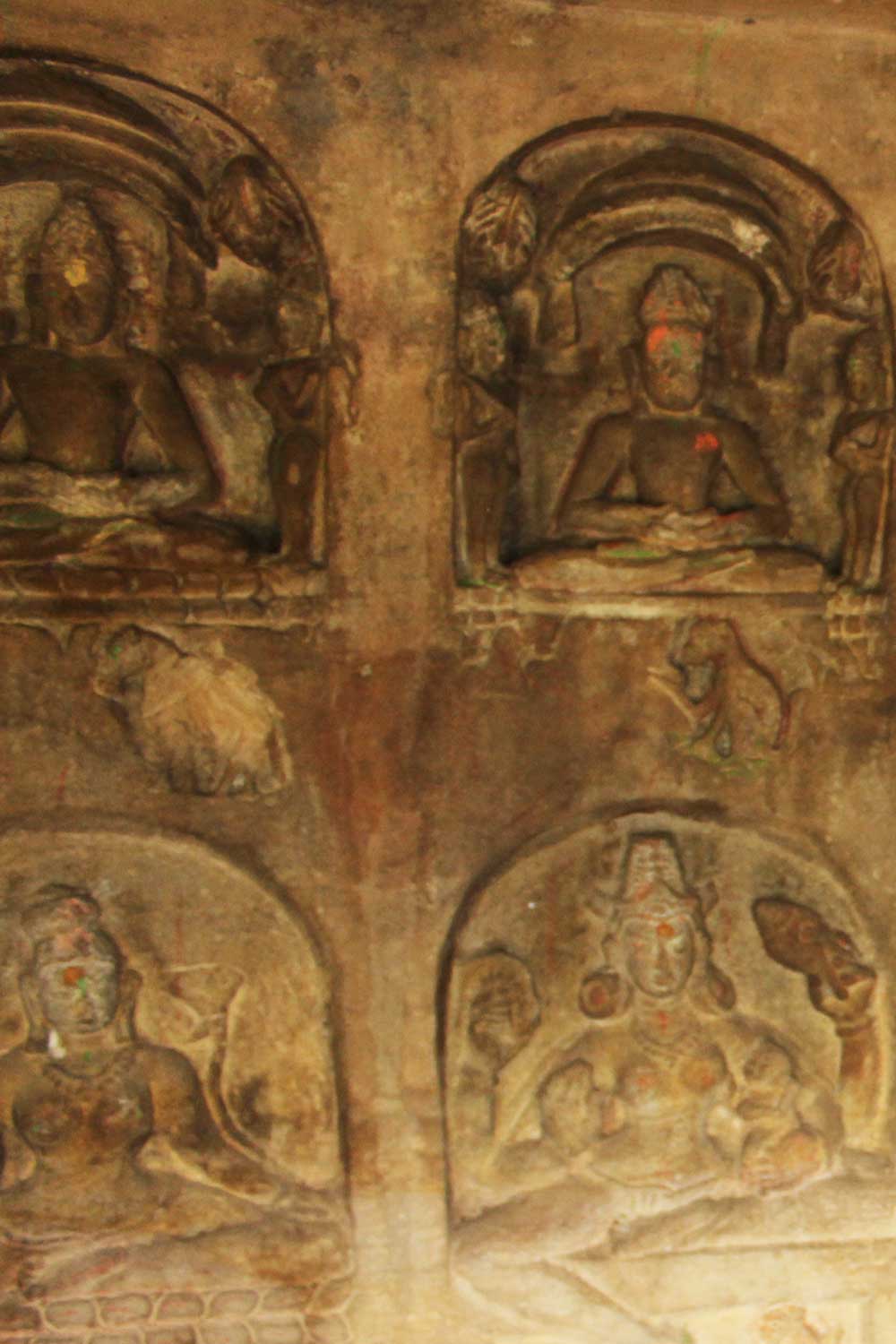
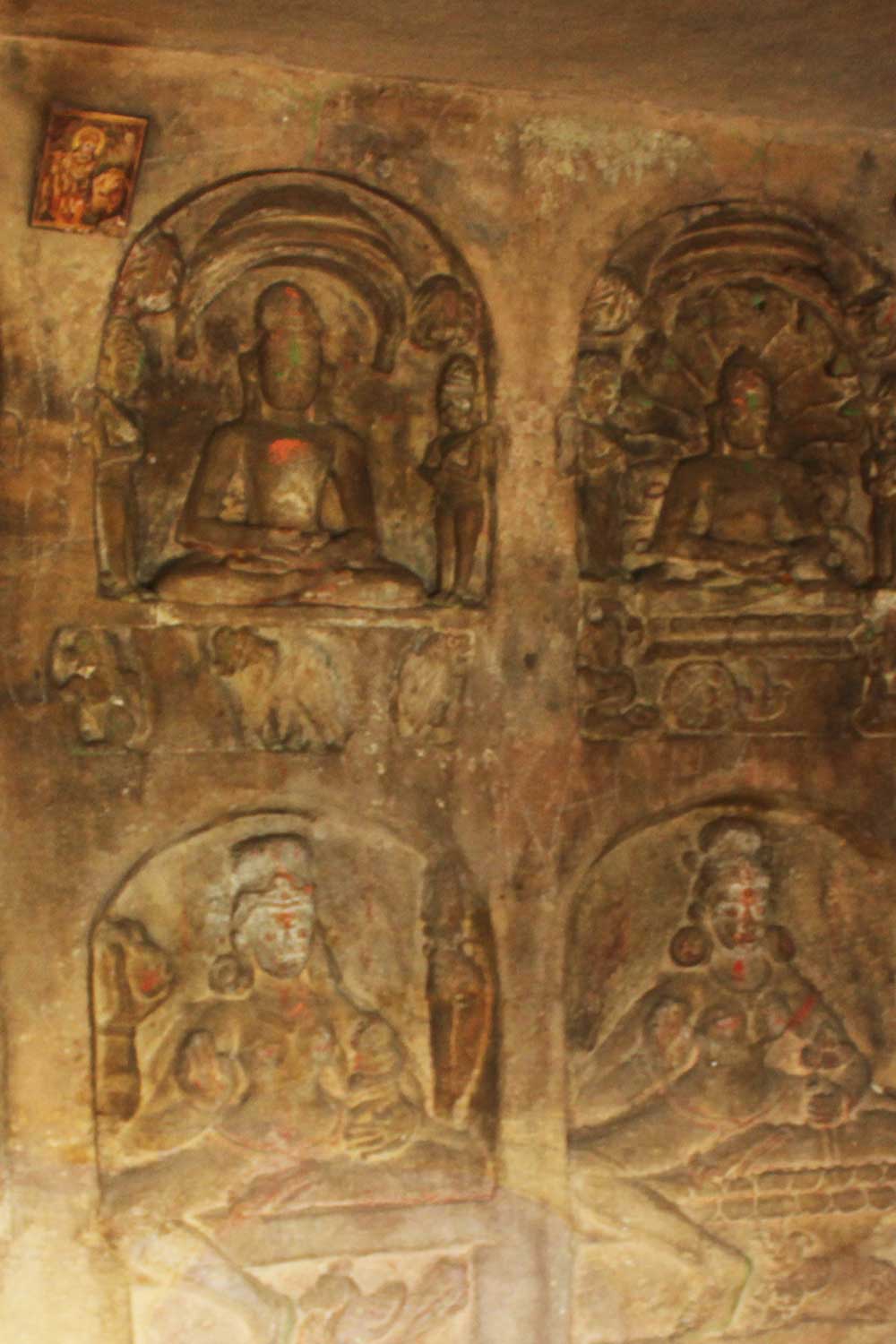
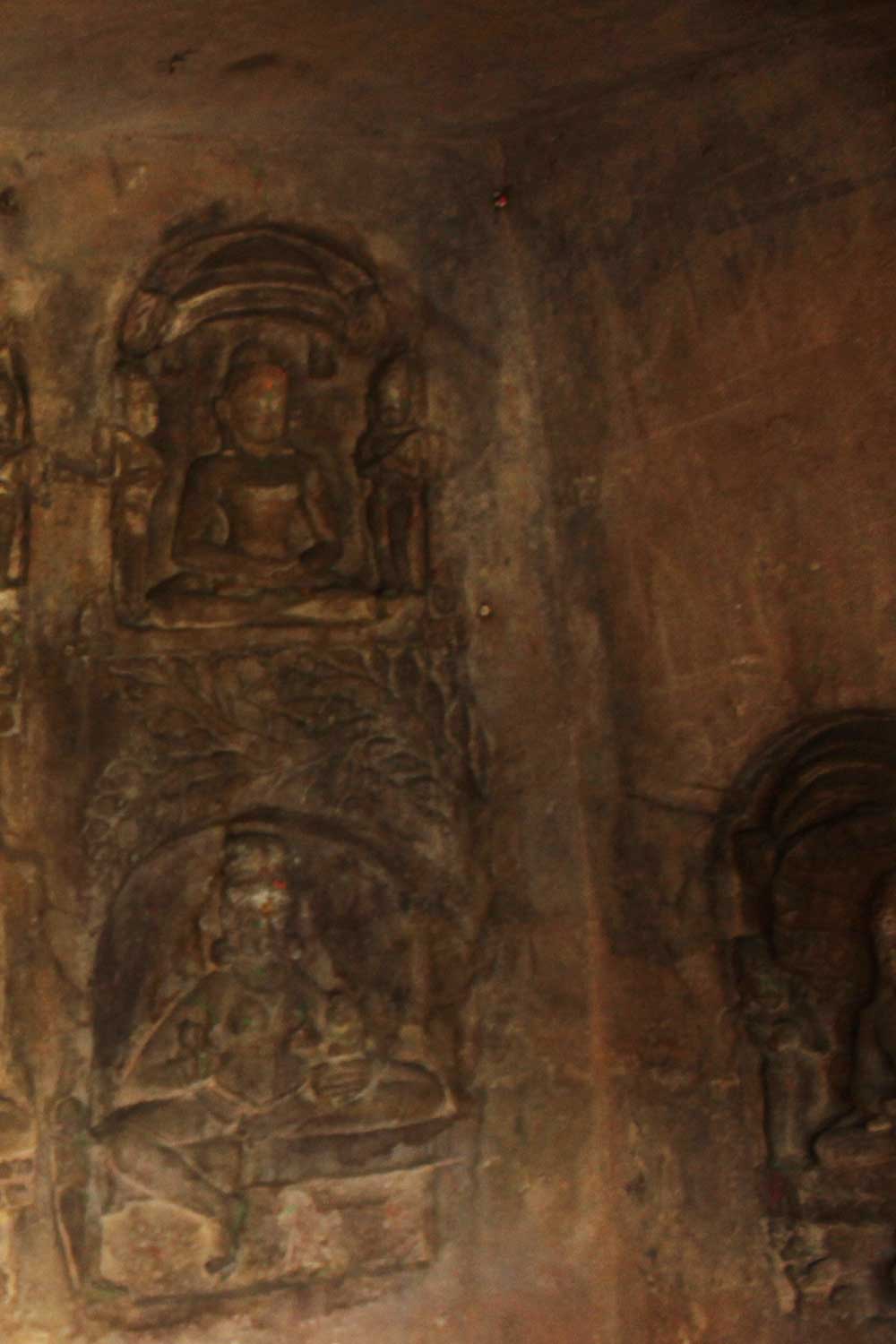
““Jain Tirthankaras.
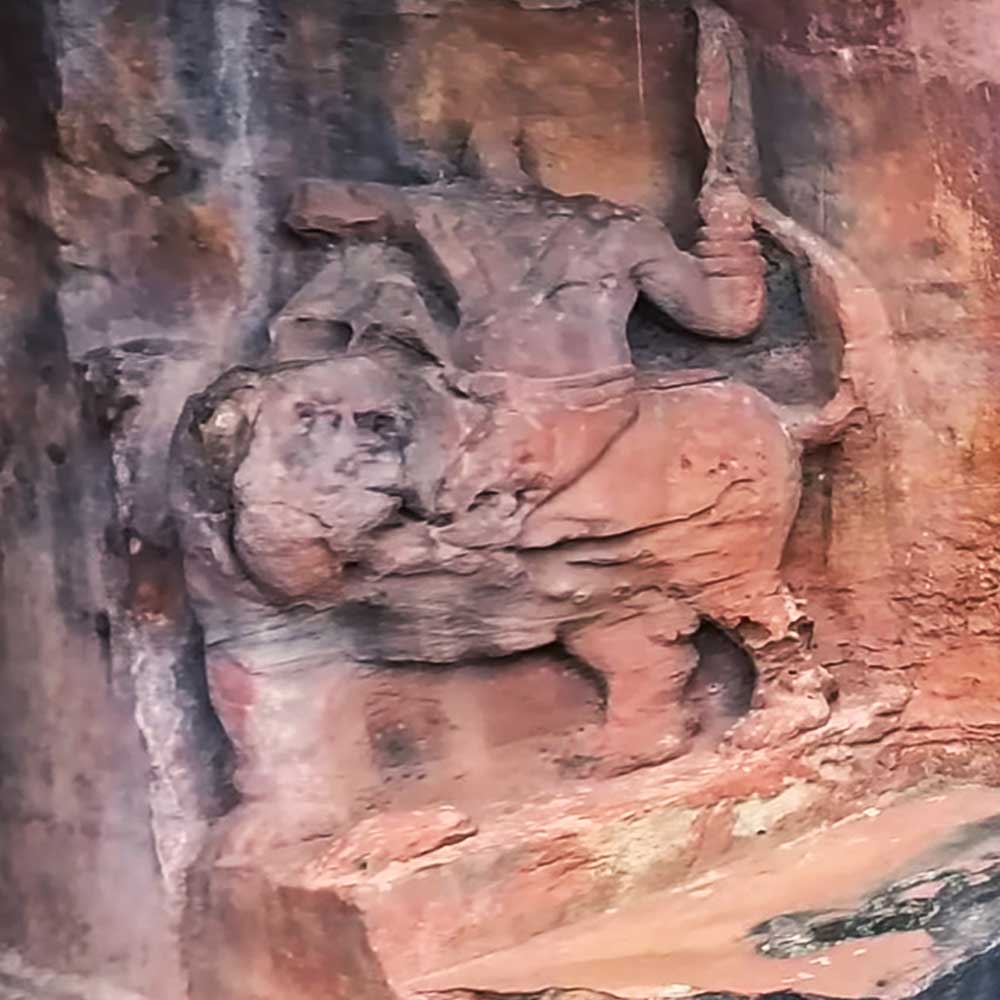
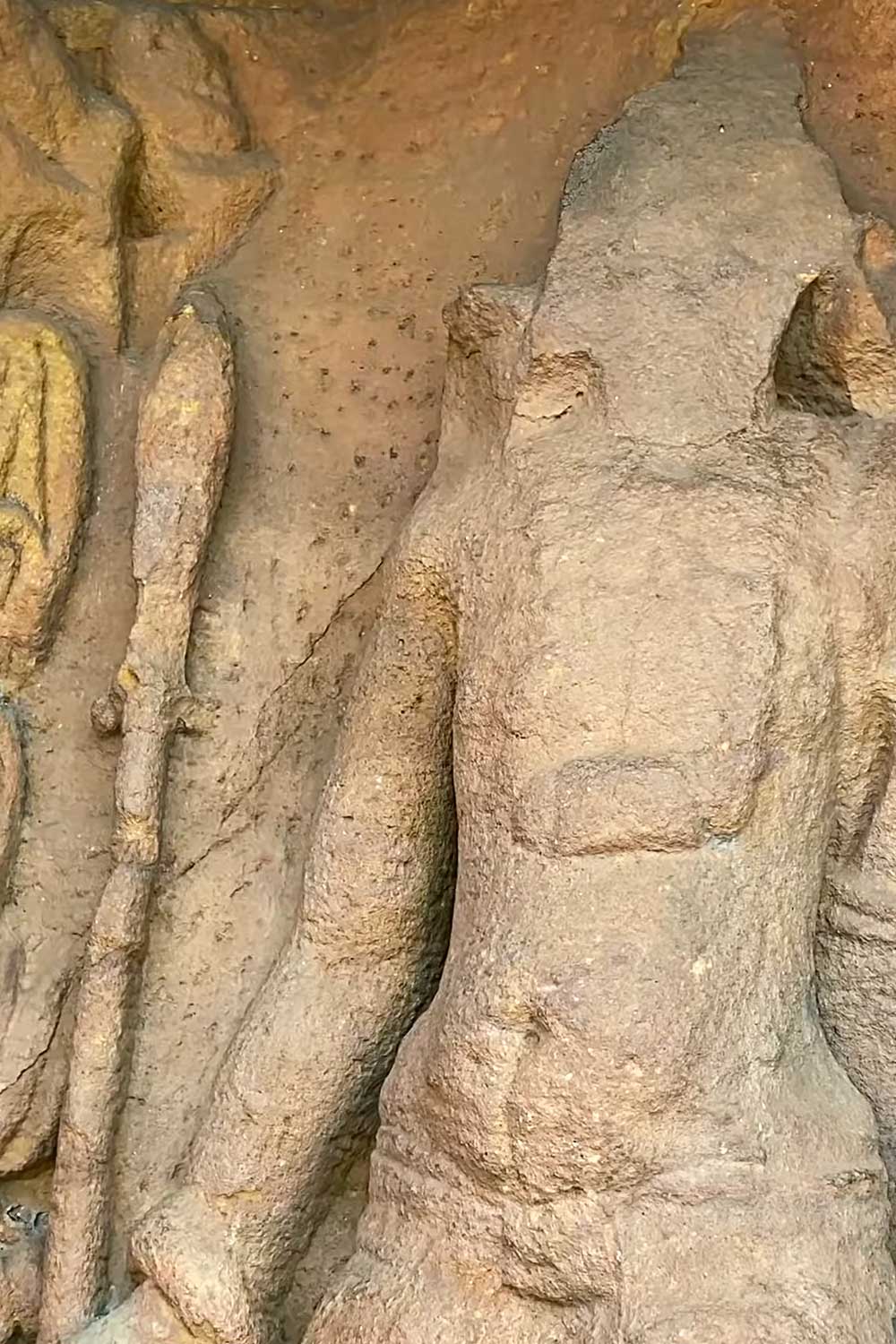
““The sculpture is believed to represent the Varaha (boar) incarnation, the third of the ten primary avatars of Lord Vishnu in Hindu mythology
““"Yavana" is a term used in ancient Indian texts to refer to people of Greek origin, highlighting the cultural interactions of the time.
““a standing male figure, likely a guardian or attendant deity, the style is typical of Northern Qi dynasty (550-577 CE)
““an ancient Indian stone carving that is part of a railing crossbar (suci) from the Amaravati Stupa. The panel depicts a scene, possibly from the Mandhāta Jātaka story, showing figures at a royal court.
““
““
““This is a rock-cut sculpture, possibly a Yavana or Indian warrior, found in the Udayagiri and Khandagiri Caves.
““
““
Website & Content Created by Richard Brafford, © 2025, All Rights Reserved, Fair Use Disclaimer for Non-Commercial Use for Educational & Entertainment Purposes OnlyTop