Sikkim, a small Himalayan state in northeastern India, sits between Tibet, Bhutan, Nepal, and West Bengal. Its terrain ranges from subtropical
valleys to alpine heights and includes Kangchenjunga, India’s highest peak and the world’s third‑highest mountain. Founded in the 17th century by the Namgyal dynasty,
the Kingdom of Sikkim lasted until a 1975 referendum ended the monarchy and made it India’s 22nd state. Sikkimese architecture blends Nepalese, Tibetan, and Bhutanese
traditions, shaped by steep terrain and a harsh climate. Timber structures, sloping roofs, vivid colors, carved ornamentation, Buddhist symbols, and prayer flags
create a built environment defined by craftsmanship, spirituality, and a distinctly Himalayan visual identity.
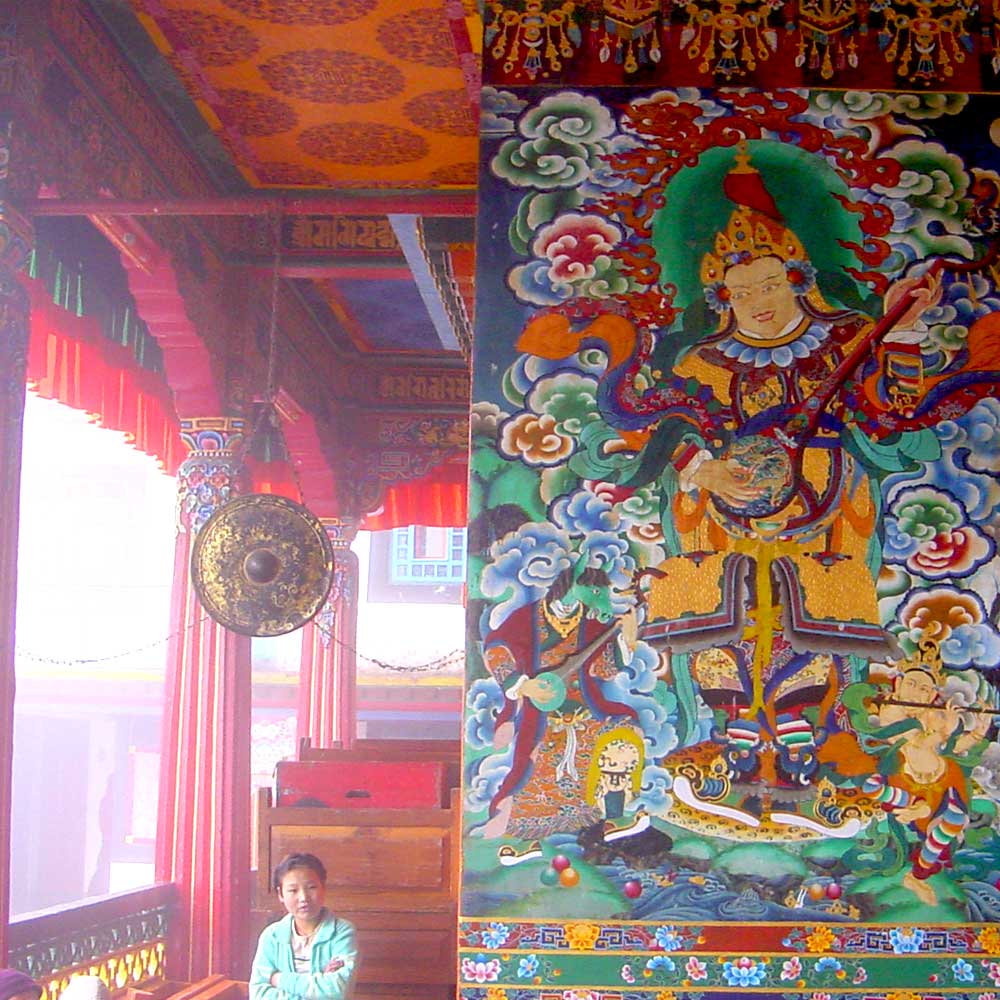
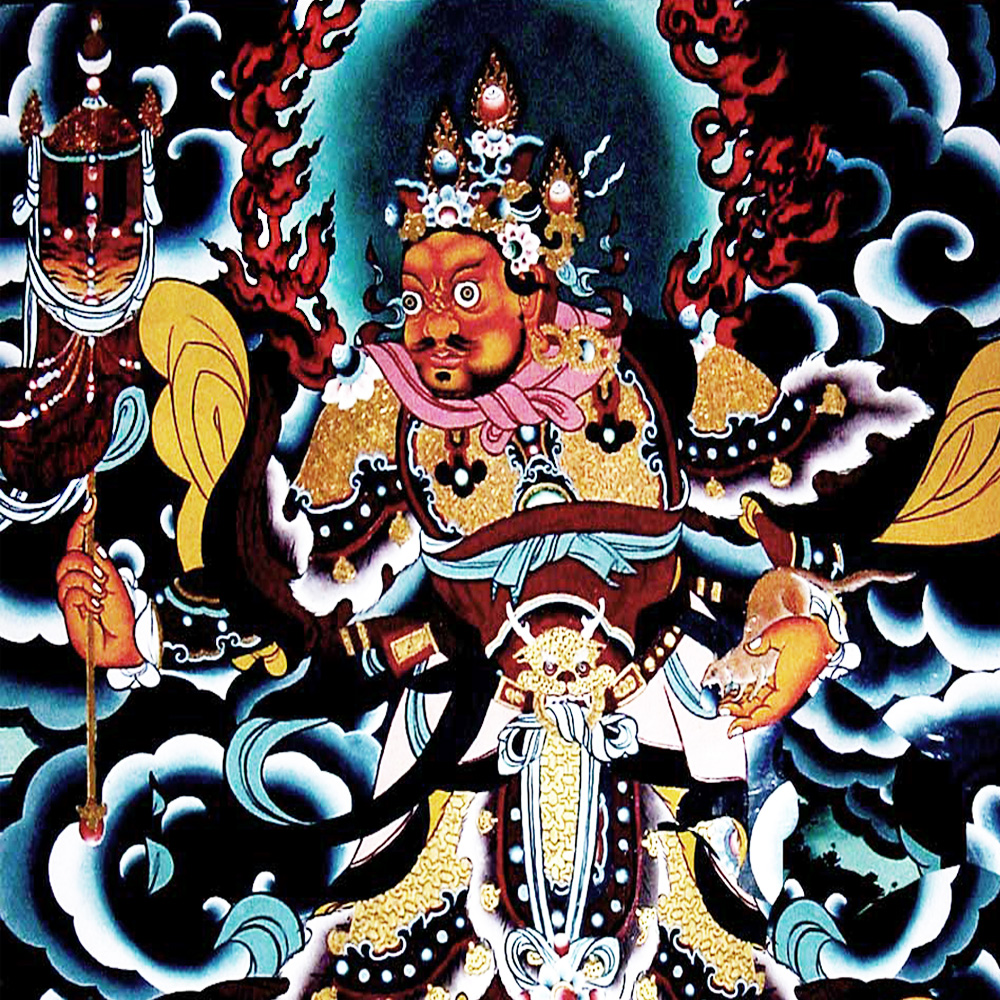
Namthöse (Vaiśravaṇa), one of the Four
Heavenly Kings, Cardinal direction: North, Name meaning: He who sees all, Control: King of Yaksha, Color: Yellow or Green, Symbols: Stupa, Umbrella & Mongoose, Thanka Art mural, 18th century, Rumtek
Monastery, Sikkim, India
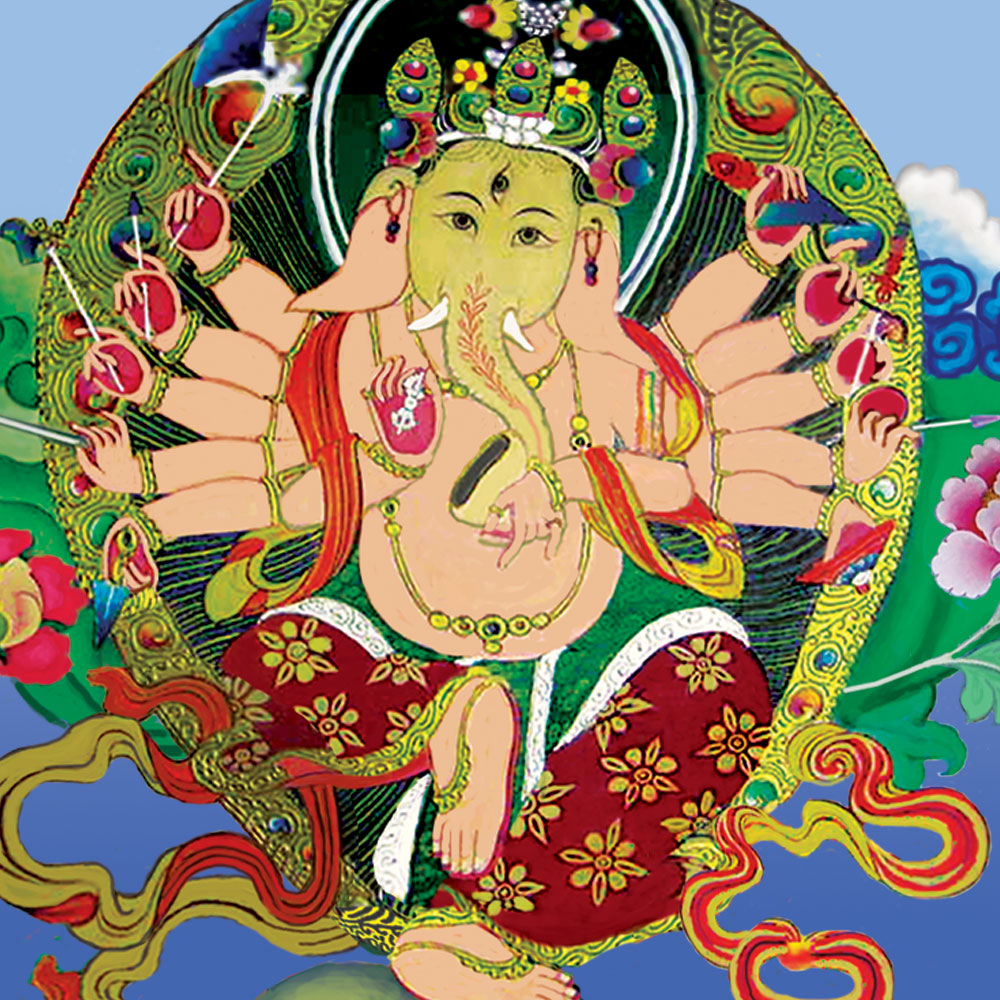
Lord Ganesha, widely revered as the remover of
obstacles and thought to bring good luck; the patron of arts and sciences; and the deva of intellect, 18th century, Ganesha wall painting mural
at Rumtek Monastery, Sikkim, India
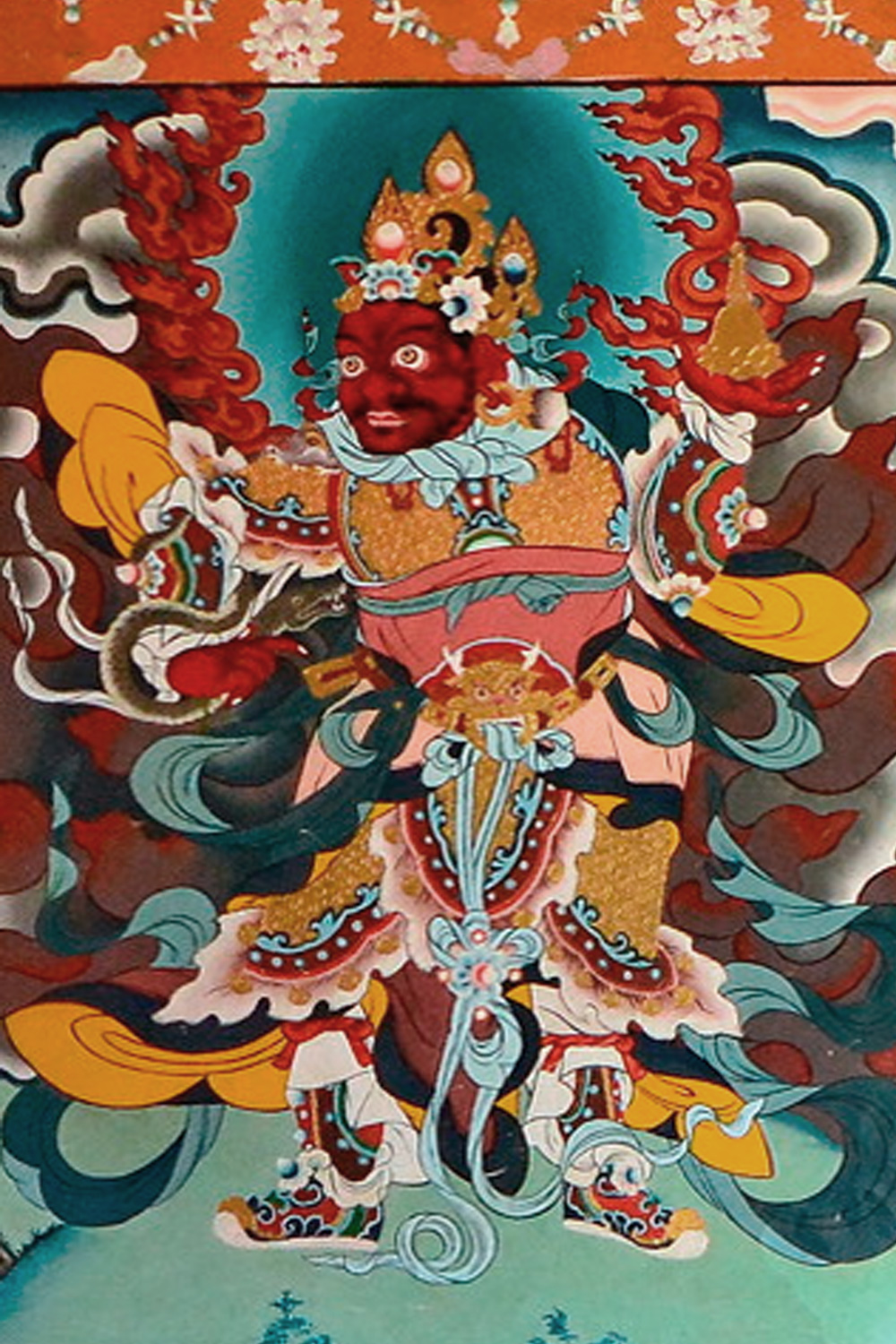
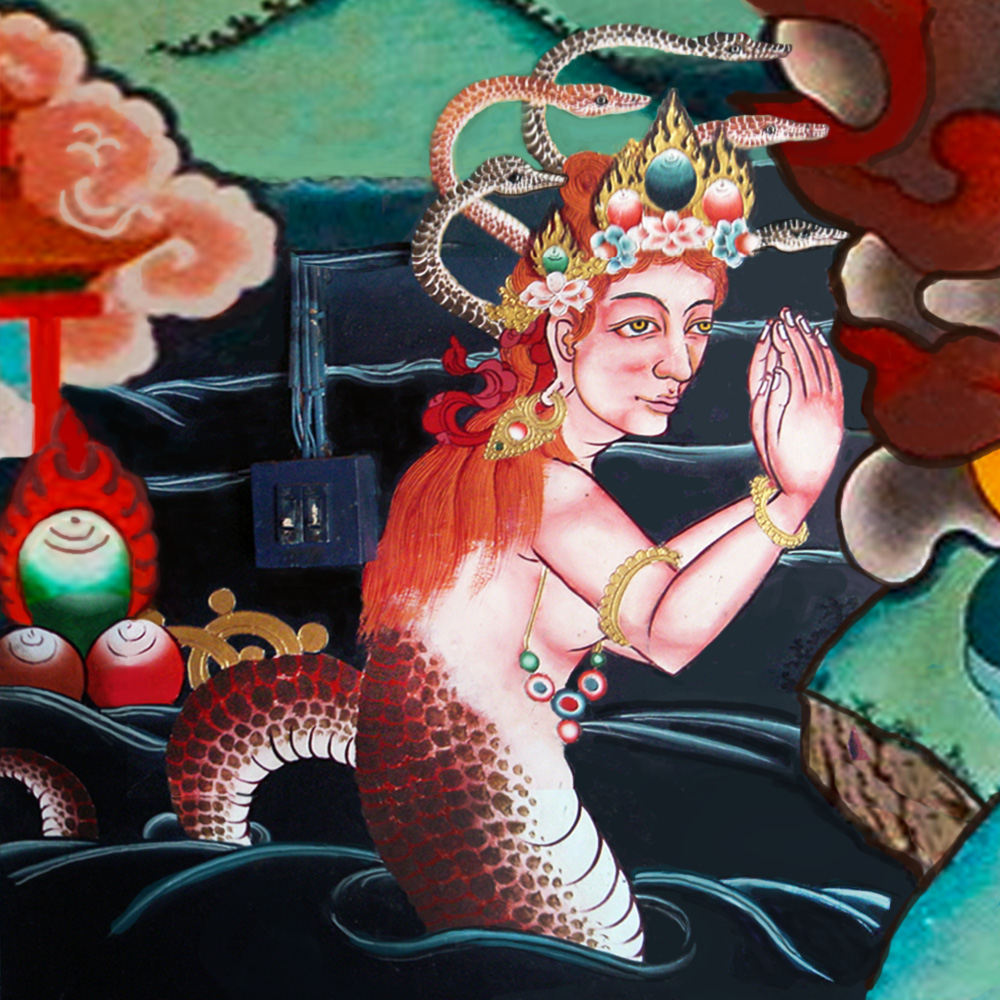
Chenmizang (Virūpākṣa), one of the Four
Heavenly Kings, Cardinal direction: West, Name meaning: He who hears everything, Control: King of Nagas, Color: Red, Symbols: Stupa, Serpent & Pearl, Thanka Art mural, 18th century, Rumtek
Monastery, Sikkim, India
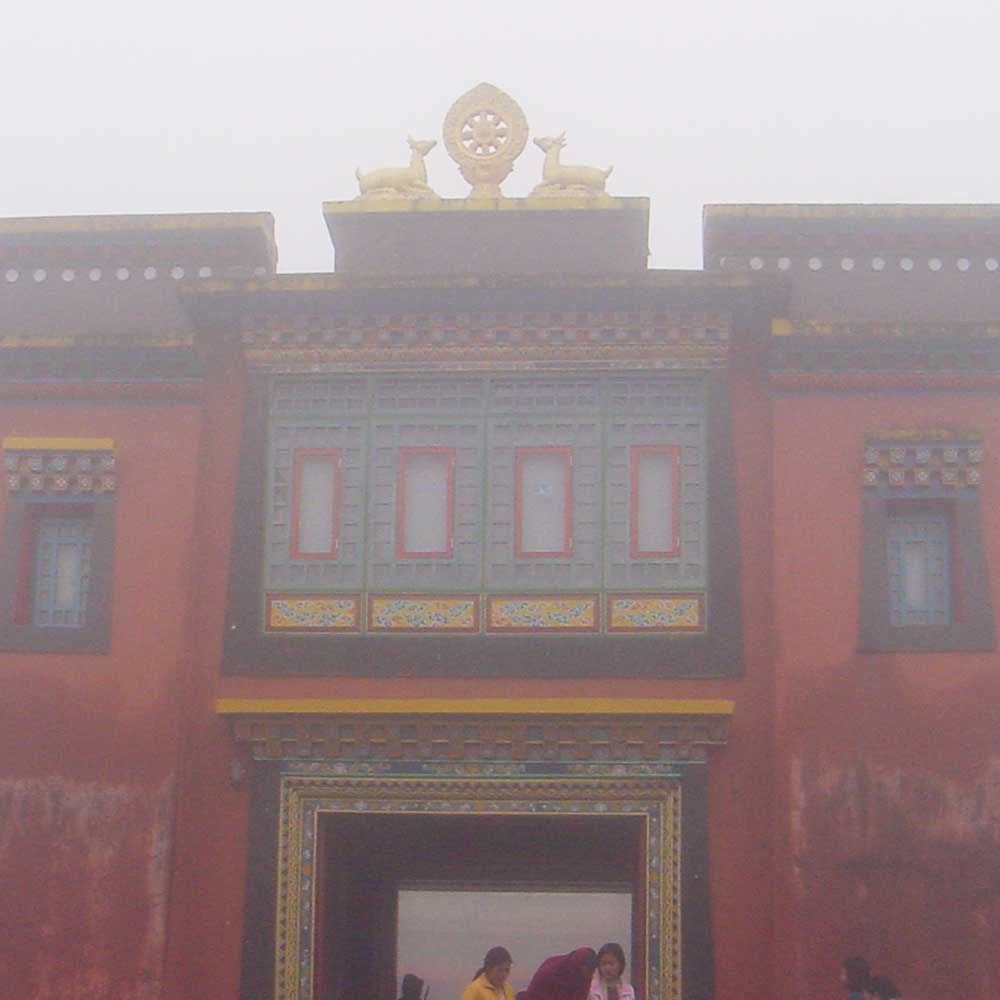
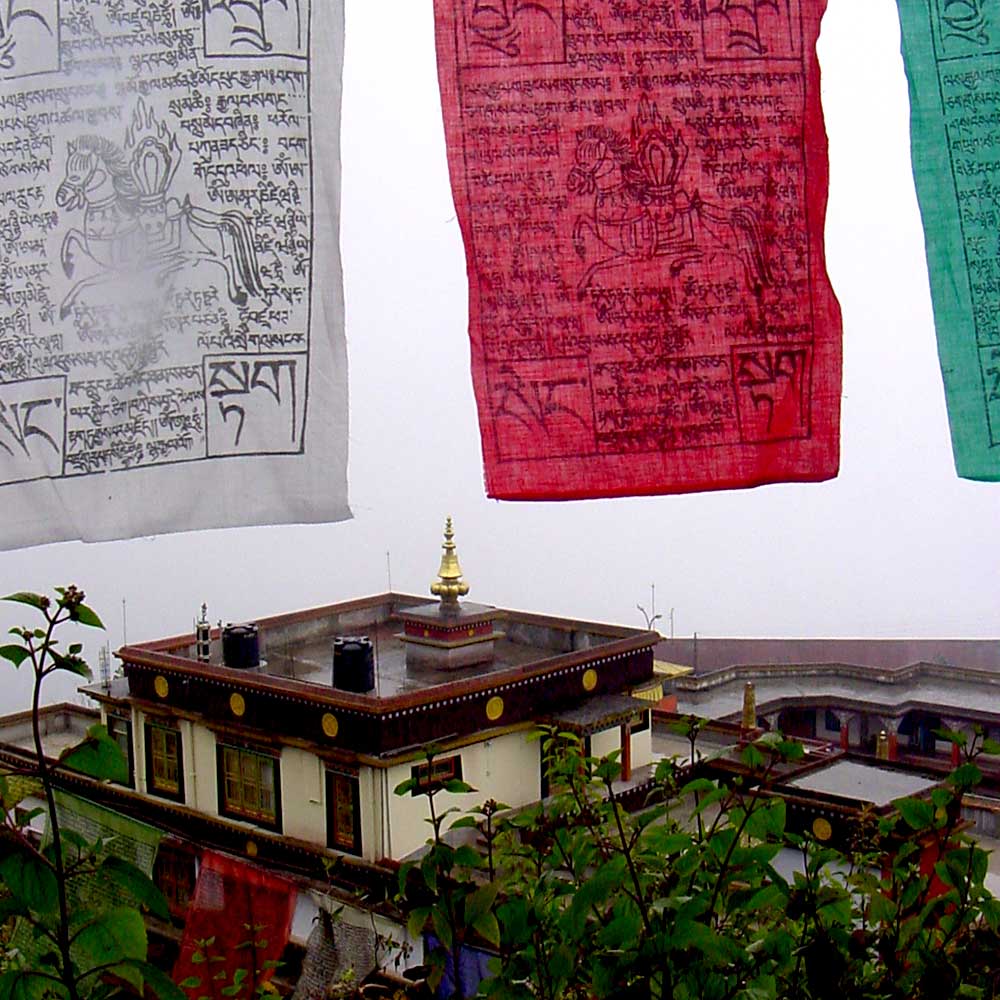
Rumtek Monastery (in the fog) is a Tibetan gompa
located in the Indian state of Sikkim near the capital Gangtok built in the 18th century, Sikkim, India
Rumtek Monastery (in the fog), Yülkhorsung
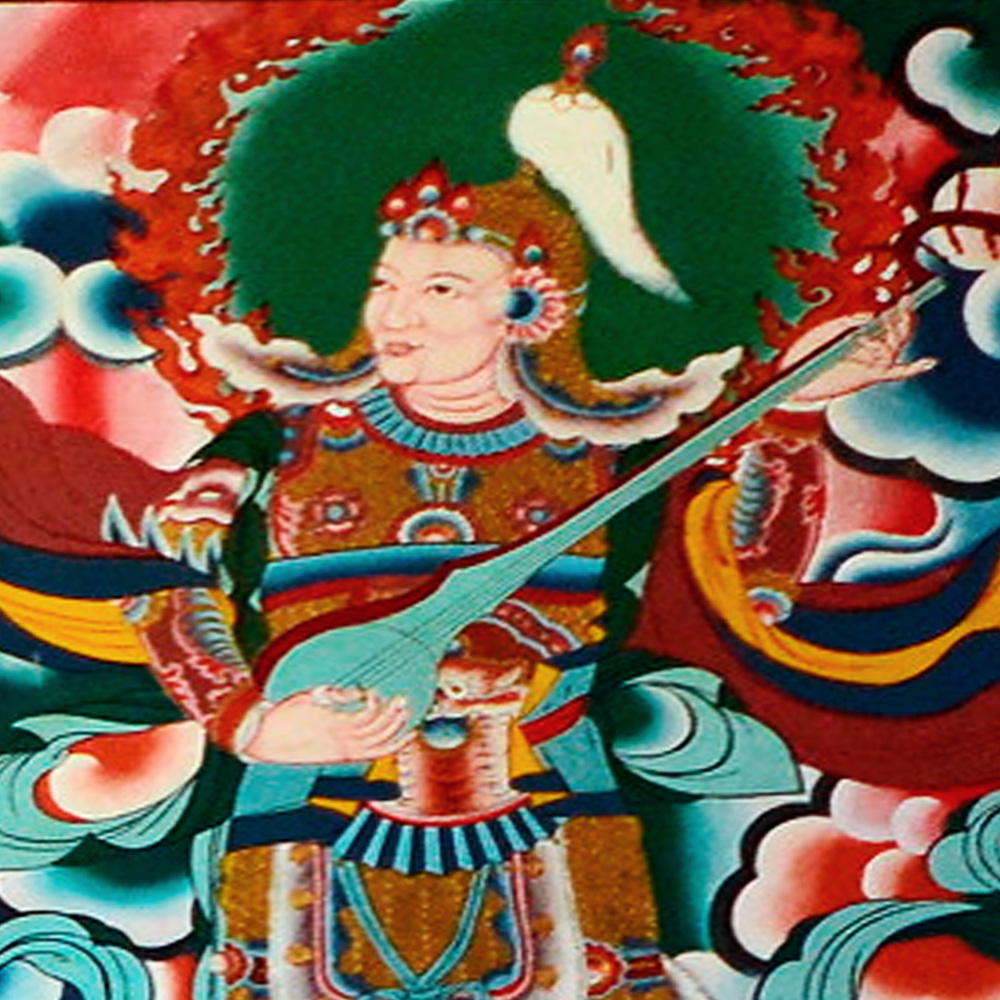
(Dhṛtarāṣṭra), one of the Four Heavenly Kings, Cardinal direction: East, Name meaning: He who upholds the realm, Control: King of Gandhabbas, Color: White, Symbol: Pipa, Thanka Art mural, 18th century, Rumtek Monastery,
Sikkim, India
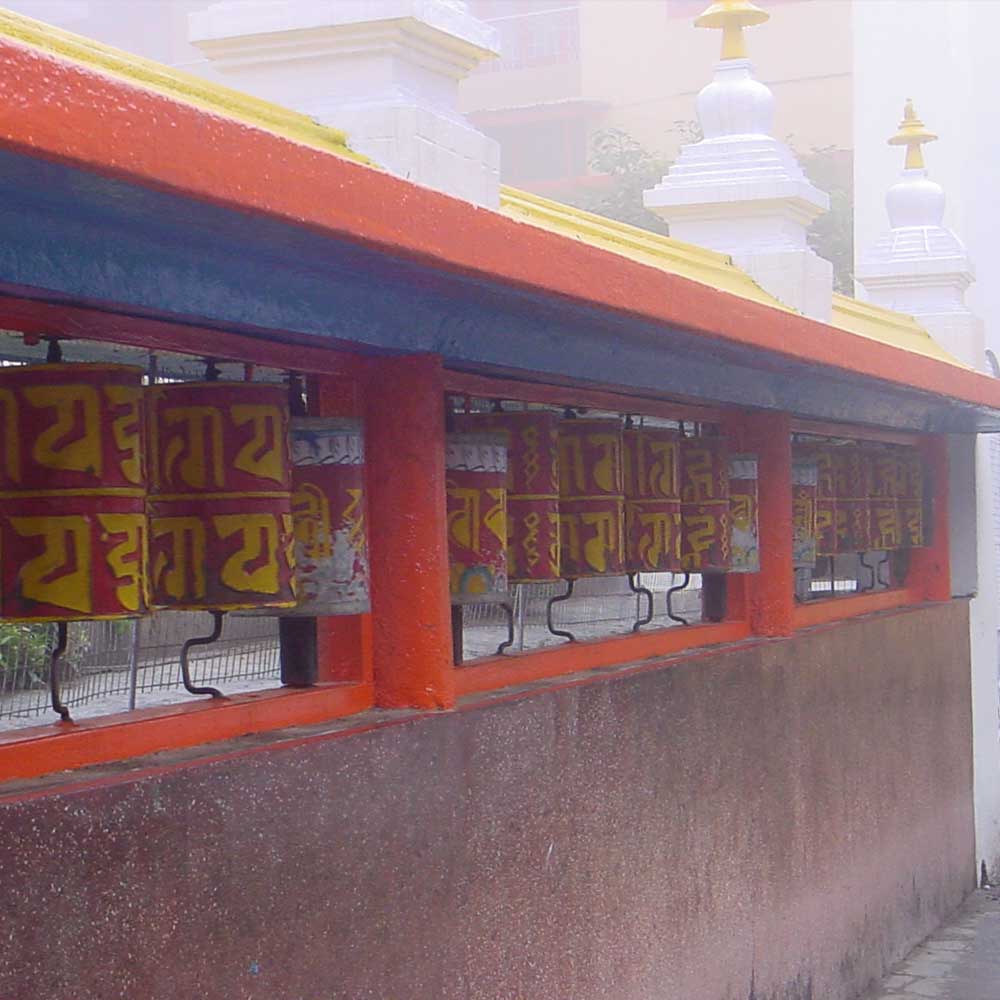
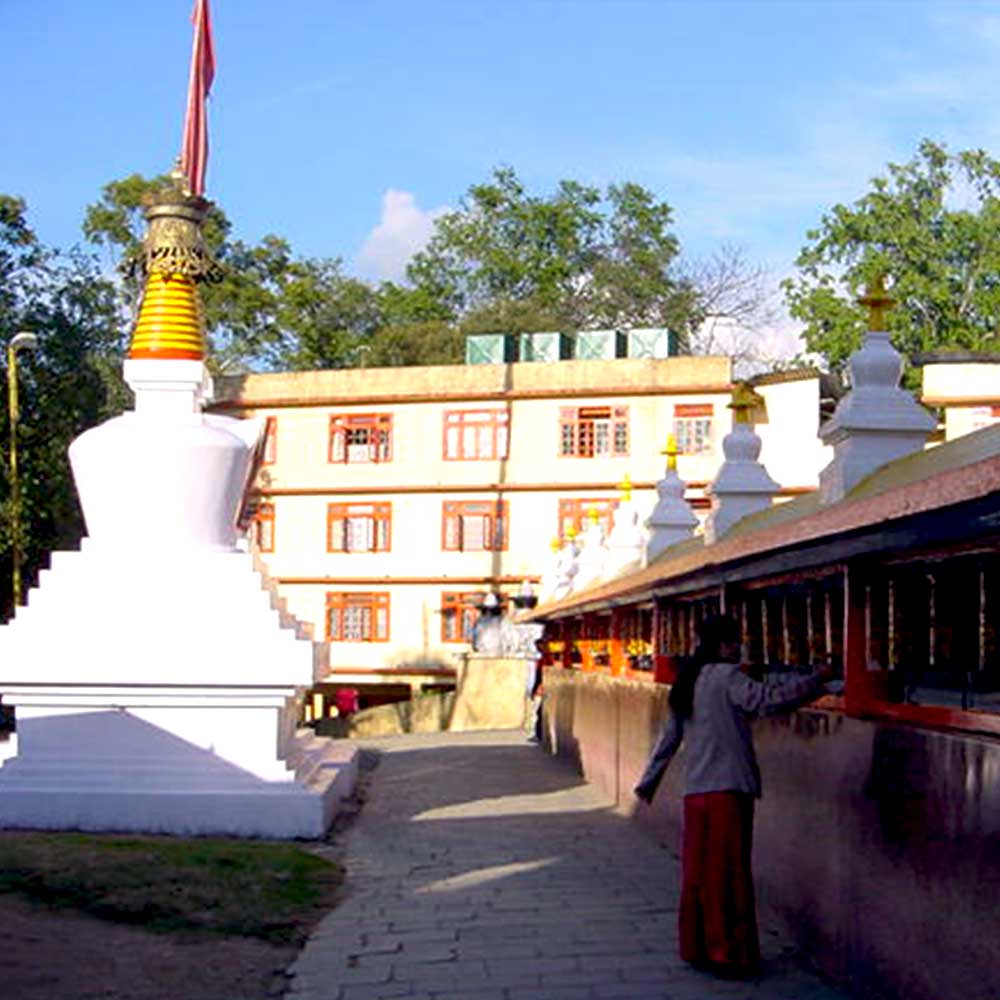
Rotating 108 Mani Lhakor or prayer wheels around
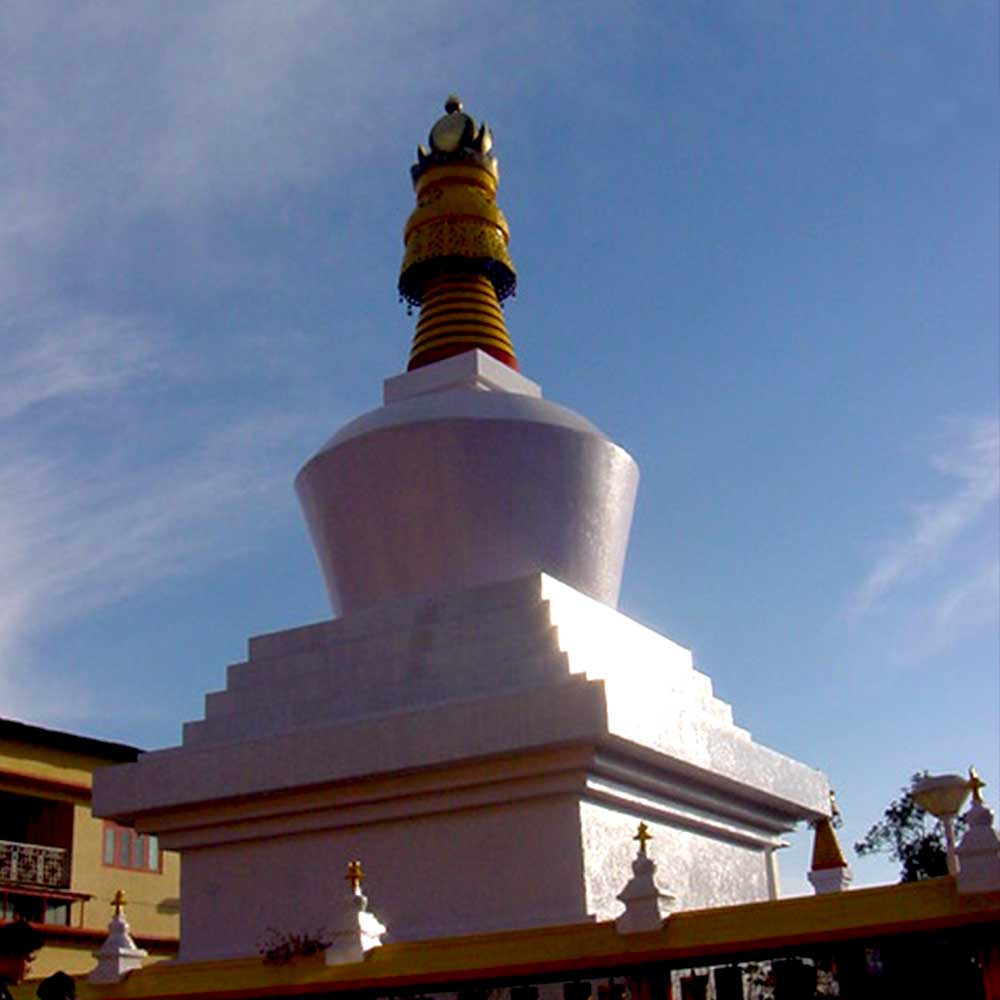
Do Drul Chorten Stupa, The stupa was built by Trulshik Rinpoche, head of the Nyingma order of Tibetan Buddhism in 1945, Gangtok, Sikkim, India
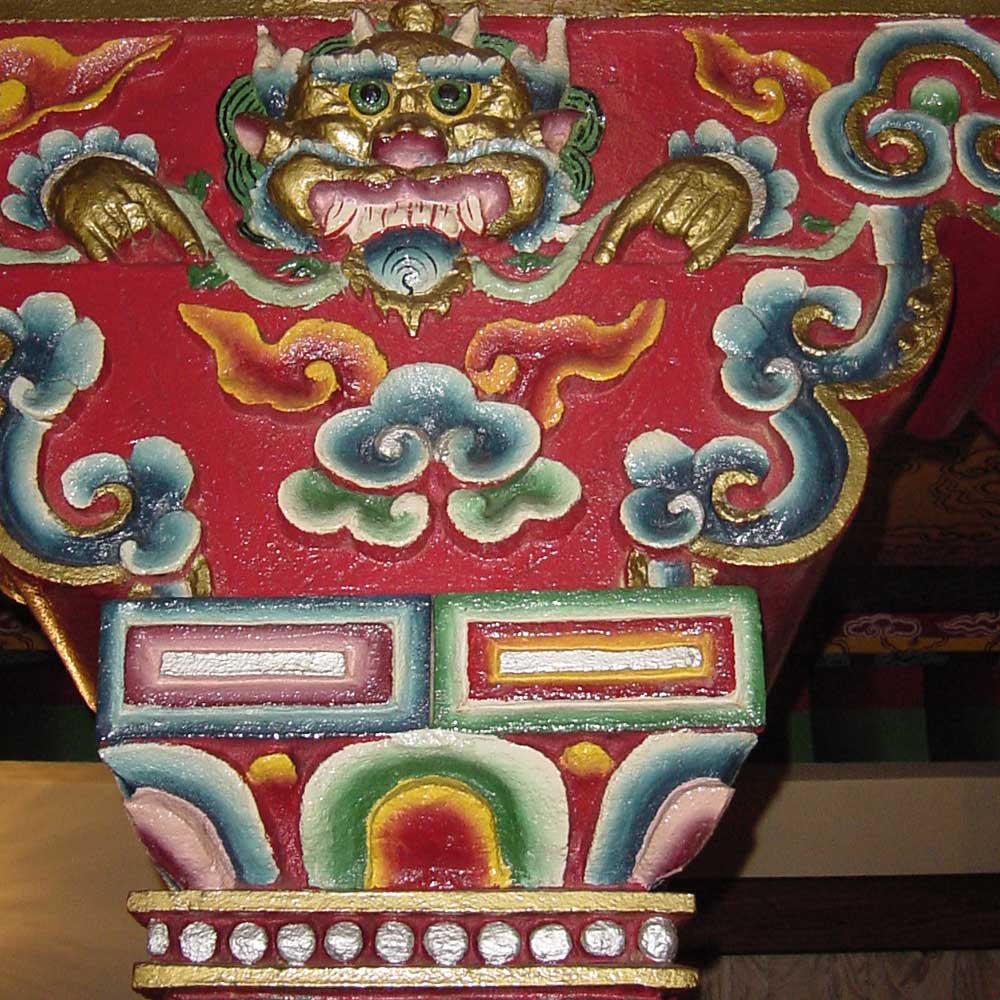
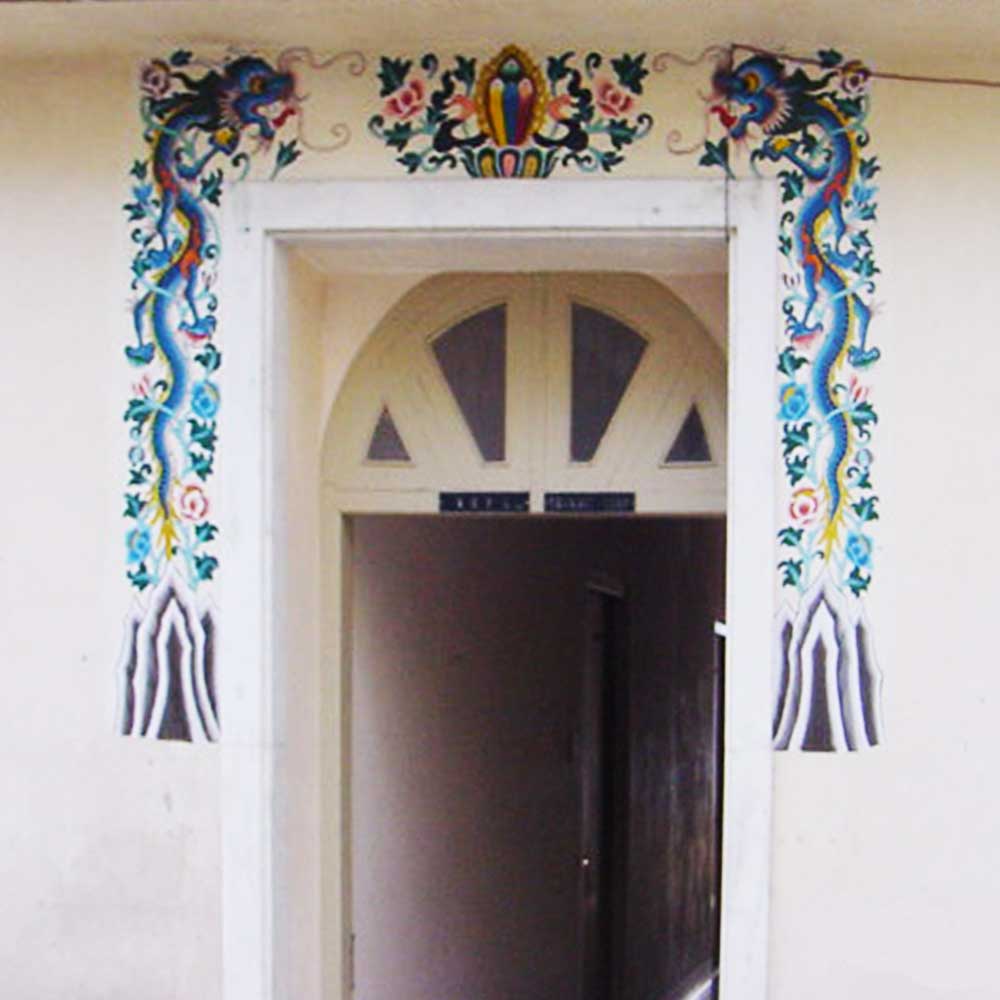
Carved and painted dragon column, Sikkimese
architecture, 18th century, Rumtek Monastery, Sikkim, India
Carved and painted door, Sikkimese
architecture, 18th century, Rumtek Monastery, Sikkim, India
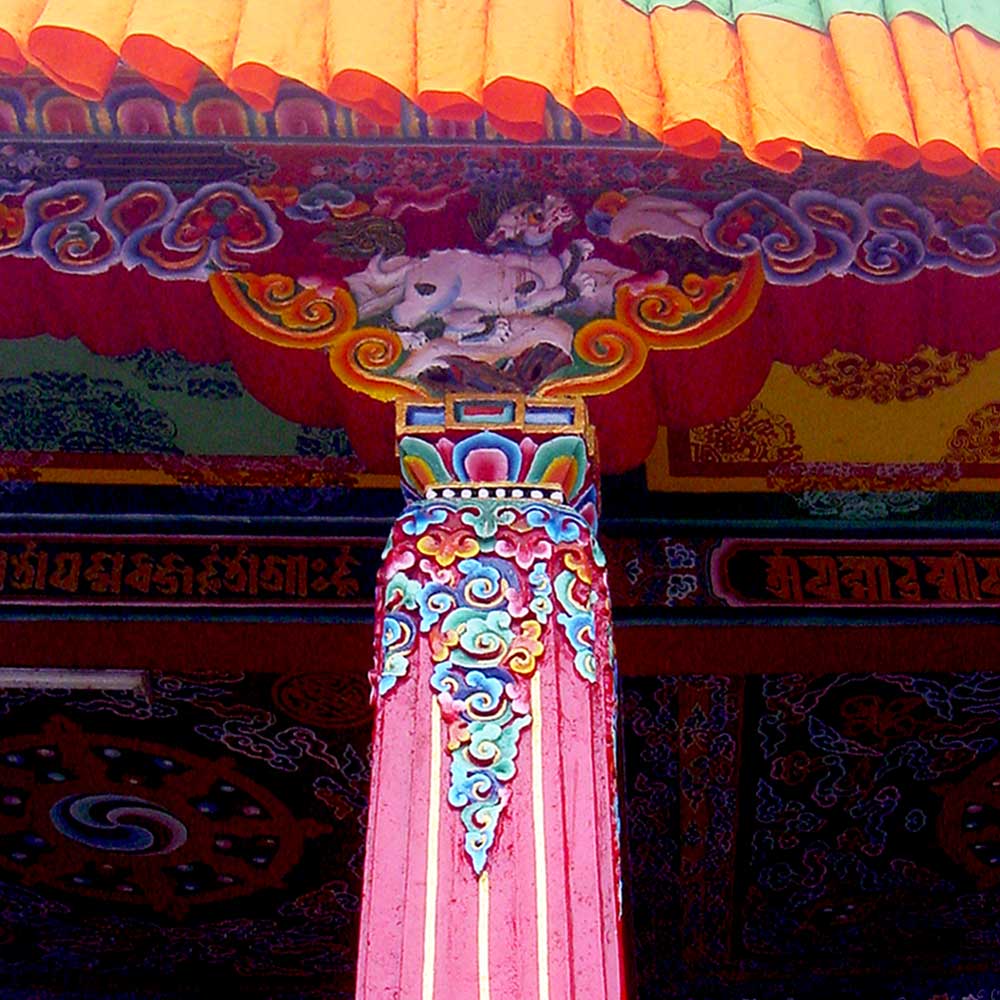
Carved and painted pillar column, Sikkimese
architecture, 18th century, Rumtek Monastery, Sikkim, India
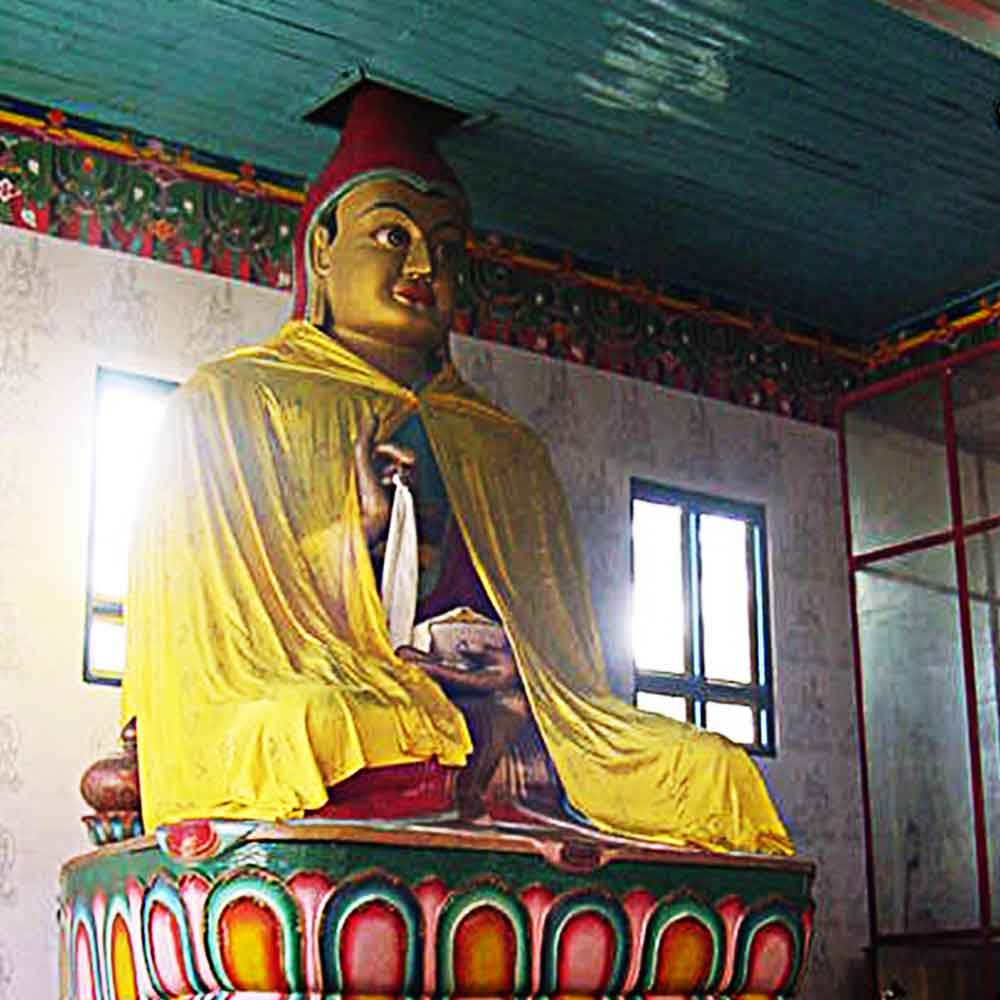
The Big Buddha, left side, Guru-Lhakhang
Monastery, Gangtok, Sikkim, India
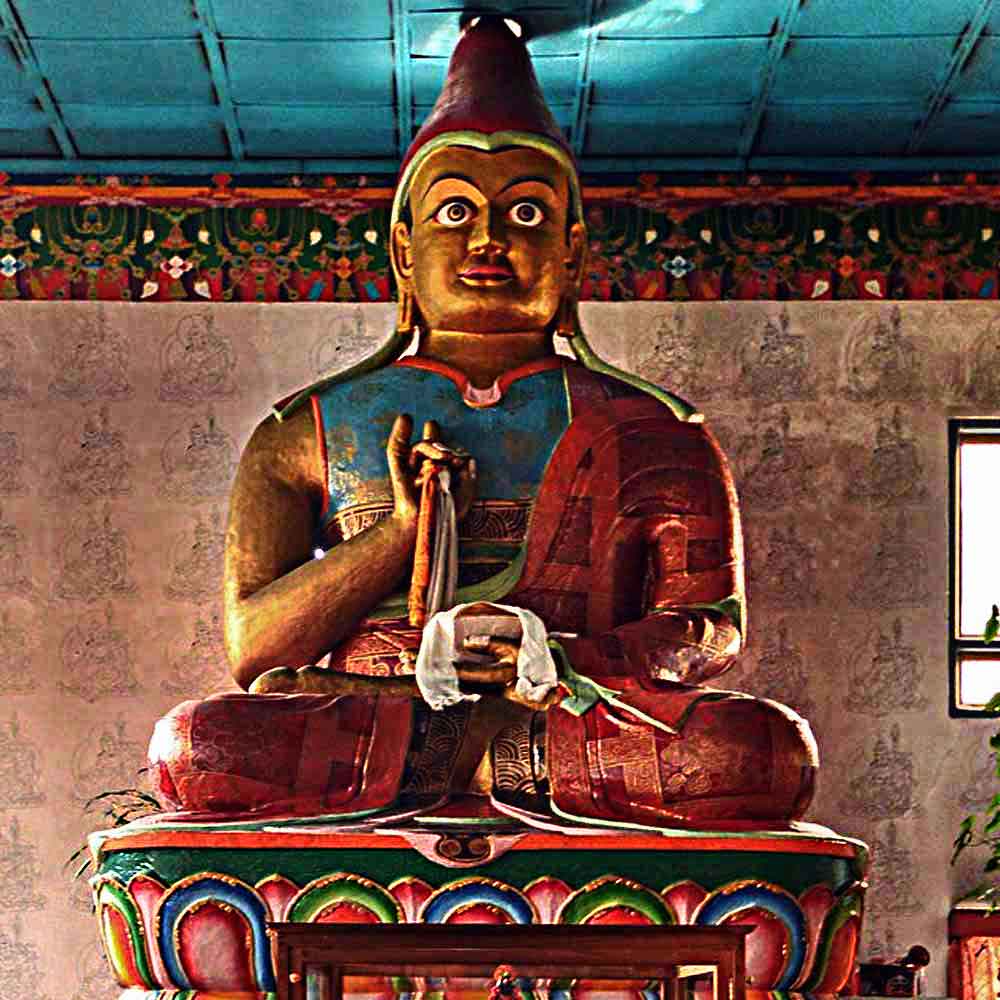
The Big Buddha, Guru-Lhakhang Monastery,
Gangtok, Sikkim, India
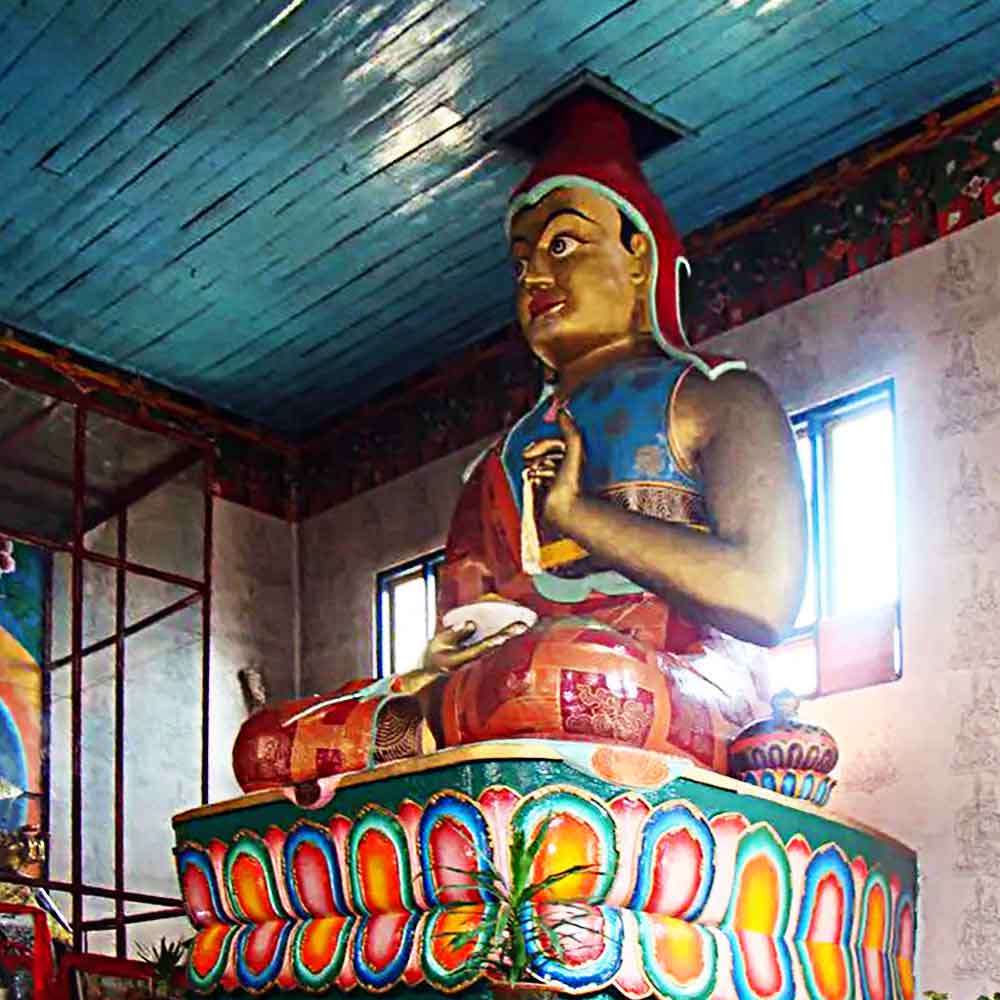
The Big Buddha, right side,
Guru-Lhakhang Monastery, Gangtok, Sikkim, India
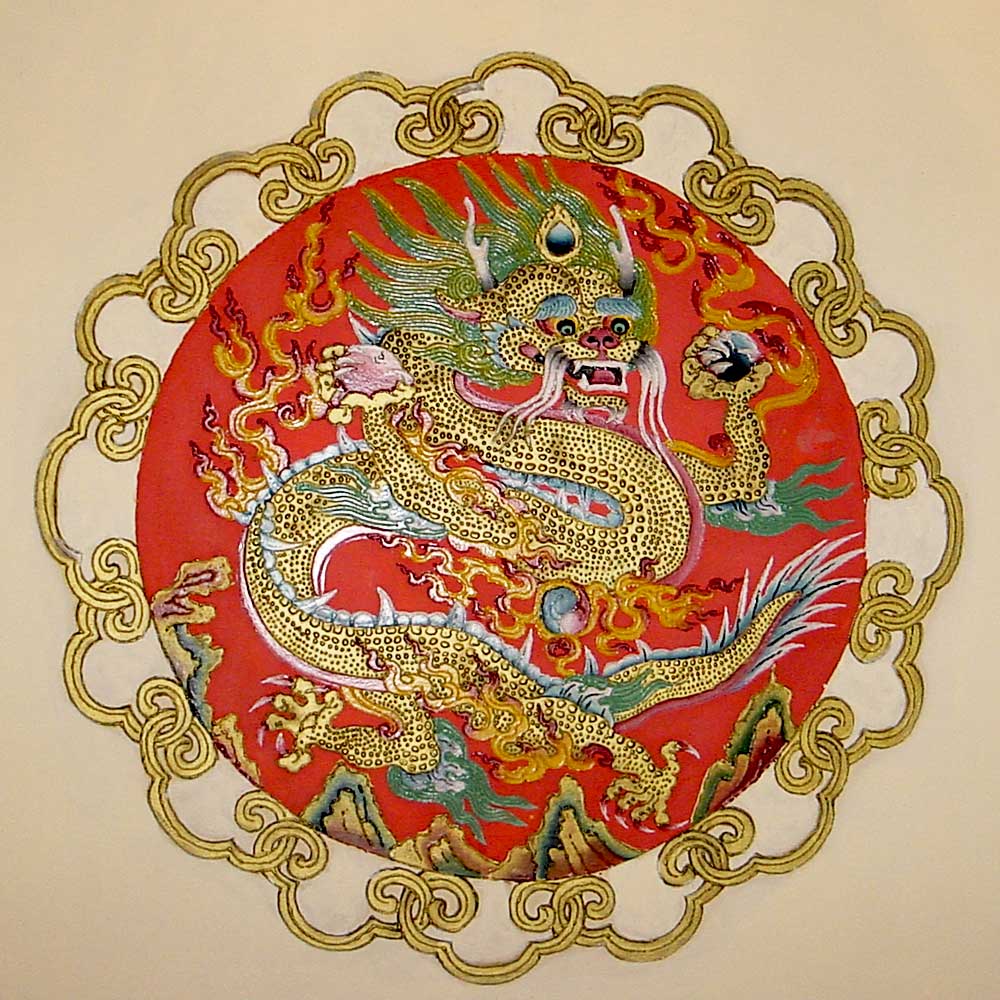
Hand painted, Wall mural of a Golden Dragon, 18th
century, Rumtek Monastery, Sikkim, India
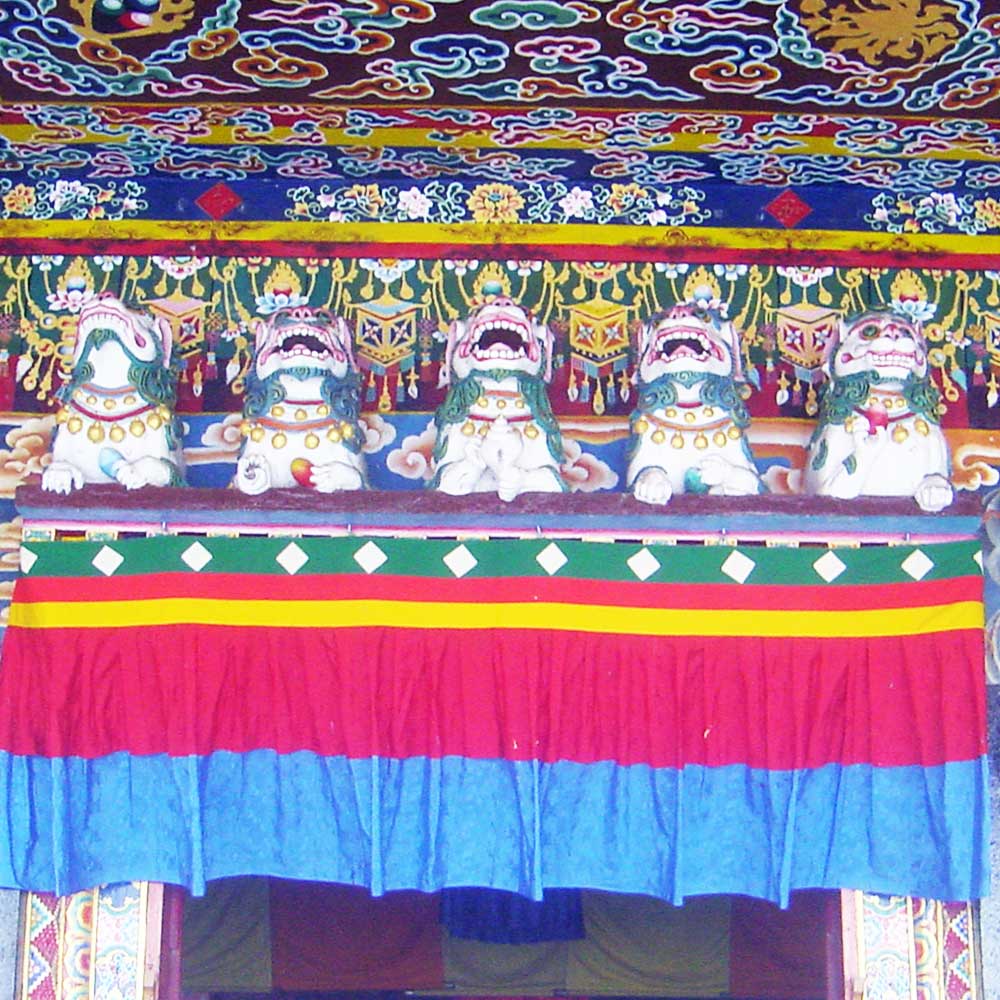
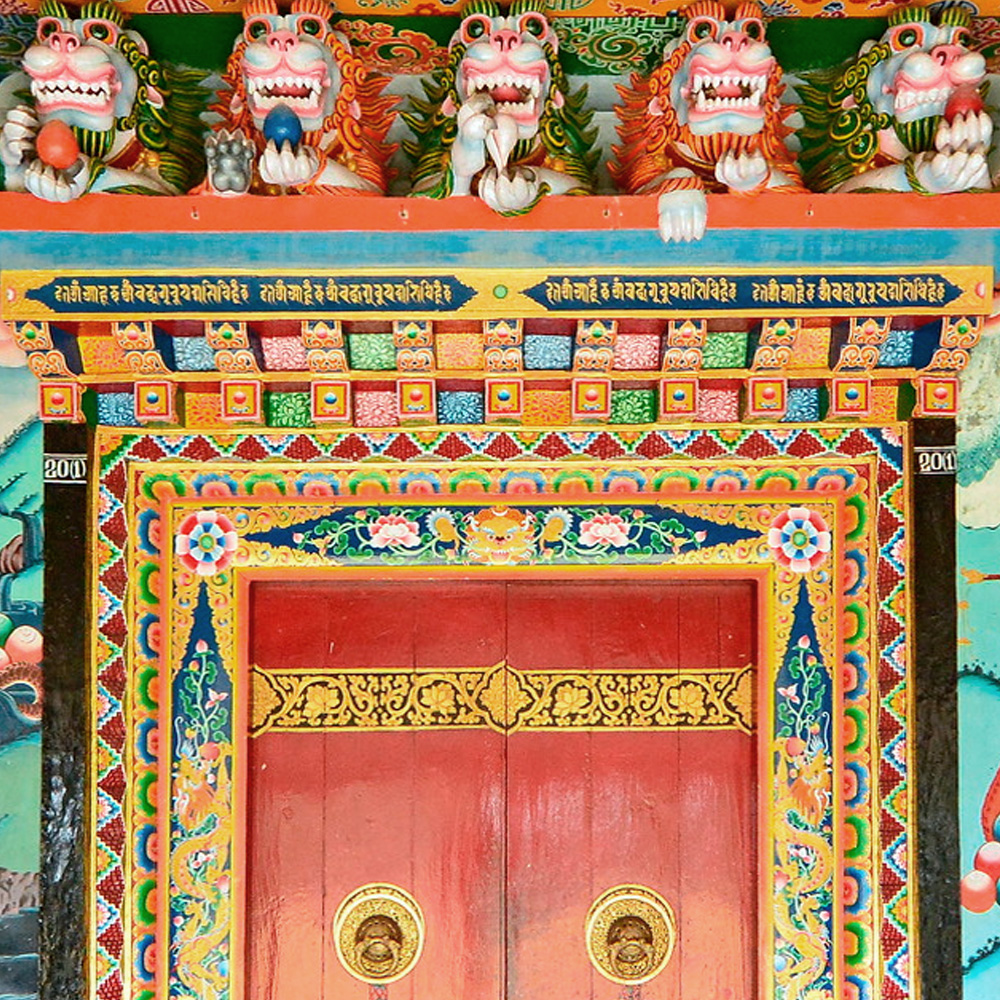
Sikkim traditional toran door valance to Rumtek
Monastery with Lion sculpture protectors on top, 18th century, Rumtek Monastery, Sikkim, India
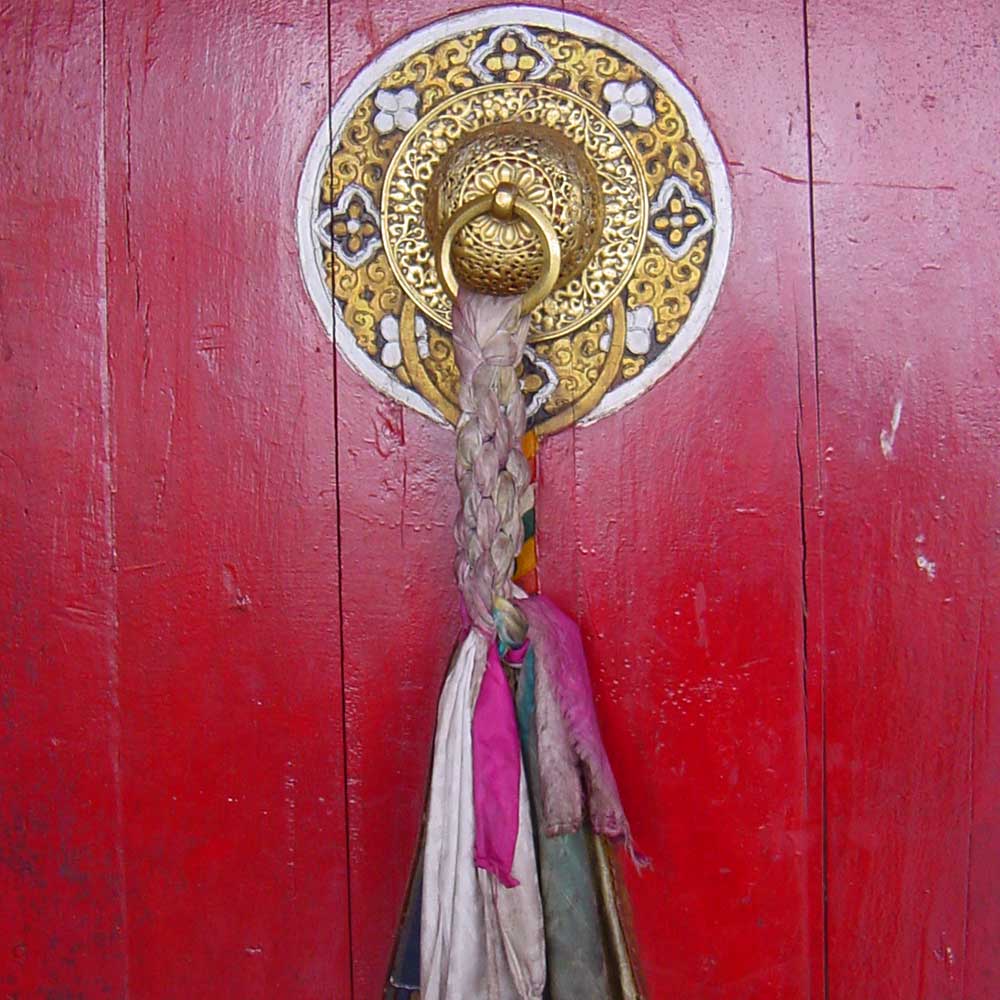
Door knocker for Rumtek Monastery, 18th century,
Rumtek Monastery, Sikkim, India
Yülkhorsung (Dhṛtarāṣṭra), one of the Four
Heavenly Kings, Cardinal direction: East, Name meaning: He who upholds the realm, Control: King of Gandhabbas, Color: White, Symbol: Pipa, Thanka Art mural, 18th century, Rumtek Monastery, Sikkim, India
Hand painted murals at Entrace of Rumtek
Monastery, 18th century, Rumtek Monastery, Sikkim, India
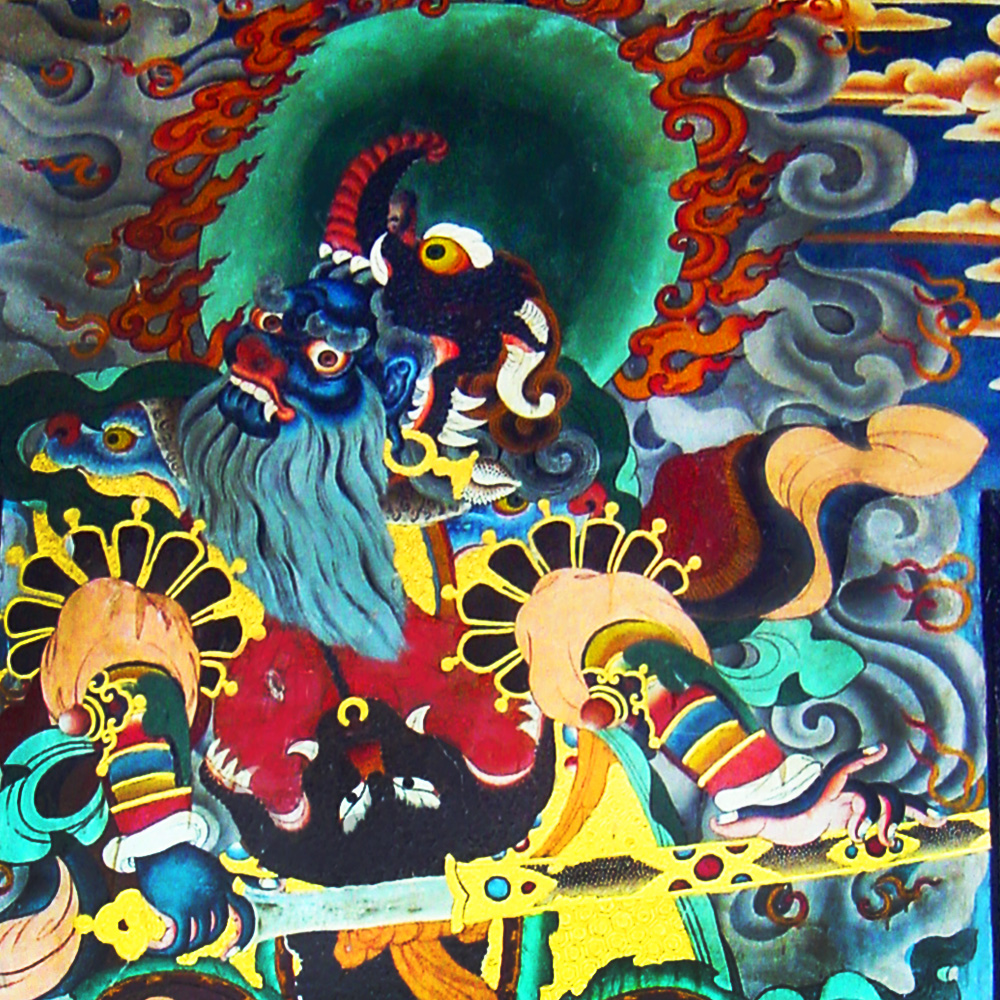
Phakyepo (Virūḍhaka), one of the Four Heavenly
Kings, Cardinal direction: South, Name meaning: He who upholds the realm, Control: King of Kumbhandas, Color: Blue, Symbol: Sword, Thanka Art mural, 18th century, Rumtek Monastery, Sikkim, India
Karma Shri Nalanda Institute, a buddhist temple
located in Rumtek, Sikkim, India
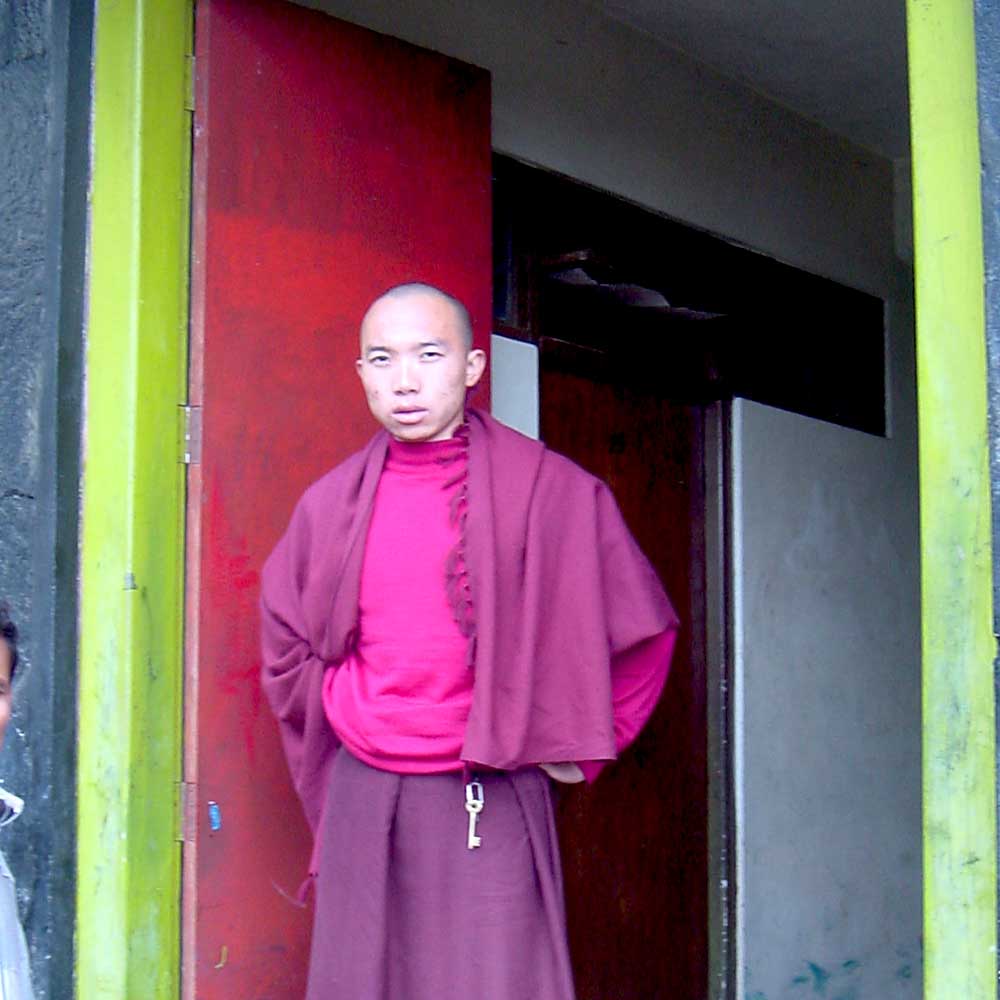
A local Rumtek Monastery monk at the door to say
hello, Rumtek Monastery, Sikkim, India
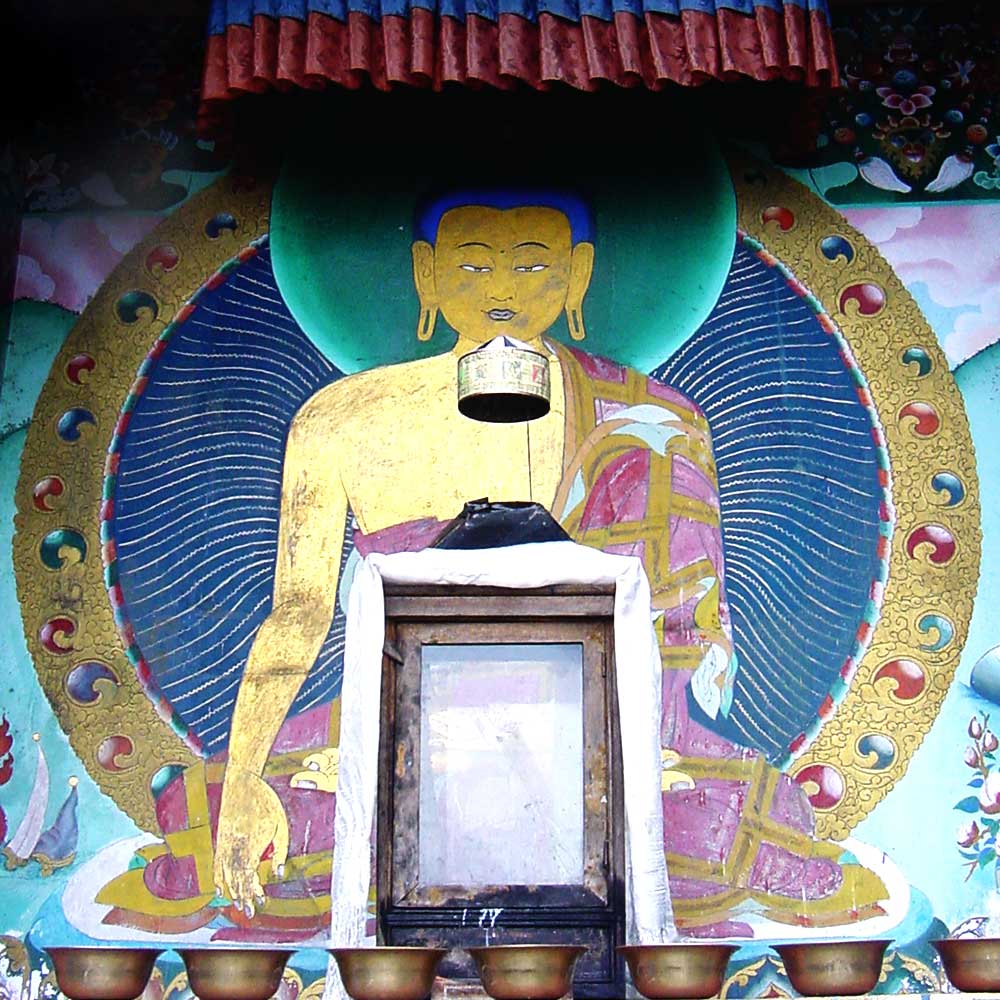
Rumtek Monastery, Mural wall painting of Buddha
Shakyamuni, Sikkim, india
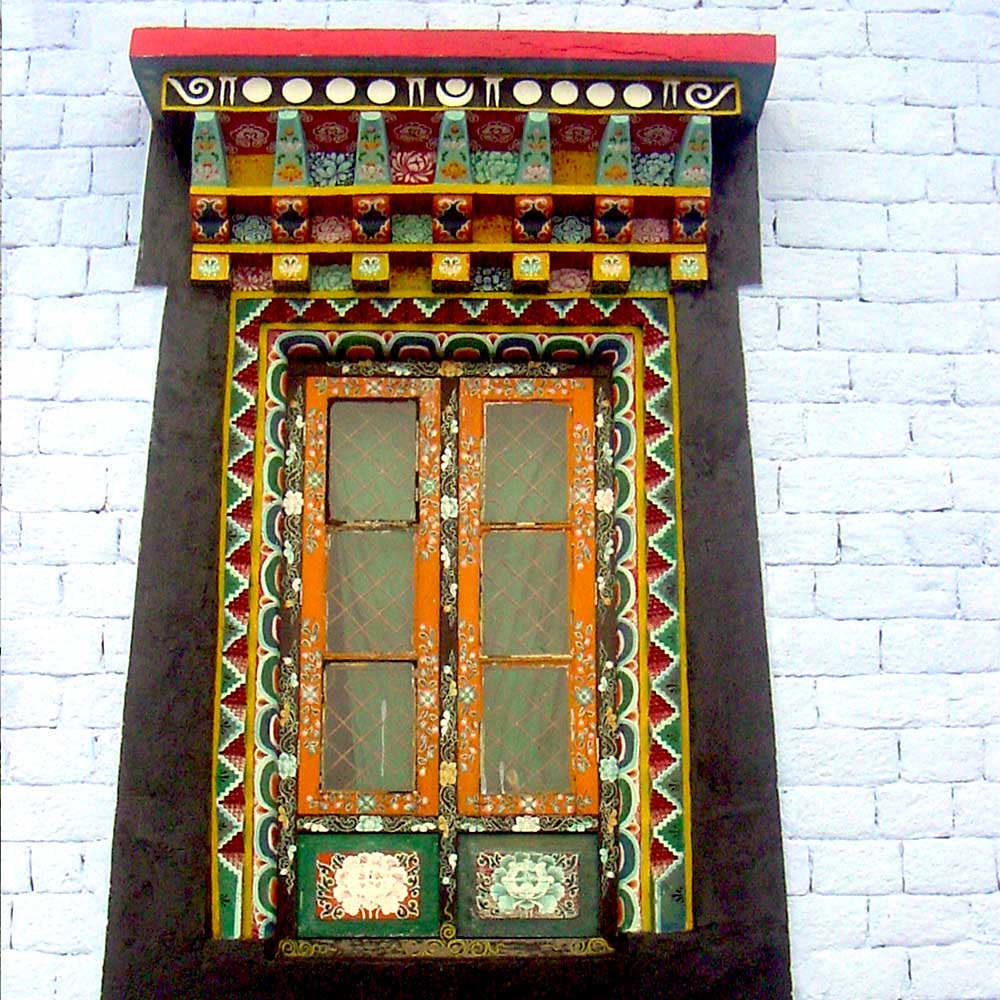
Architectural exterior window detail of Rumtek
Monastery, Sikkim, India
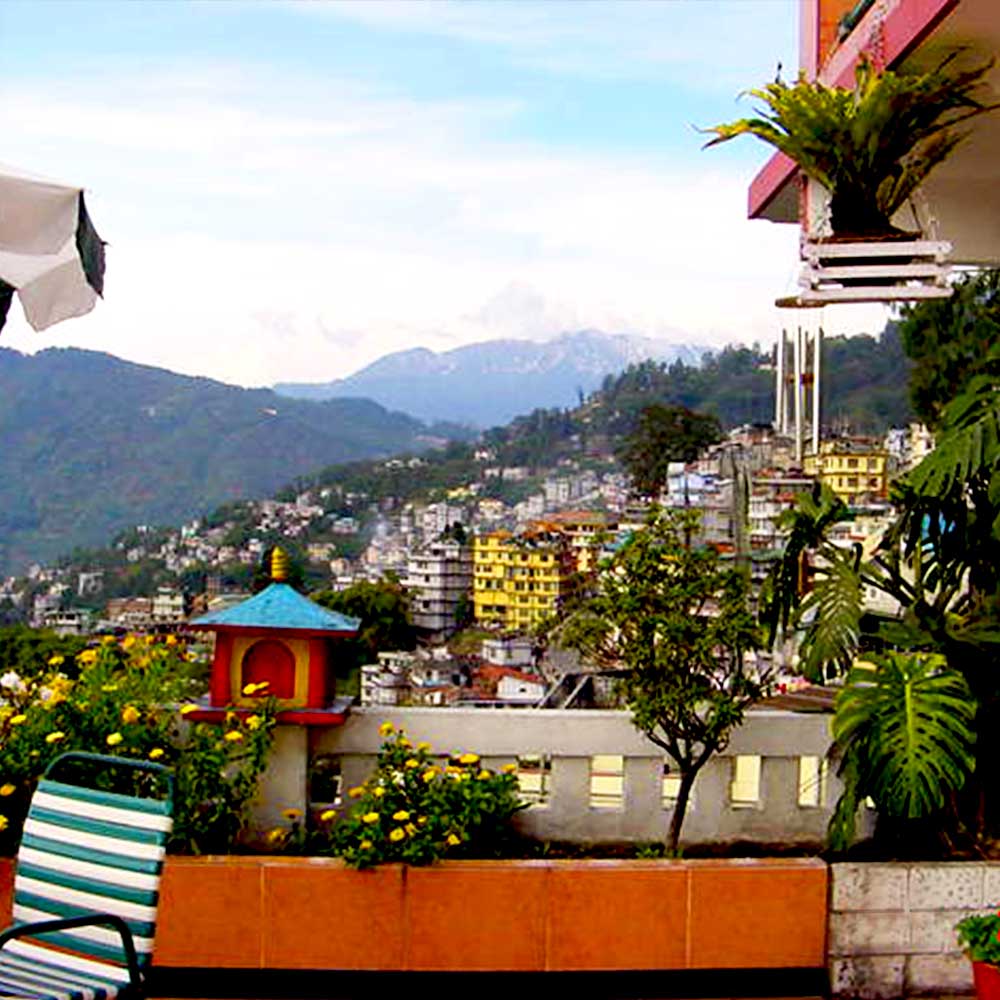
View from patio, OYO 12862 Hotel Lamaz,
Residency, Bodhi Marg, Gangtok 737101, India
Mokha is a popular endemic art, along with its
techniques painting external motifs, and patterns, floral and geometric patterns, around windows and doors has been passed down from one
generation to the next, Sikkim, india
Painted Mural of Sikkim Nagas Dharma Protector,
18th century, Dharma Chakra Centre, Rumtek Monastery, Sikkim, India
Prayer flags, from Rumtek Dharma Chakra Centre,
Rumtek Monastery, Sikkim, India
Chenmizang (Virūpākṣa), one of the Four
Heavenly Kings, Cardinal direction: West, Name meaning: He who hears everything, Control: King of Nagas, Color: Red, Symbols: Stupa, Serpent & Pearl, Thanka Art mural, 18th century, Rumtek
Monastery, Sikkim, India
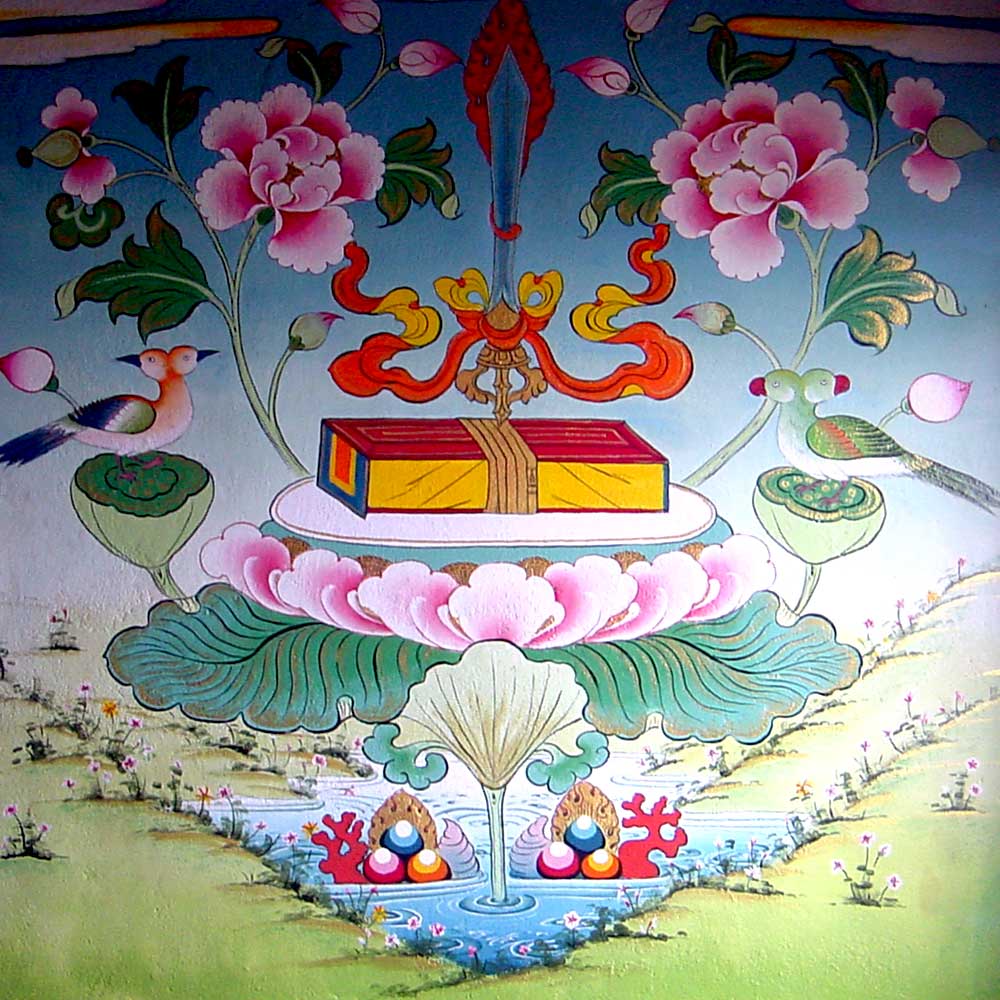
Lotus flower, sword of knowledge and sacred
text, Rumtek Monastery, Sikkim, India
Buddha Thangka Yin and Yang Painting, Rumtek
Monastery, Sikkim, India
Lord Ganesha, the remover of obstacles and
thought to bring good luck, Rumtek Monastery, Sikkim, India
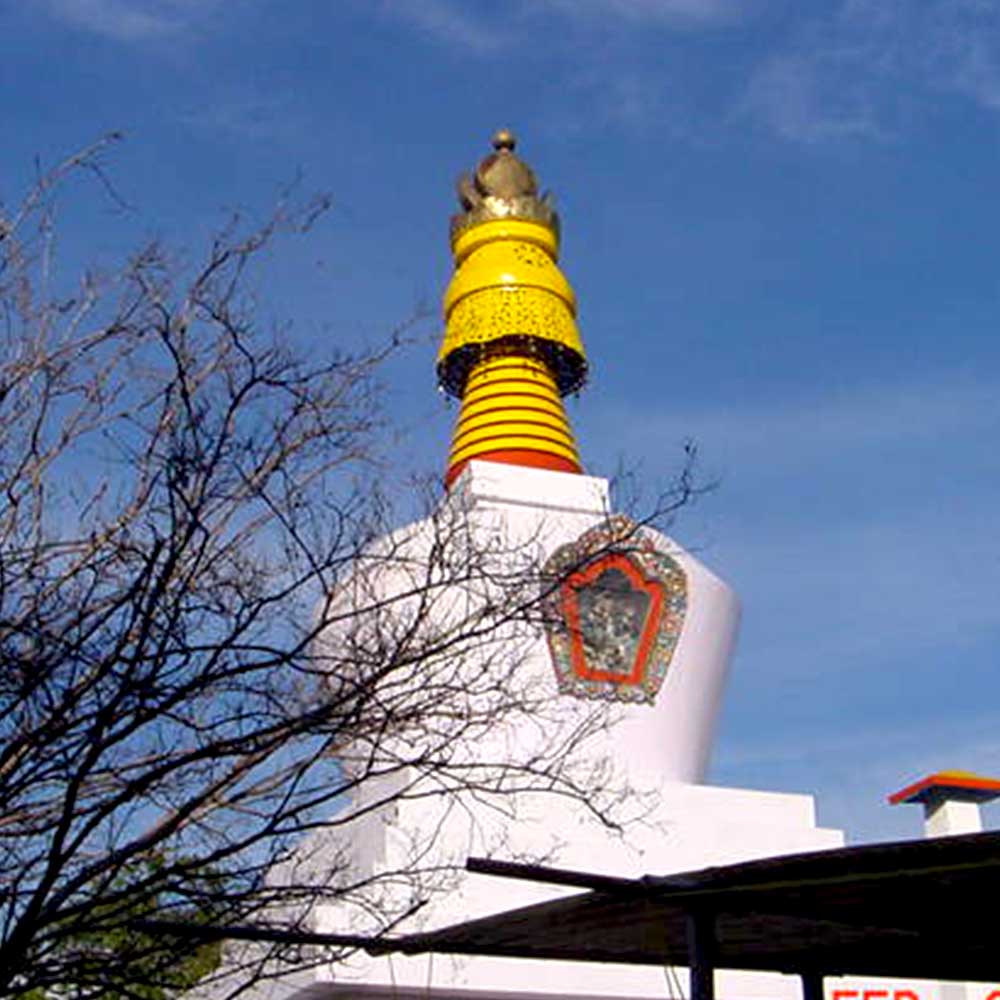
Do Drul Chorten Stupa, Gangtok, Sikkim, India
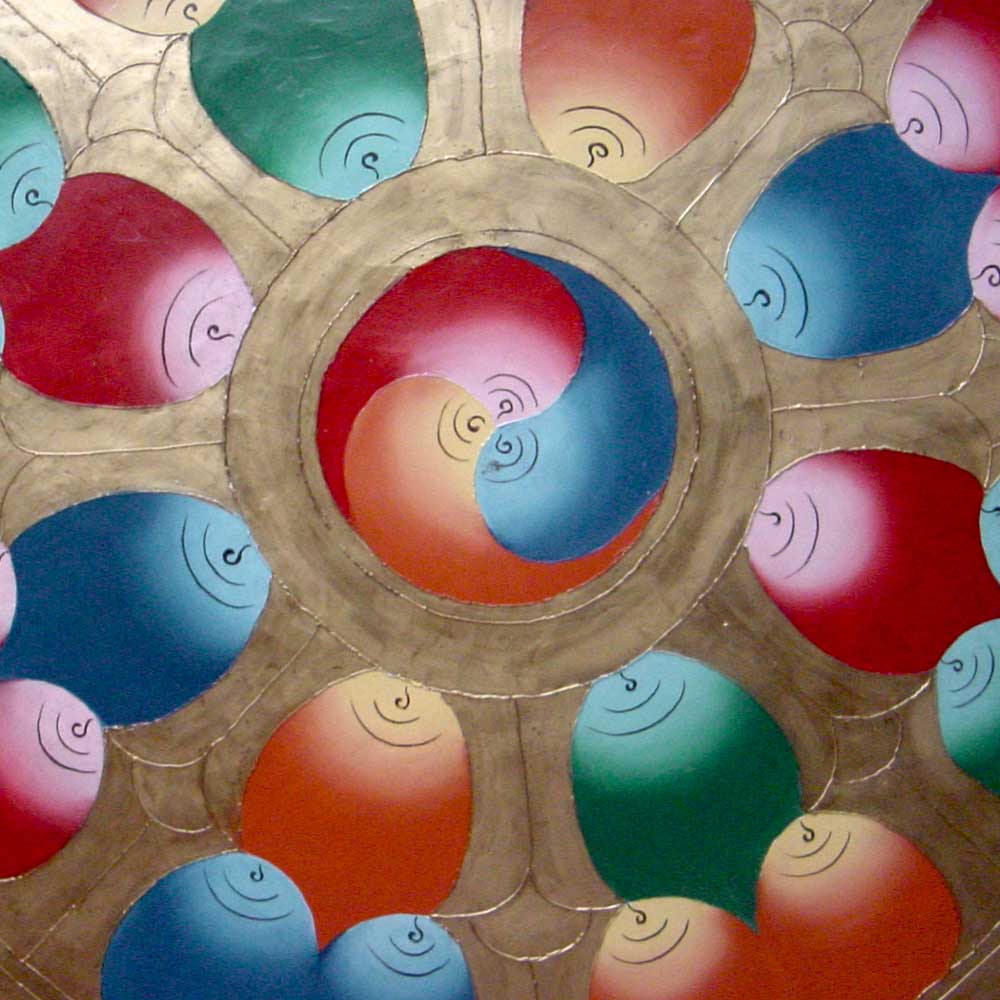
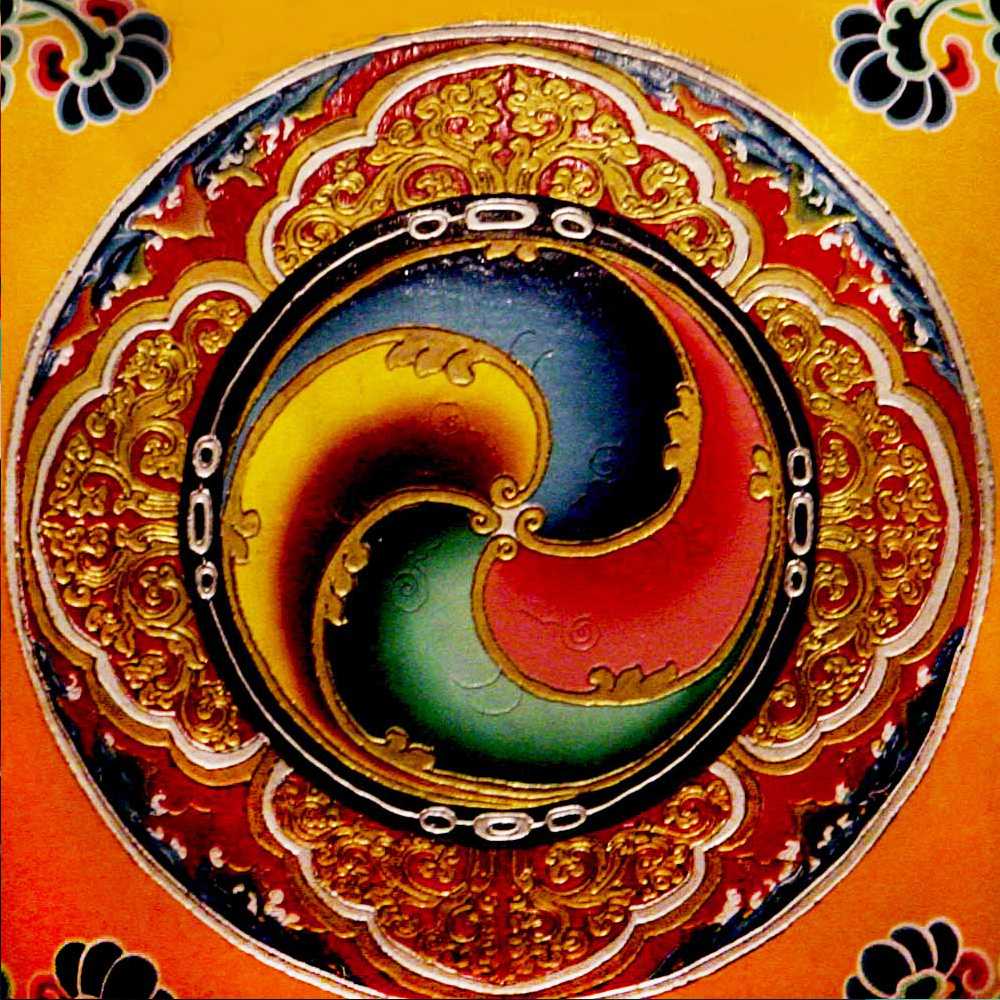
Ornamental gankyil, Wheel of joy, A Sikkim
Buddhist symbol, Sikkim, India
Do Drul Chorten Stupa, Gangtok, Sikkim, India
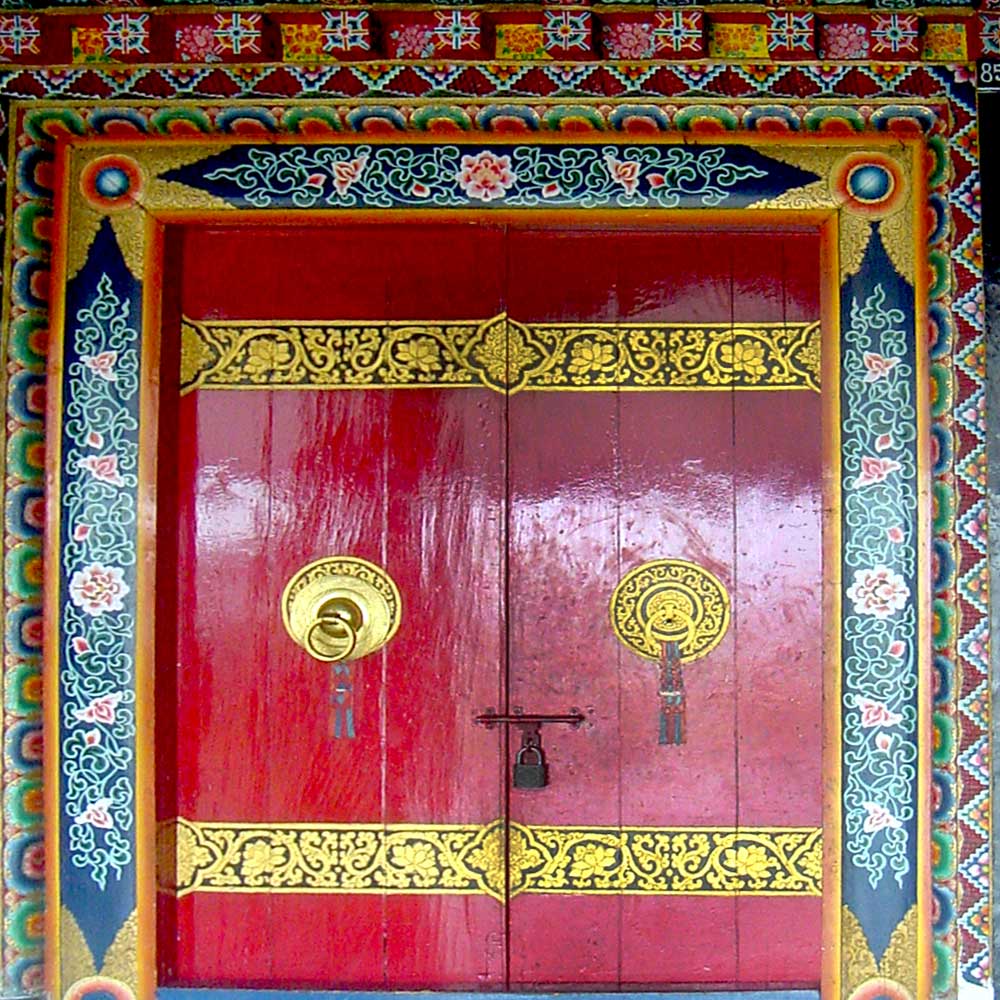
Double red doors at Rumtek Buddhist Monastery,
Sikkim, India
Darap village, known for Sikkimese Cuisine,
Sikkim, India
Lion Sculptures over entrance, guardian of
evil-spirits, Rumtek Monastery, Sikkim, India
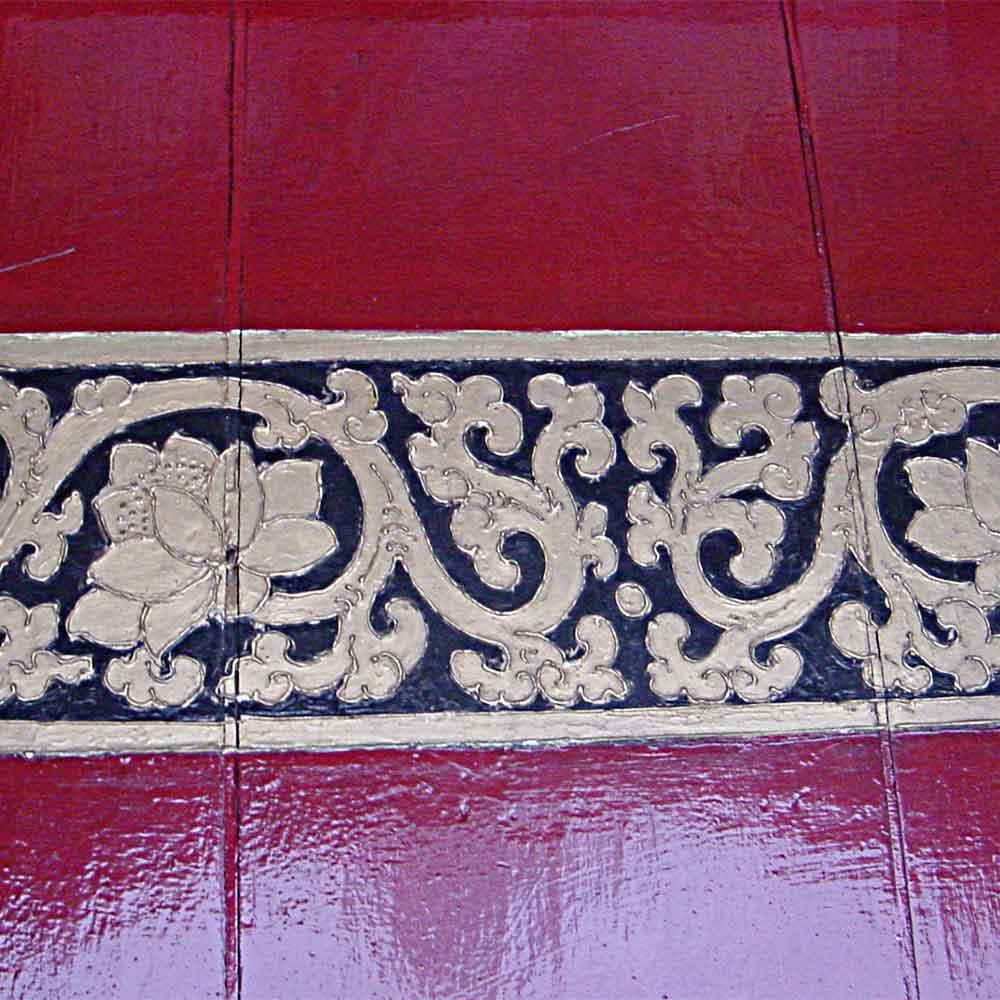
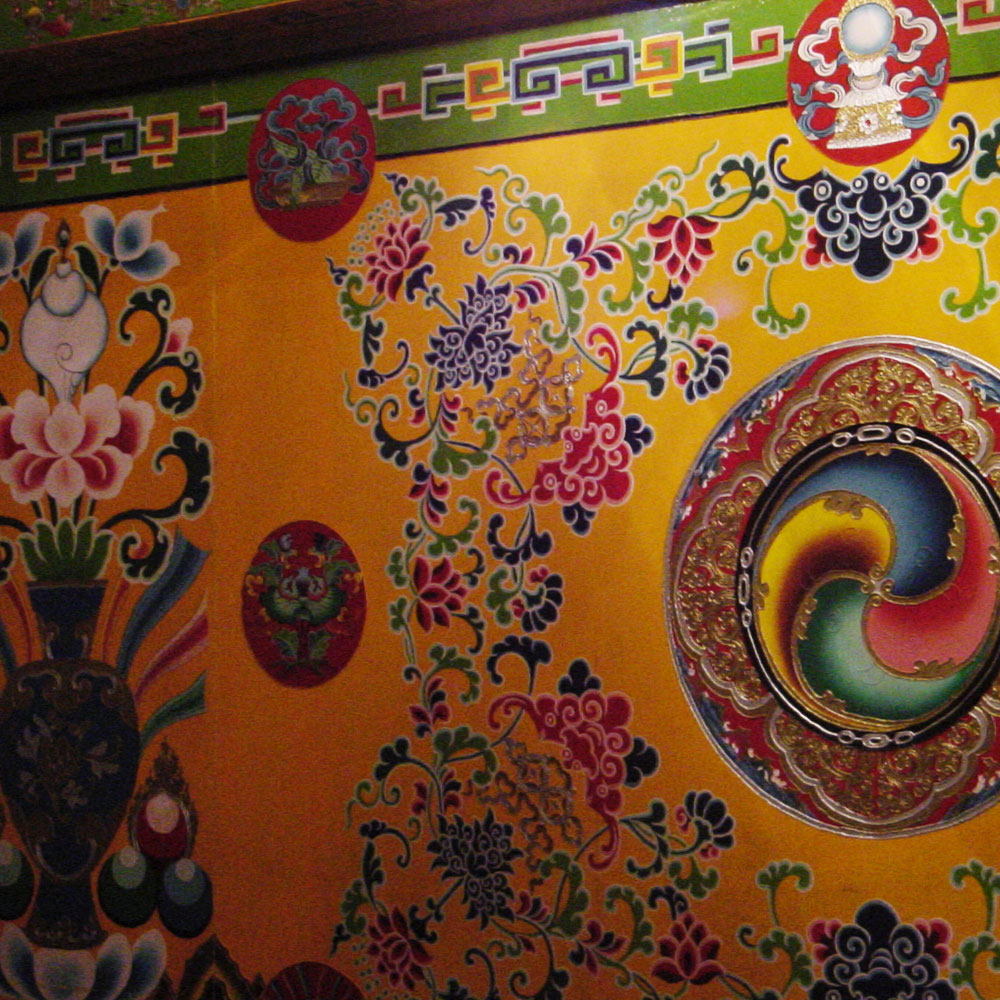
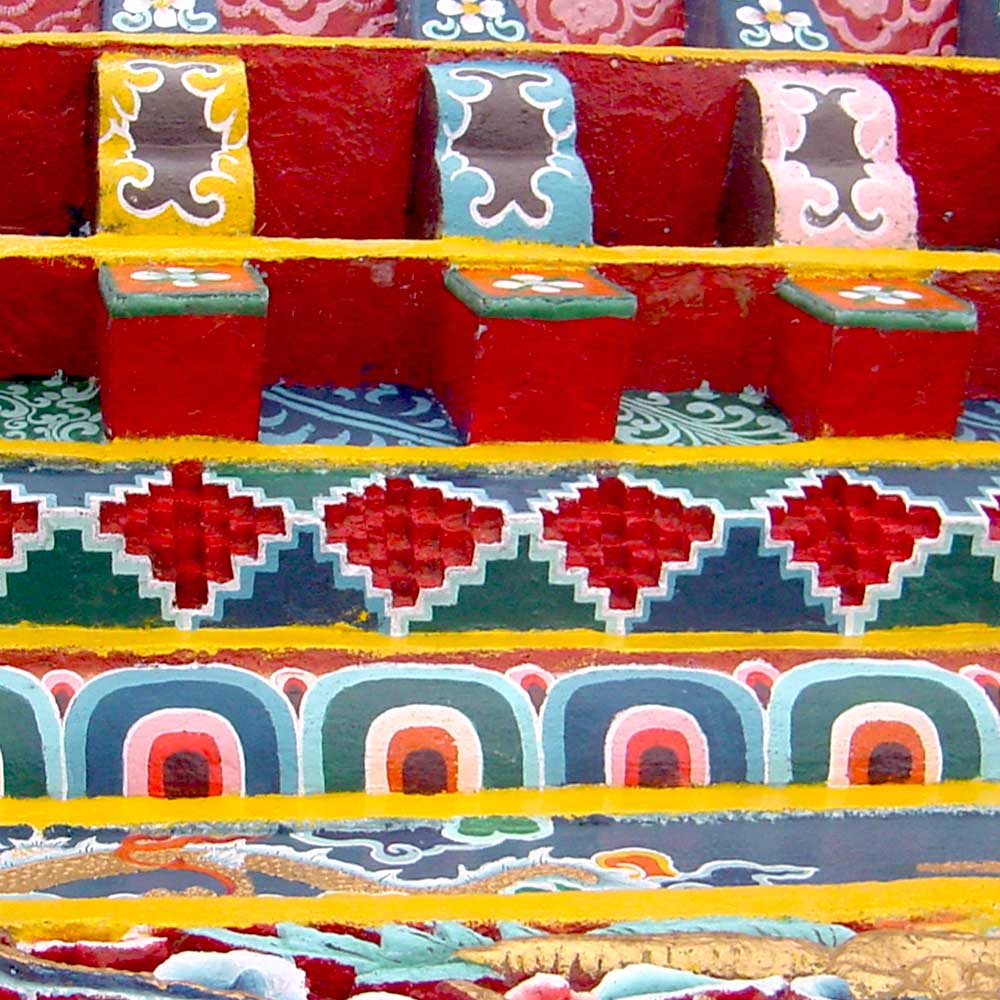
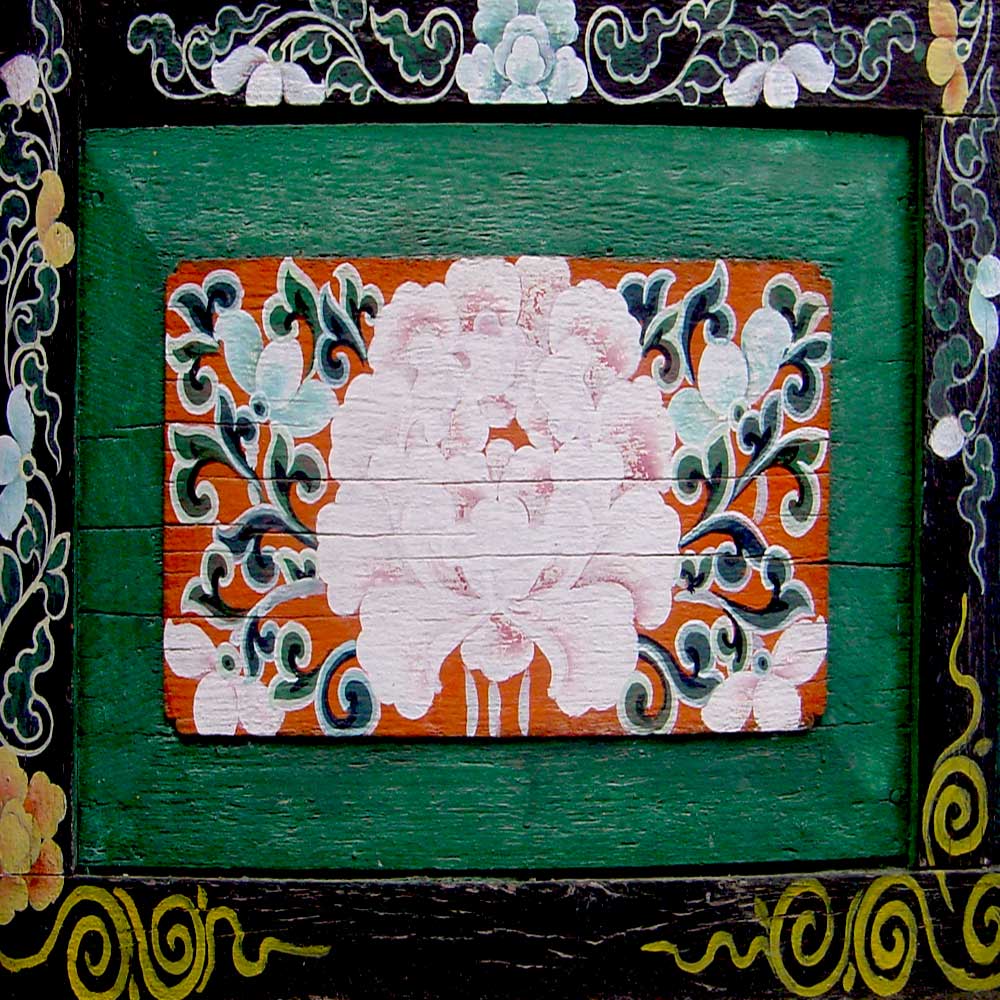
Local Sikkimese, decorative hand painting on
wood, Sikkim, India
Do-drul Chorten is a stupa in Gangtok, Sikkim,
India
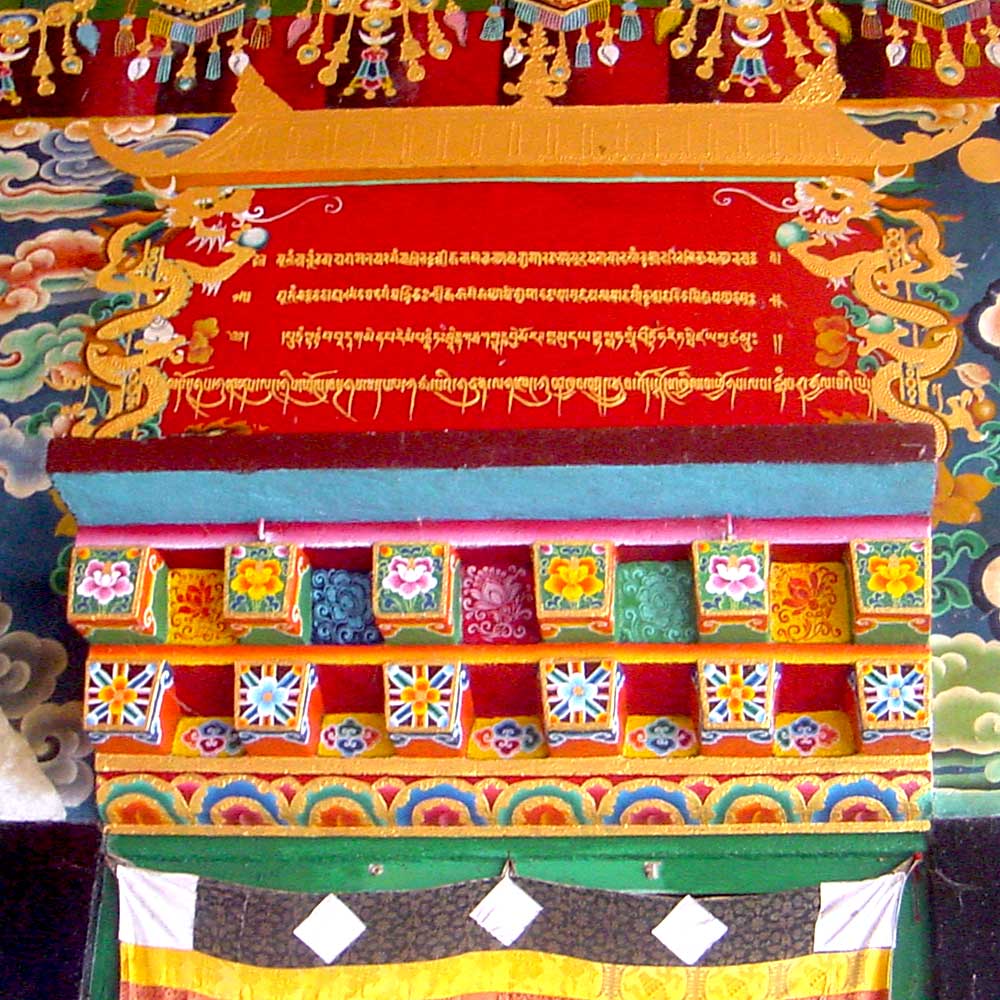
Hand painted top door frame, 18th century,
Rumtek Monastery, Sikkim, India
Ornamental gankyil, Wheel of joy, A Sikkim
Buddhist symbol, Rumtek Monastery, Sikkim, India
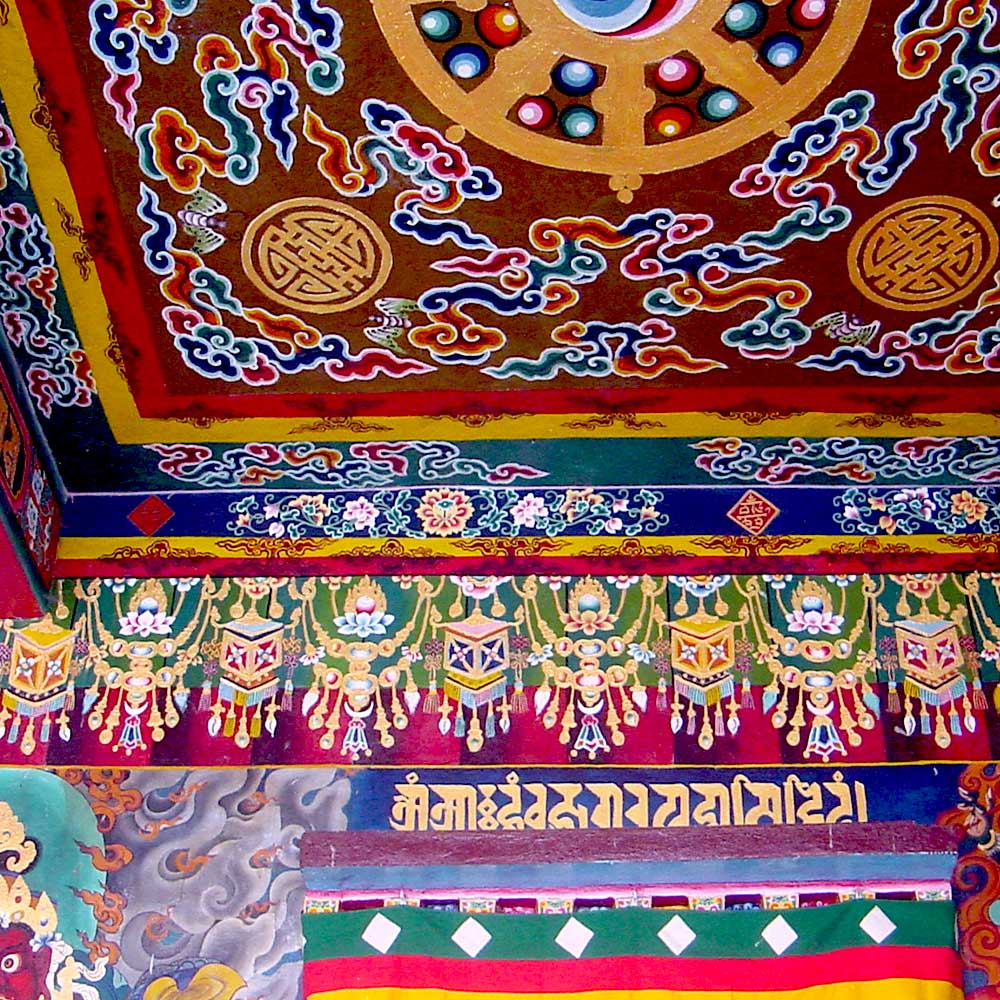
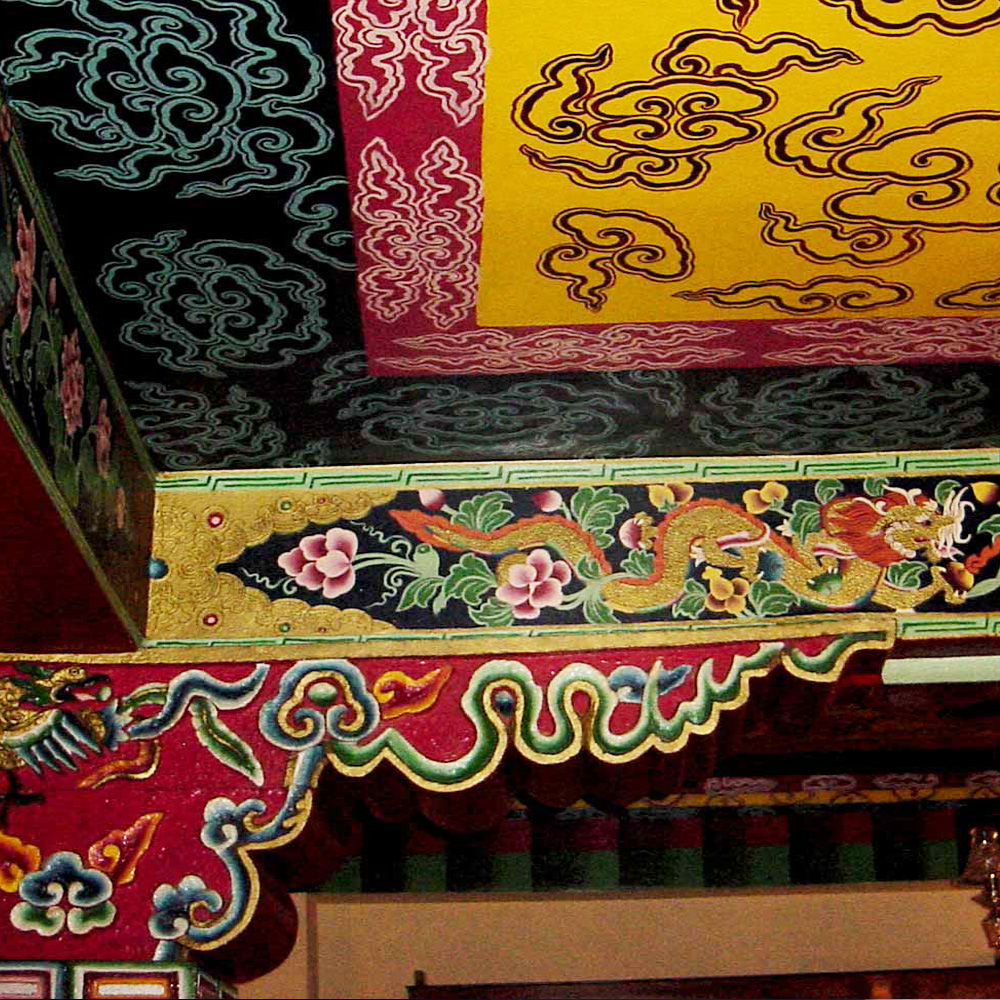
Painted Ceiling and Mural, 18th century, Rumtek
Monastery, Sikkim, India
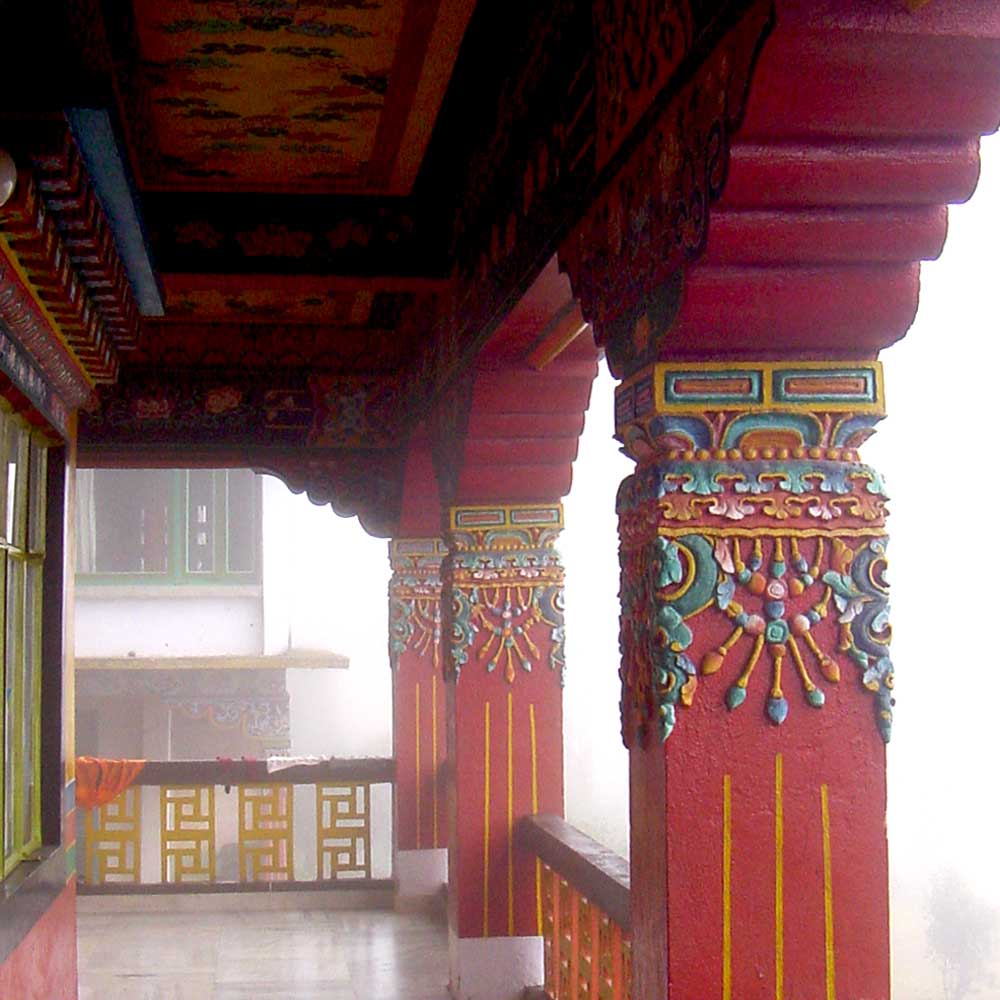
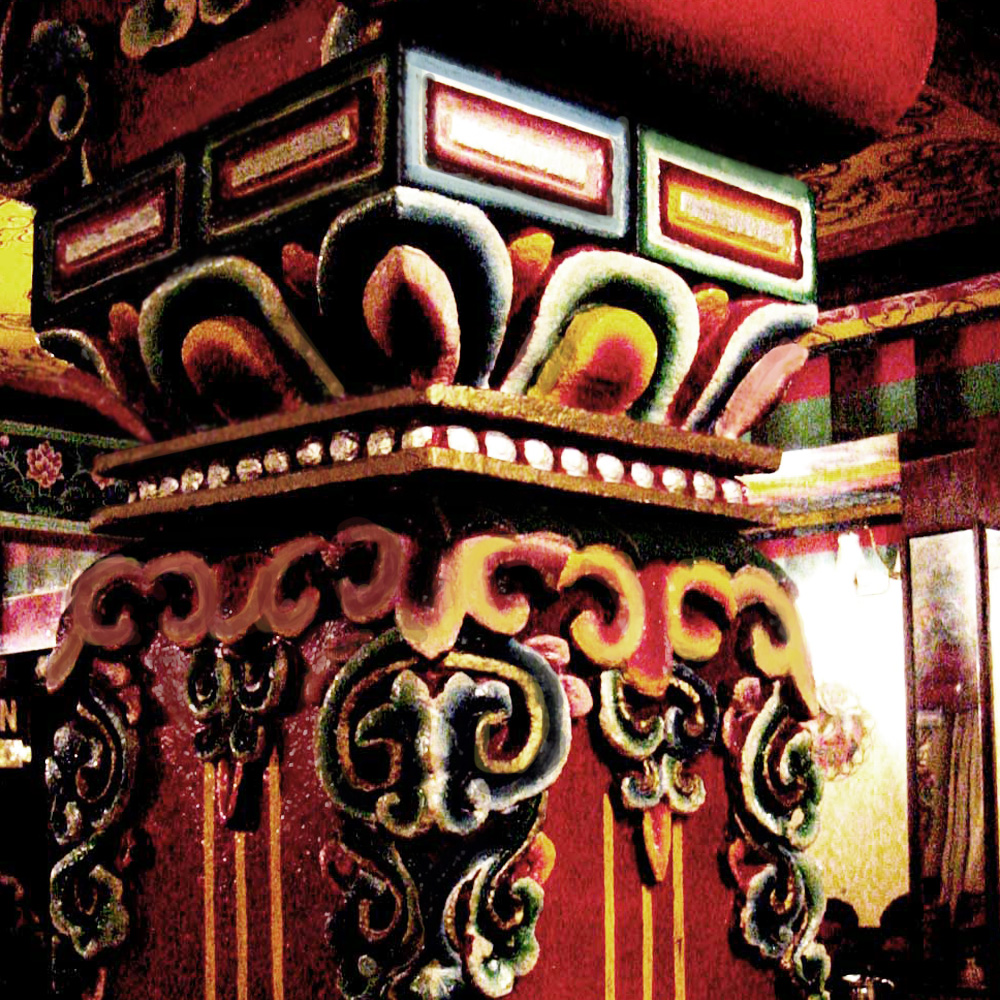
Sikkimese Monastery Painted Column, 18th
century, Rumtek Monastery, Sikkim, India
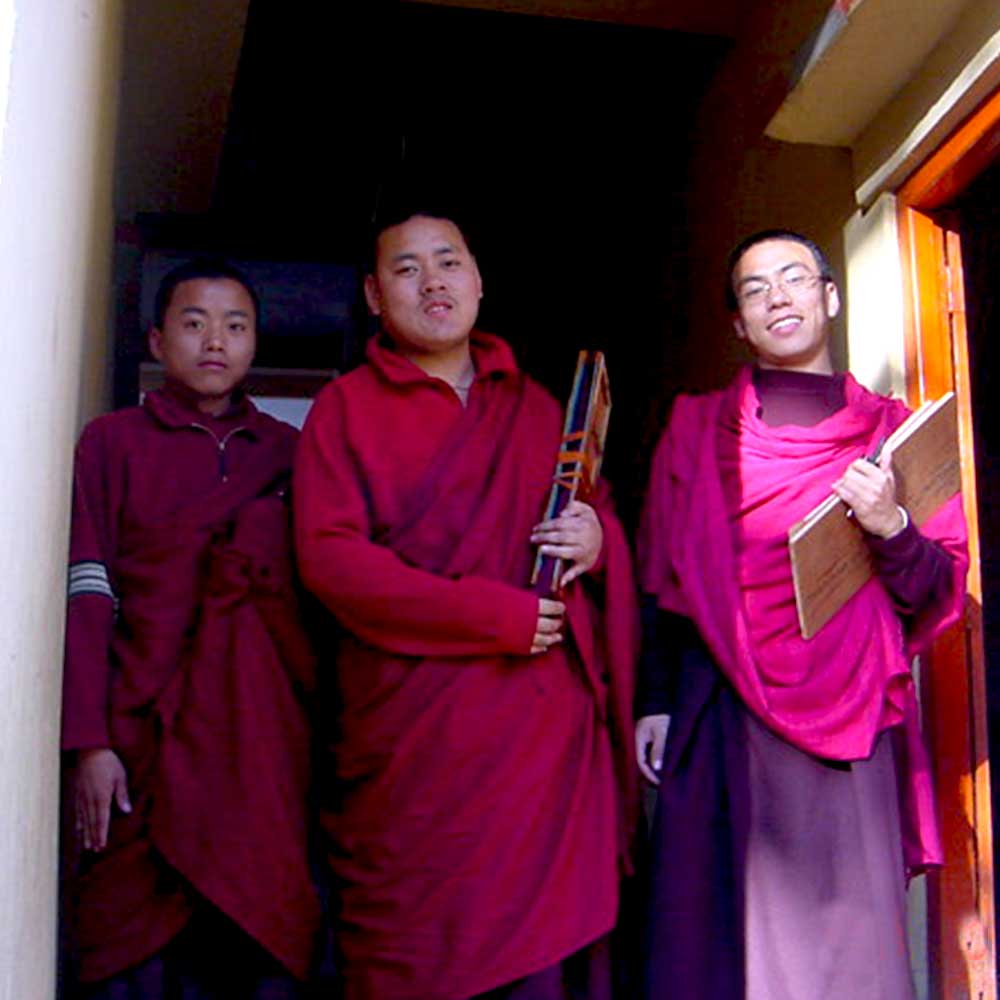
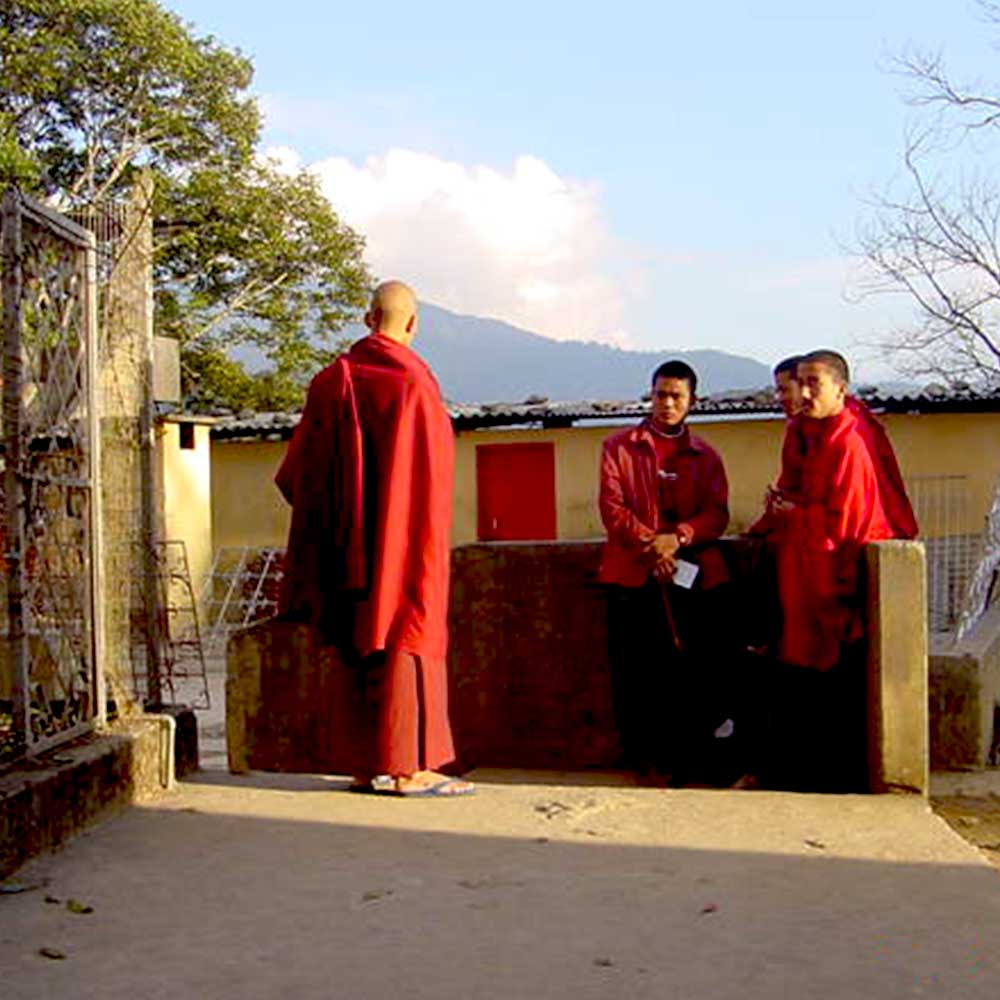
Novice monks attending Rumtek Monastery, Sikkim,
India
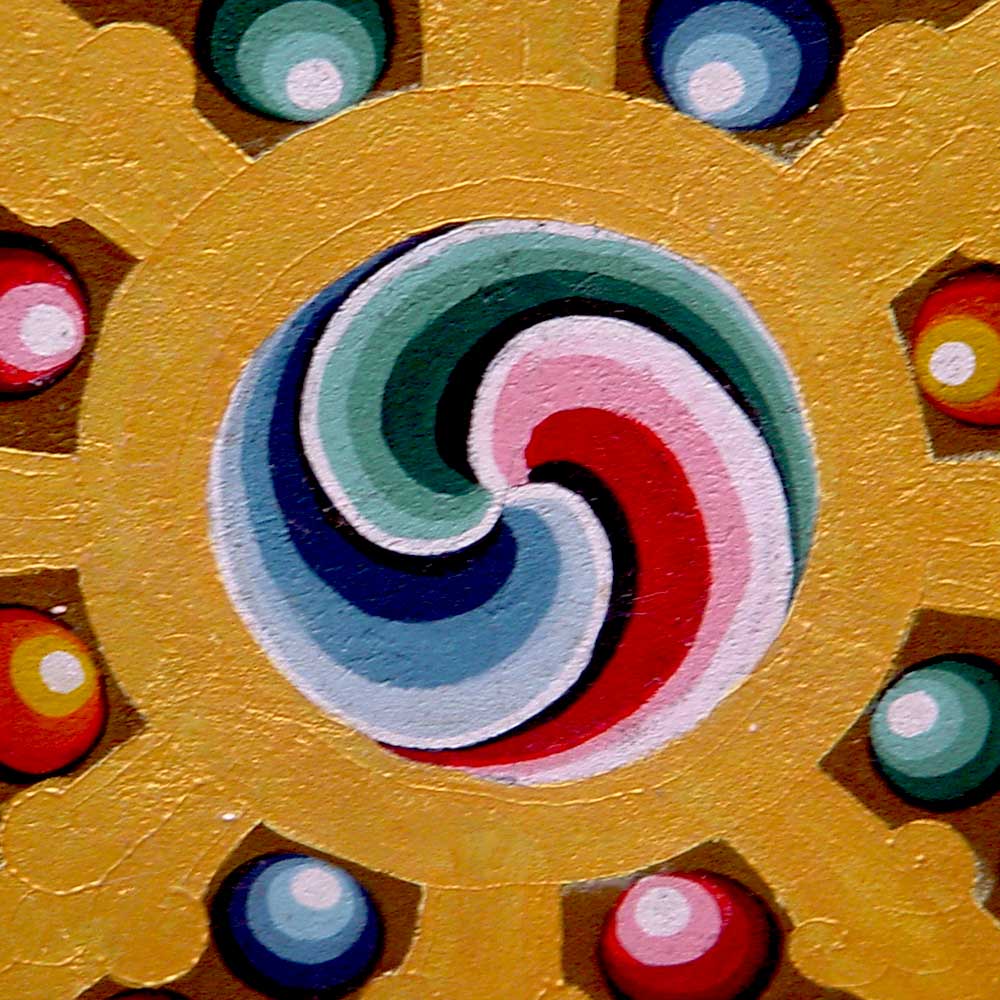
Sikkim painted wall mural, Wheel of Joy, Rumtek
Monastery, Sikkim, India
Novice monks attending Rumtek Monastery, Sikkim,
India
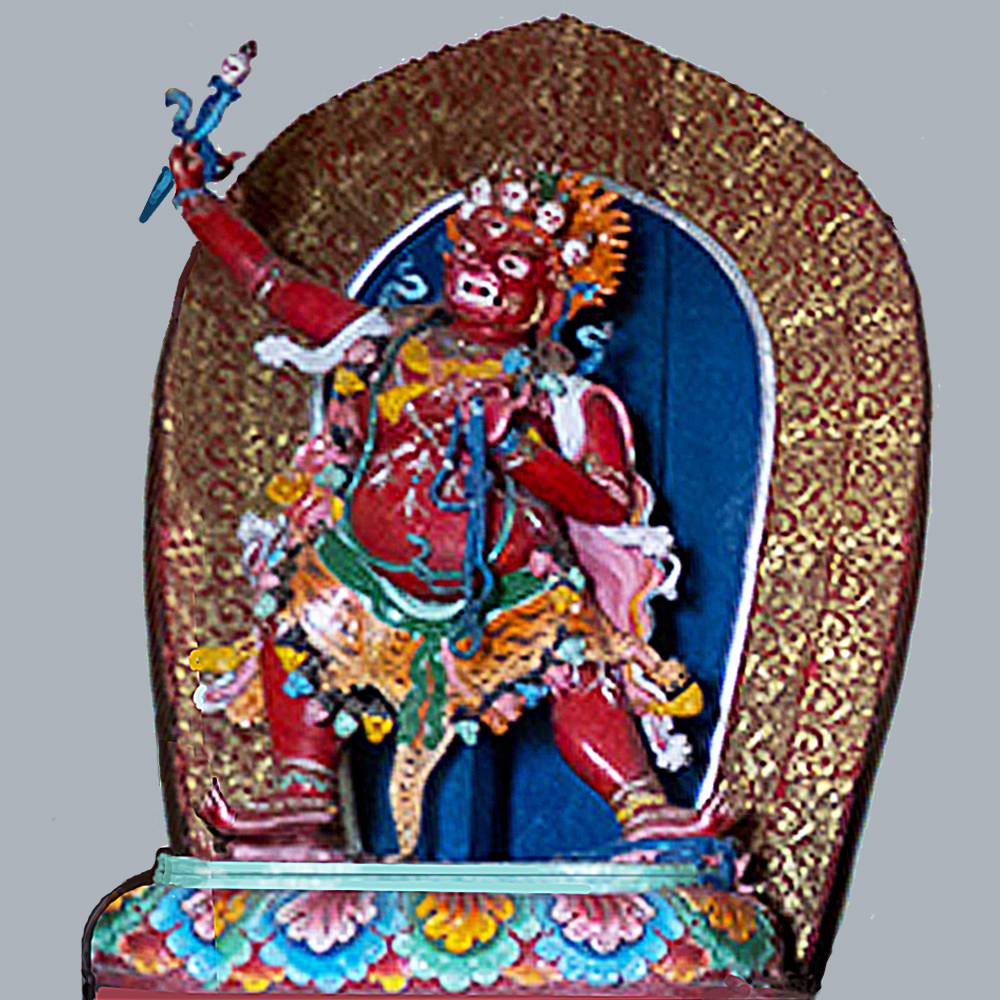
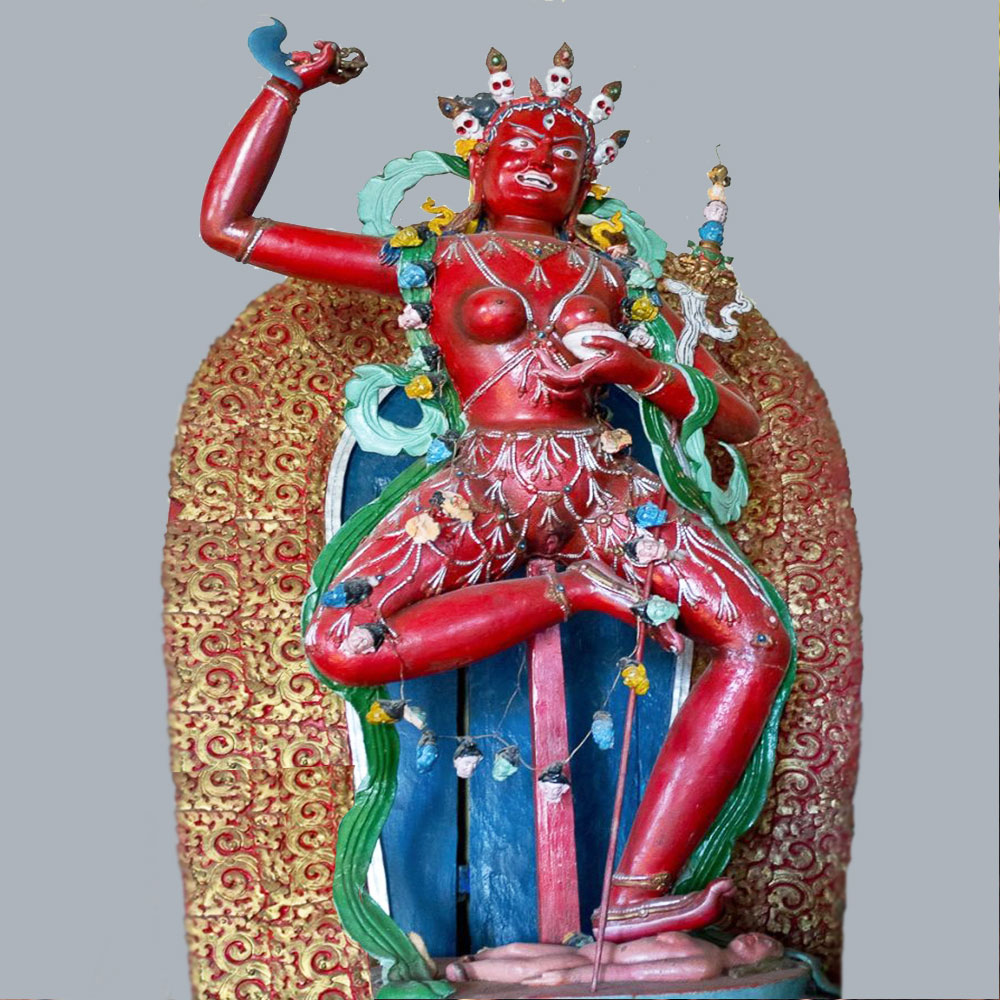
Vajrayogini, (spiritual awakening), Bodhisattva
statue, 17th century, Sanga Choeling Monastery, built 1697, Pelling, Sikkim, India
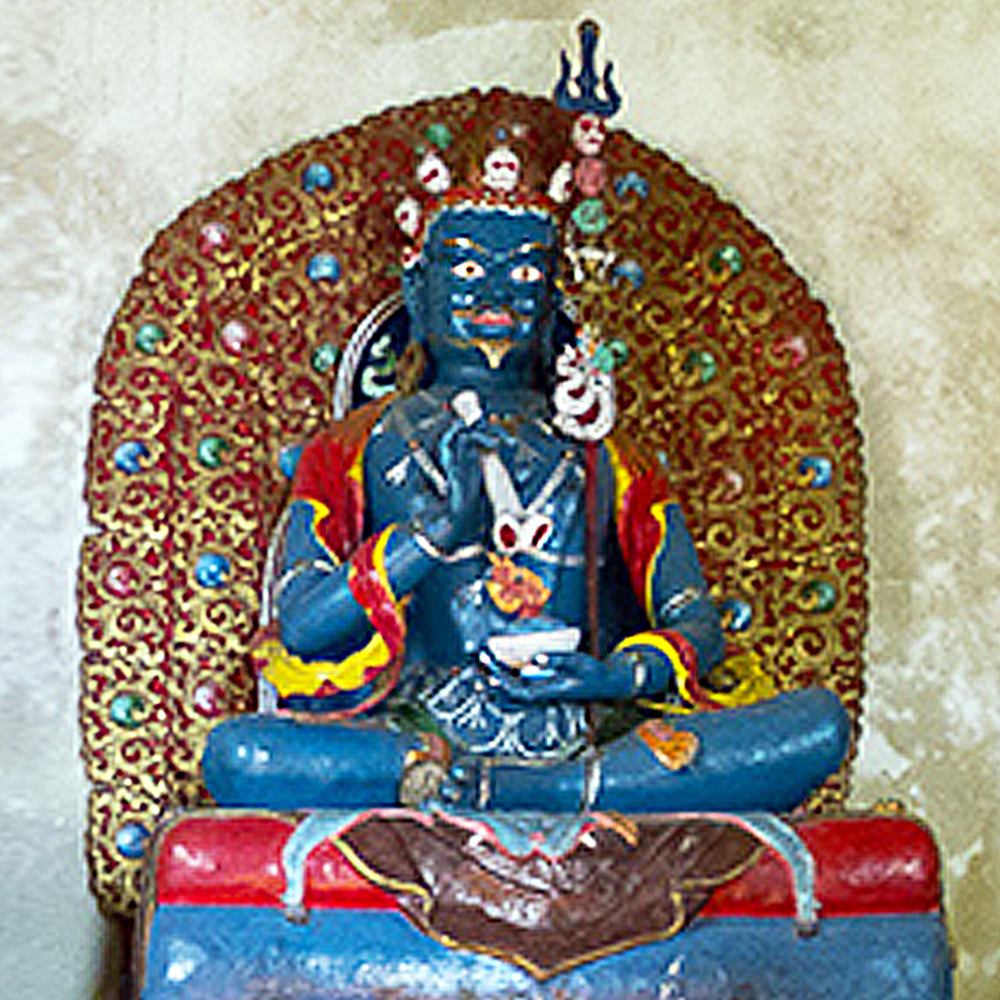
Vajrasattva, (Buddha of Purification),
Bodhisattva statue, 17th century, Sanga Choeling Monastery, built 1697, Pelling, Sikkim, India
Vajradhara, the primordial Buddha, (Dorje
Chang,"diamond-holder"), Bodhisattva, 17th century, Sanga Choeling Monastery, built 1697, Pelling, Sikkim, India
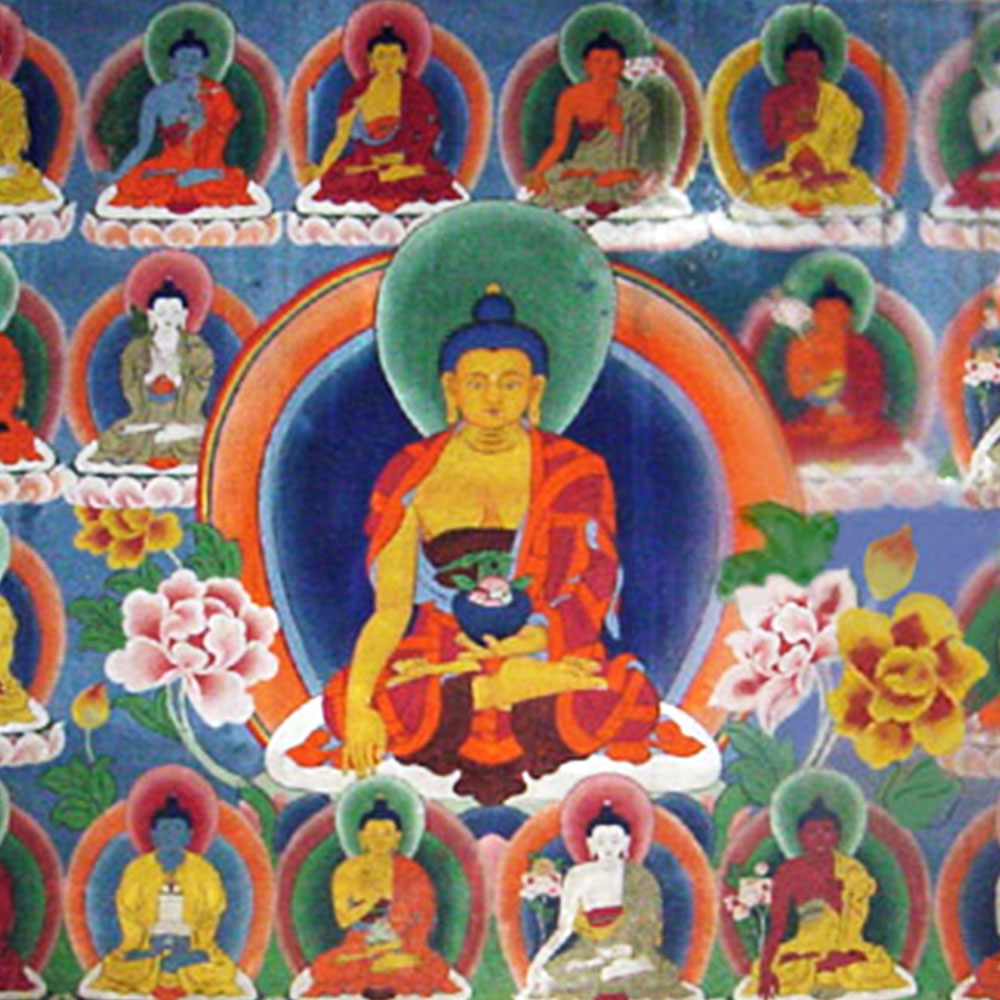
Wall mural of seated bodhisattvas, 18th
century, Pemayangtse Monastery, Sikkim India
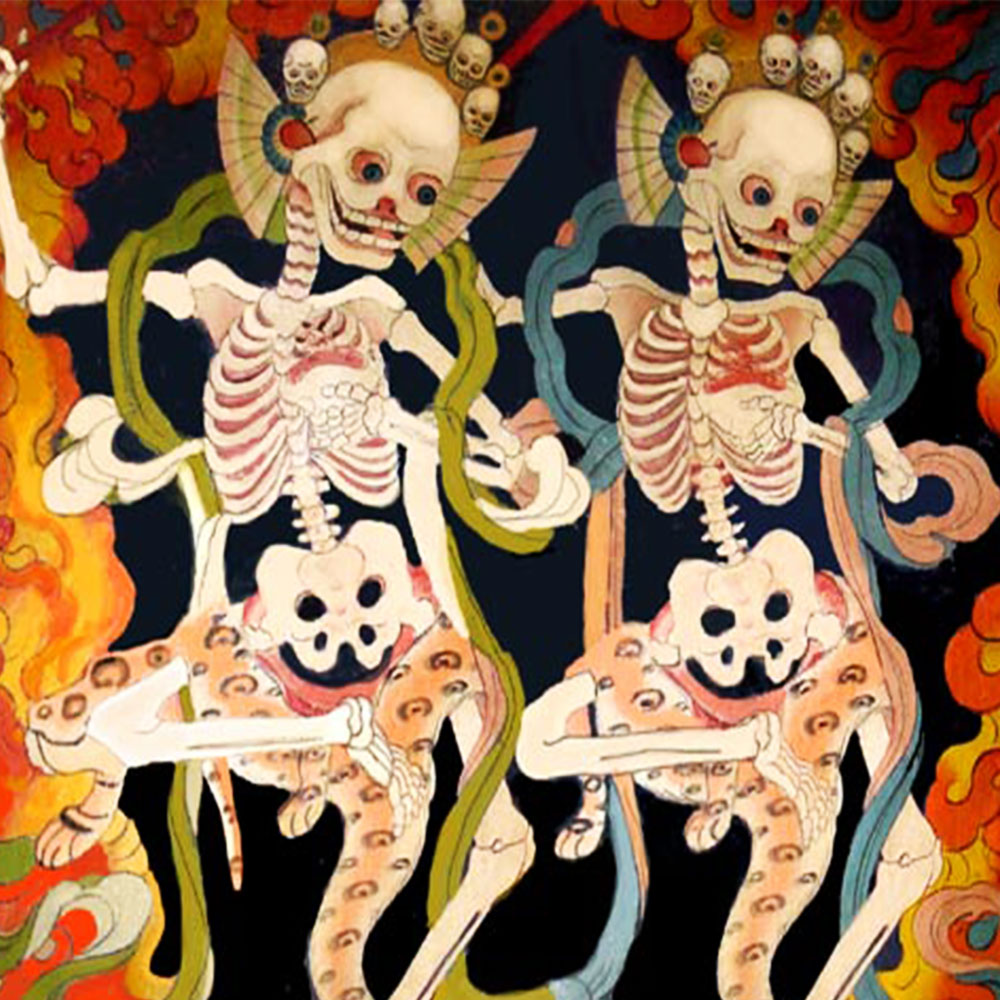
CitiPati guardian deities, two skeletons in
dancing pose, Ngor Style wall paintings, 18th century, Pemayangtse Monastery, Sikkim, India
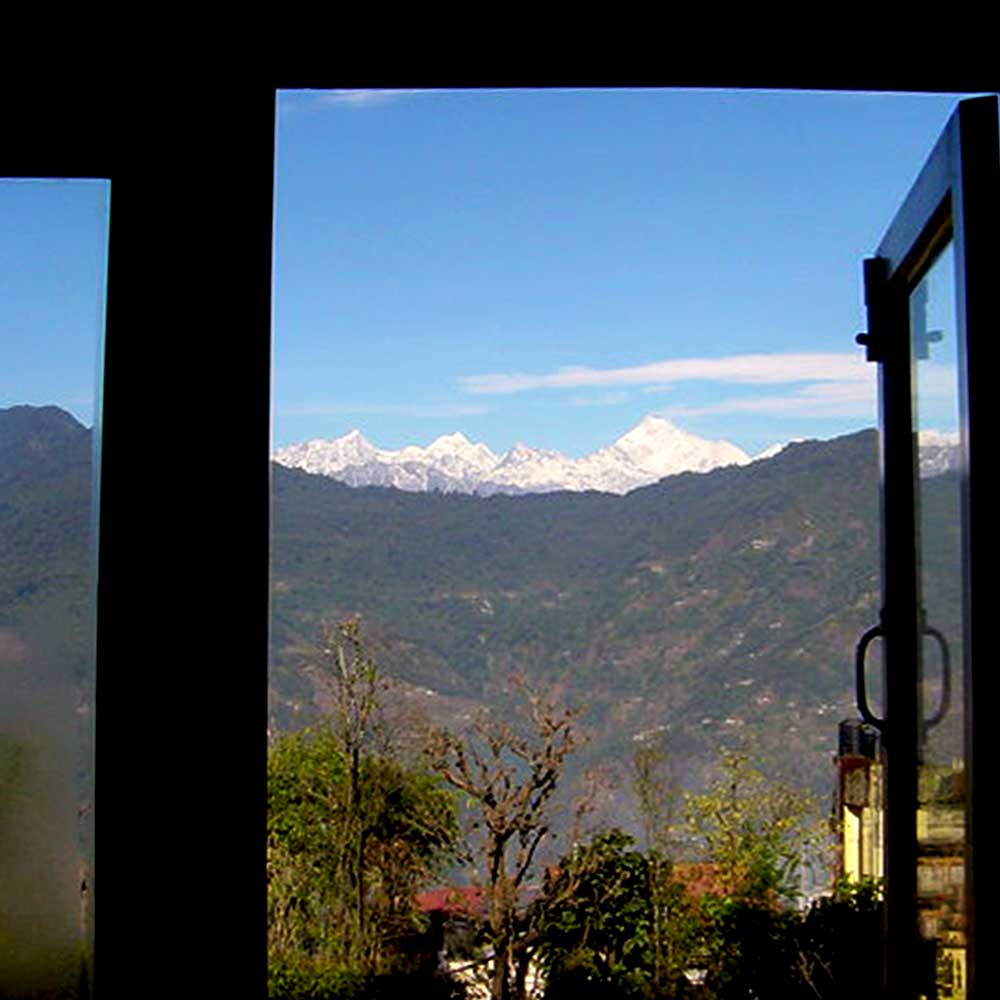
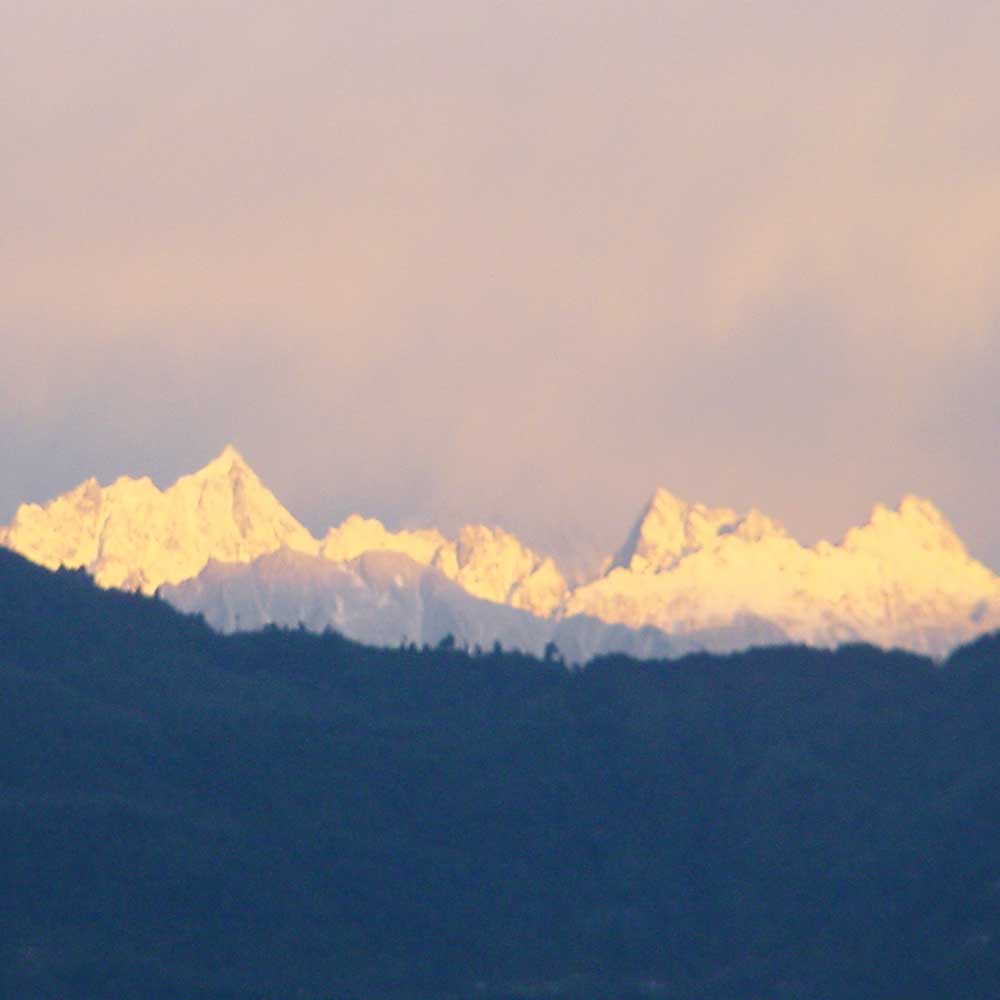
View from my guest house room, Mt.
Kangchenjunga the third highest mountain in the world, Elevation: 8,586 metres, or 28,169 ft. Sikkim, India
Mt. Kangchenjunga the third highest mountain
in the world, situated in the Himalaya on the border of Nepal and India, Elevation: 8,586 metres 28,169 ft., Sikkim, India
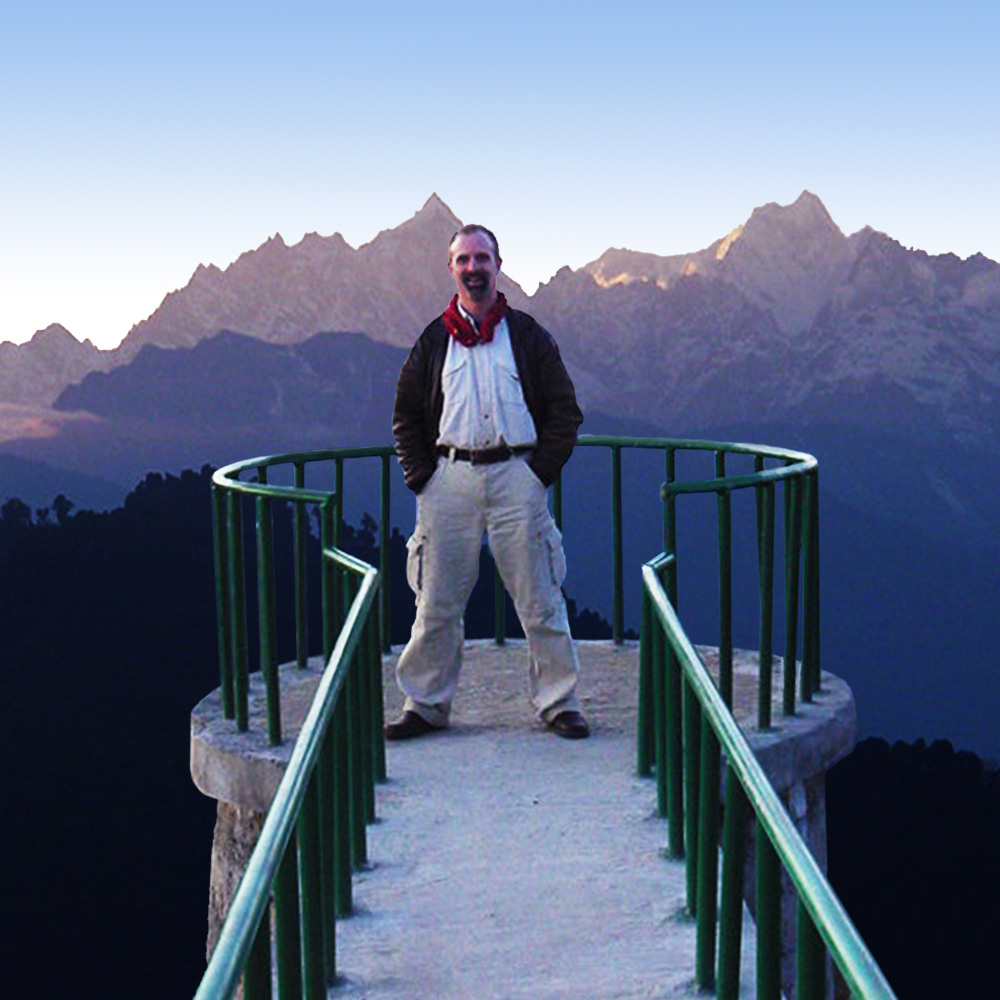
I with Mt. Kangchenjunga in the background,
the third highest mountain in the world, 28,169 ft., Sikkim, India
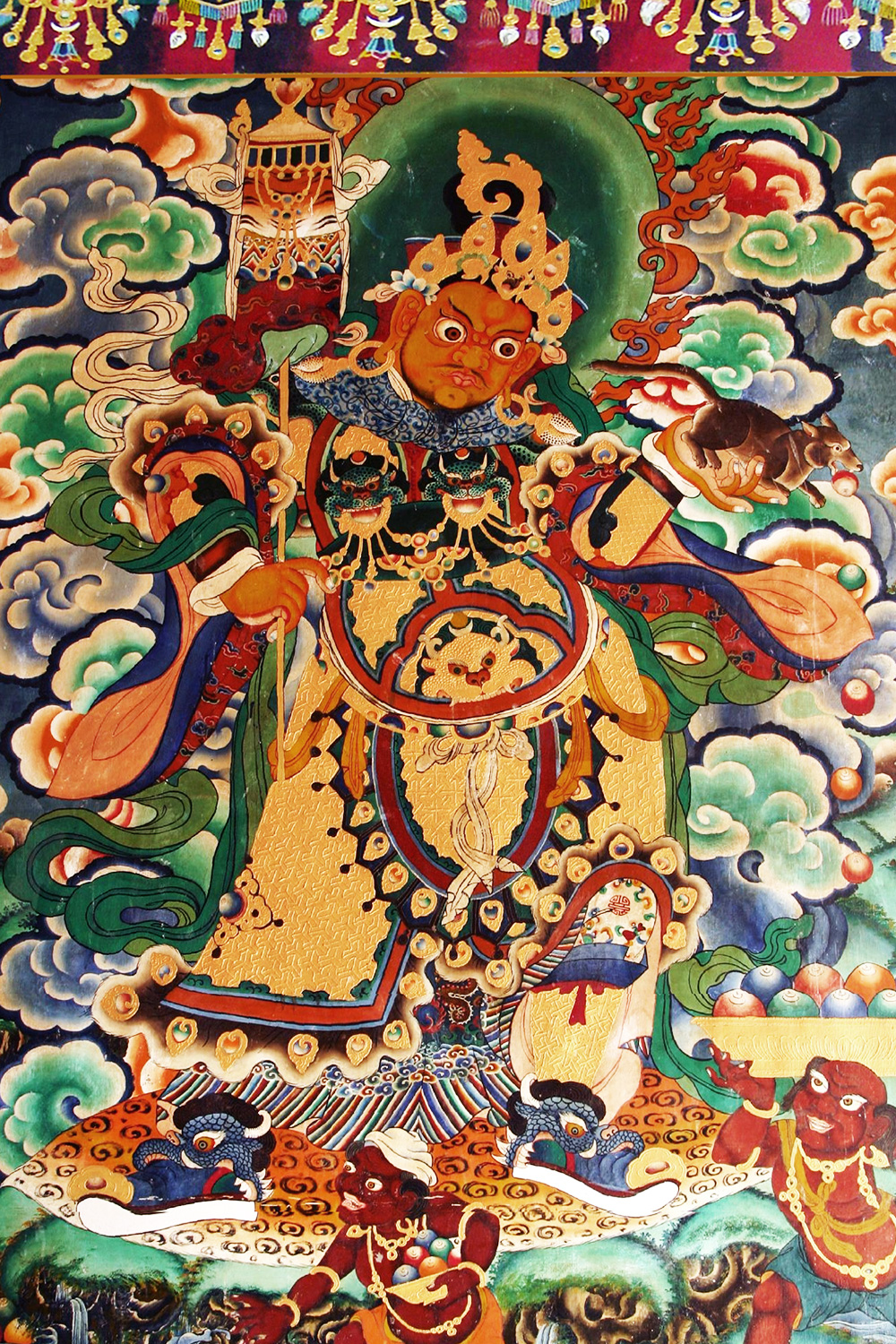
 Yaksha, Color: Yellow or Green, Symbols: Stupa, Umbrella & Mongoose, Thanka Art mural, 18th century, Rumtek
Monastery, Sikkim, India
Yaksha, Color: Yellow or Green, Symbols: Stupa, Umbrella & Mongoose, Thanka Art mural, 18th century, Rumtek
Monastery, Sikkim, India 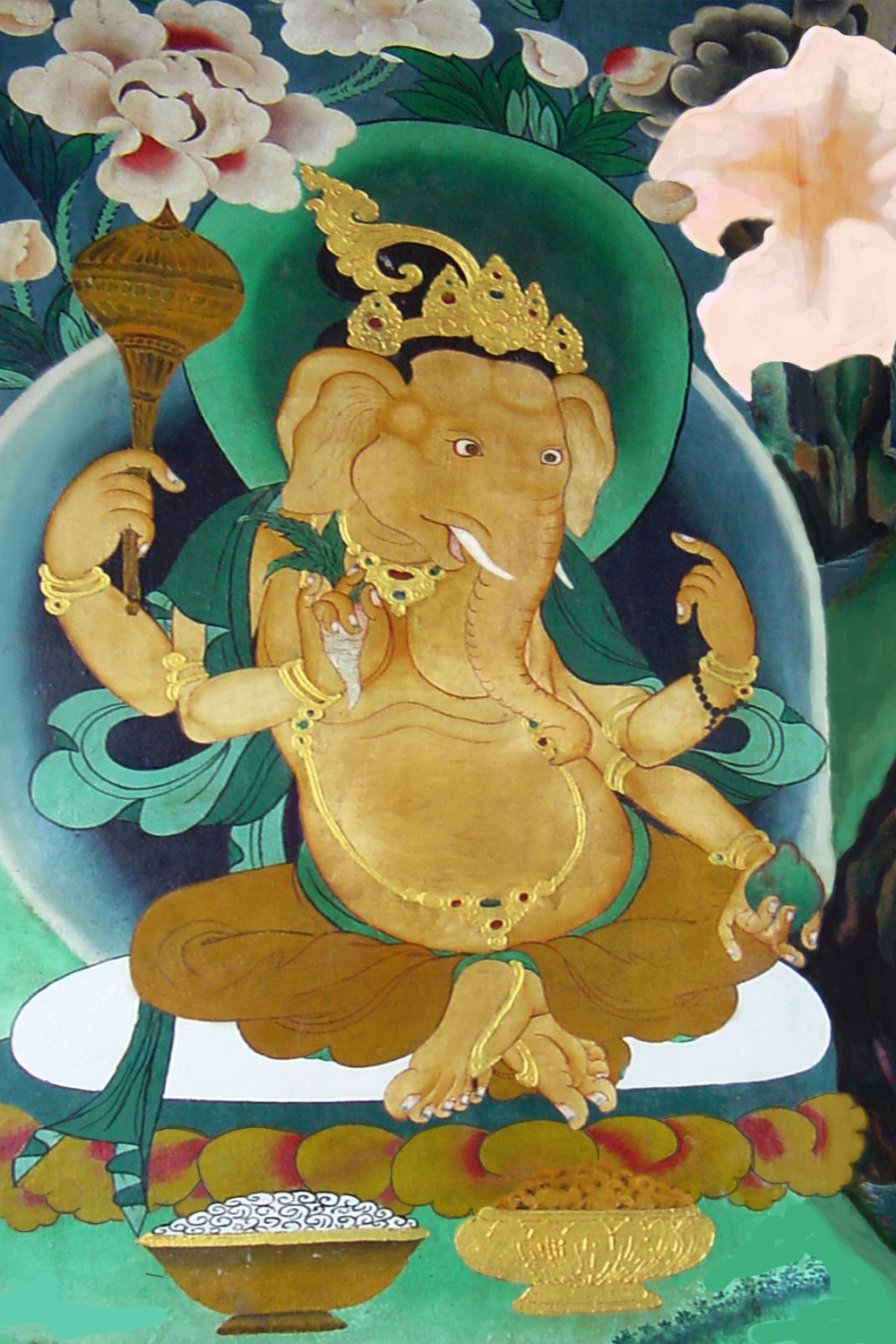
 Top
Top