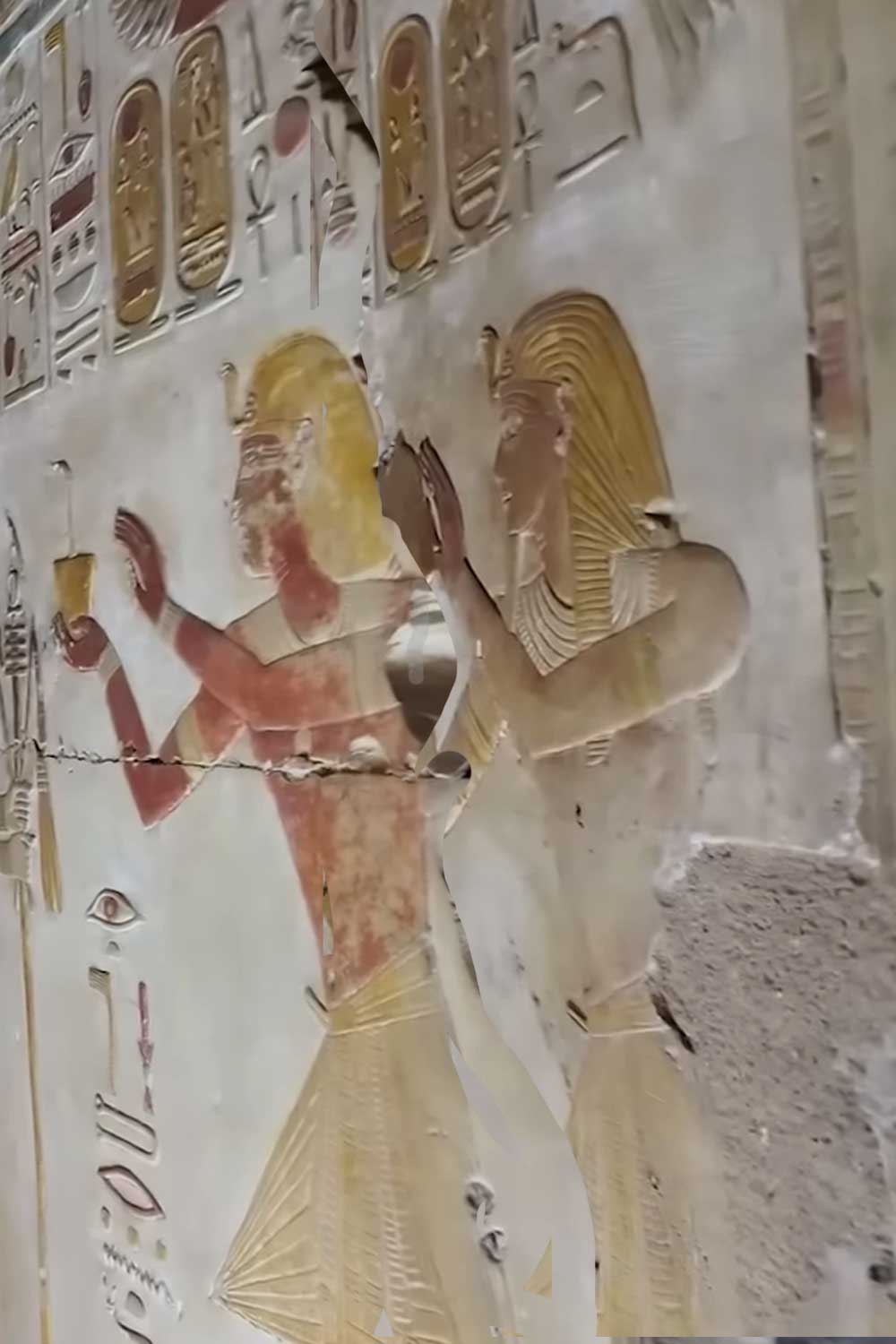
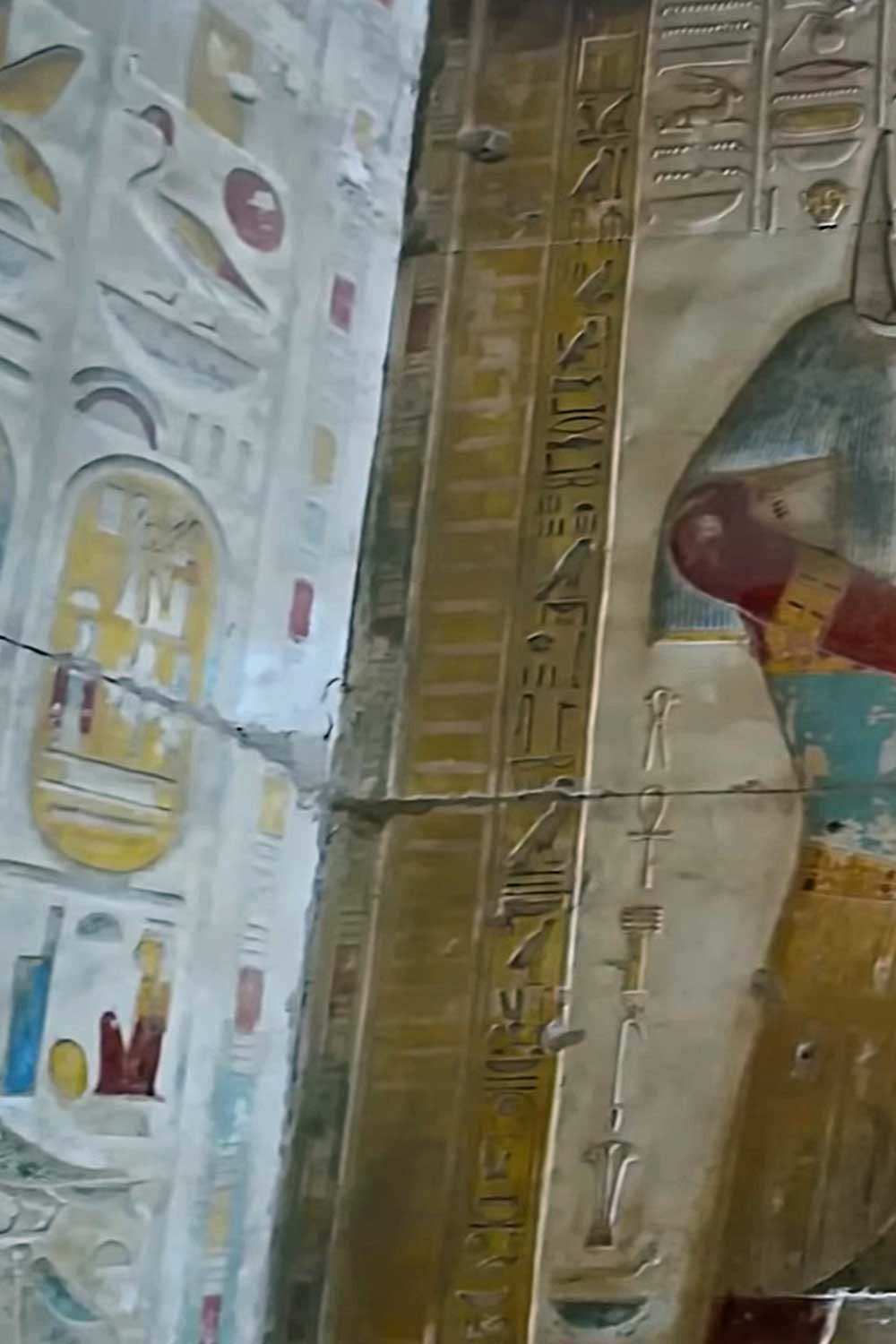
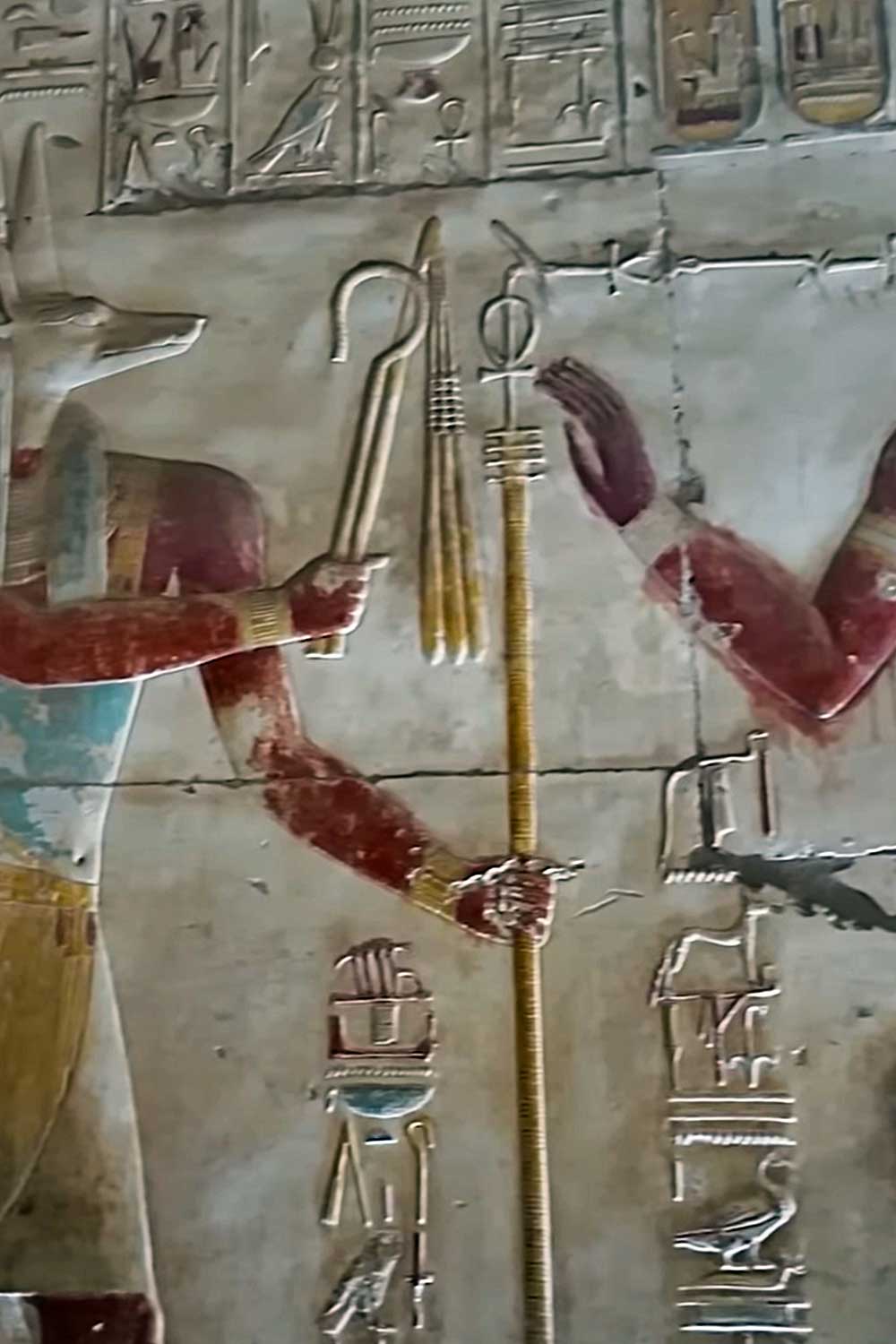
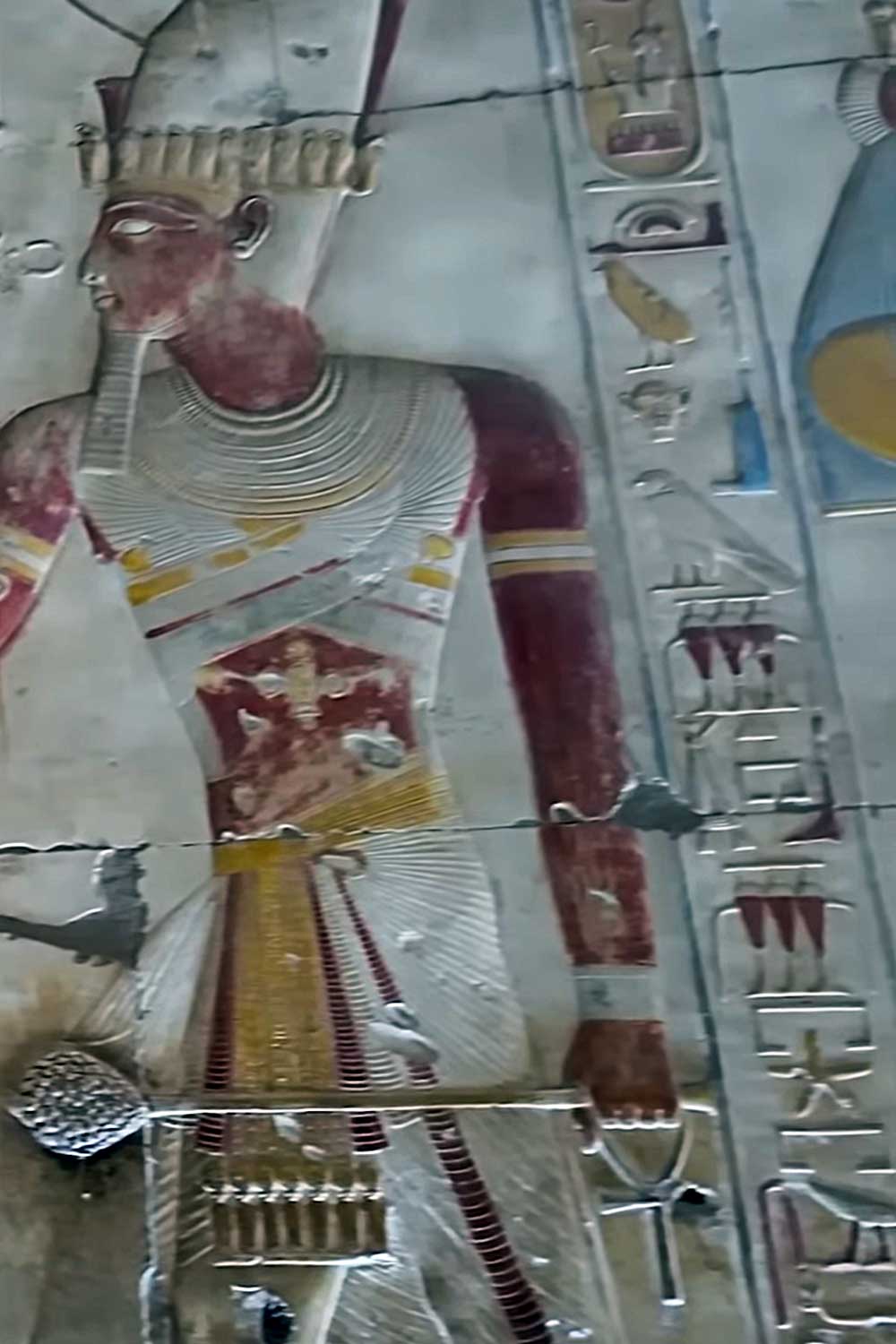
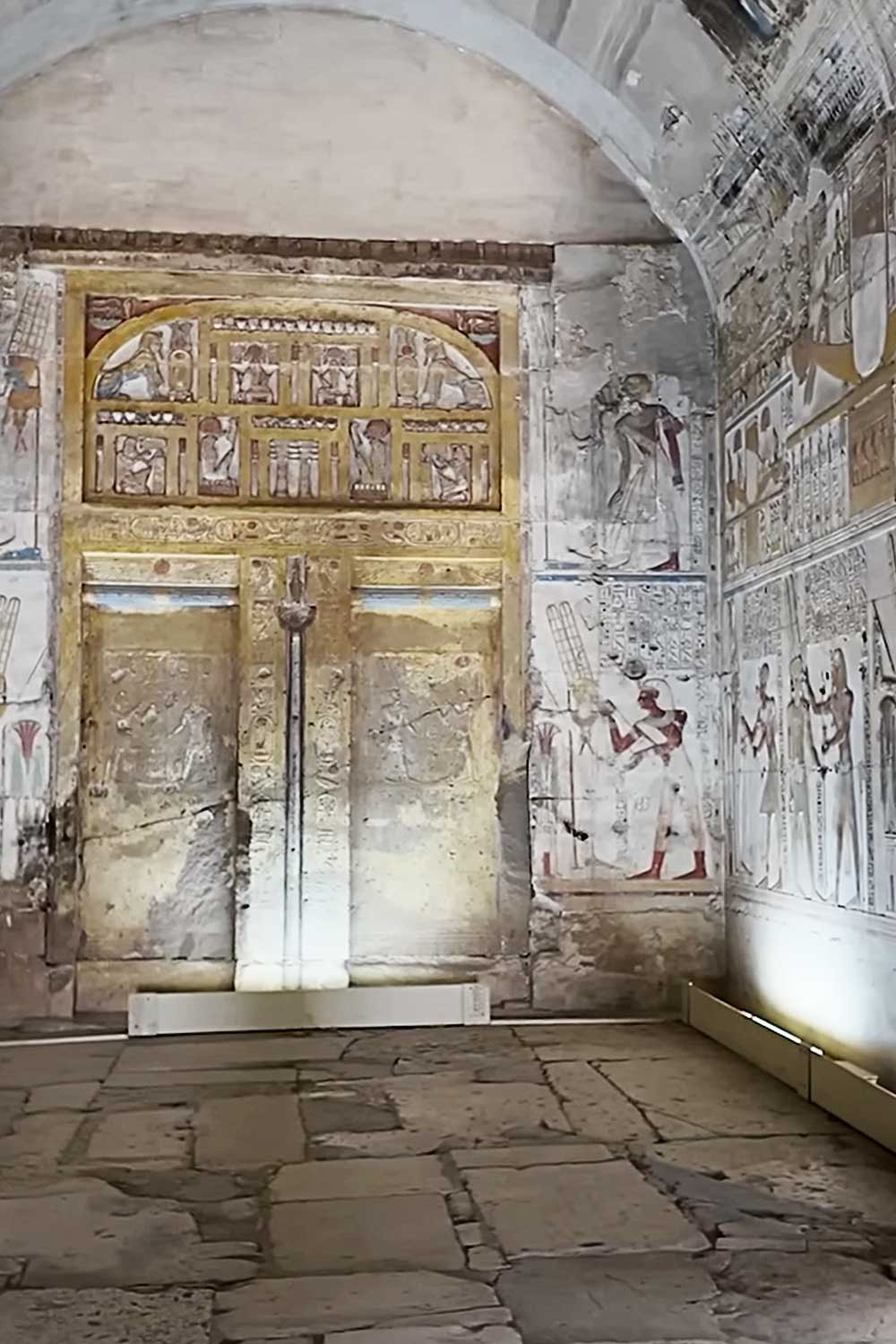
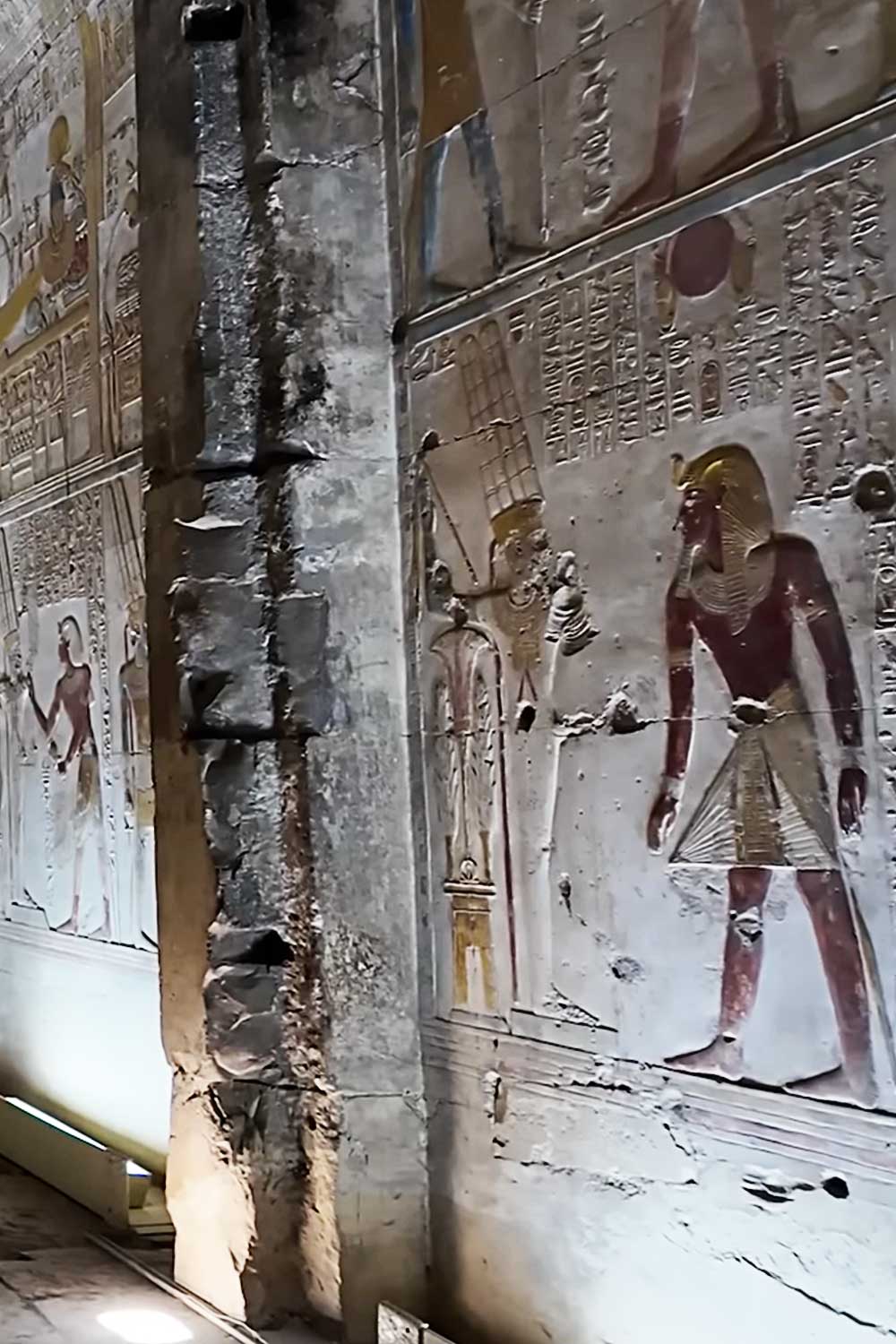
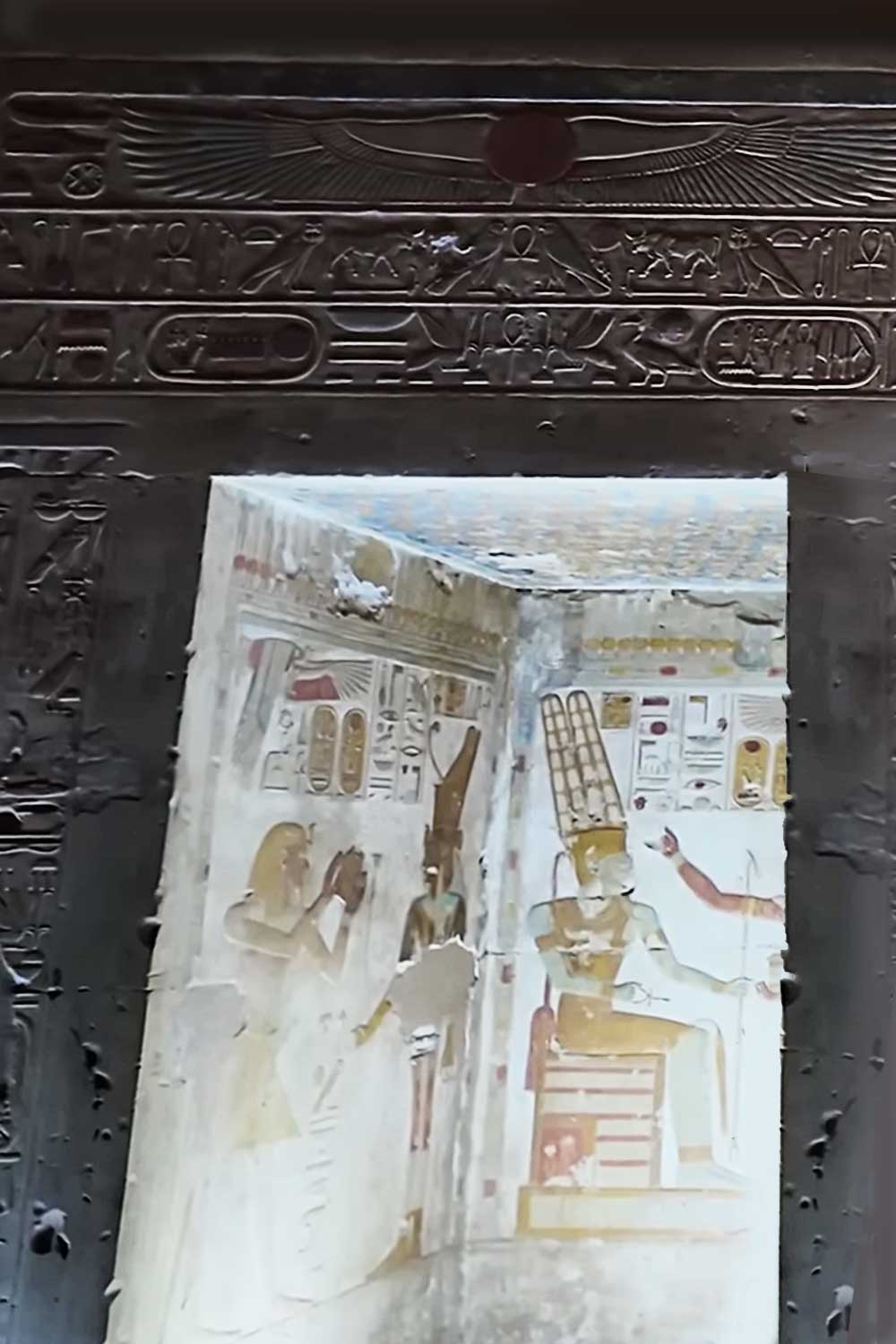
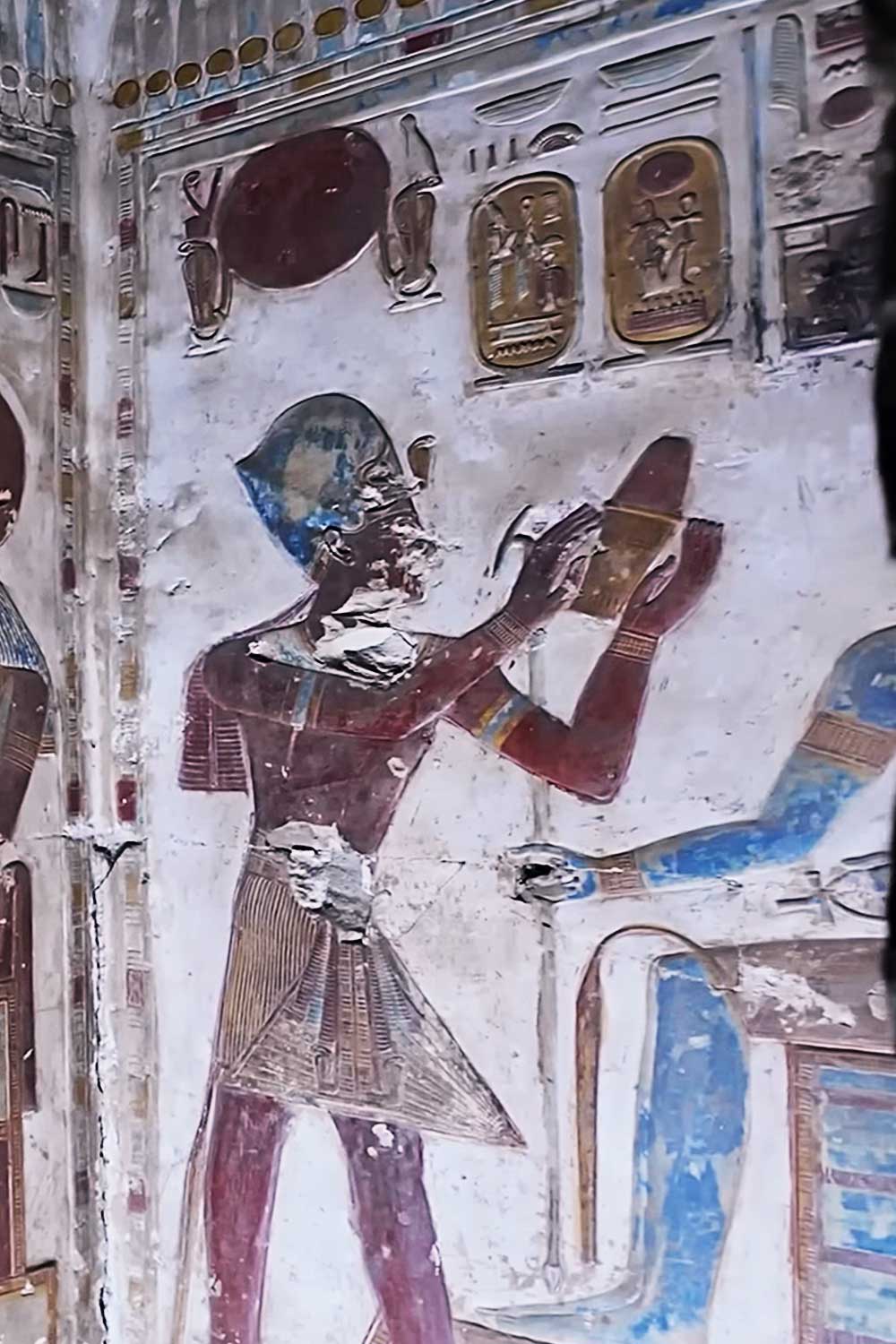
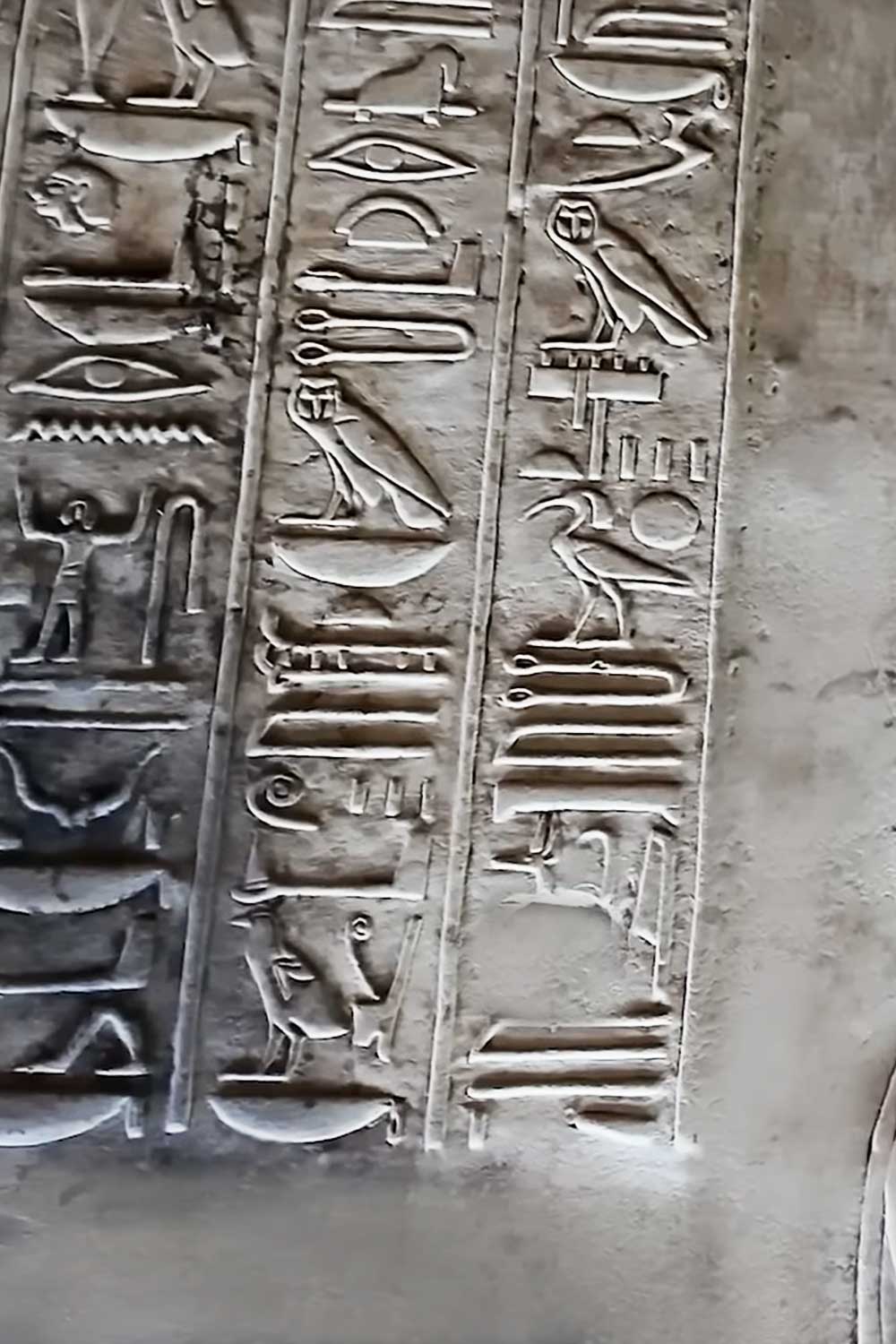
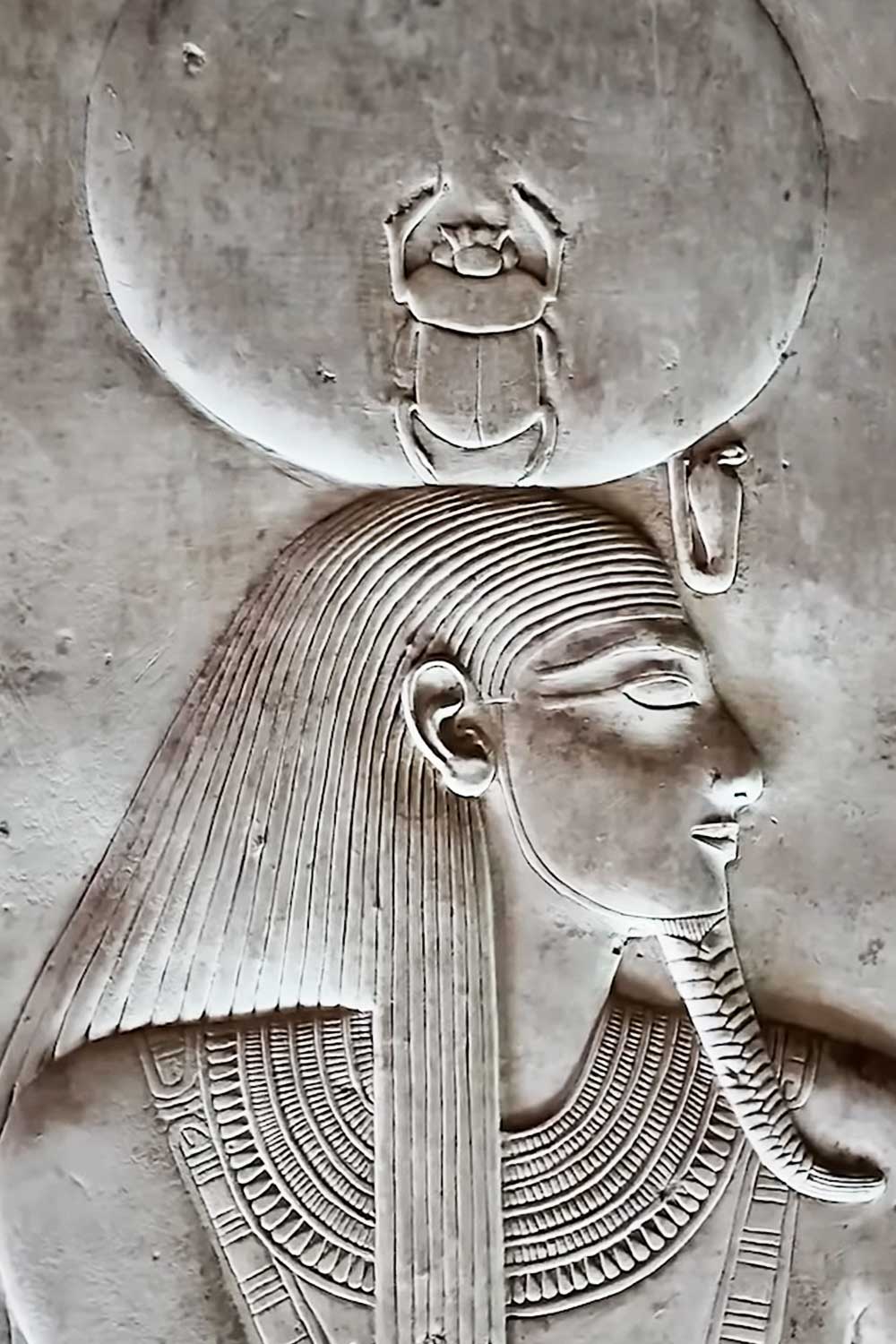
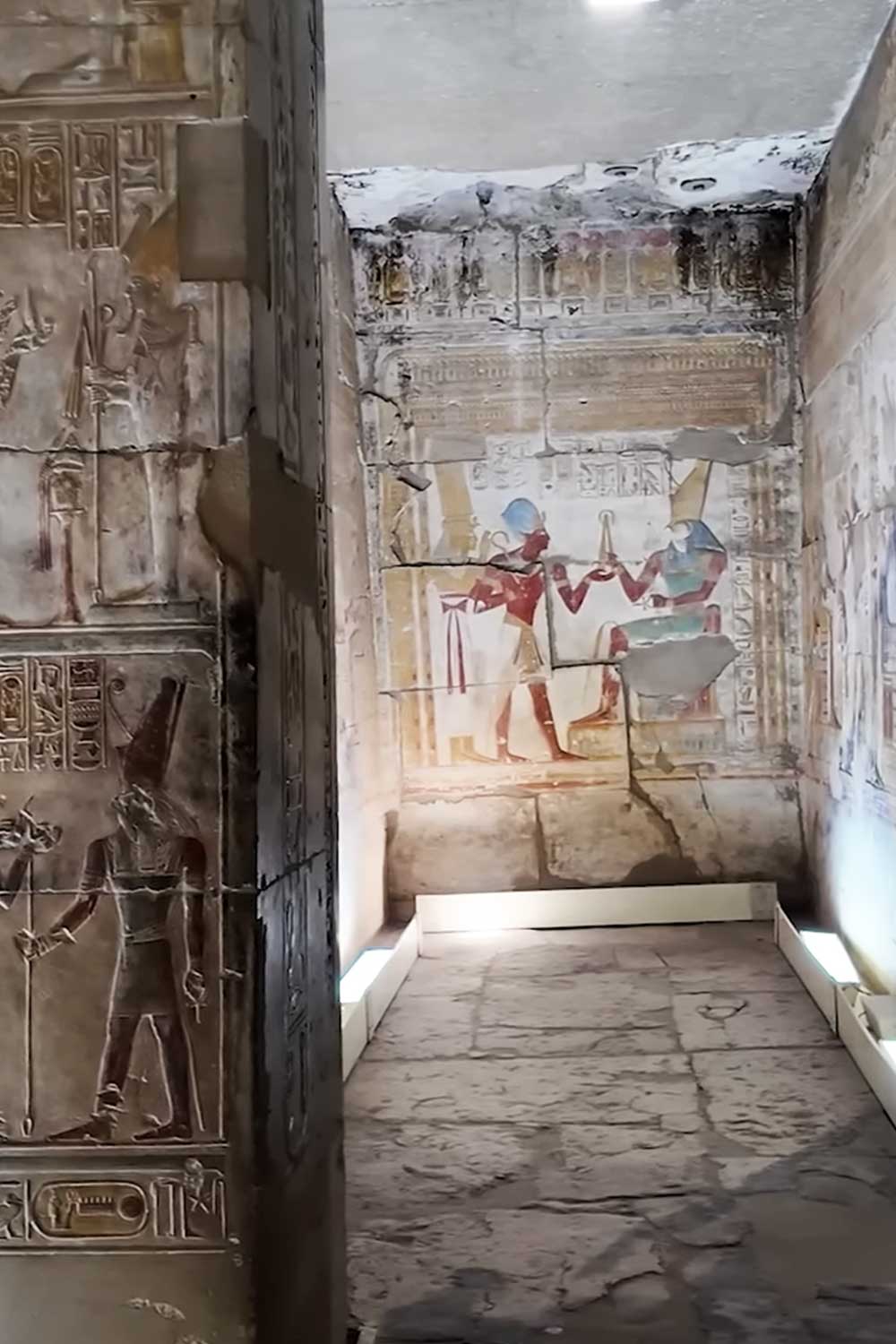
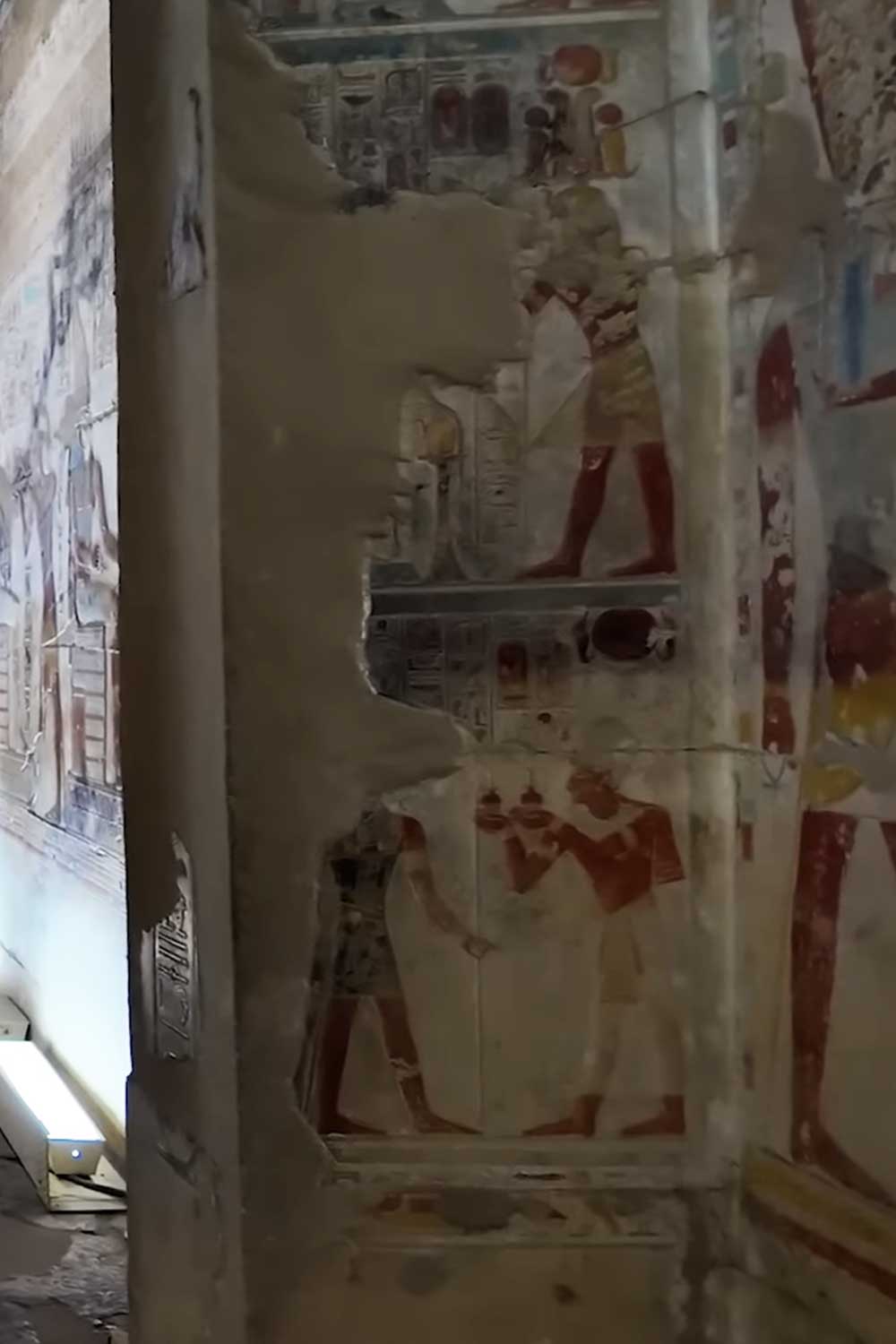
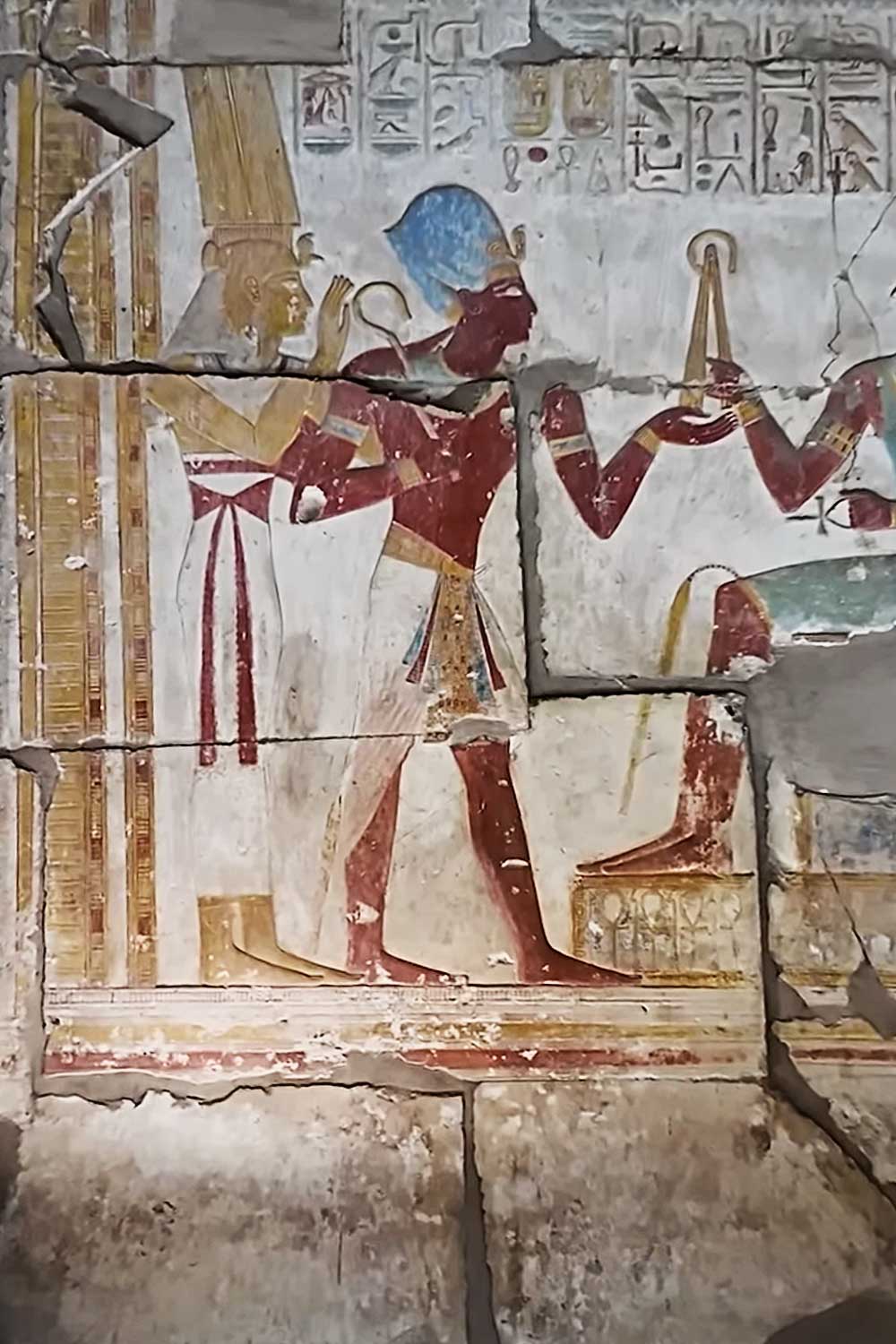
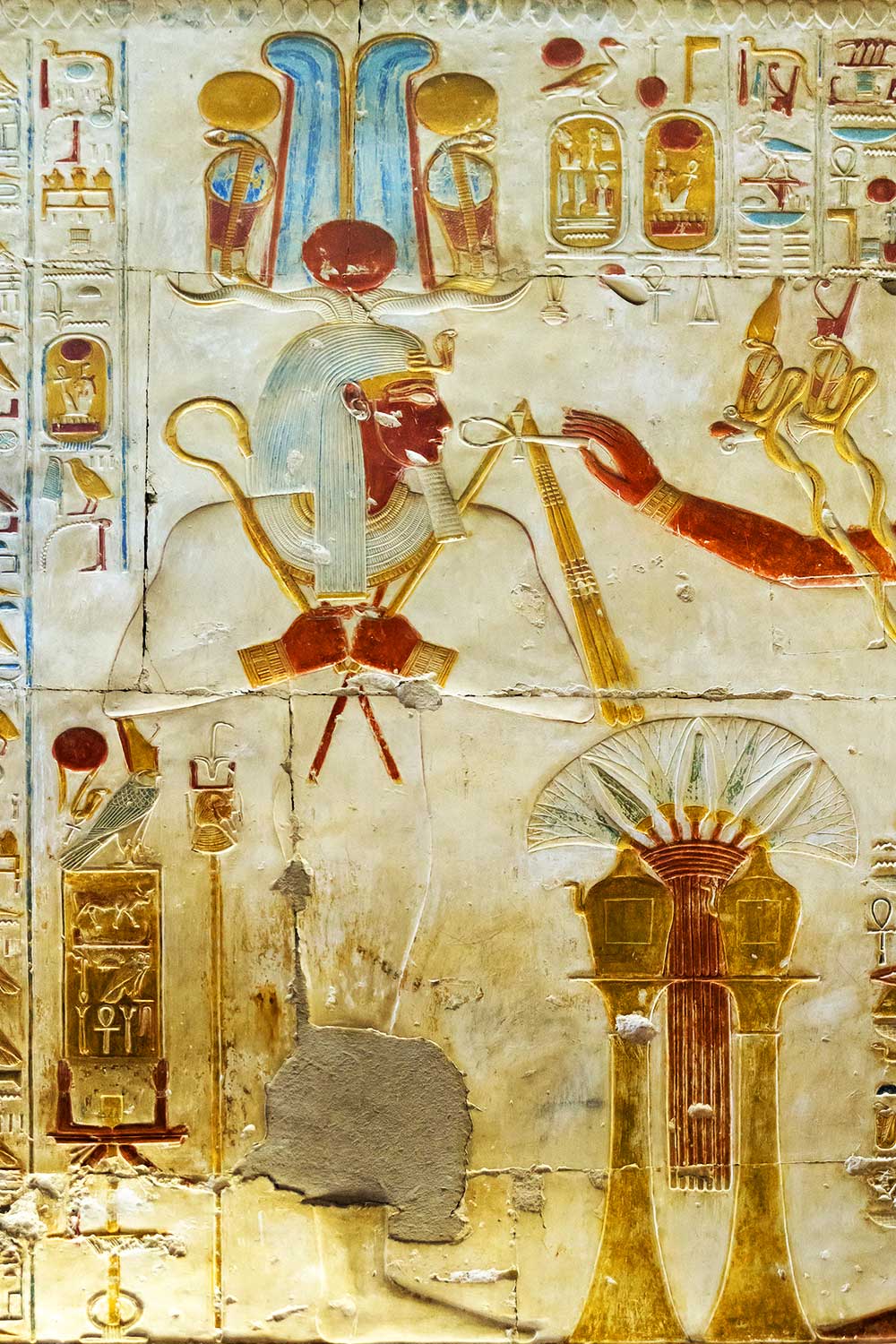
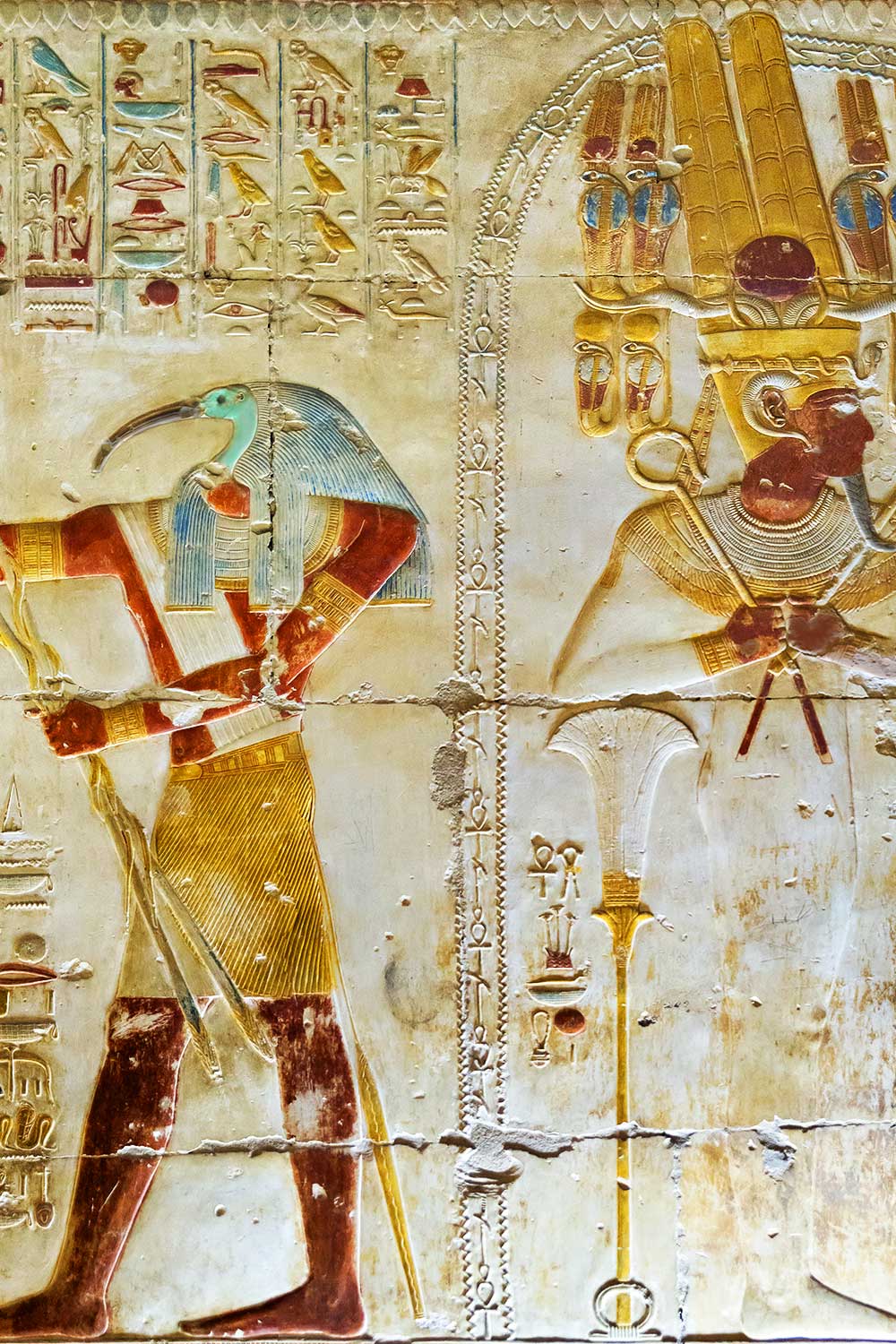
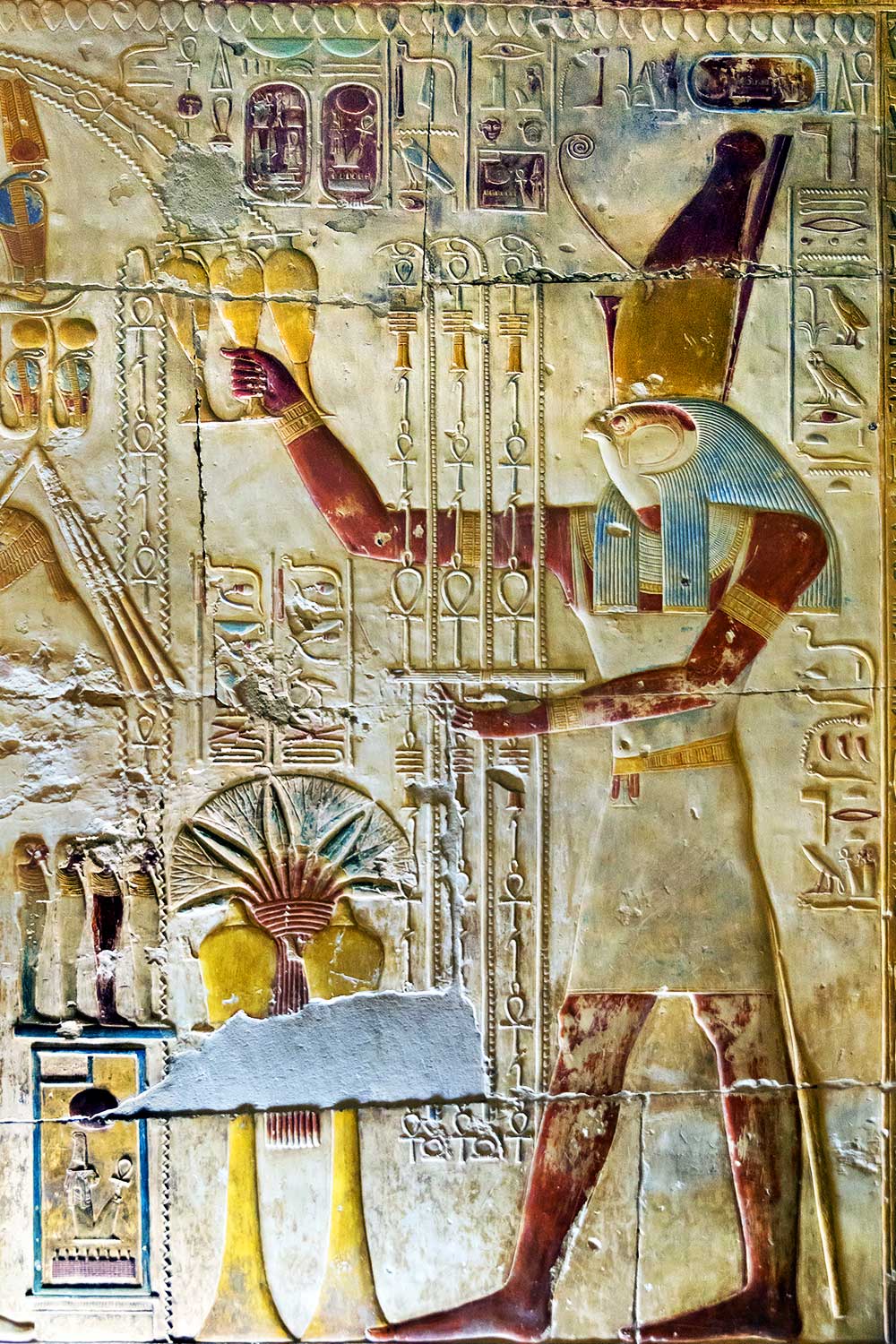
Tomb KV17
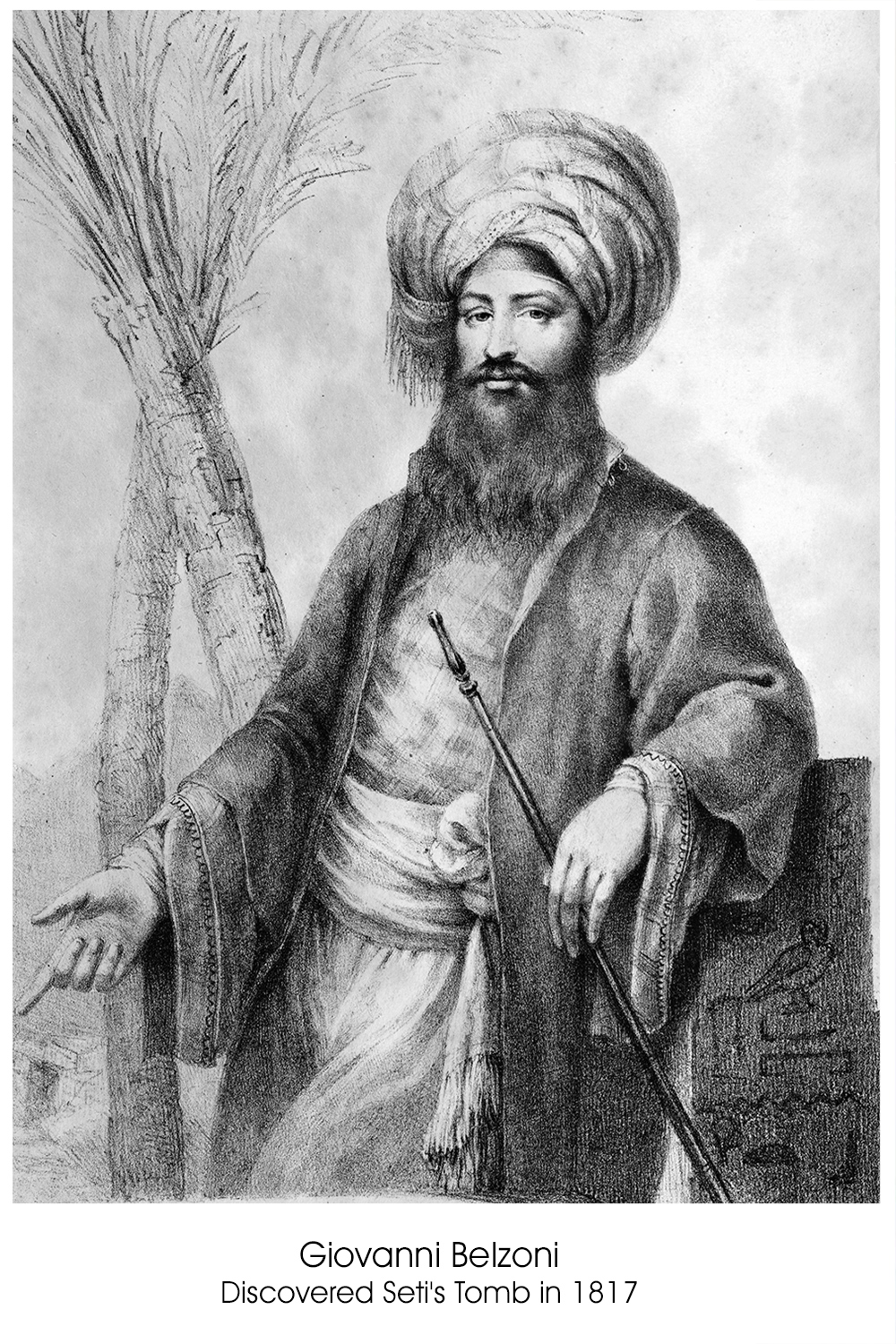
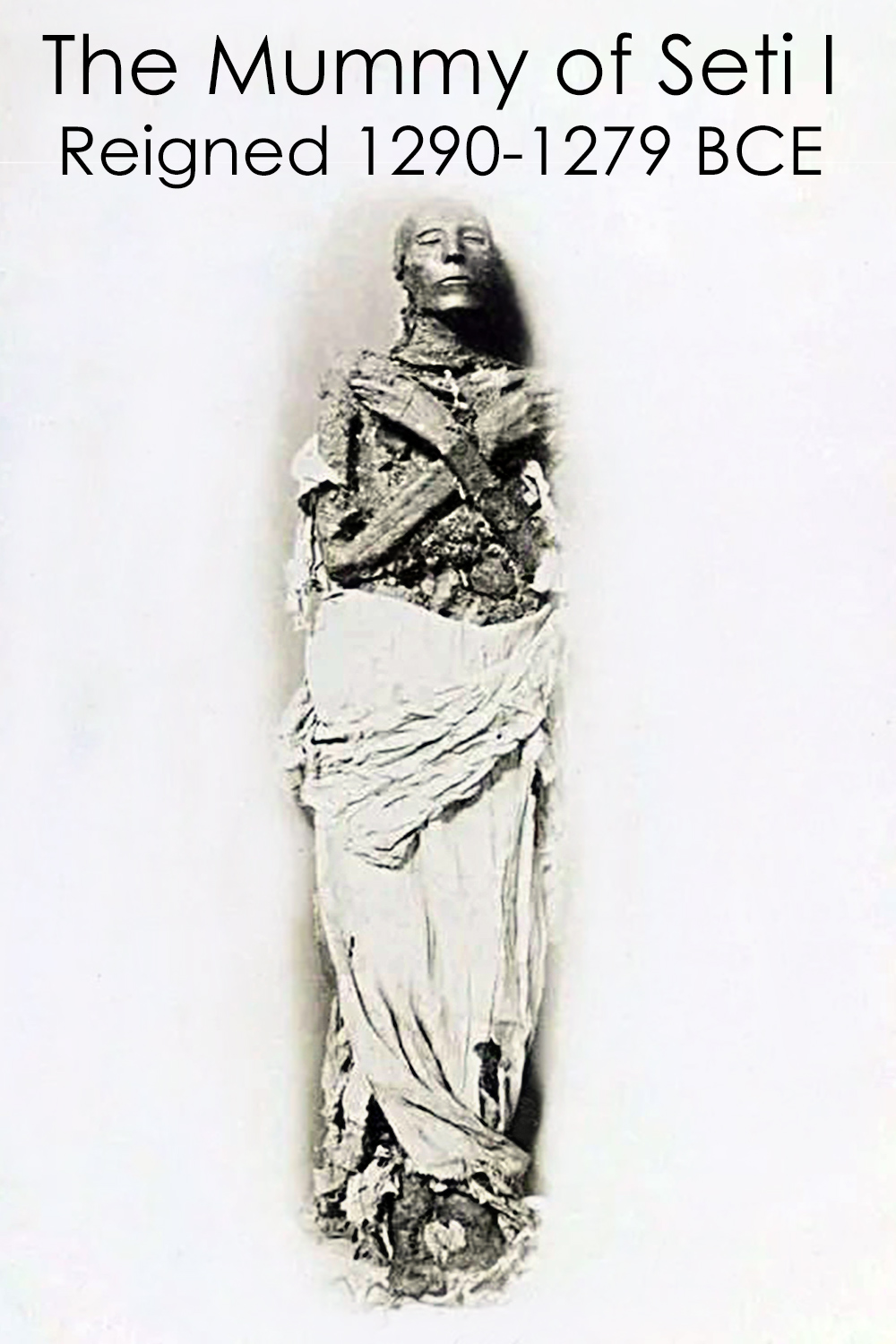
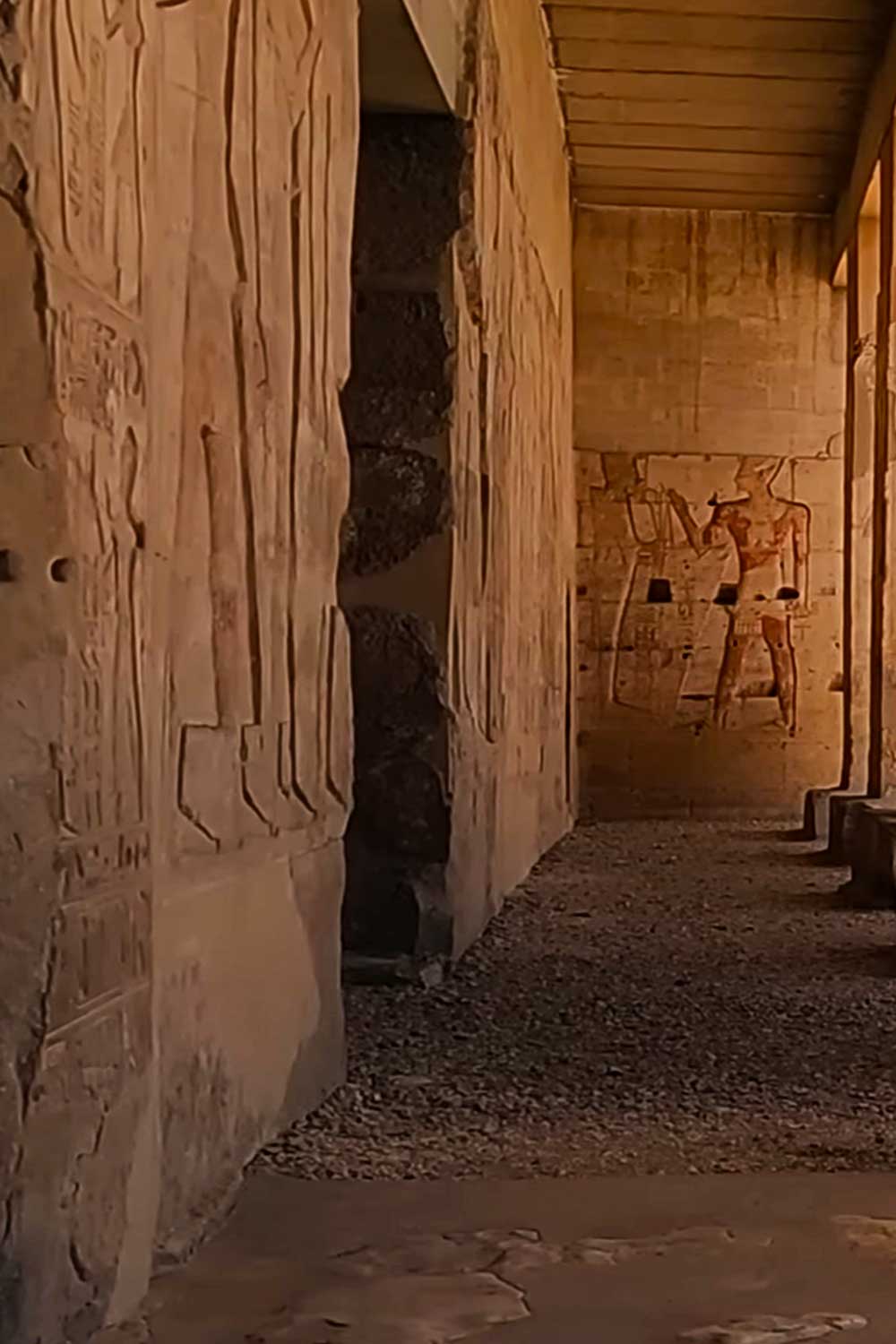
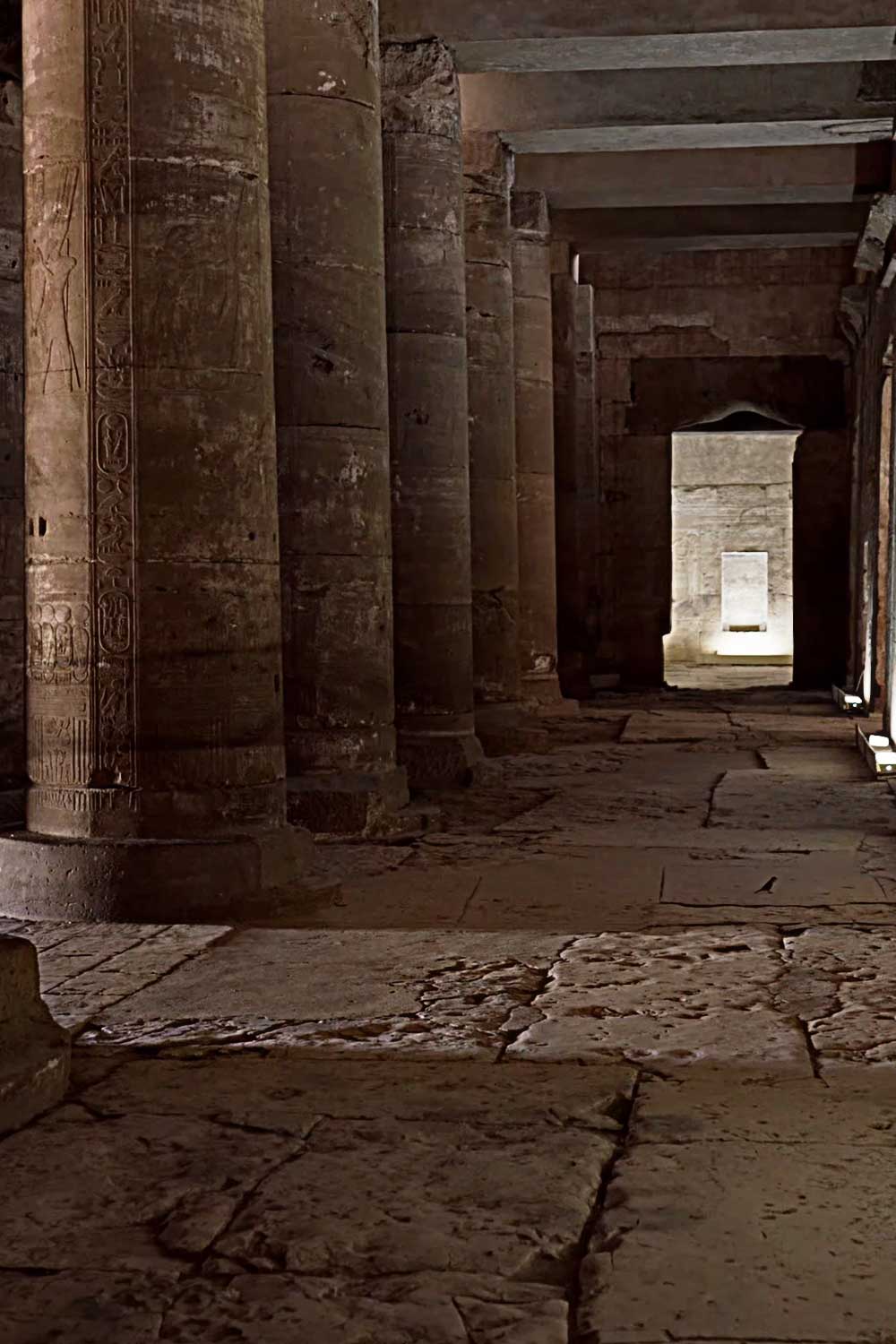
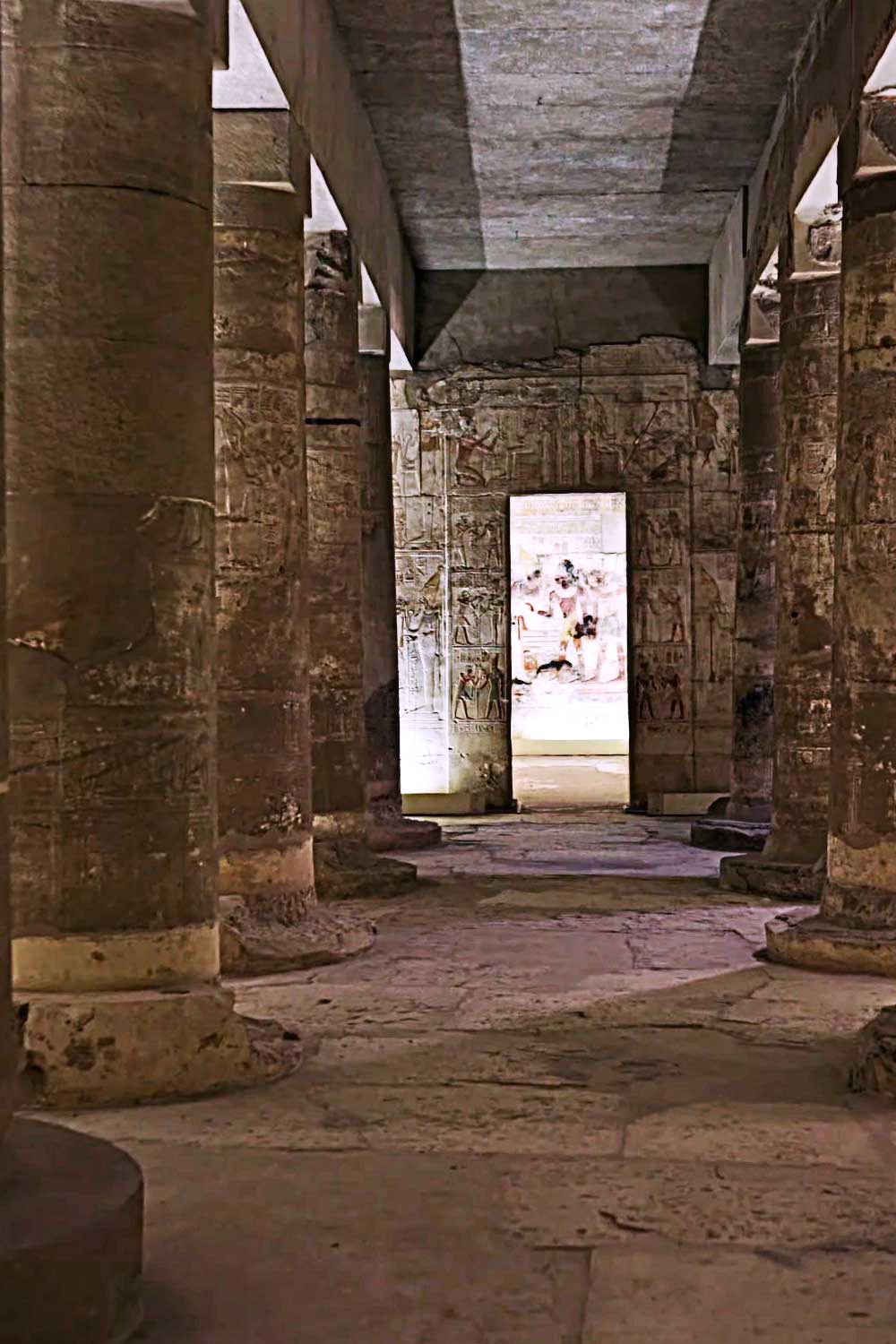
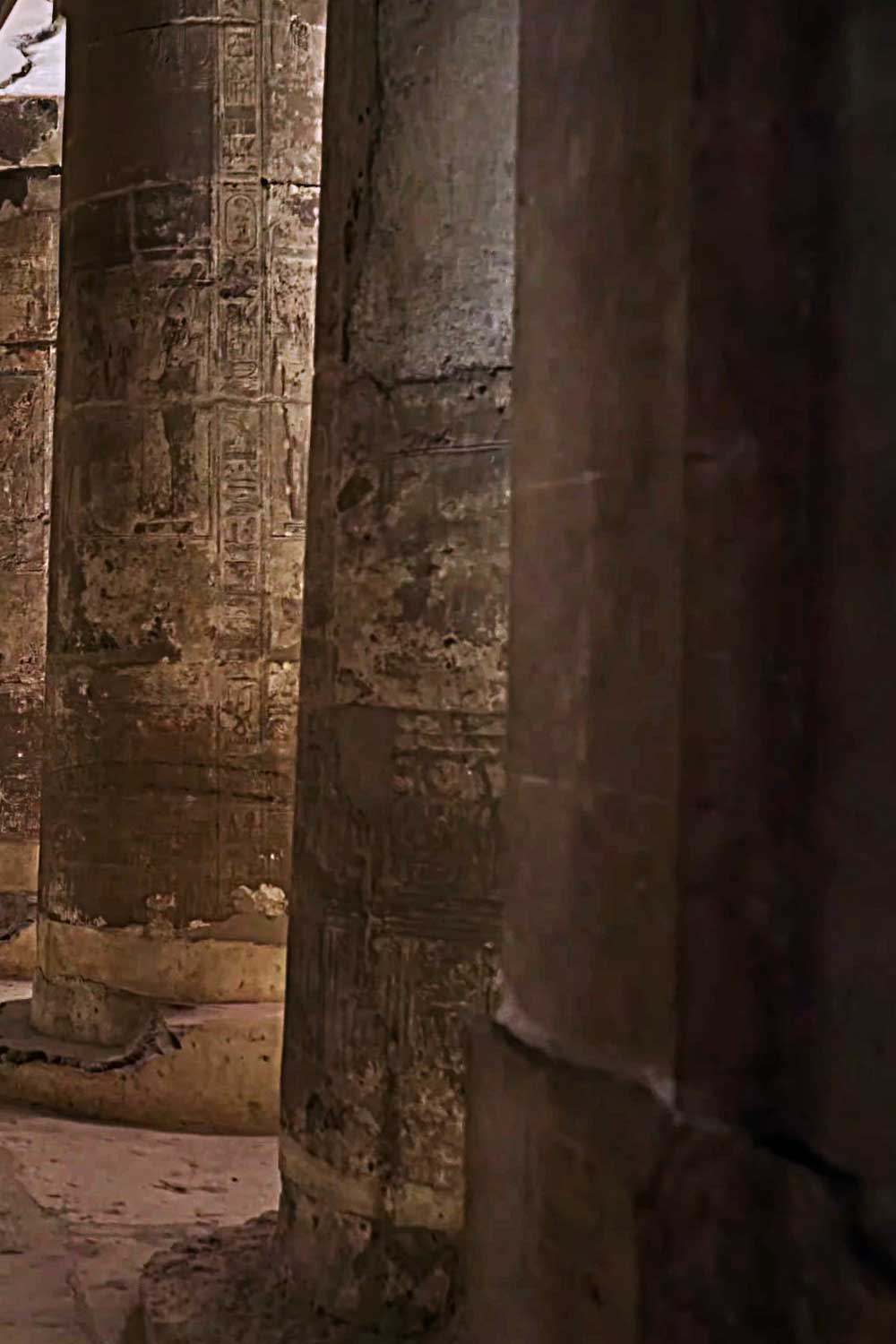
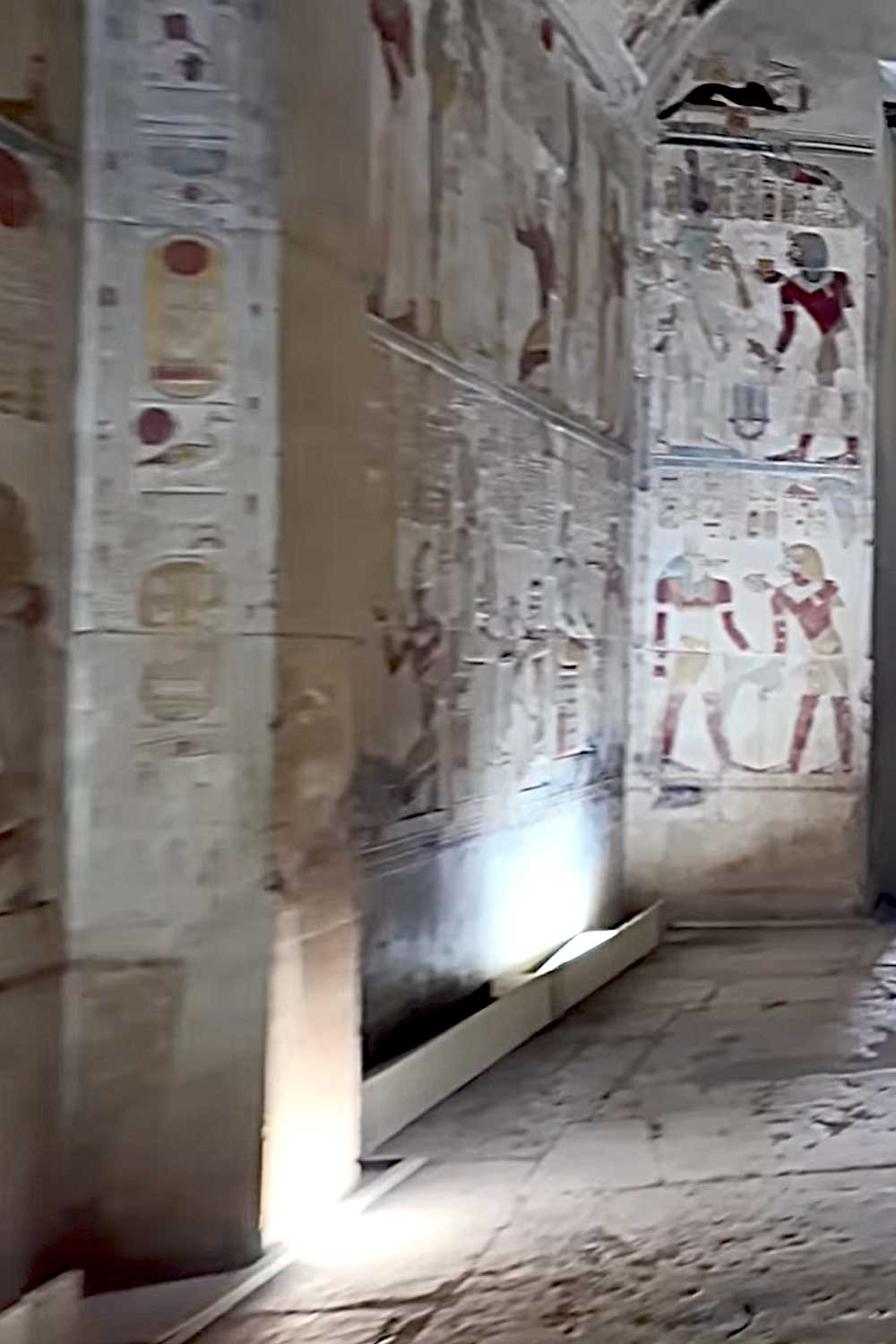
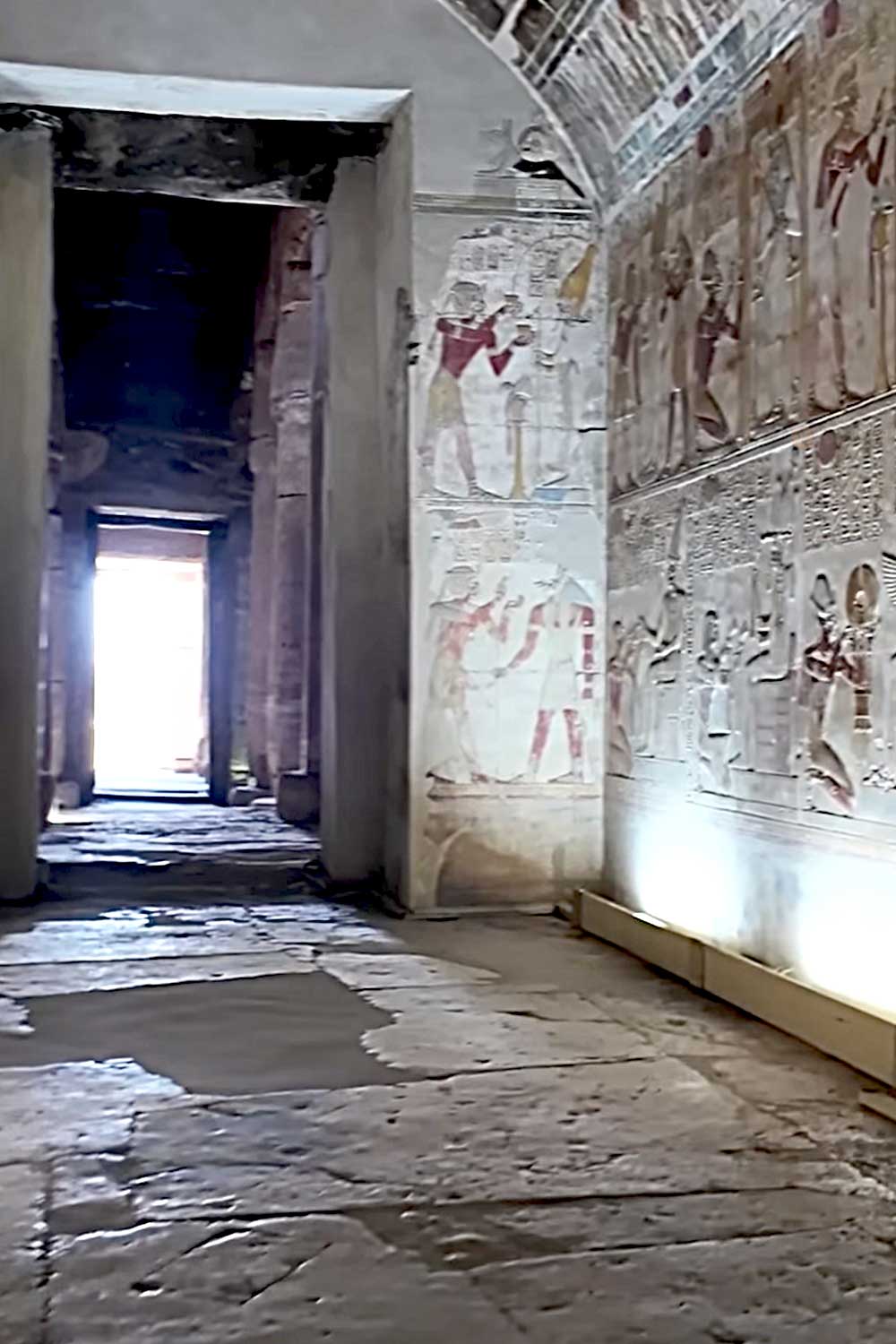
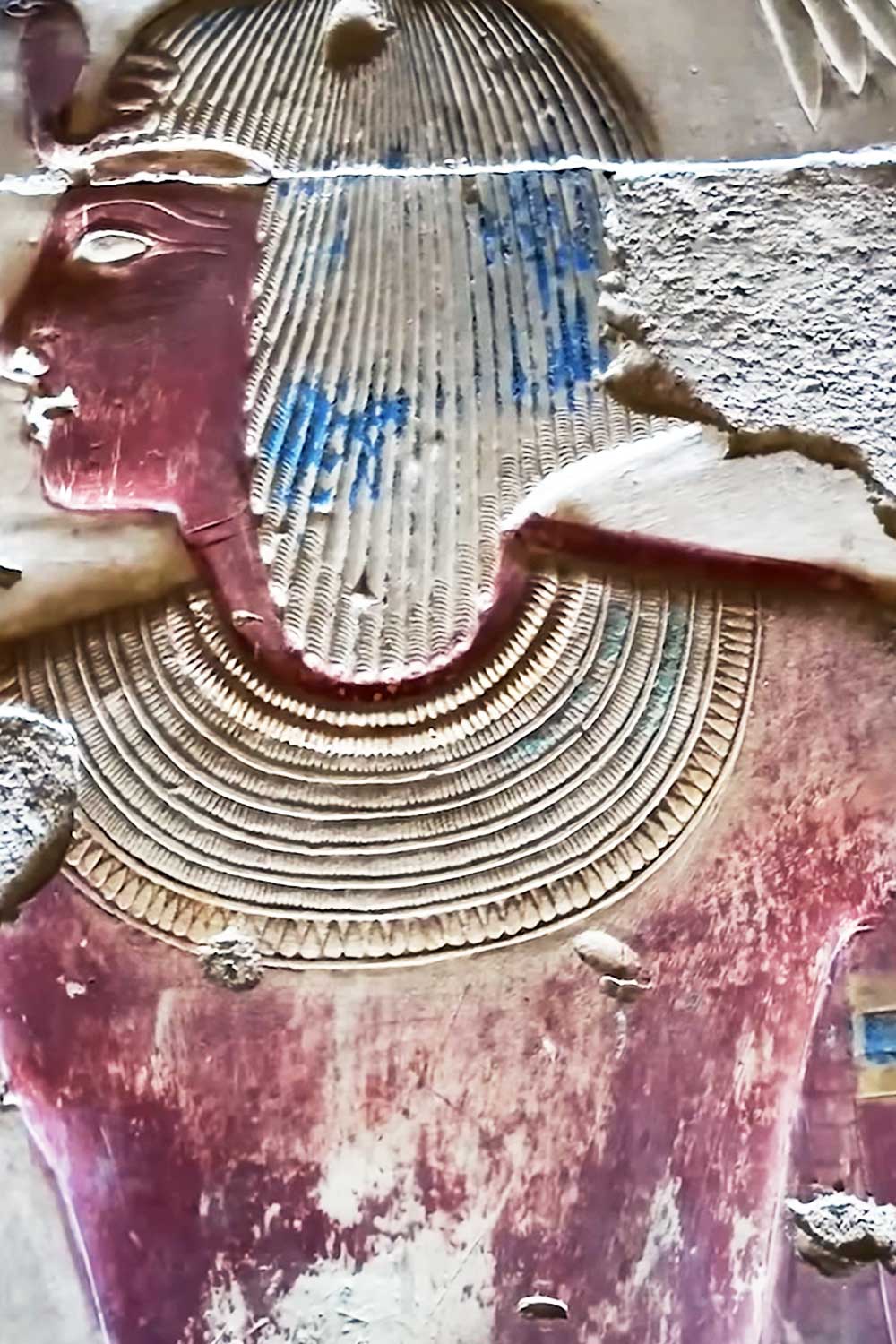
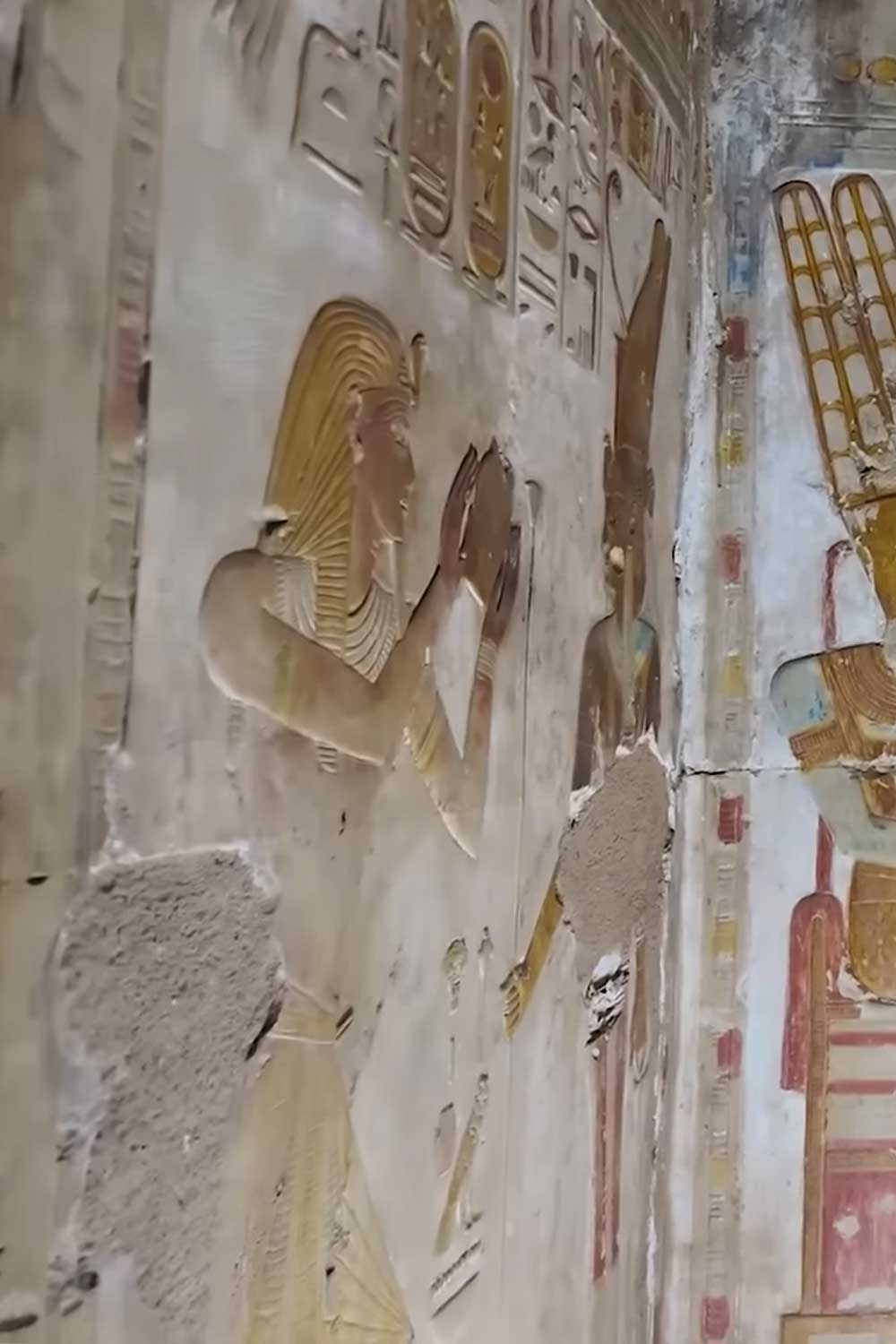
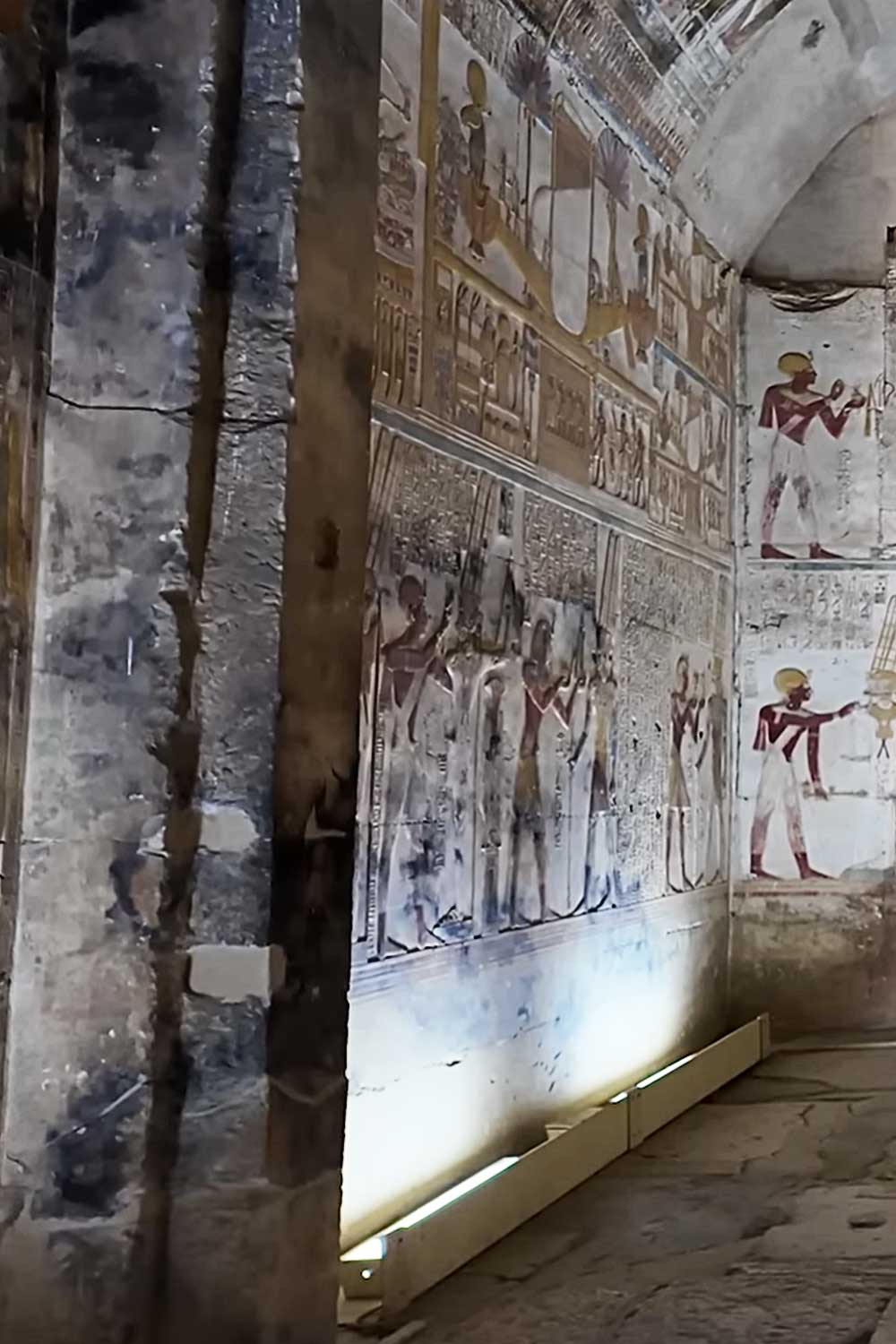
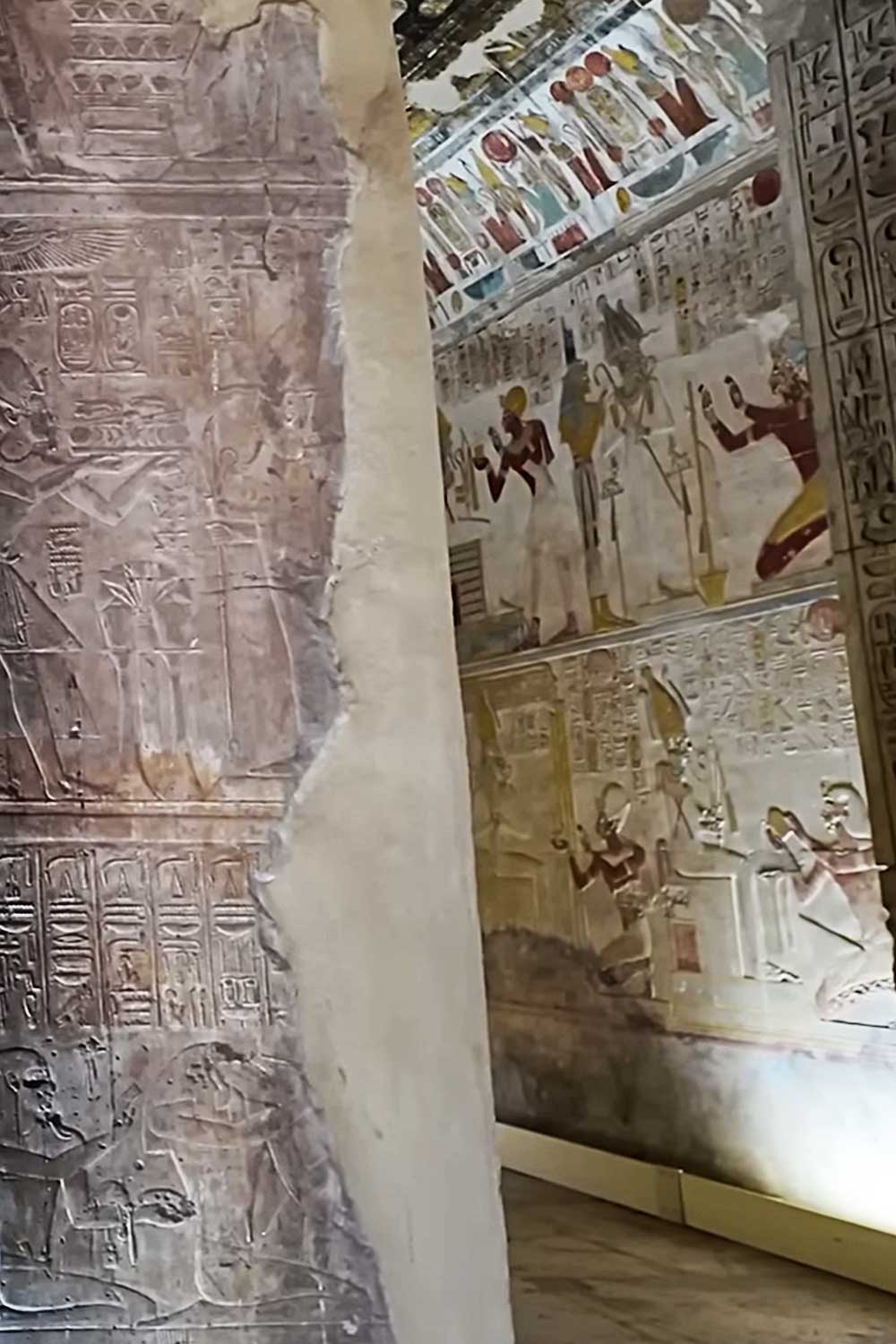
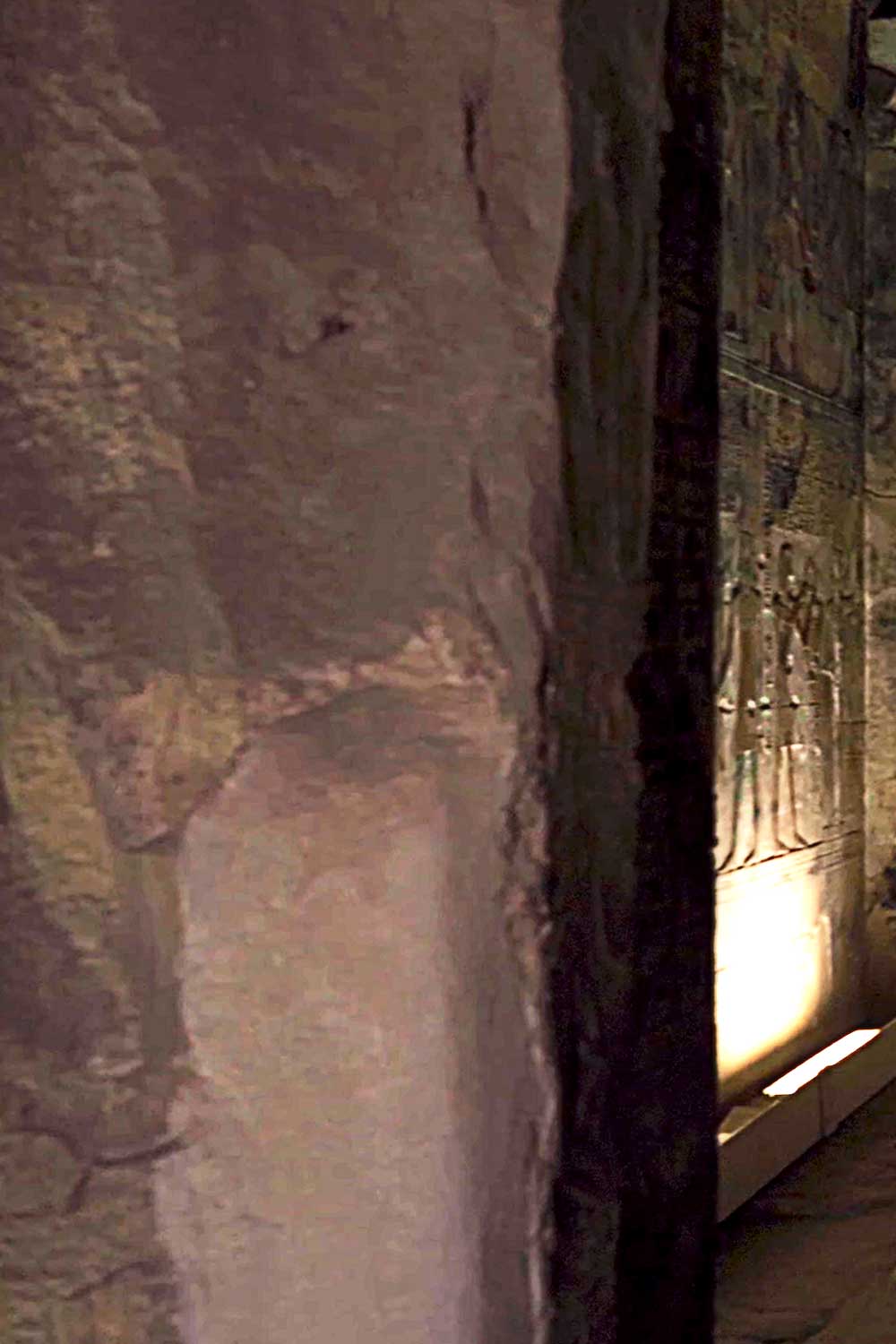
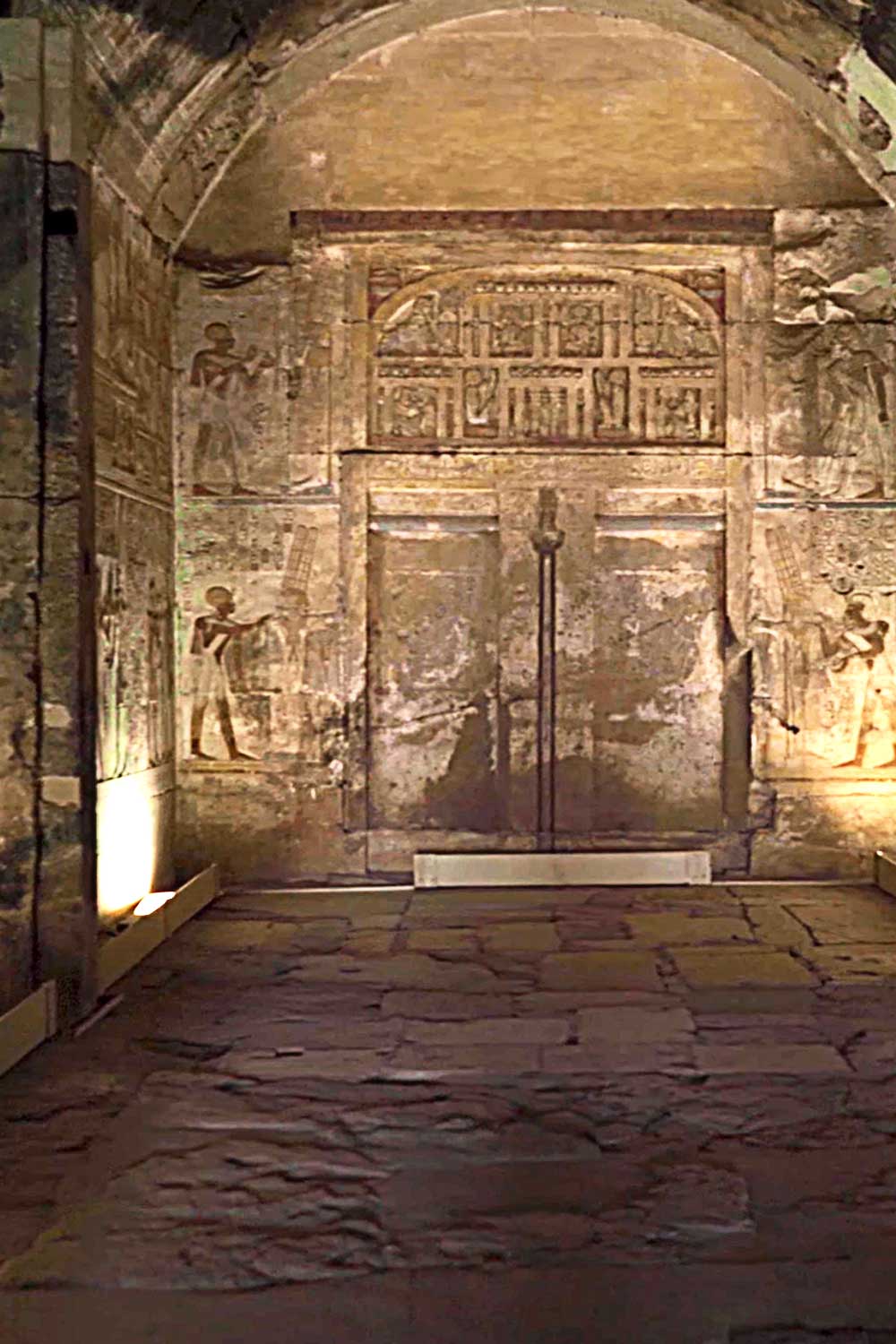
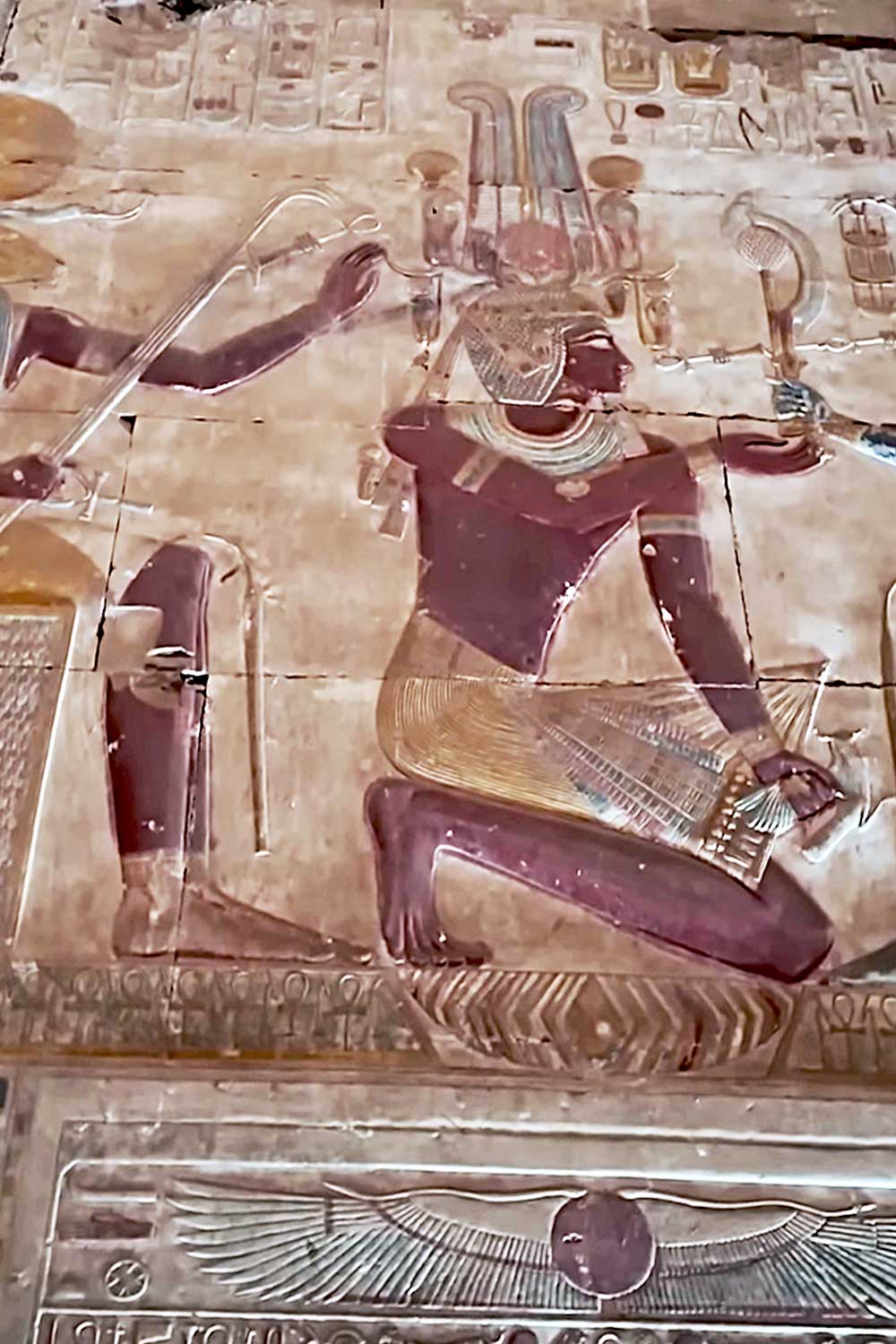
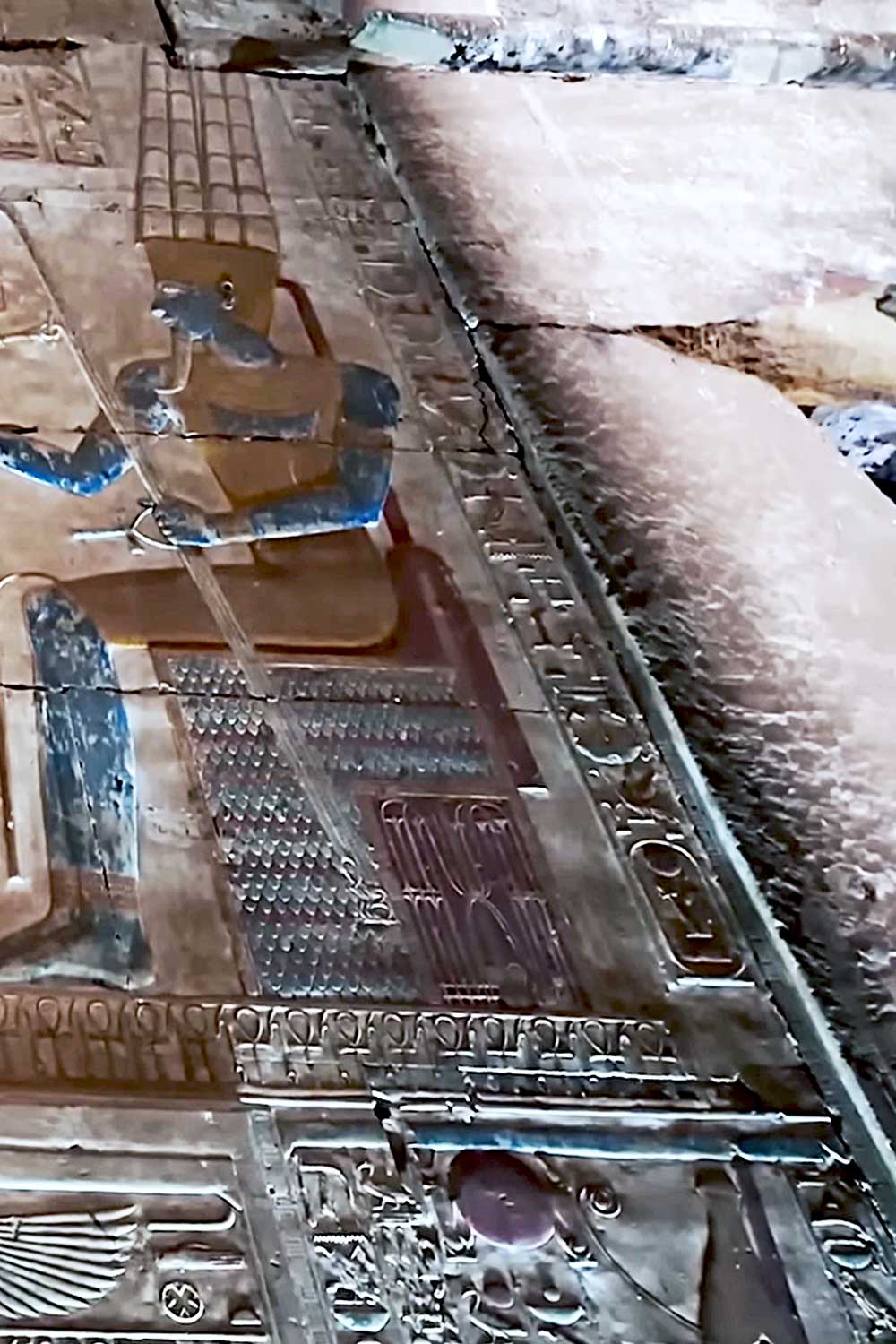
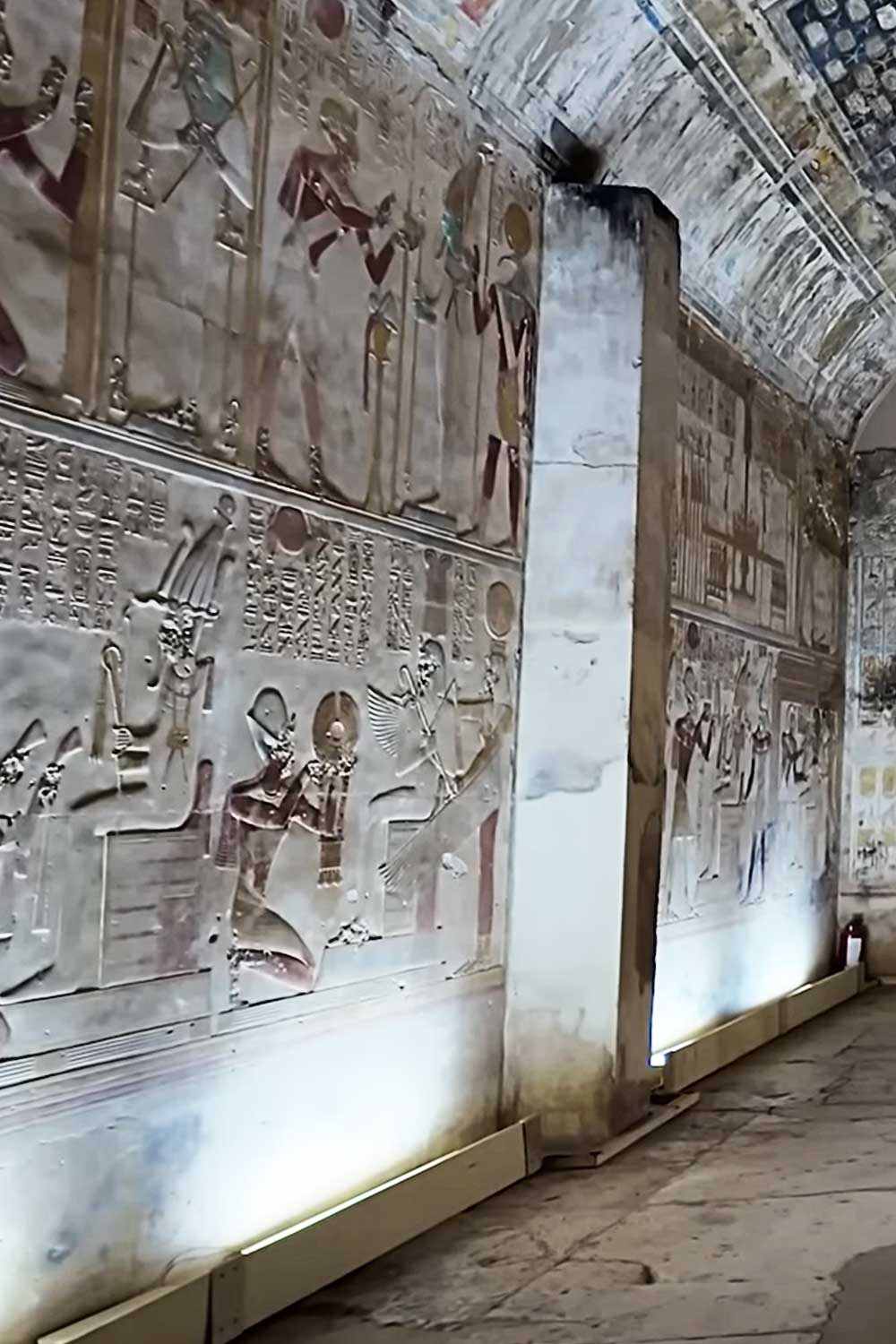
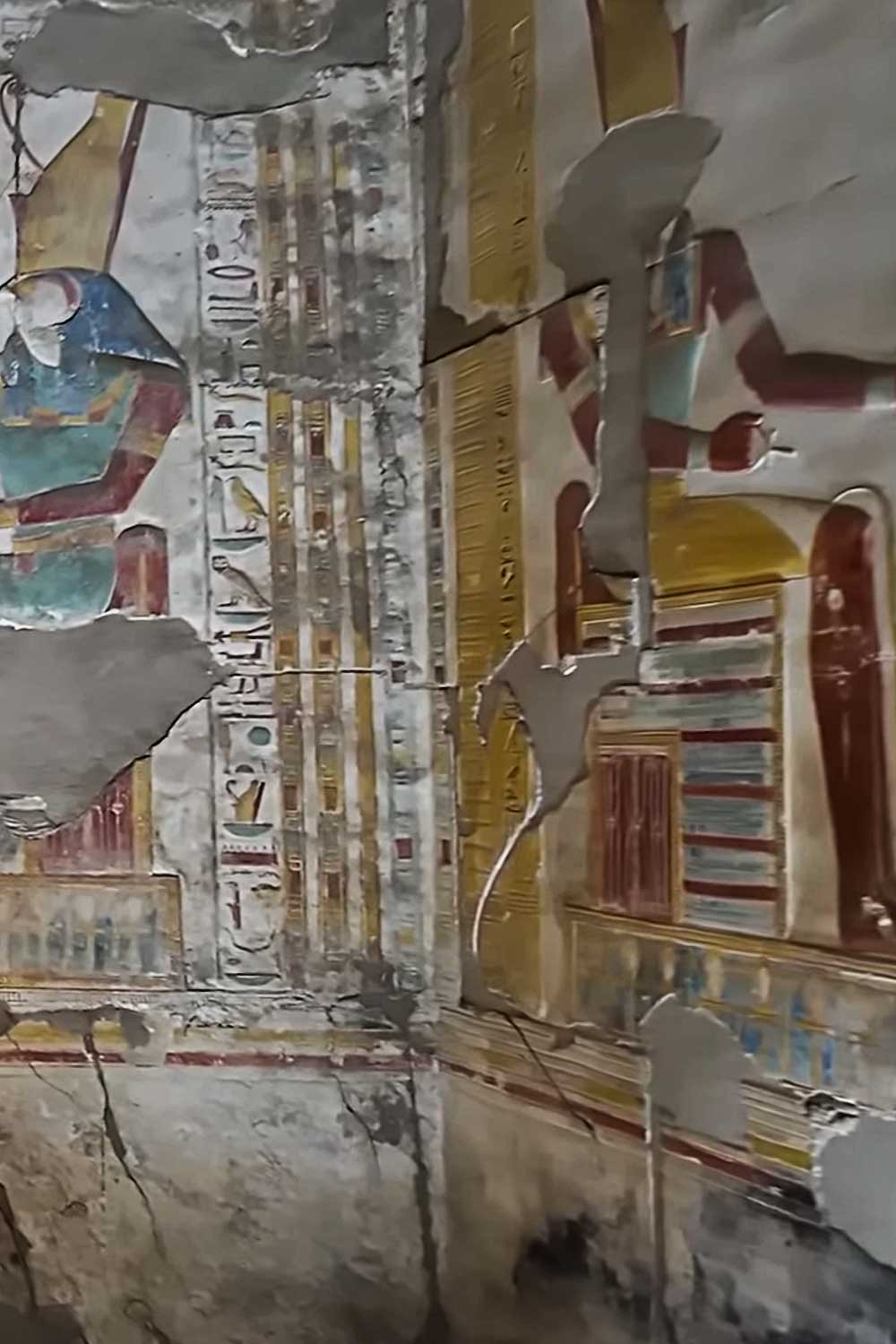
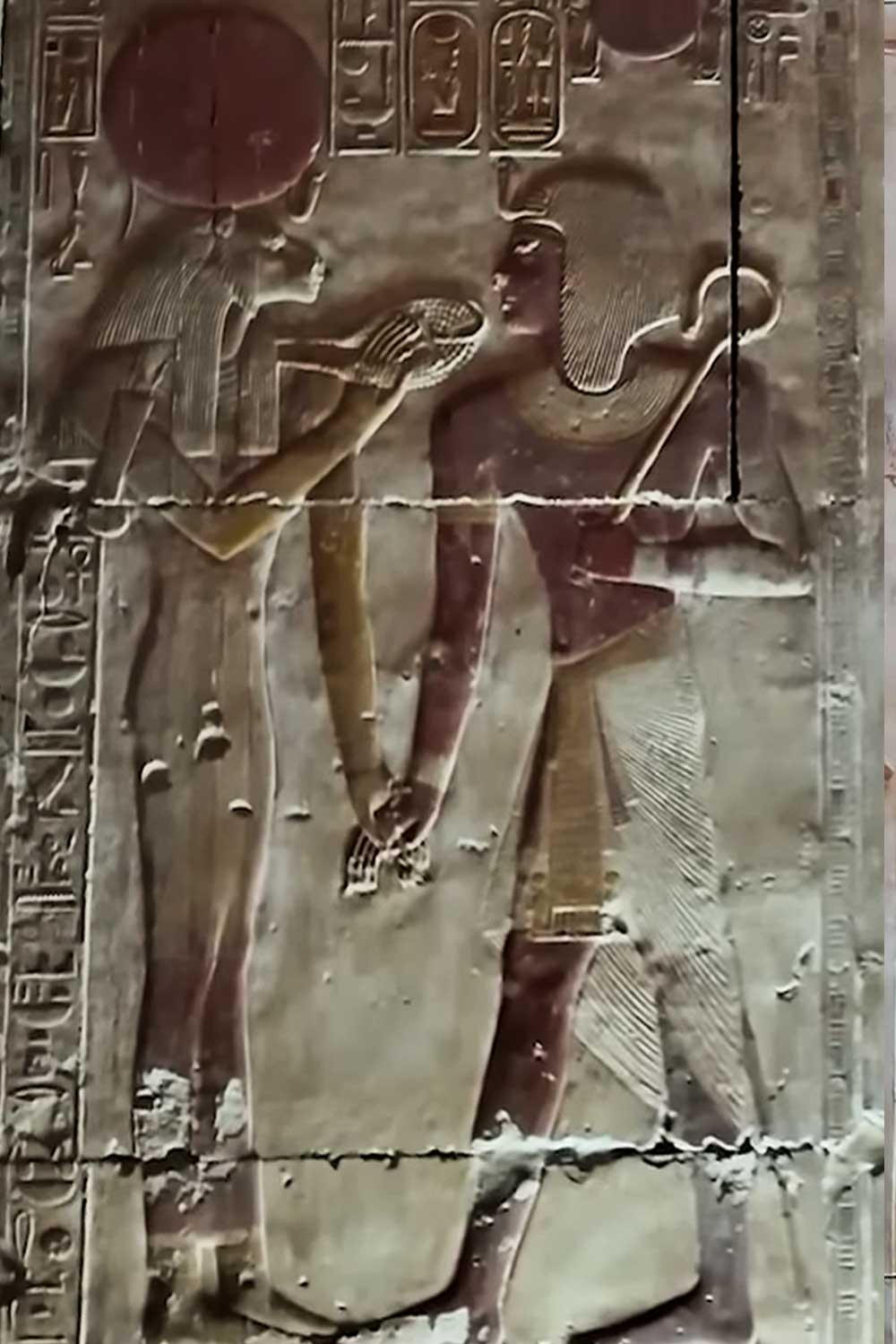
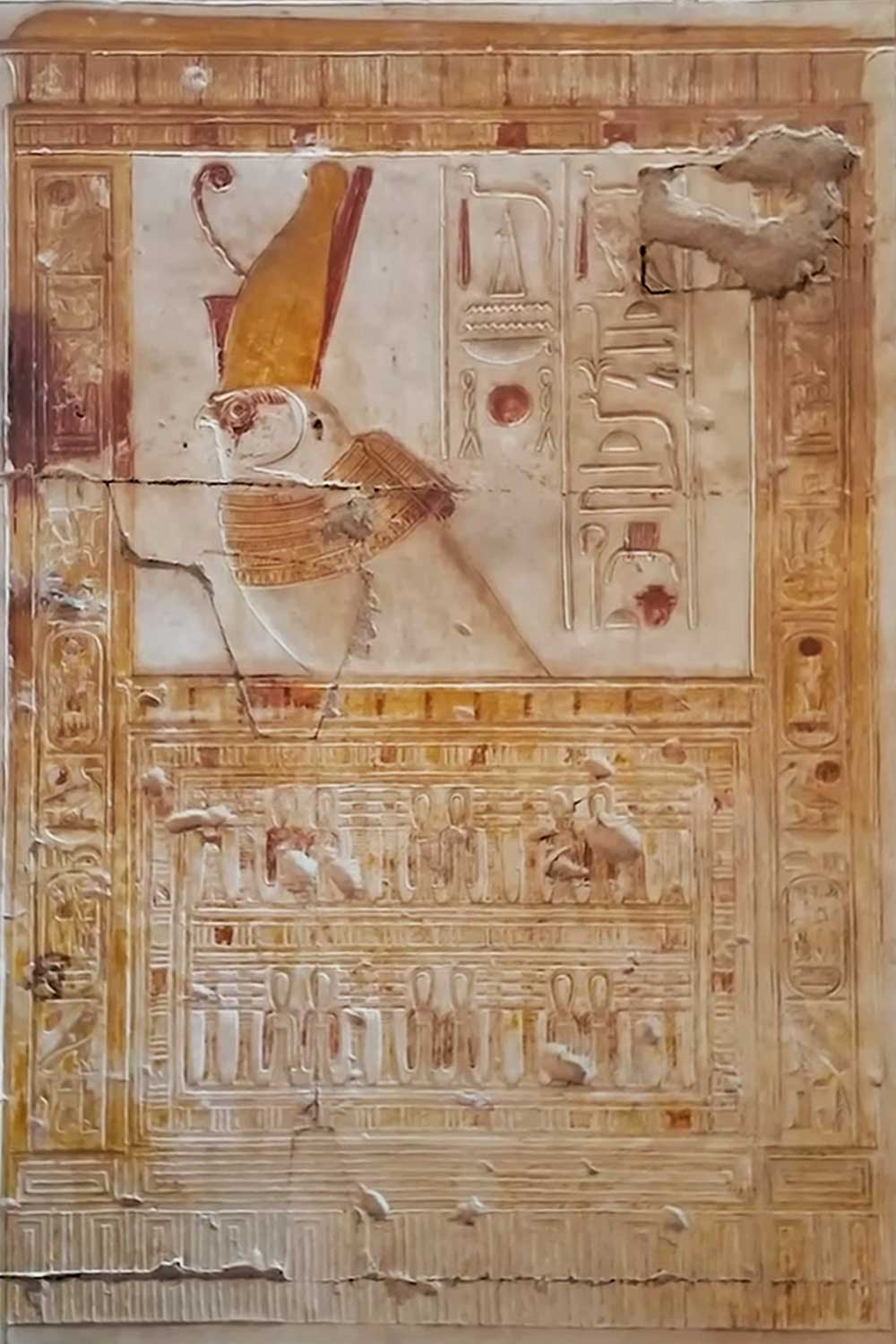
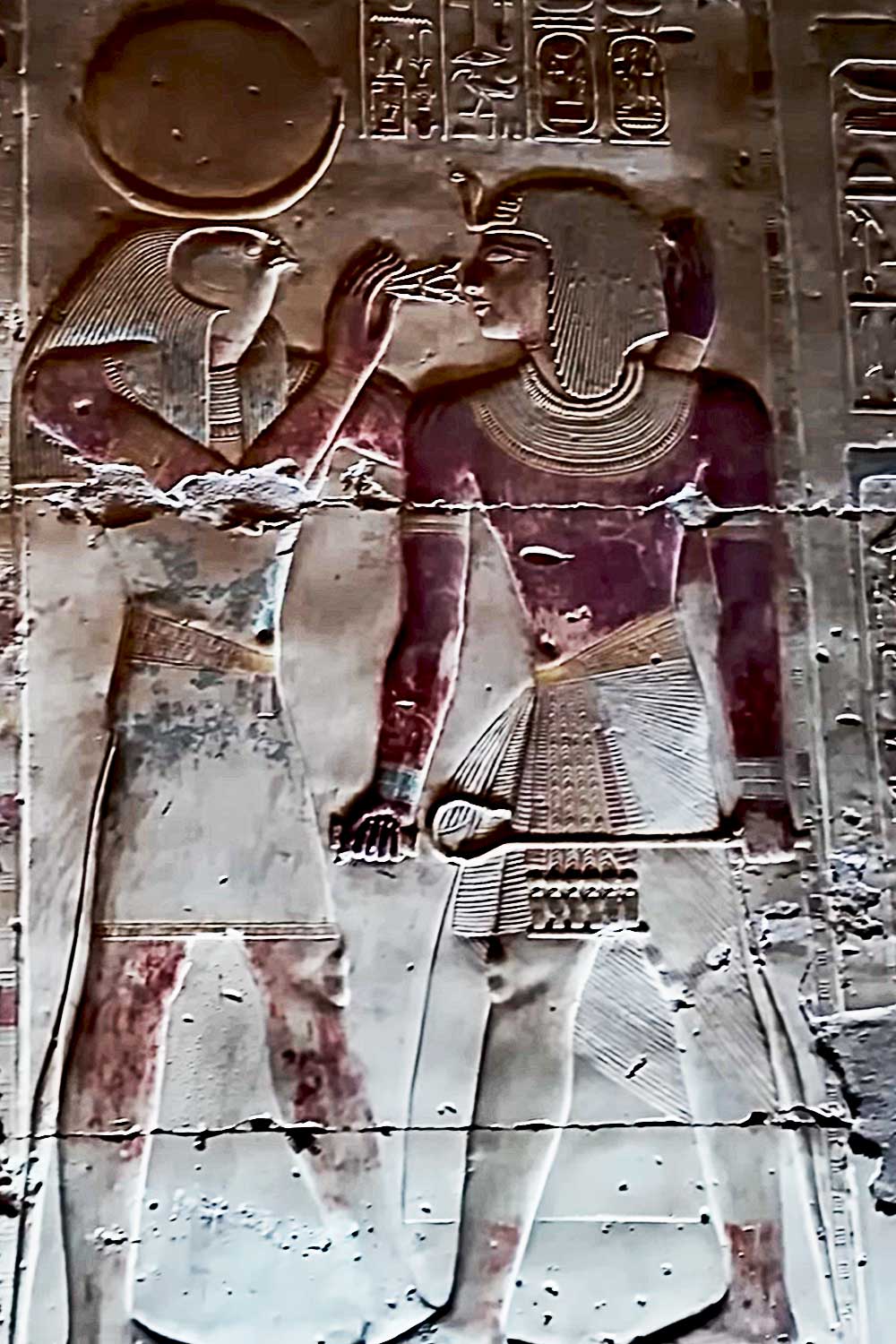
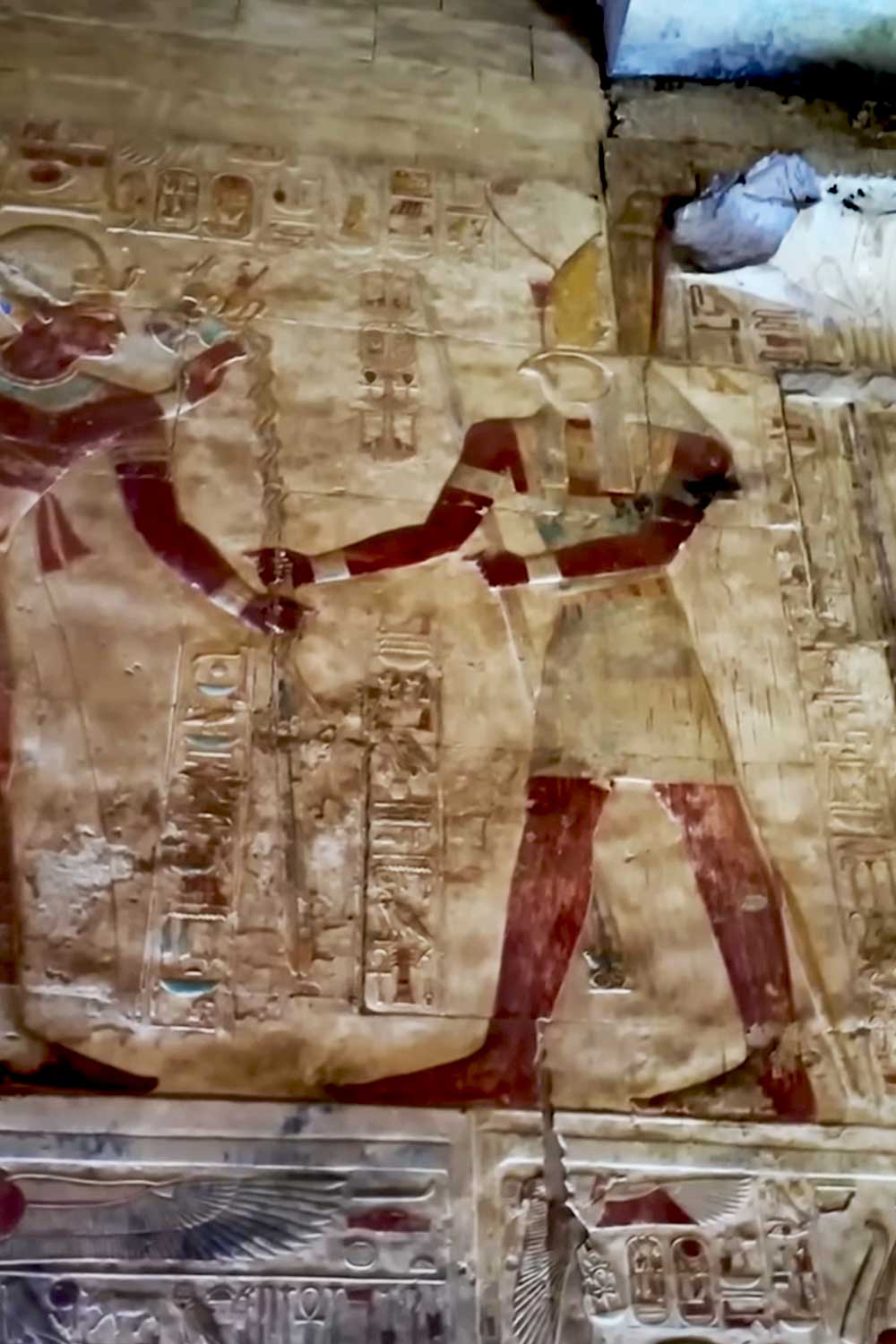
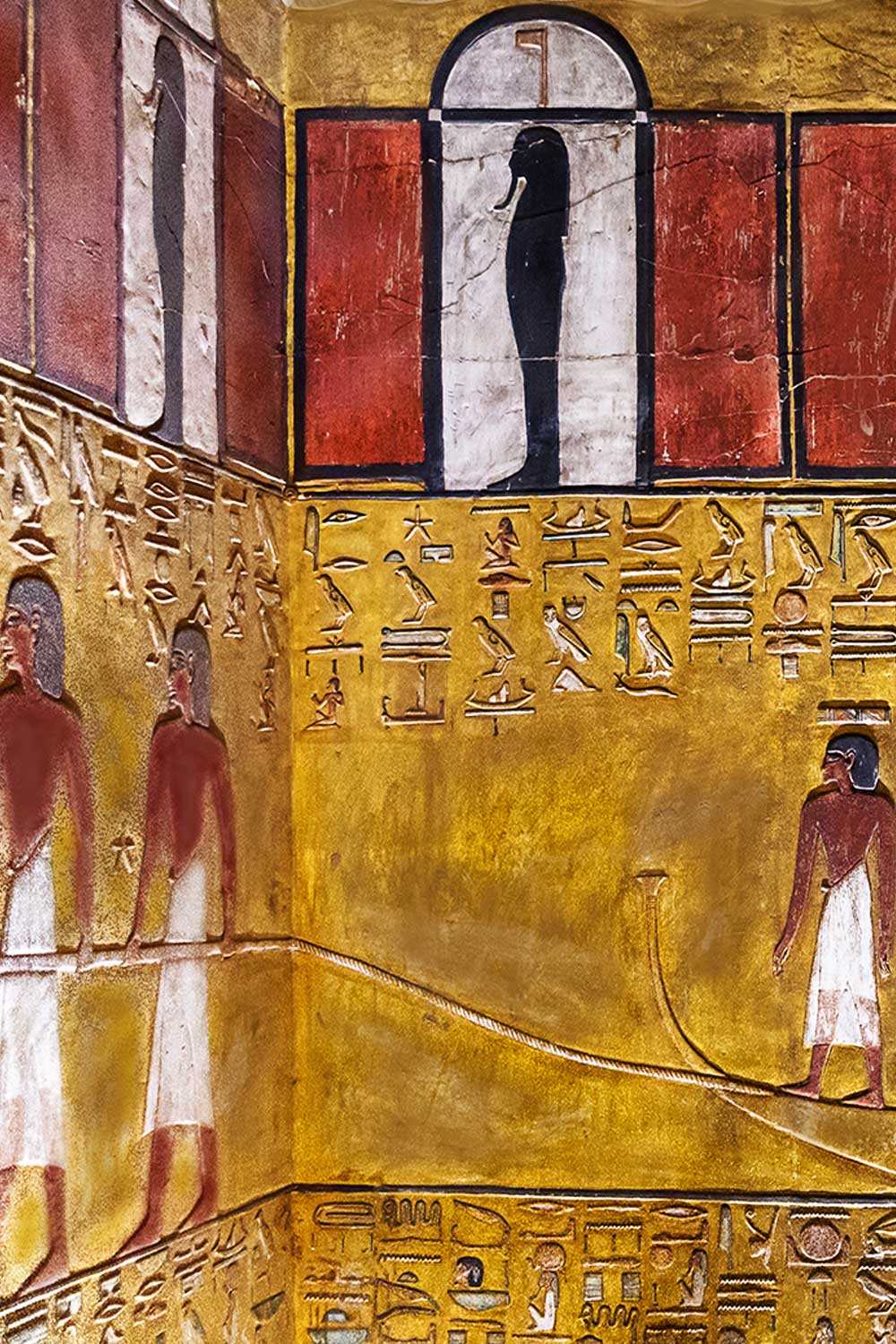
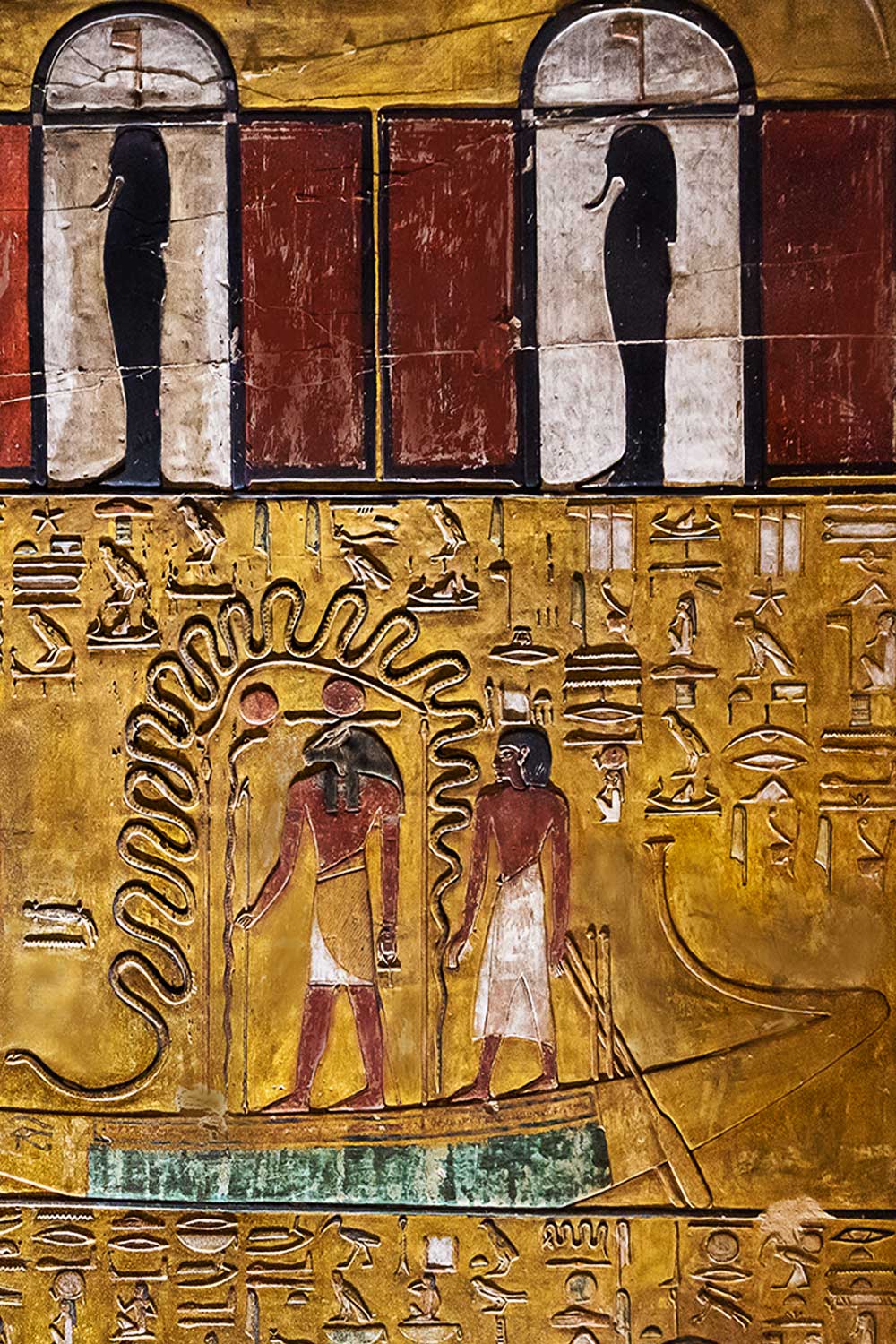
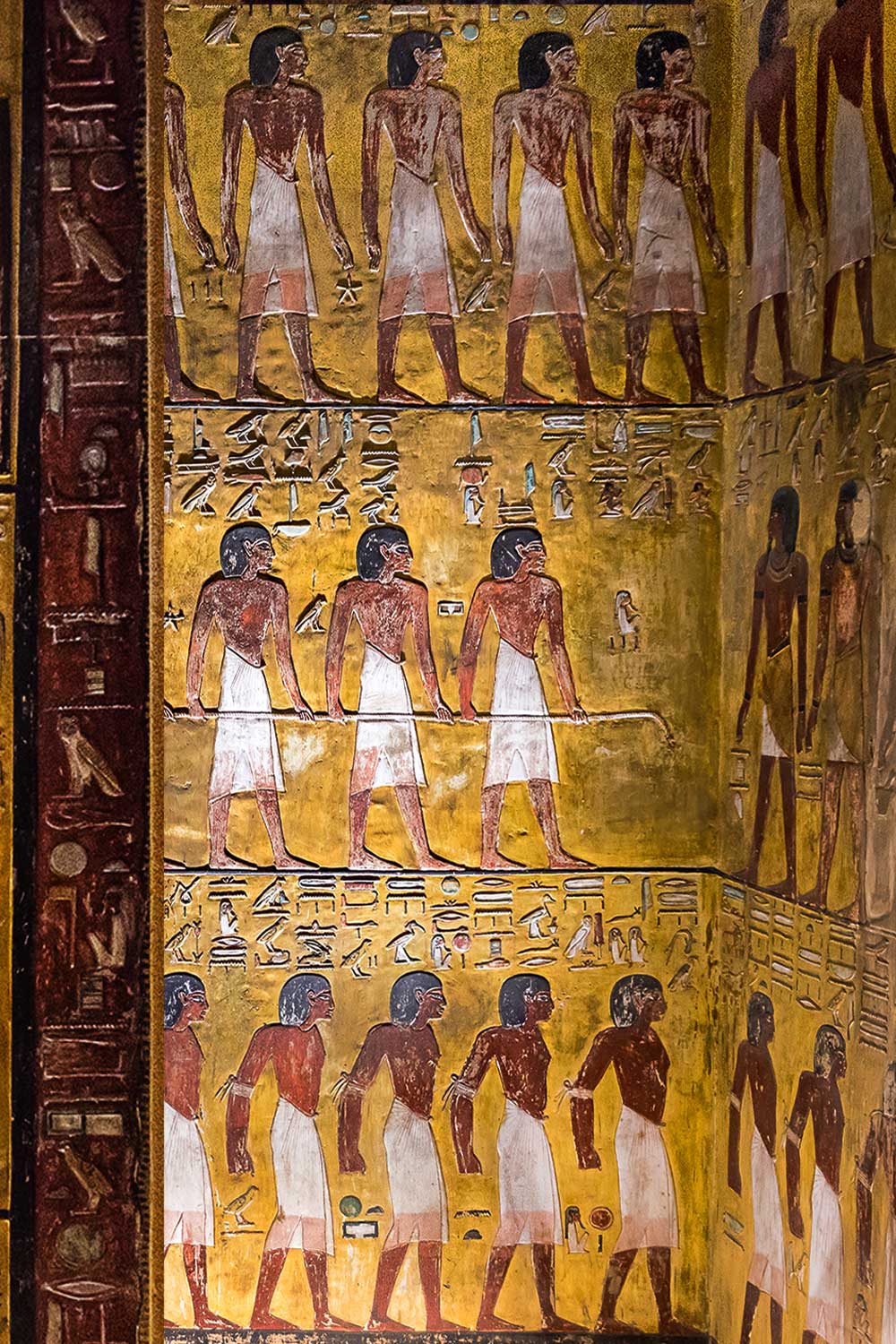
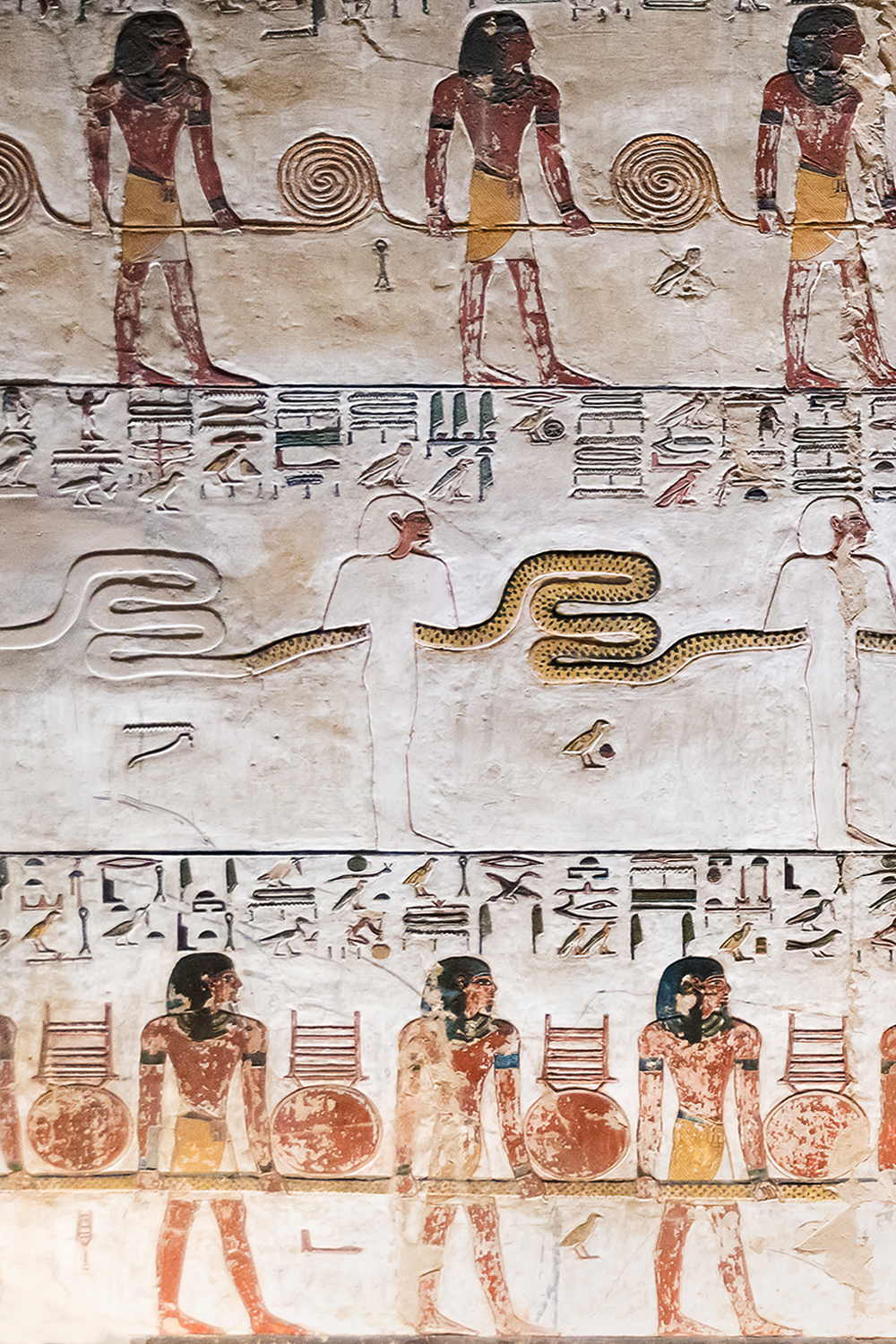
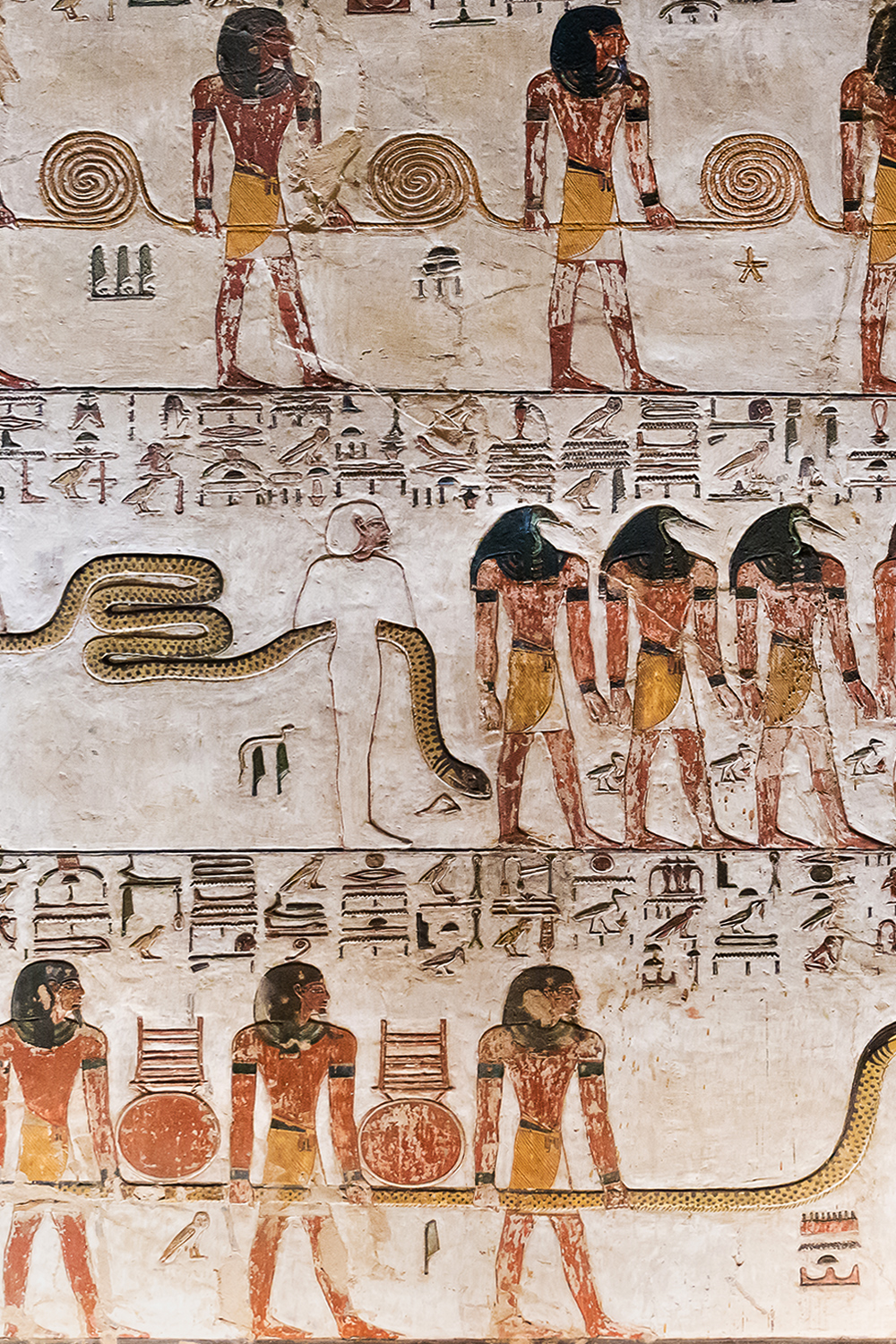
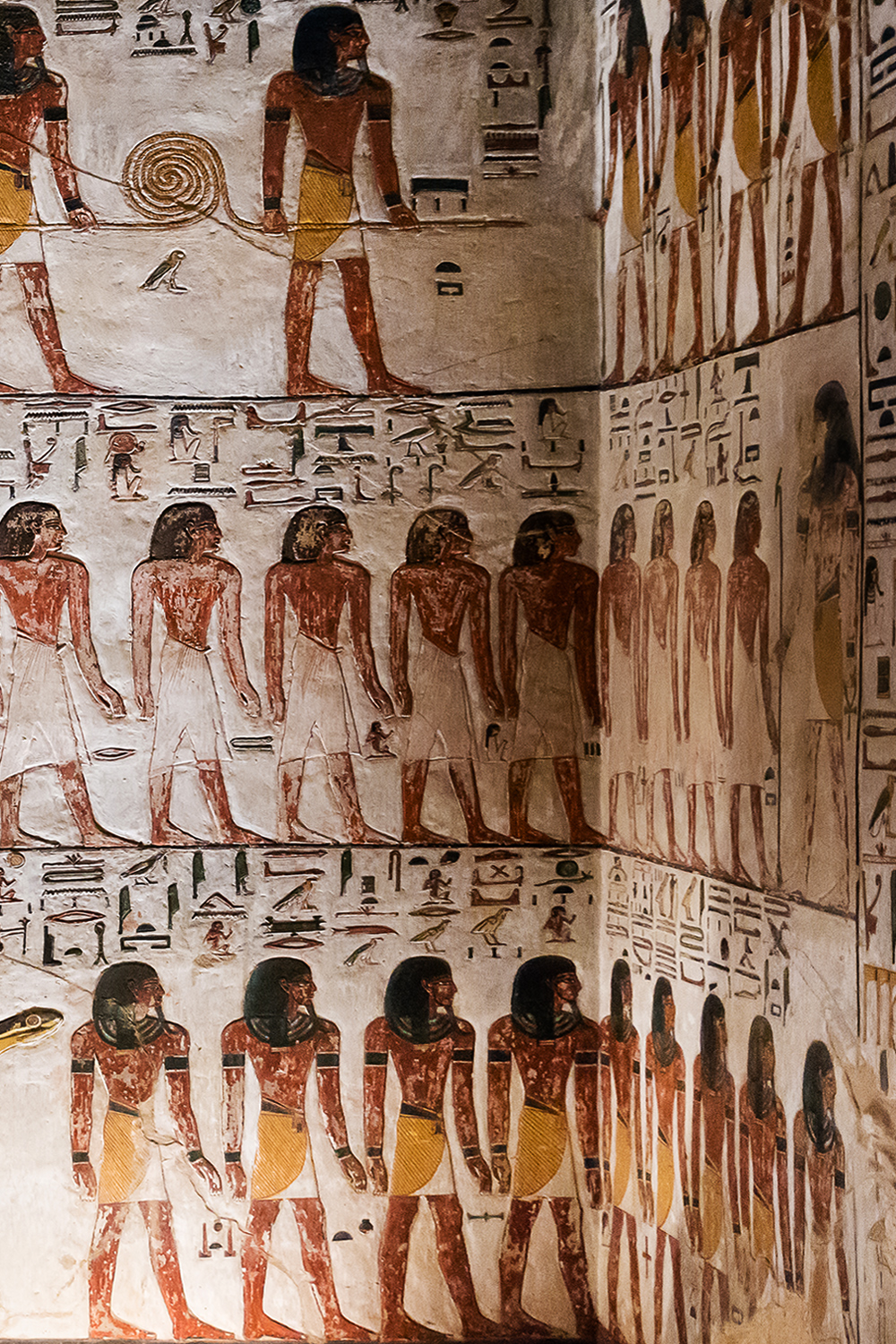
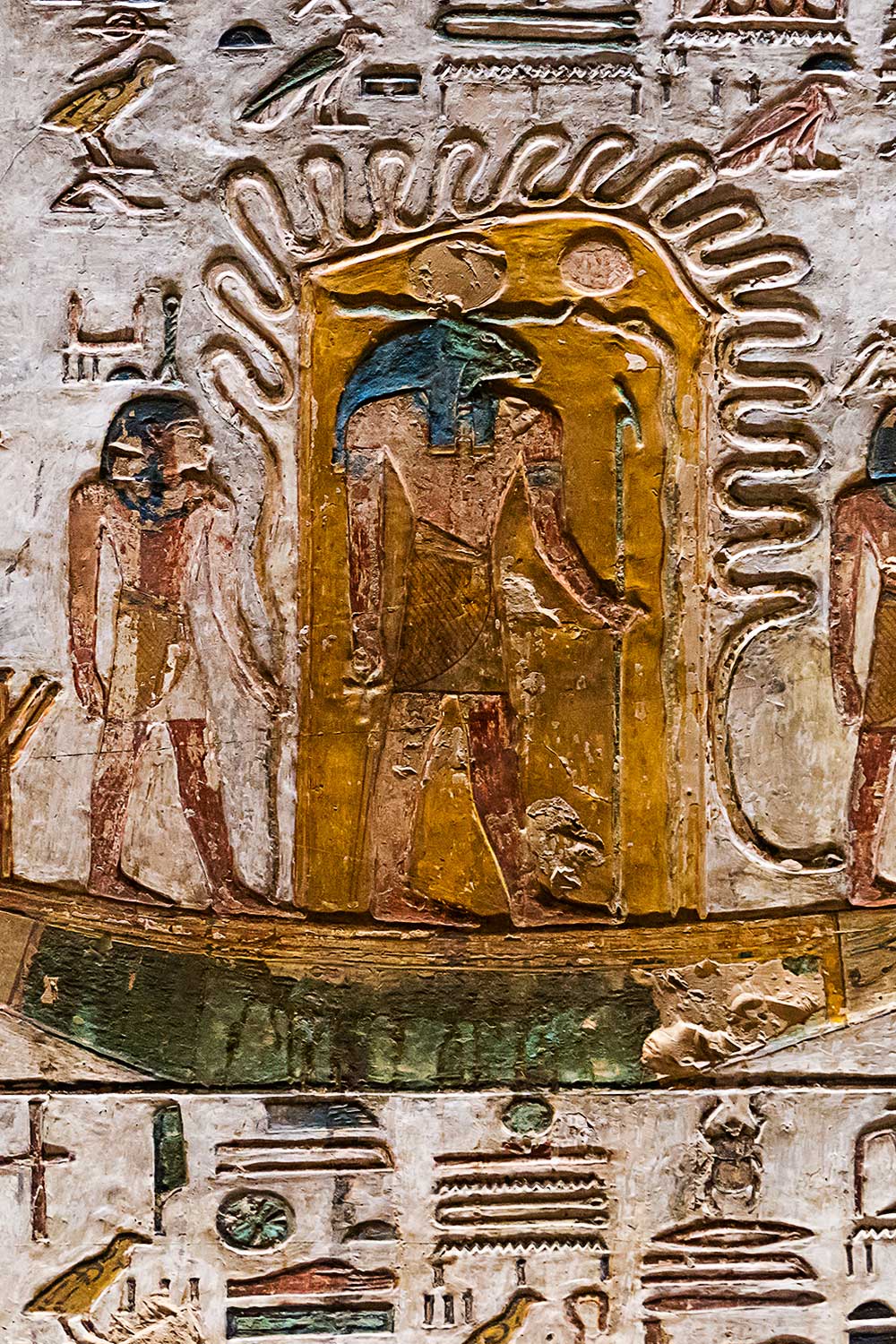
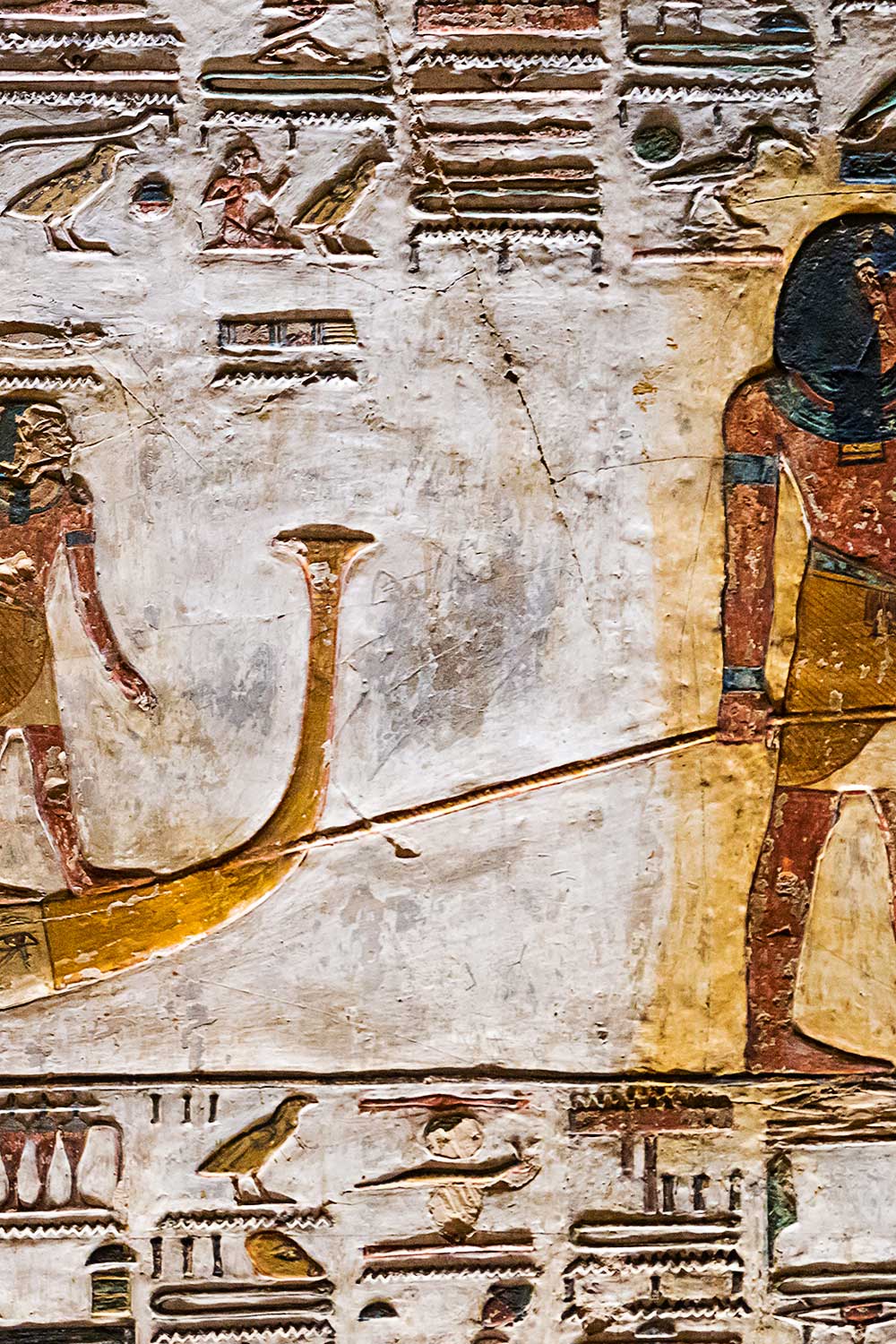
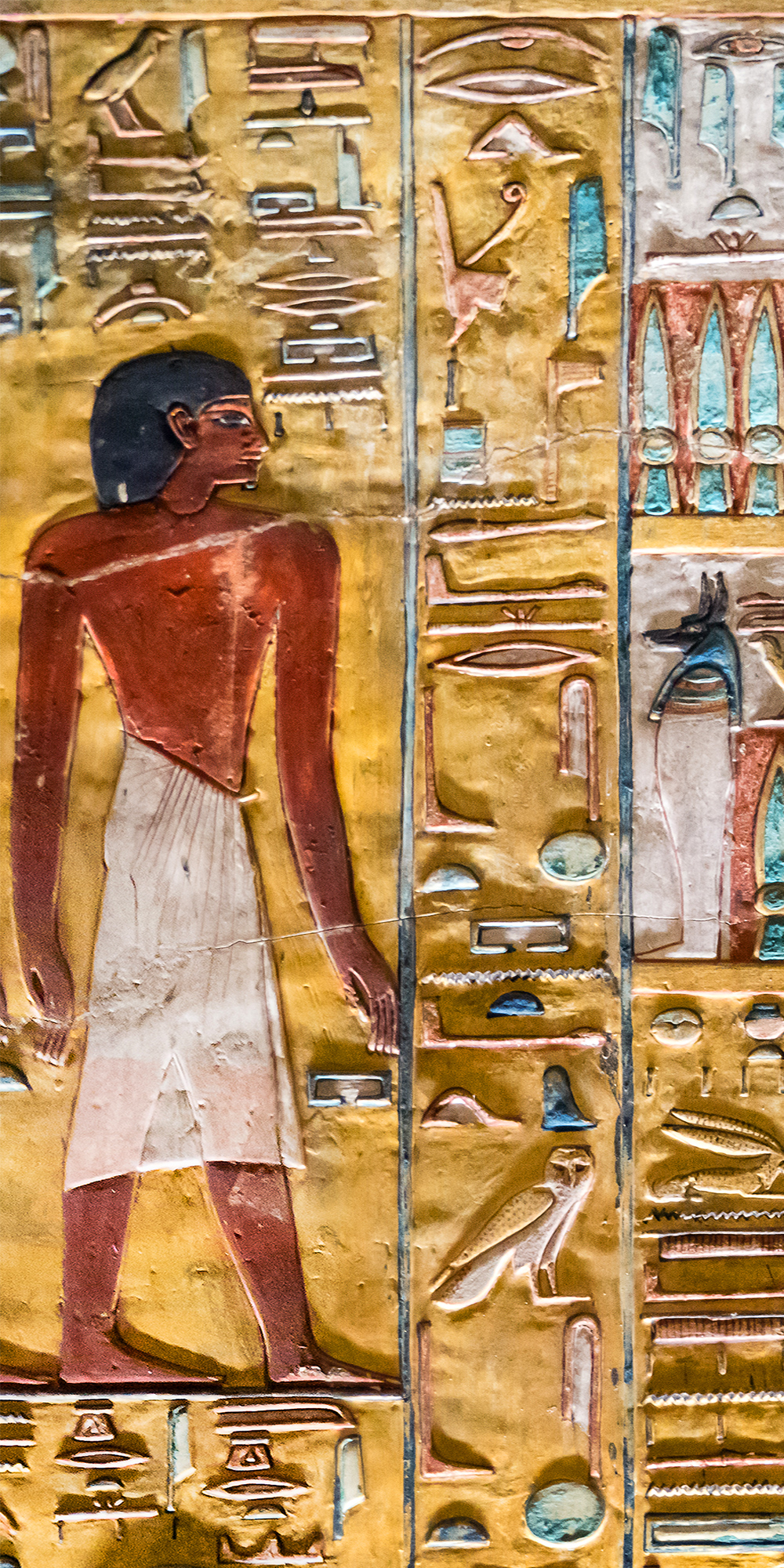
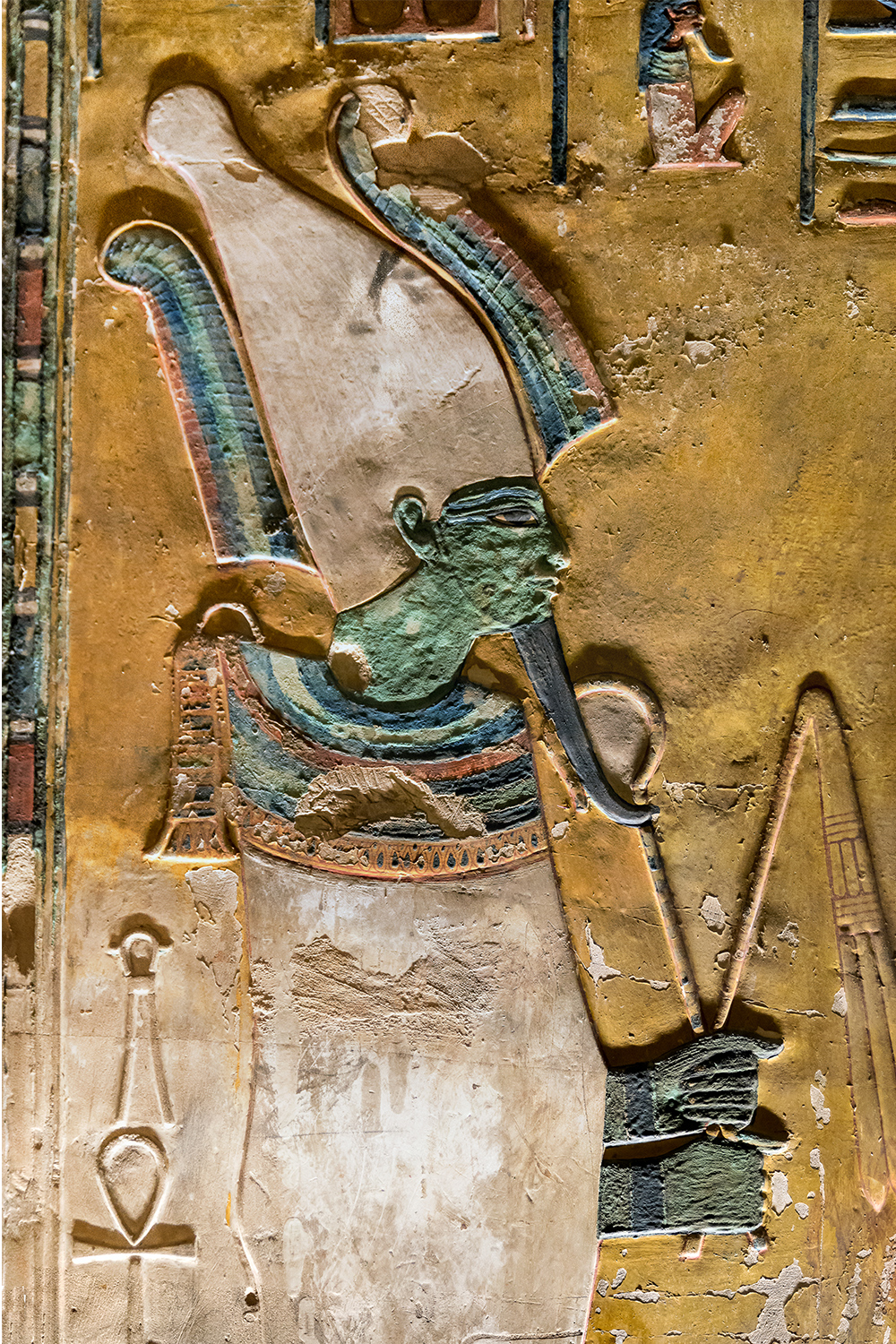
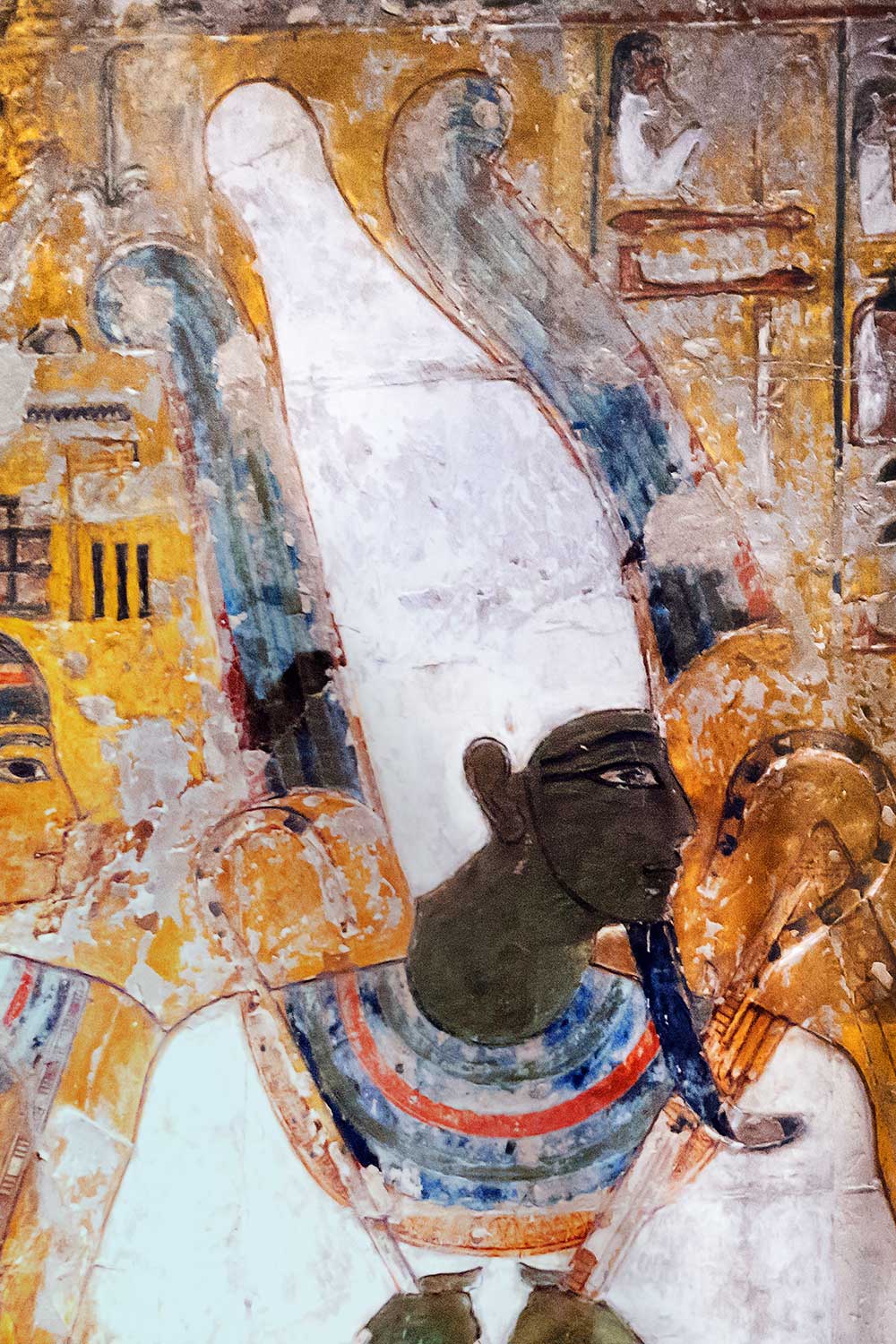
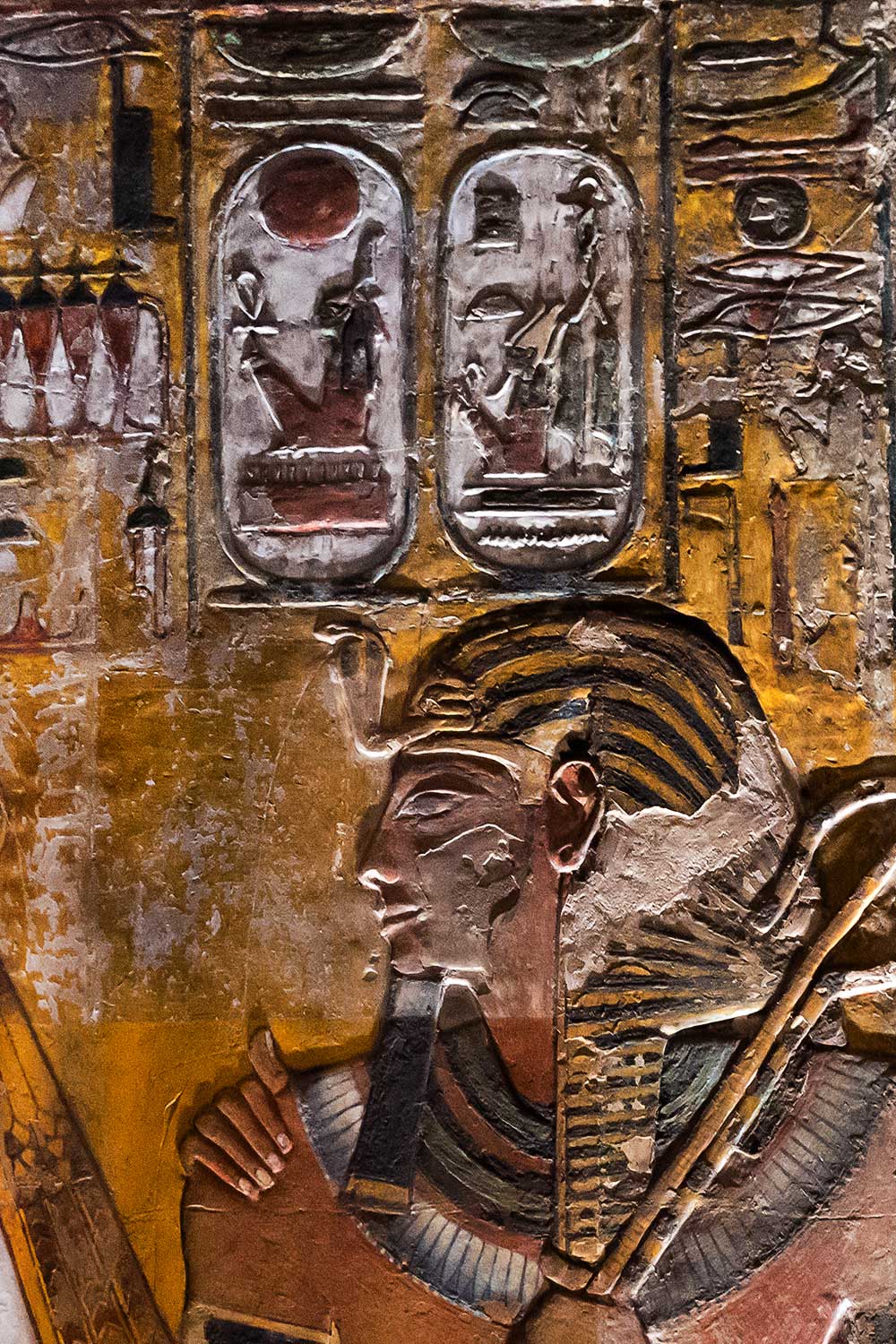
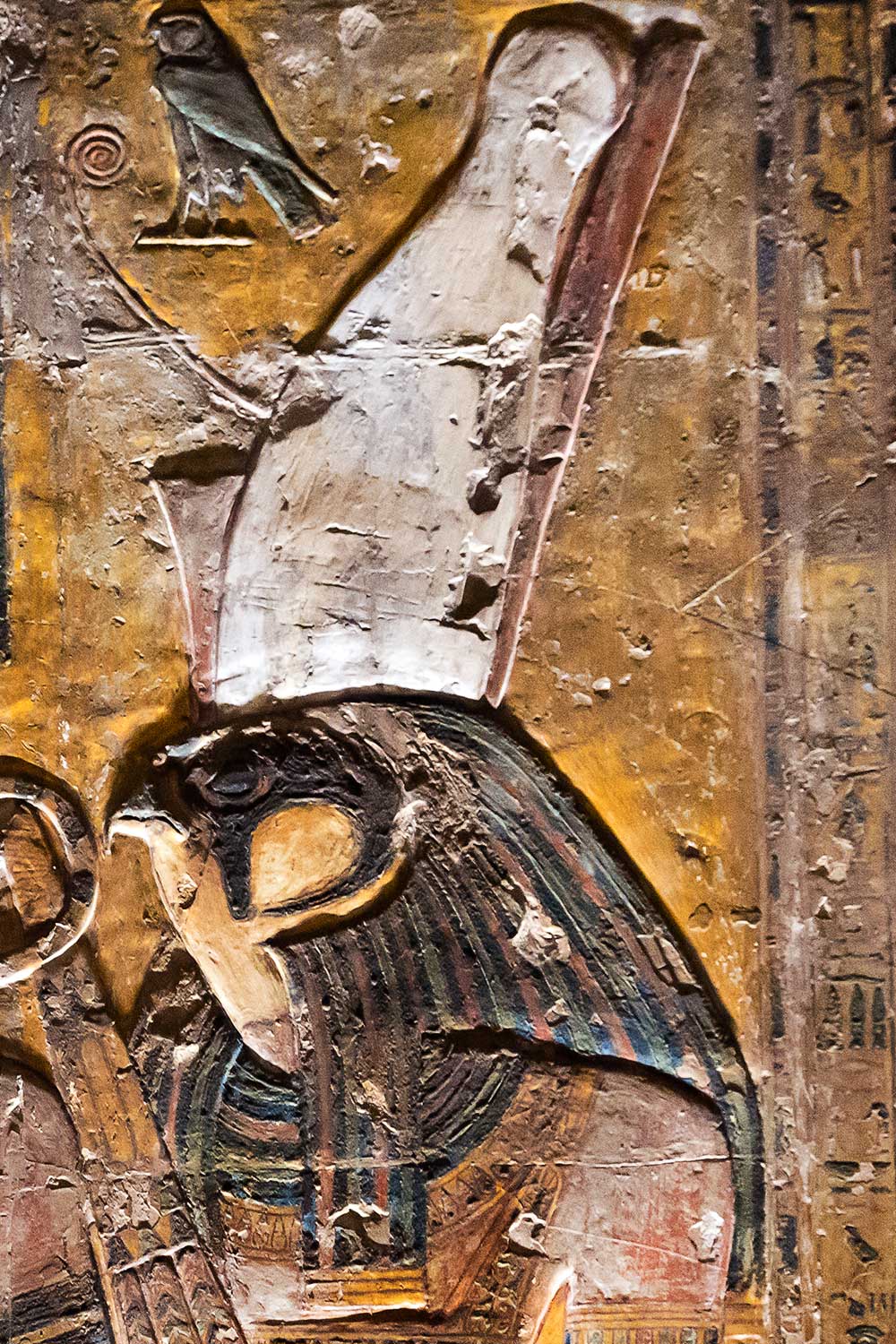
The Valley of the Kings is the burial place of Seti I of the Nineteenth Dynasty, who ruled from about 1290 to 1279 BCE. His tomb—discovered by Giovanni Battista Belzoni
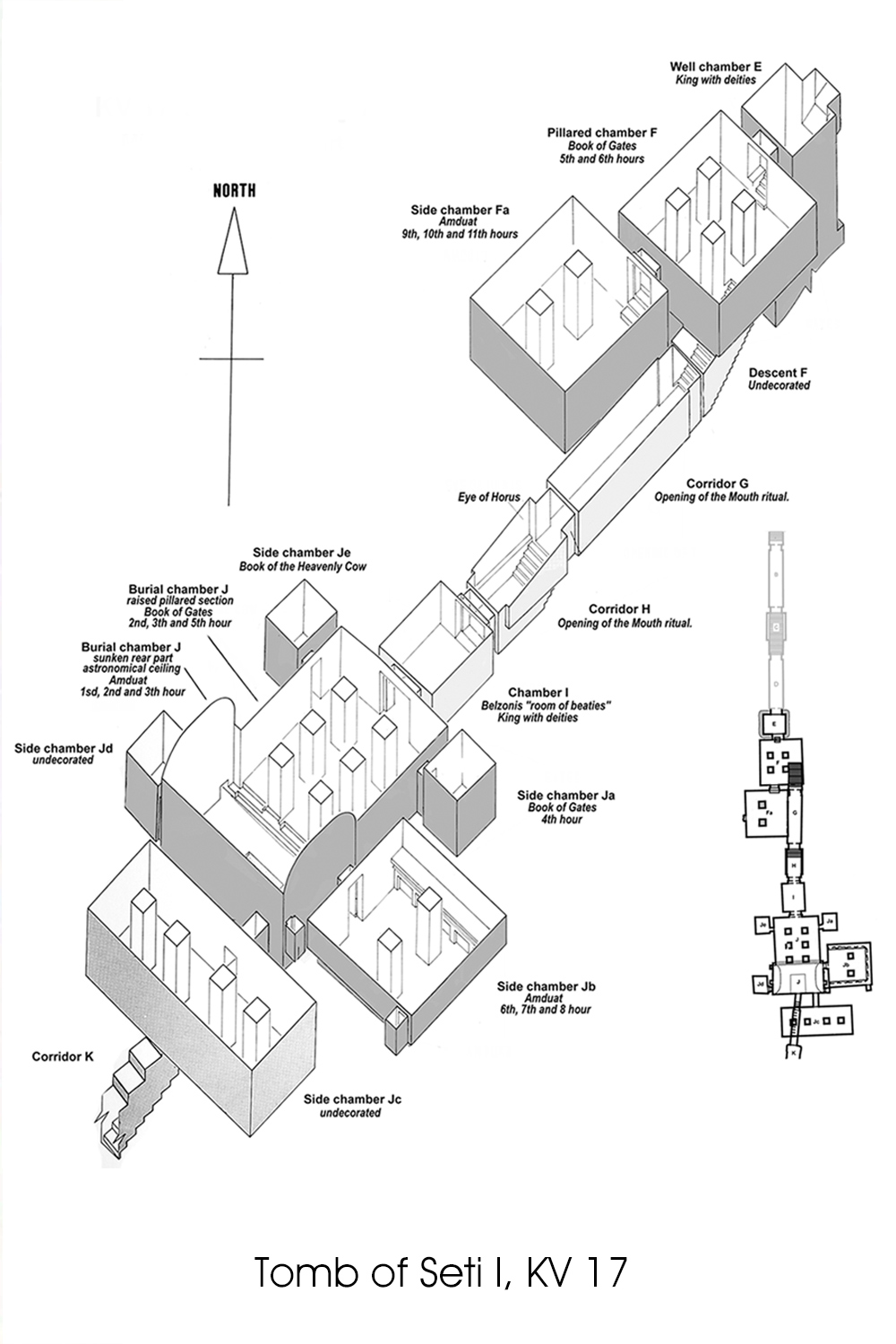
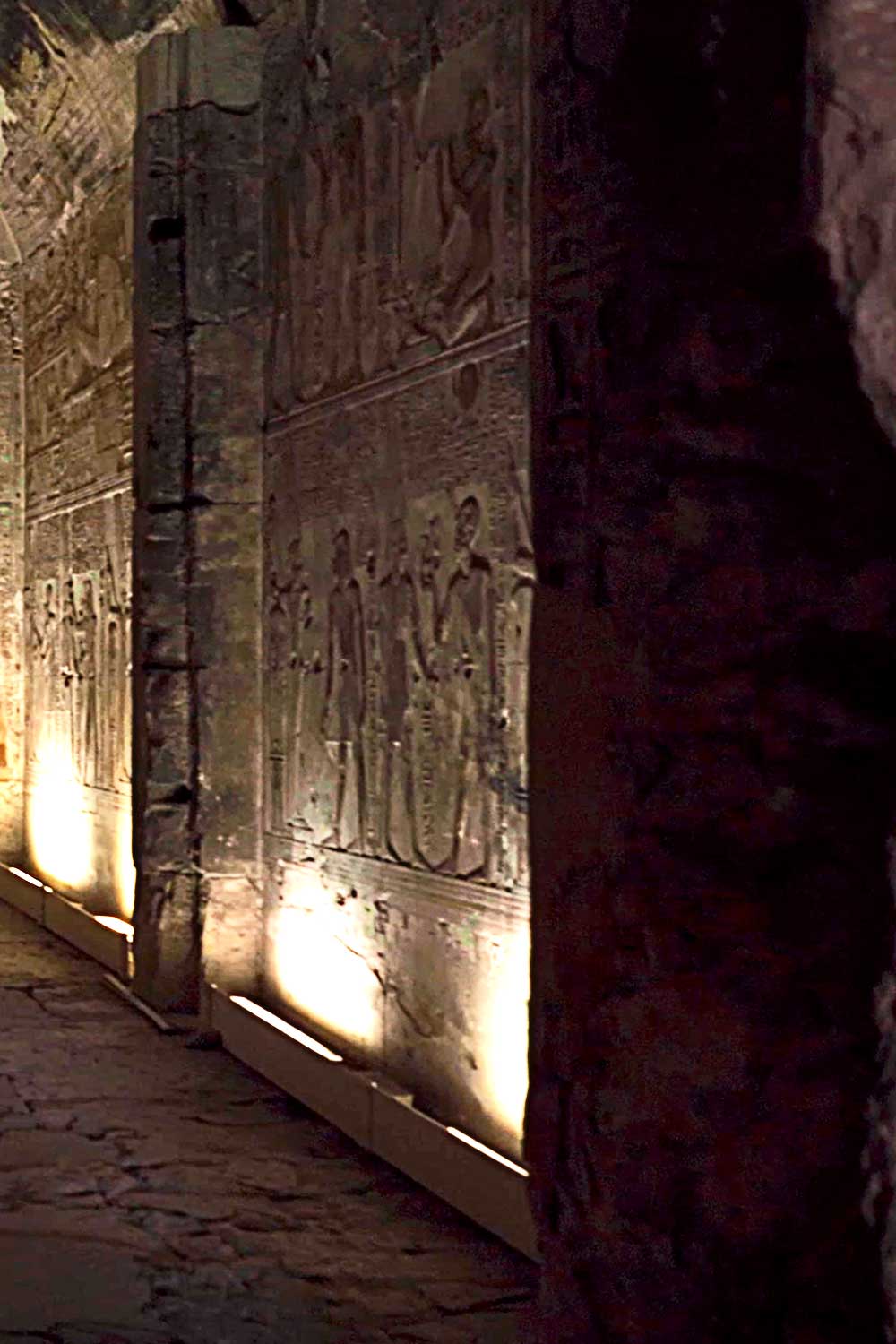
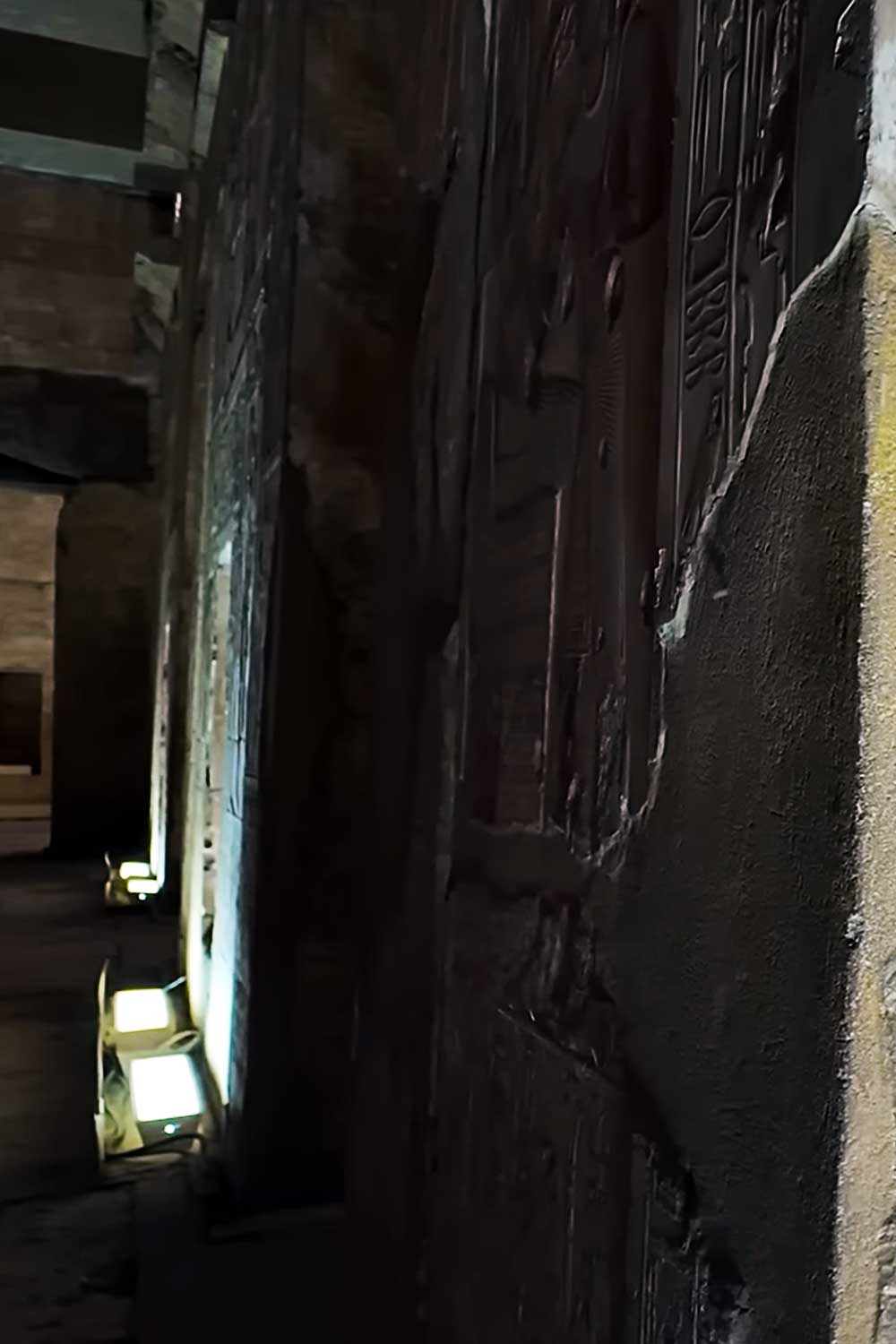
on October 16, 1817—is one of the largest and most elaborately decorated in the valley. Extending 137 meters (446 feet) into the hillside, it contains seventeen
chambers and side rooms, with remarkably preserved reliefs throughout. Seti I, son of Ramesses I and Sitre, left a legacy that continues to captivate scholars and
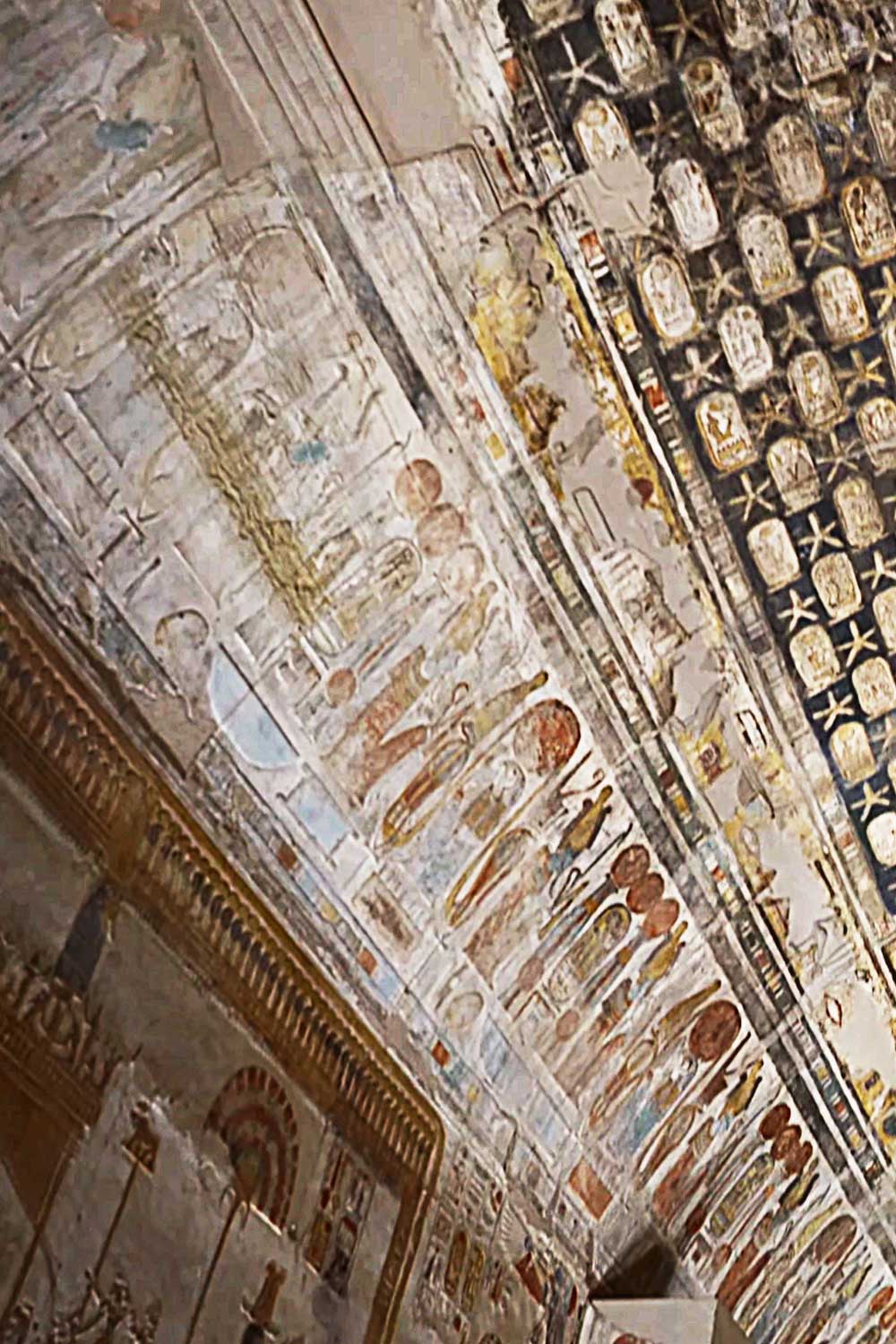
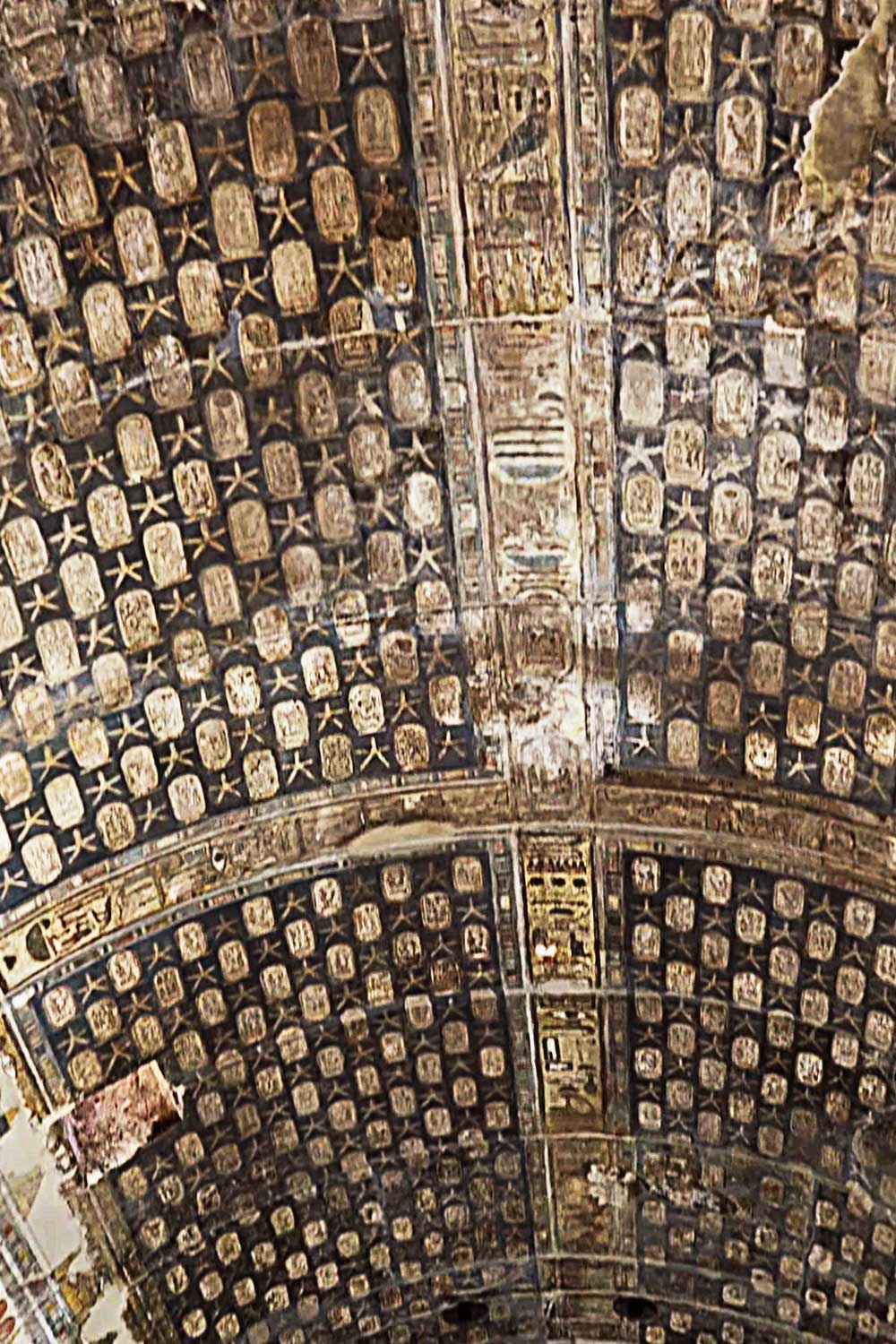
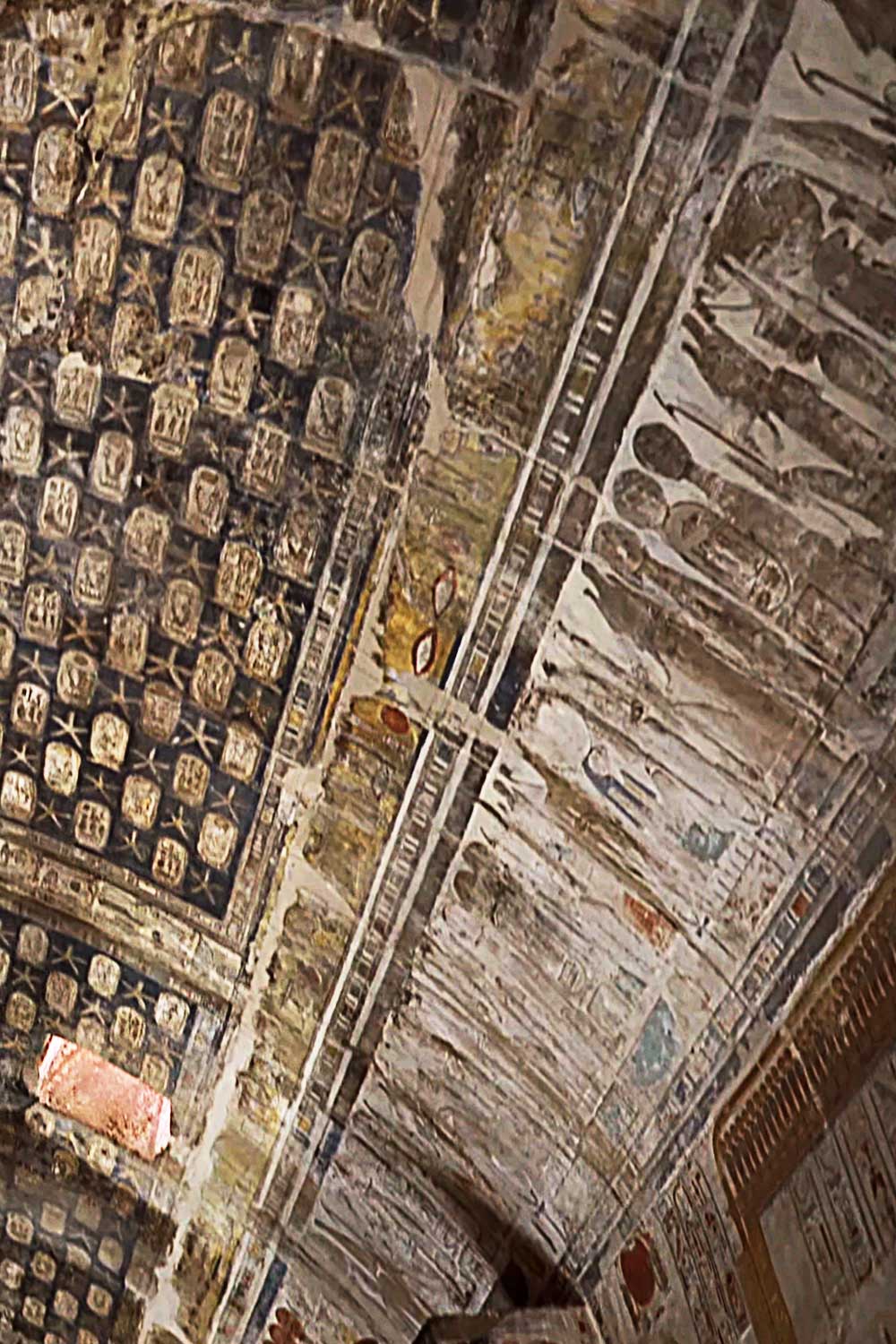
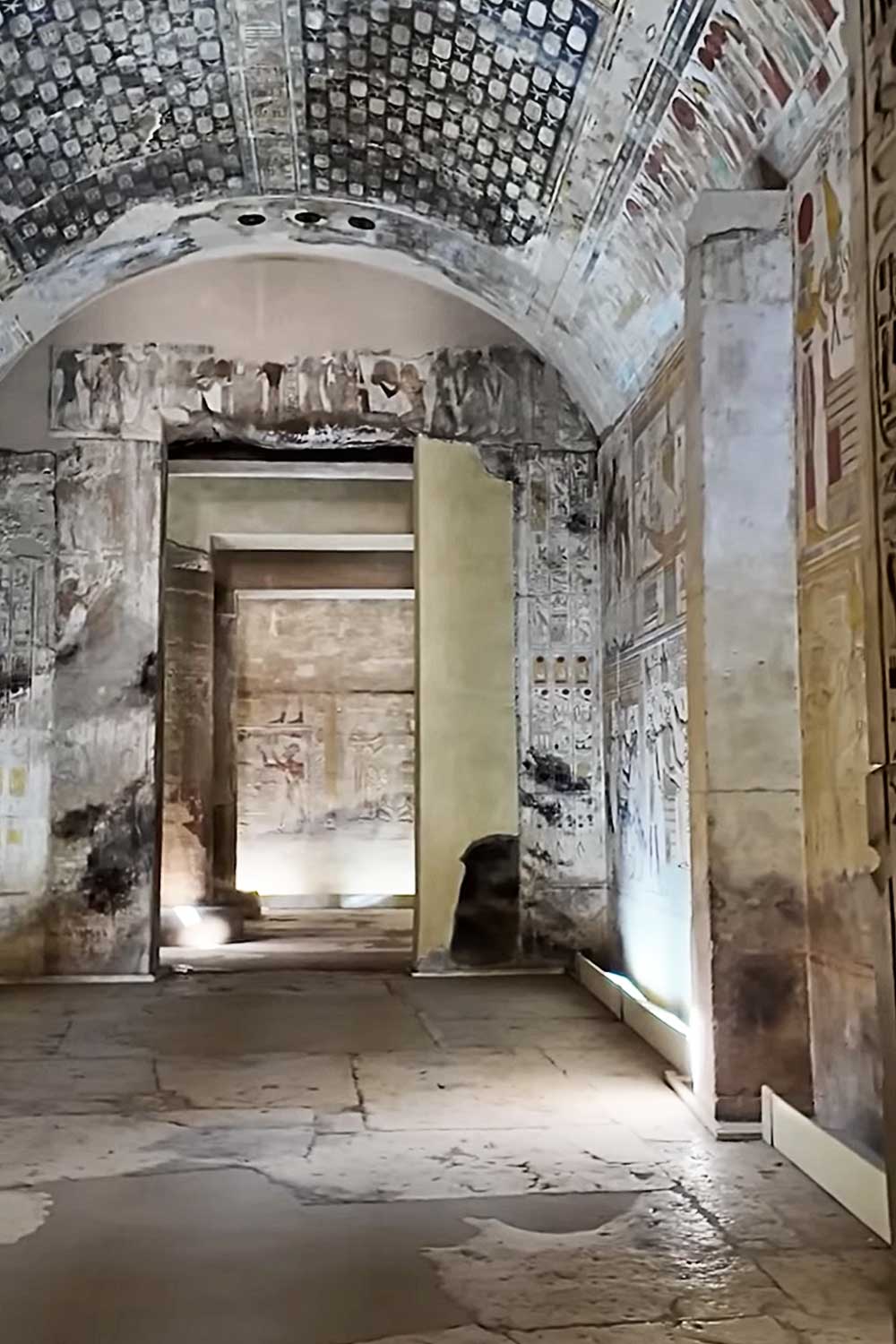
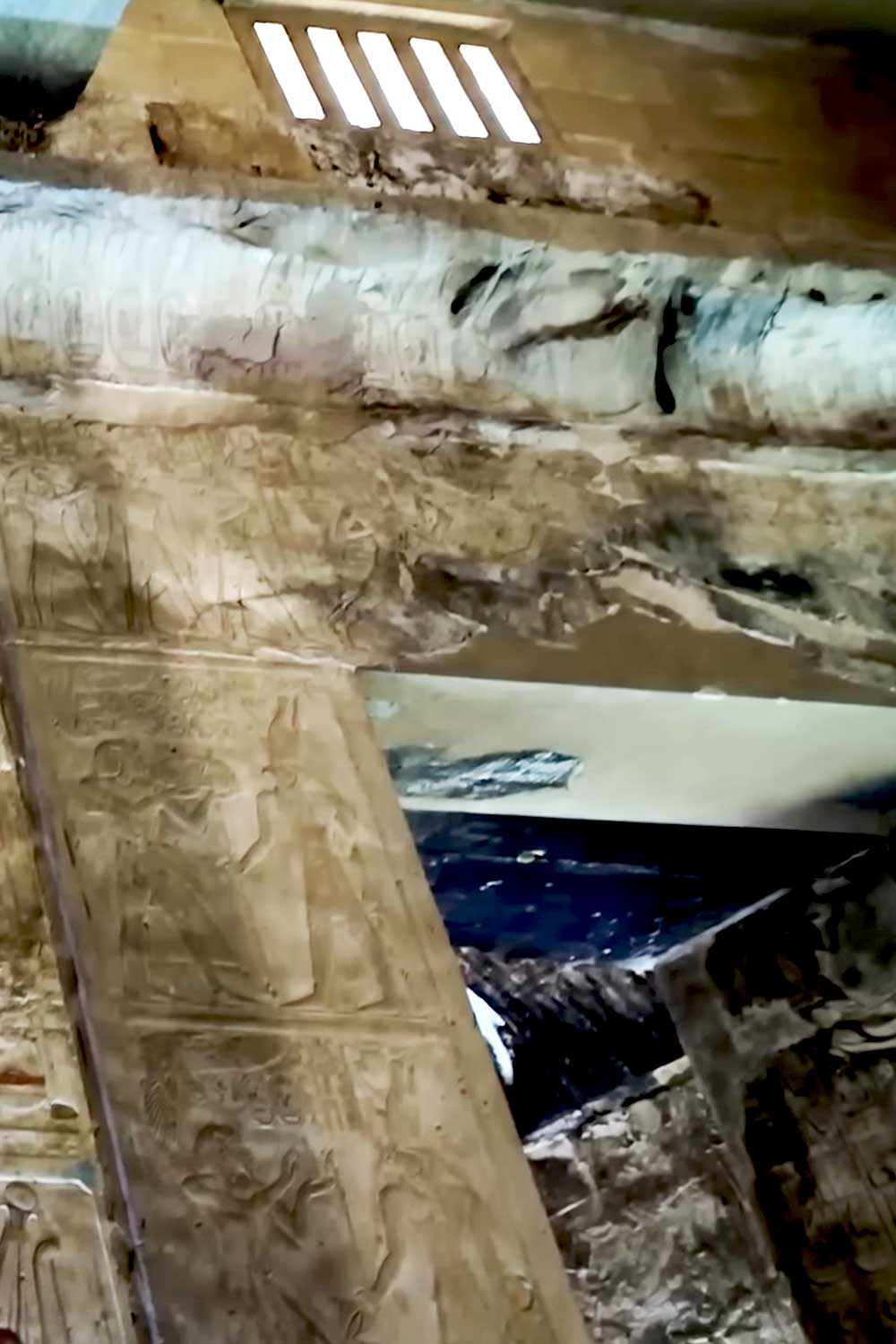
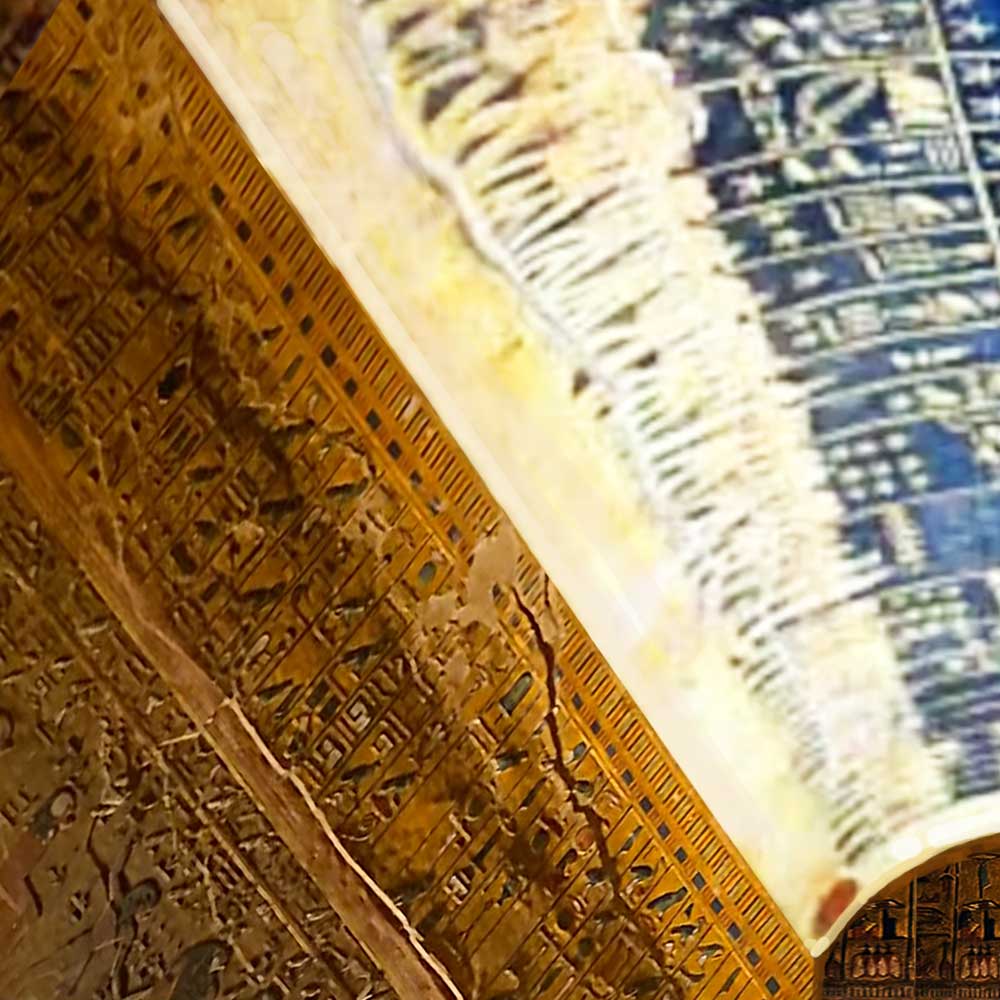
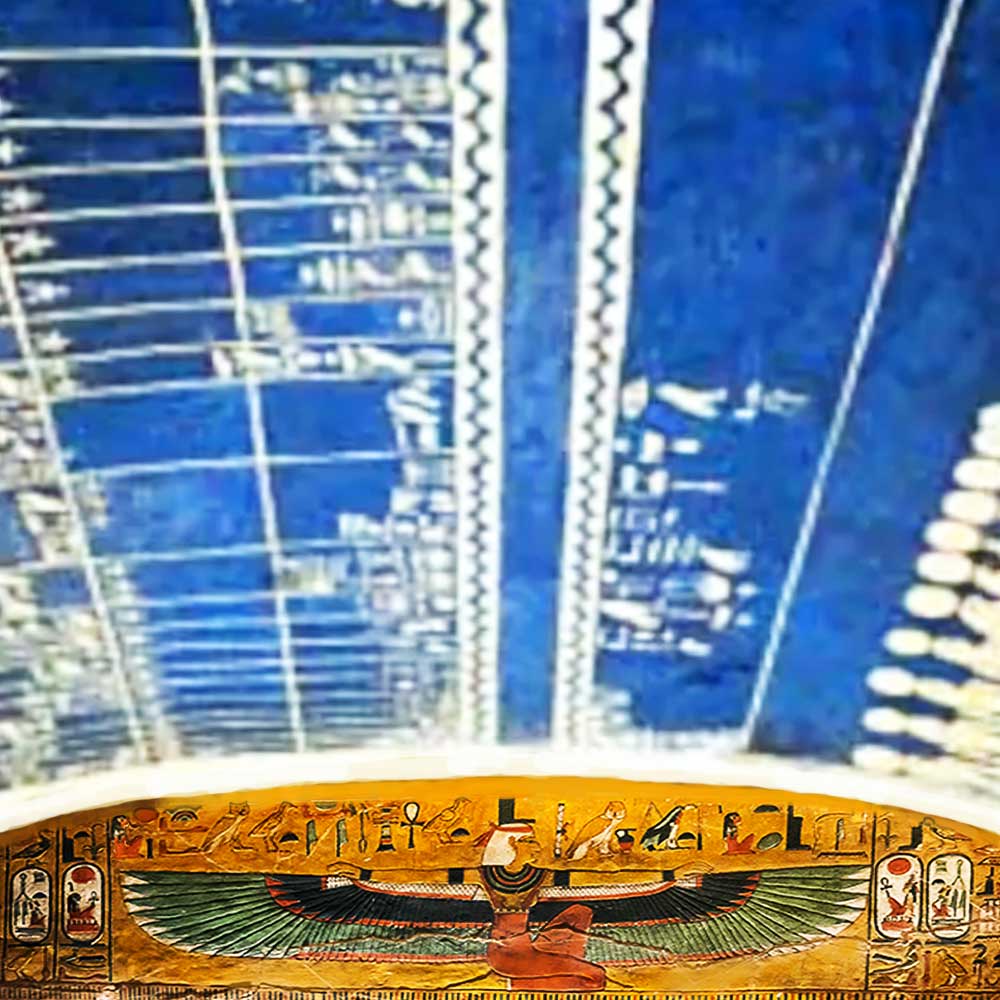
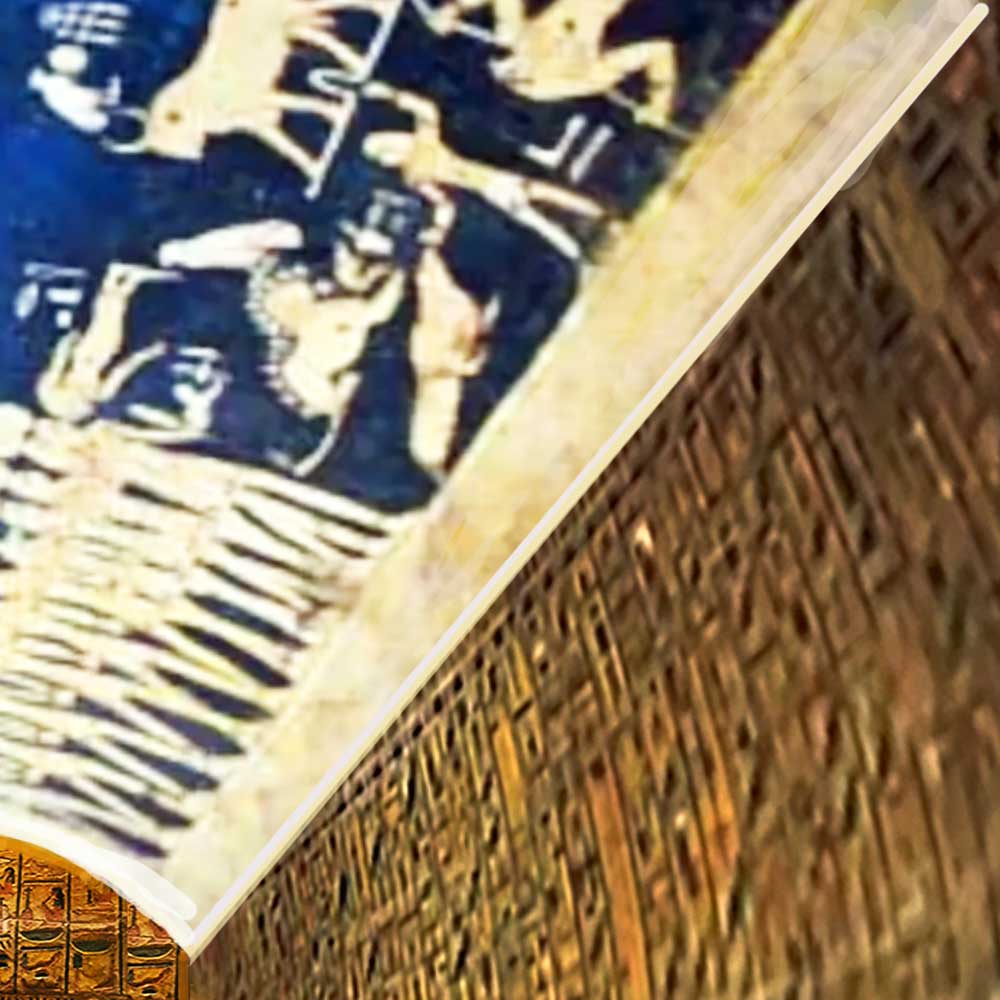
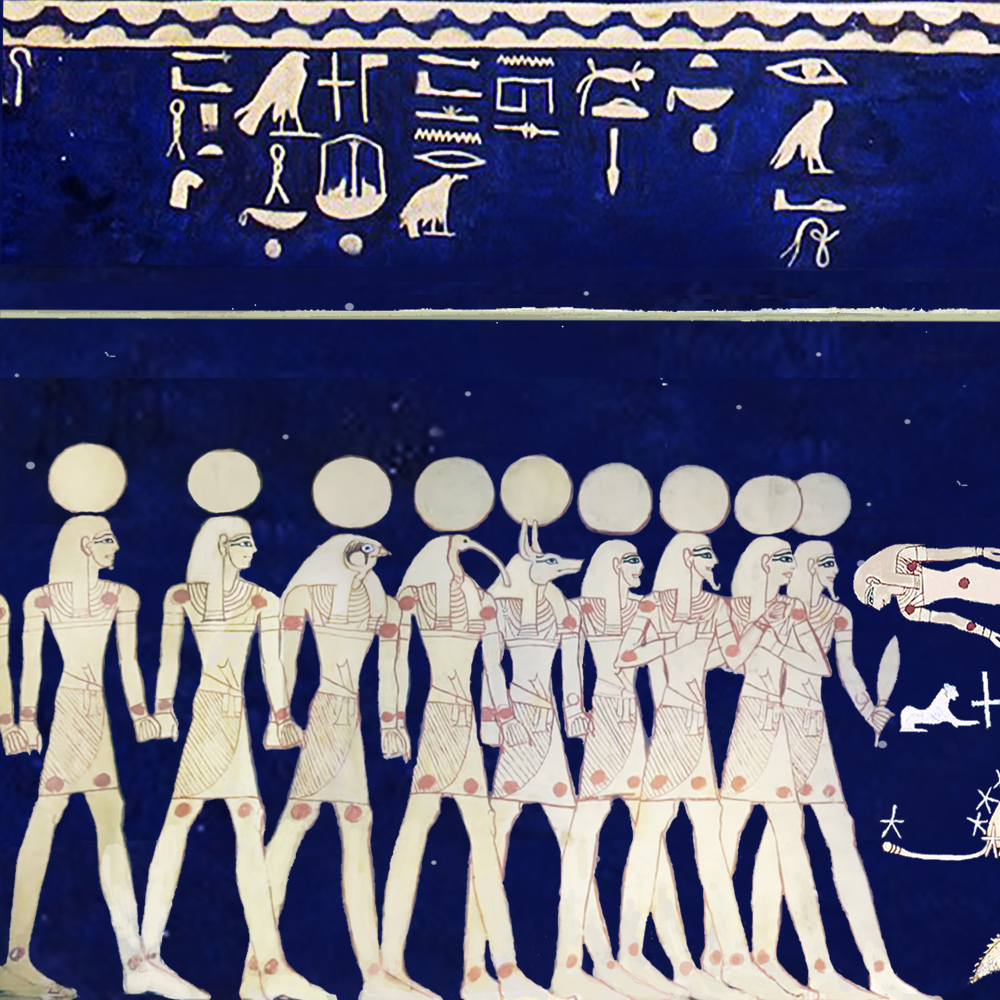
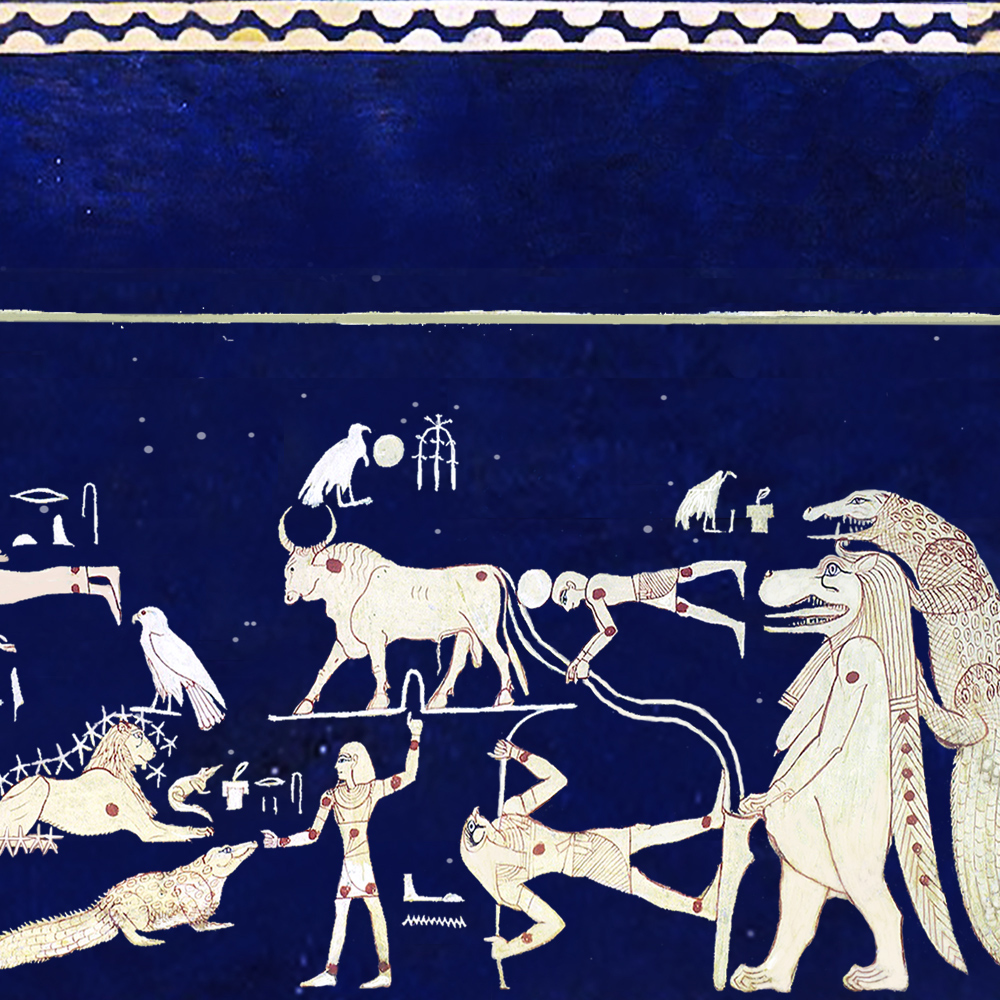
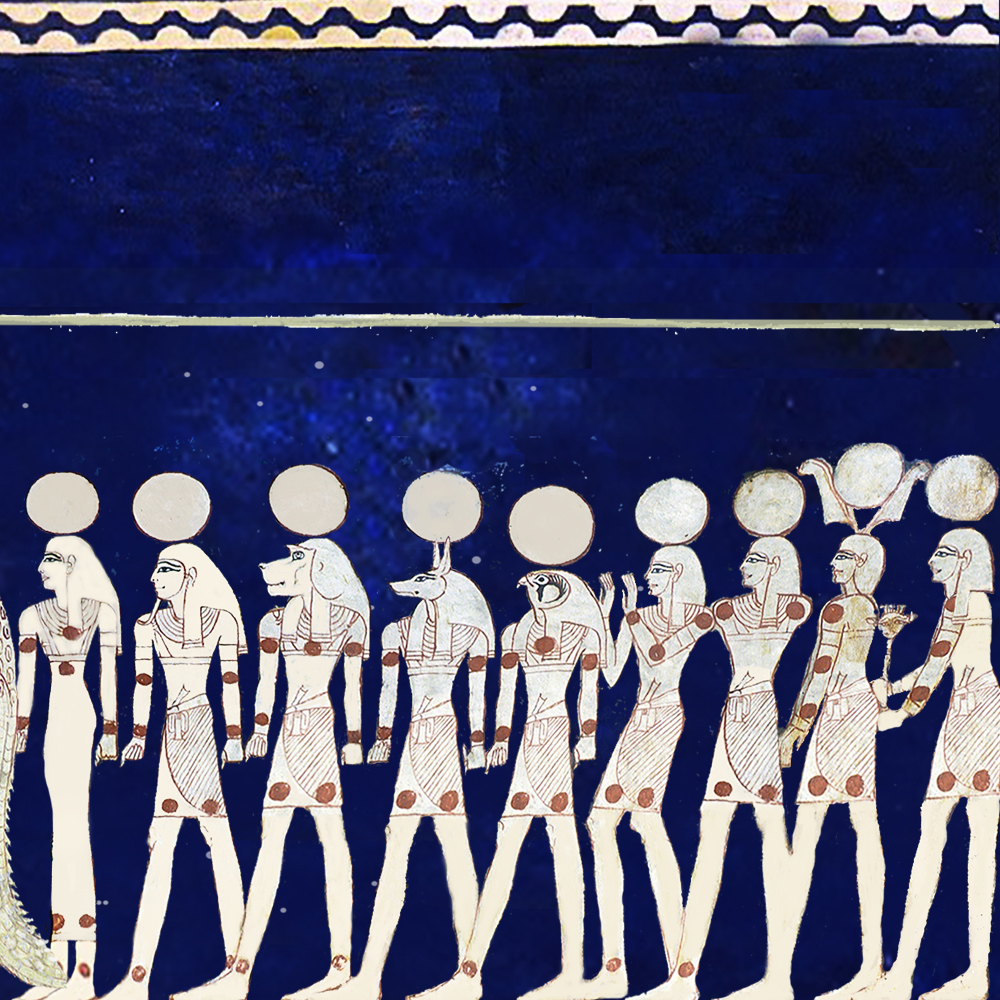
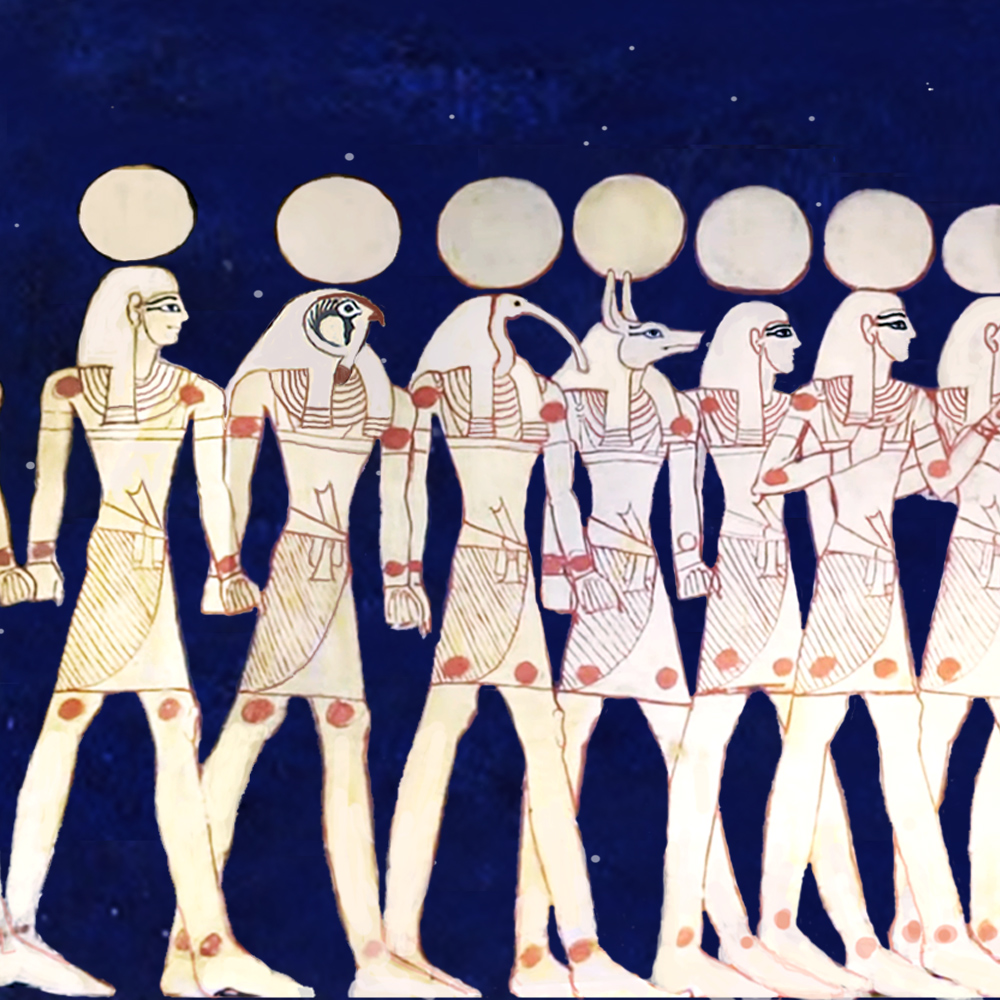
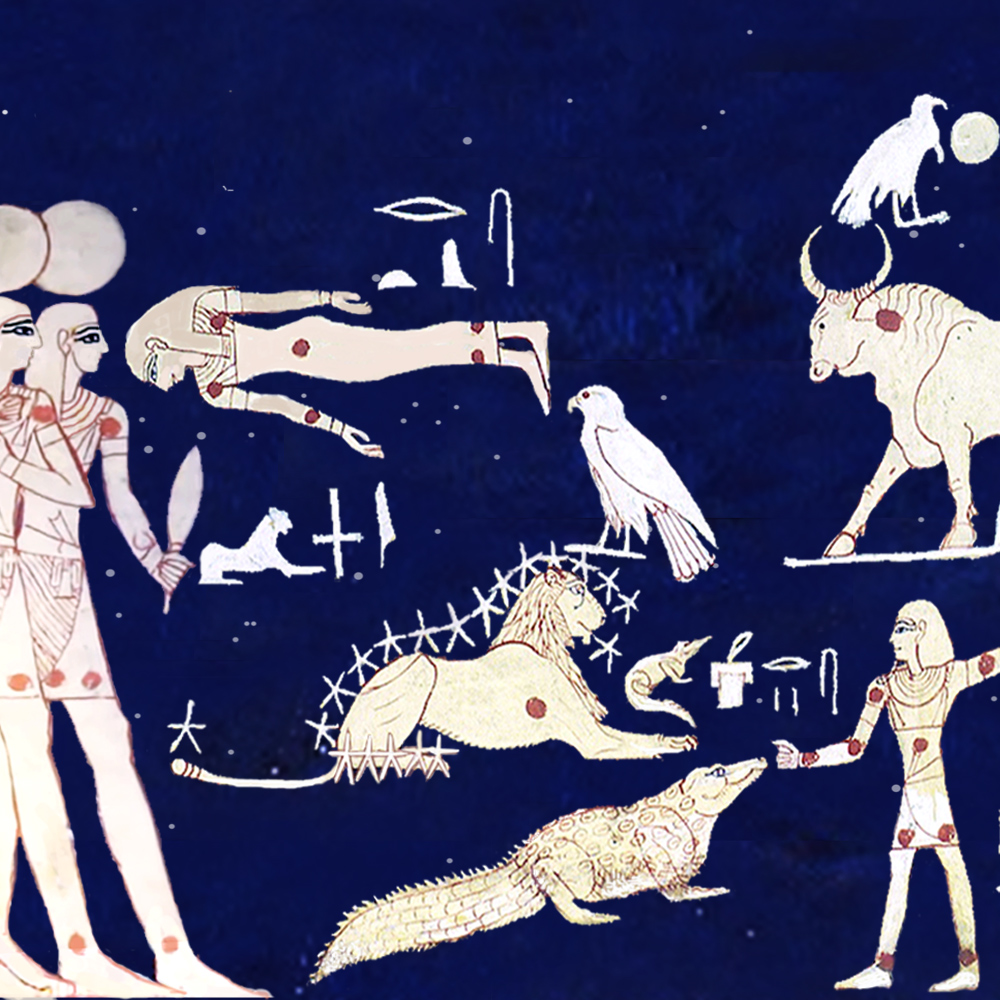
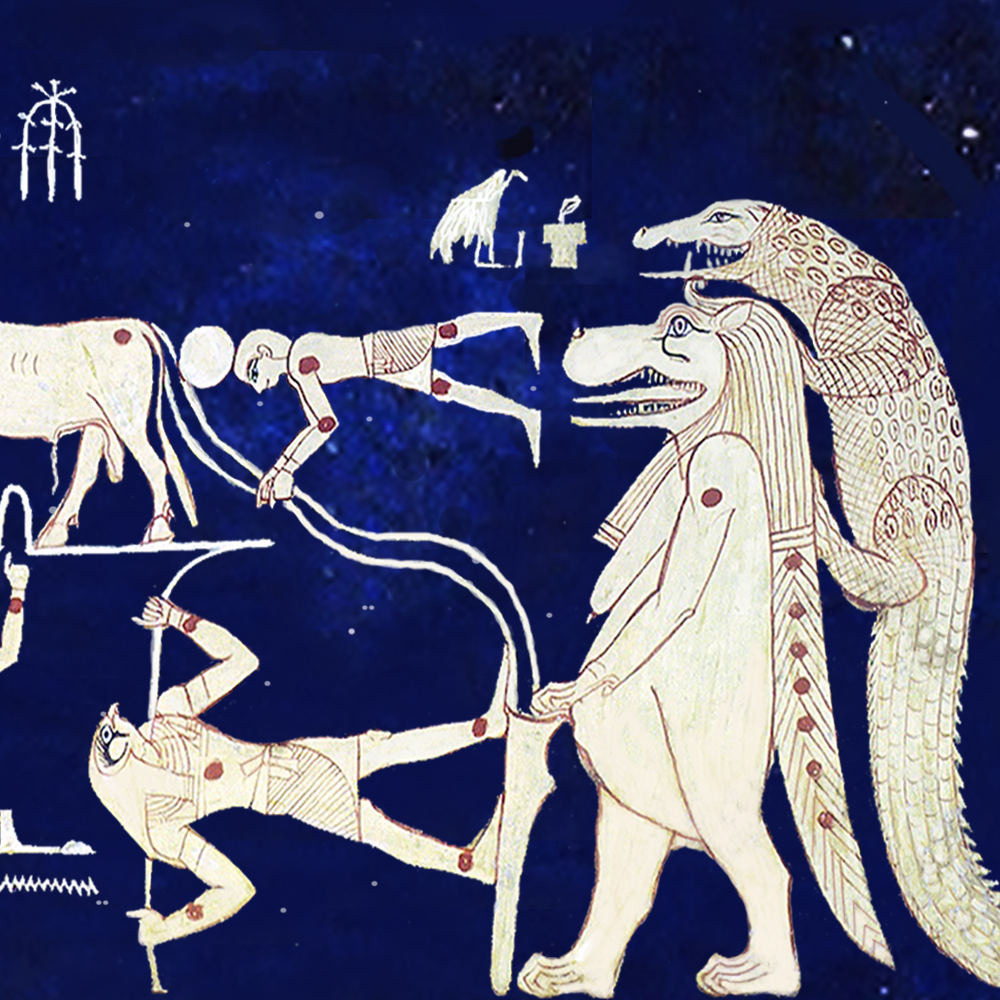
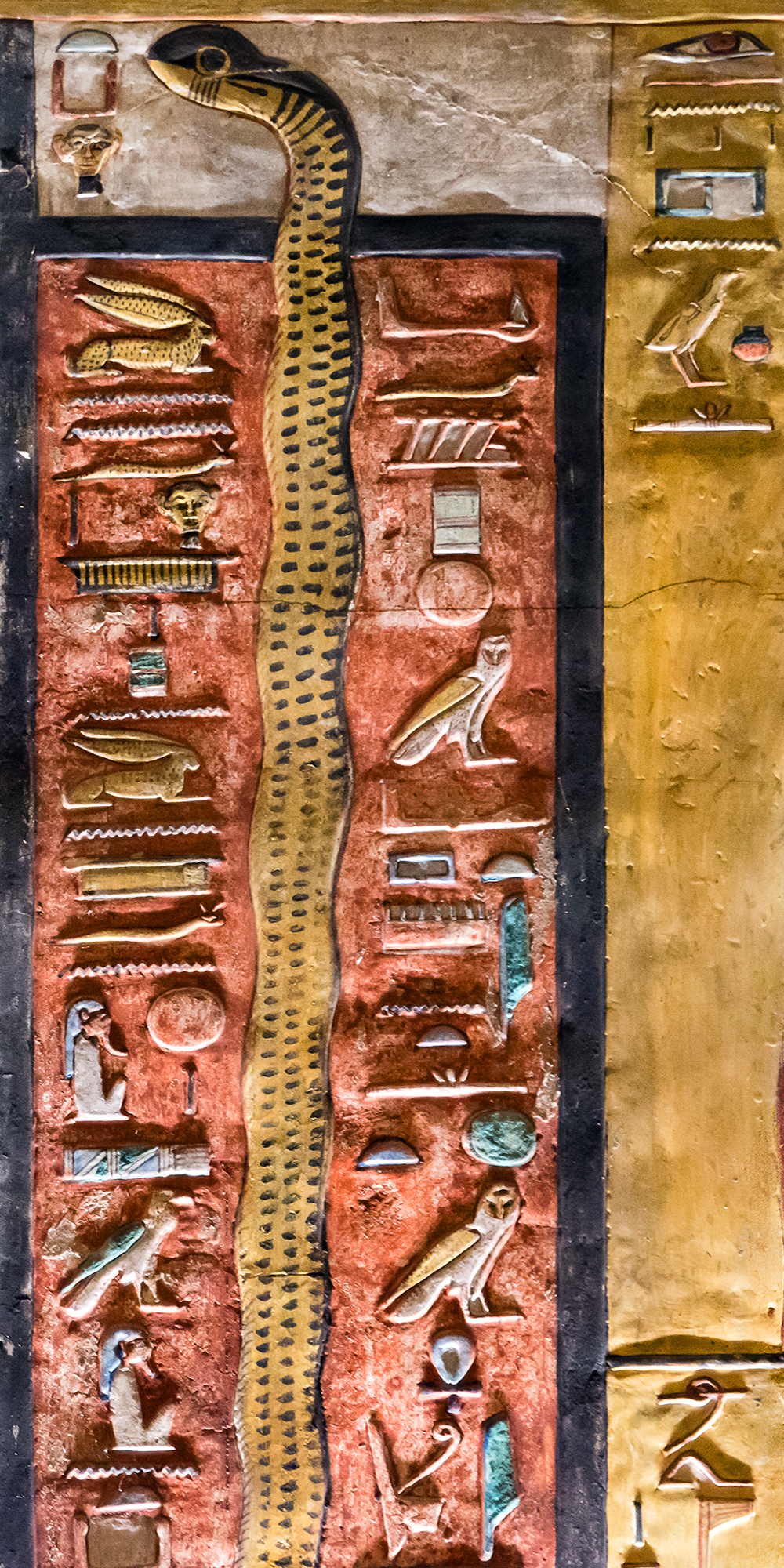
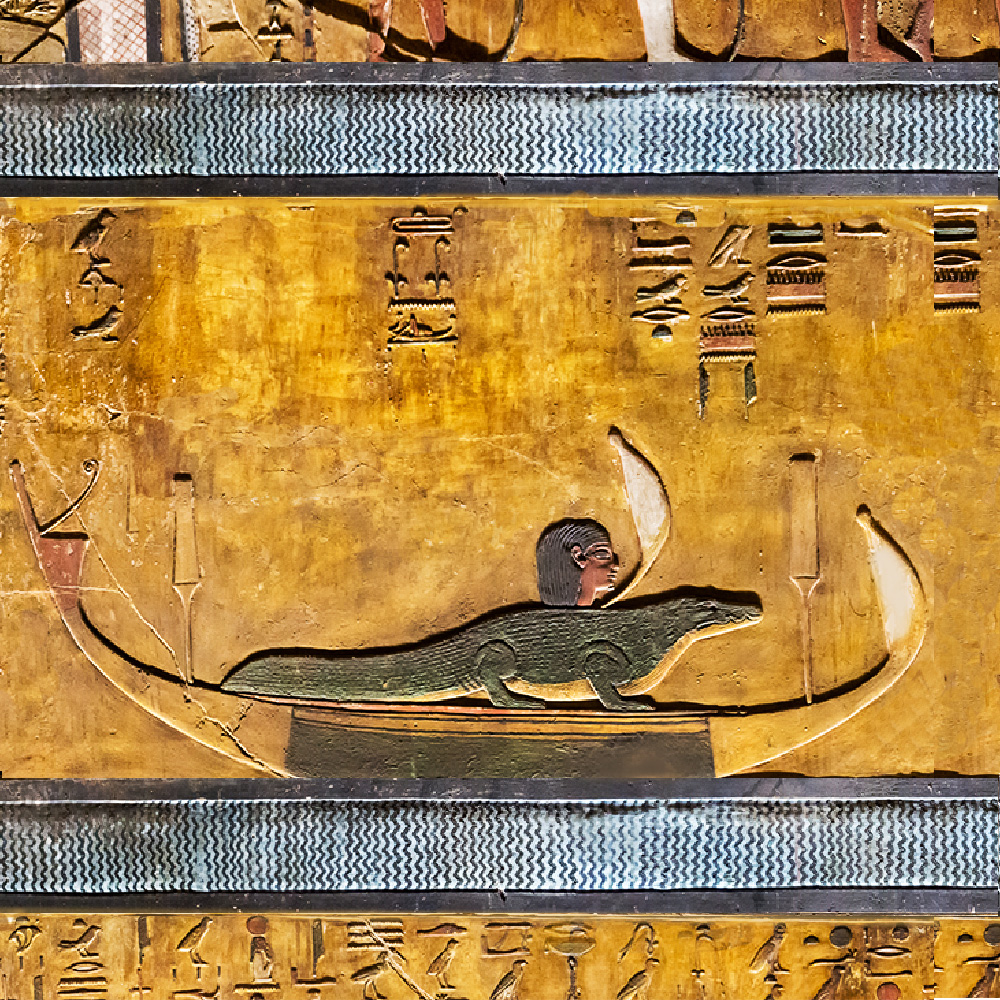
visitors. One of the tomb’s most distinctive features is its vaulted ceiling, painted with celestial imagery centered on the female hippopotamus constellation believed
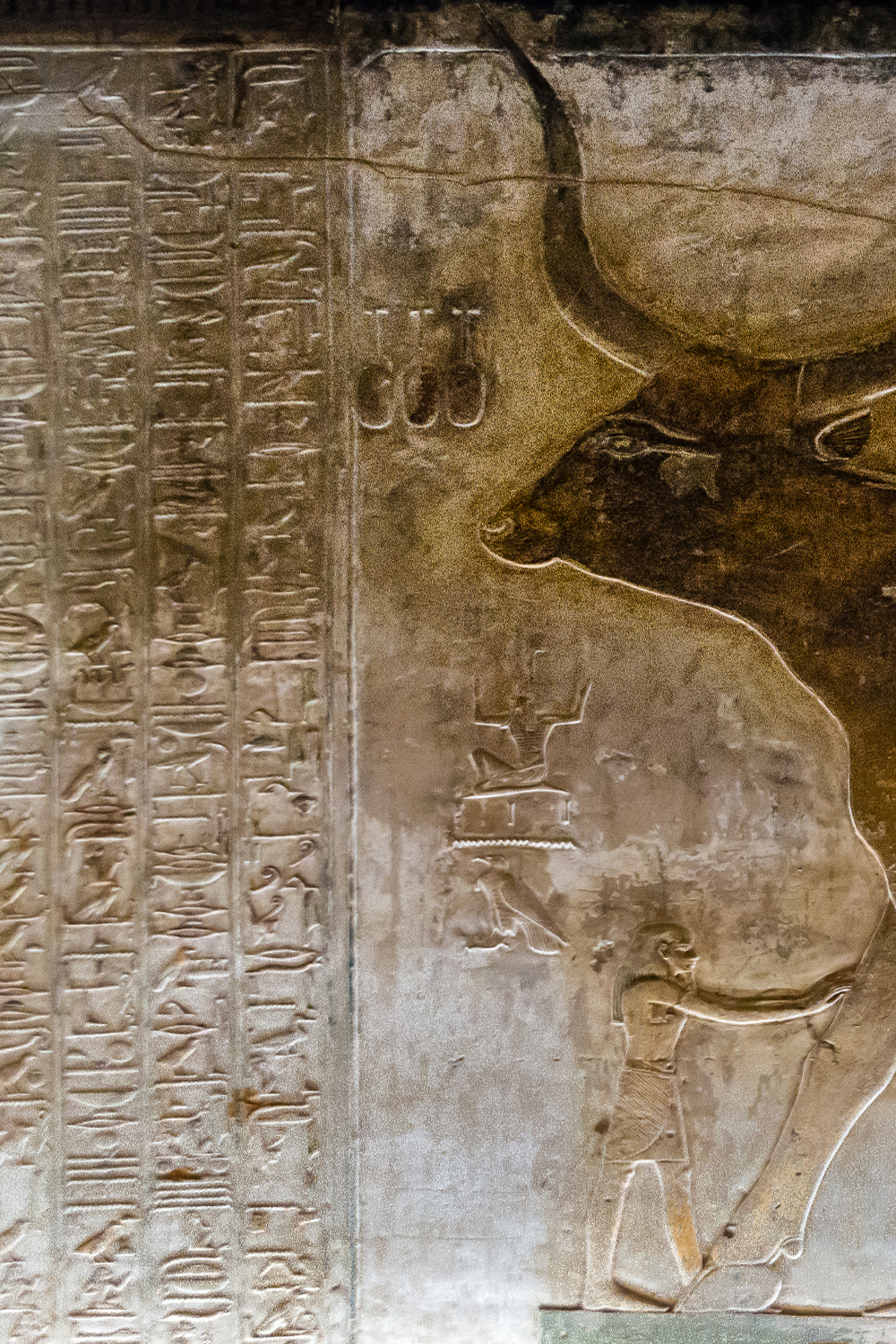
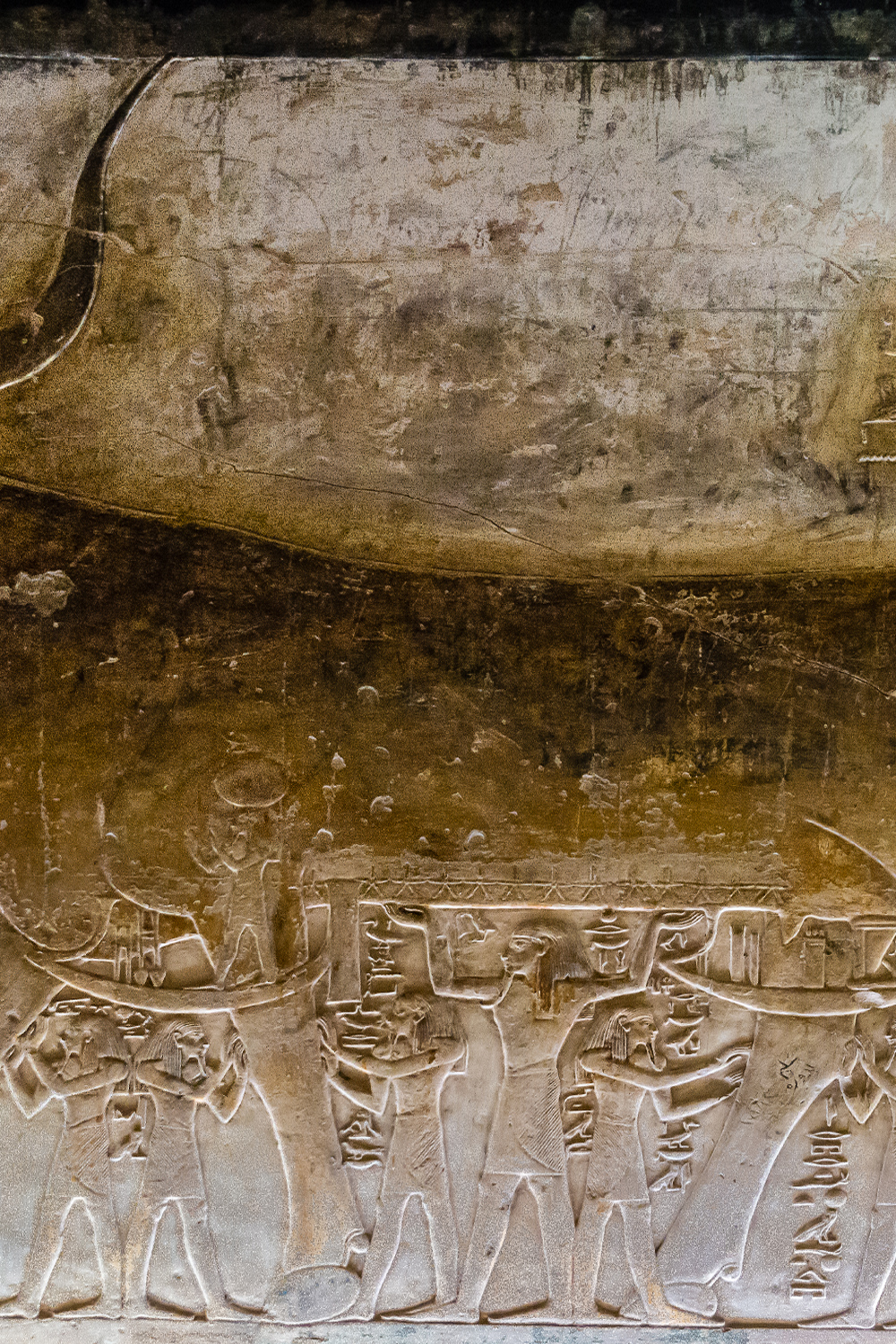
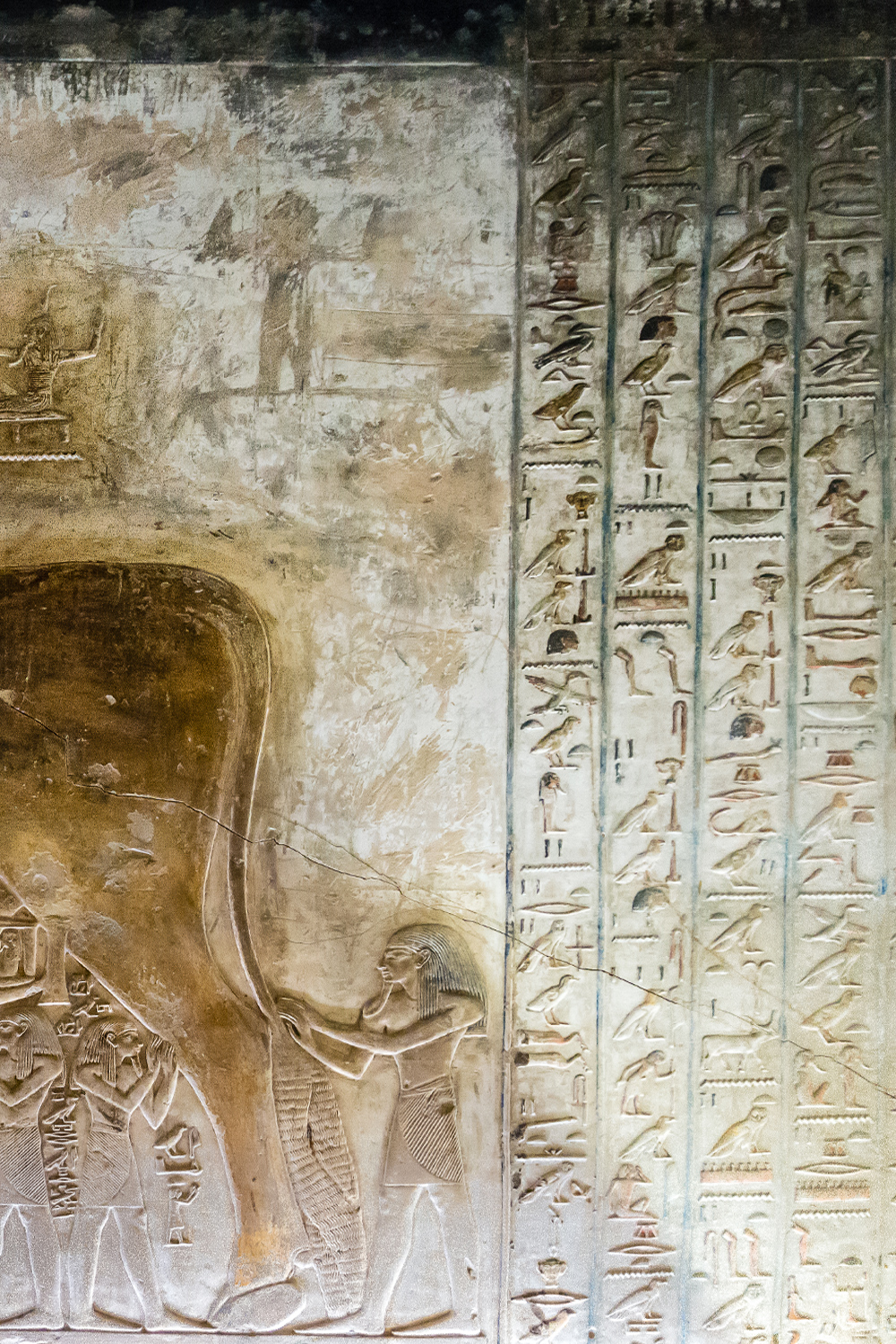
to guard the northern sky. The hybrid goddess—part hippopotamus, lion, and serpent—encircles the celestial pole, while nearby figures of a hippopotamus, crocodile, bull,
and falcon symbolize the “imperishable” circumpolar stars. These never‑setting stars represented the eternal destination of the king’s soul. According to the Pyramid Texts,
the deceased pharaoh ascends to the heavens to join these undying stars, achieving immortality among the celestial guardians of the night.
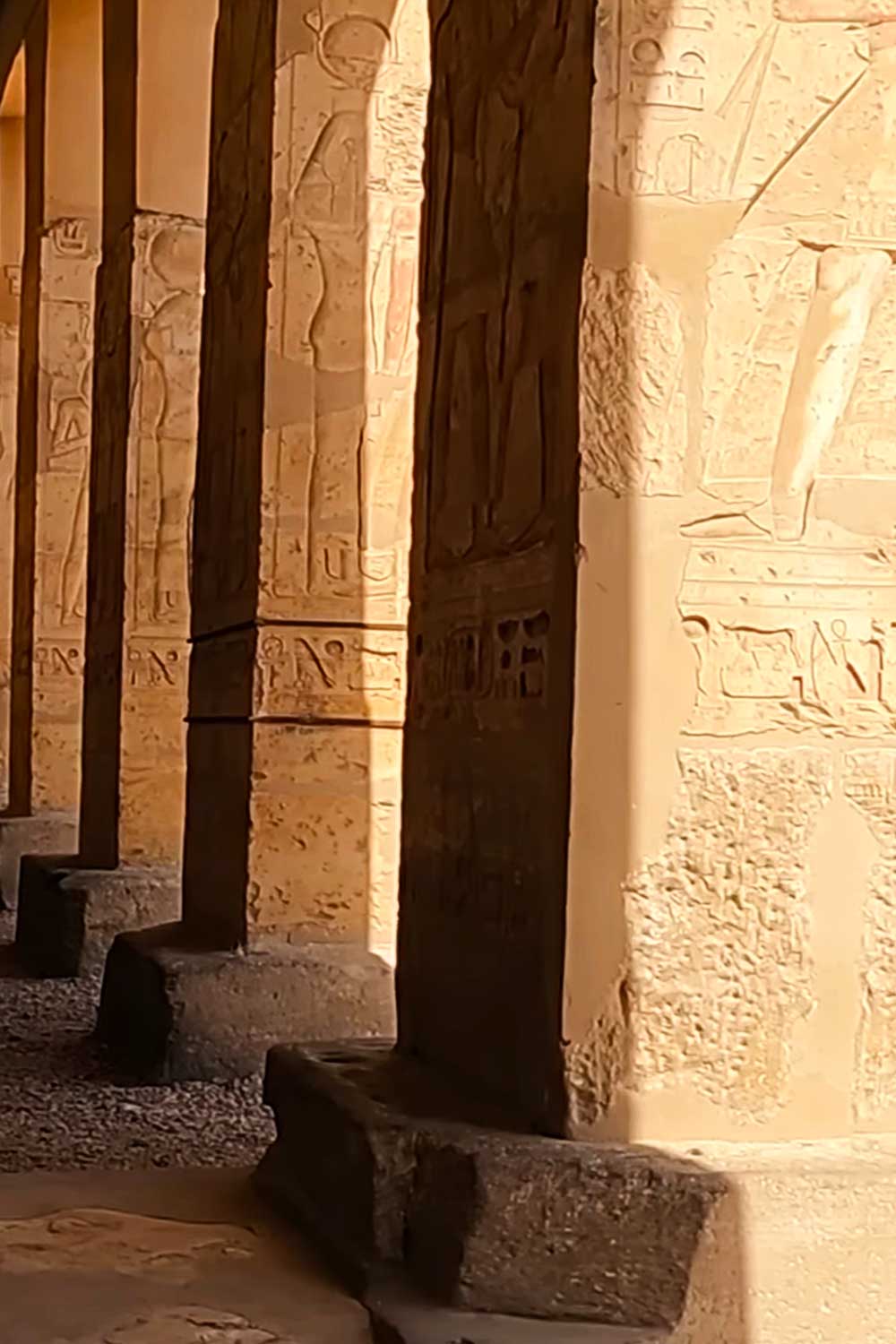
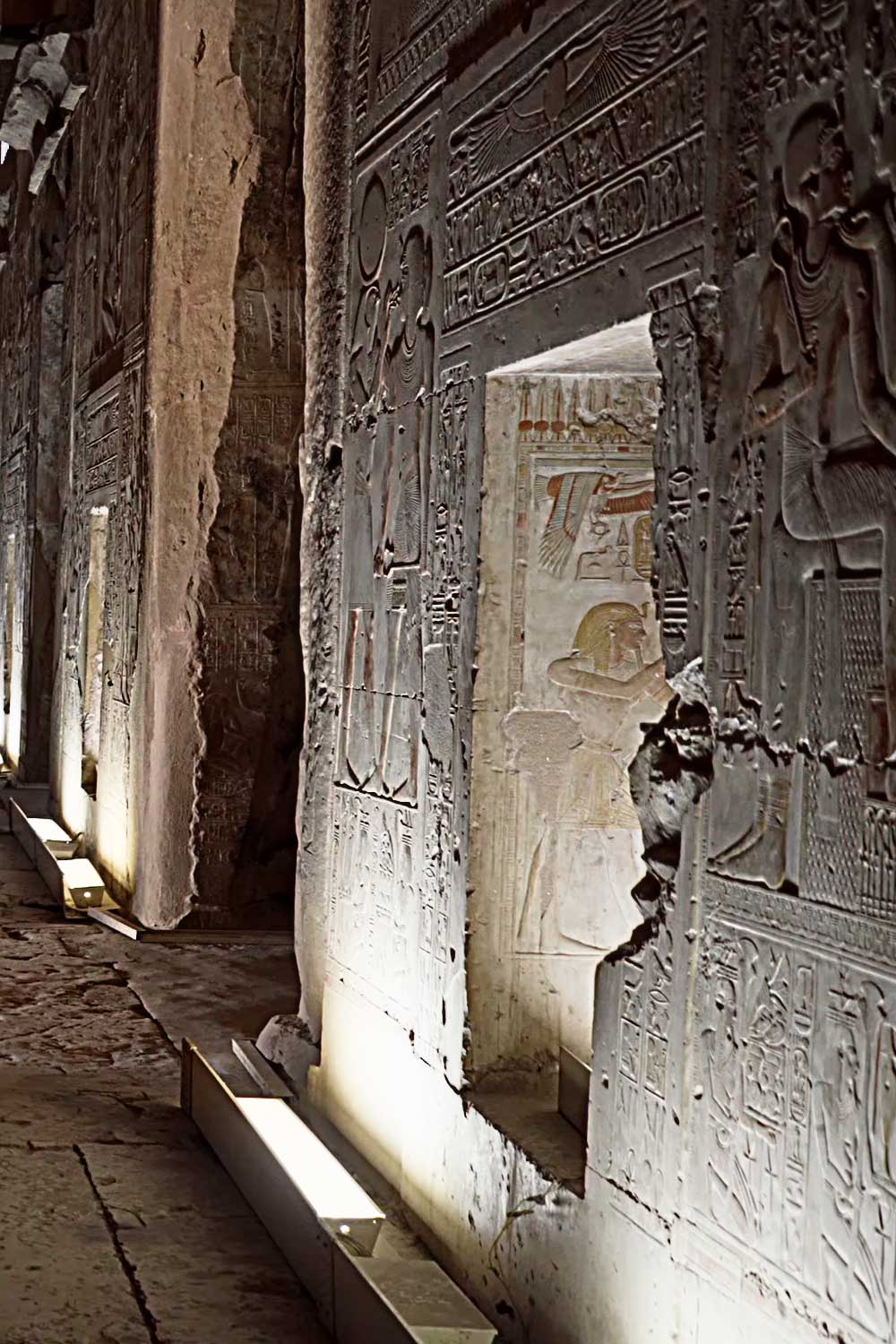
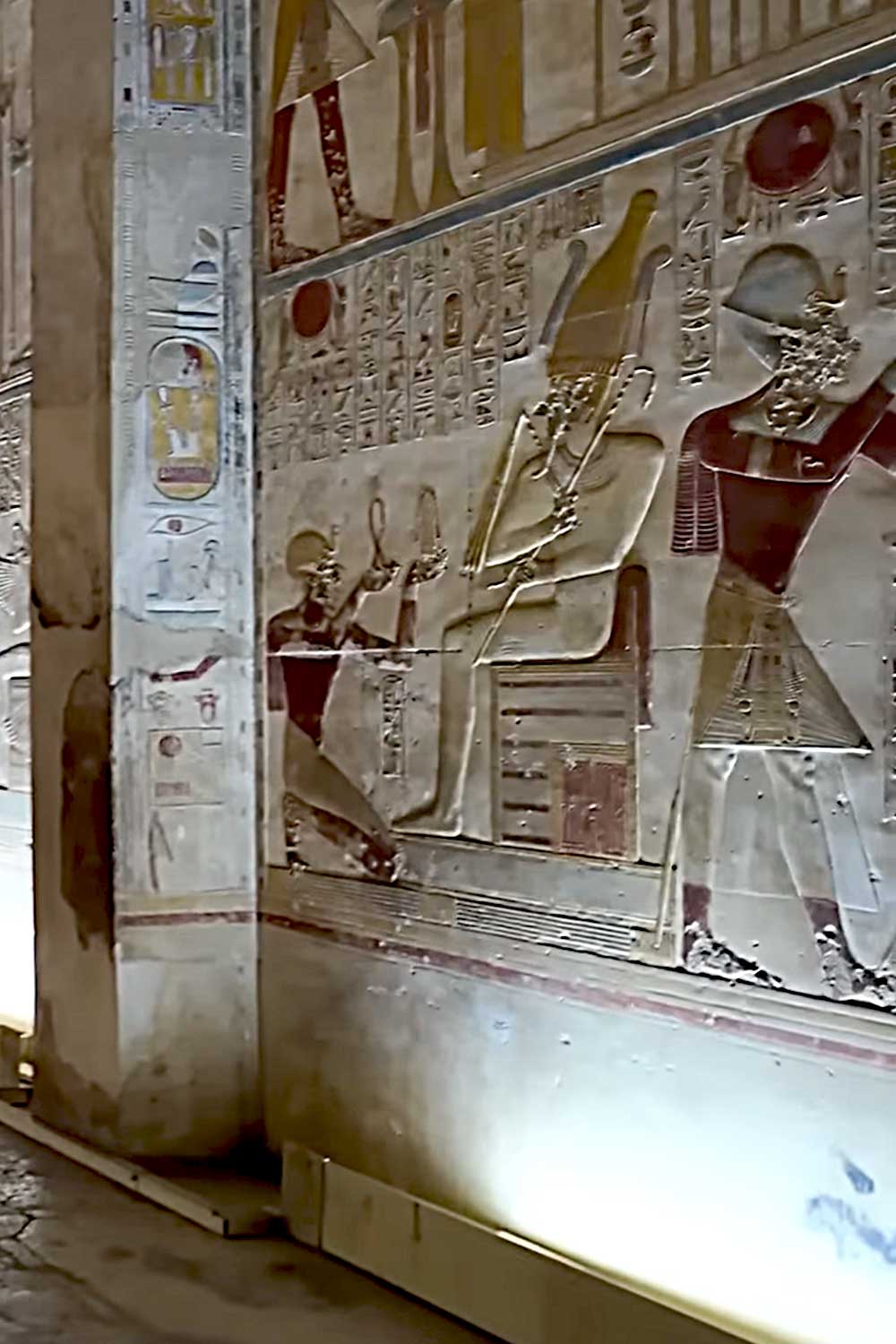
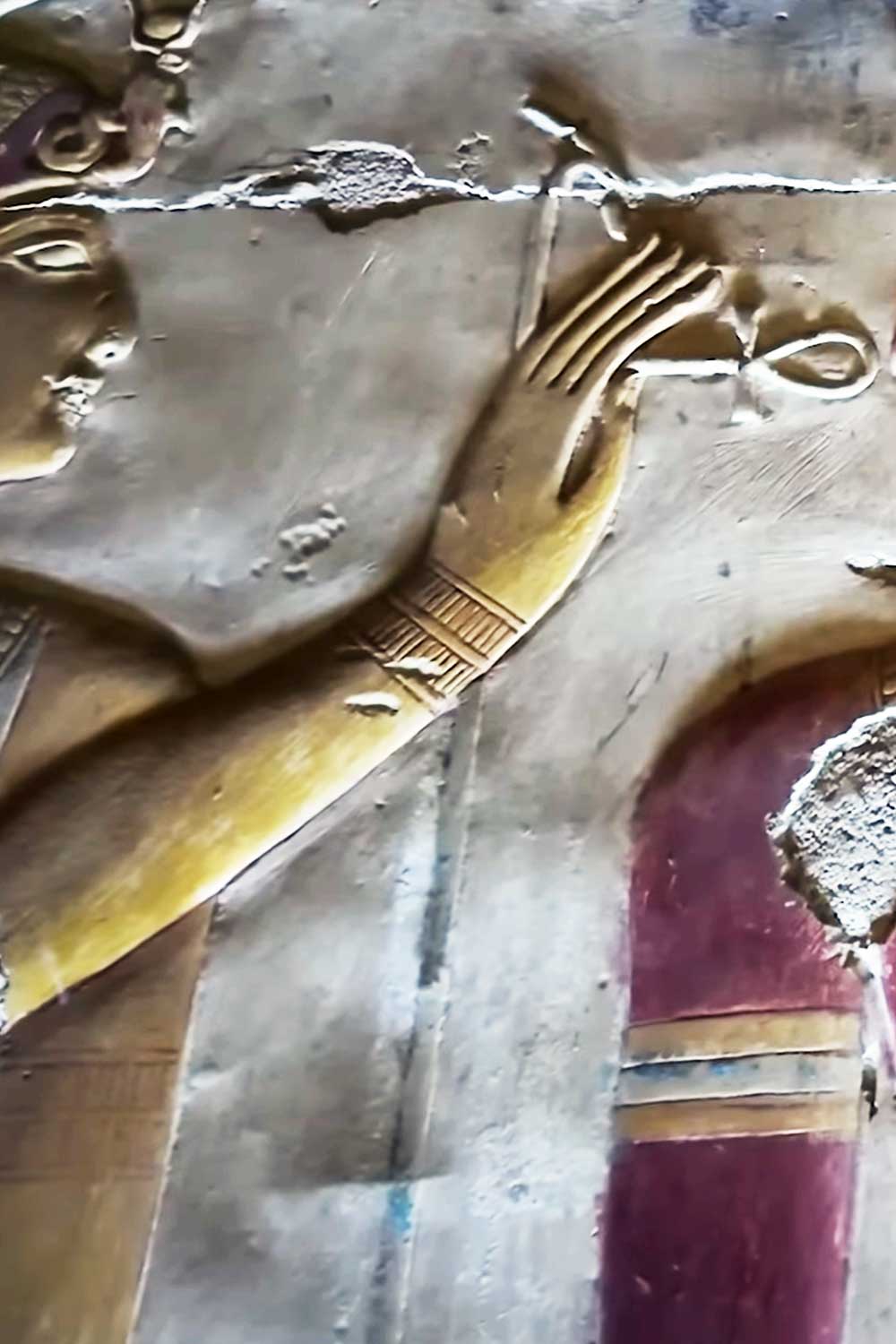
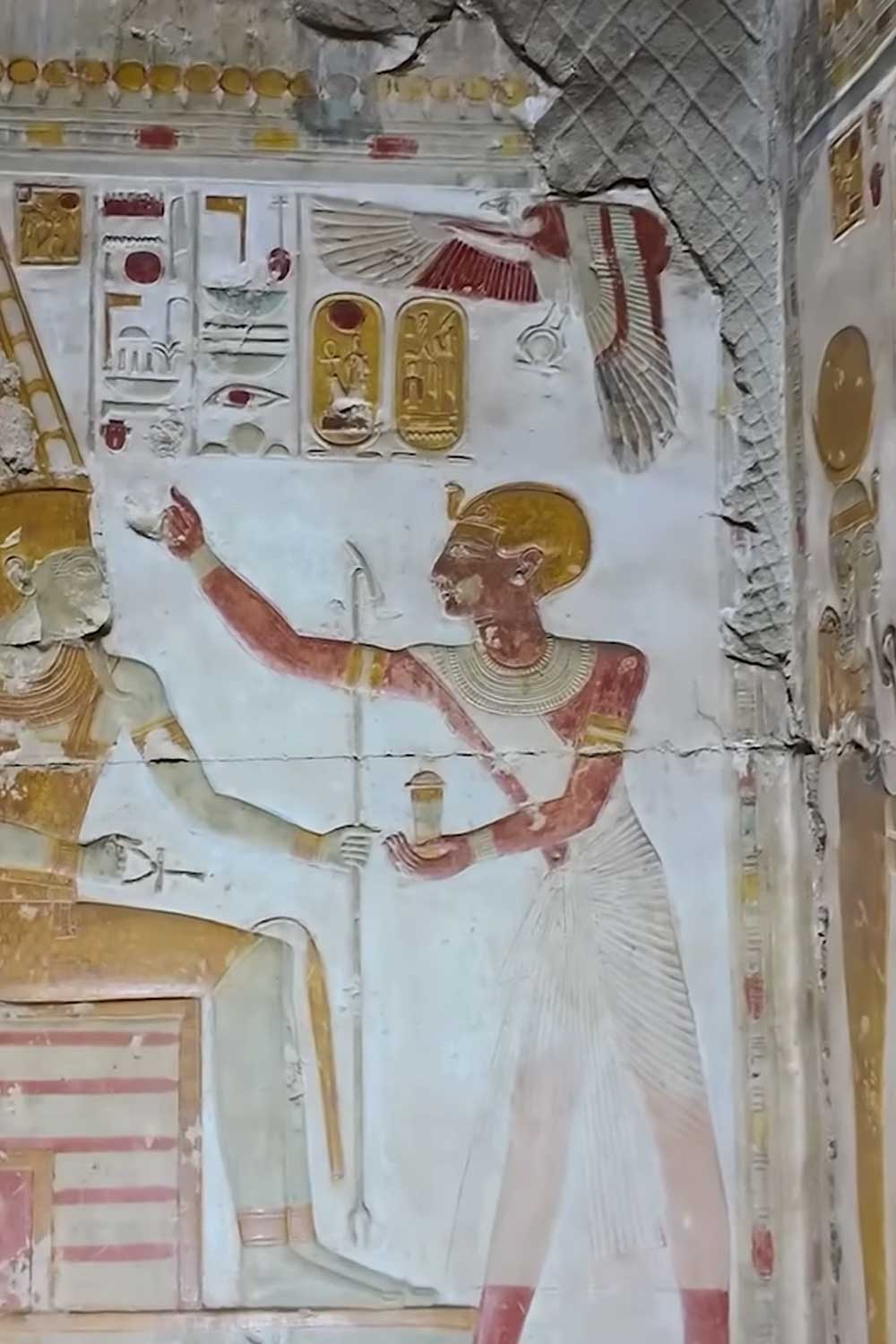
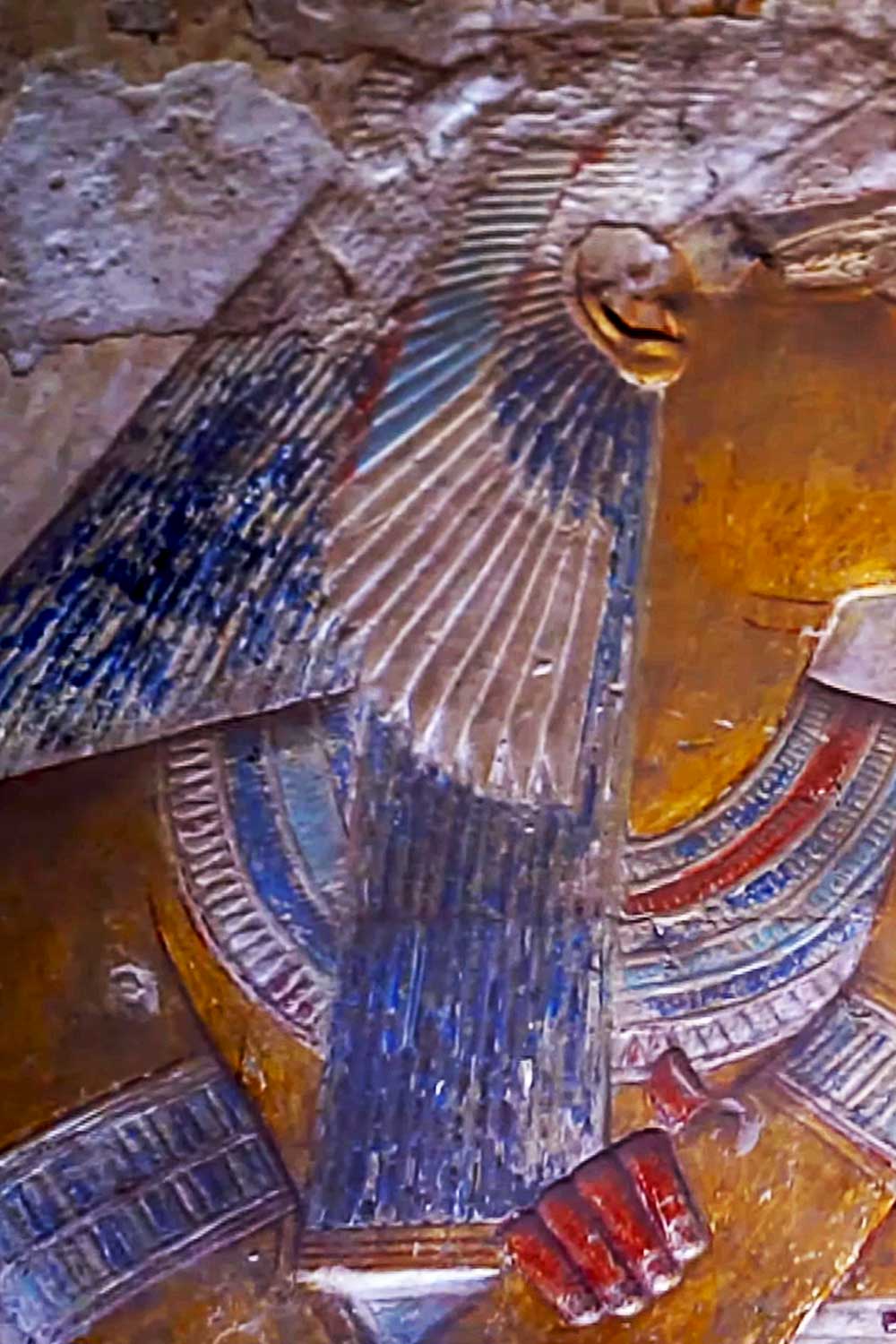
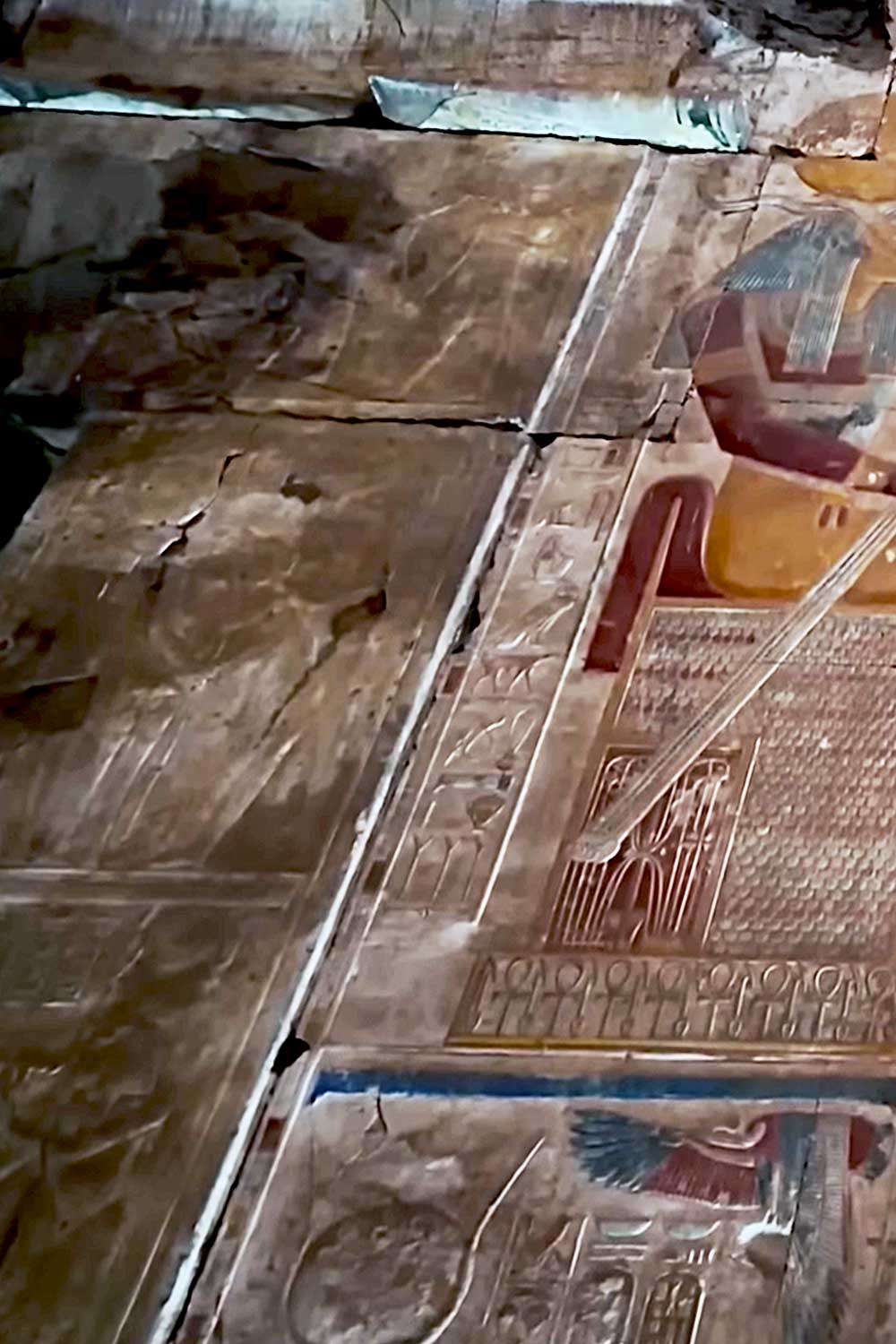
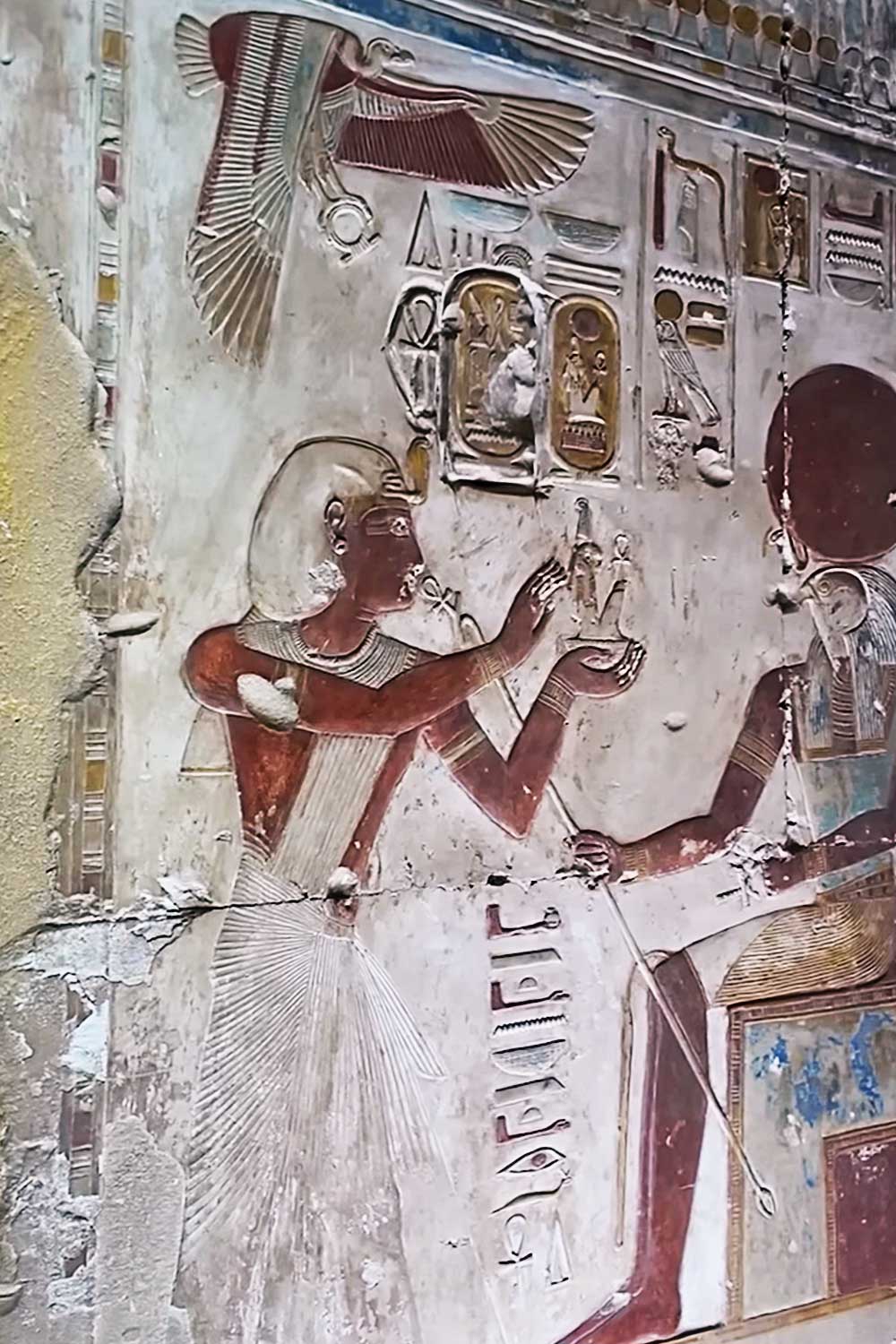
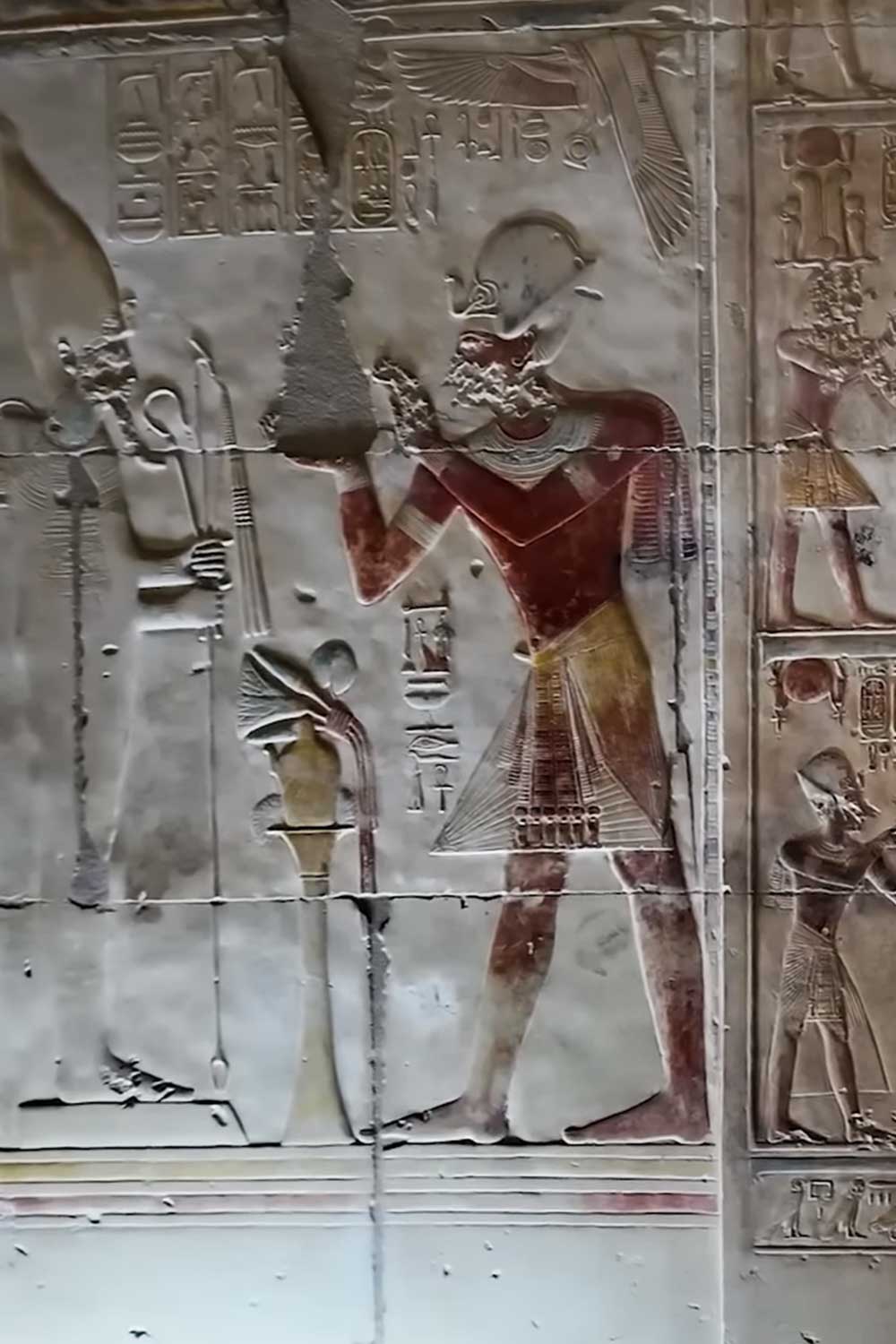
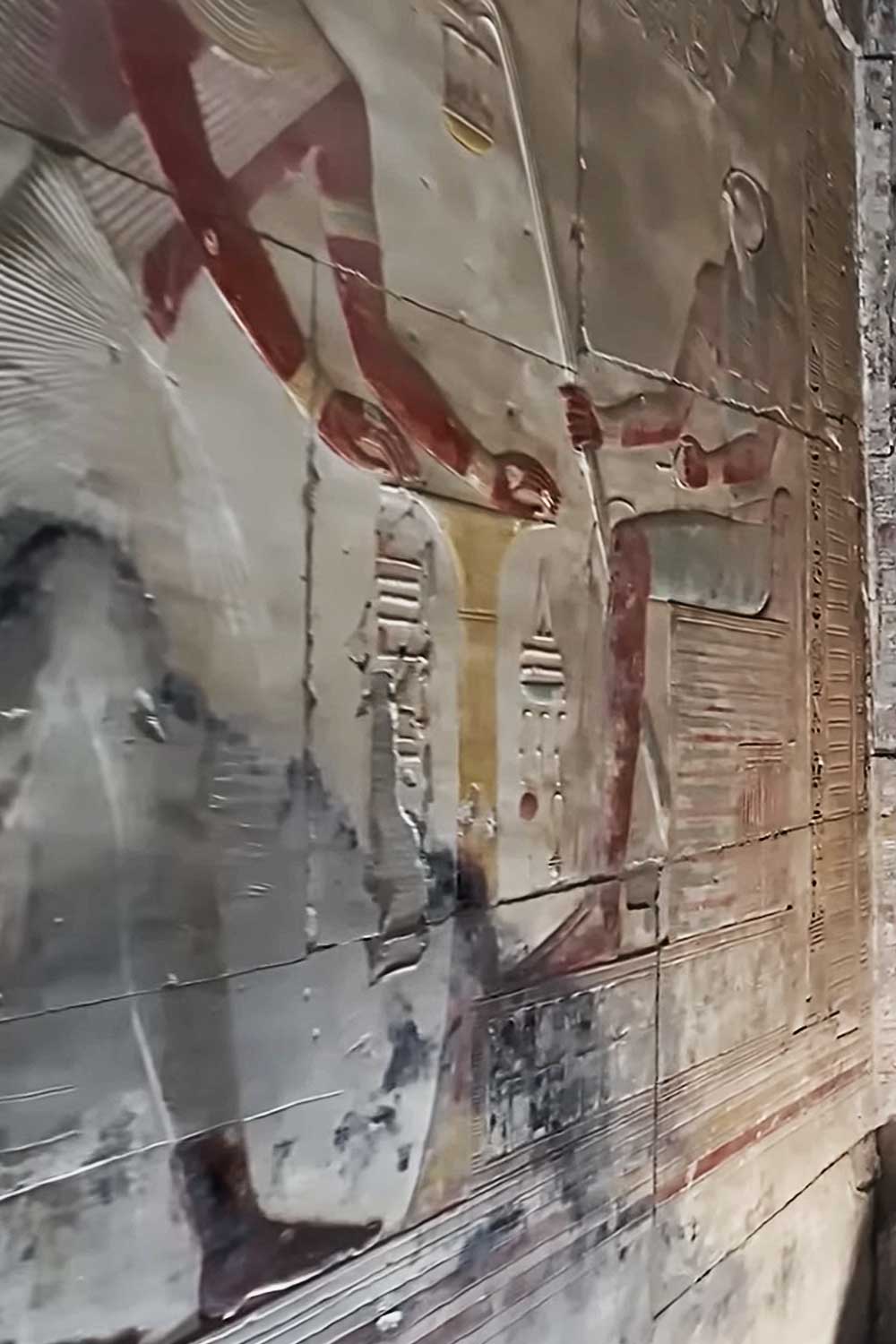
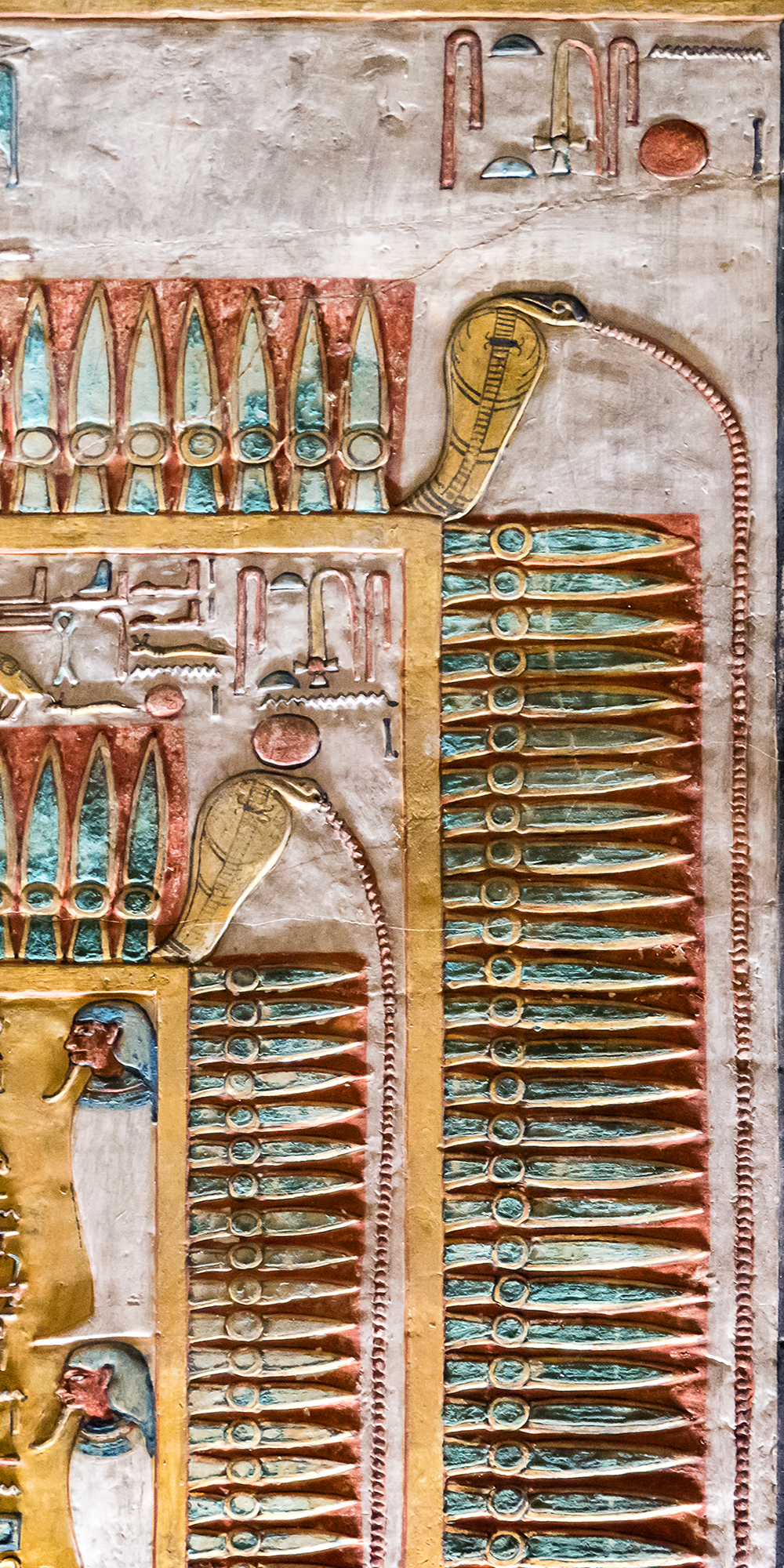
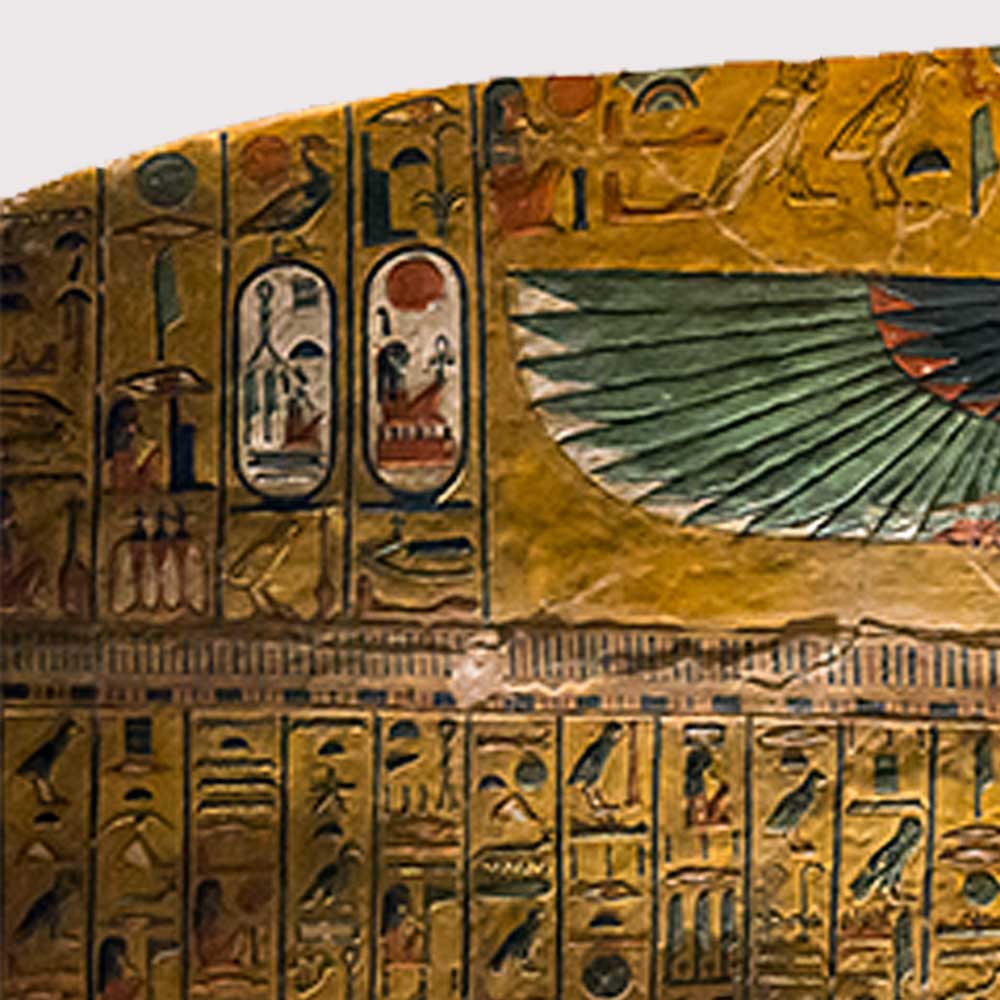 1.) In ancient Egypt, the wings of the goddess Isis
symbolize protection, embracing, and transformation. Isis is one of the oldest gods in the ancient Egyptian pantheon.
1.) In ancient Egypt, the wings of the goddess Isis
symbolize protection, embracing, and transformation. Isis is one of the oldest gods in the ancient Egyptian pantheon.
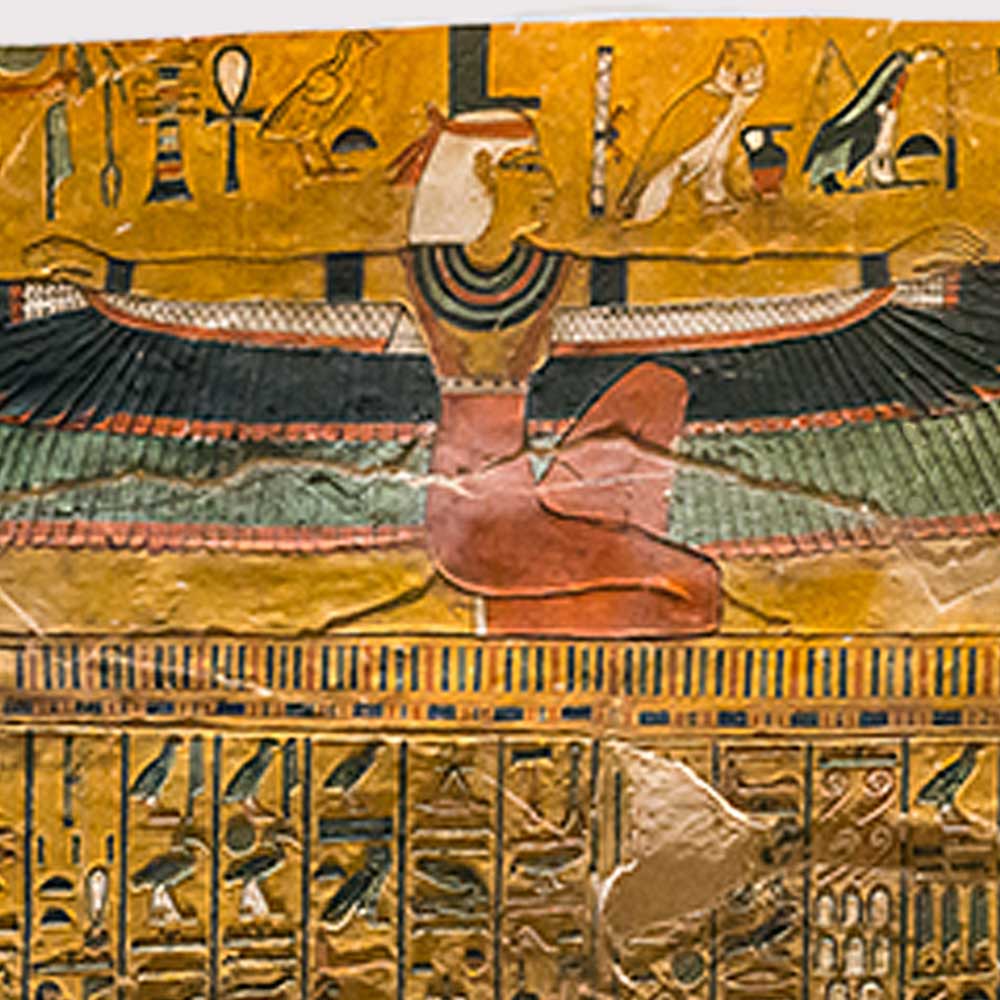 2.) Isis's protective wings are seen in an Egyptian
mourning posture that mimics Osiris's embrace. The wings also symbolize safety because they are depicted as spread out, which is a protective
gesture in Egyptian art.
2.) Isis's protective wings are seen in an Egyptian
mourning posture that mimics Osiris's embrace. The wings also symbolize safety because they are depicted as spread out, which is a protective
gesture in Egyptian art.
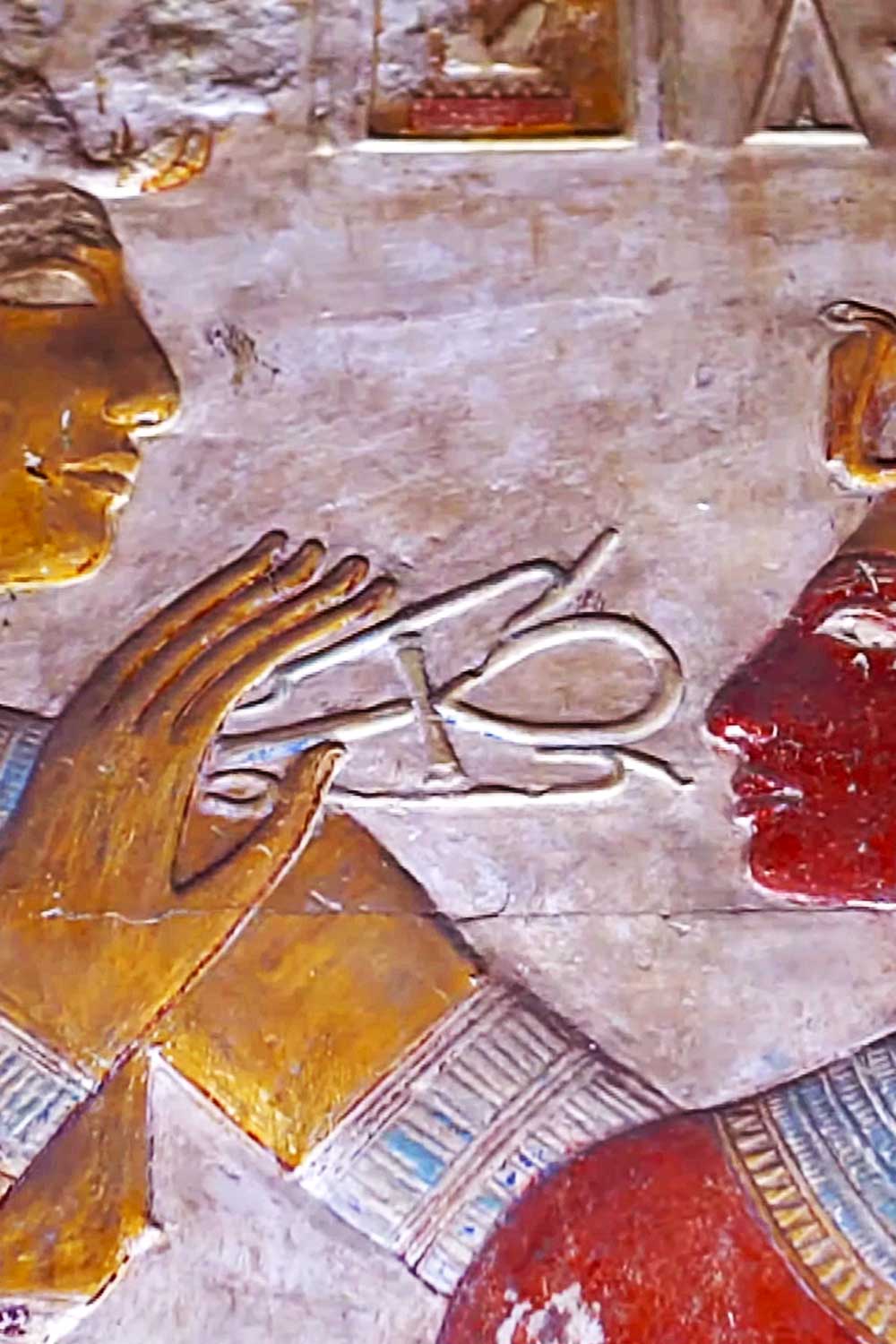
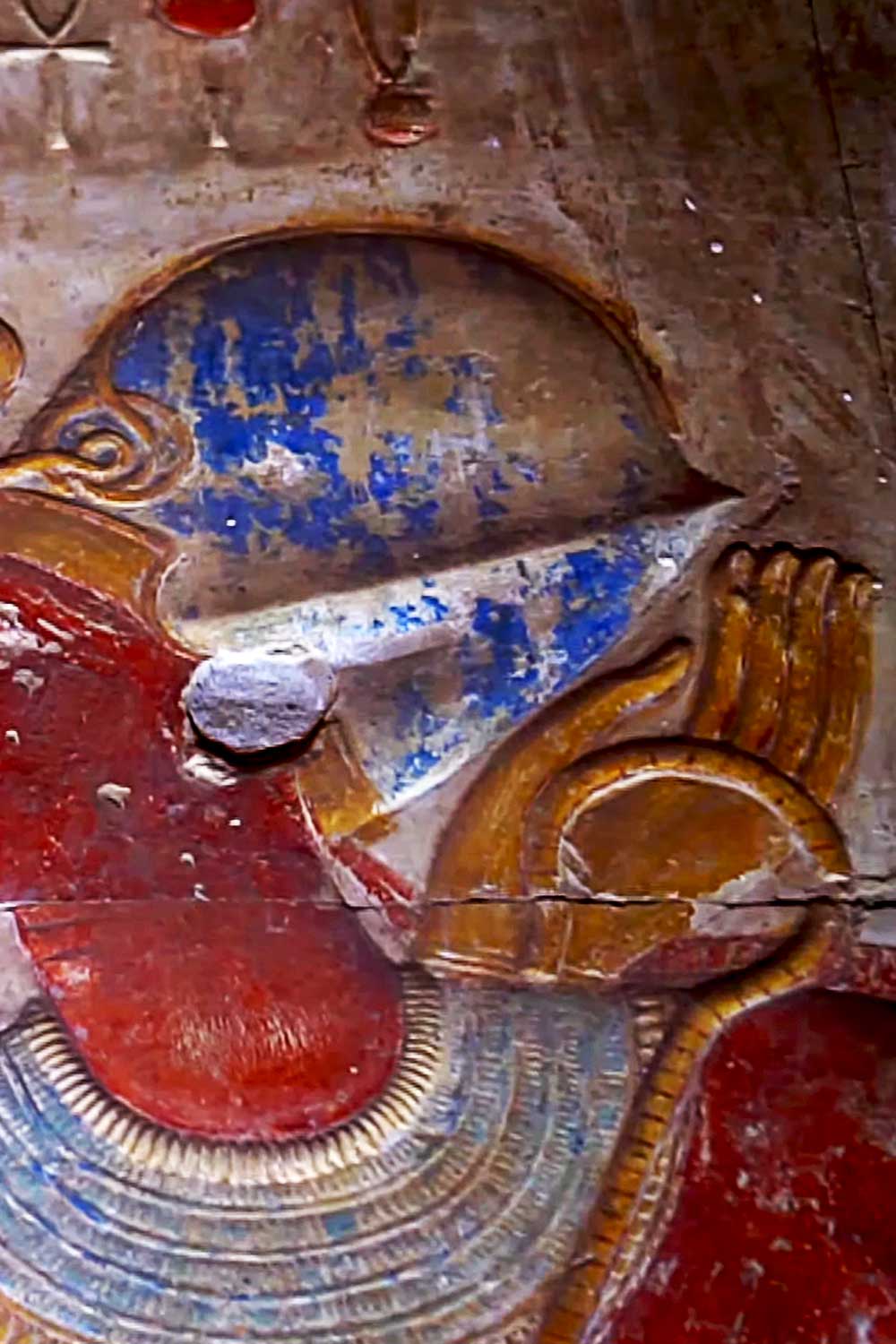
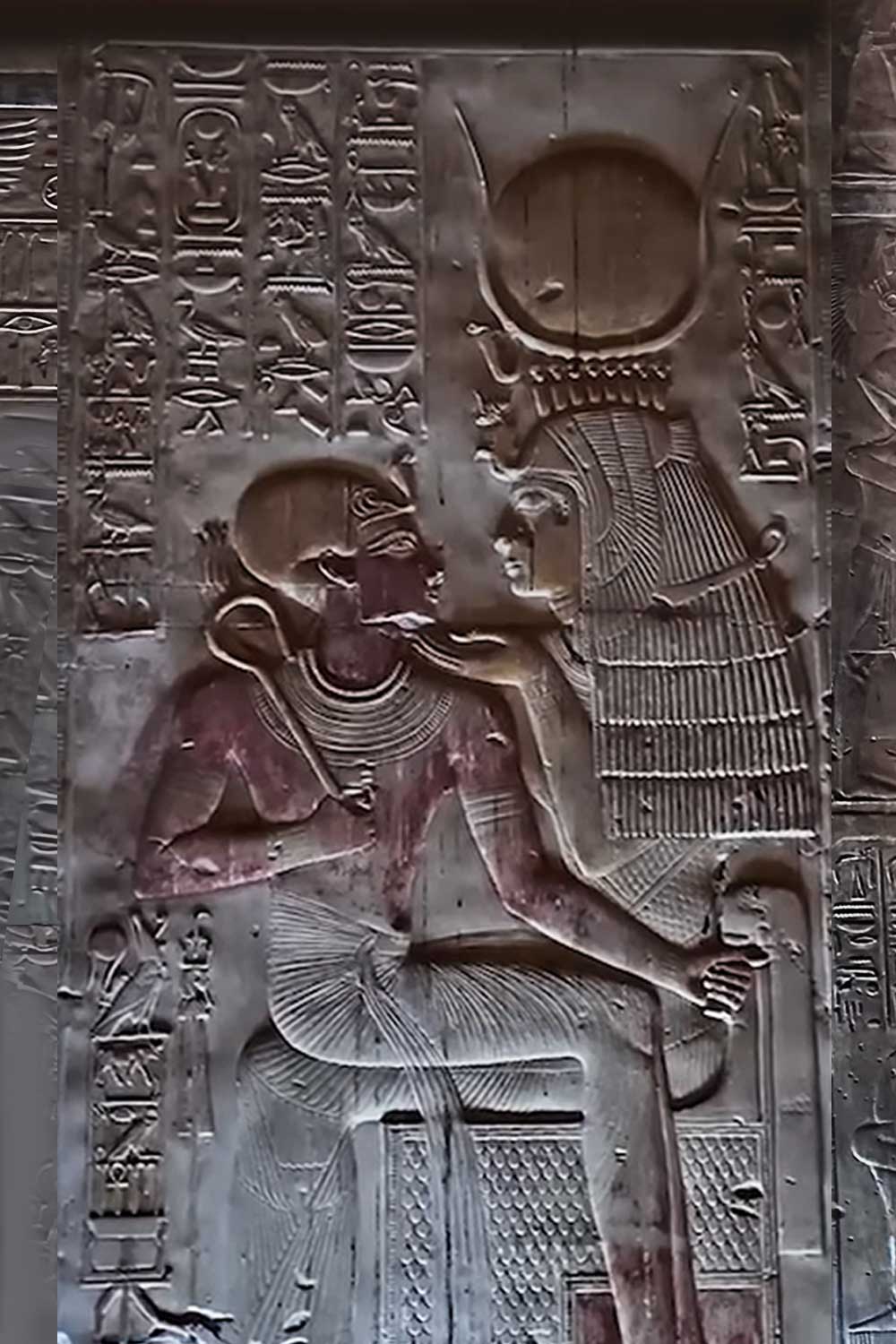
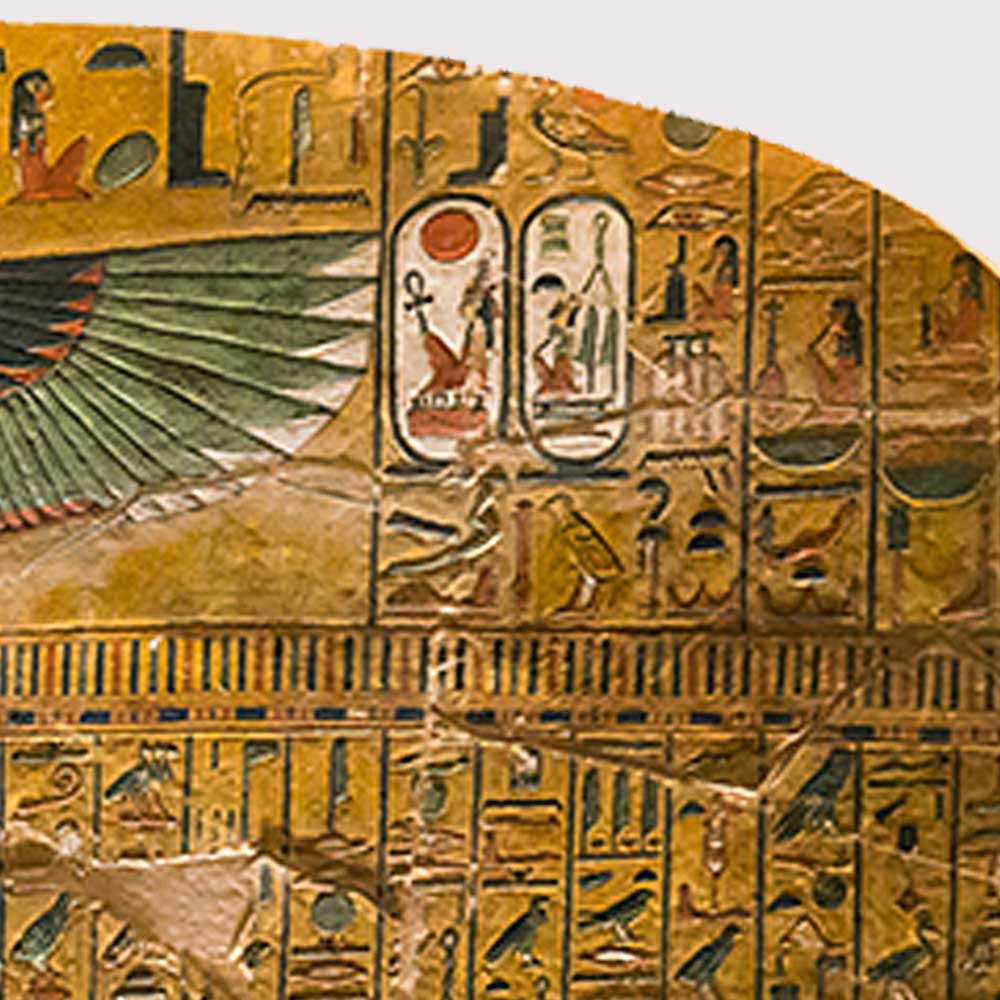 3.) Isis is connected to the symbol of the kite
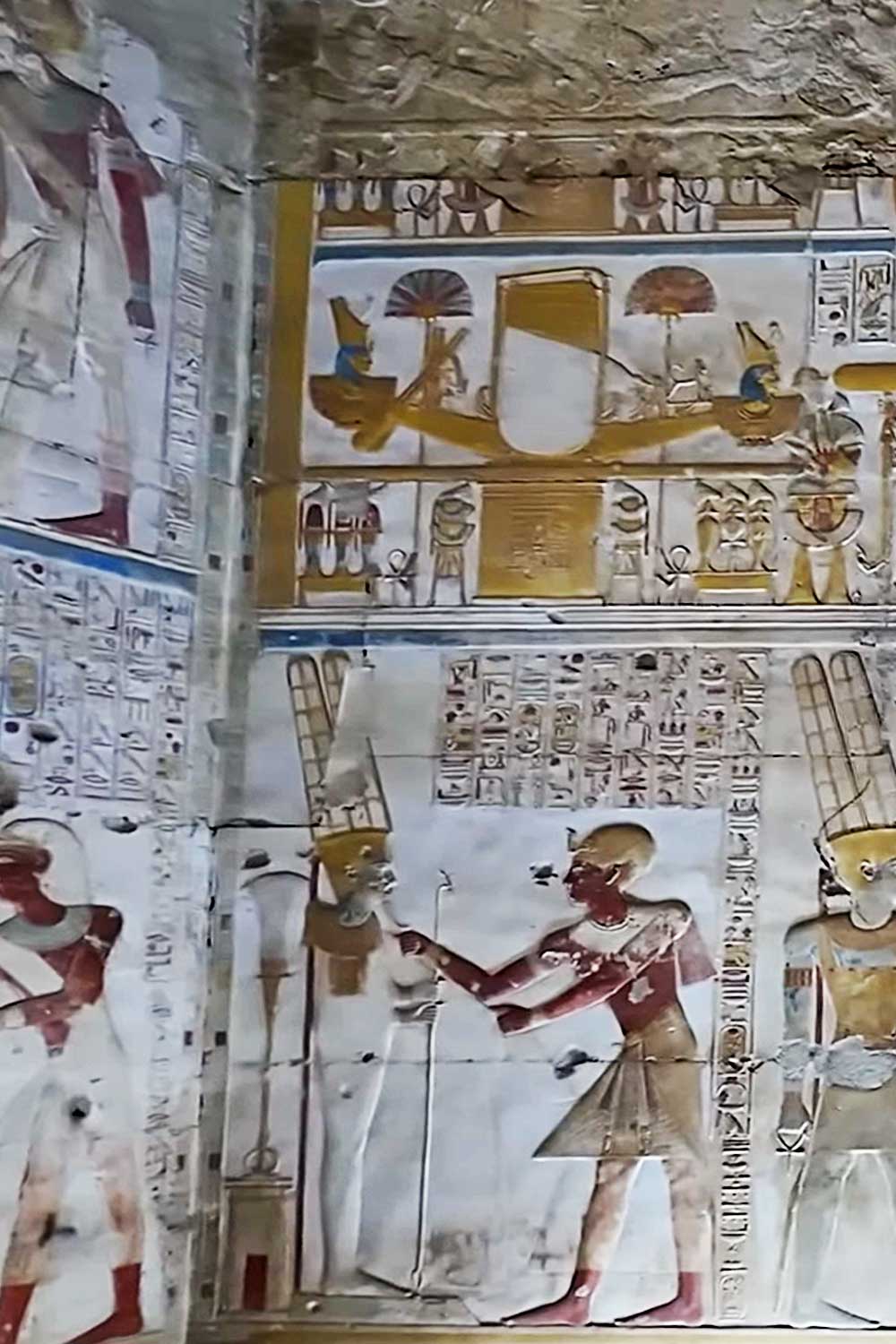
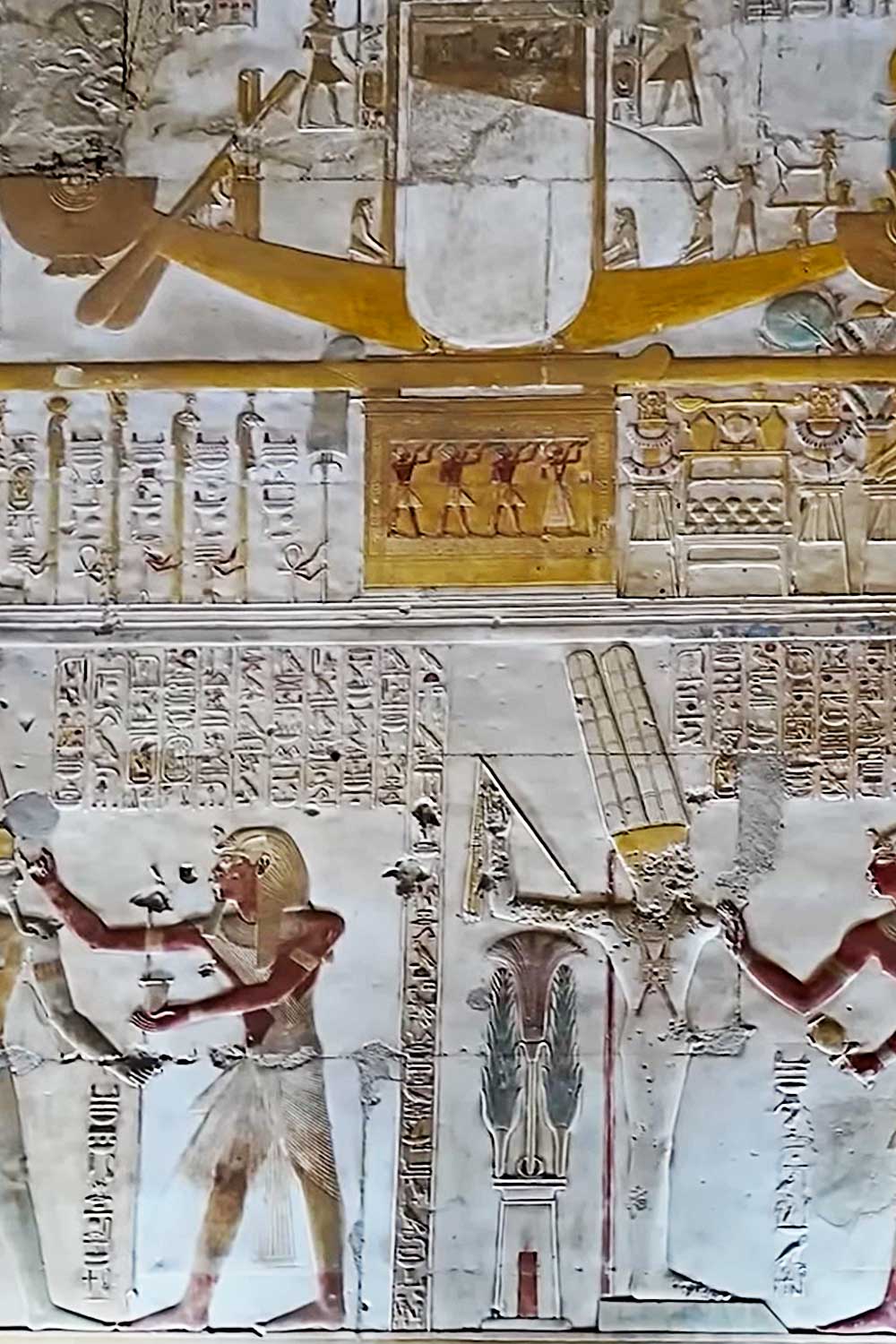
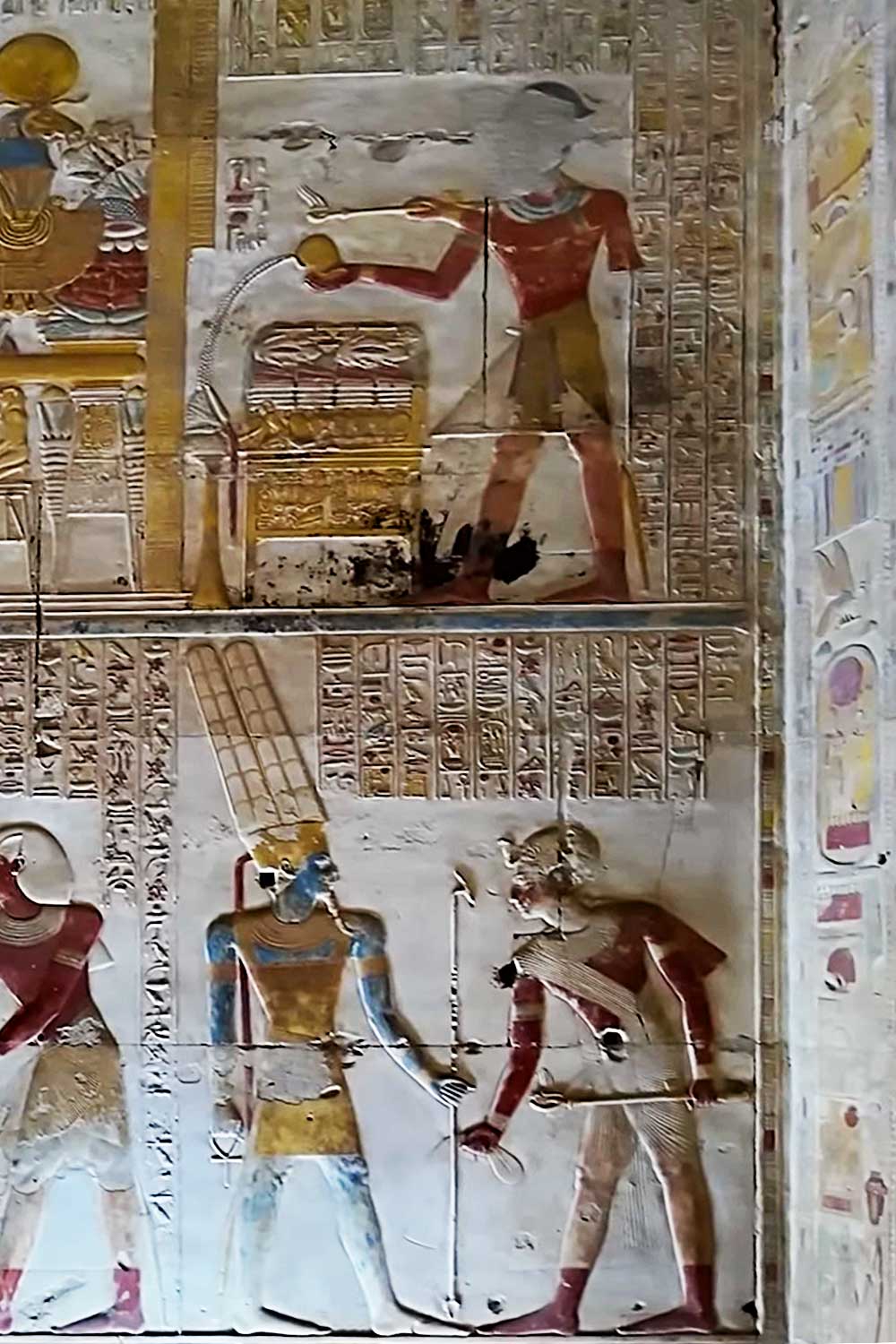
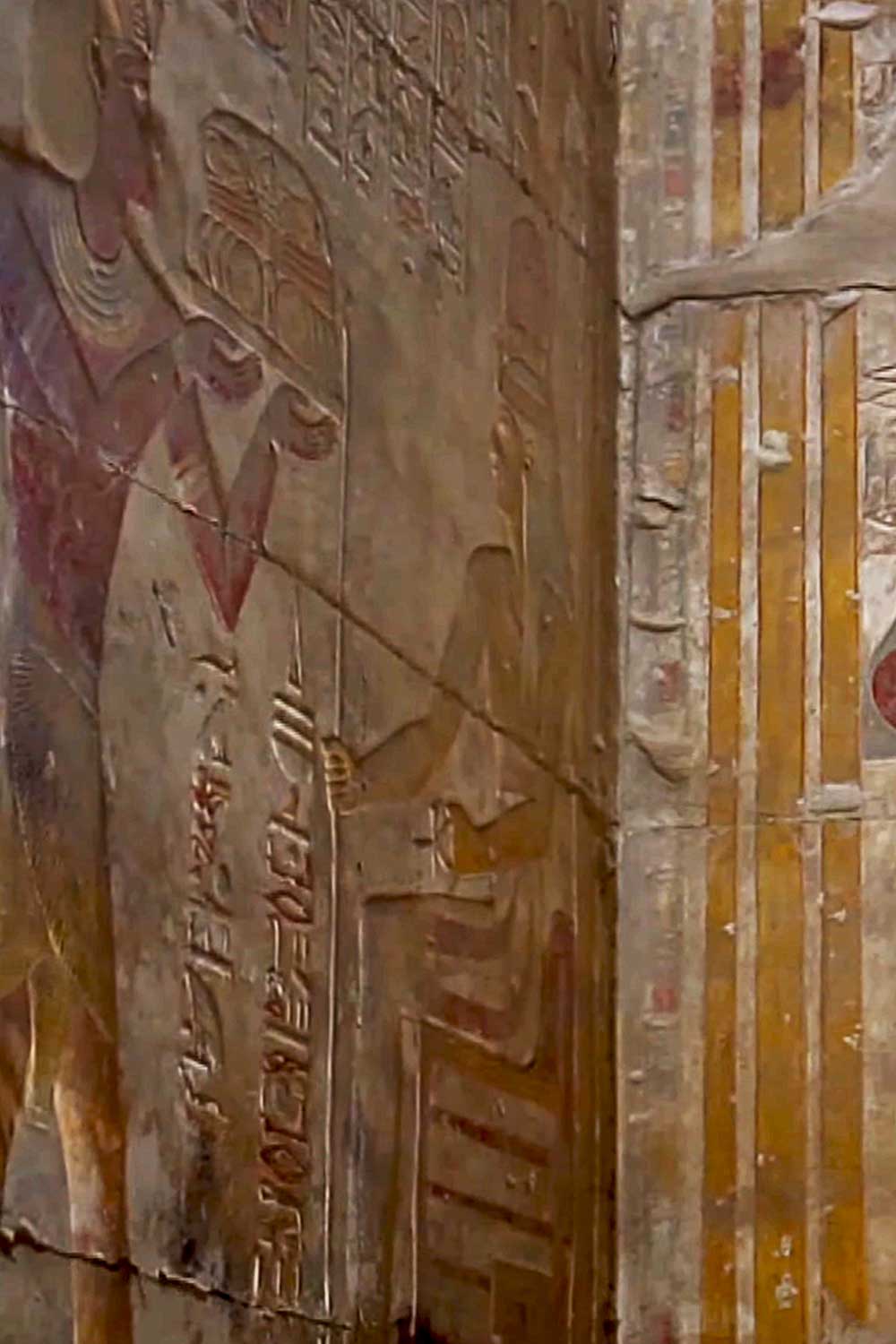
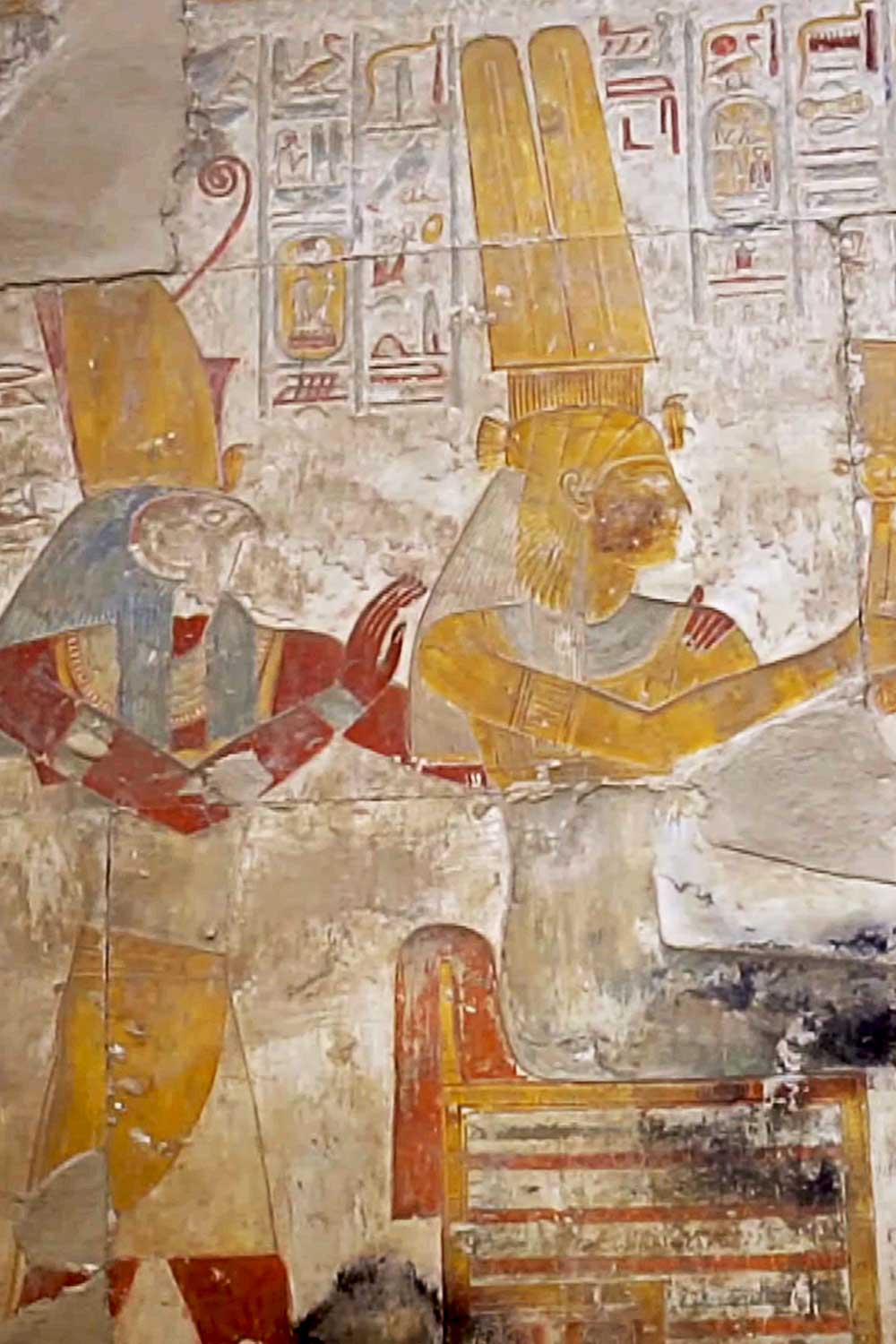
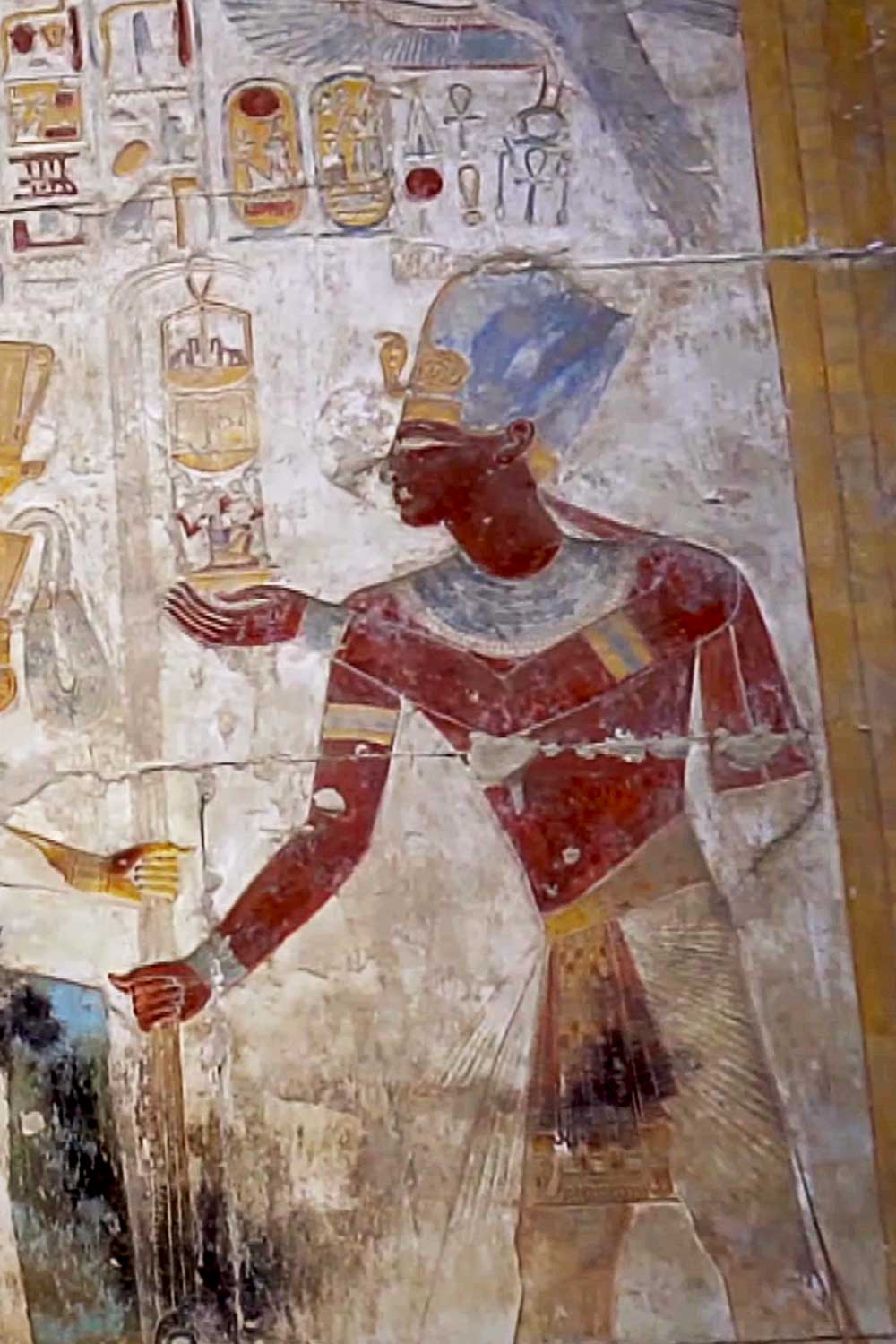
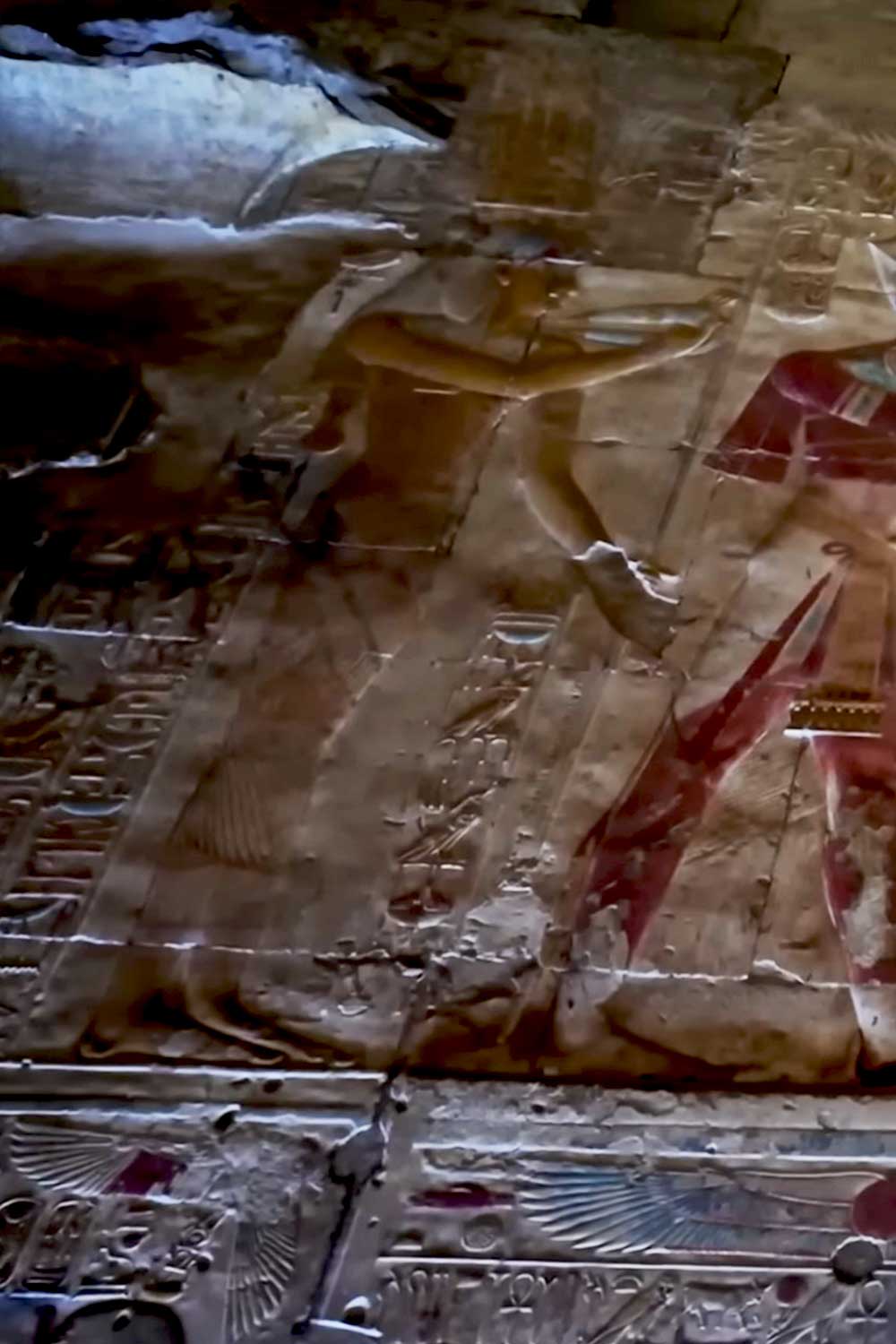
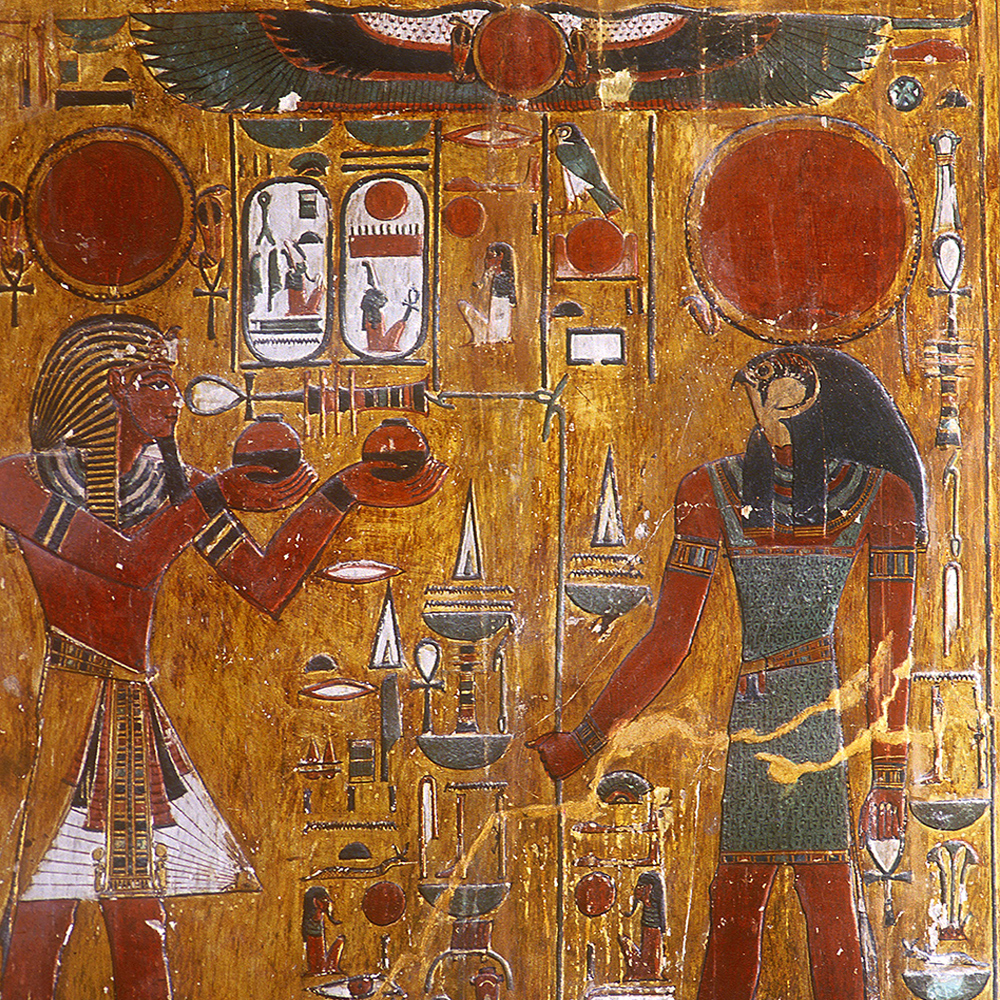
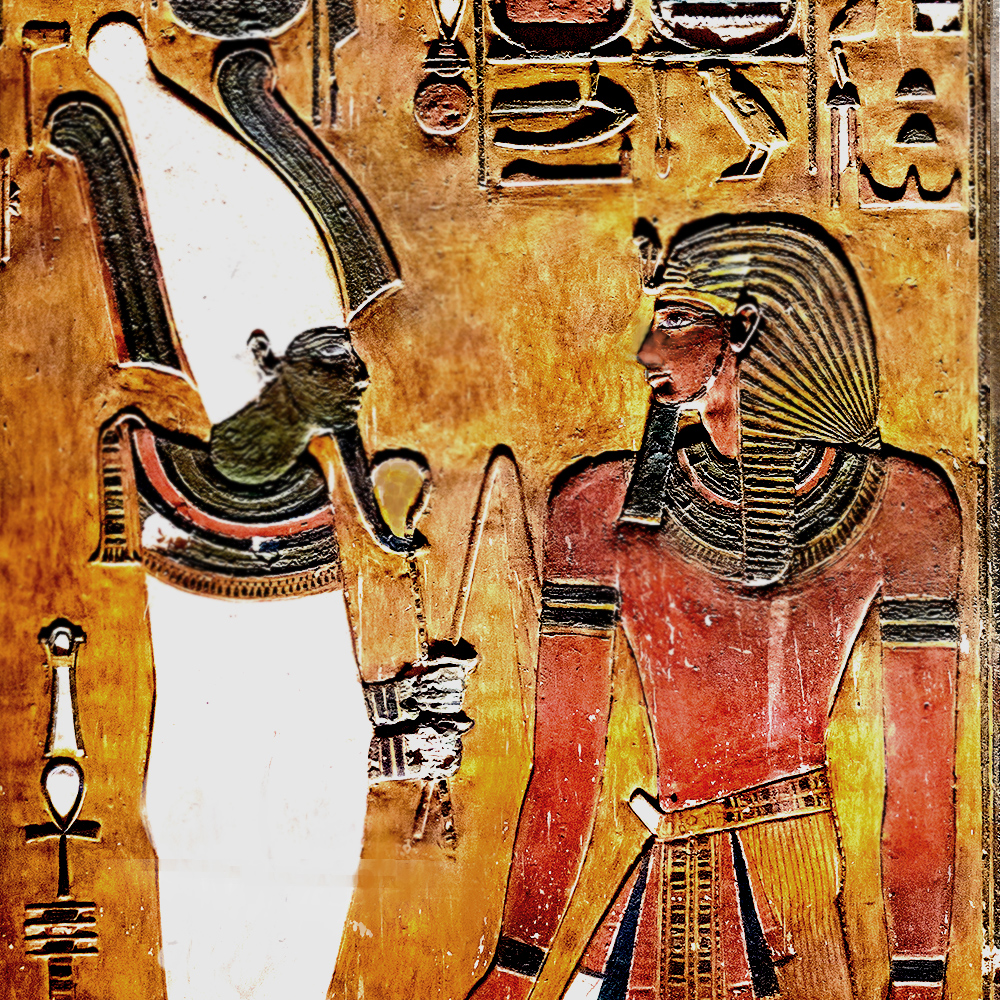
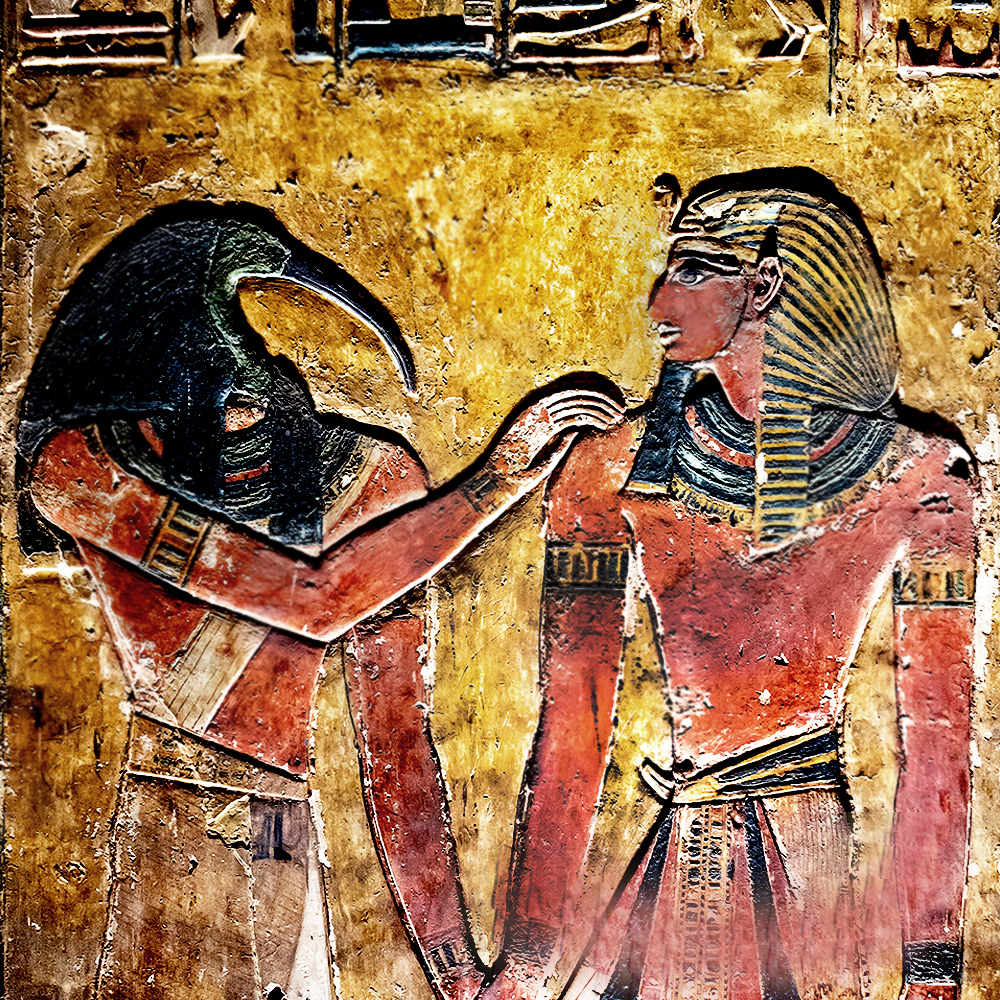
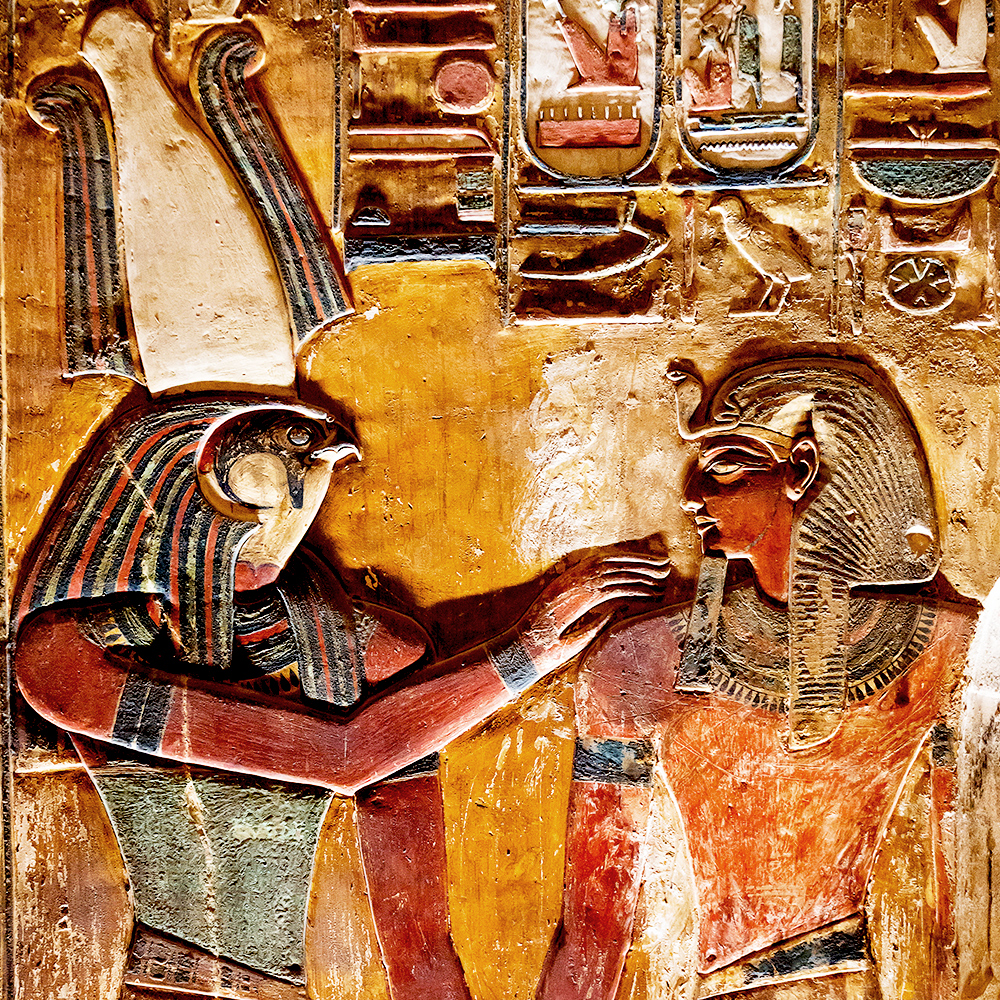
hawk and wings because of her ability to transform into a bird. She is often depicted with a moon disk and cow horns. Tomb of Pharaoh Seti I, KV17
3.) Isis is connected to the symbol of the kite
hawk and wings because of her ability to transform into a bird. She is often depicted with a moon disk and cow horns. Tomb of Pharaoh Seti I, KV17
 Top
Top