The Reclining Nude
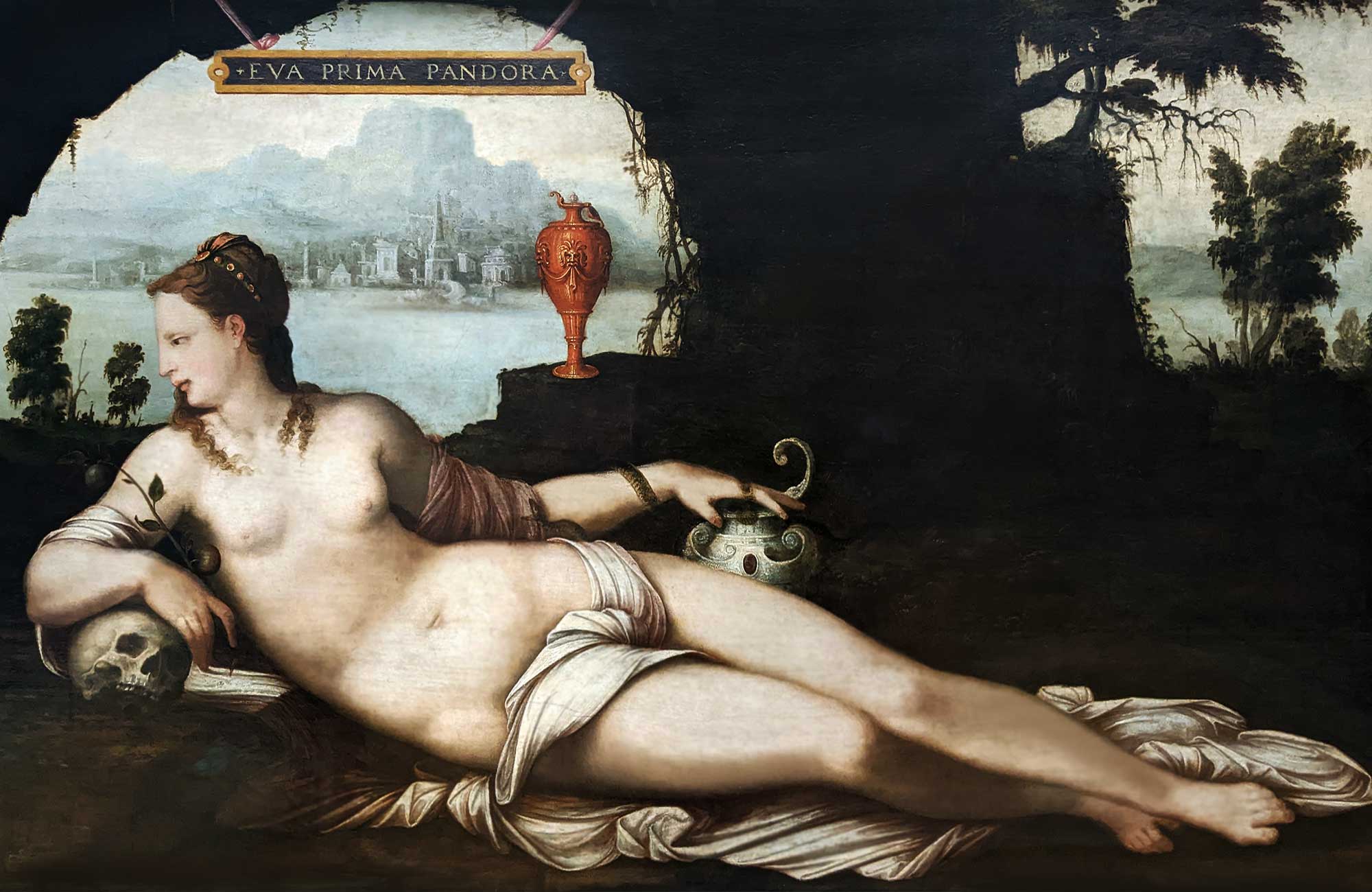
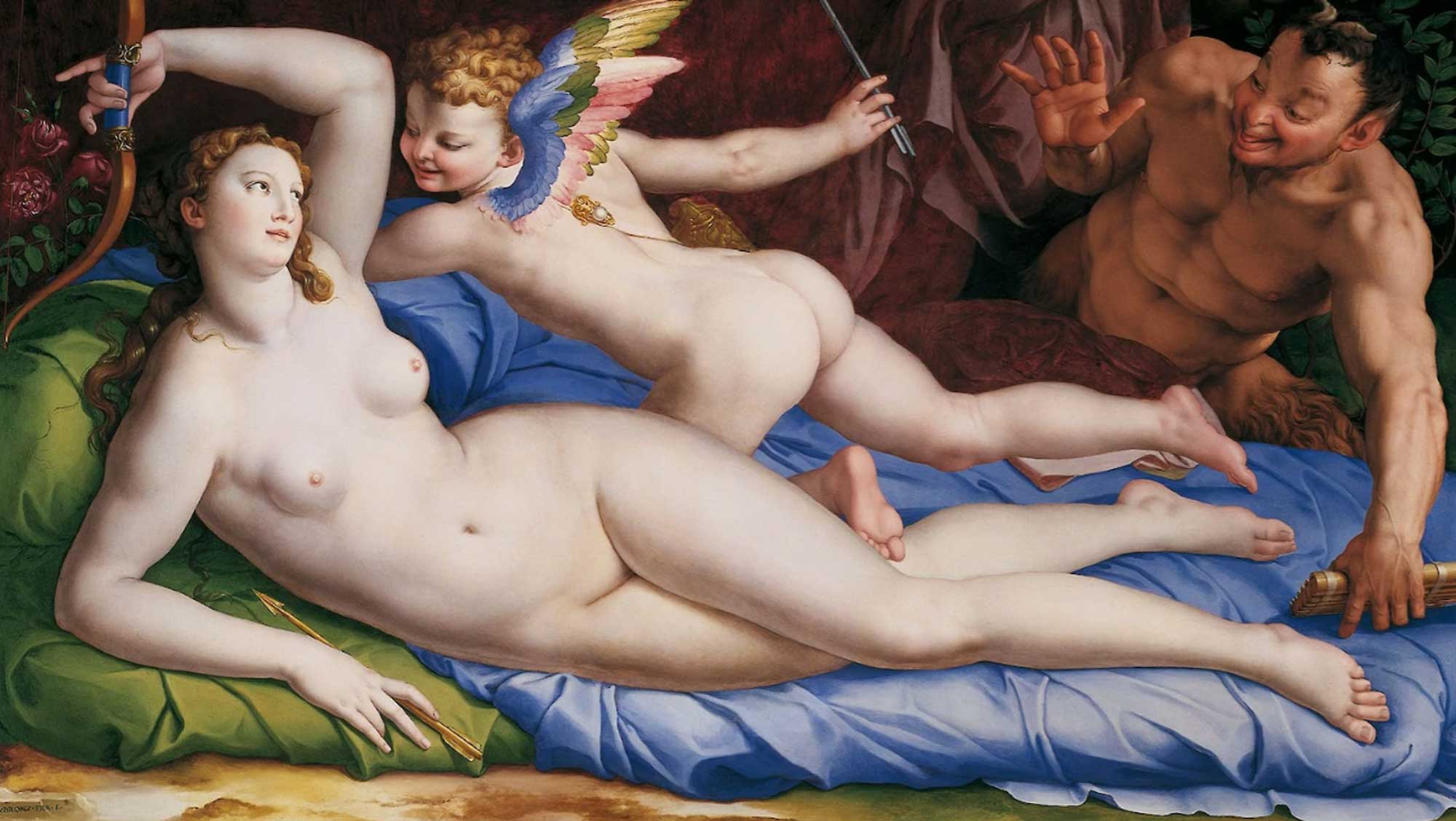
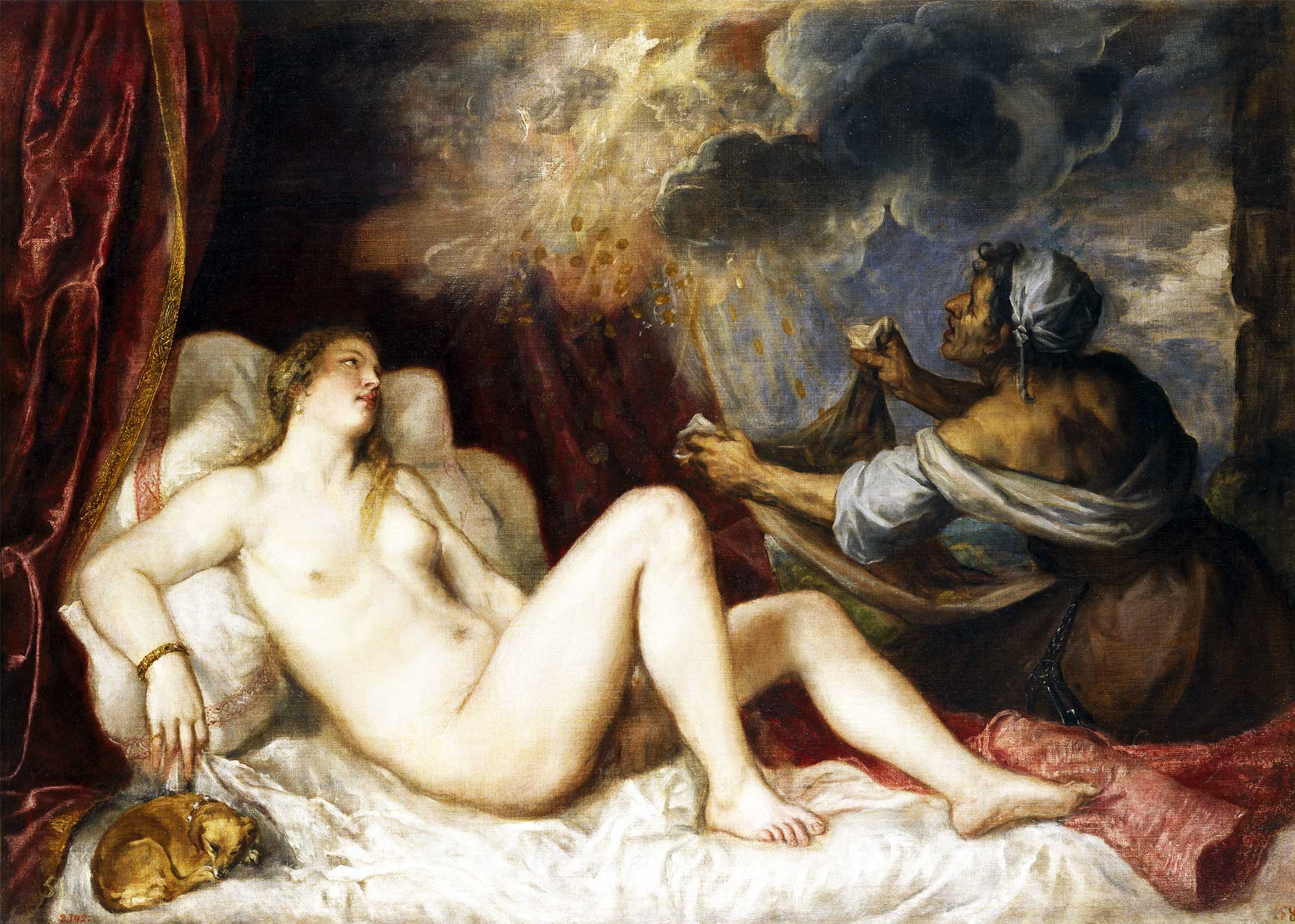
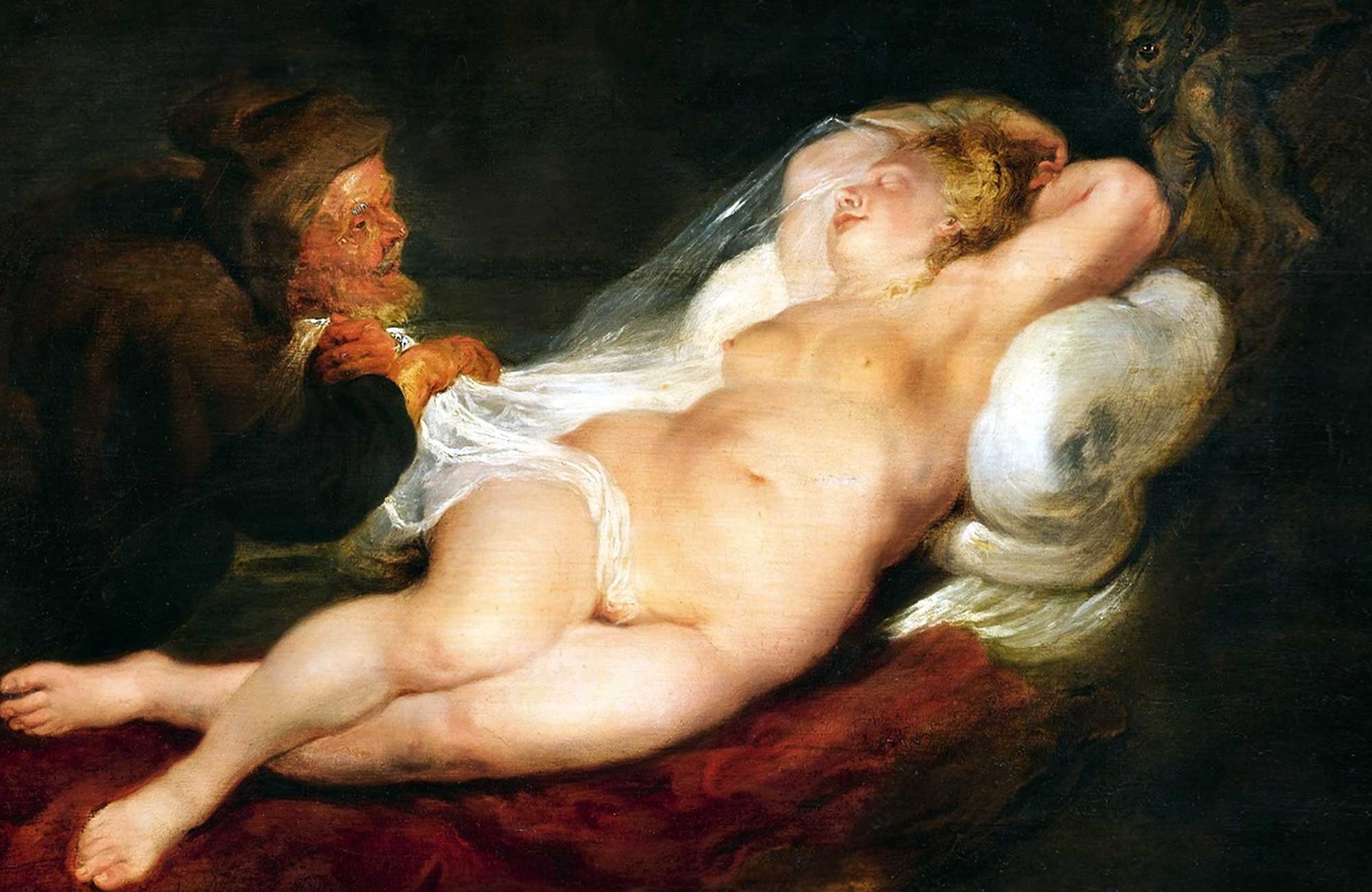
The reclining female nude may strike modern viewers as a cliché, yet in the Western tradition it emerged as one of the Renaissance’s most
radical pictorial inventions. In the early sixteenth century it crystallized into a distinct genre in which the female body became the central subject of
painting—displayed full‑length, arranged in a state of relaxed repose, and framed so that hands and feet remain elegantly contained within the canvas. Whether
meeting the viewer’s gaze or lying in a profound sleep, these figures cultivate an intimacy that borders on voyeurism. The genre’s first fully realized expression
appears in the work of Giorgio Barbarelli da Castelfranco (1470–1510), known as Giorgione, whose Sleeping Venus (1510) is widely regarded as the earliest modern
painting to present the nude female figure as the sole protagonist of the composition.
Although Gardner’s Art Through the Ages, the definitive survey text for art history, acknowledges Giorgione’s Sleeping Venus only briefly—mentioning it as an
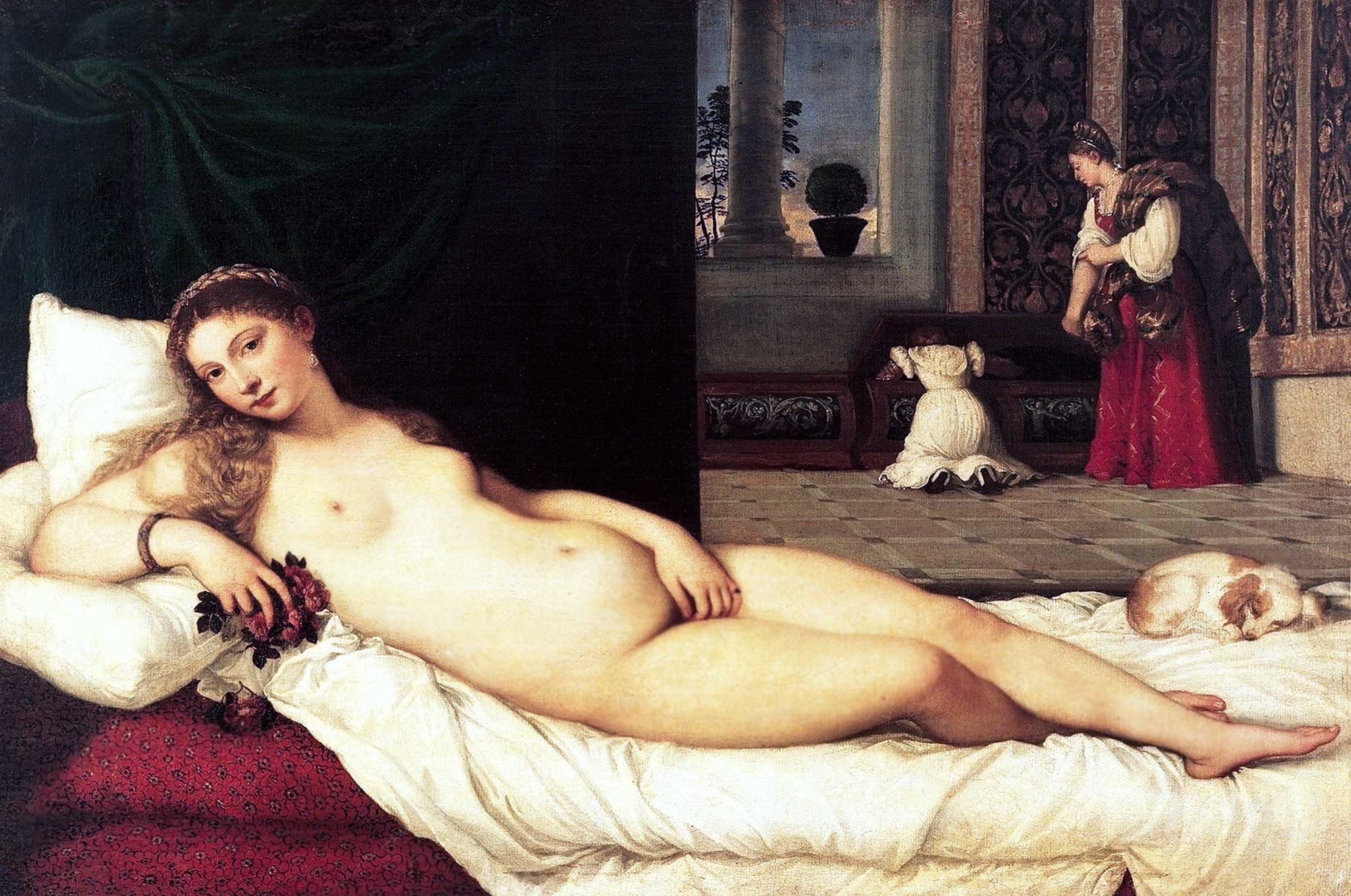
earlier prototype for Titian’s Venus of Urbino 24 years later it provides no image of Giorgione’s work and instead illustrates the
later Titian. This omission obscures the originality and significance of Giorgione’s conception: its serene fusion of idealized beauty, sensual presence,
and poetic stillness. In The Sleeping Venus, the reclining nude becomes not merely a motif but a new visual paradigm, one that would shape European art for
centuries. The influence of Giorgione’s invention was immediate and far‑reaching.
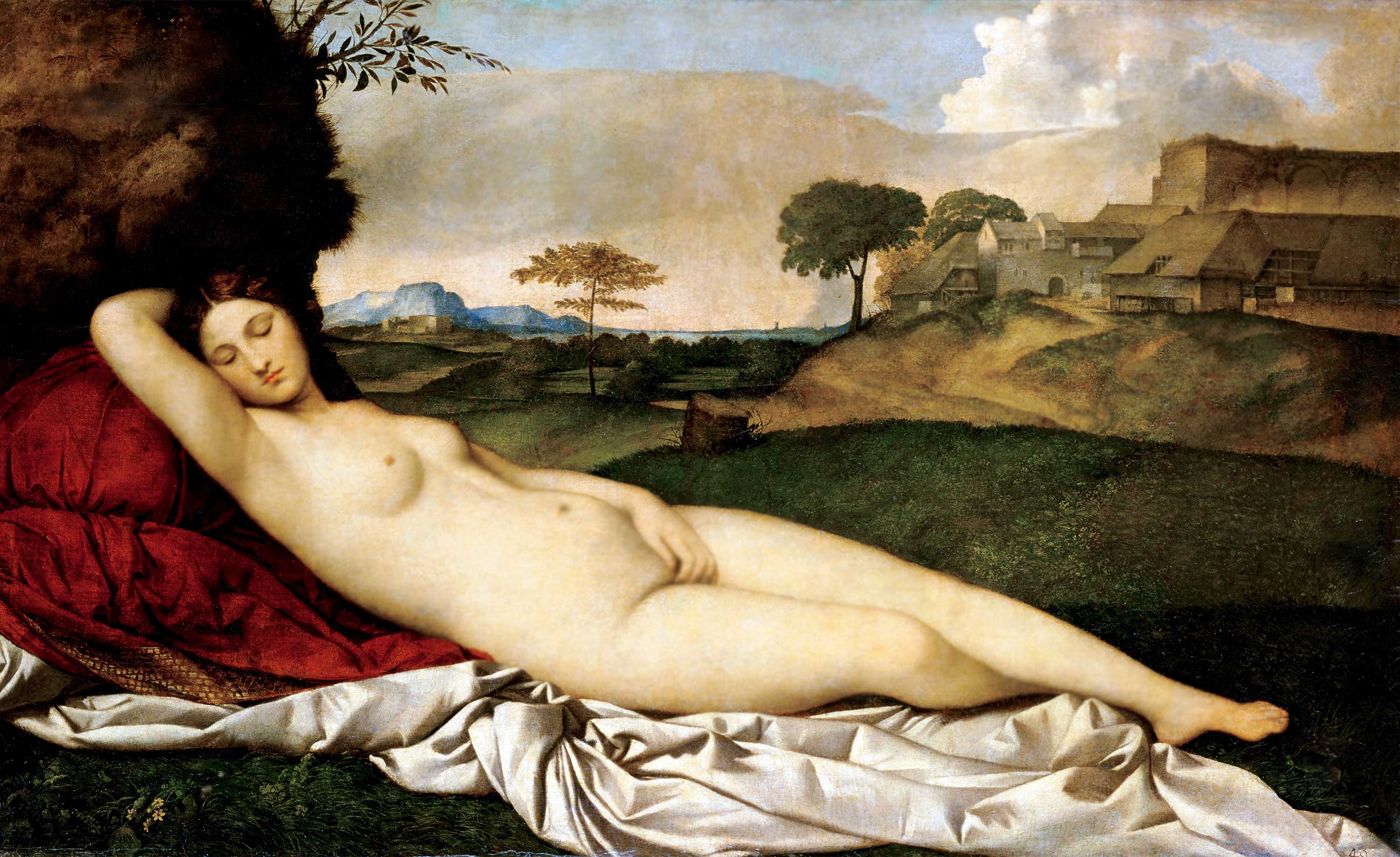 Giorgione, Sleeping Venus, 1510, Oil on canvas, Gemäldegalerie Museum, Dresden
Giorgione’s Sleeping Venus (1510) is to the development of the painted nude what Leonardo da Vinci’s Mona Lisa (1505) is to the evolution of the painted portrait:
a foundational reimagining of how the human figure could be represented. Just as Leonardo transformed portraiture through his subtle sfumato—those softly blended layers
of translucent glazes that animate the corners of the mouth and eyes, creating an unprecedented psychological presence—Giorgione revolutionized the nude by placing a
life‑sized female figure in a unified imaginary landscape, her body harmonized with the sky and terrain around her. His contouring line and delicate modeling of flesh
suggest true depth and form, yet the figure is not offered as an object of erotic display. Instead, she is a goddess absorbed in sleep, unaware of the viewer who
intrudes upon her private world. Giorgione makes us voyeurs, but he also elevates the subject: for the first time, the female nude becomes painted poetry, articulated
through a new visual language that would shape European art for centuries.
Set within a serene landscape, the goddess lies unaware of the viewer’s presence, her body modeled with a softness and emotional subtlety that mark a decisive shift
in the representation of the nude. Giorgione treats the subject not as an erotic display but as an innocent meditation, inaugurating a new visual language that would
shape European art for centuries. The landscape—balanced between cultivated architecture on the right and a protective hillside under a gathering storm on the
left—creates a unified, enigmatic setting that heightens the figure’s presence. Although Giorgione died before the painting was completed and Titian likely finished
certain passages, the work stands as the summit of Giorgione’s brief career and a cornerstone of the Venetian Renaissance.
Giorgione, Sleeping Venus, 1510, Oil on canvas, Gemäldegalerie Museum, Dresden
Giorgione’s Sleeping Venus (1510) is to the development of the painted nude what Leonardo da Vinci’s Mona Lisa (1505) is to the evolution of the painted portrait:
a foundational reimagining of how the human figure could be represented. Just as Leonardo transformed portraiture through his subtle sfumato—those softly blended layers
of translucent glazes that animate the corners of the mouth and eyes, creating an unprecedented psychological presence—Giorgione revolutionized the nude by placing a
life‑sized female figure in a unified imaginary landscape, her body harmonized with the sky and terrain around her. His contouring line and delicate modeling of flesh
suggest true depth and form, yet the figure is not offered as an object of erotic display. Instead, she is a goddess absorbed in sleep, unaware of the viewer who
intrudes upon her private world. Giorgione makes us voyeurs, but he also elevates the subject: for the first time, the female nude becomes painted poetry, articulated
through a new visual language that would shape European art for centuries.
Set within a serene landscape, the goddess lies unaware of the viewer’s presence, her body modeled with a softness and emotional subtlety that mark a decisive shift
in the representation of the nude. Giorgione treats the subject not as an erotic display but as an innocent meditation, inaugurating a new visual language that would
shape European art for centuries. The landscape—balanced between cultivated architecture on the right and a protective hillside under a gathering storm on the
left—creates a unified, enigmatic setting that heightens the figure’s presence. Although Giorgione died before the painting was completed and Titian likely finished
certain passages, the work stands as the summit of Giorgione’s brief career and a cornerstone of the Venetian Renaissance.
 Top
Top