TOMB OF NEFERTARI, QV66
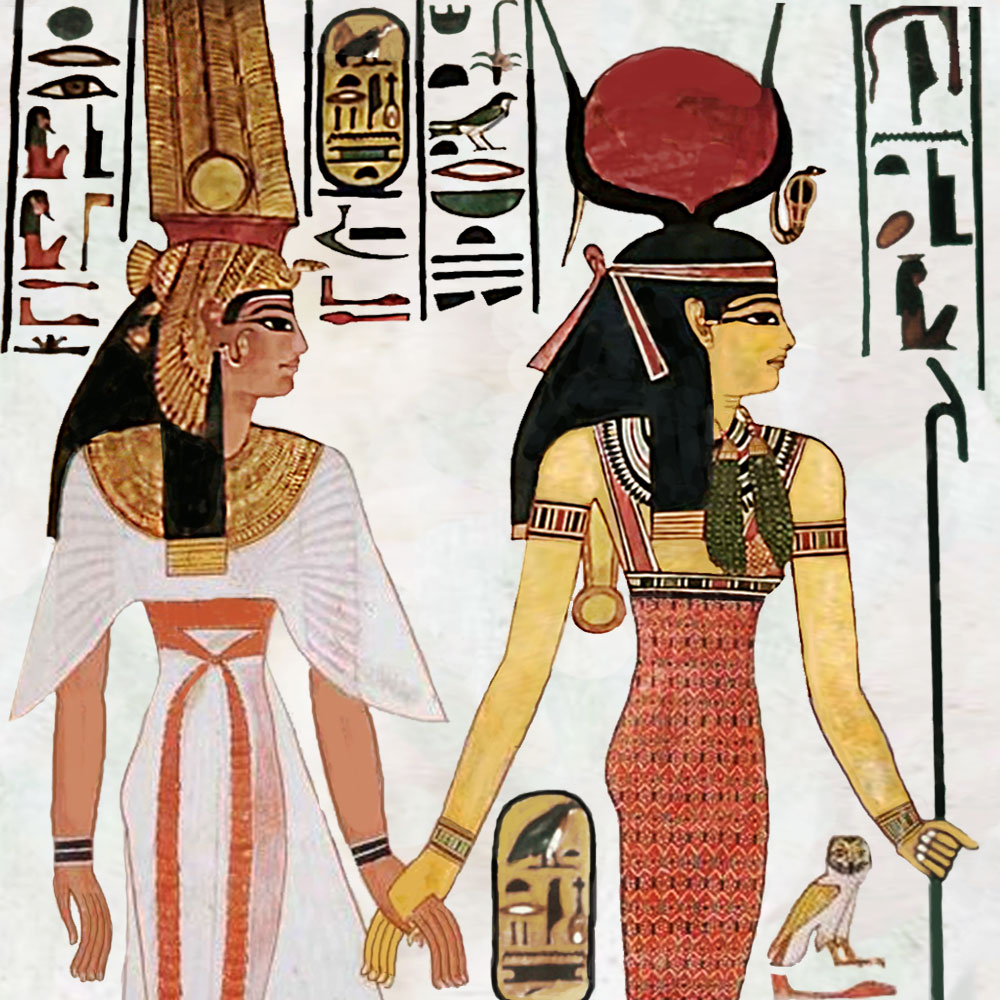
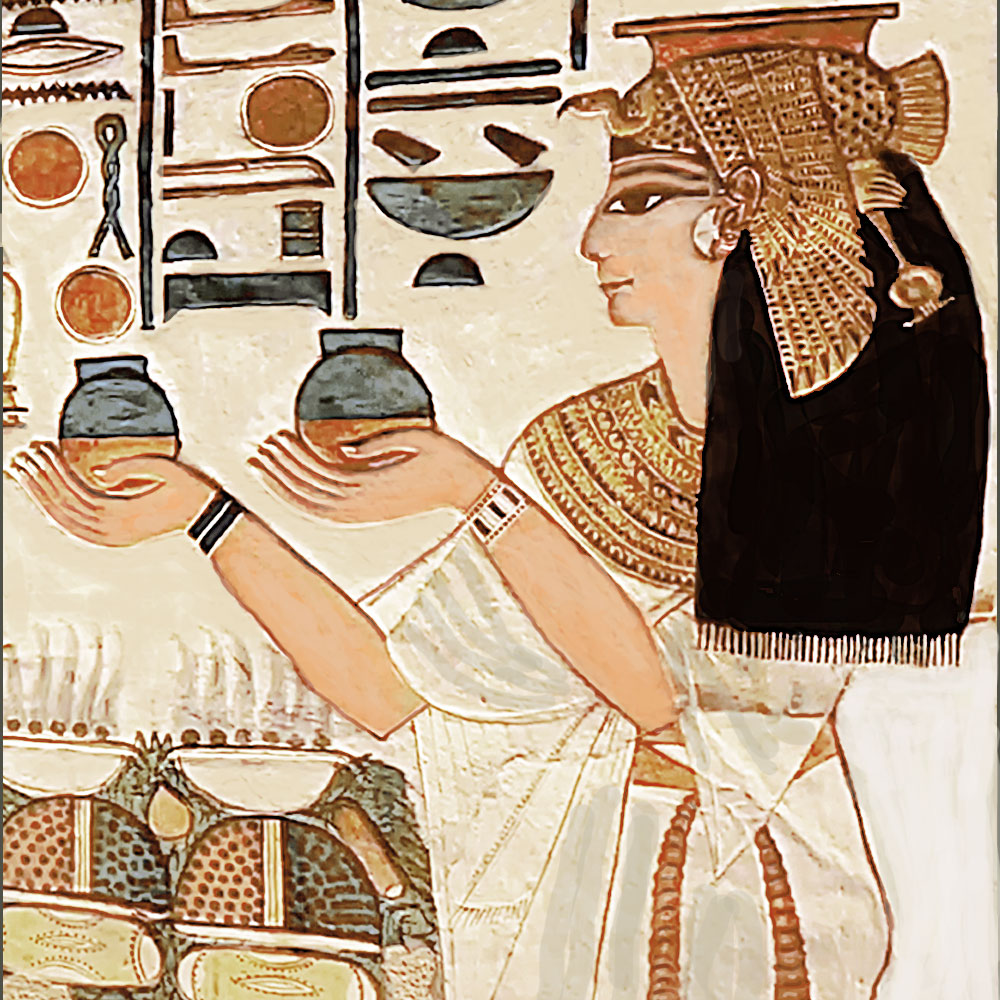
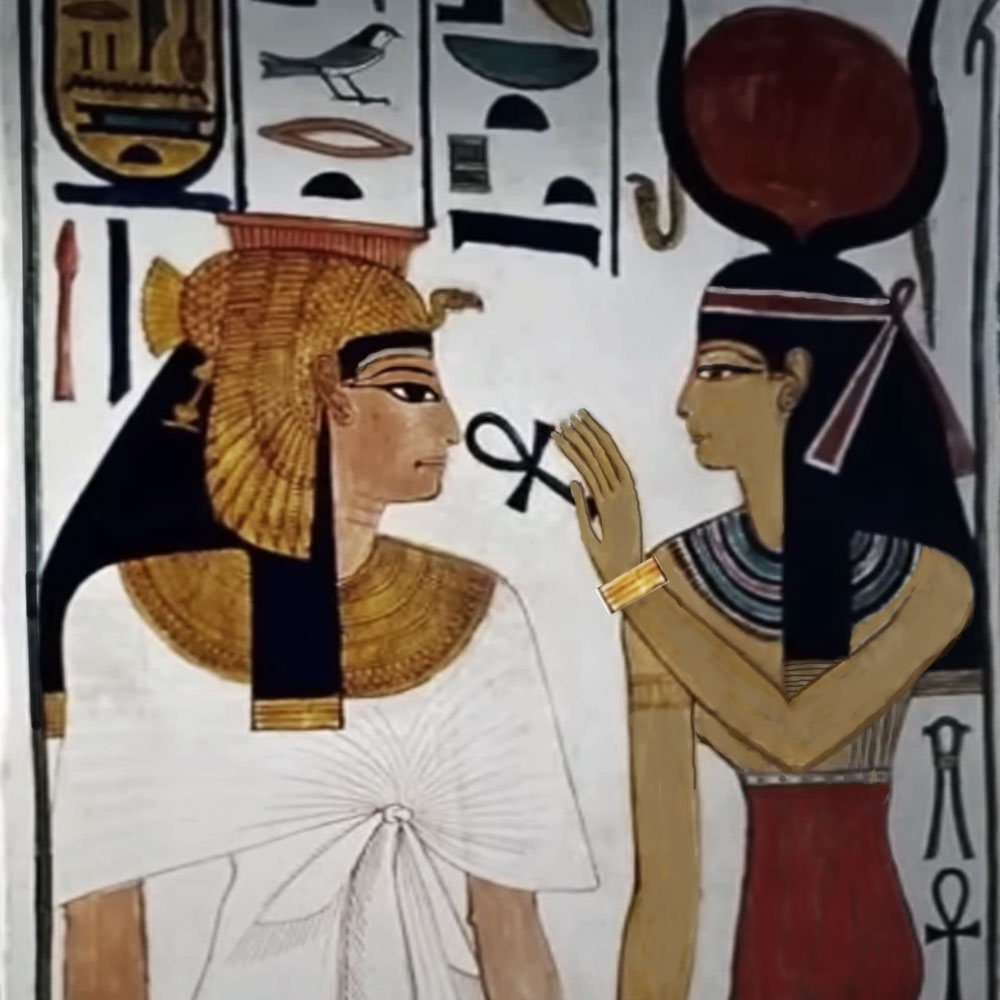
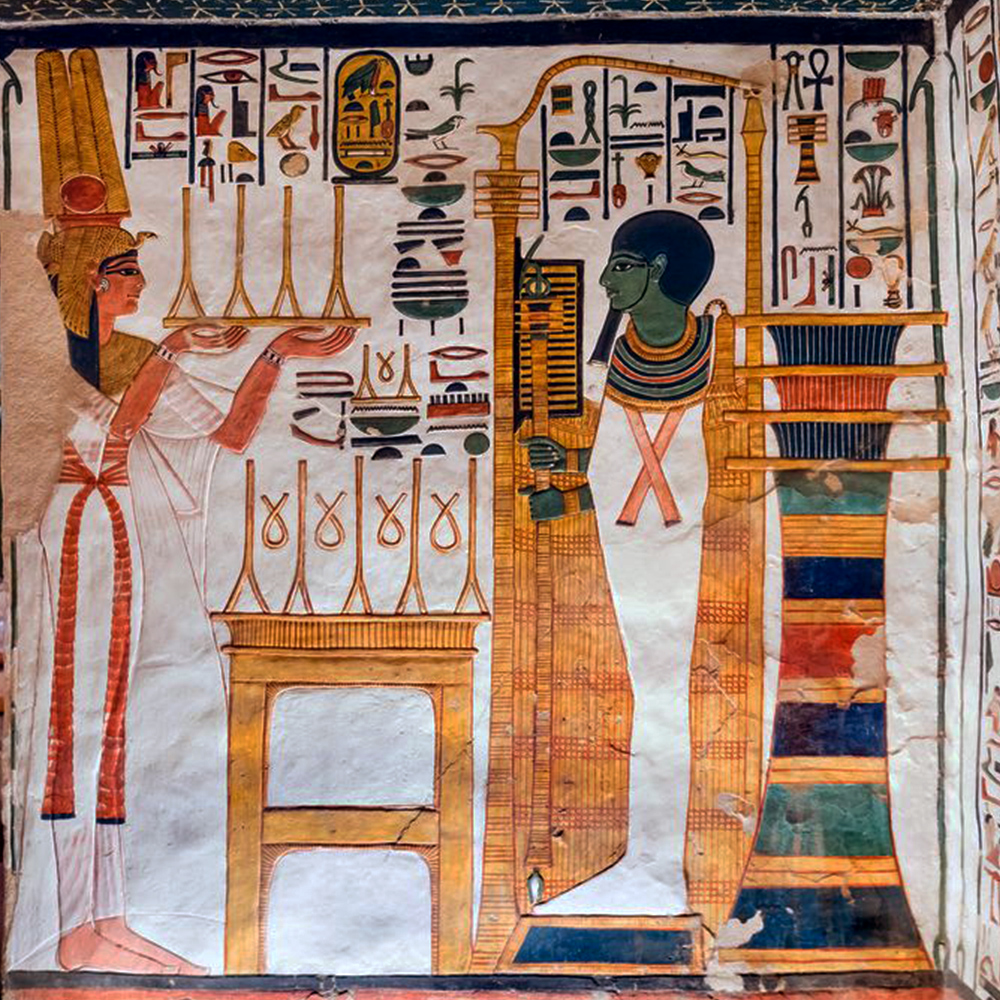
Often called the Sistine Chapel of Ancient Egypt, the Tomb of Nefertari was created around 1255 BCE for the beloved wife of Ramesses II, whom he
praised as “the one for whom the sun shines.” Located in the Valley of the Queens, the tomb is renowned for its brilliantly preserved wall paintings depicting afterlife
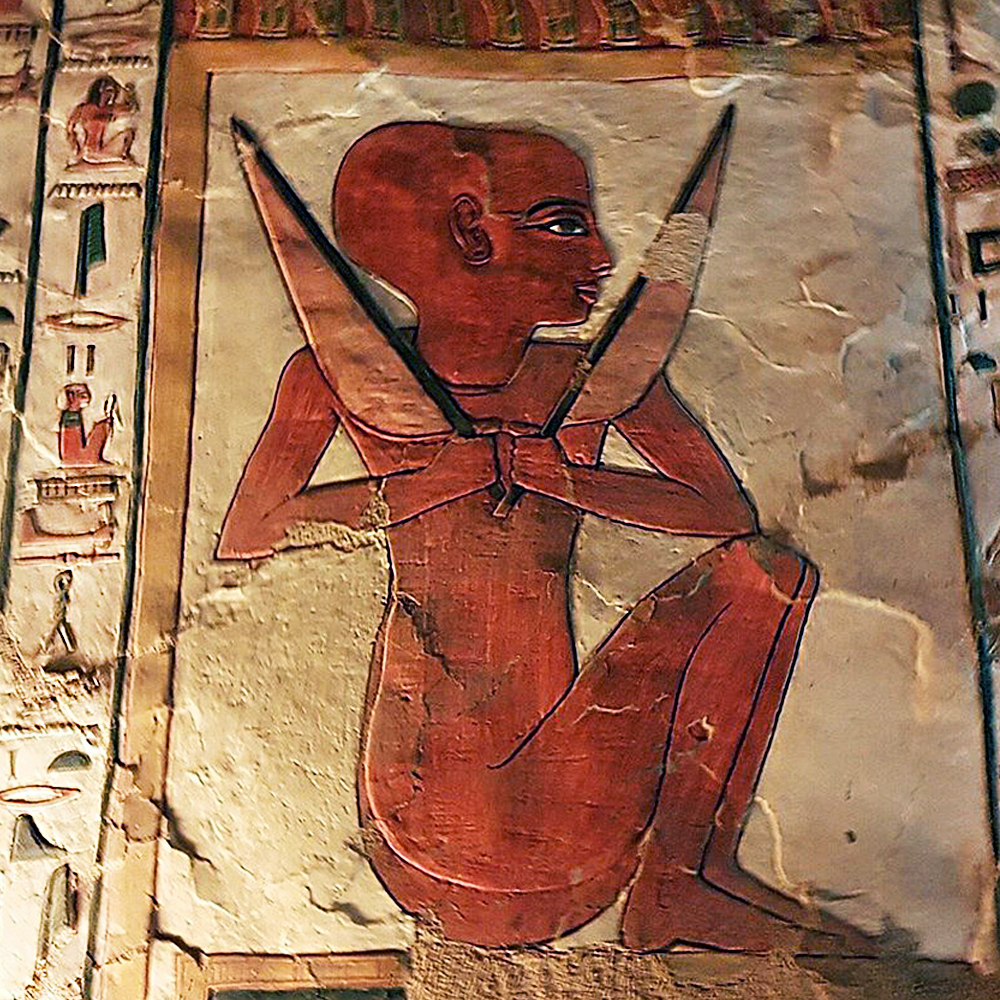
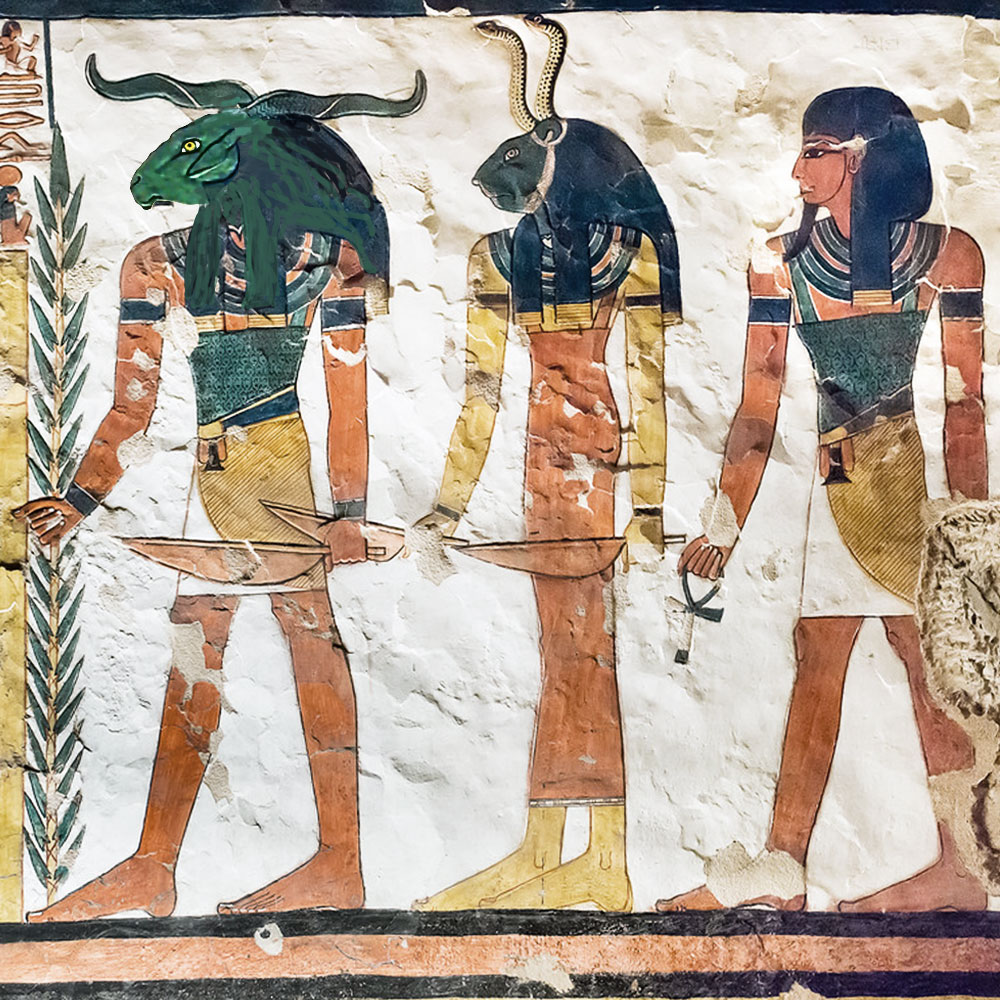
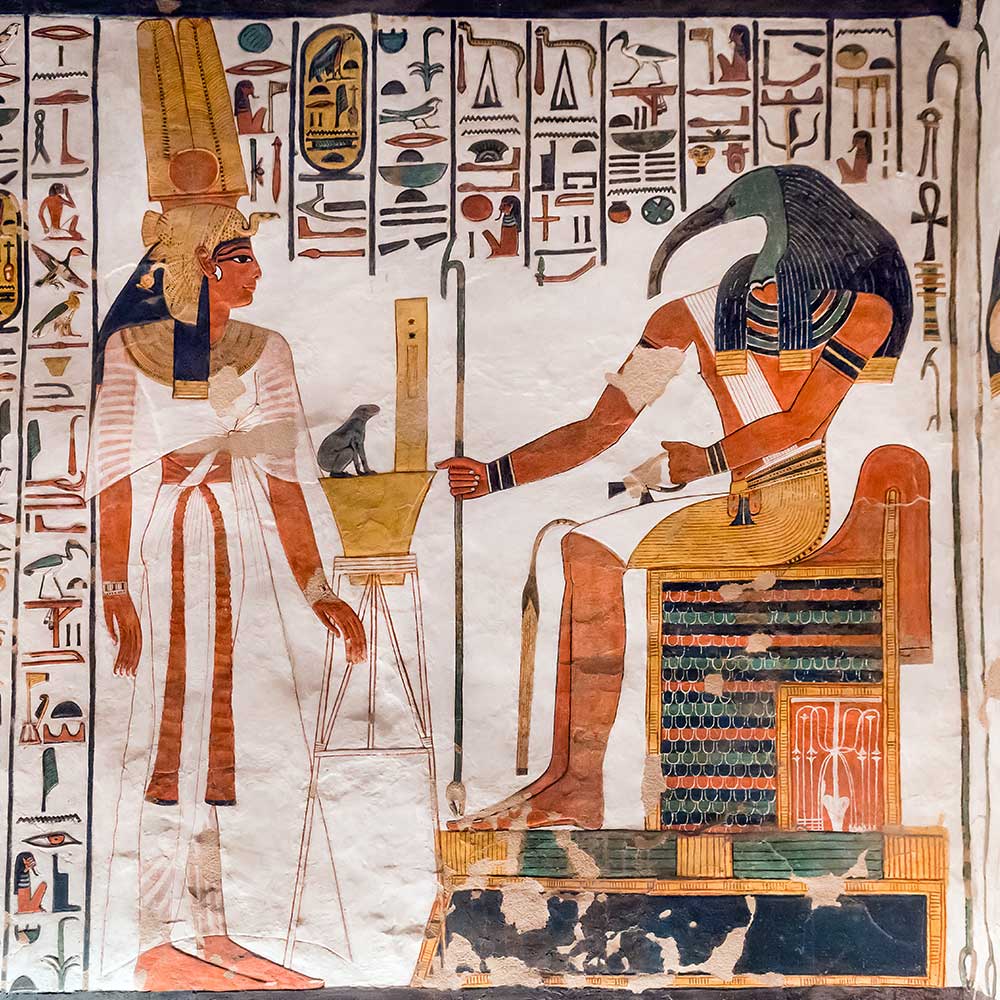
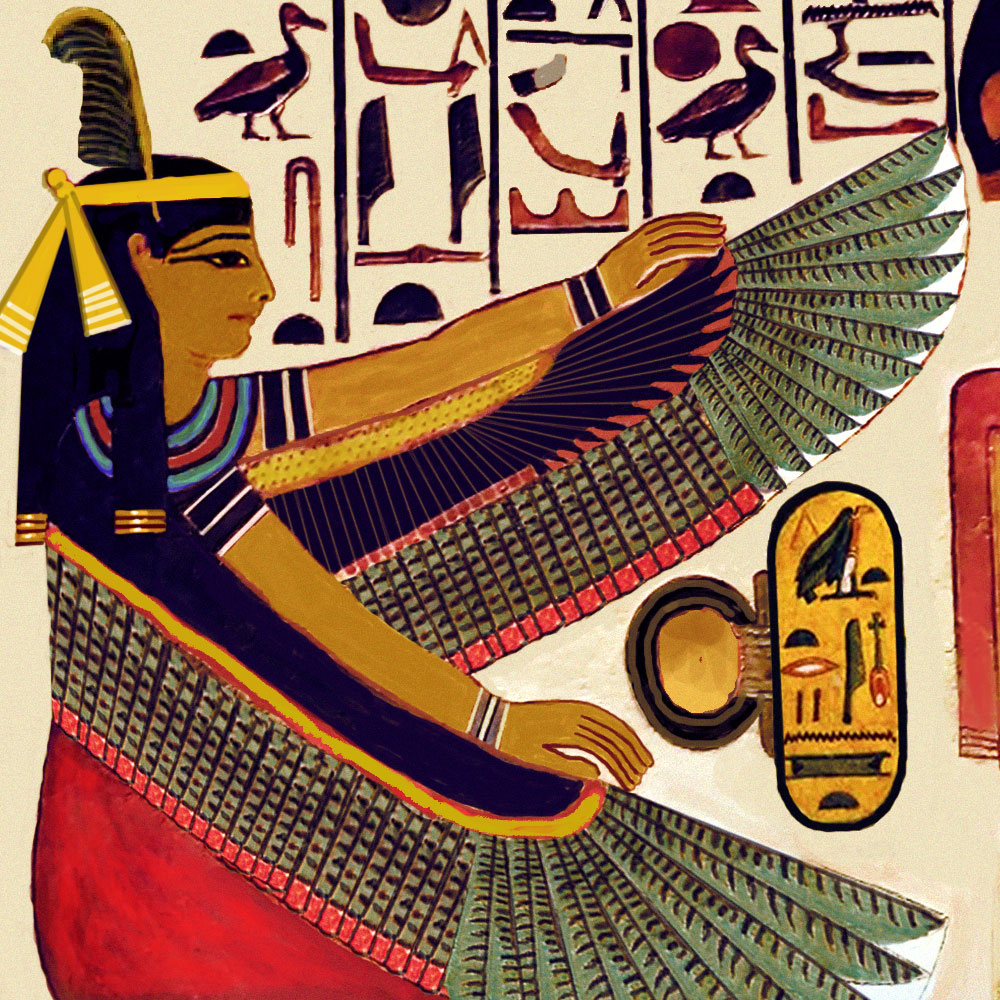
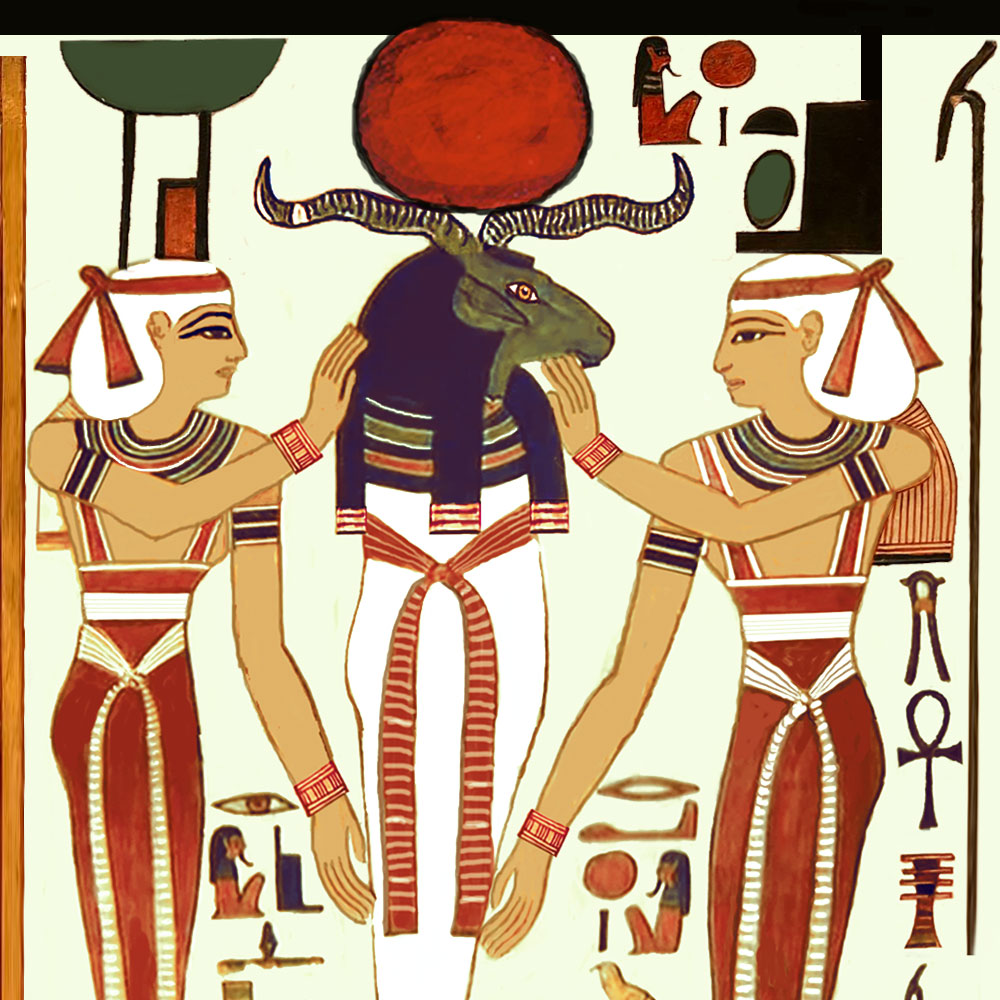
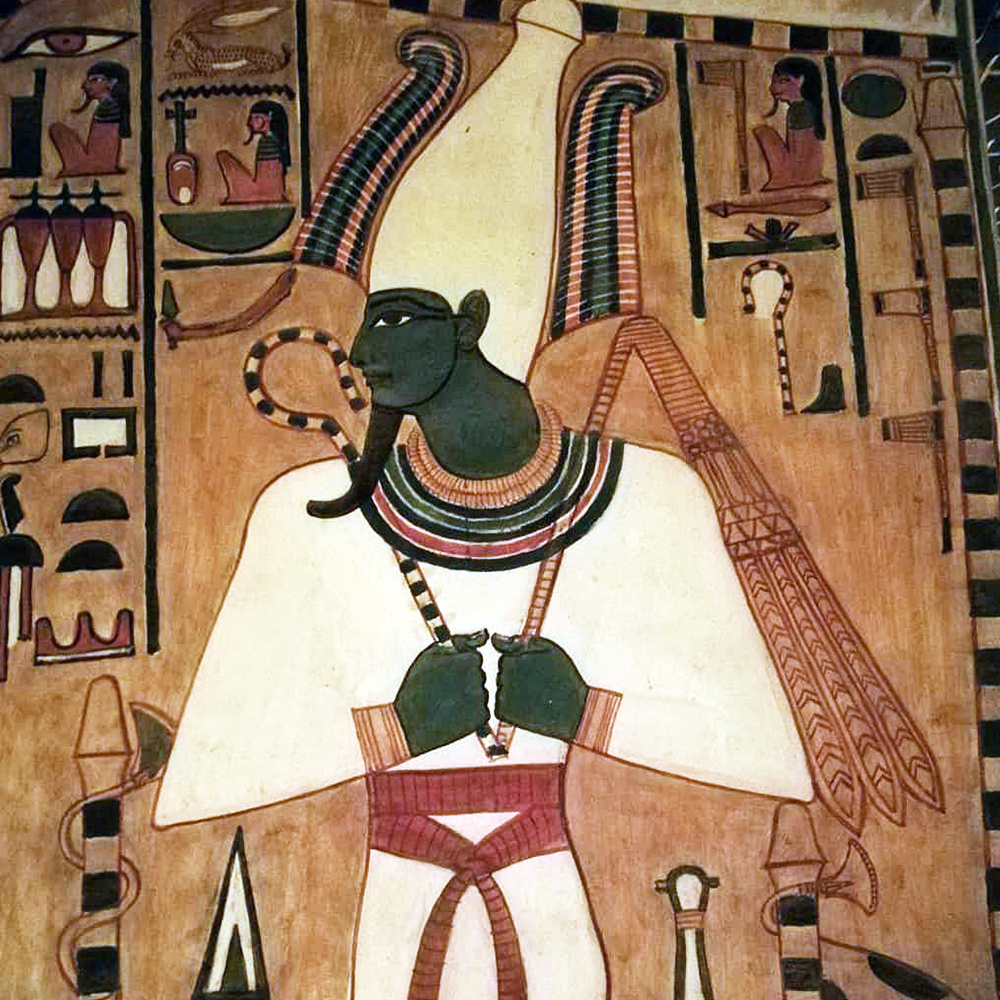
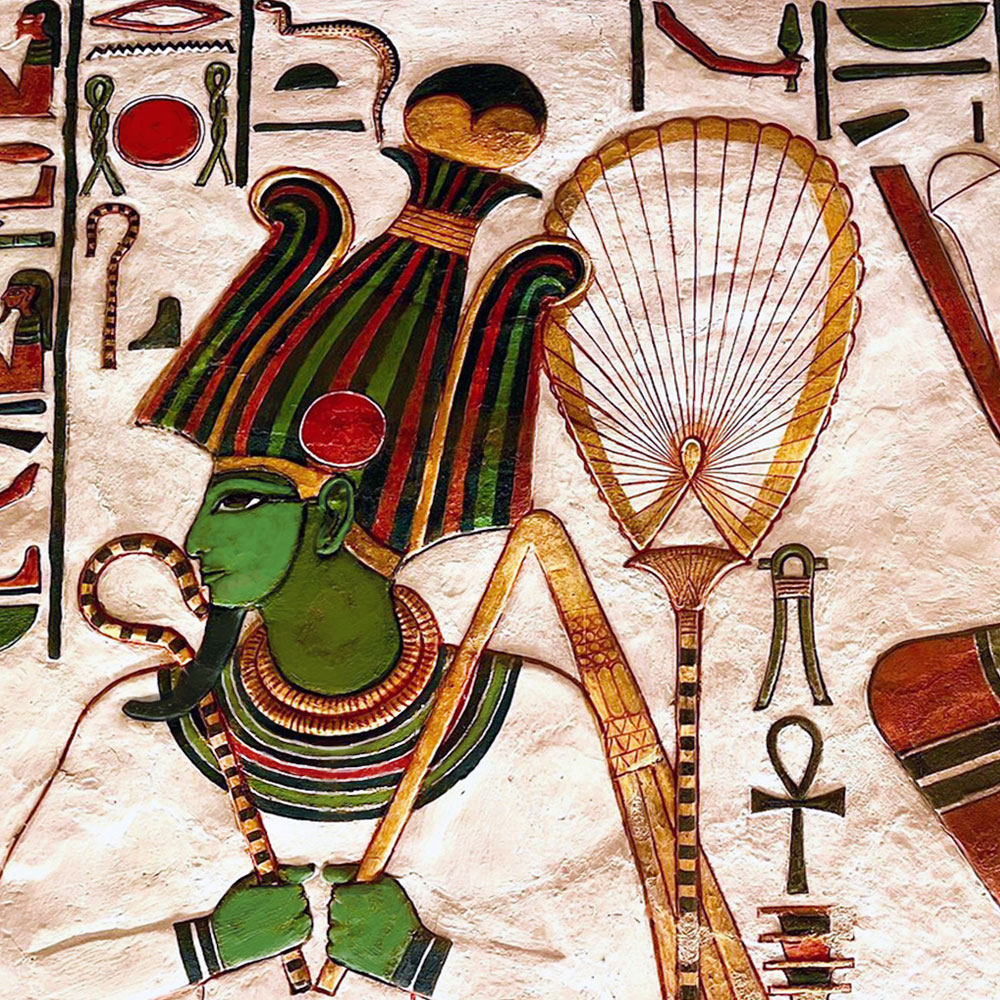
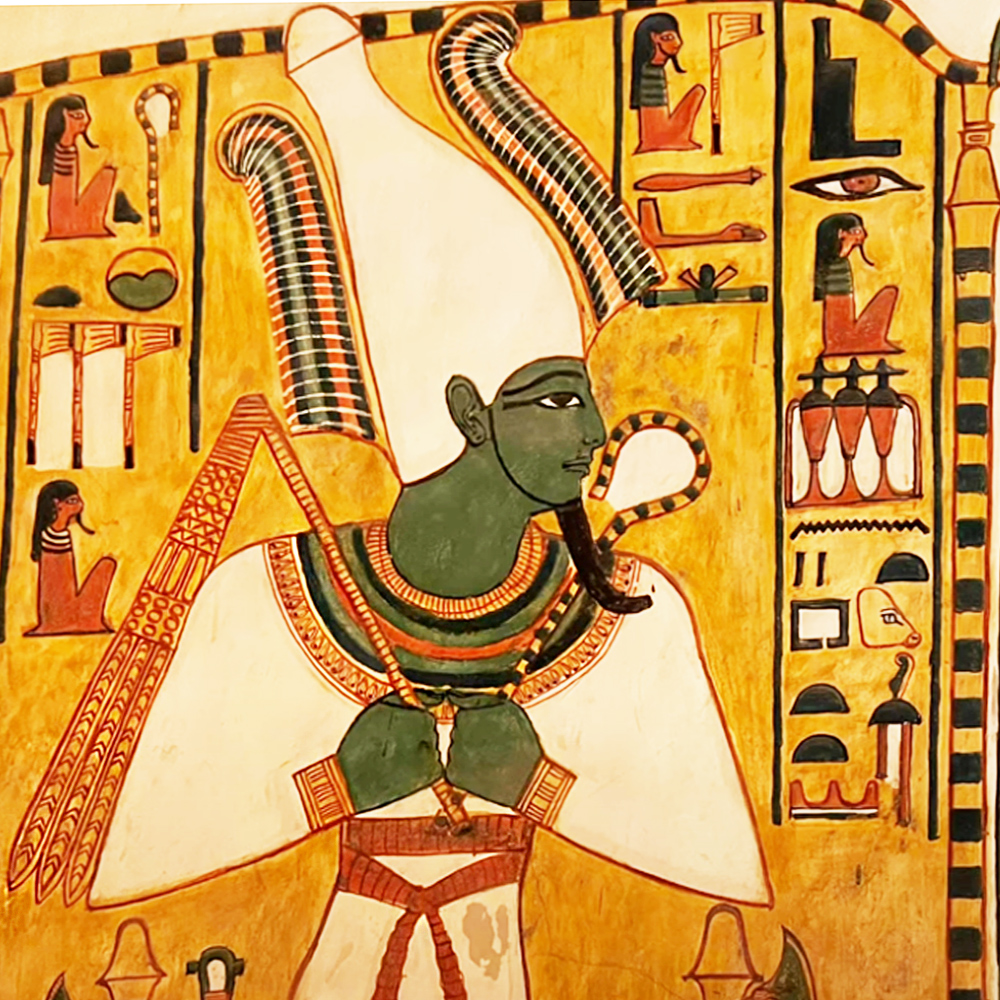
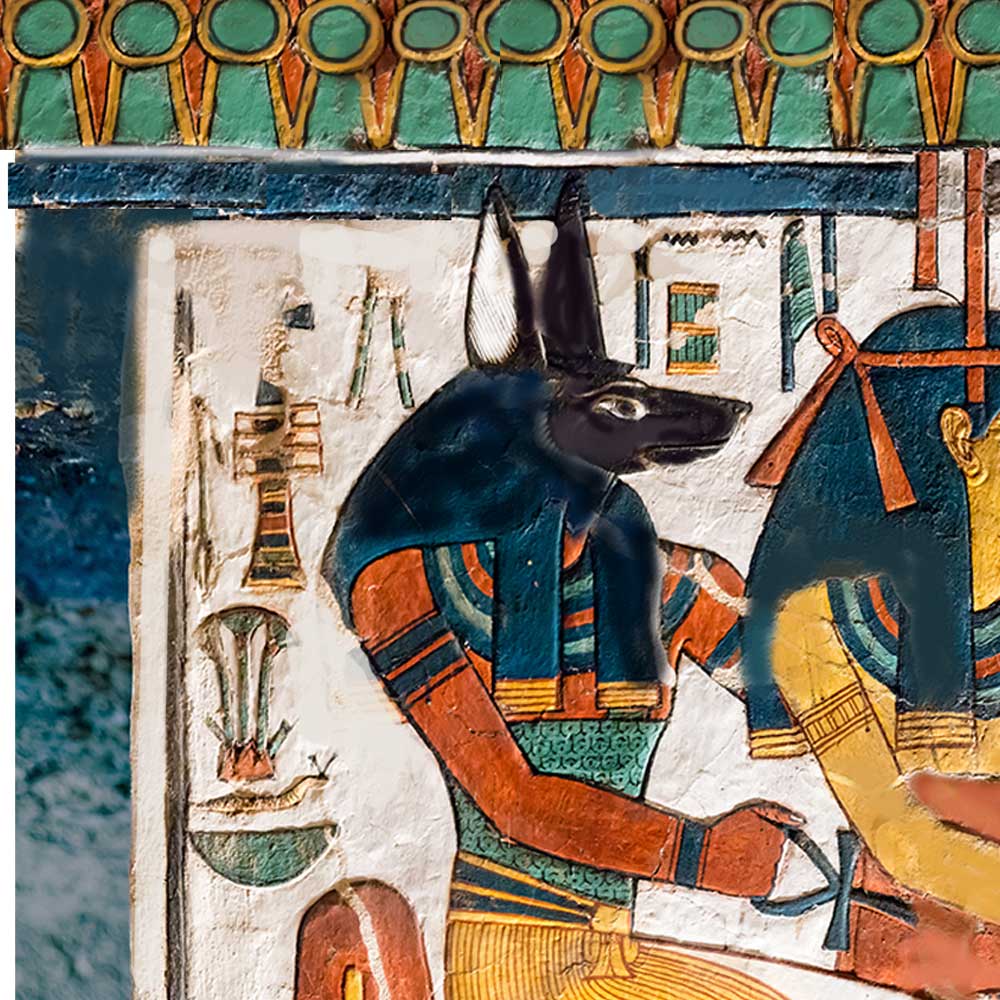
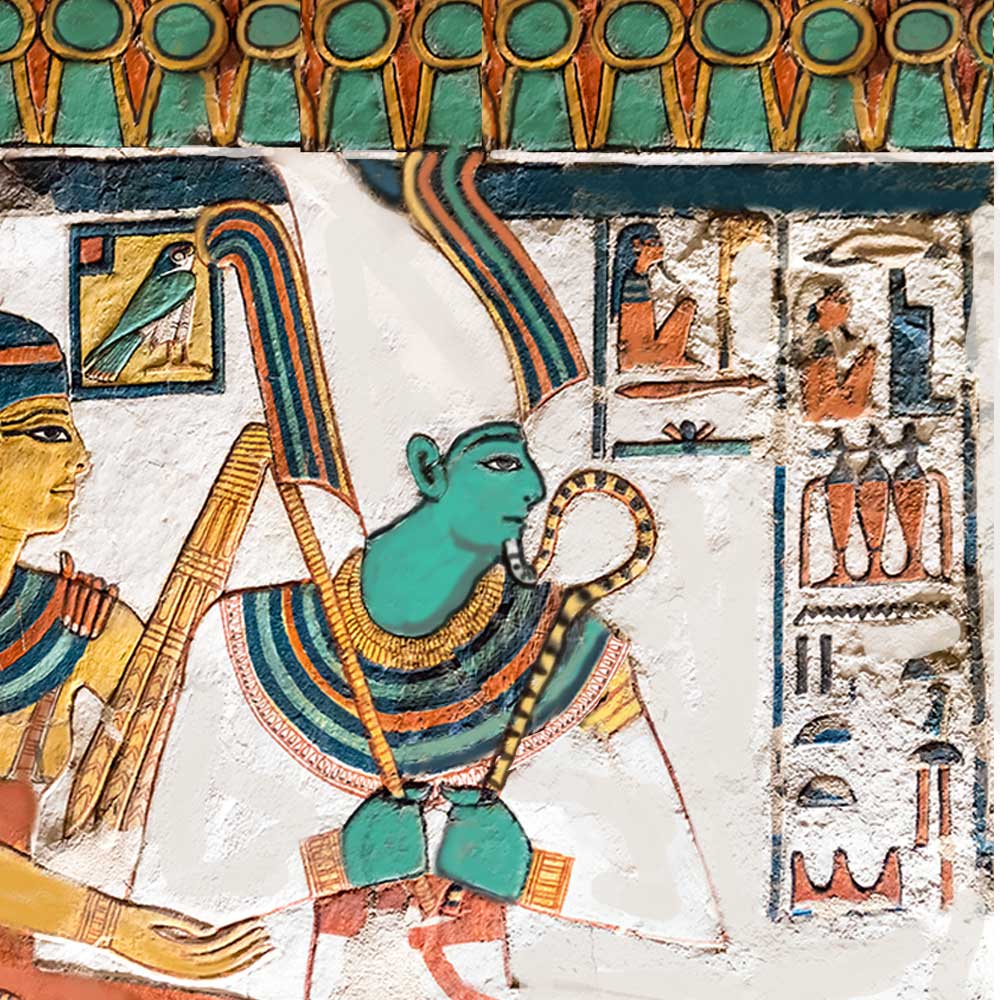
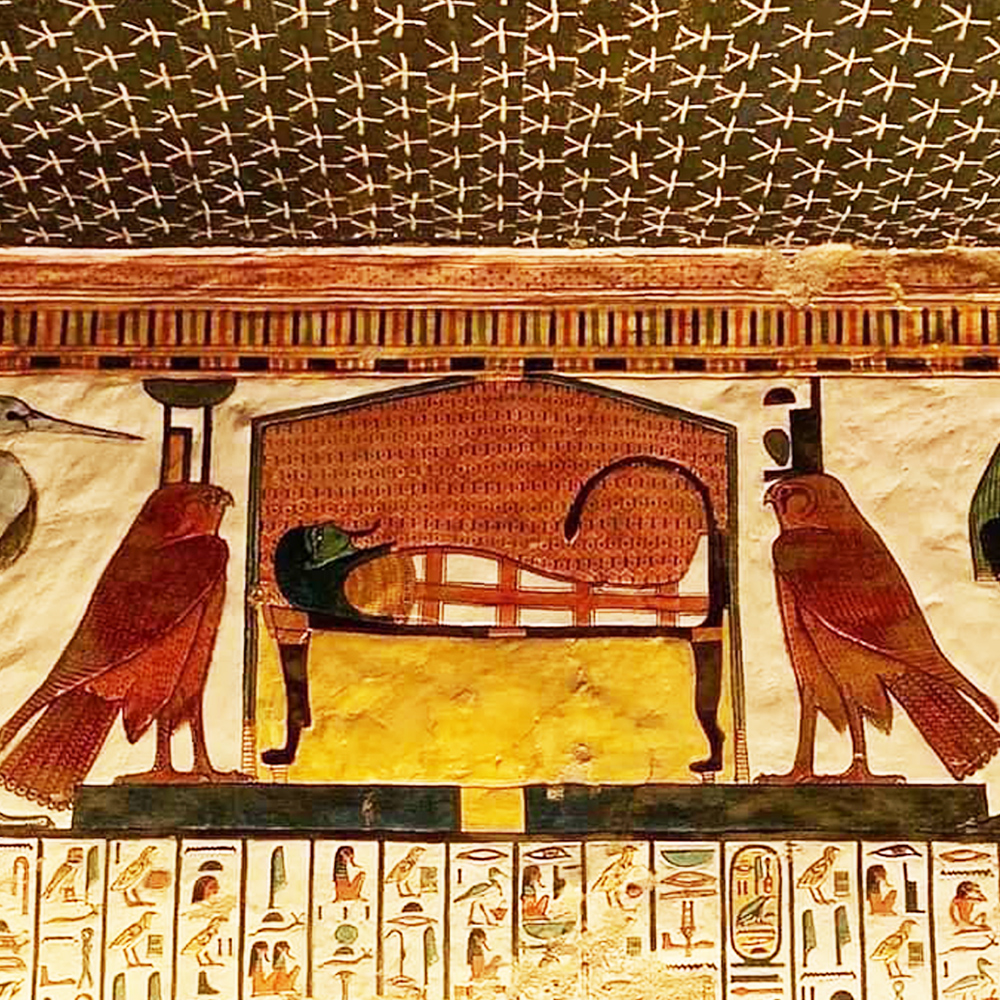
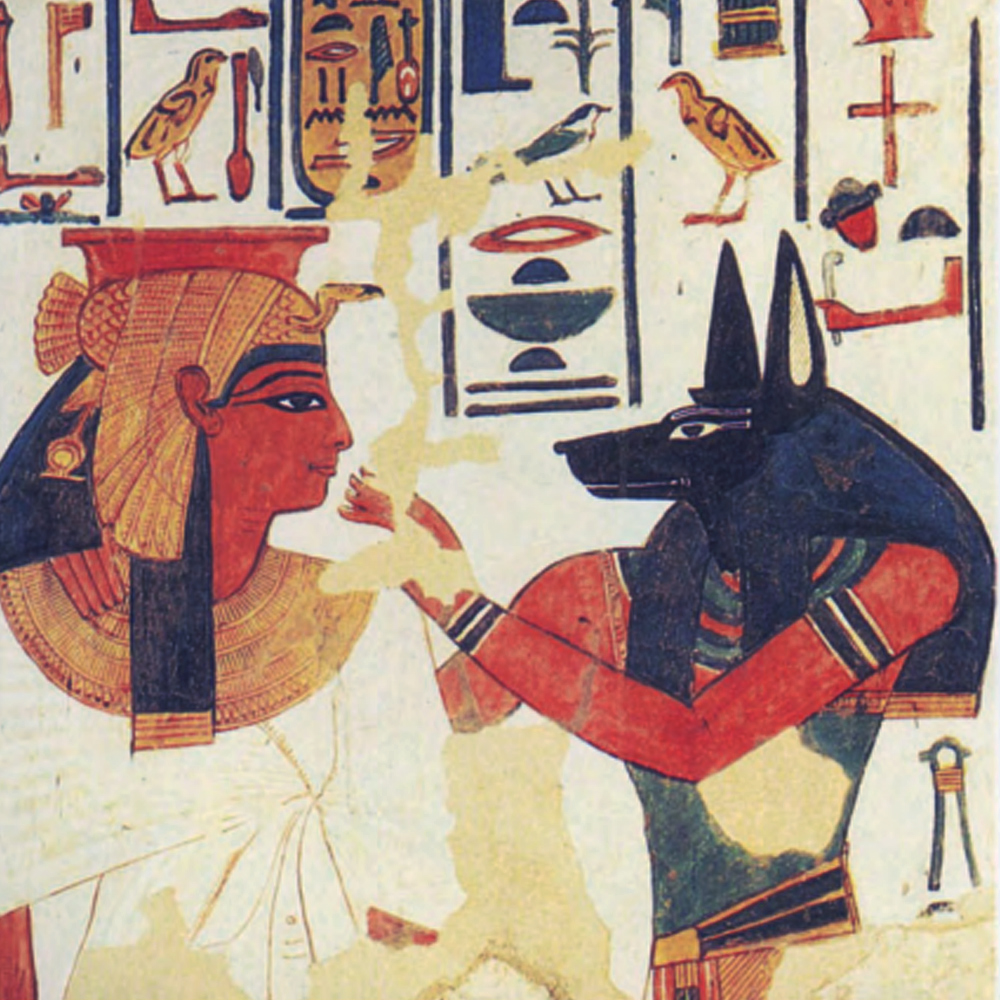
rituals and a wide pantheon of deities—including Isis, Osiris, Anubis, Hathor, Ma’at, Ra, and Horus—guiding the queen into eternity. Discovered in 1904, the tomb showed
extensive deterioration caused by water infiltration, bacterial growth, salt crystallization, and later, humidity from visitors. In 1986, the Egyptian Antiquities
Organization and the Getty Conservation Institute undertook a major restoration, removing centuries of soot and stabilizing the fragile plaster and pigments. Access was
tightly restricted by 2006, with limited private tours requiring costly licenses. As of December 2023, visitors may enter with a 2,000 EGP ticket or a premium Luxor Pass,
allowing renewed public access to one of Egypt’s most exquisite royal tombs.
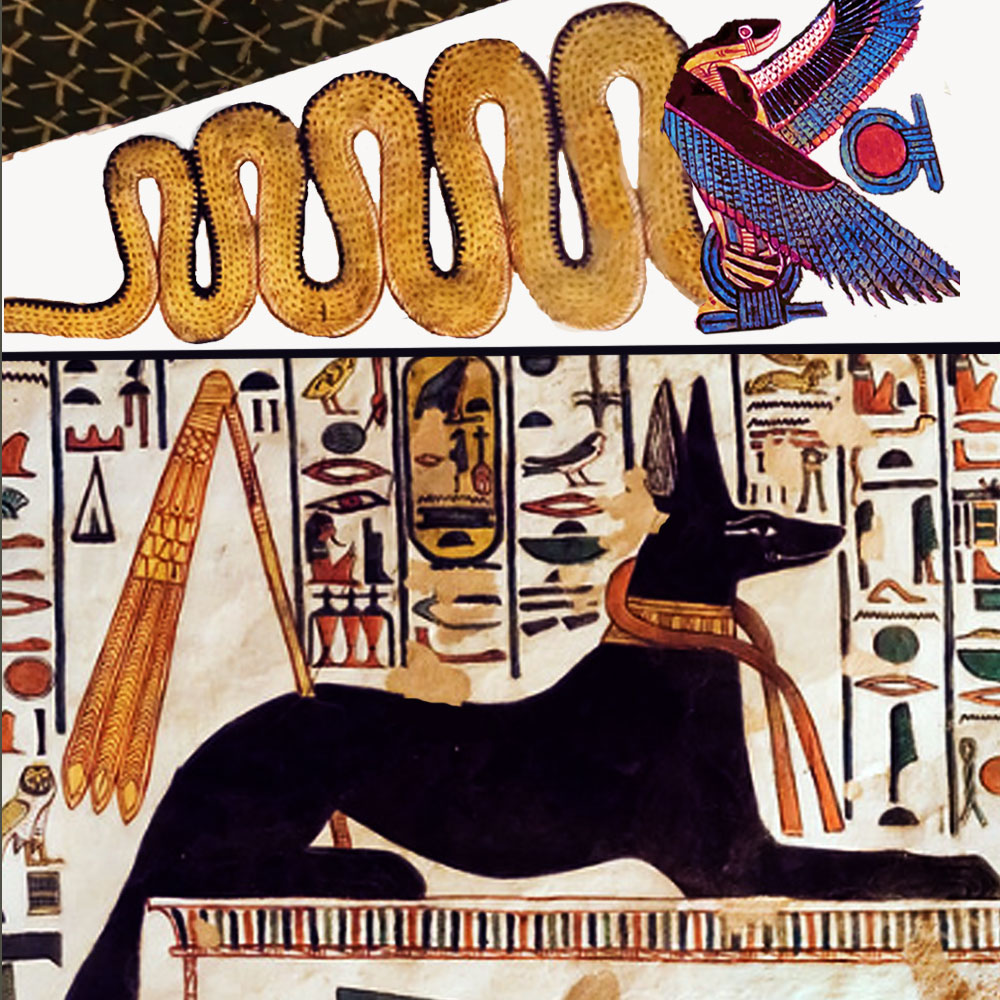
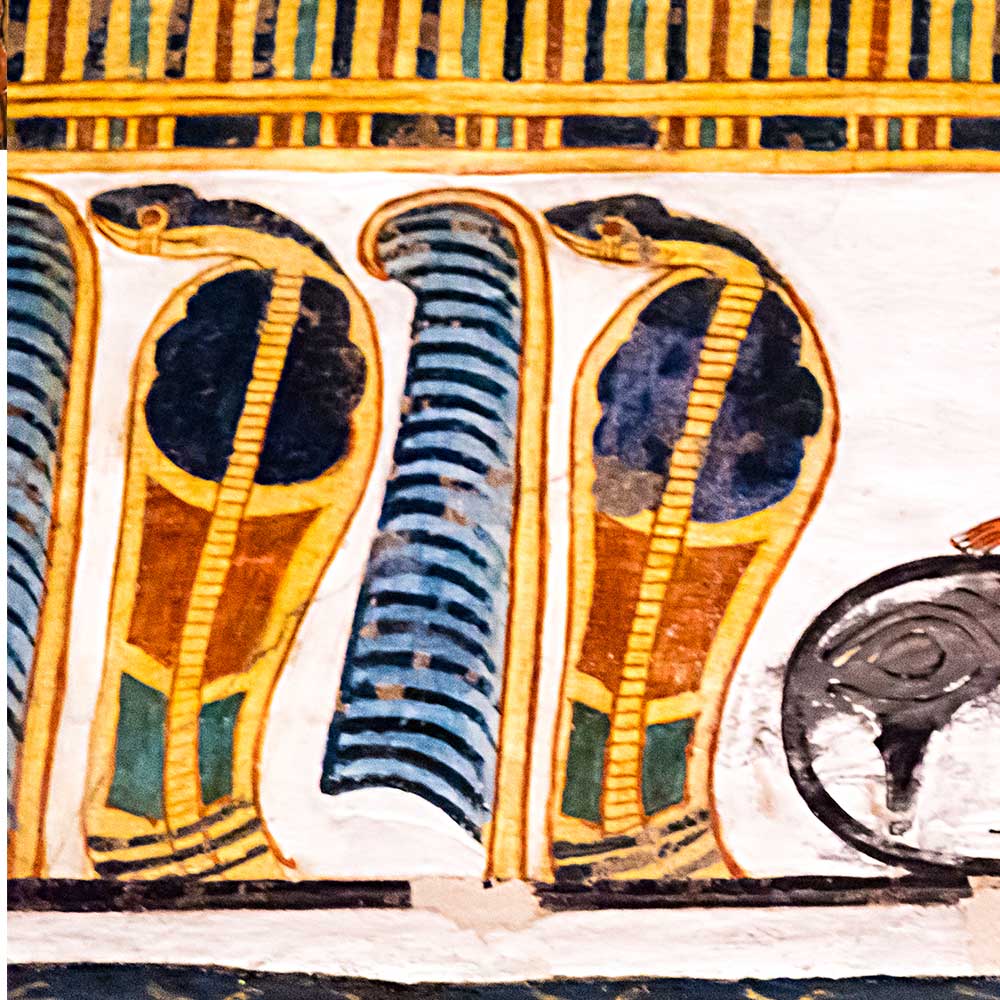
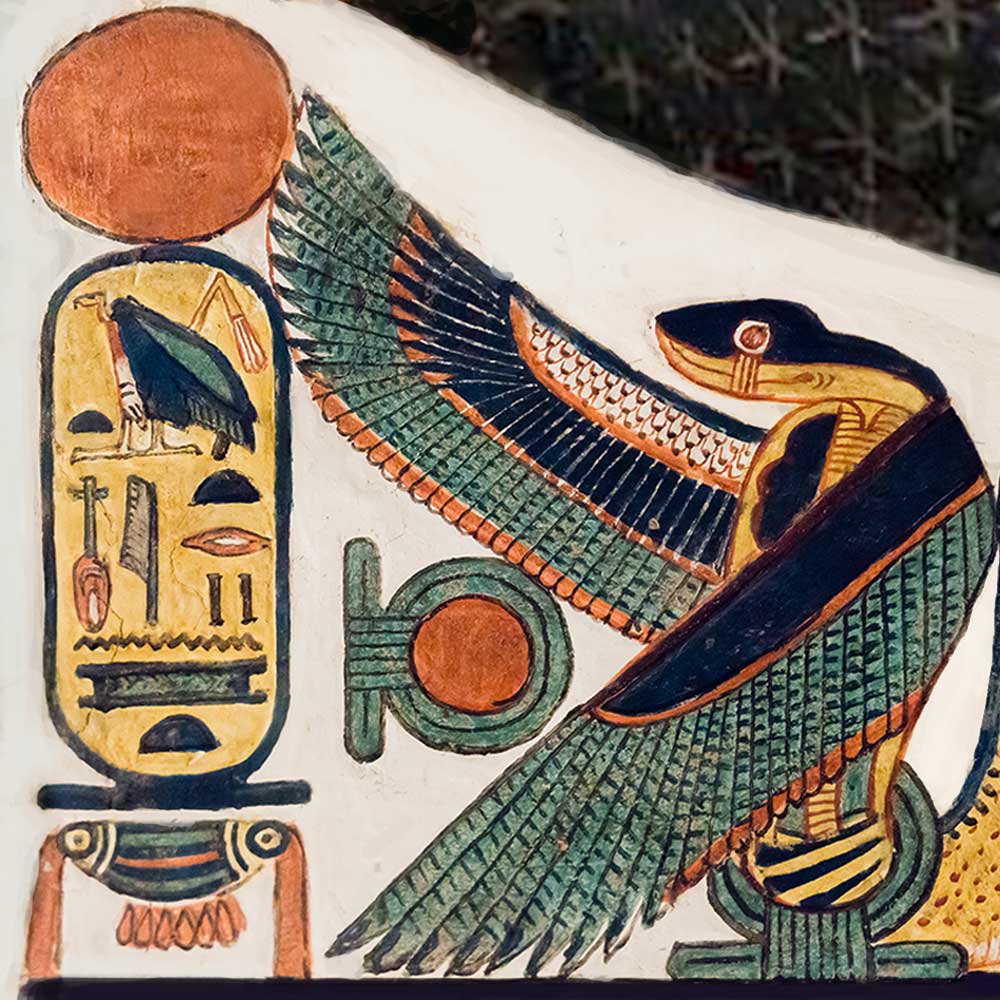 1.) Wadjet in the form of a winged cobra
as protector, on the staircase to the Tomb of Nefertari
1.) Wadjet in the form of a winged cobra
as protector, on the staircase to the Tomb of Nefertari
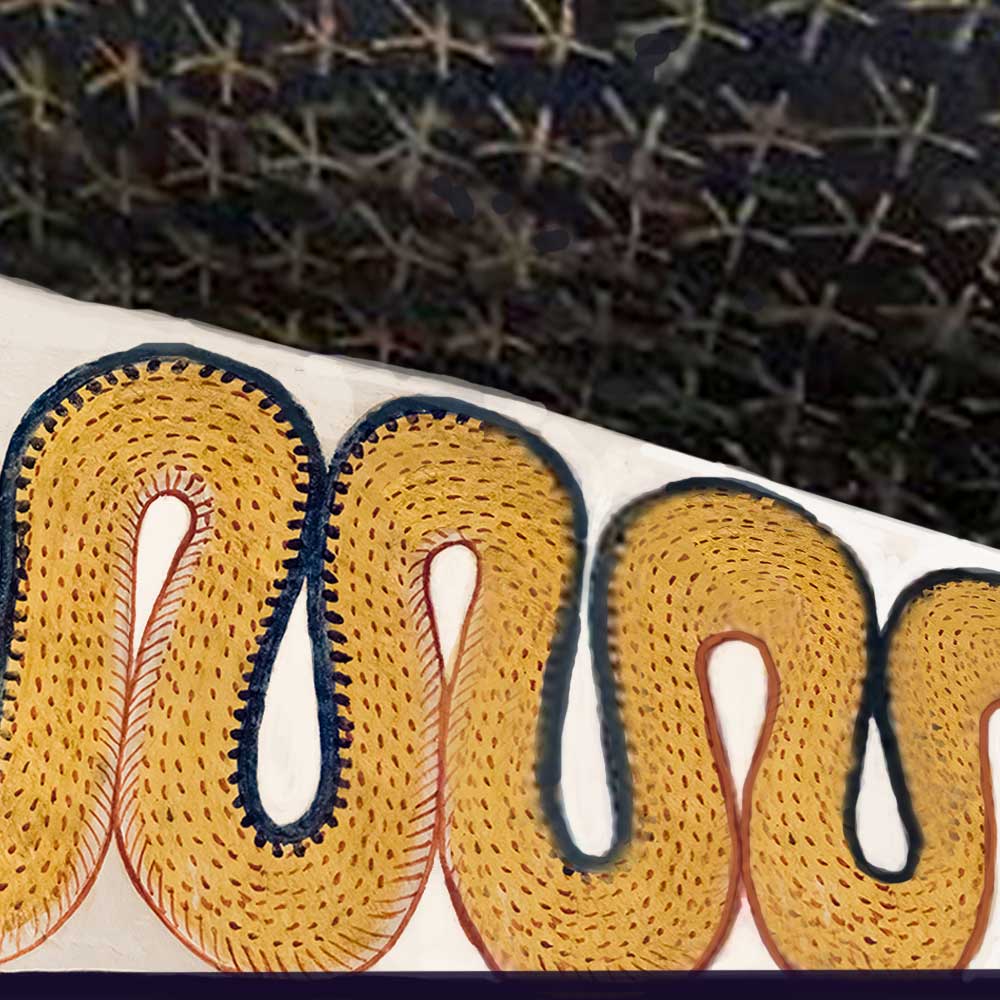 2.)
2.)
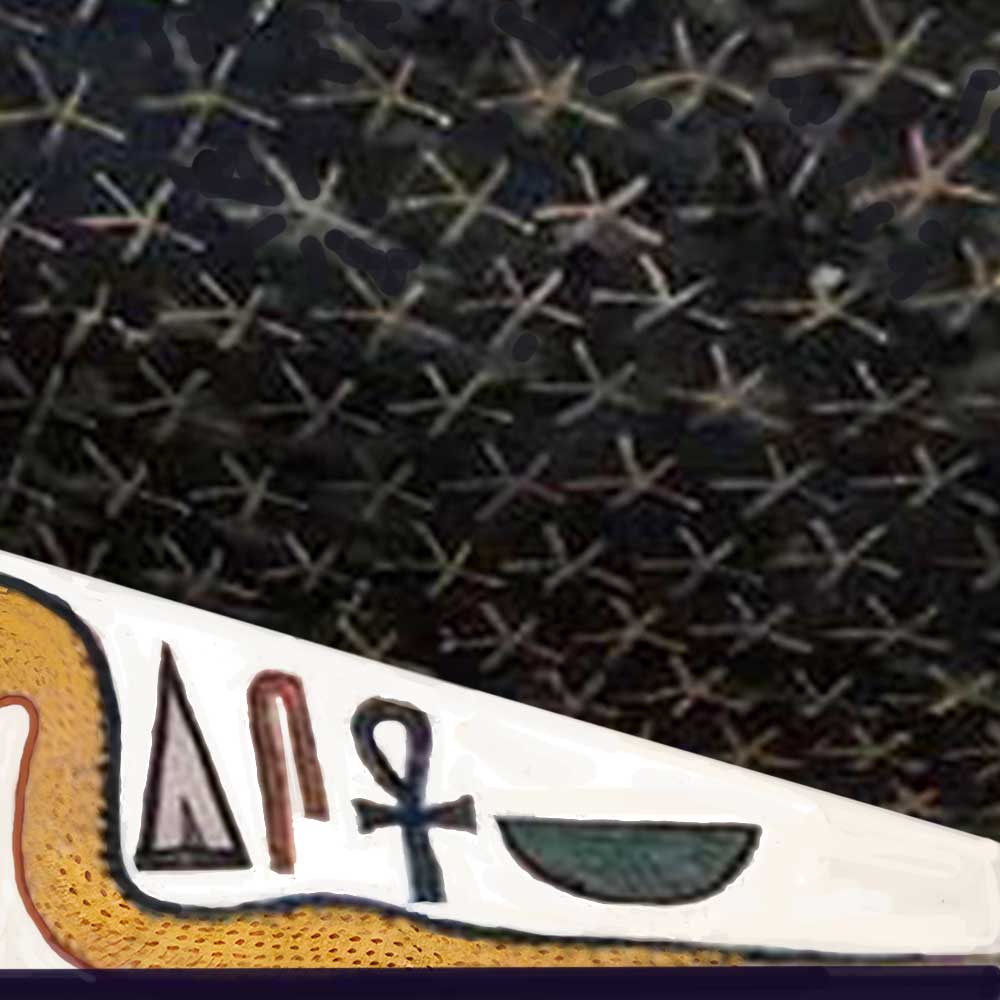 3.)
3.)
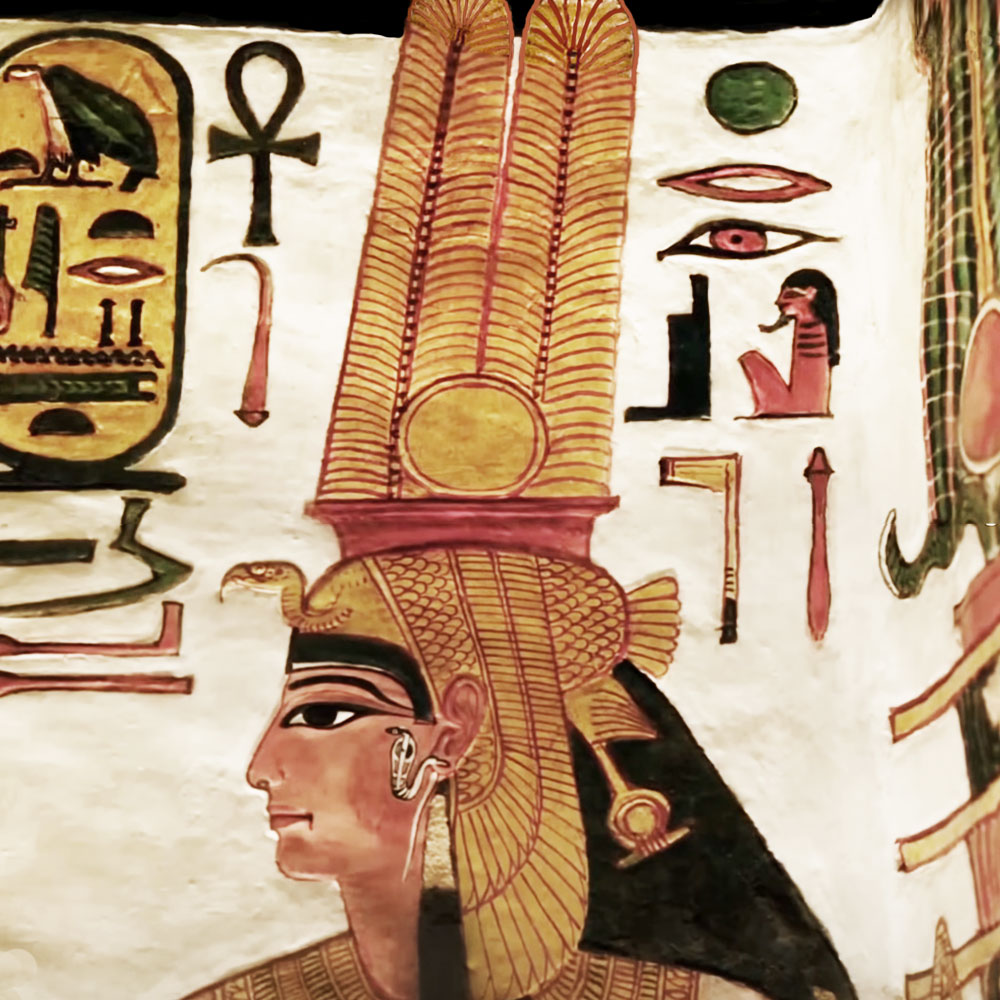
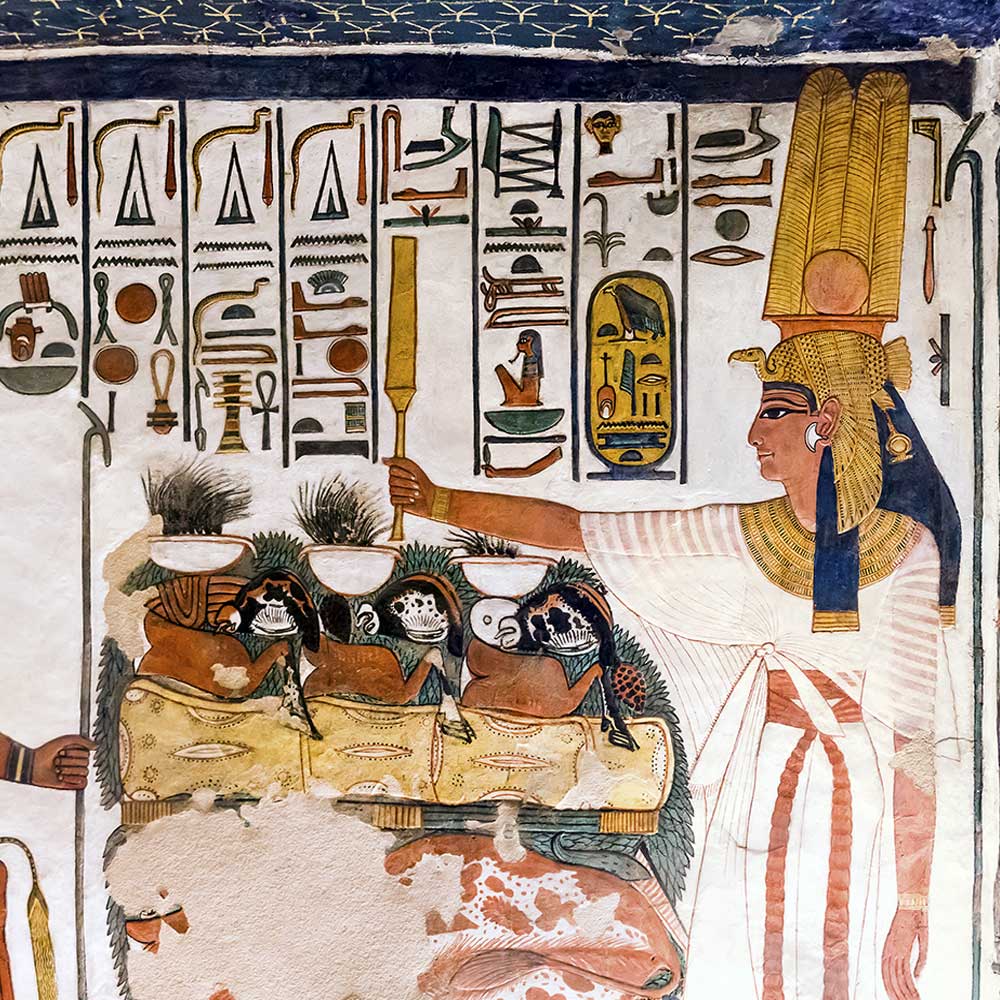
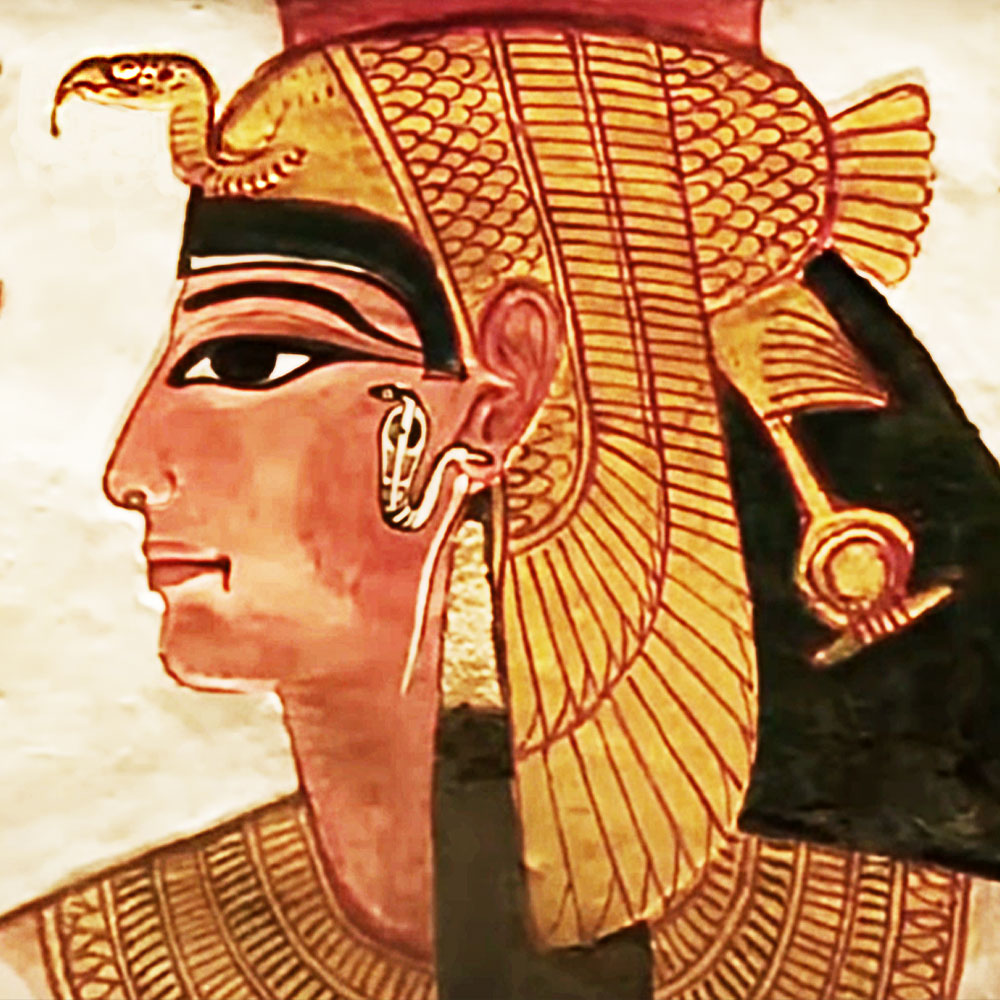
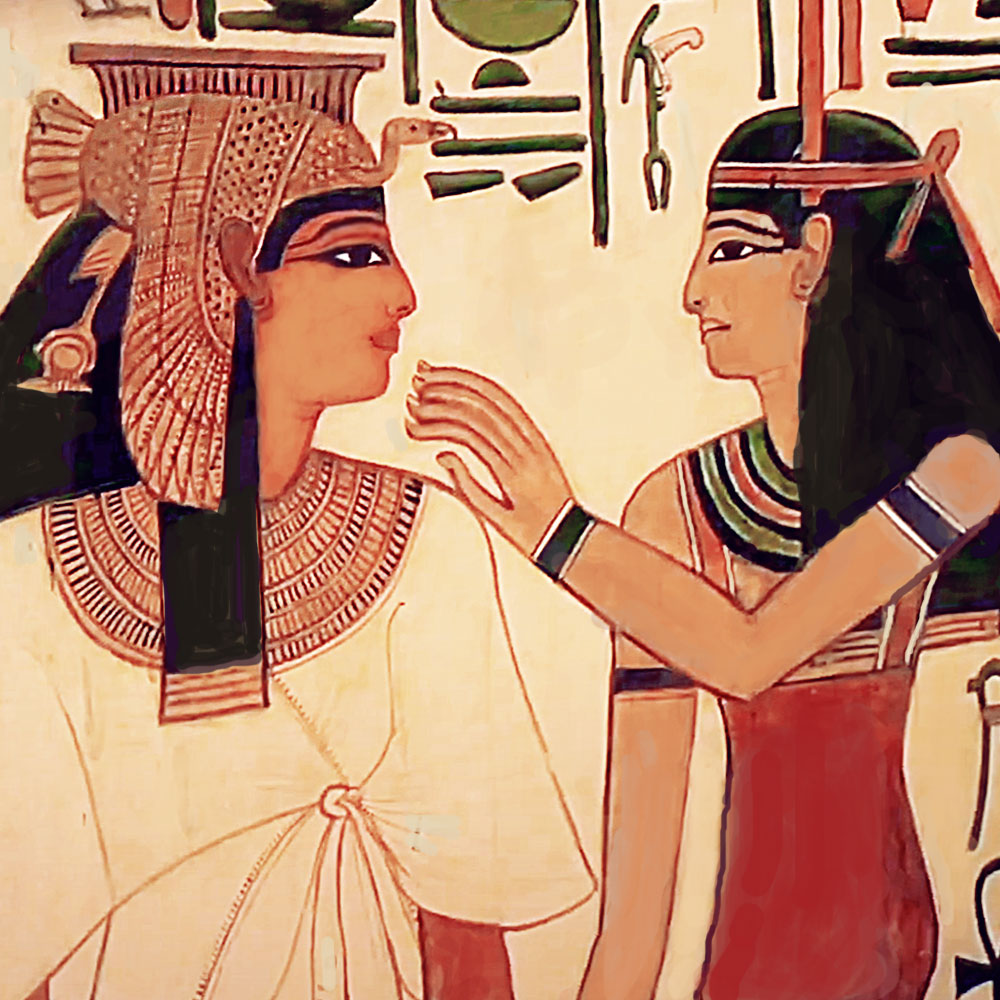
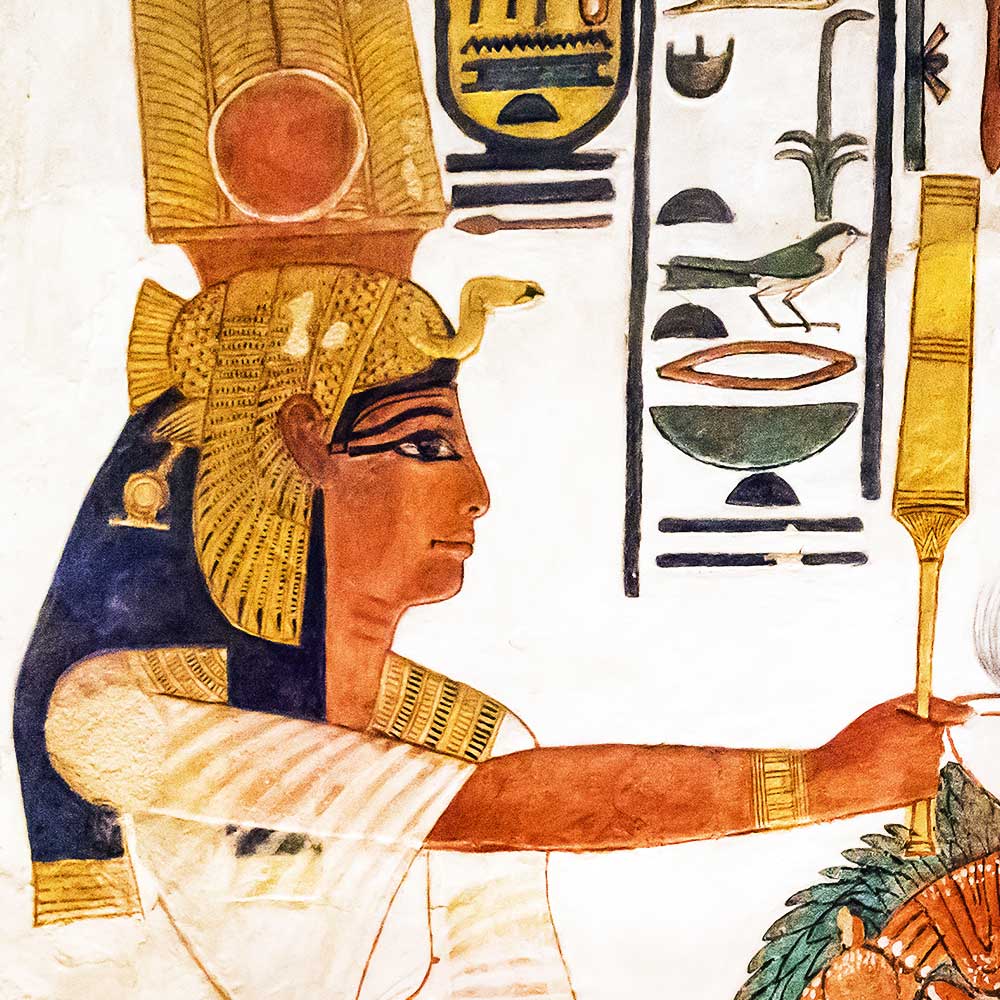 1.) The queen is often shown wearing a
headdress
1.) The queen is often shown wearing a
headdress
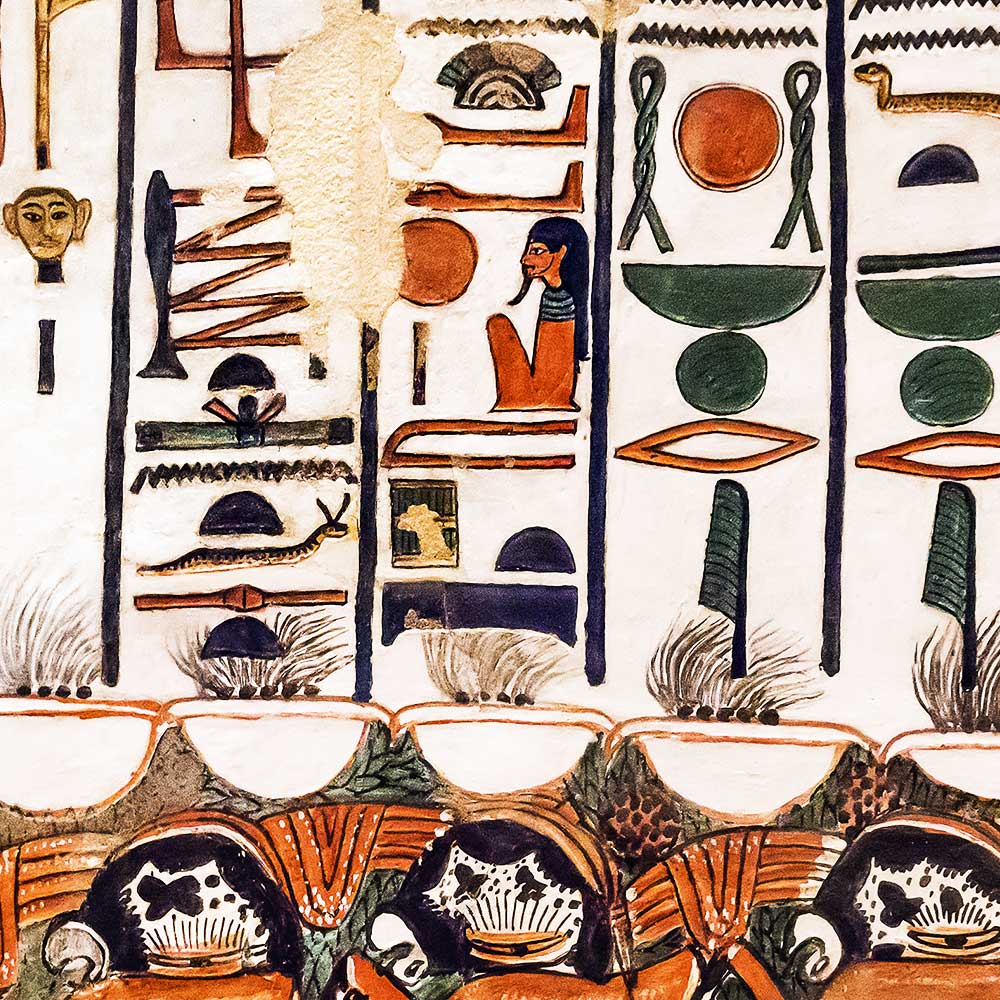 2.) in the shape of the protective vulture
goddess, Nekhbet
2.) in the shape of the protective vulture
goddess, Nekhbet
 3.)
3.)
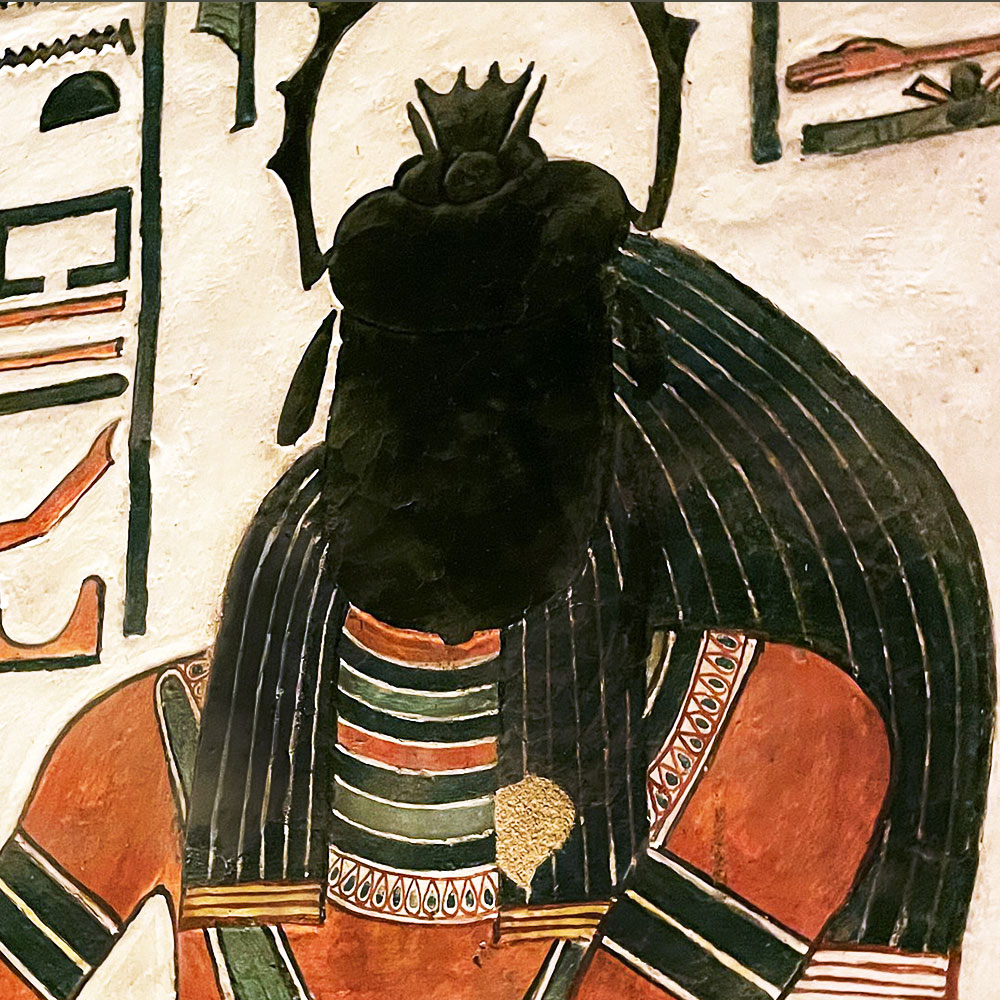
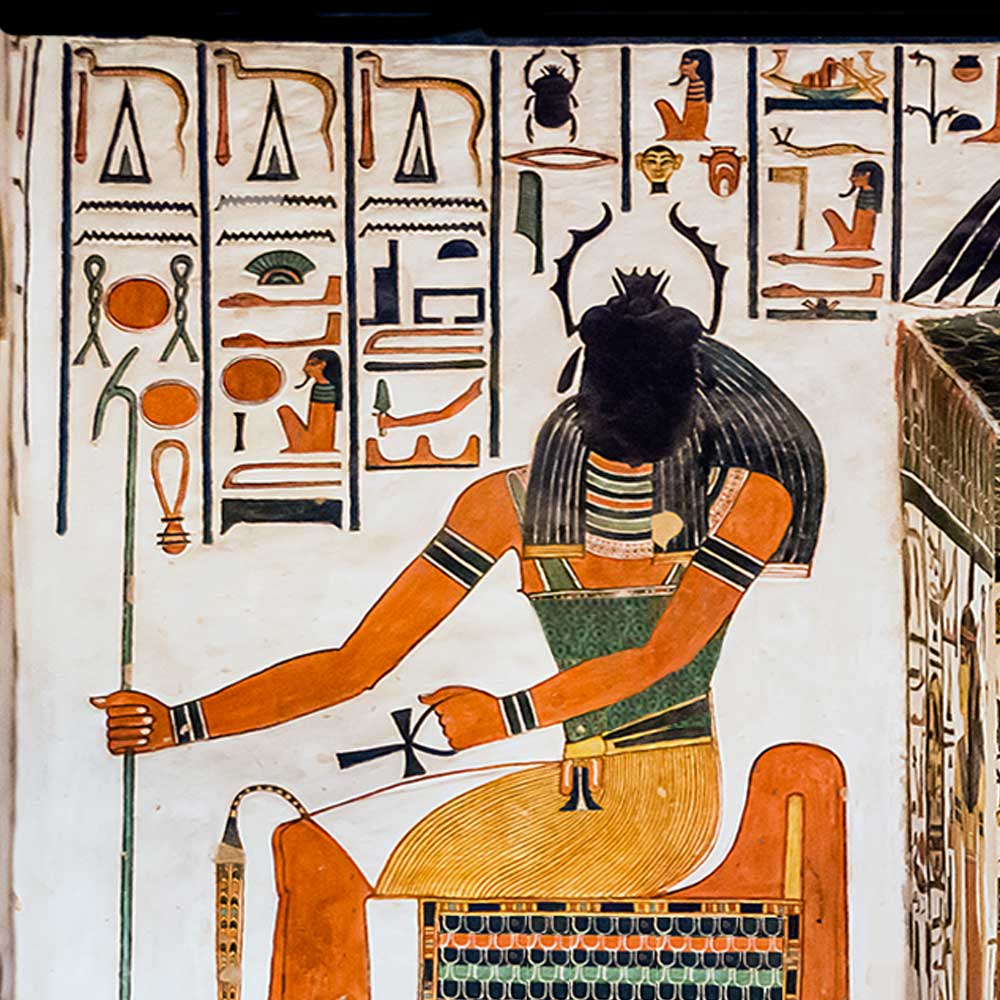 1.) The God Khepri, depicted with the head
of a scarab beetle (or as a scarab pushing the sun)
1.) The God Khepri, depicted with the head
of a scarab beetle (or as a scarab pushing the sun)
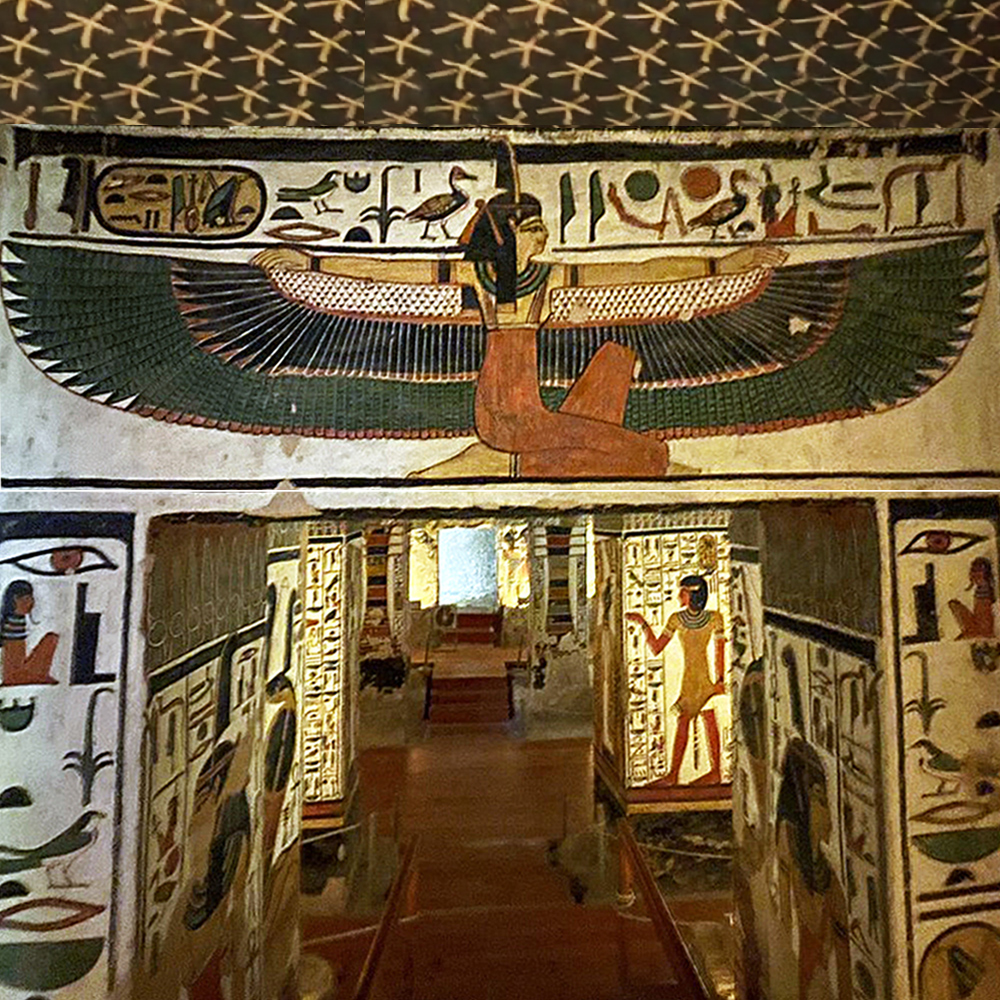
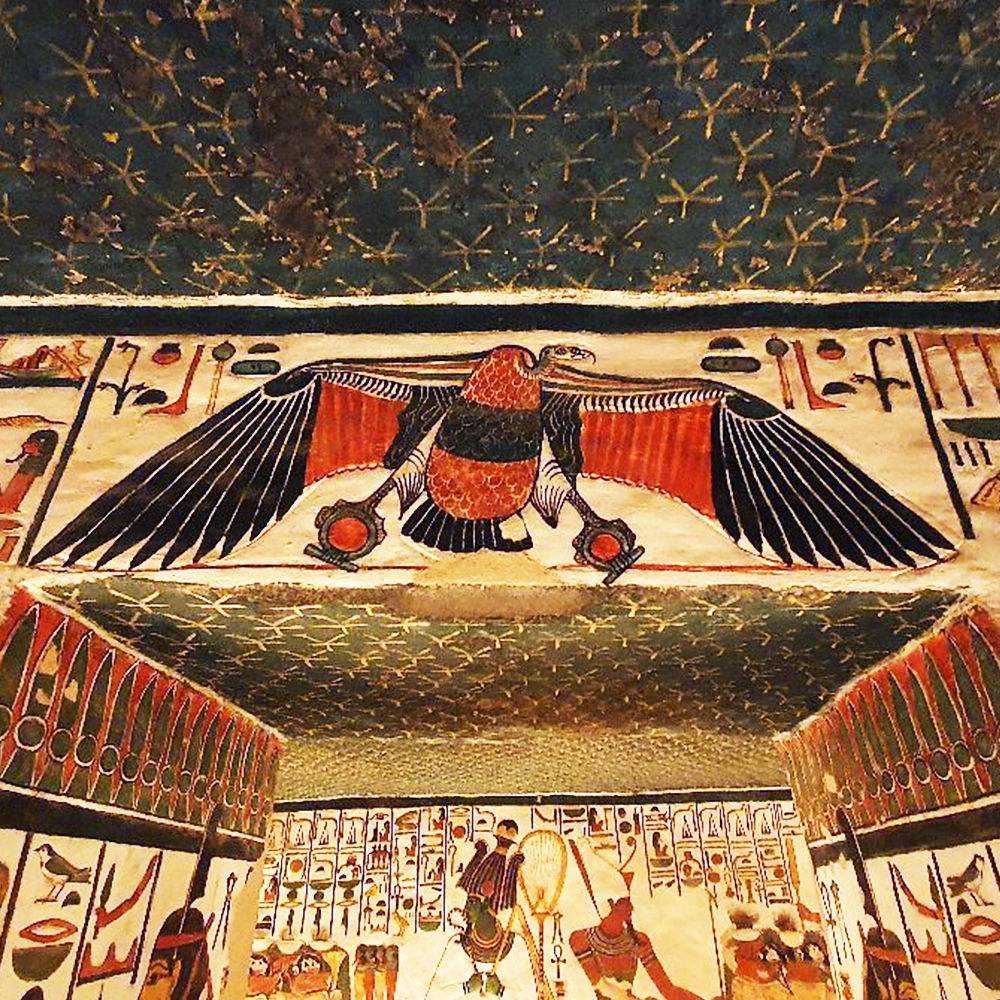
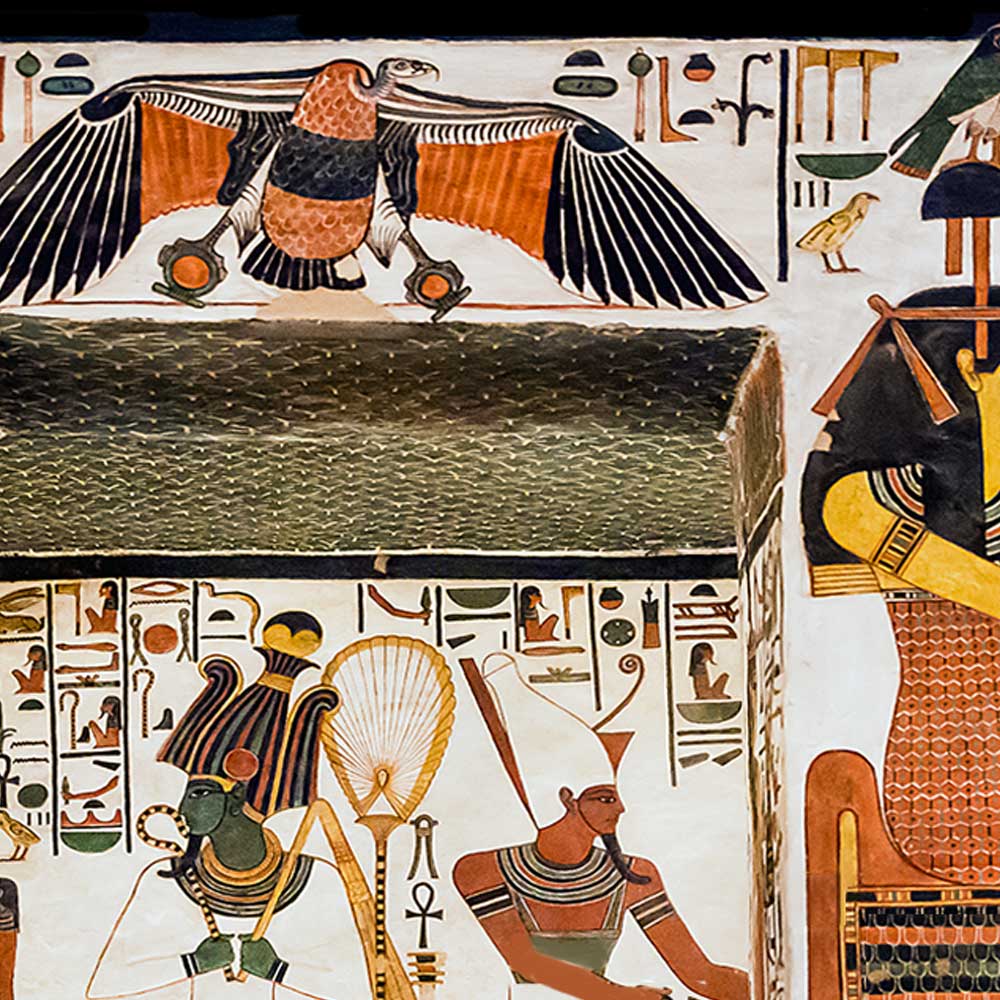 2.) A large winged figure at the top is likely
the goddess Nekhbet, depicted as a vulture, who was a protector deity of Upper Egypt and the pharaoh
2.) A large winged figure at the top is likely
the goddess Nekhbet, depicted as a vulture, who was a protector deity of Upper Egypt and the pharaoh
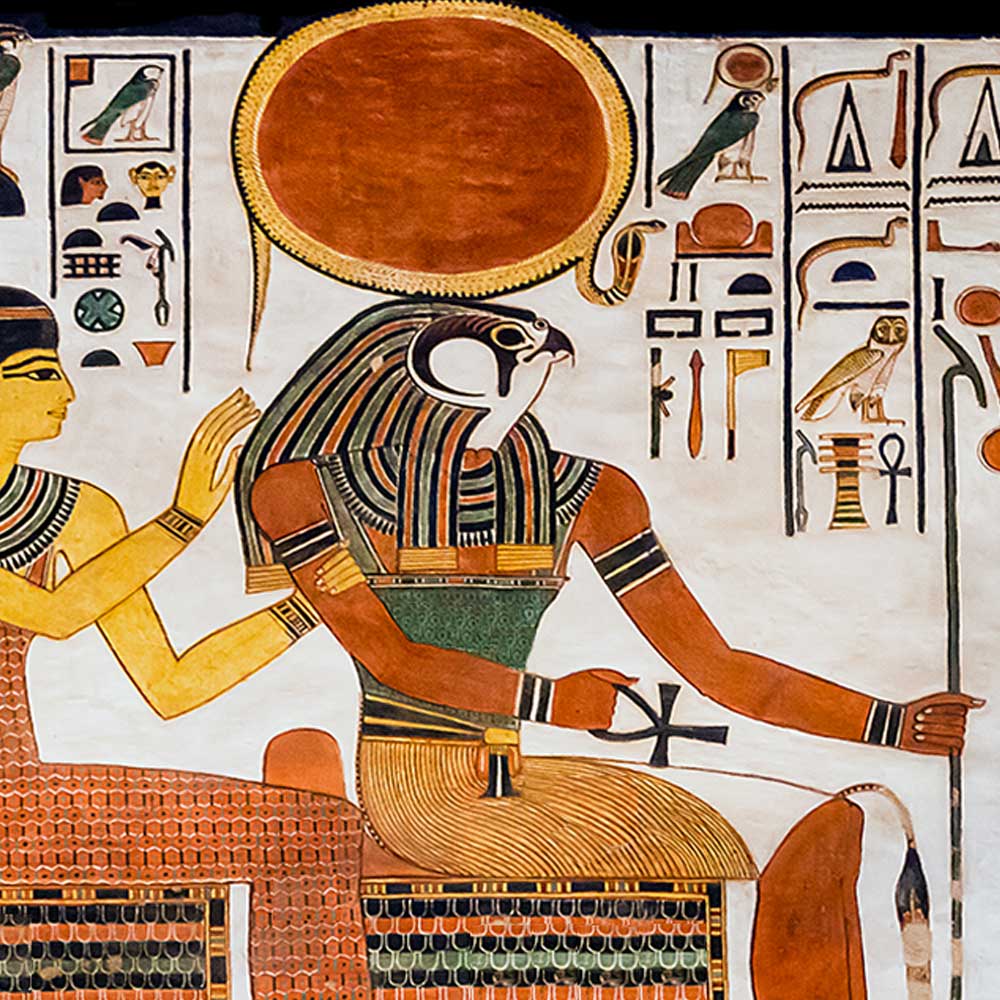 3.) The falcon head and sun disk headdress is the
sun god Ra or Ra-Harakhty
3.) The falcon head and sun disk headdress is the
sun god Ra or Ra-Harakhty
 Top
Top