Magdalena Abakanowicz (Polish, 1930–2017) A pioneering sculptor and fiber artist, Magdalena Abakanowicz
transformed textile traditions into radical, three‑dimensional forms. Raised on a family estate east of Warsaw,
she carried the trauma of a 1943 attack by German soldiers—an event that profoundly shaped her lifelong focus on
the human condition. Working against the state‑mandated aesthetics of Socialist Realism, Abakanowicz created her
first monumental woven sculptures, the Abakans, in the 1950s and 60s. In the 1970s she turned to headless, fragmented
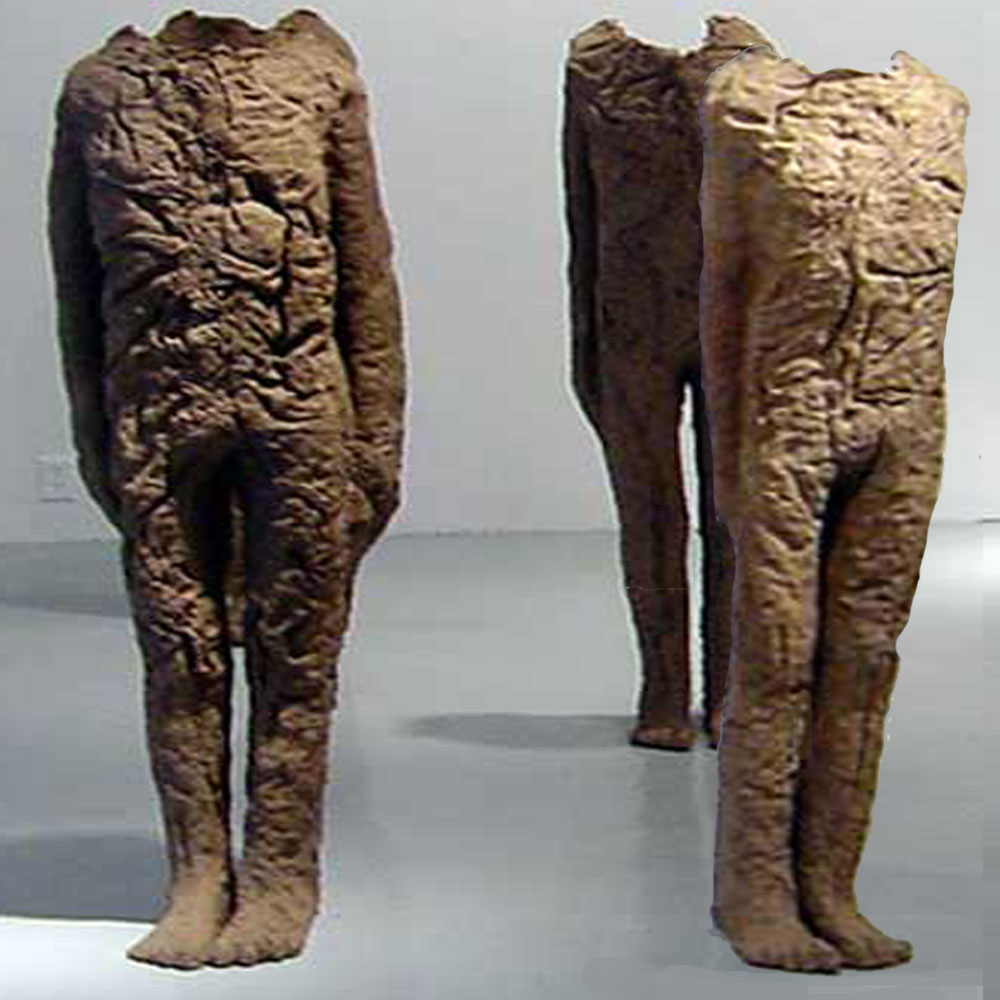
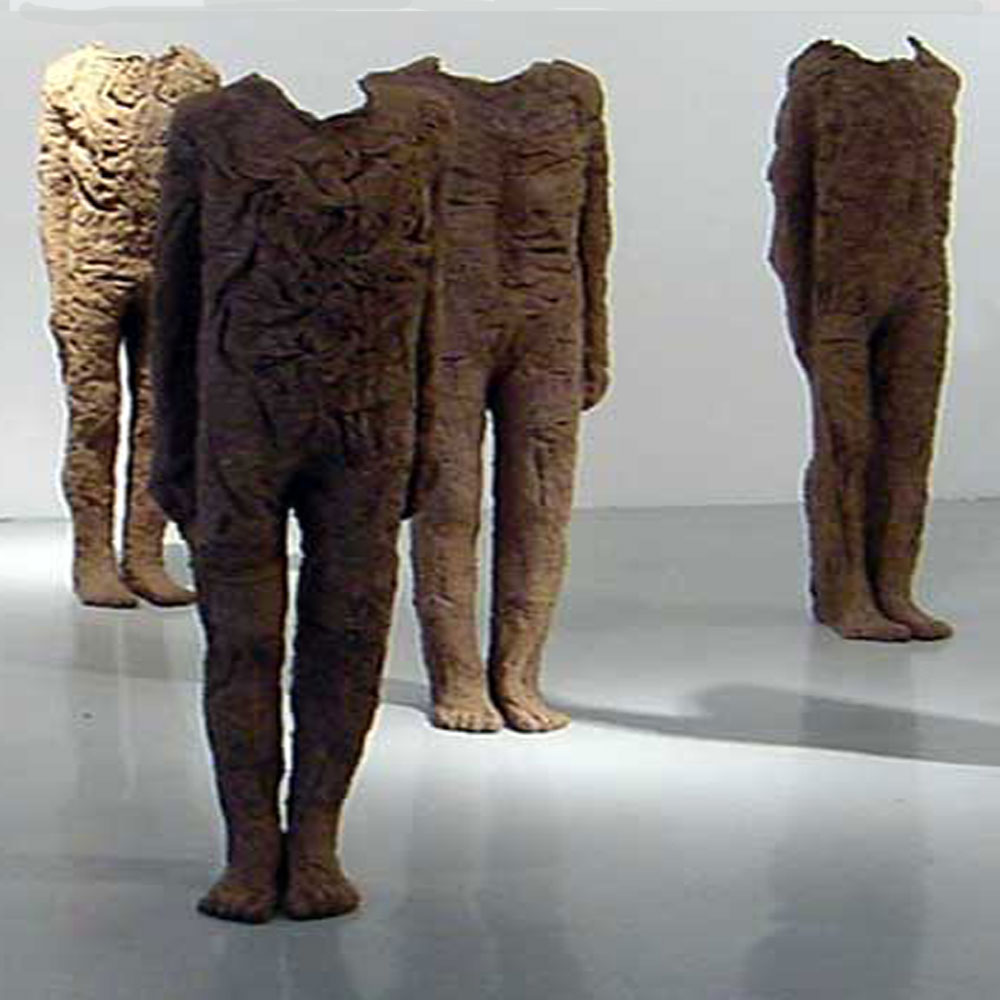
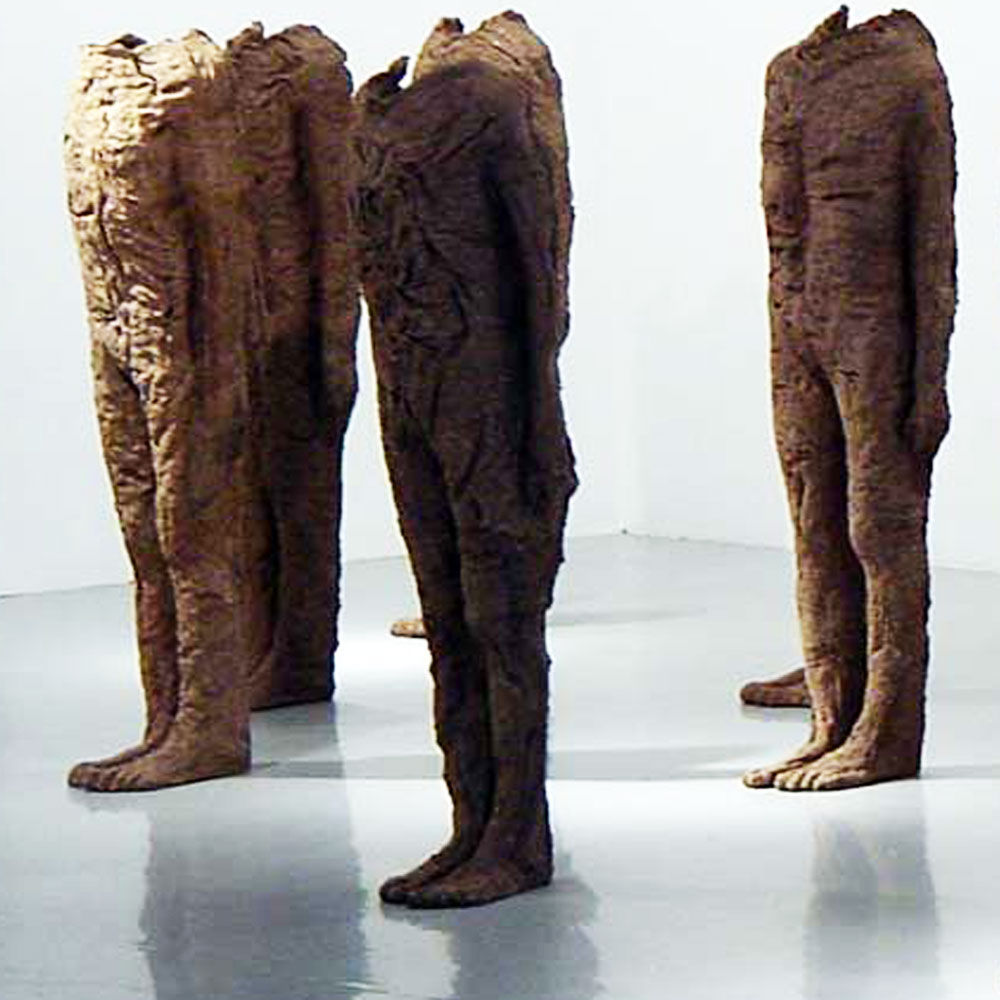
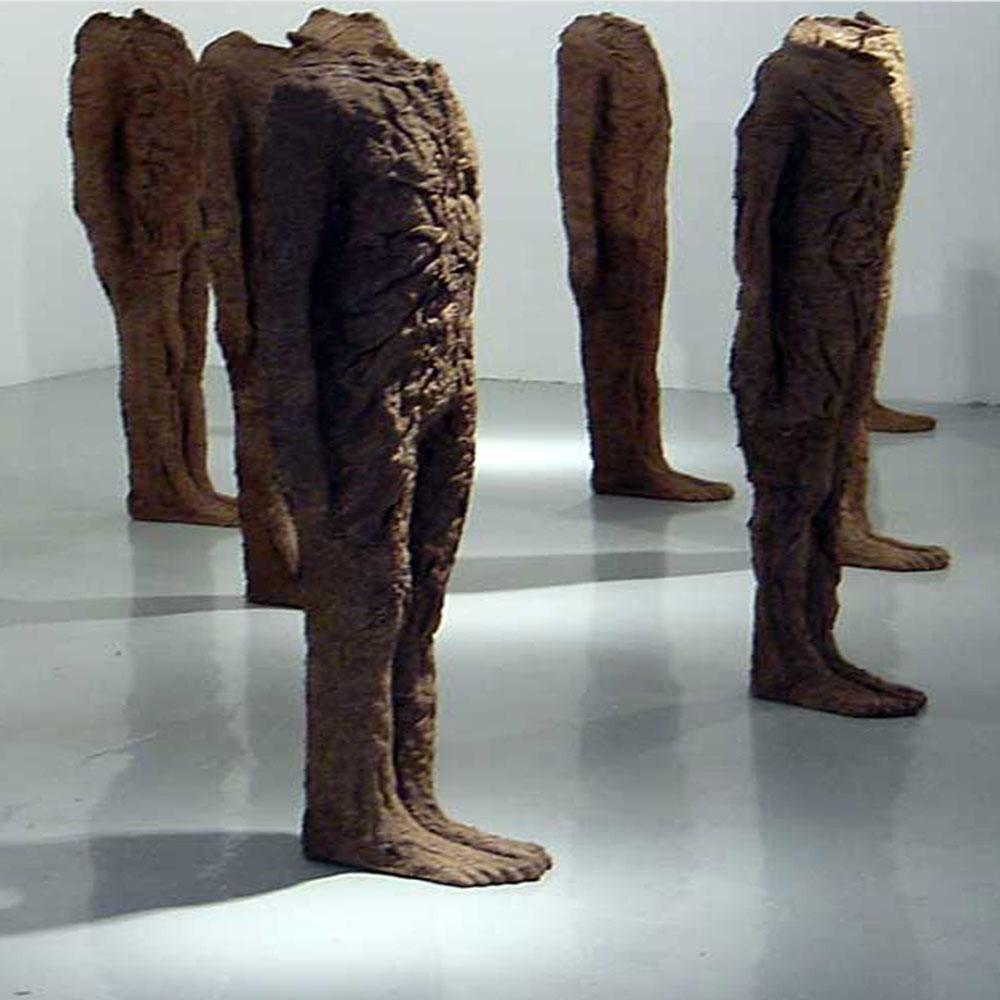
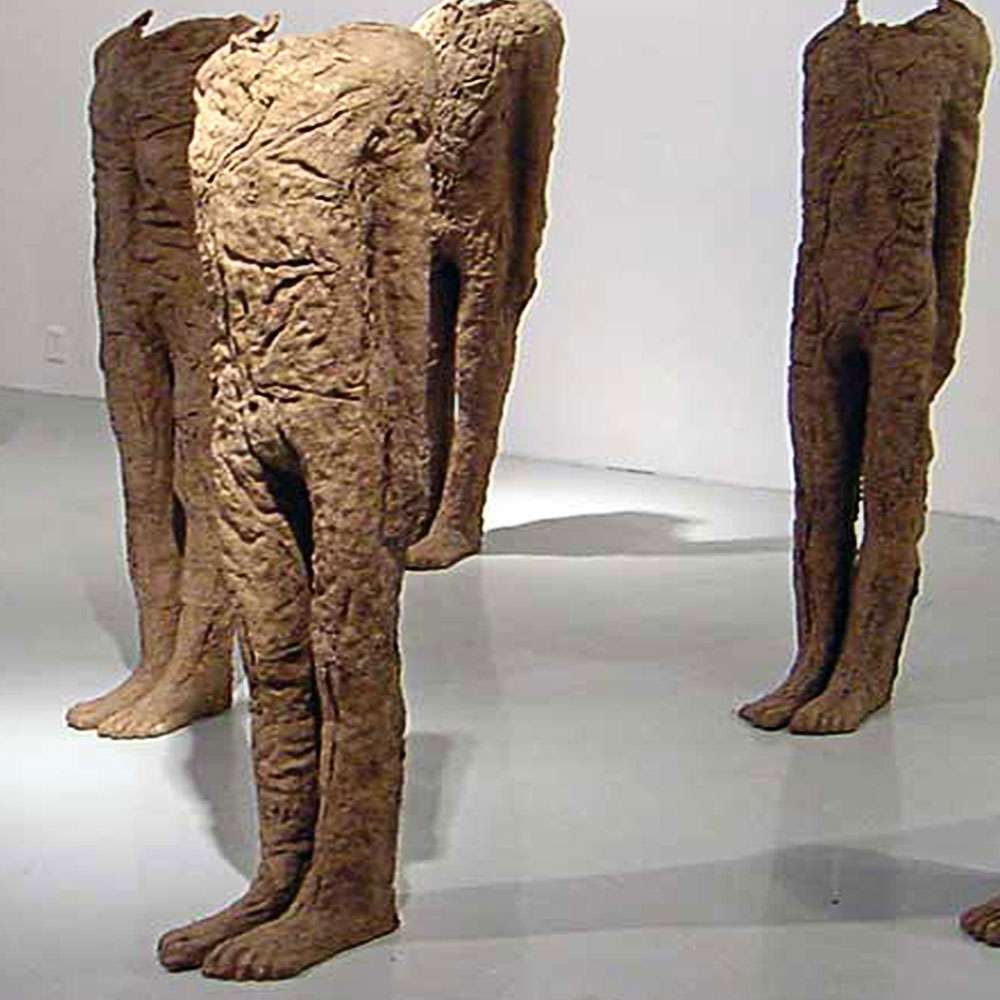
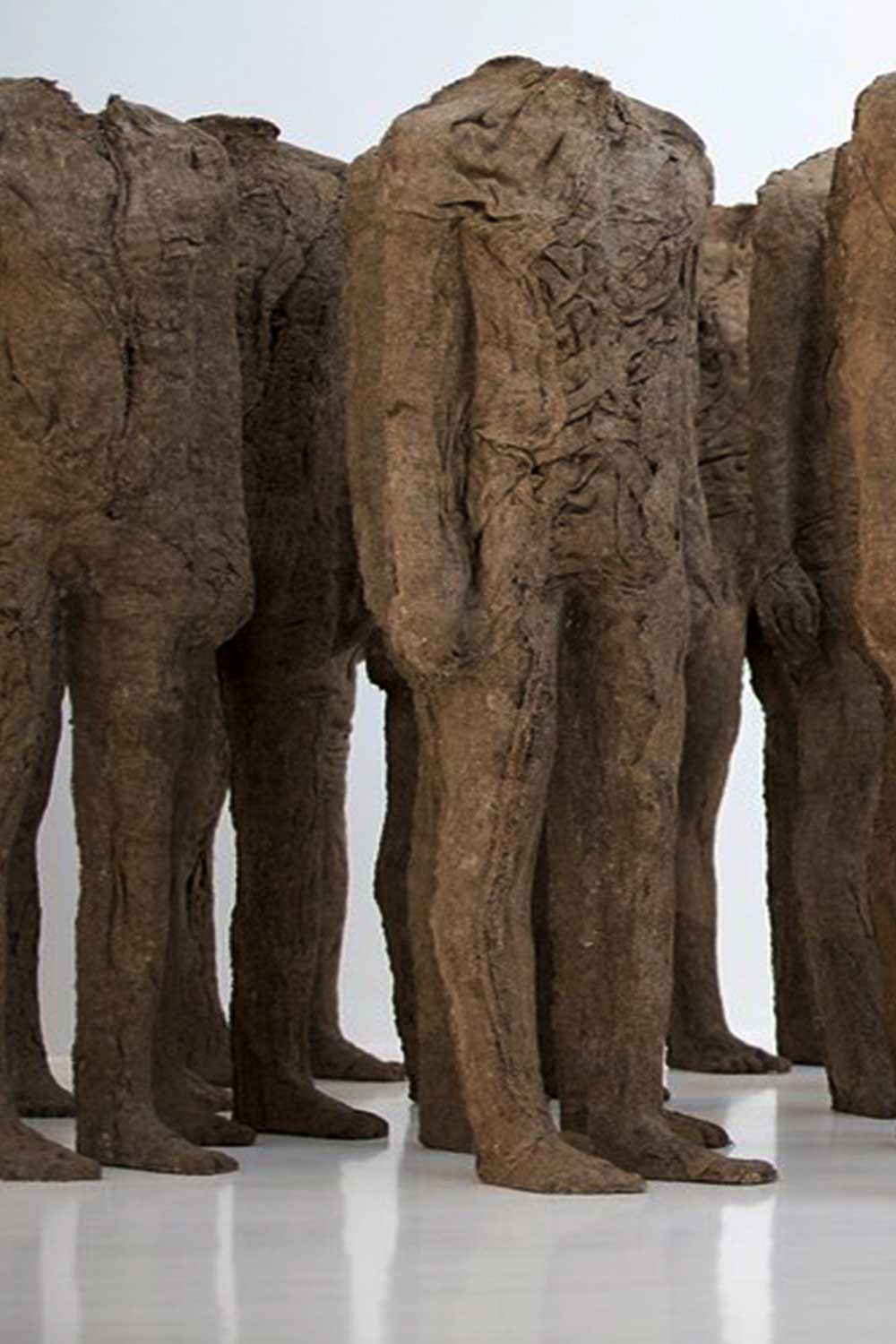
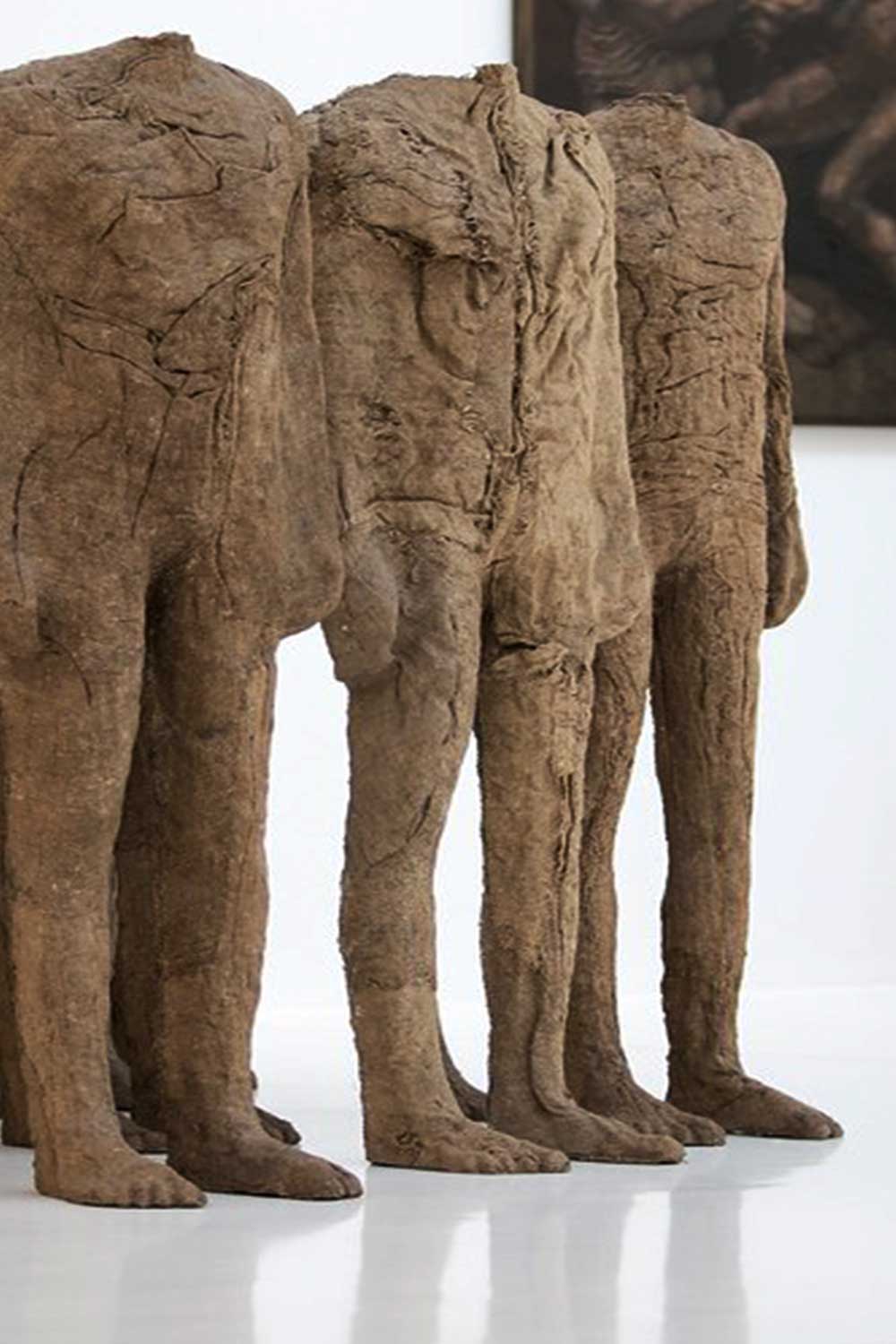
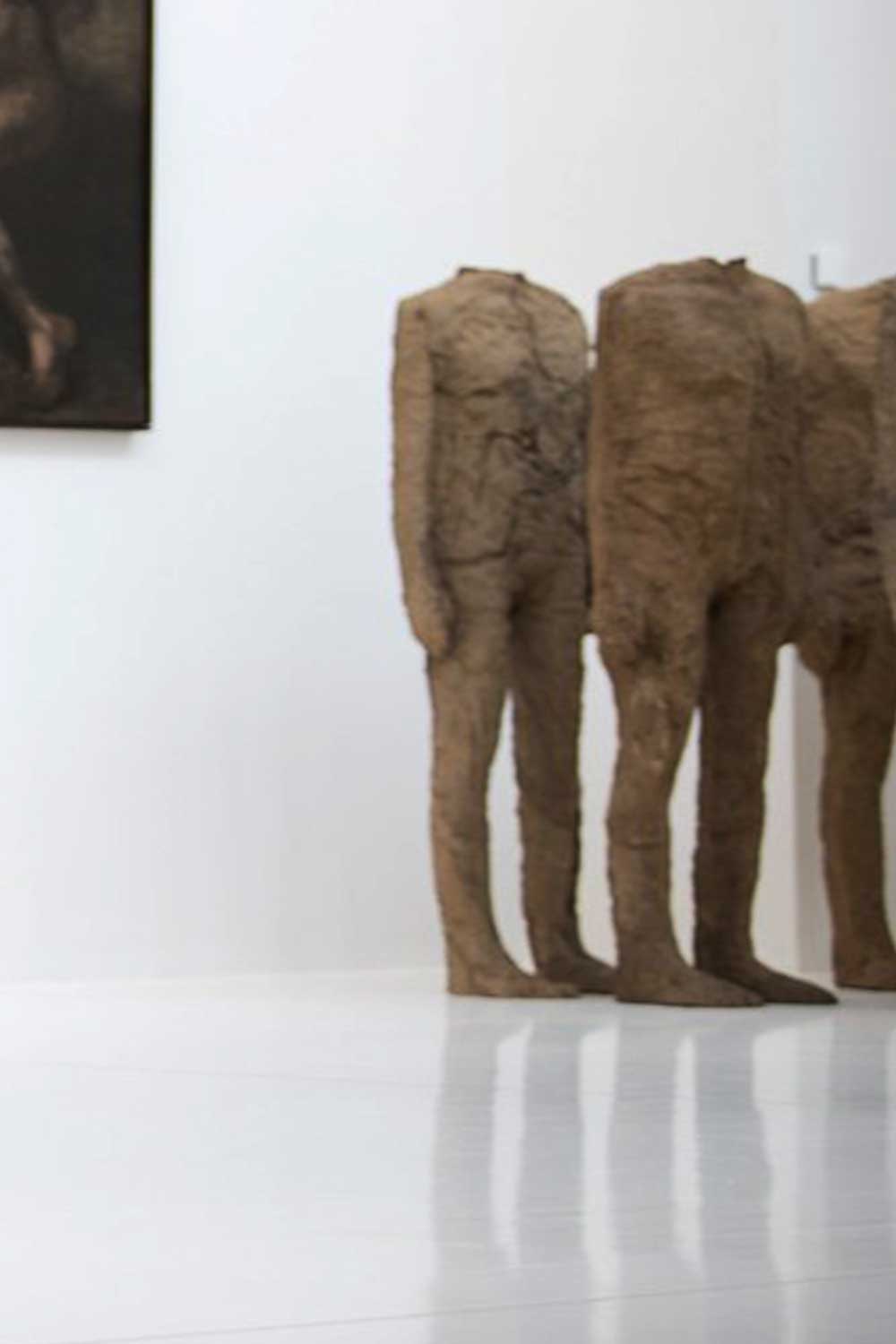
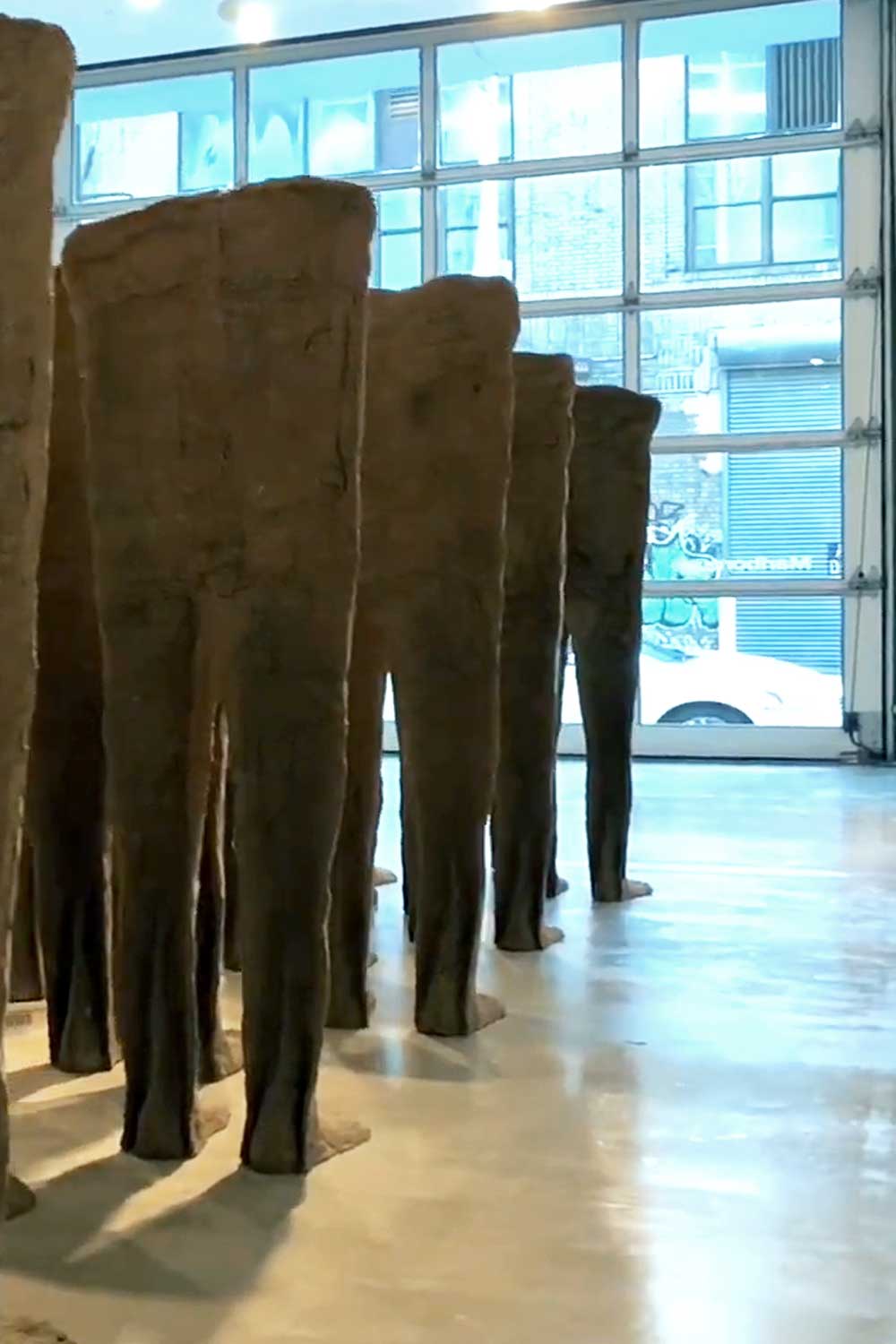
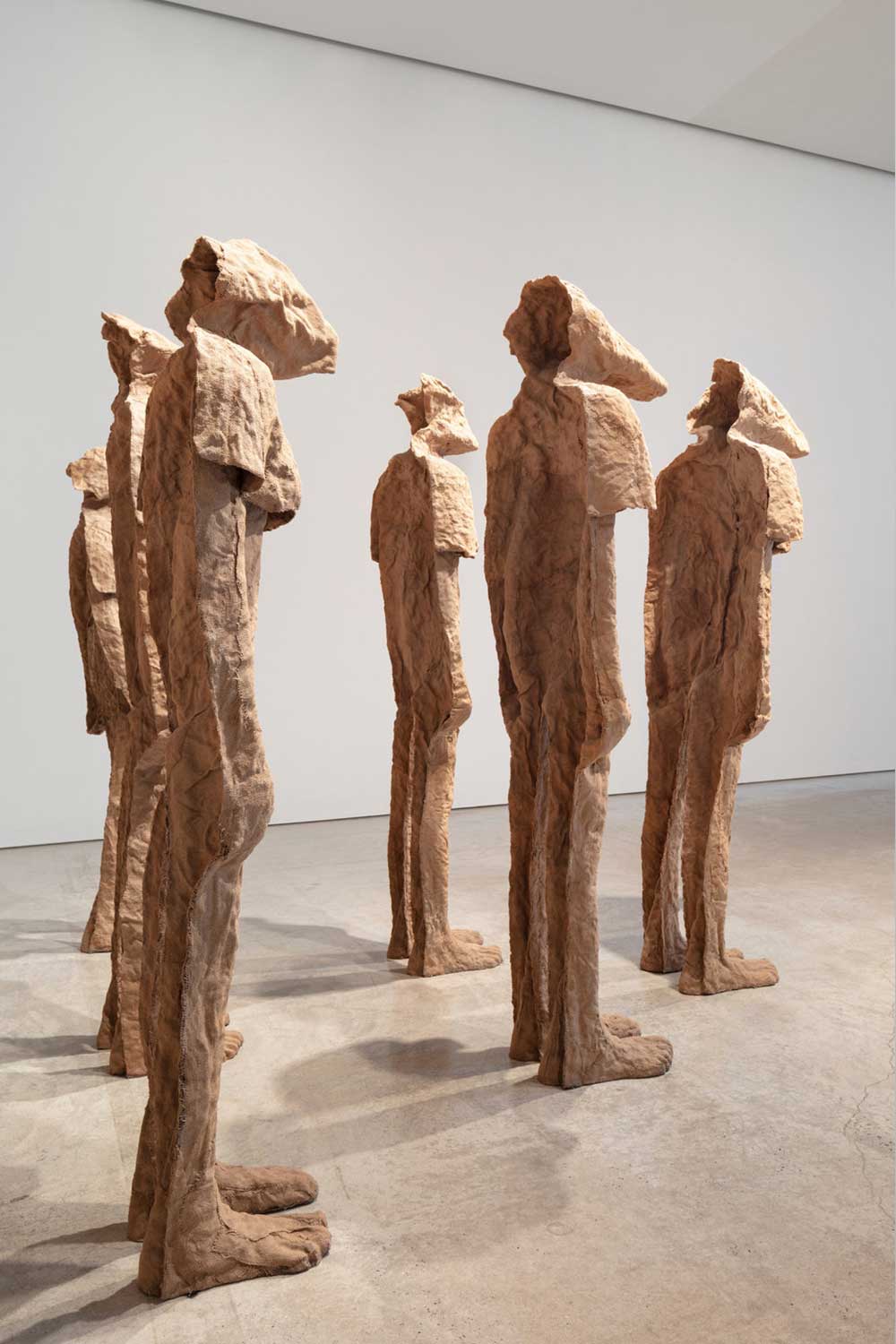
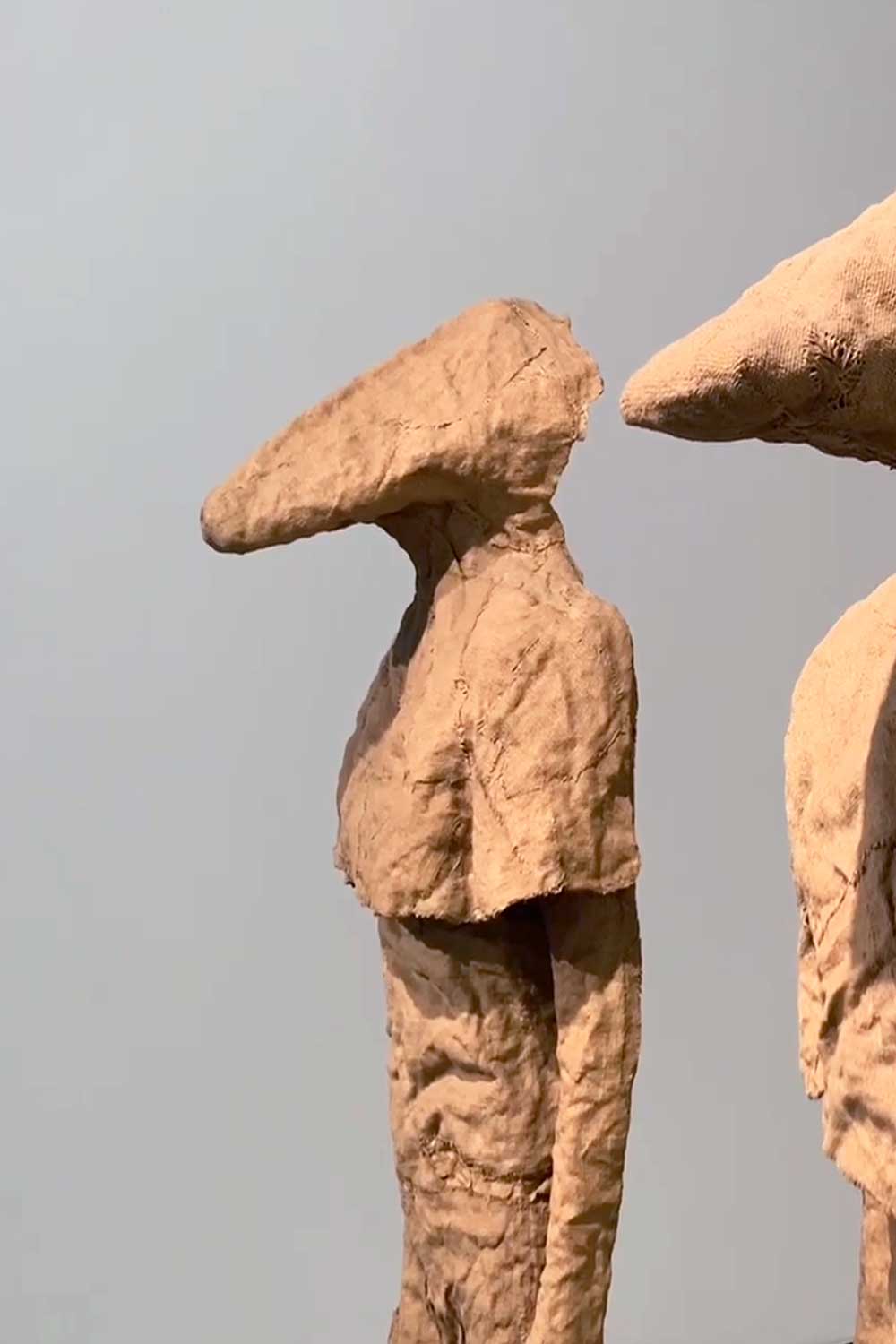
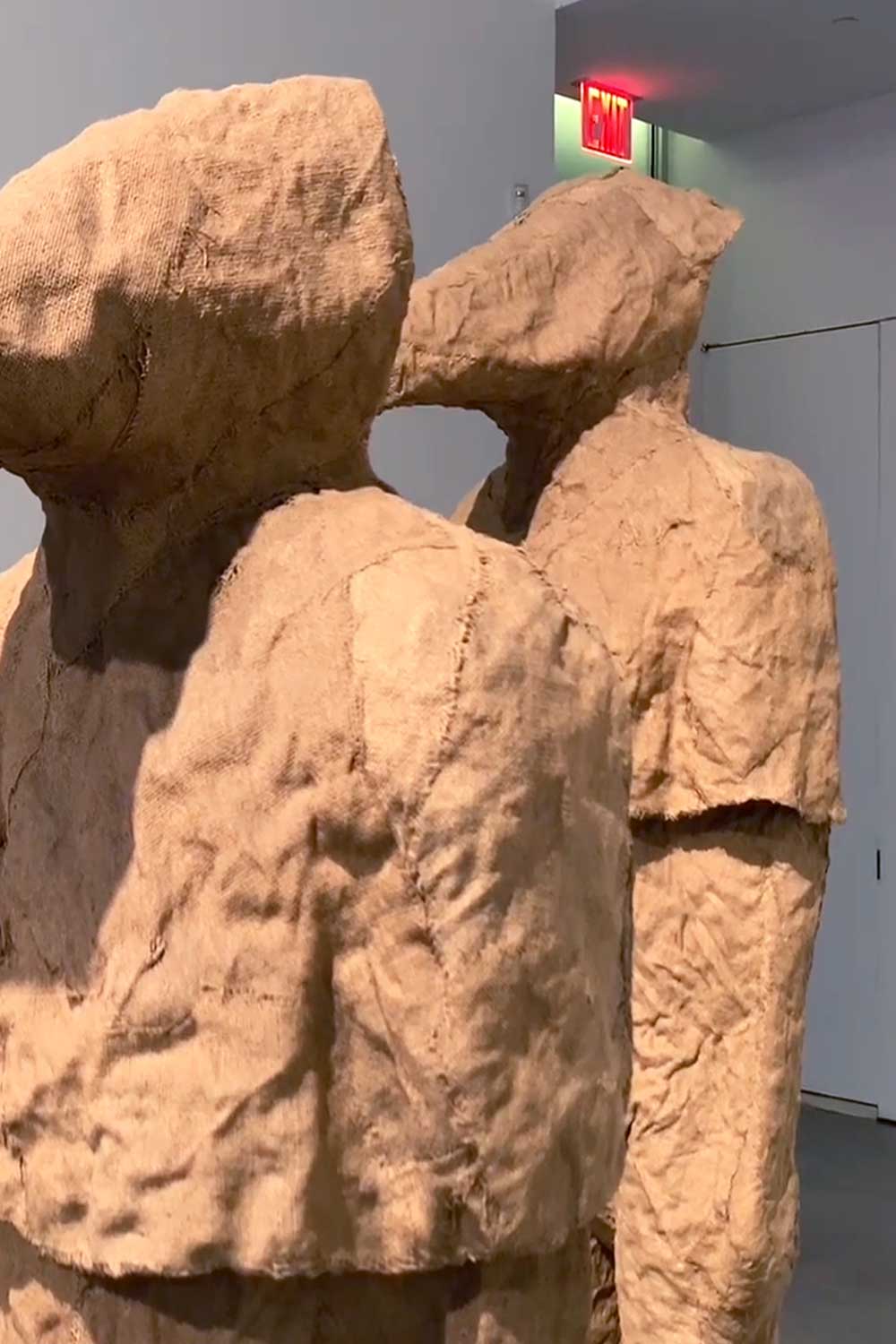
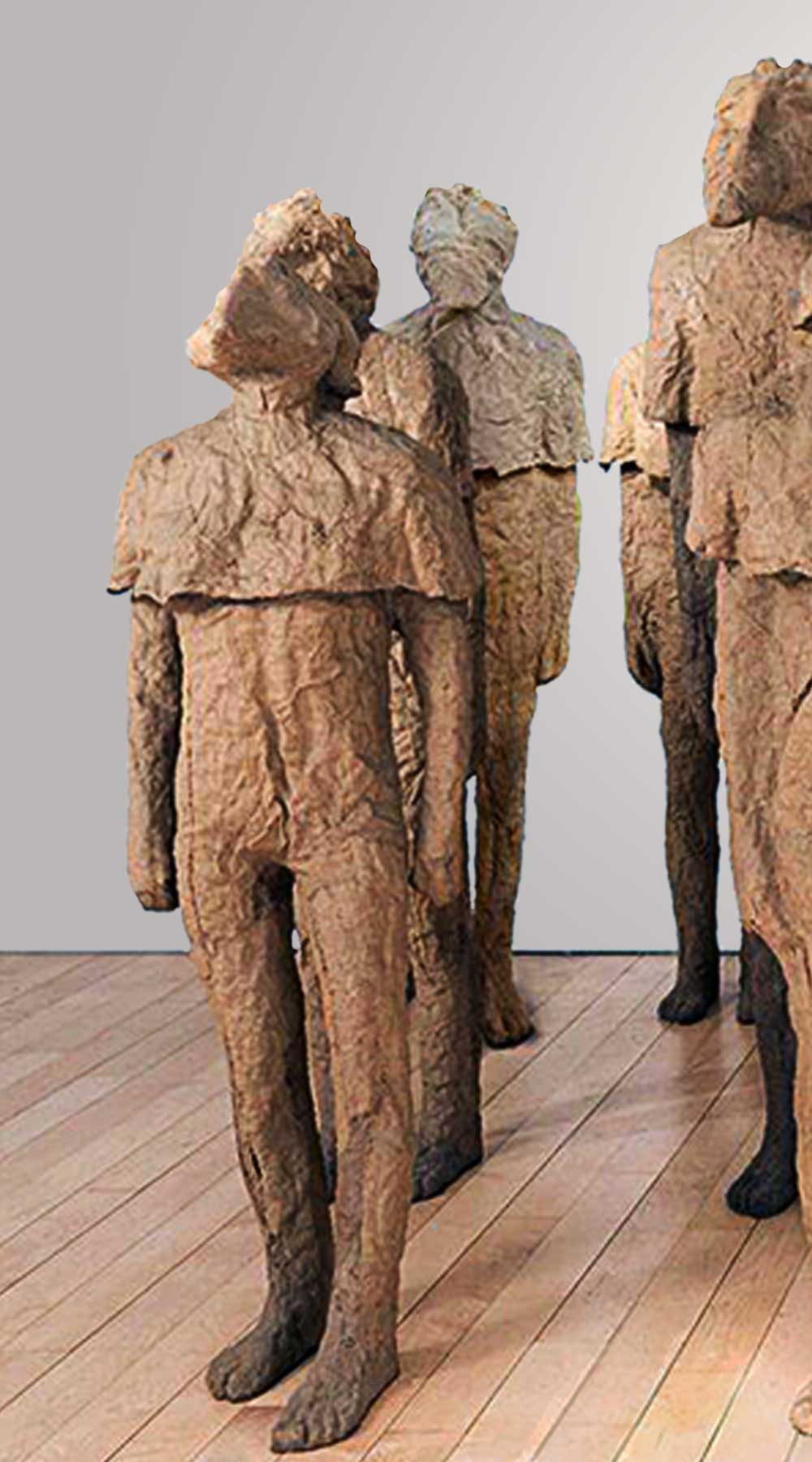
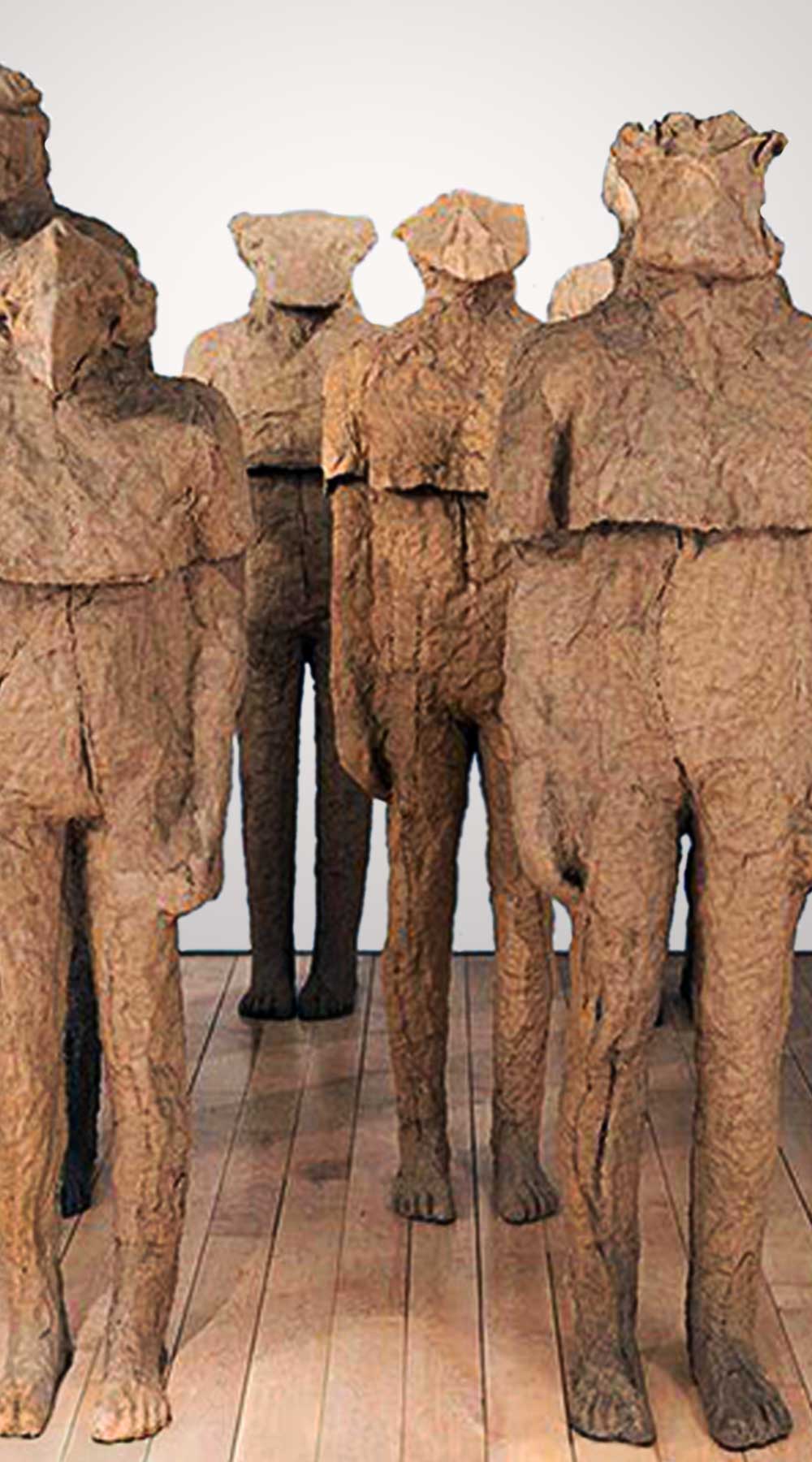
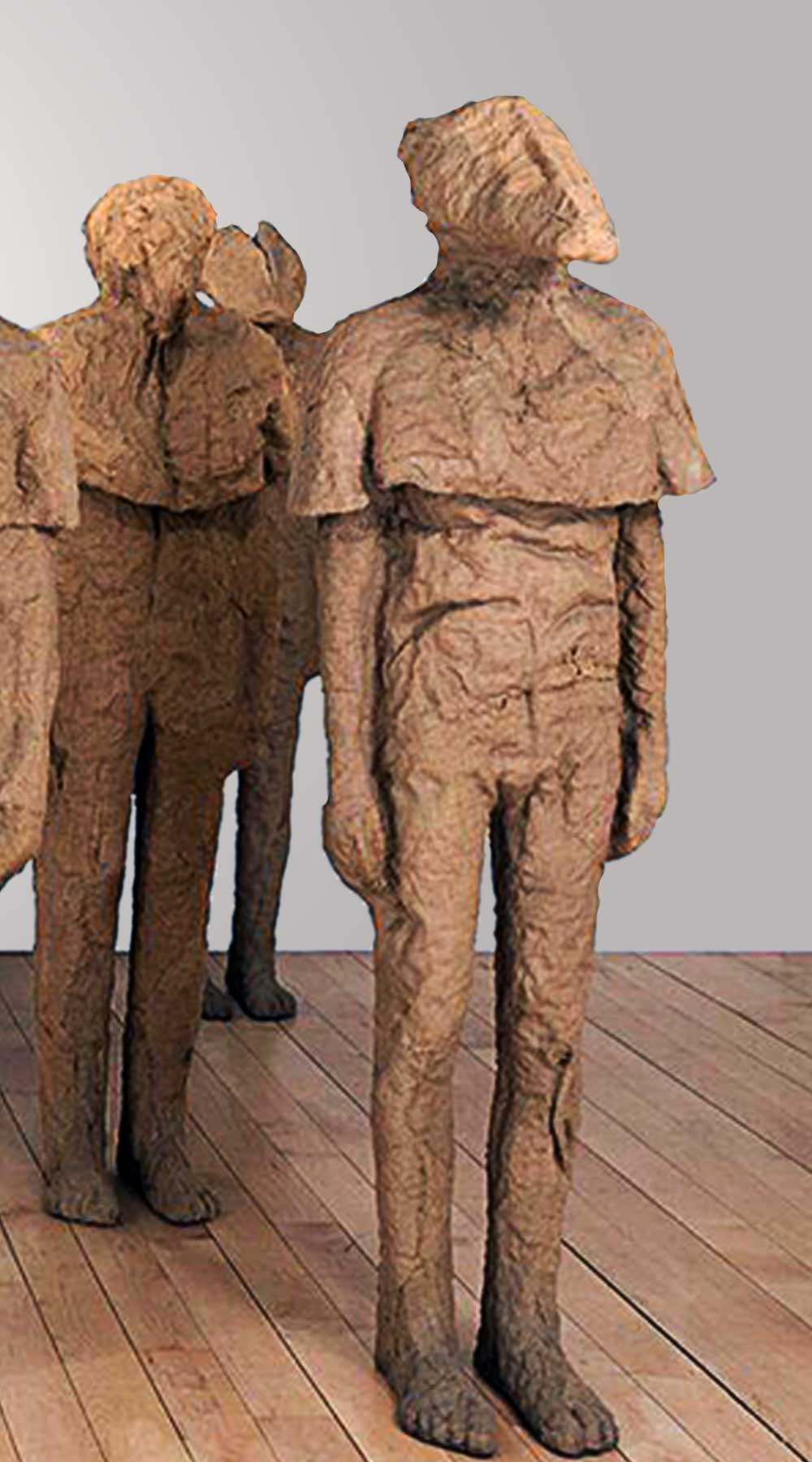
human figures, later expanding into bronze, wood, stone, and clay. Her standing “crowds,” with their scarred
burlap surfaces, evoke both individuality and collective experience. Internationally influential and long based in
Warsaw, Abakanowicz taught for decades in Poznań and served as a visiting professor at UCLA. Her work continues to
reshape the history of postwar sculpture and fiber art.
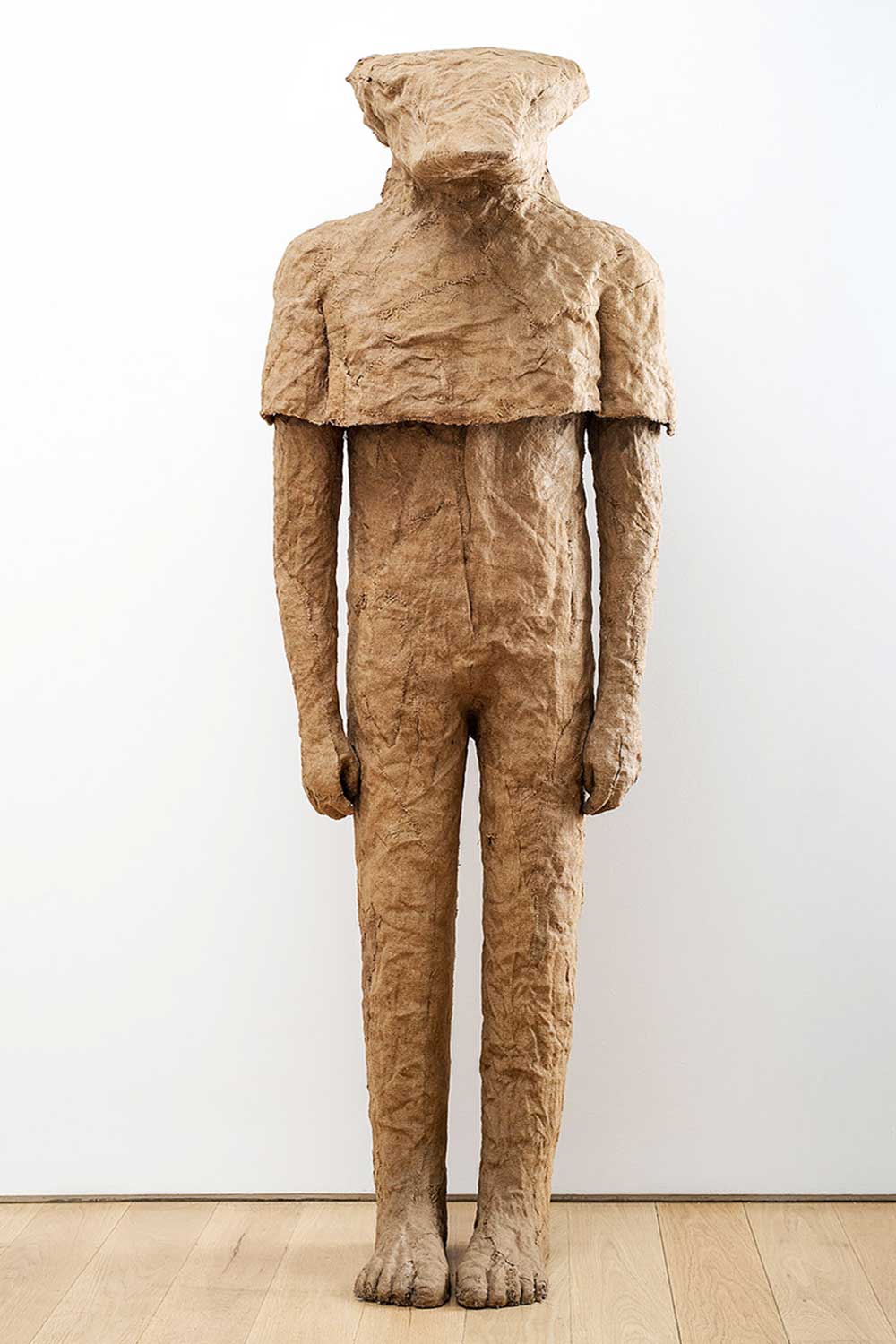
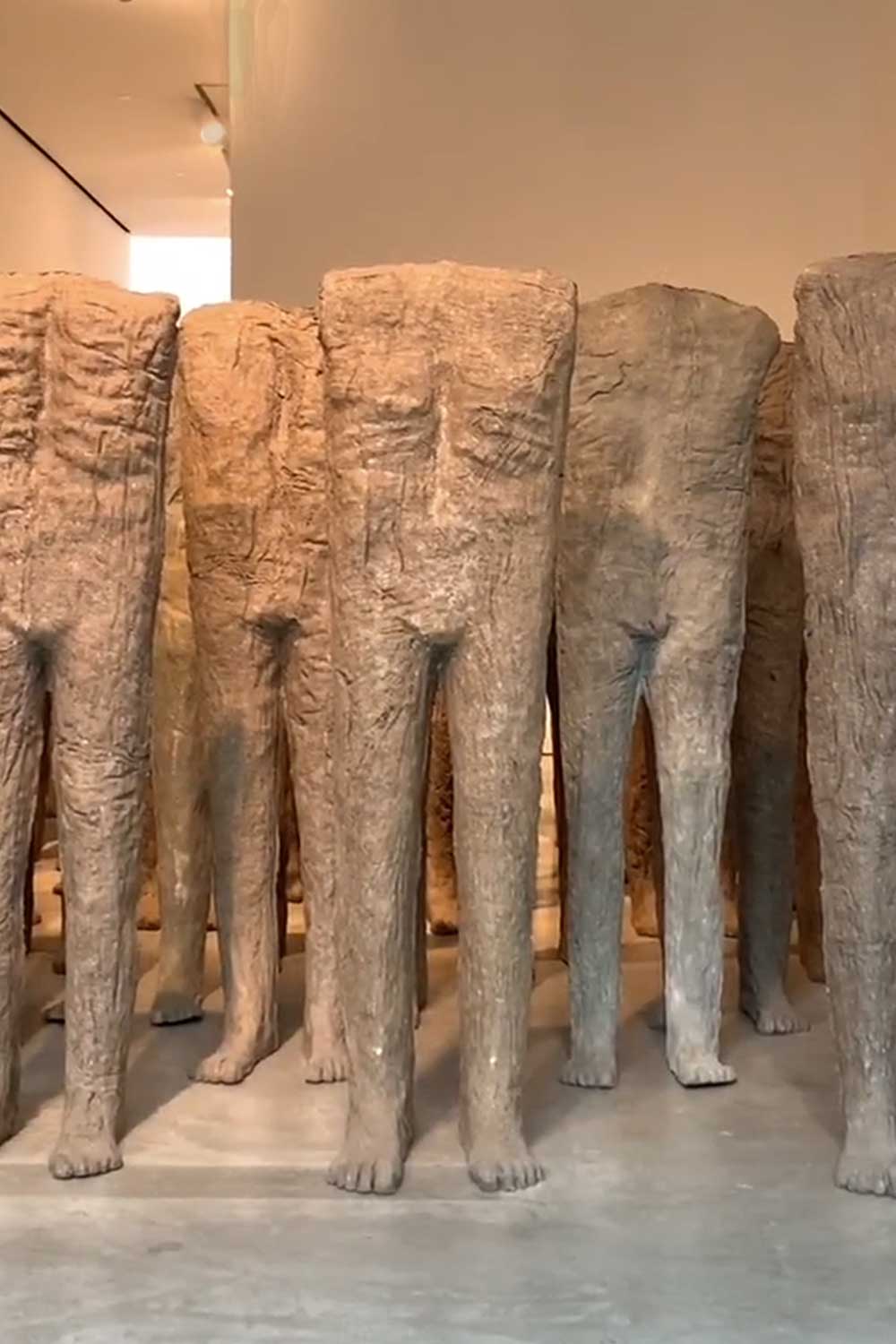
Crowds of standing
figures, burlap and resin,
Crowds of standing
figures, burlap and resin,
Crowds of standing
figures, burlap and resin,
Crowds of standing
figures, burlap and resin,
Crowds of standing
figures, burlap and resin,
Crowds of standing
figures, burlap and resin,
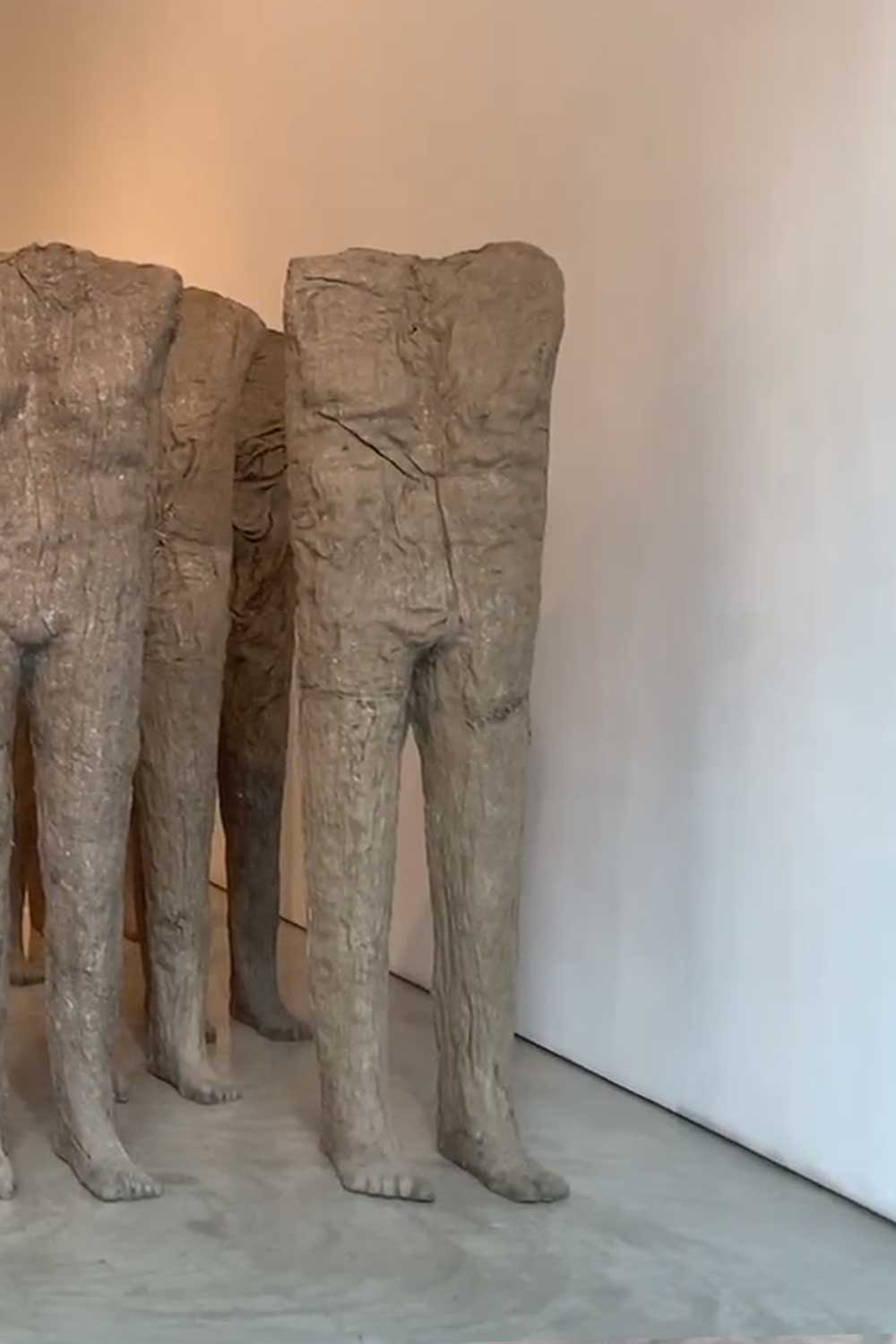
"Crowds" 1992,
Medium: burlap and resin,
Theme: headless,
standing figures, exploring the human condition, individuality within a mass, and collective identity,
addressing
profound subjects like trauma, dehumanization, and the relationship between the individual and society.
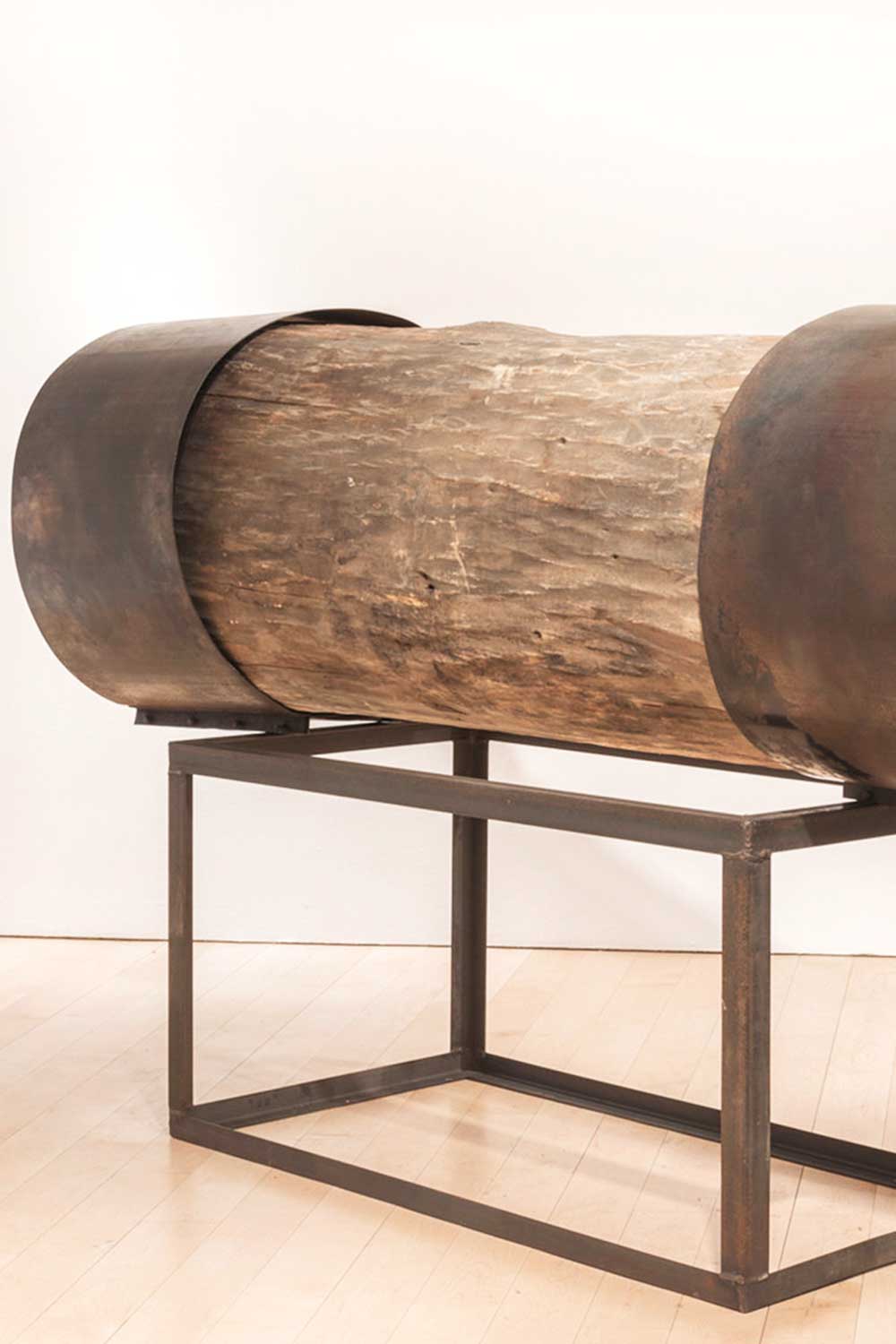
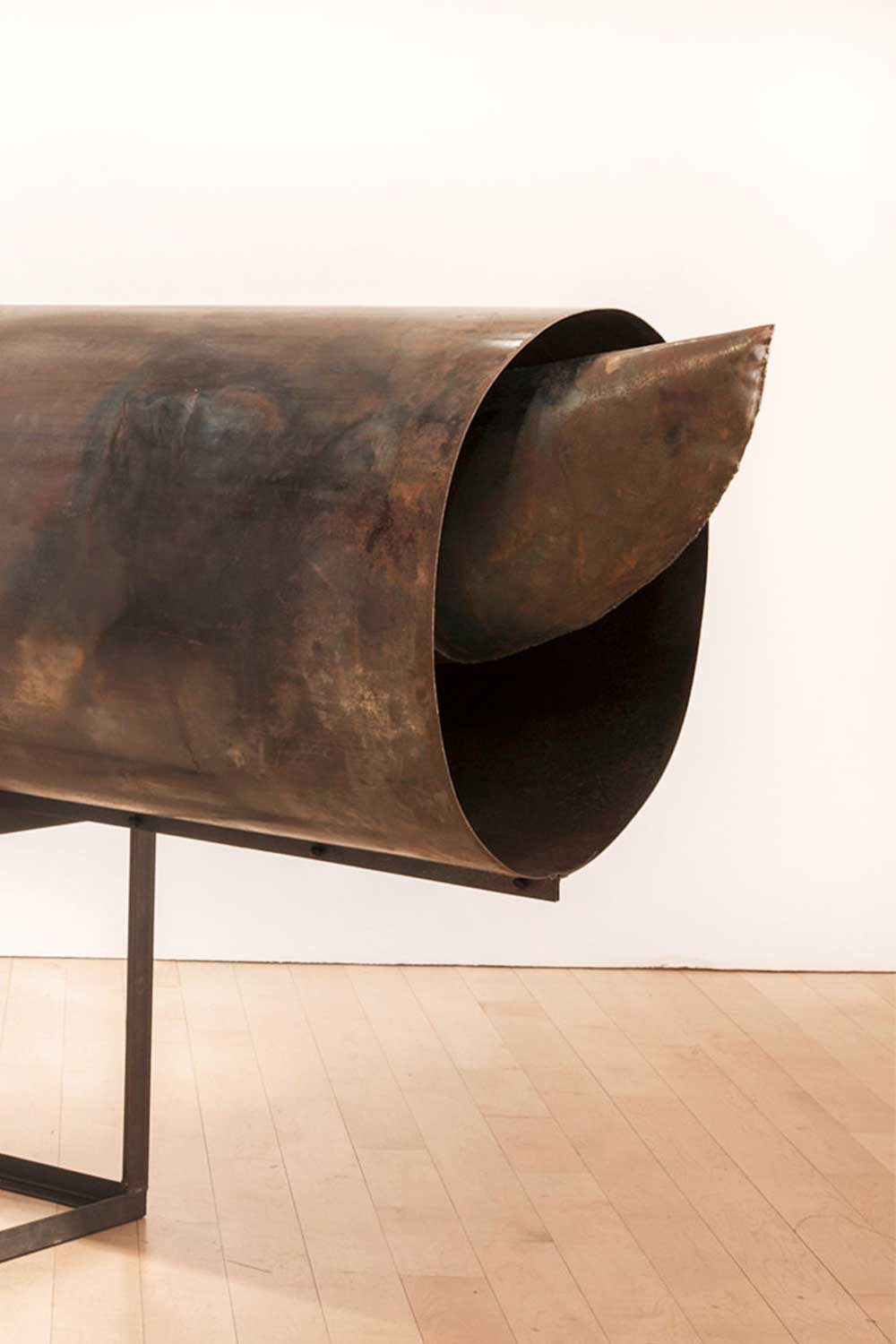
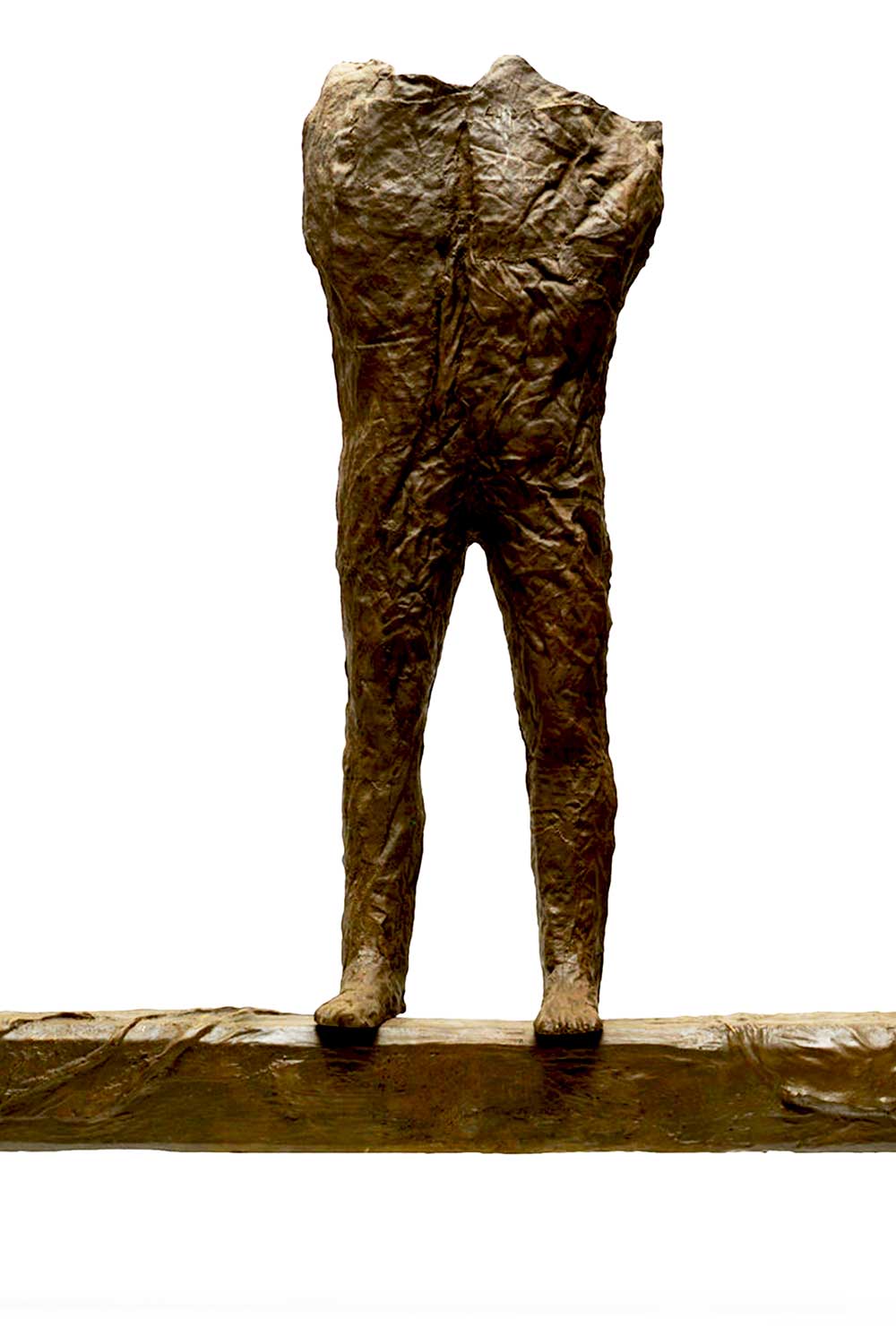
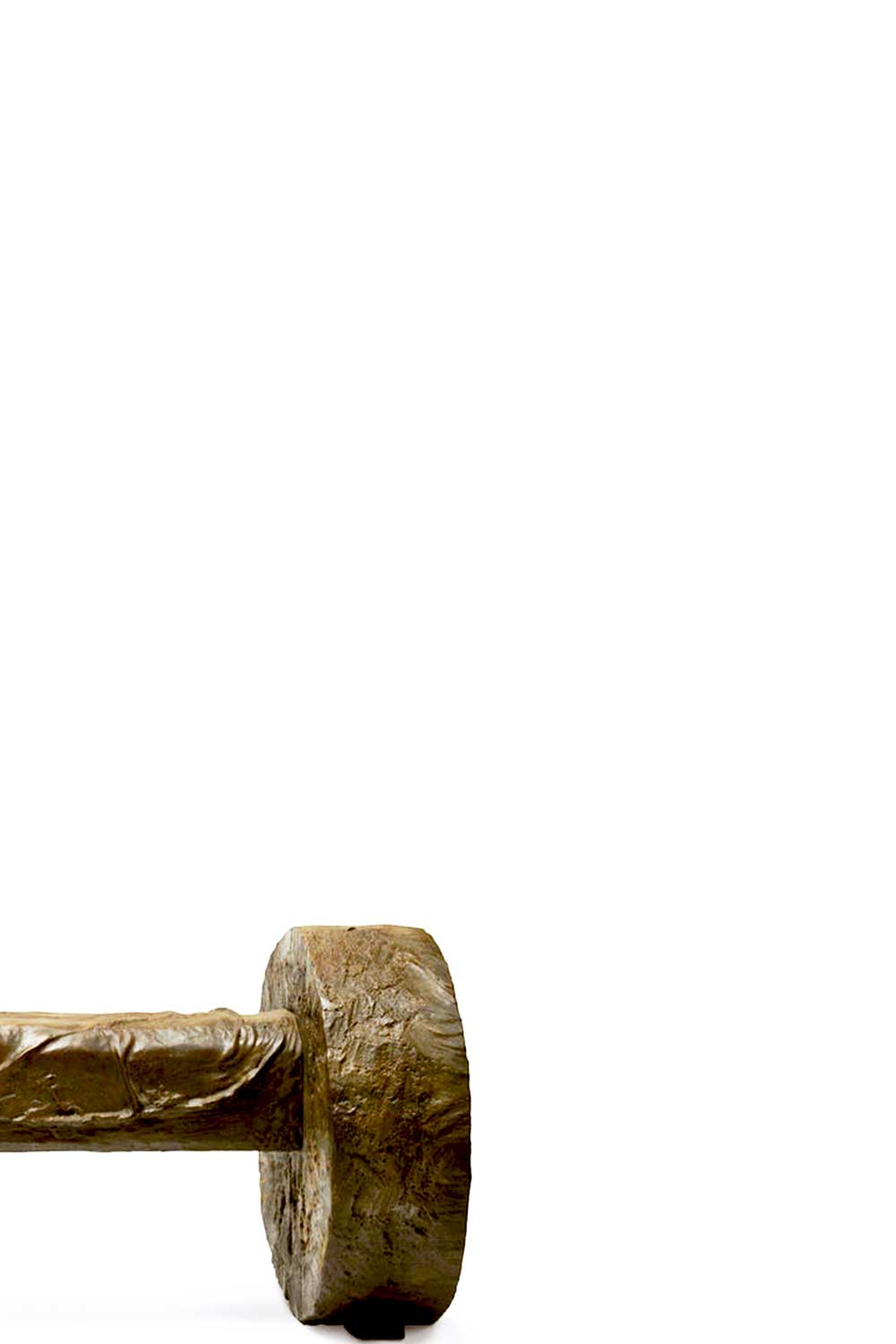
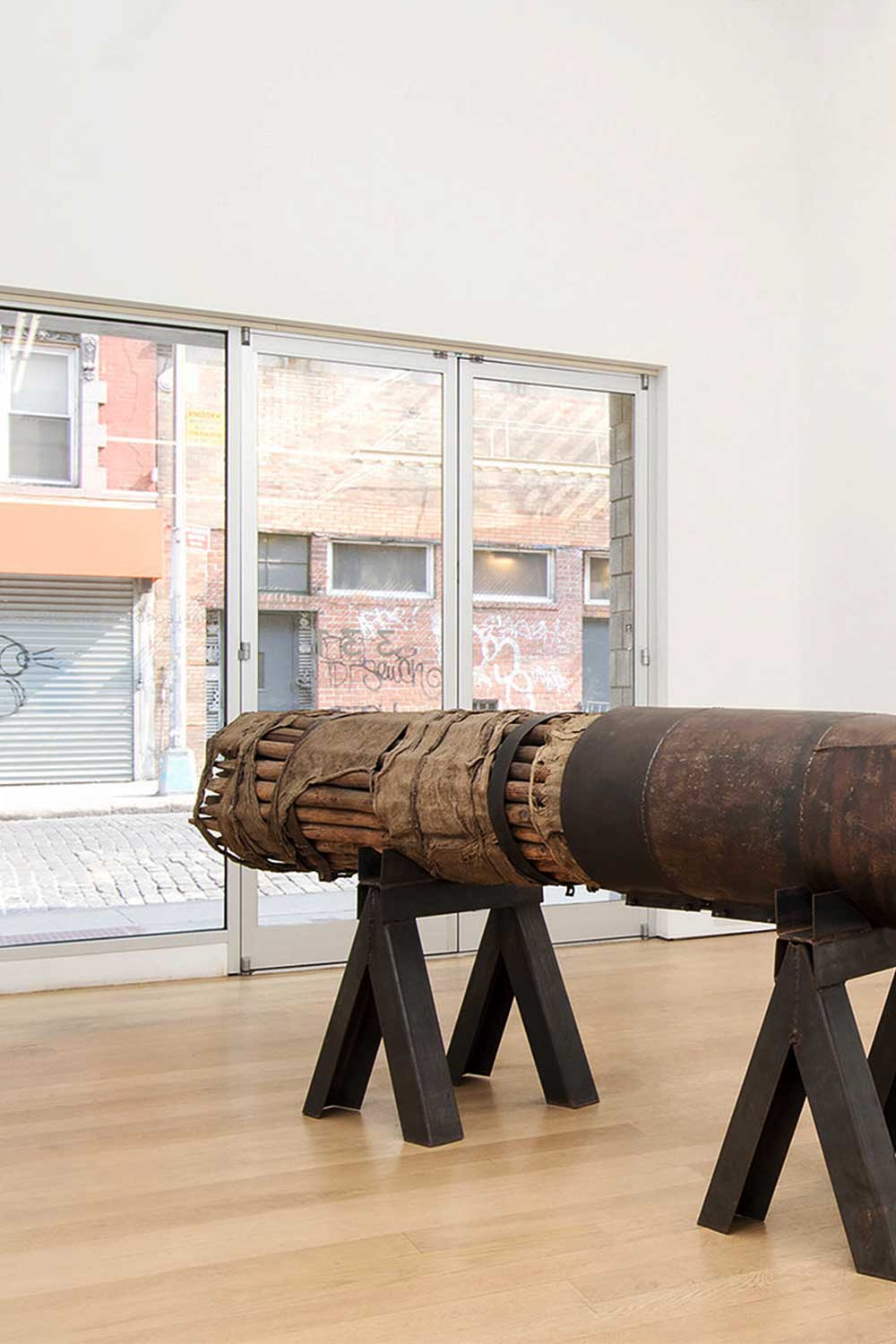
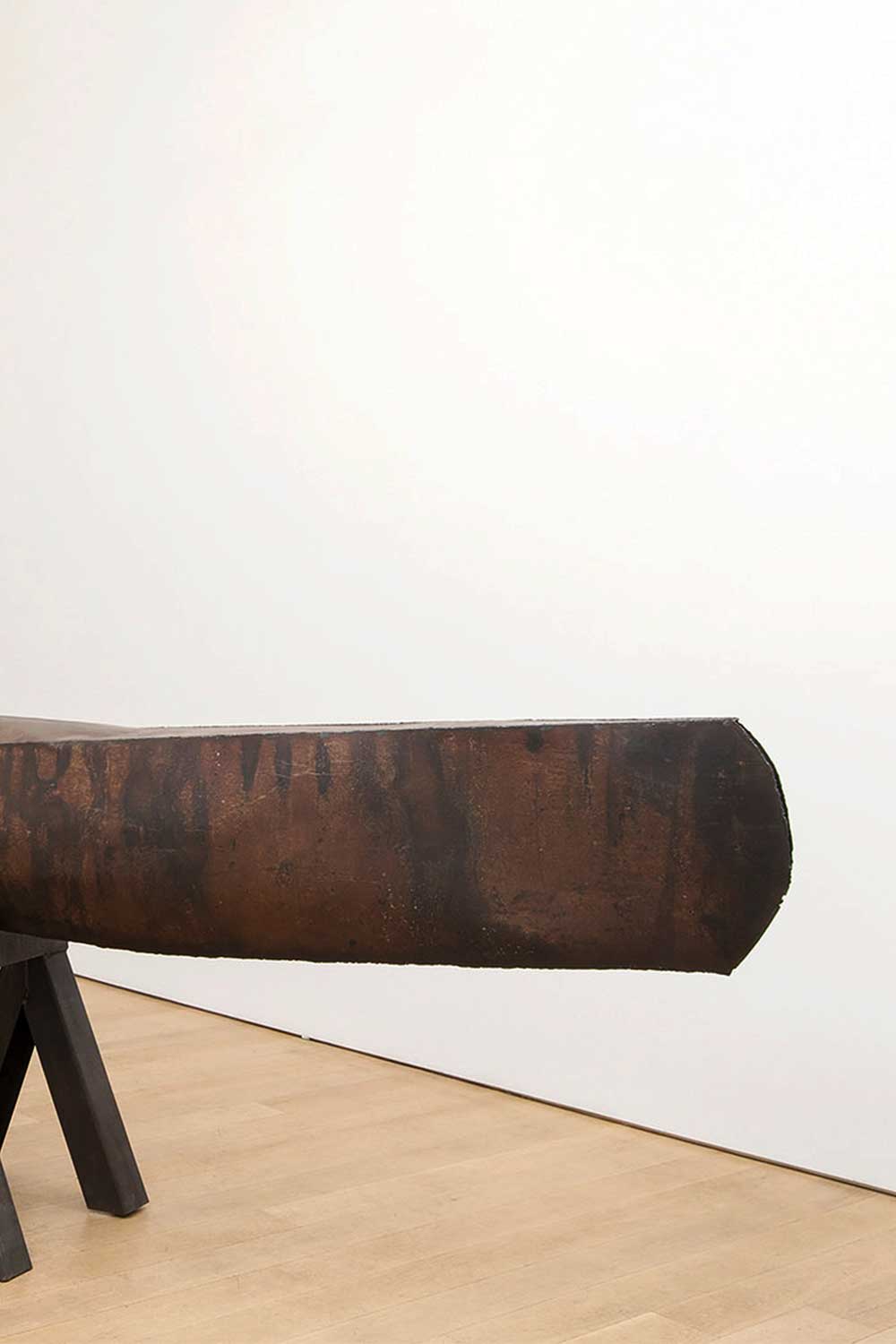
"Marrow Bone"
from the War Games series (1987), The War Games series consists of monumental structures that combine sections of
real, stripped tree trunks with metallic elements and strips of burlap.
made from a
combination of wood and iron, 59 × 137 3/4 × 31 1/2 in. (149.9 × 349.9 × 80 cm)
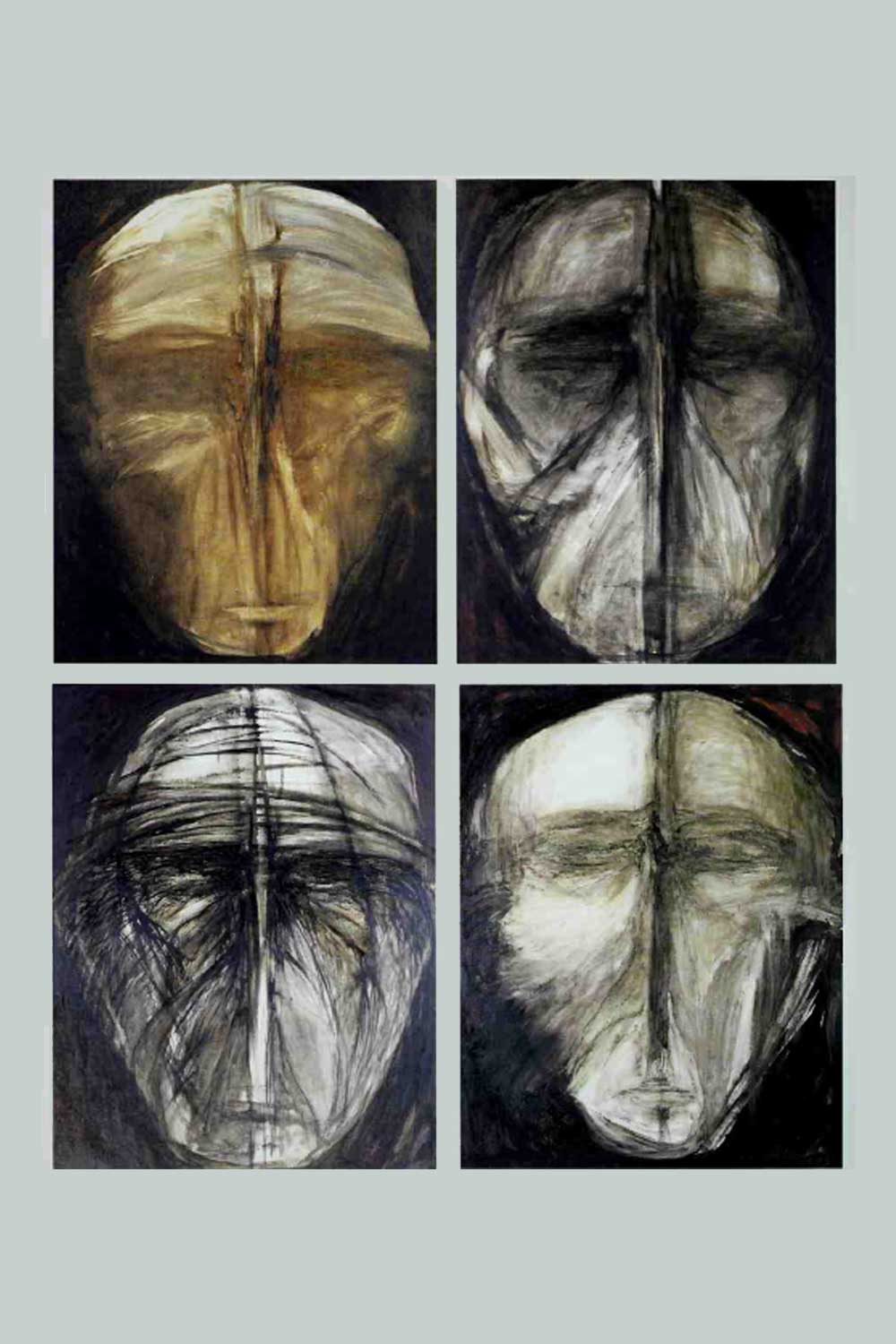
"Untitled" (2006)
a relief on canvas featuring four distinct, expressive faces that explore themes of the human condition, identity,
and anonymity.
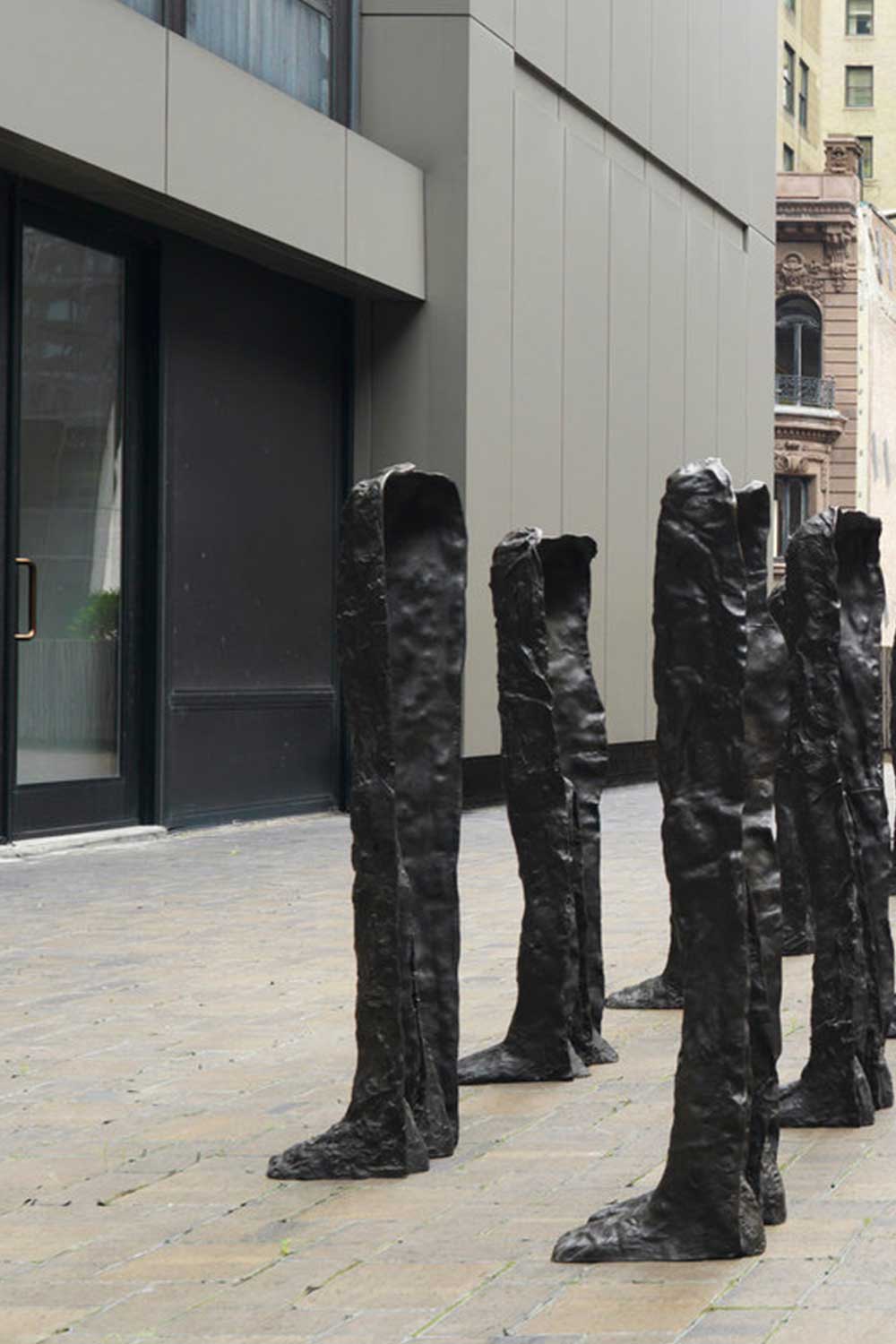
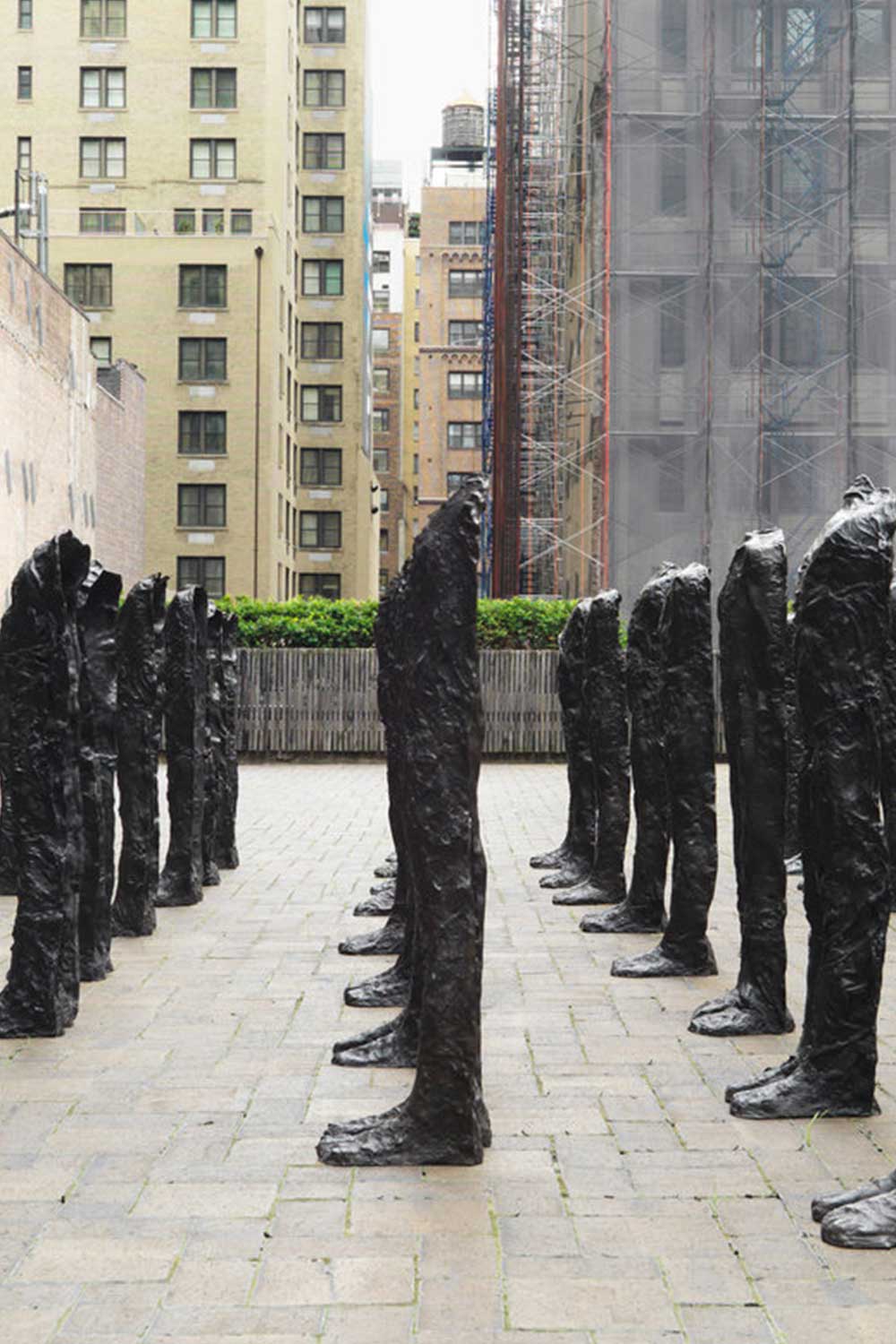
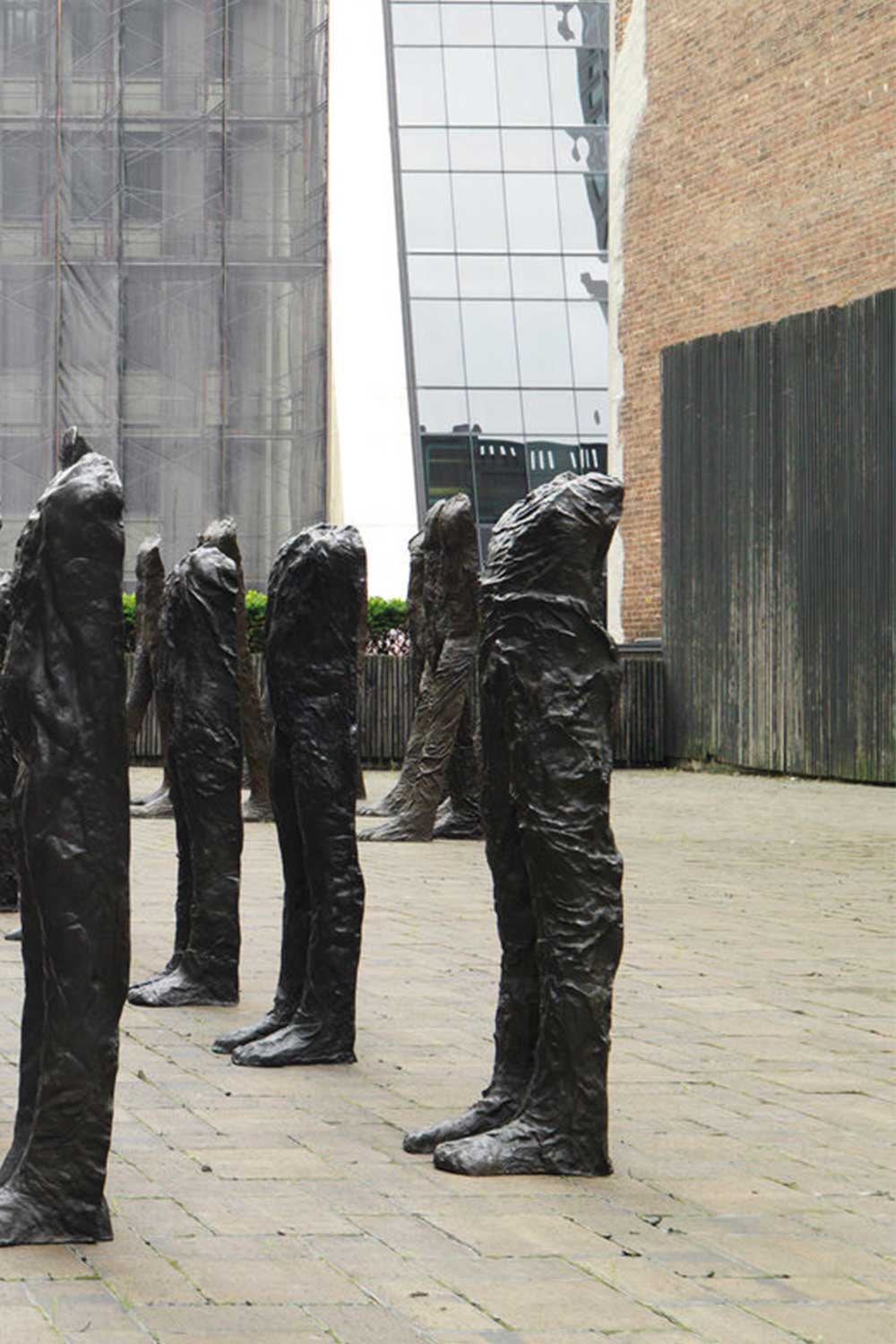
Postać
stojąca (Standing Figures), bronze
features
anonymous, elongated human forms grouped together standing in stright rows
display is
located at out-side patio Marlborough Gallery up-town New York City
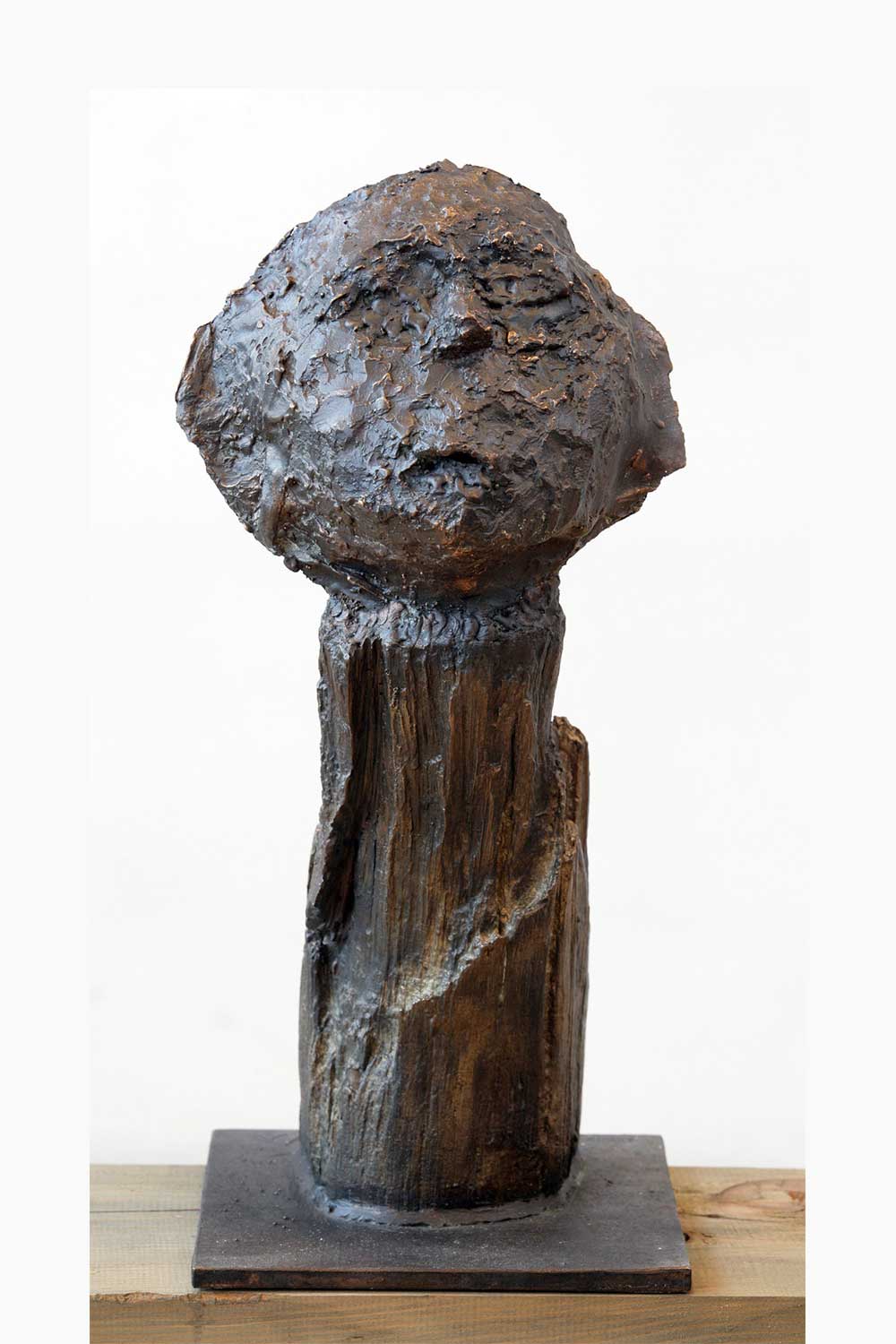
Gruby, created
between 2005 and 2006, Medium: Bronze with a dark patina Dimensions: 190 x 111 x 90 cm (approx. 74.5 x 43.5 x 35.38
in.)
The Humming Birds
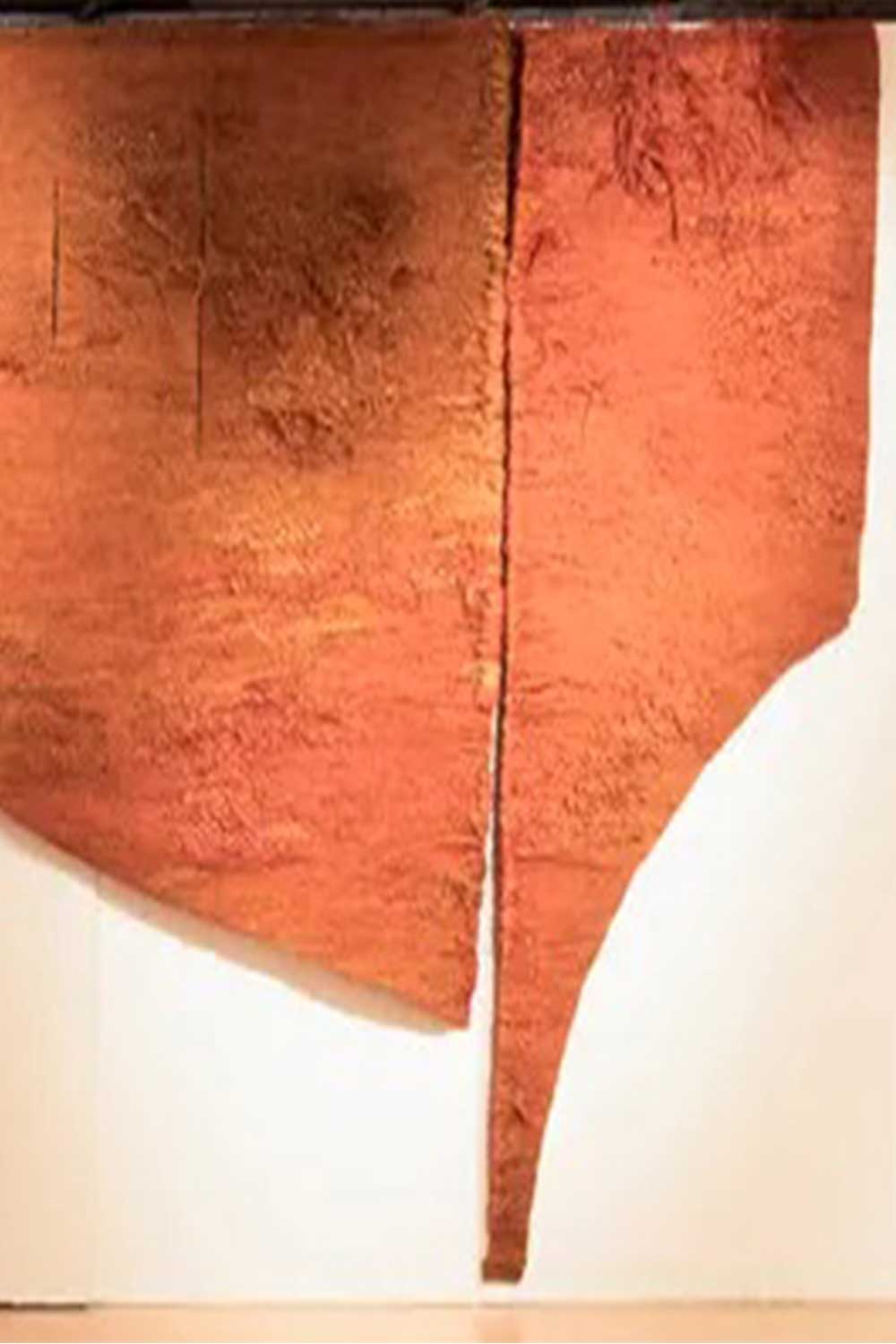
2 (1970/1974) referred to simply as a Abakan.
Medium: Sisal and
hemp using plain weave with discontinuous wefts and supplementary pile wefts forming cut and uncut pile, and
additional warps knotted into the weave.
A large-scale
textile sculpture Abakans,
The works are
known for their rough, tactile surfaces and warm, earthy colors, resembling natural forms like tree bark or raw
tissue.
These sculptures
defied traditional definitions of tapestry by moving off the wall and into three-dimensional space, transforming
textiles into a sculptural medium.
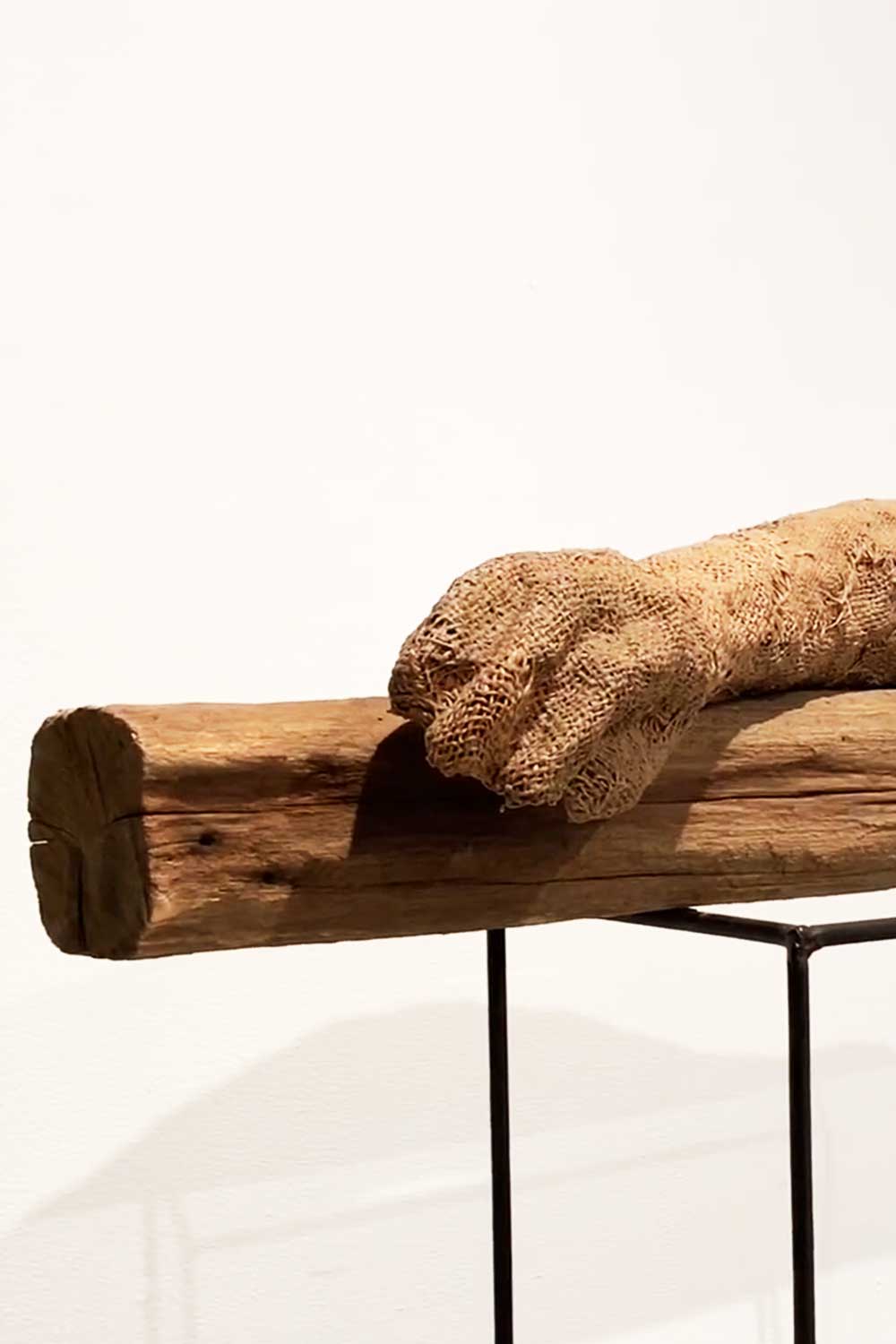
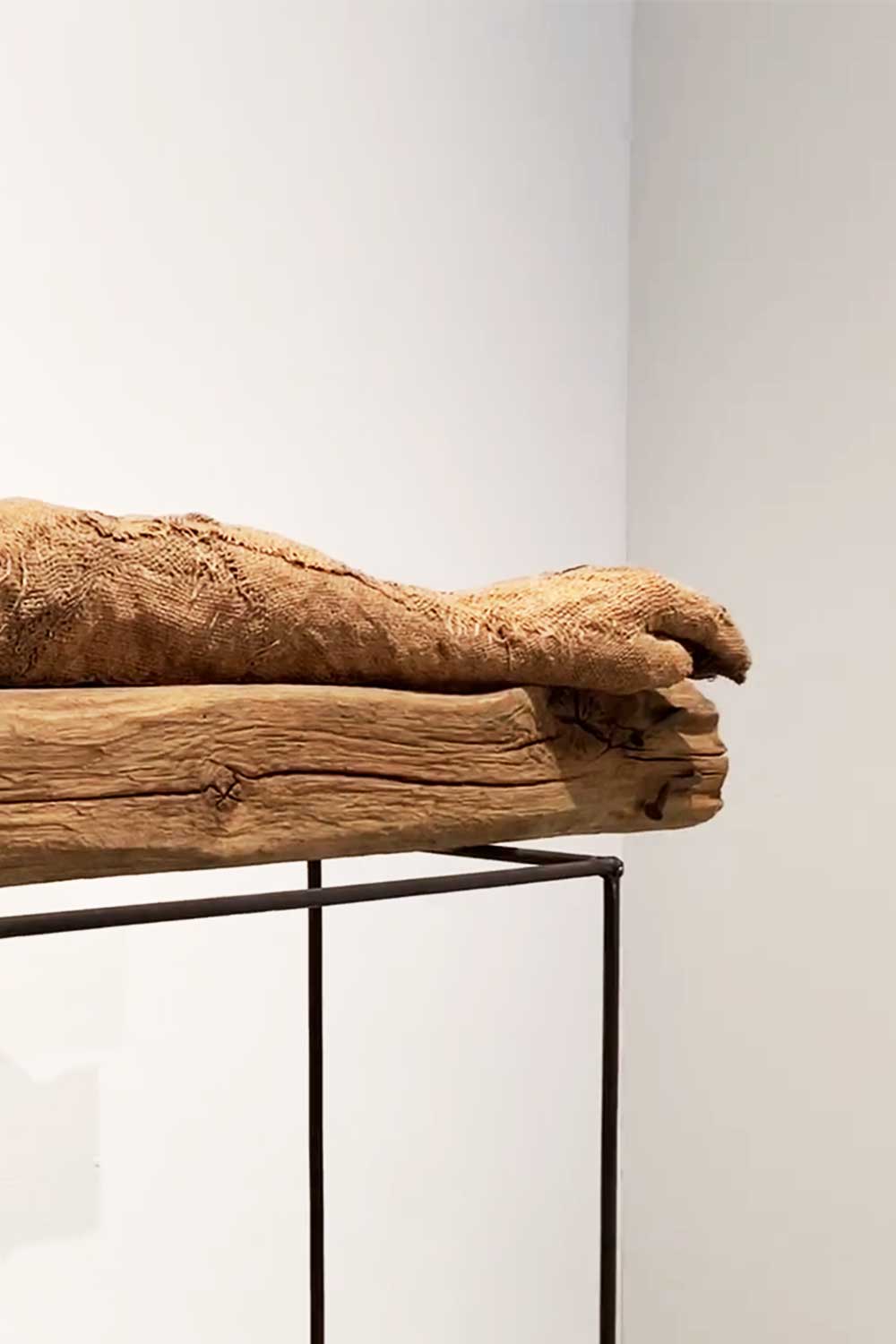
Hand (Polish:
Ręka), created in 1996, made from jute, wood, and copper,approximately 4 × 9 × 3 1/2 inches (10.2
× 22.9 × 8.9 cm)
Created from
burlap, rope, string, cotton gauze, and stiffened with resin
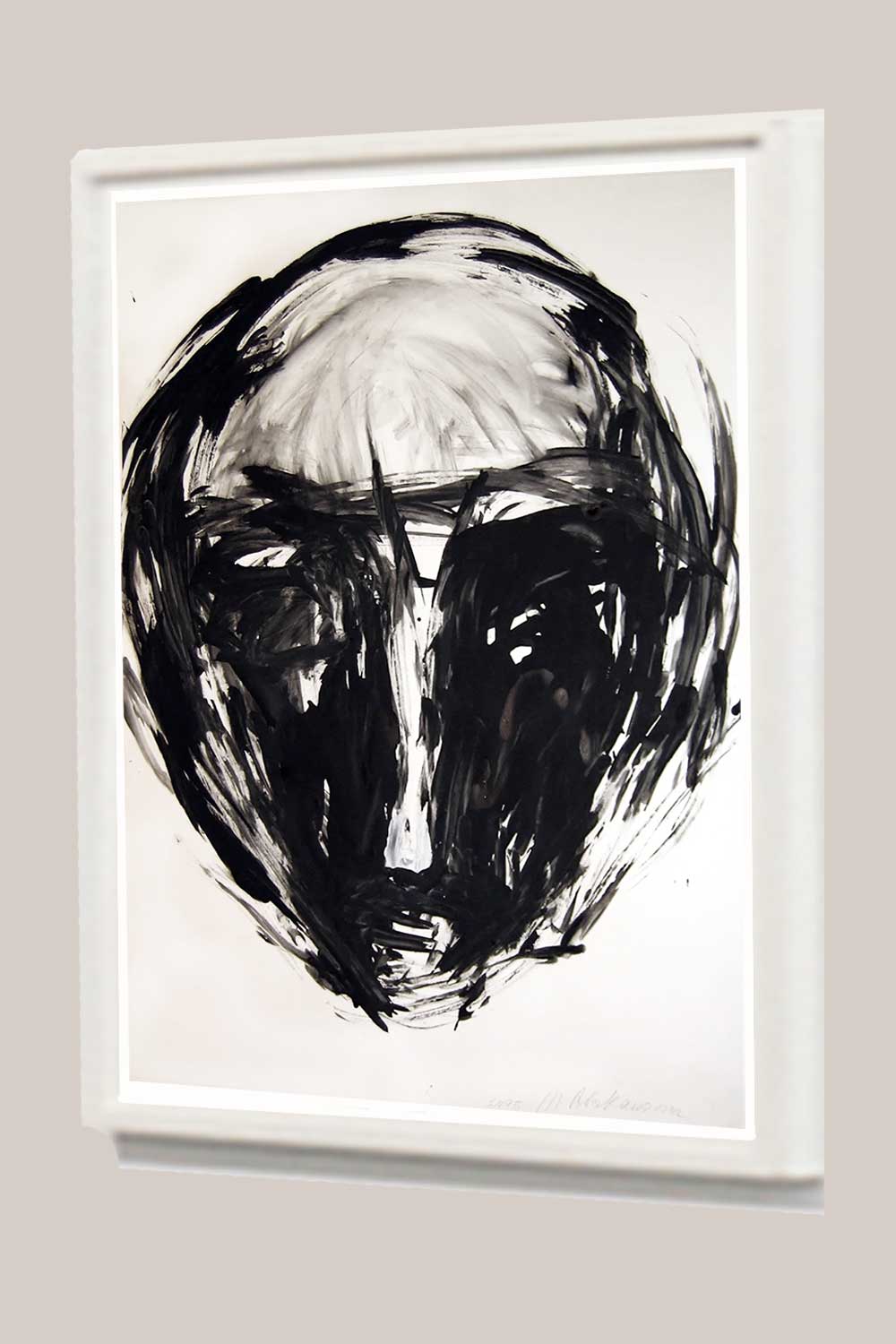
Twarz (Polish for
"Face"), created in 2004, Medium: Ink on paper, characterized by brusque, expressive strokes in black ink
The Son of a
Gigant, 2003, bronze
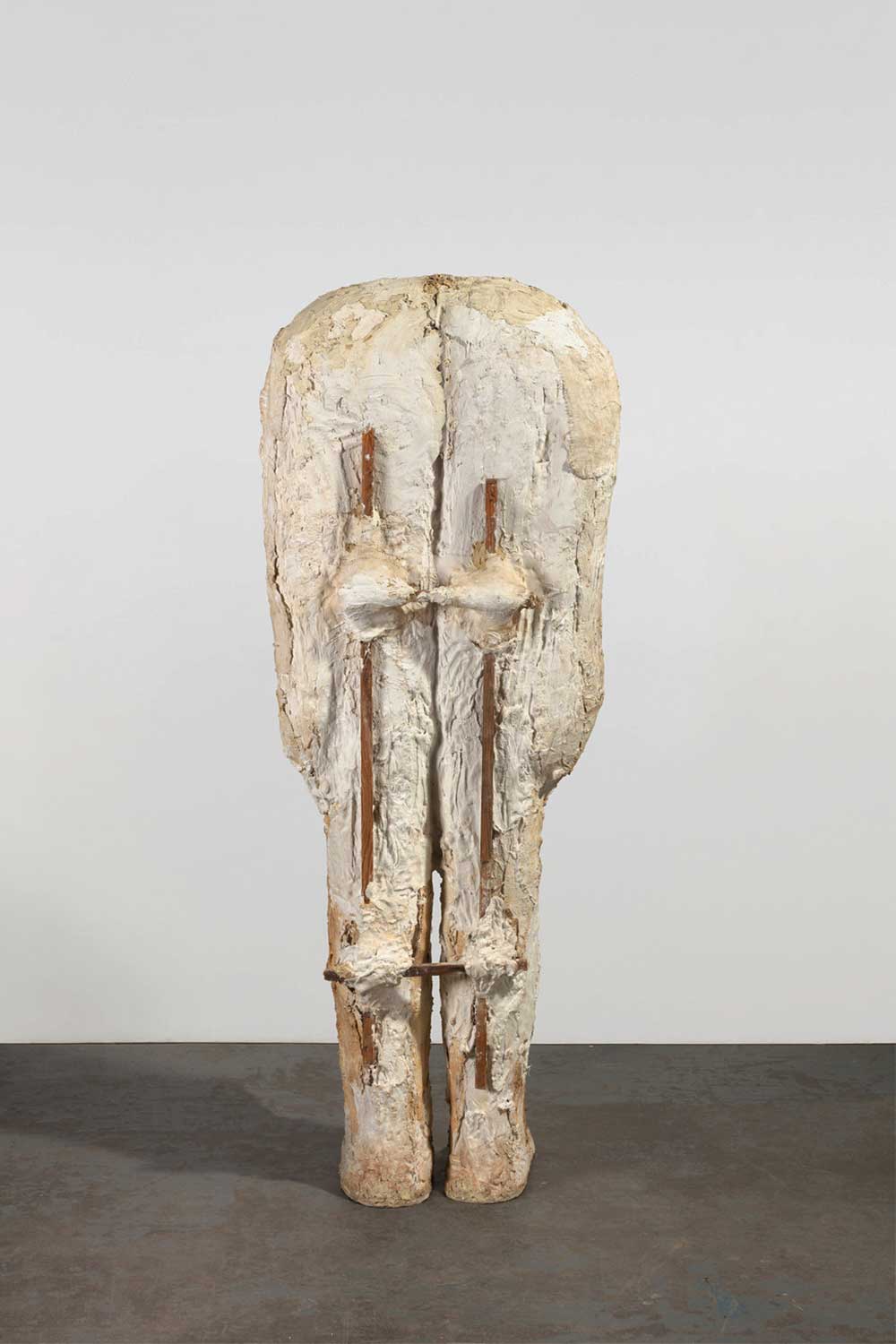
Plaster Body 2,
1987, plaster and wood
Anonim 3, 2009,
bronze
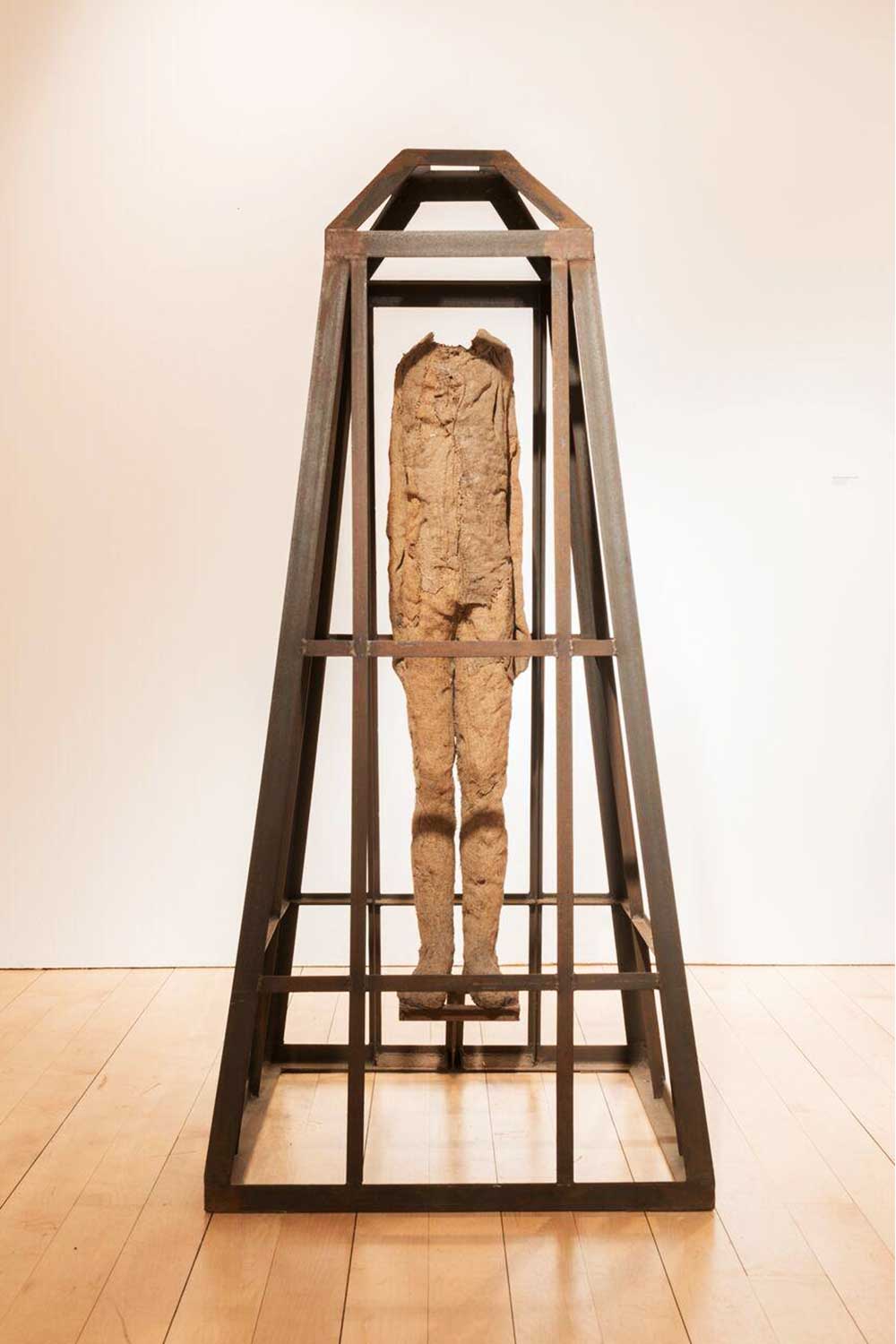
Figure in Iron
House, 1989, burlap, resin and iron
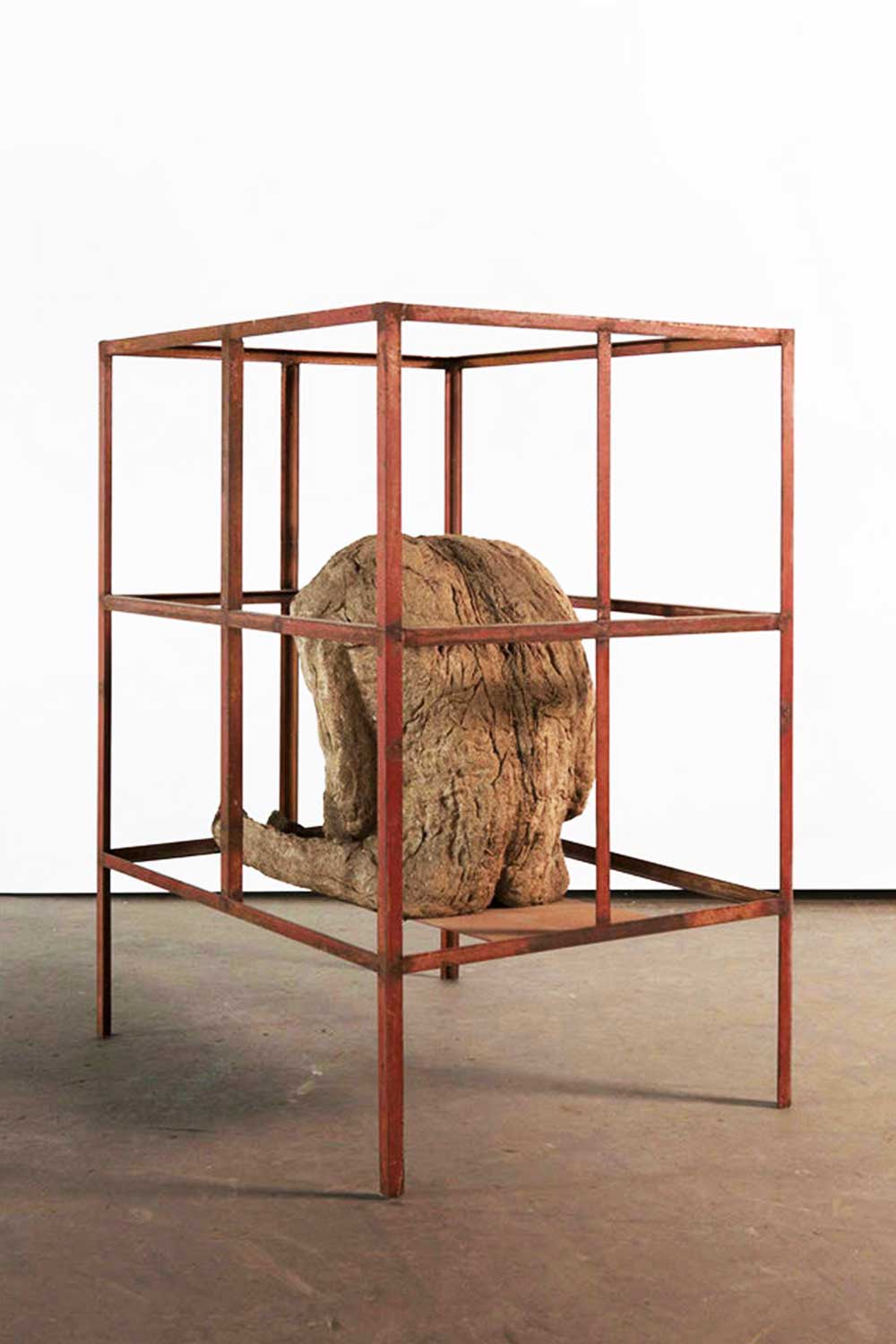
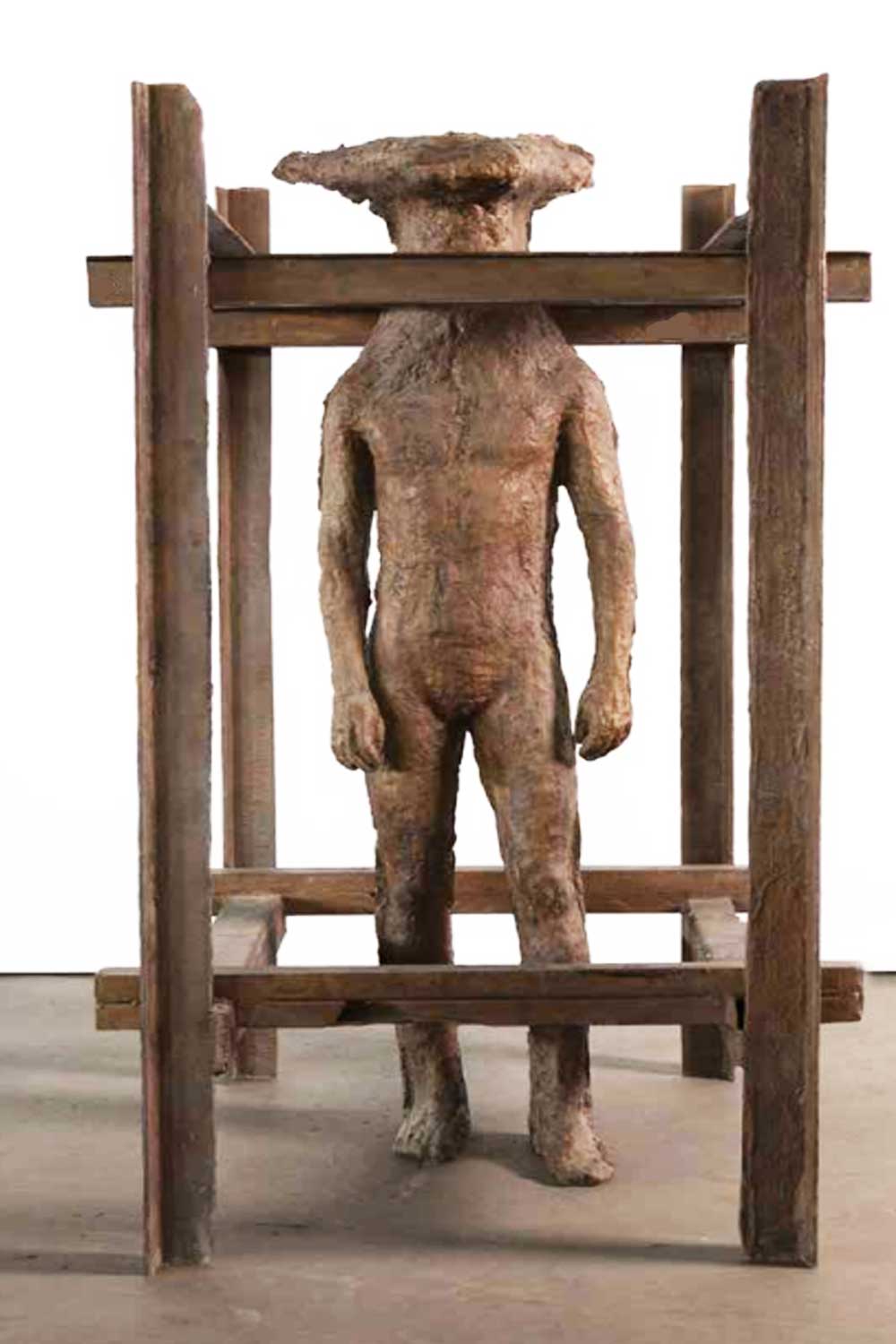
Gutron in Cage is
a bronze sculpture created in 2005, Approximately 189 x 112.5 x 119 cm (74 3/8 x 44 1/4 x 46 7/8 in.) This piece,
with its figure confined within a rigid structure, embodies these themes of entrapment and the constrained human
form.
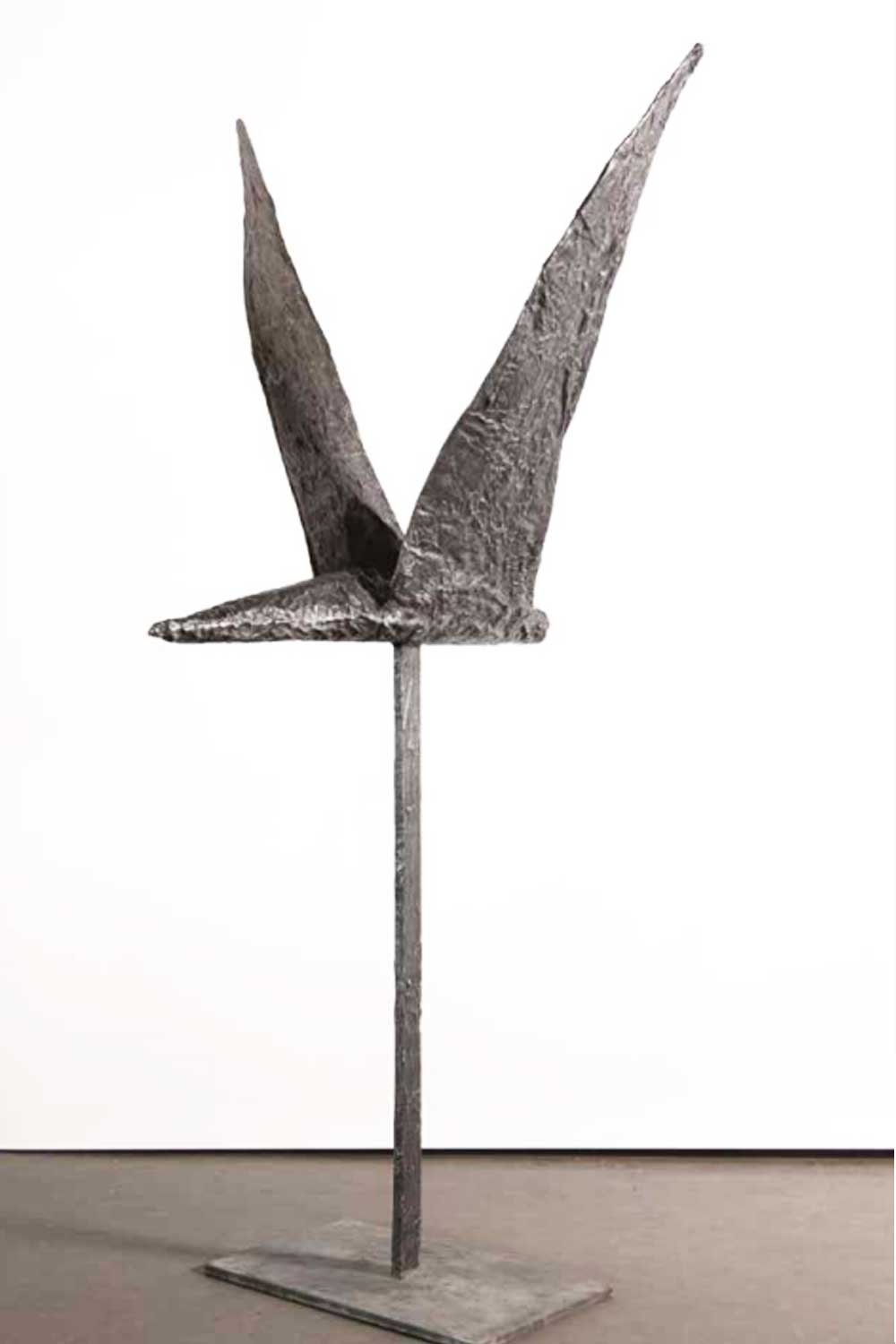
Ptak z serii
Ucello, 2009 (Bird from the Ucello series) Made of aluminum, approximately 315 x 120 x 160 cm (around 10.3 x 3.9 x
5.2 feet)
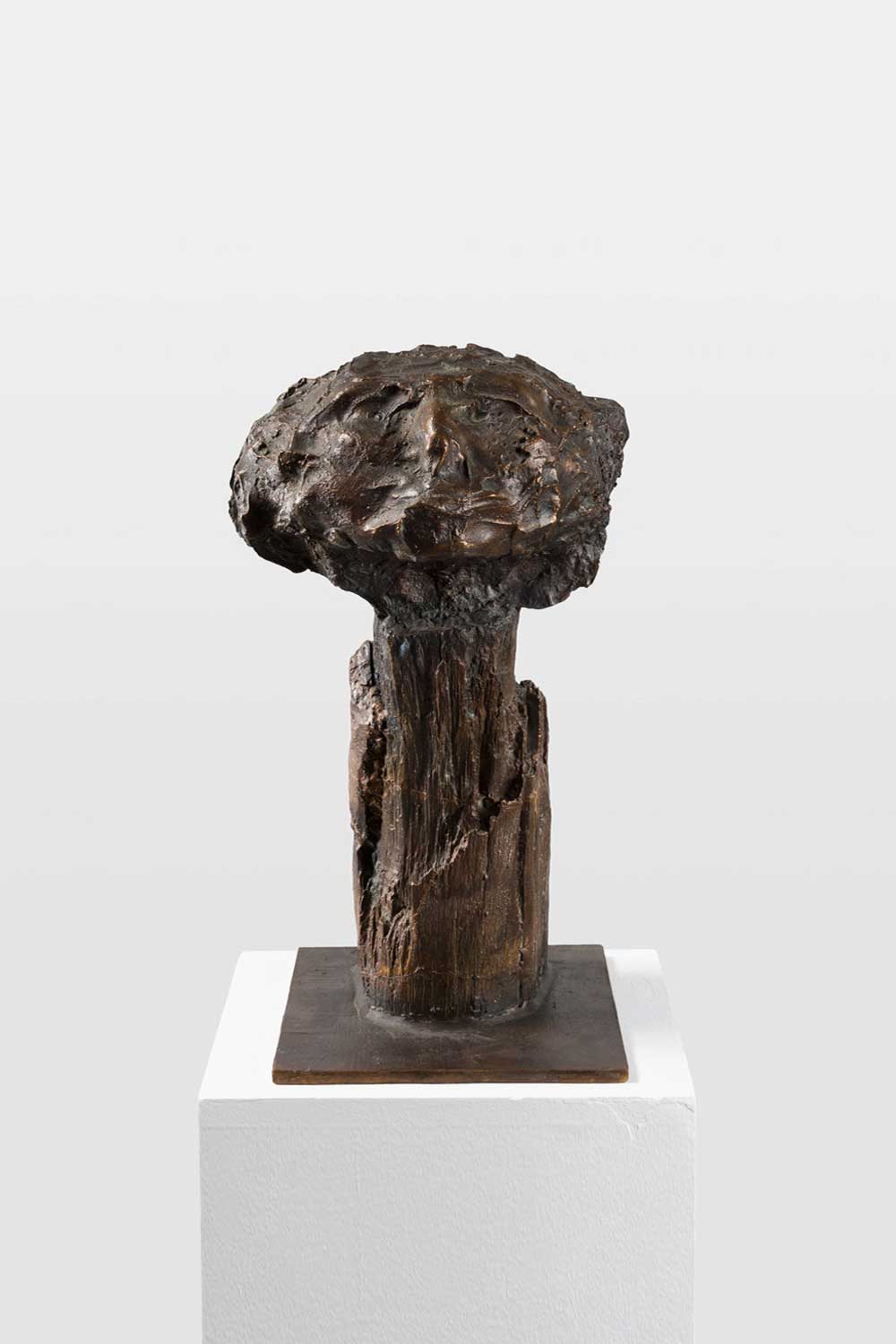
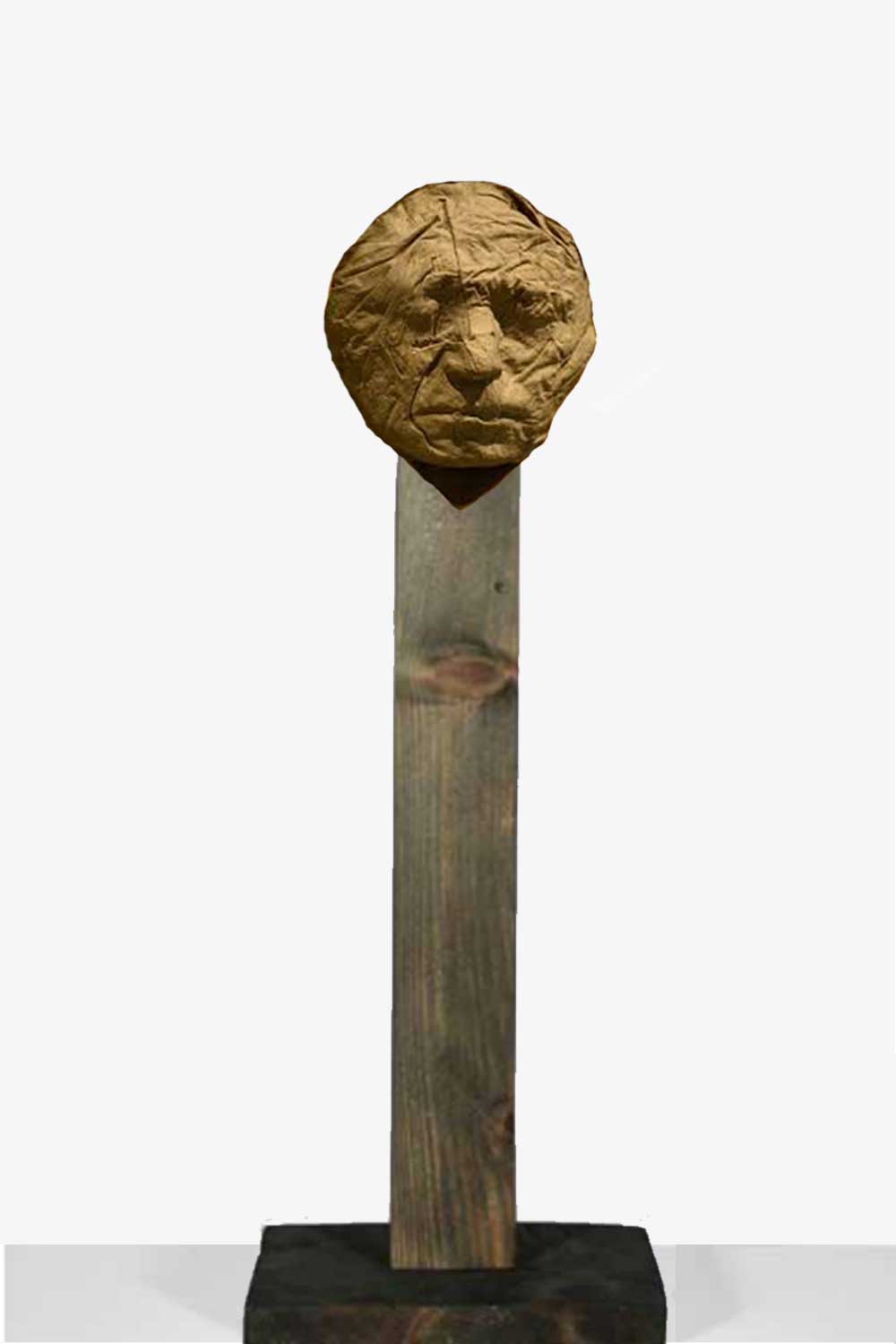
Anonymous
Portrait, This specific work is from her series of "Portraits Anonimowe" or "Faces Not Being Portraits".
From a series of
figurative sculptures, Coexistence and Dreams
A bronze sculpture
focused on isolated parts of the human body, such as heads or torsos, creating powerful statements about the human
condition and loss of identity. Her works are often described as unsettling, raw, and primal.
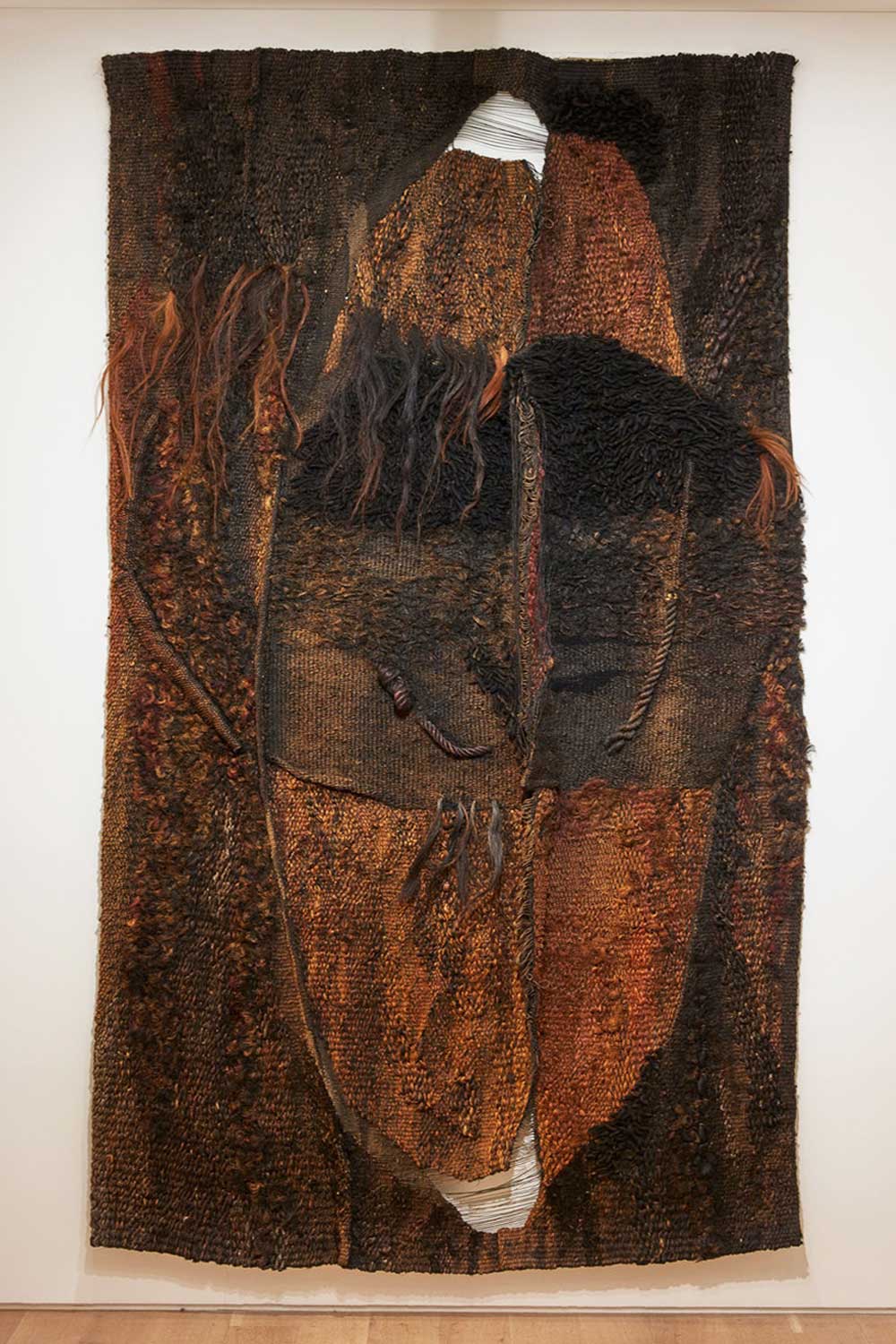
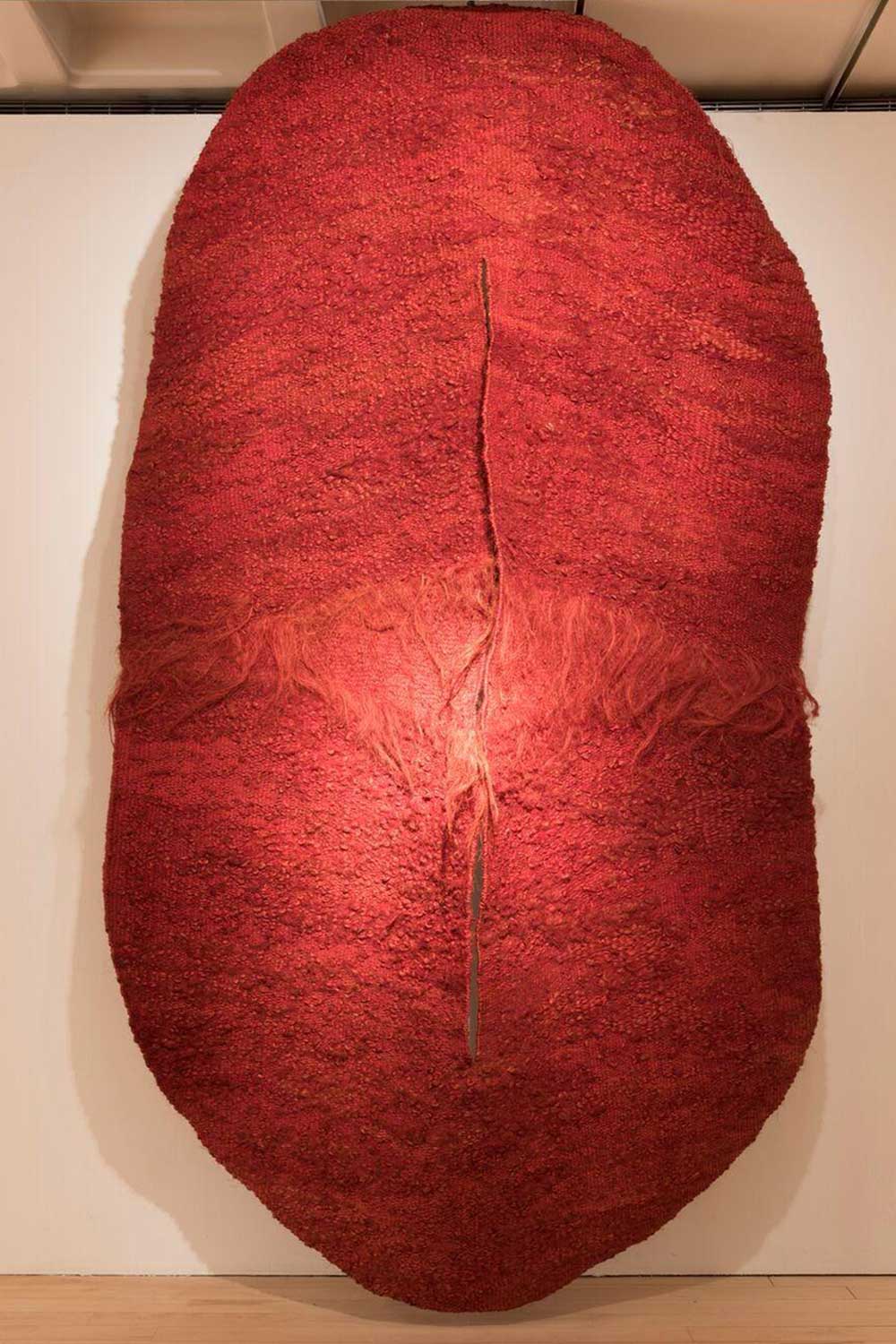
This artwork is an
"Abakan," a type of monumental, soft textile sculpture using organic materials like sisal, hemp, horsehair, and
burlap. The image displays a work with a warmly colored, ragged surface achieved by weaving these natural fibers.
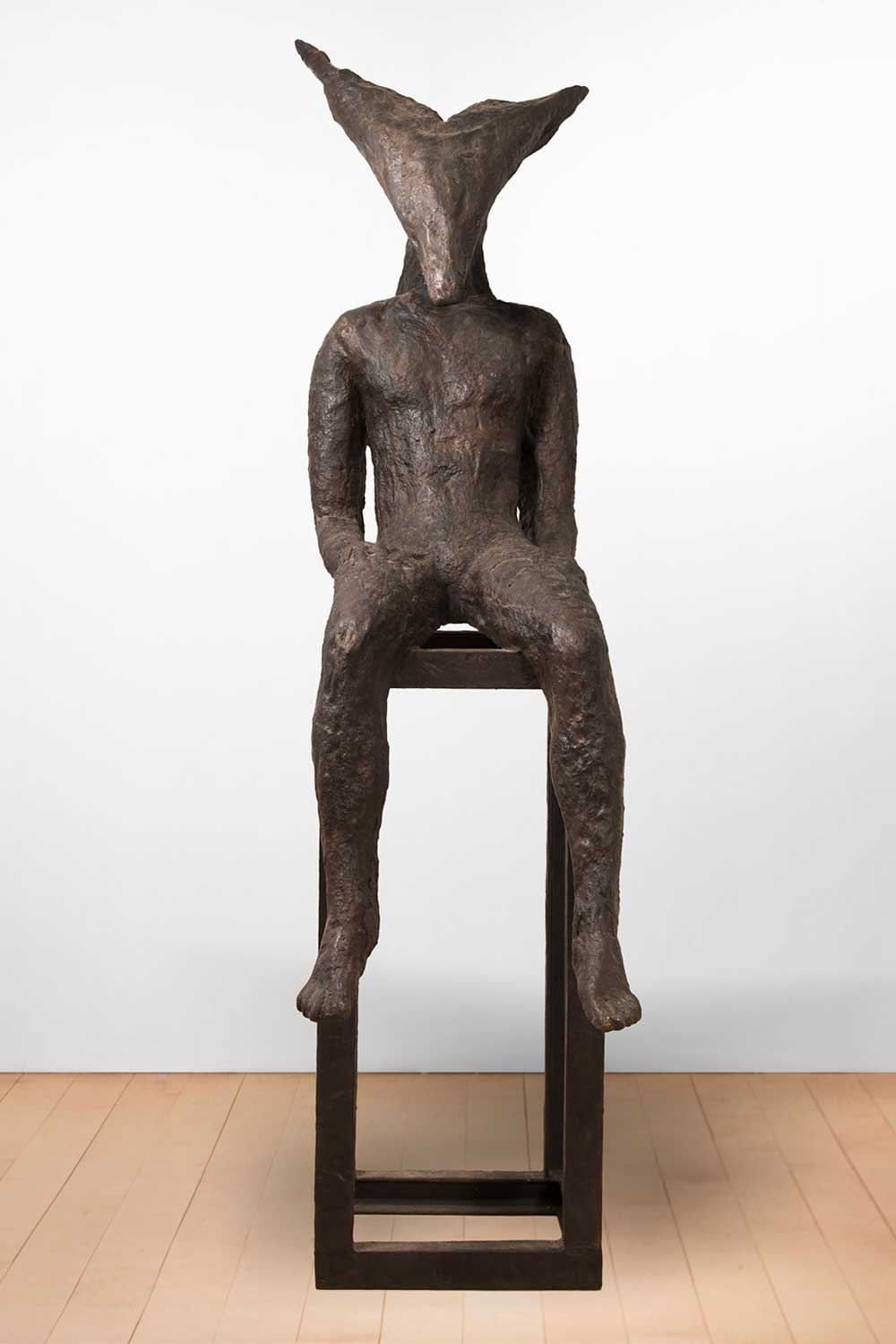
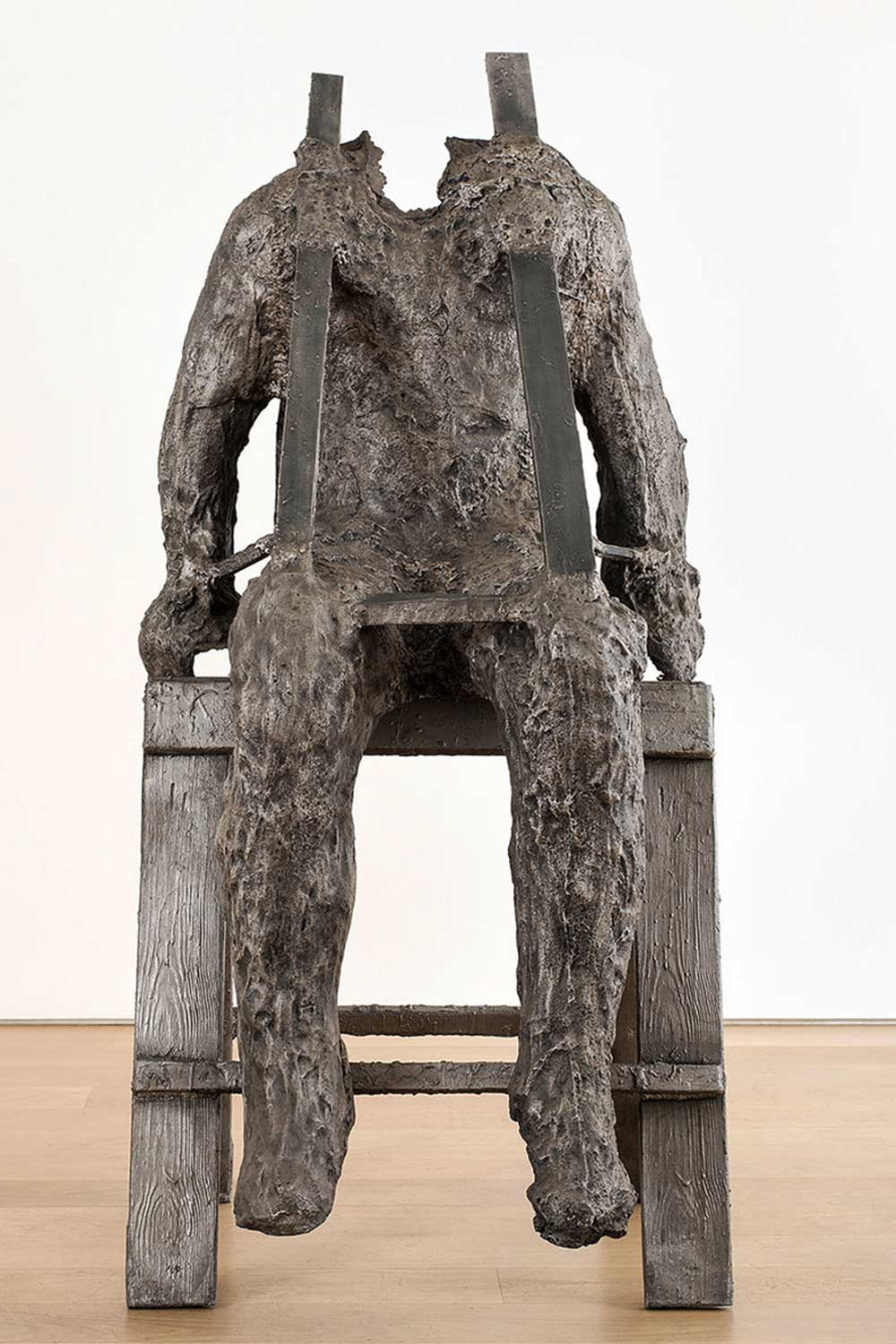
Entitled
Armament, The figure is seated on a wooden or iron structure and held by vertical metal or iron straps which are
part of the artist's "War Games" series
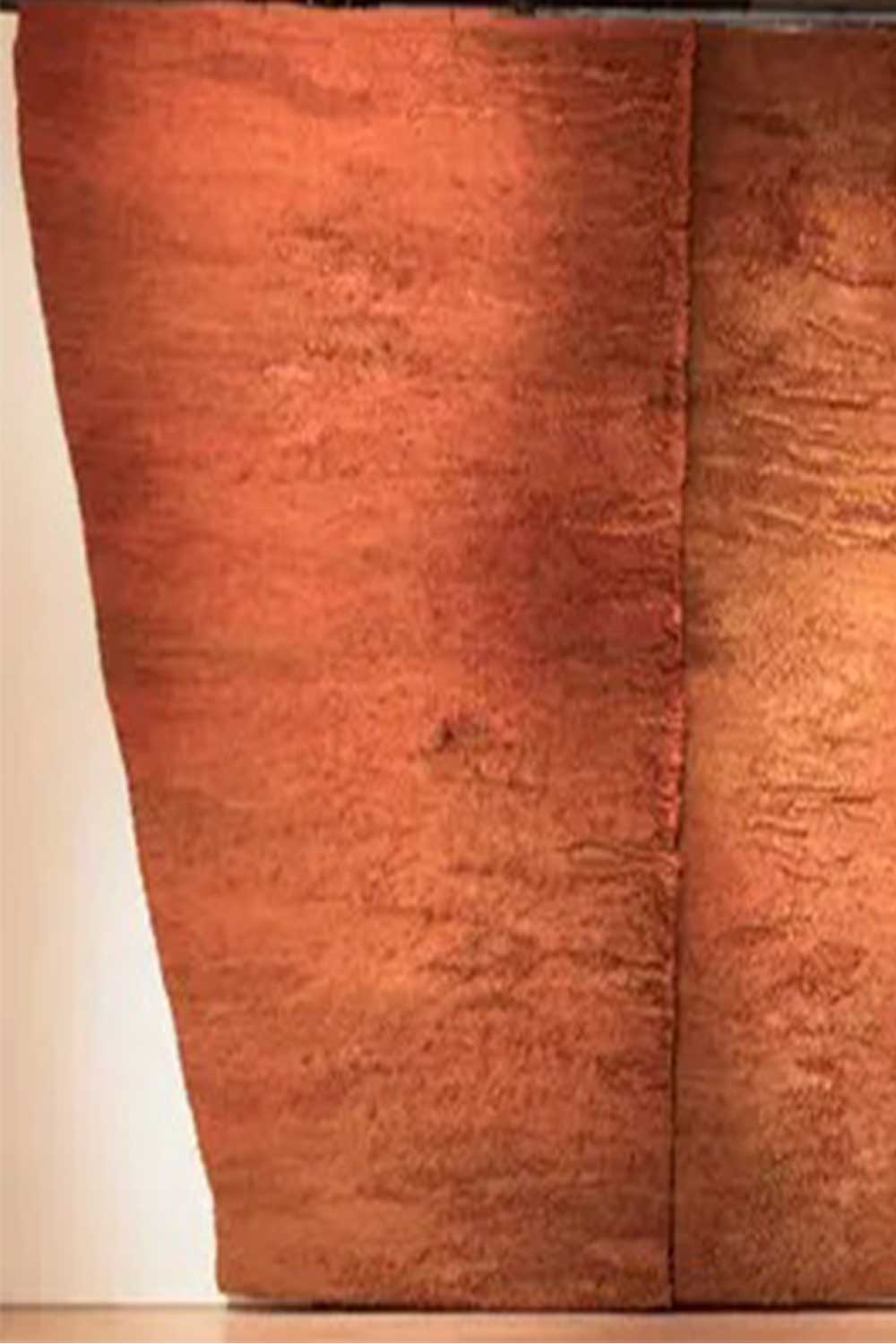
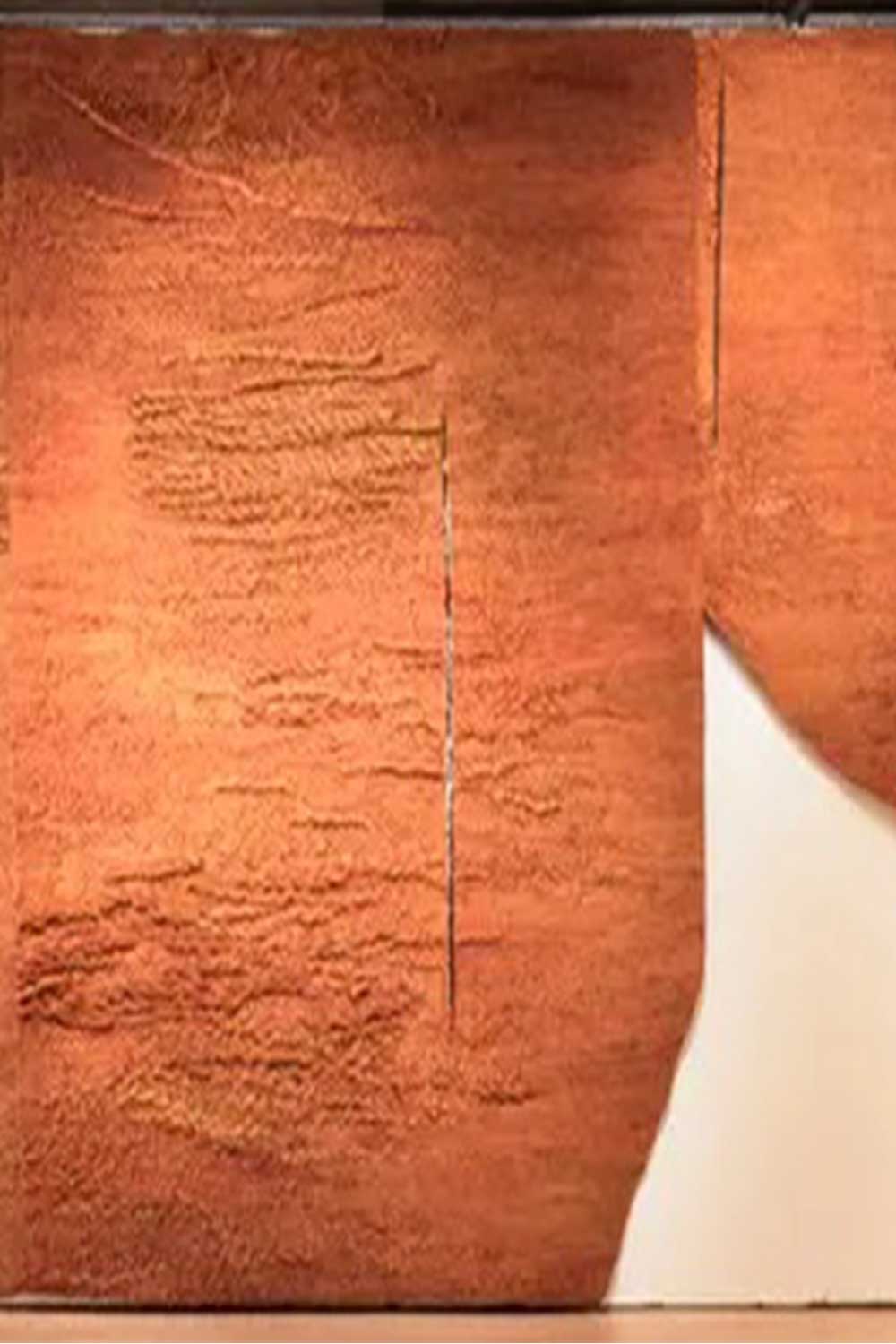
Abakan Rouge III,
created from organic materials, specifically woven sisal, which gives it a deeply textured, organic, and haptic
(tactile) quality, hangs from the ceiling, moving from the traditional two-dimensional plane of tapestry into
three-dimensional space.
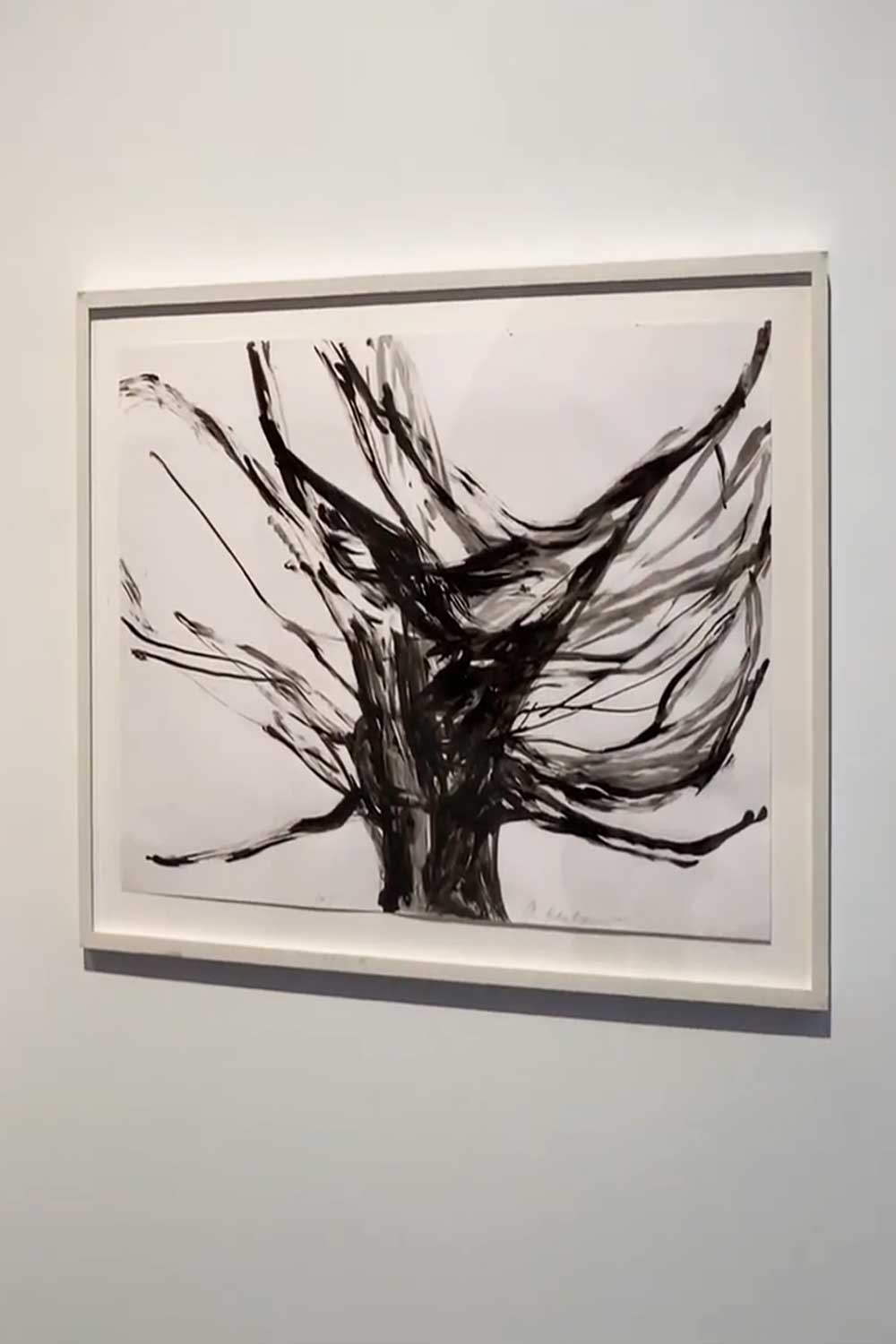
untitled (from
the cycle 'Wind'), gouache on paper, 1994, 75,5 × 100 cm
the image is Zyk
(1989), a monumental work by the Polish artist Magdalena Abakanowicz.
It belongs to
her series titled War Games, created between 1987 and 1993.
The sculpture in
the image is "Lukas in Pyramid", a work created in 1991, often interpreted as a depiction of a political prisoner,
or more broadly, as a metaphor for imprisonment or the "Iron Curtain"
Sculptures from a
series called Seated Shoulders and are typically made from materials such as burlap, resin, string, and iron rods
for support,
burlap and resin
are common materials she used, she often manipulated textiles into figurative compositions,
she often used
found materials like sisal rope from harbors, which she unraveled, cleaned, and dyed to use in her weavings
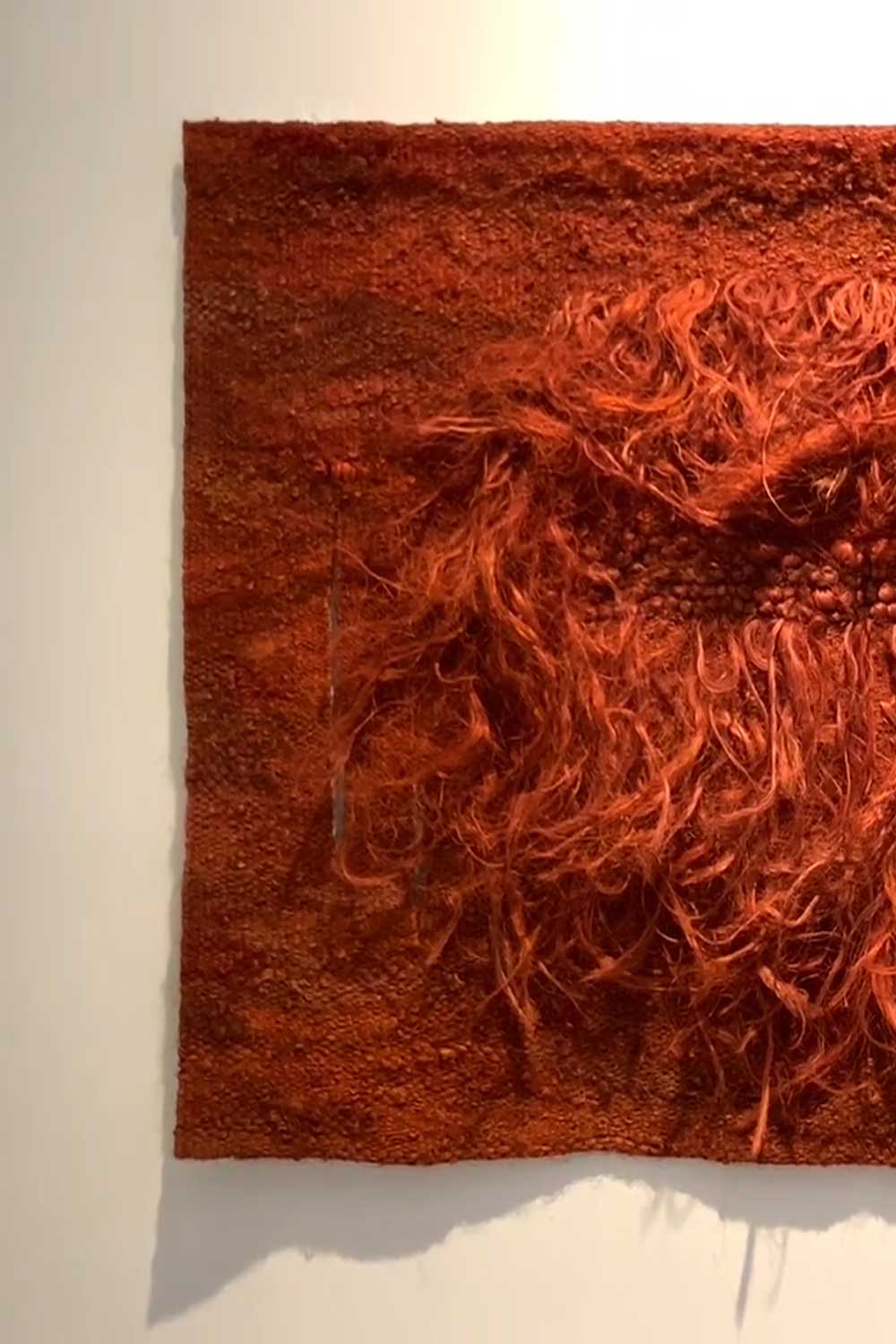
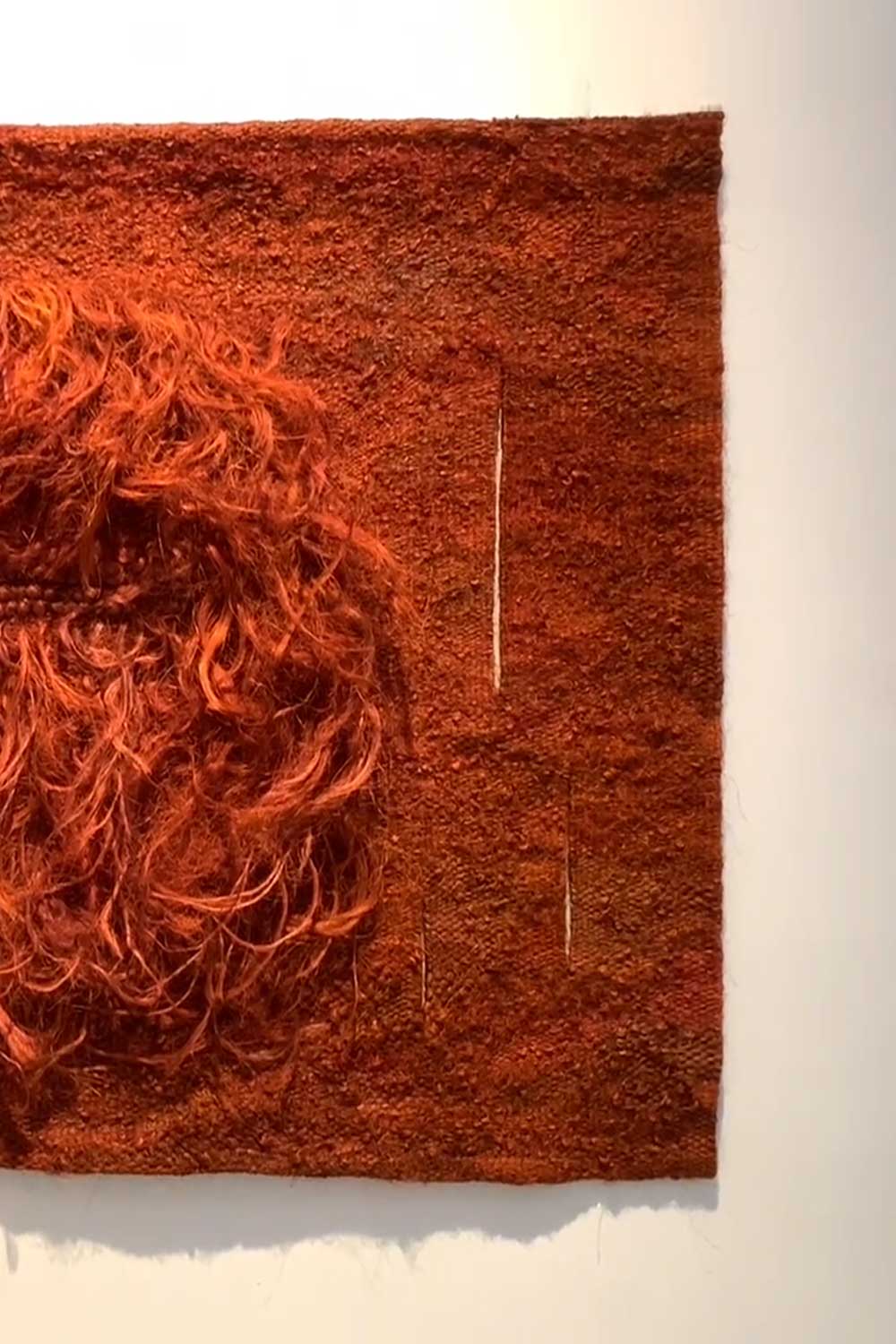
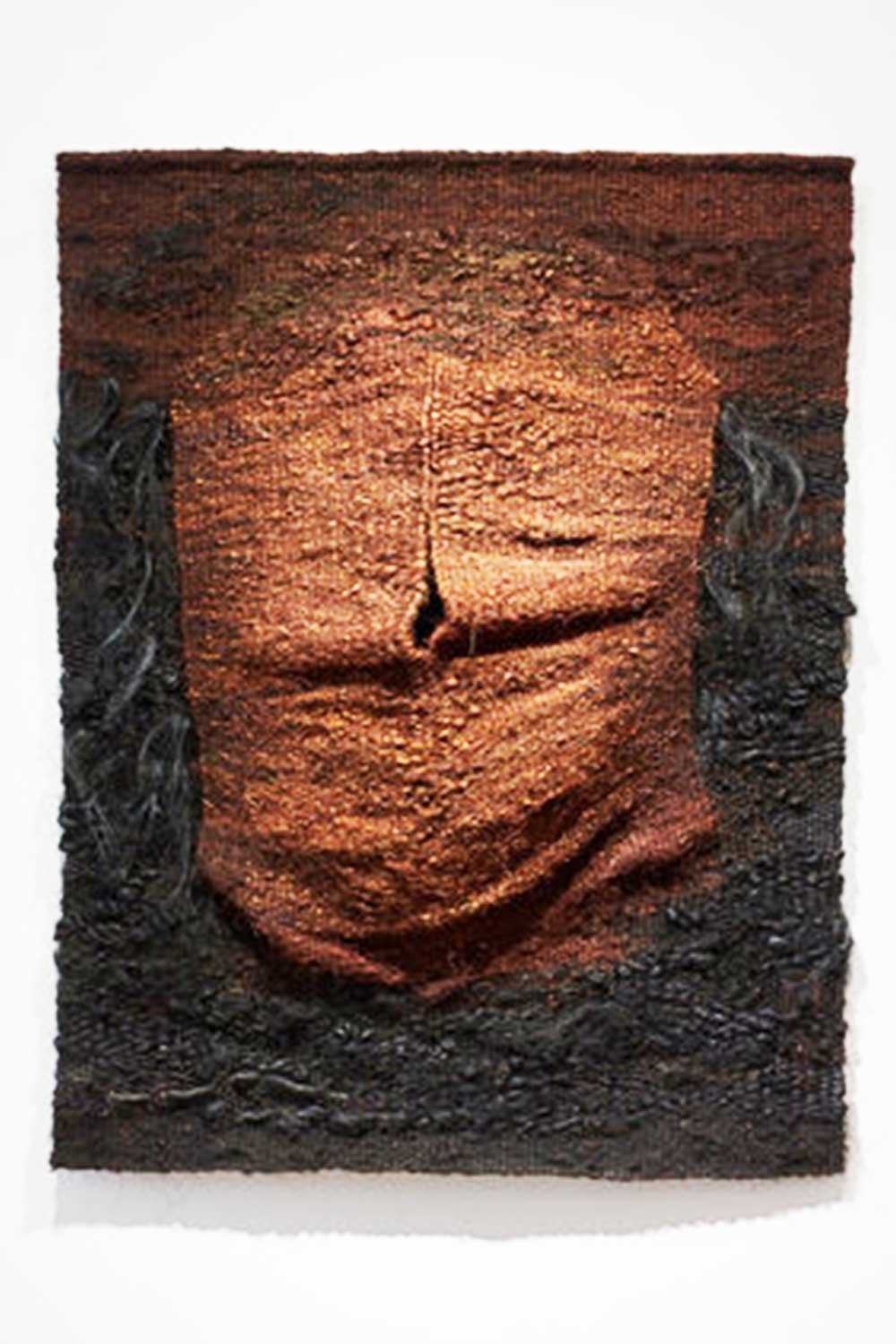
Title: Pregnant,
1970–1980, Medium: Woven fibers, possibly sisal or hemp rope, and other organic material. The brown-red,
swollen center with a slit down the middle, evoking themes of the female body, fertility, guts, wounds, and organic
matter
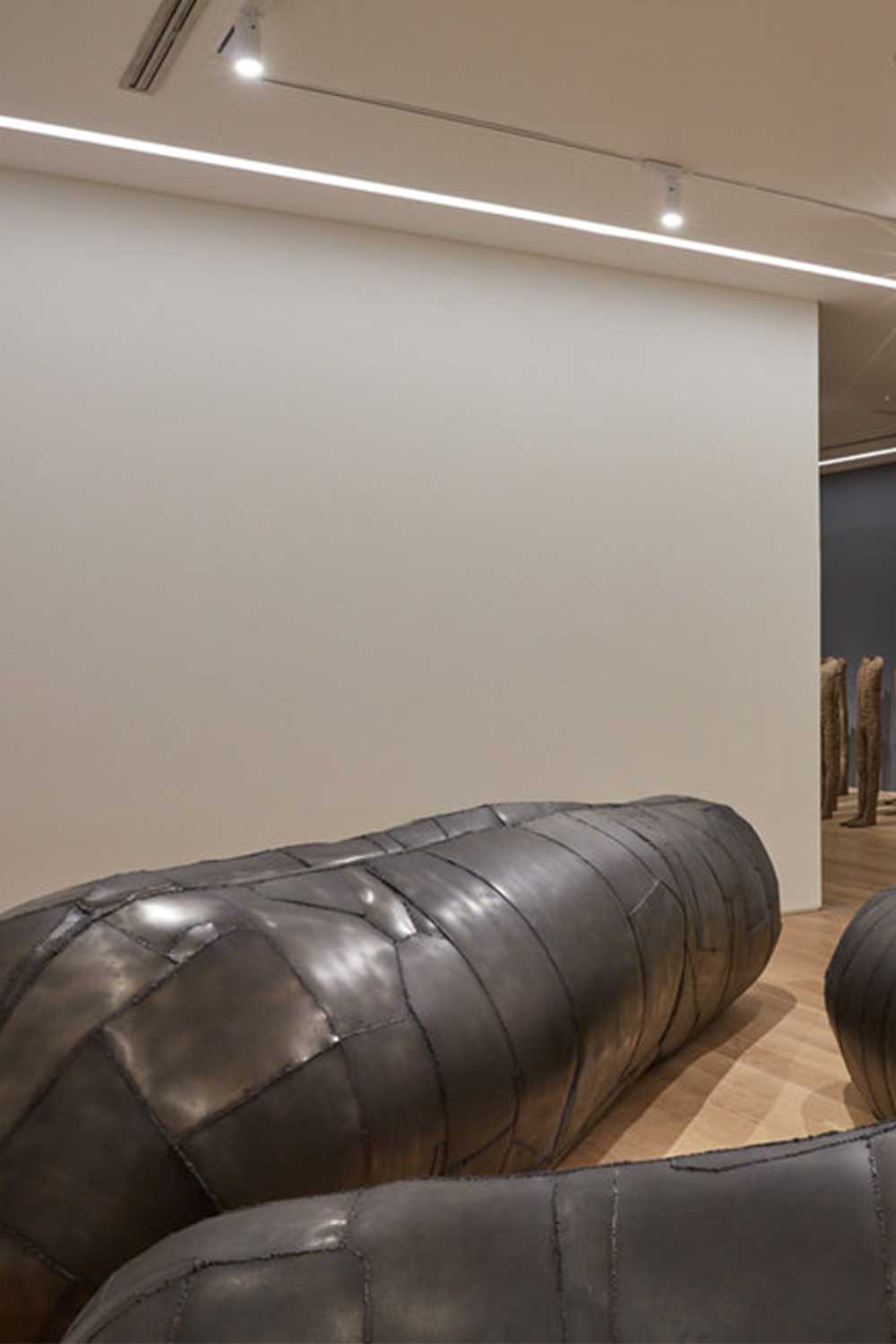
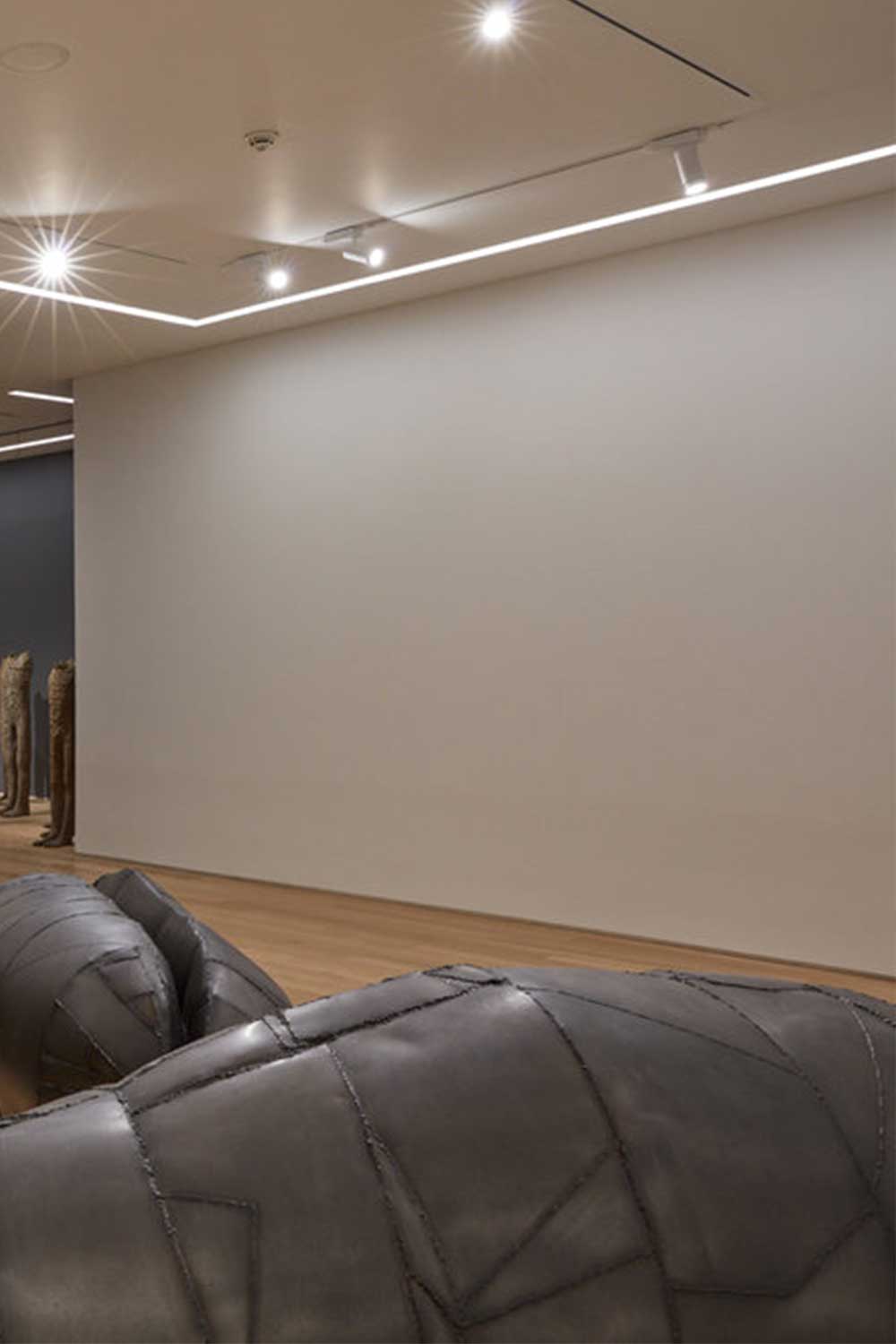
Featured in the
exhibition Corporeal Materiality.
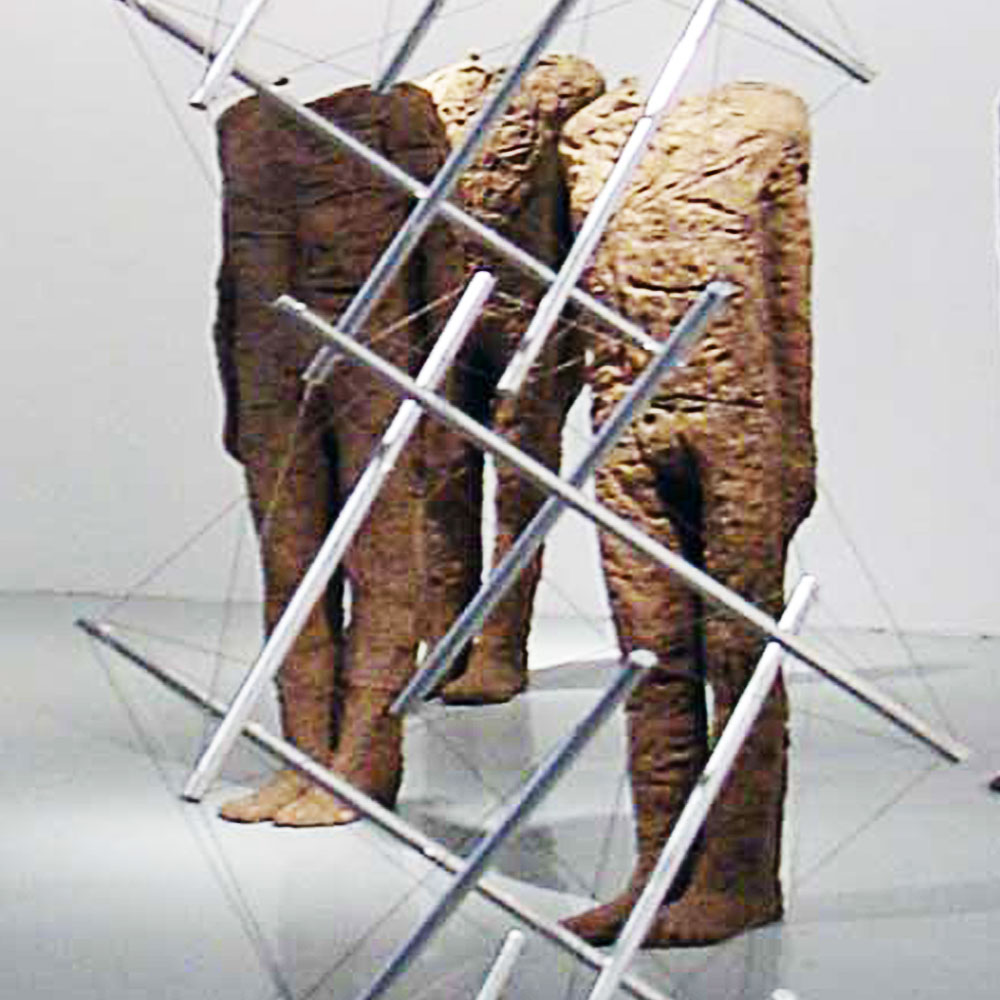
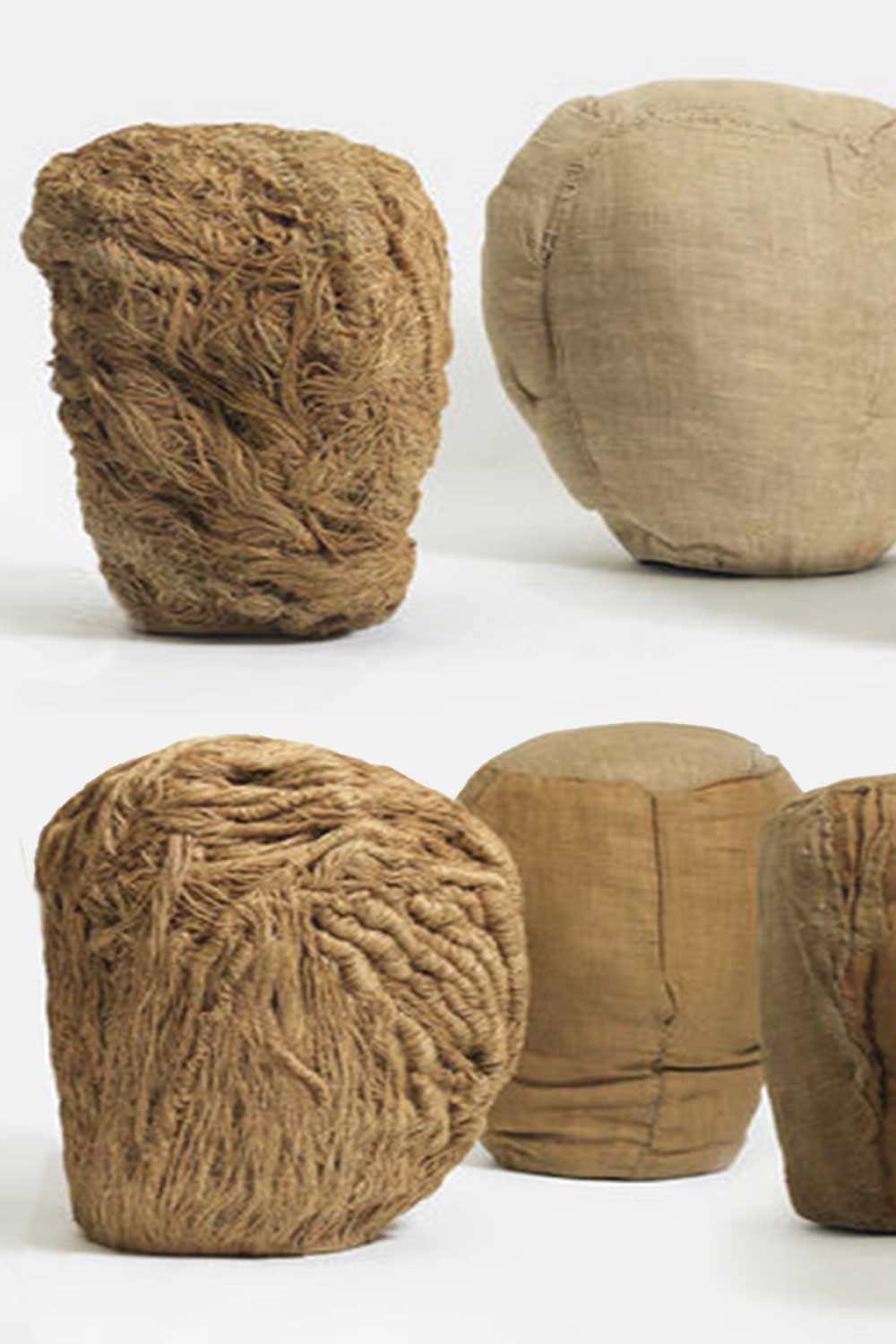
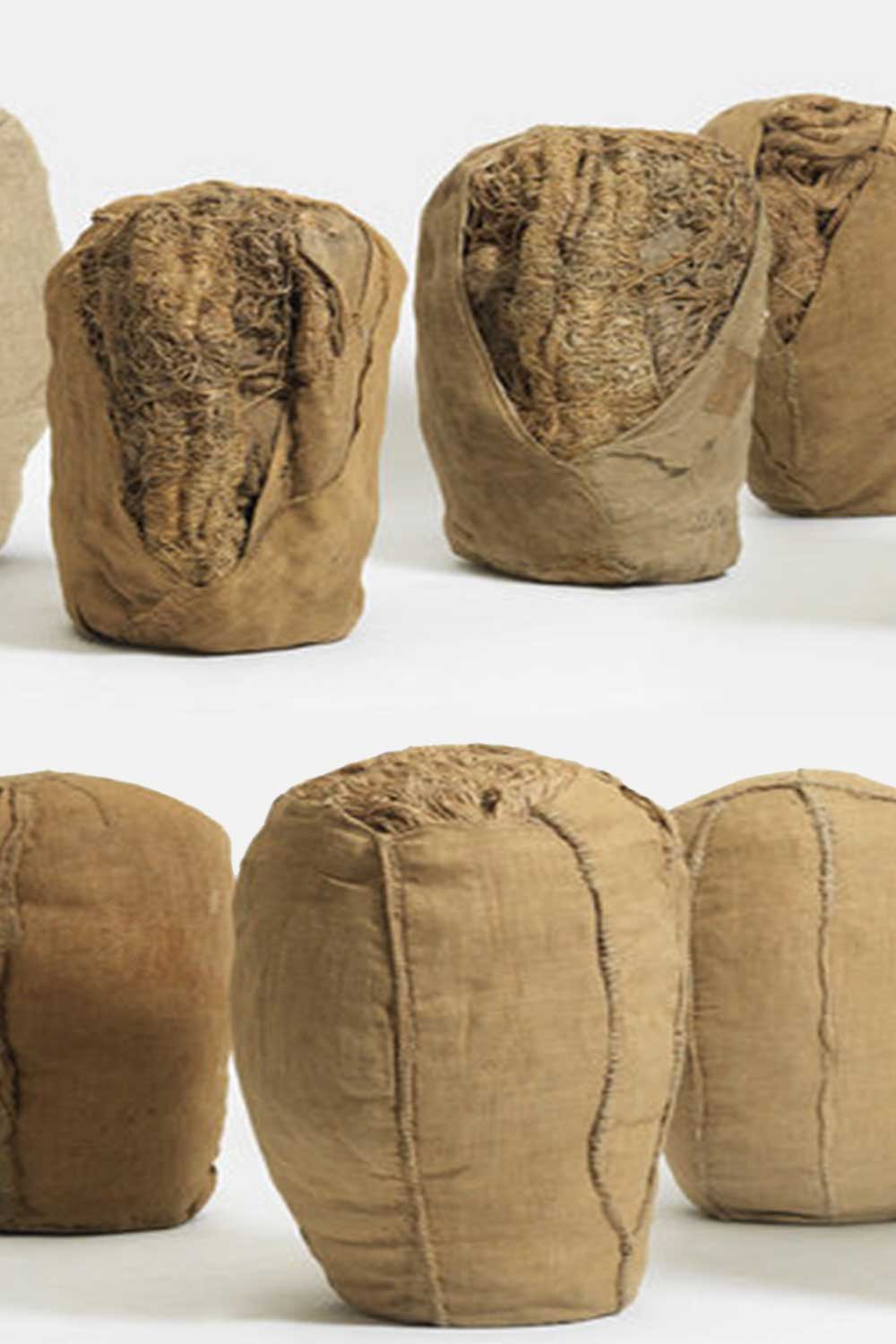
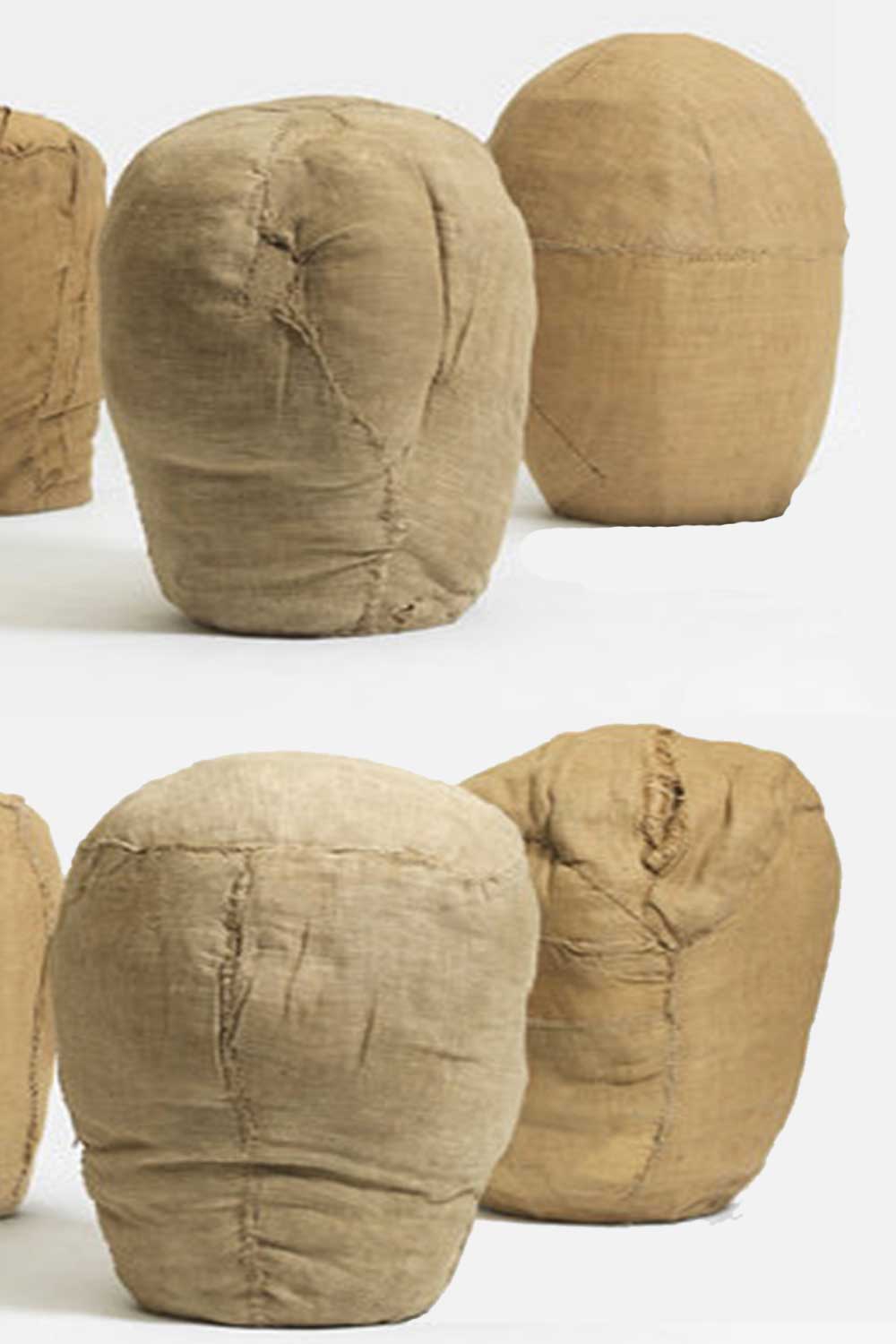
The dark forms in
the foreground are made of stitched material, burlap and other fibers, treated to be stiff and durable.
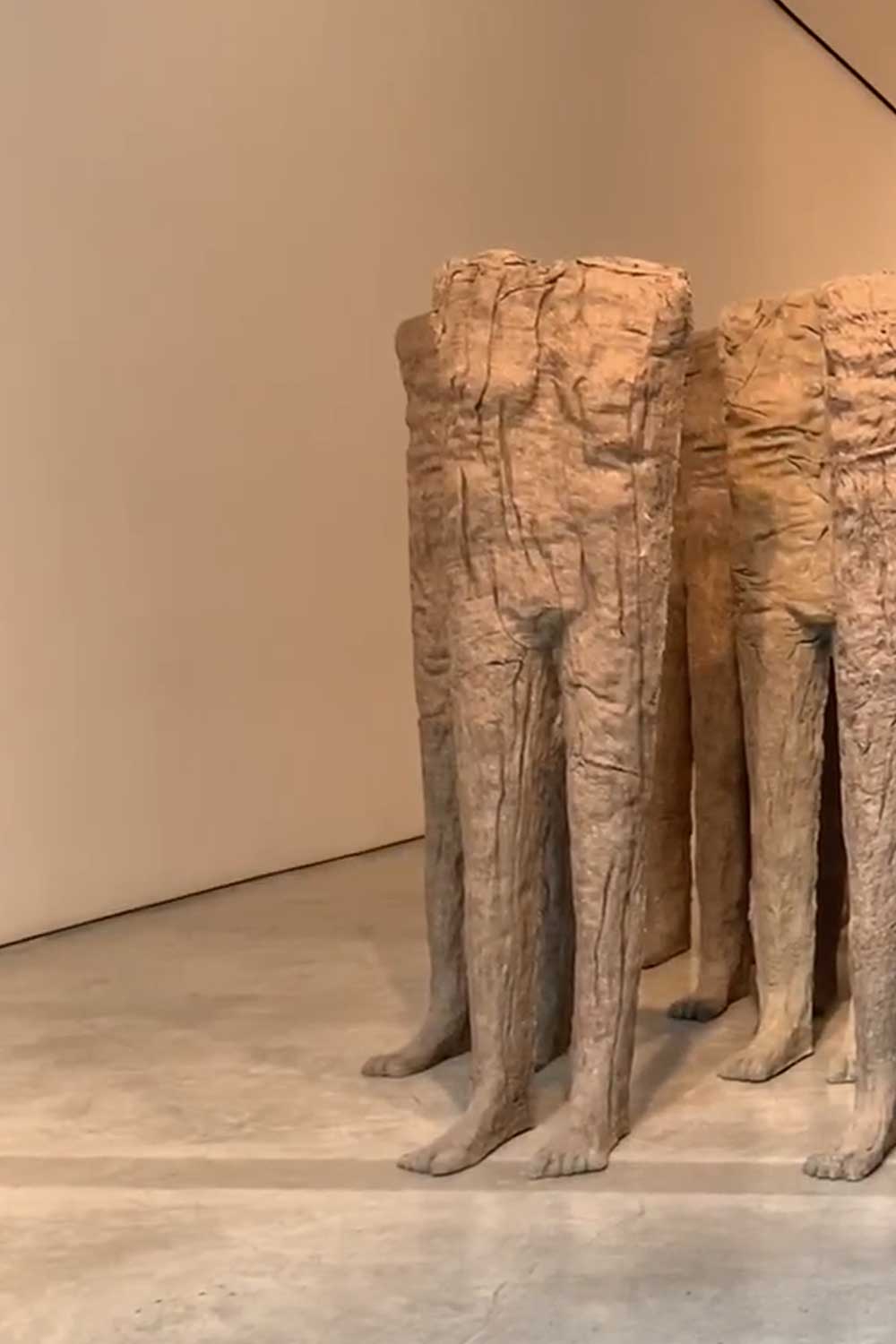
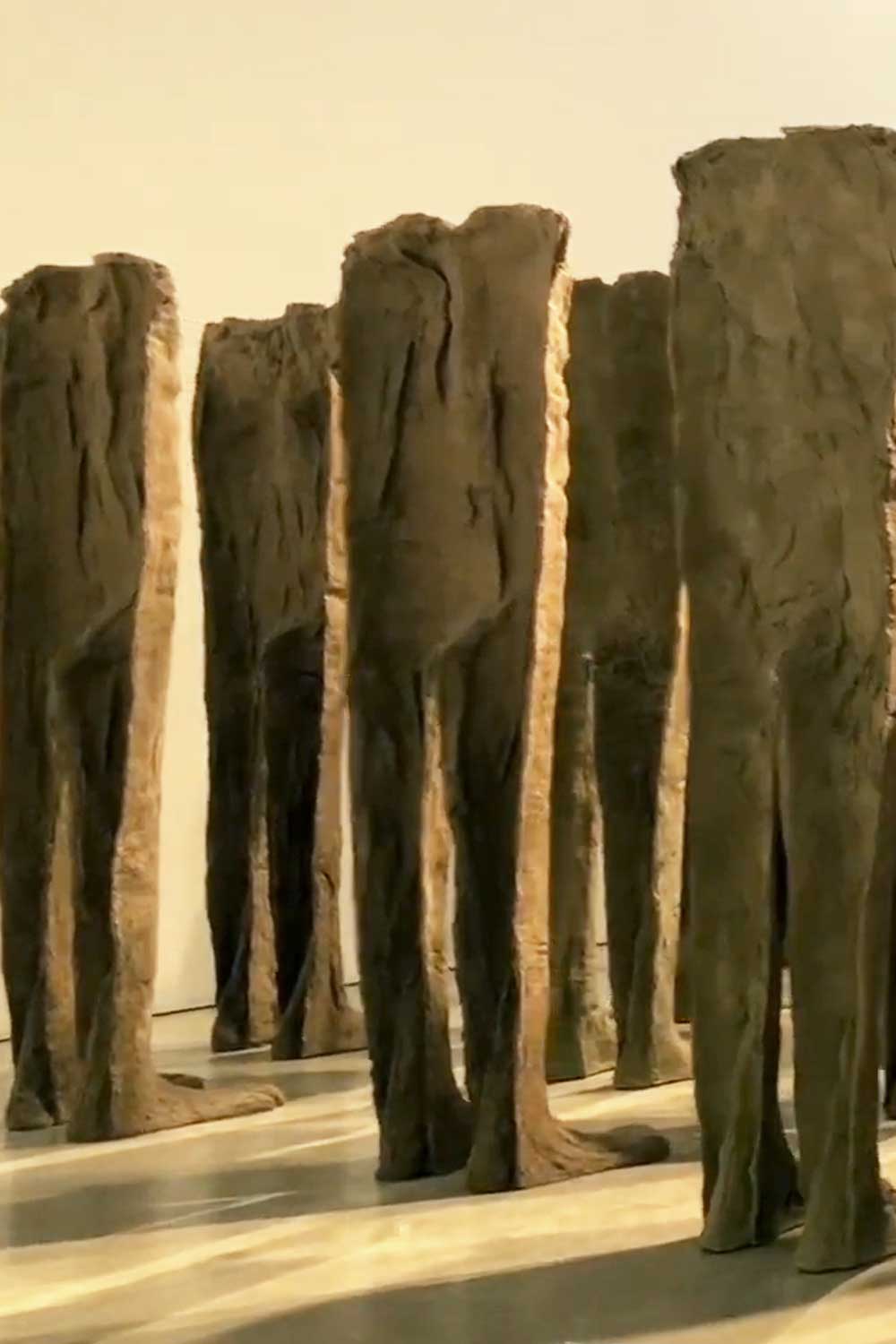
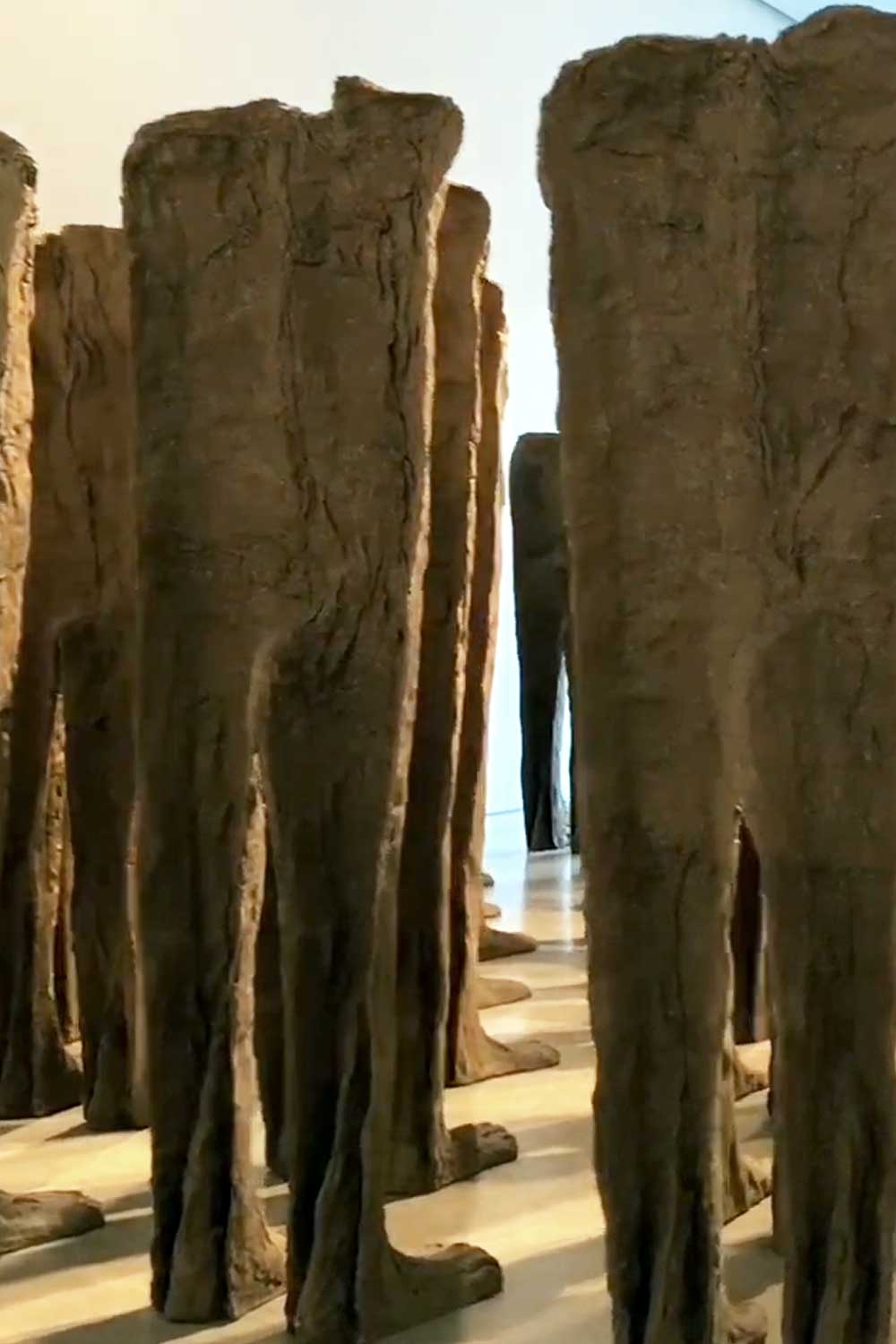
The Crowds
figural groups, burlap, resin, and often iron rods for support
The figures are
fragmented, typically headless and handless torsos
with legs and
feet
behind The
Crowds, empty hallow shells, made of burlap and resin,

 Top
Top