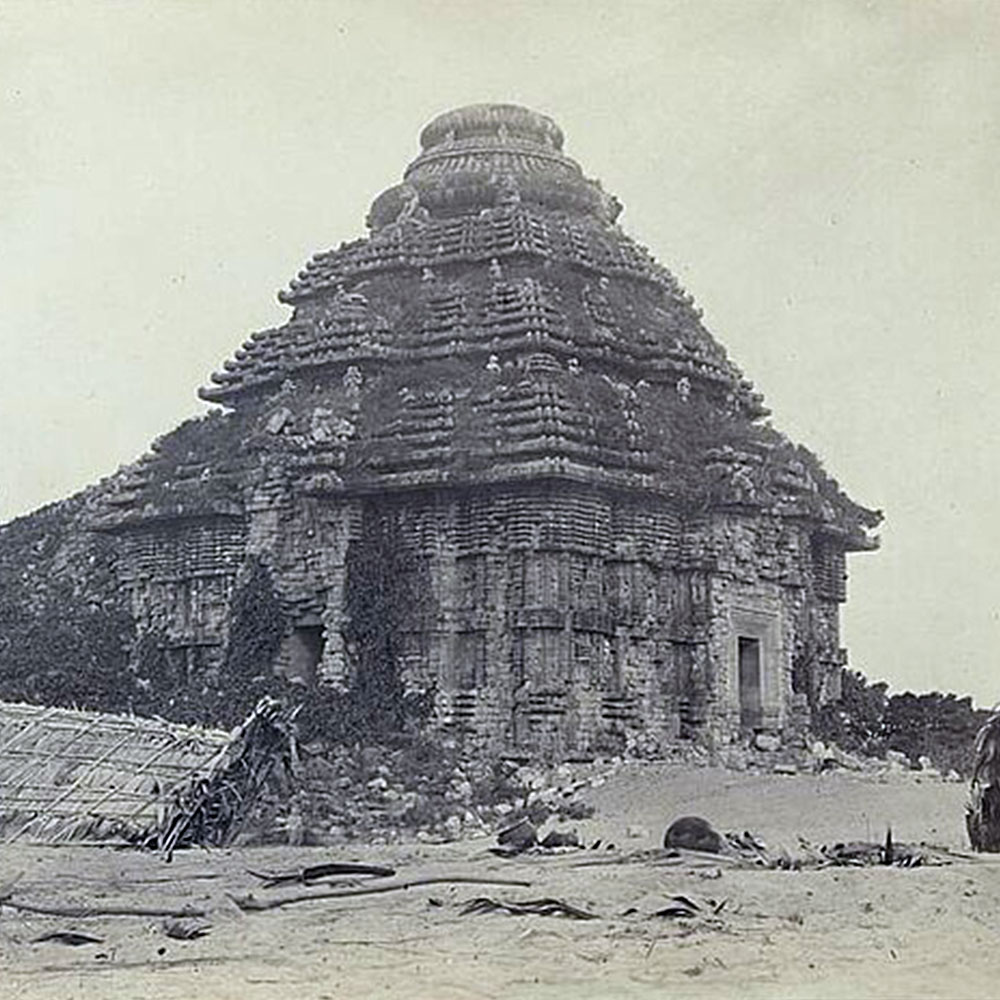
Konark Sun Temple
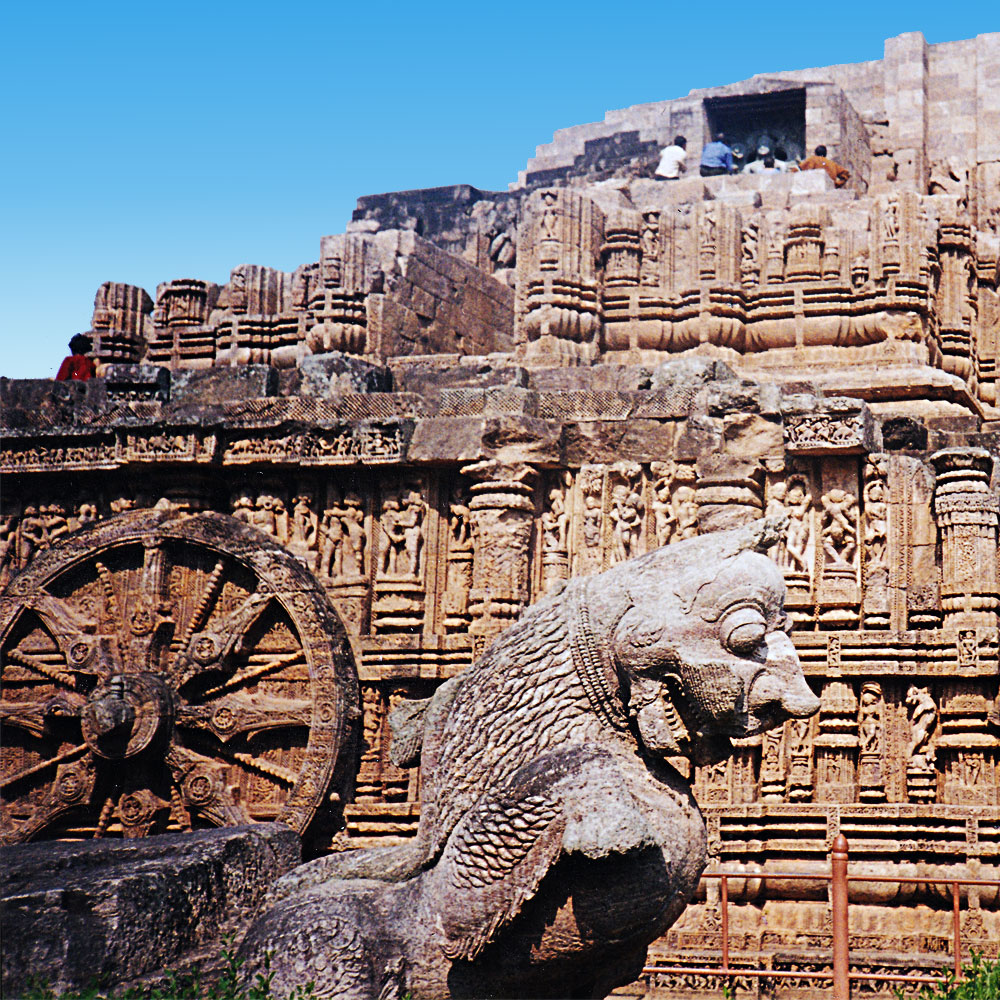
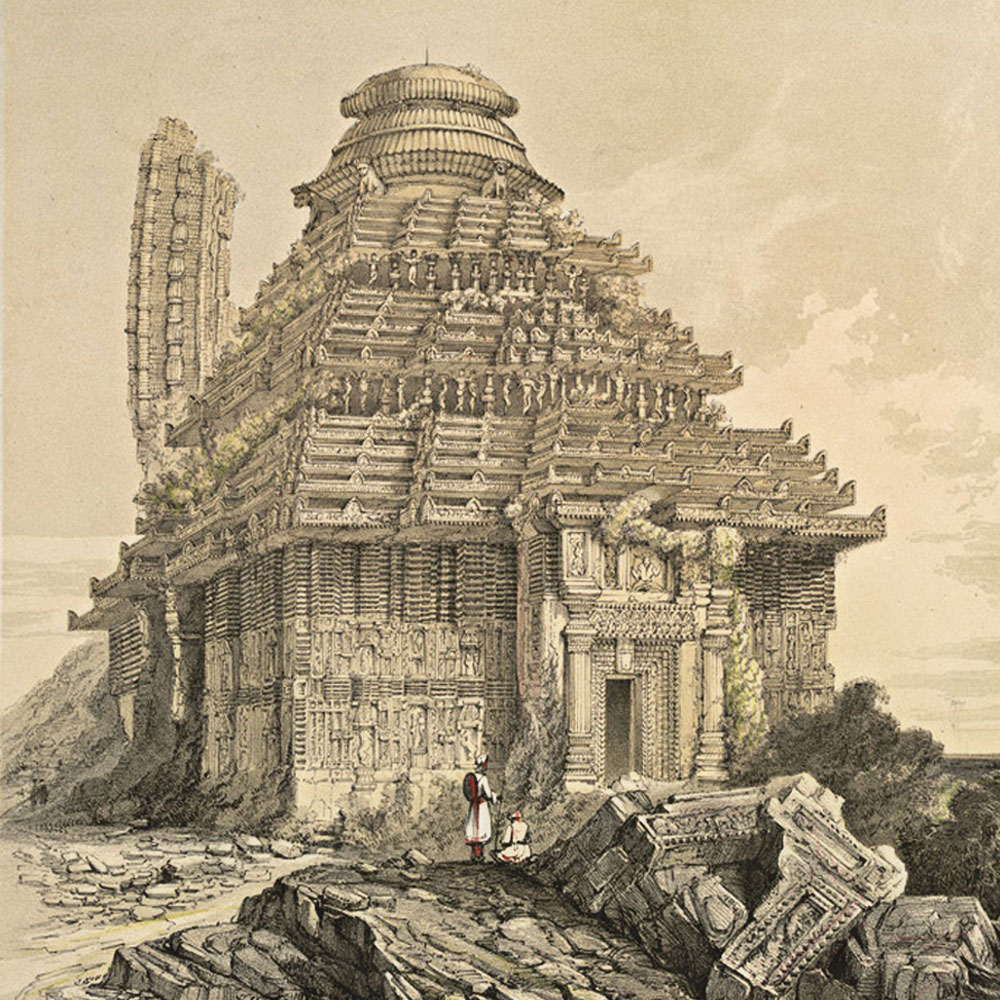
The Konark Sun Temple—also known as the Black Pagoda—is one of India’s most celebrated monuments and a masterpiece of 13th‑century Orissan architecture under the
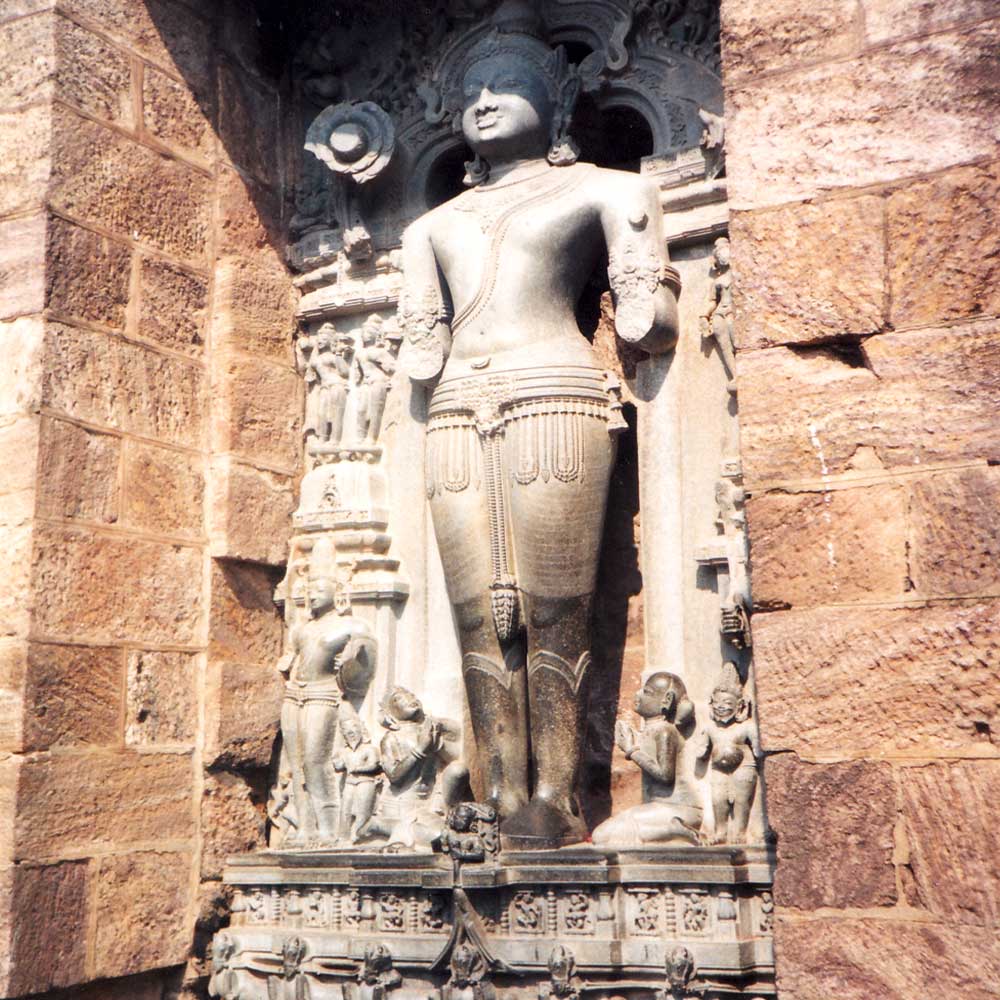
Eastern Ganga dynasty. Built by King Narasimhadeva I between 1238 and 1250 CE, the temple was conceived as the colossal stone chariot of Surya, the Sun God, its form aligned with the
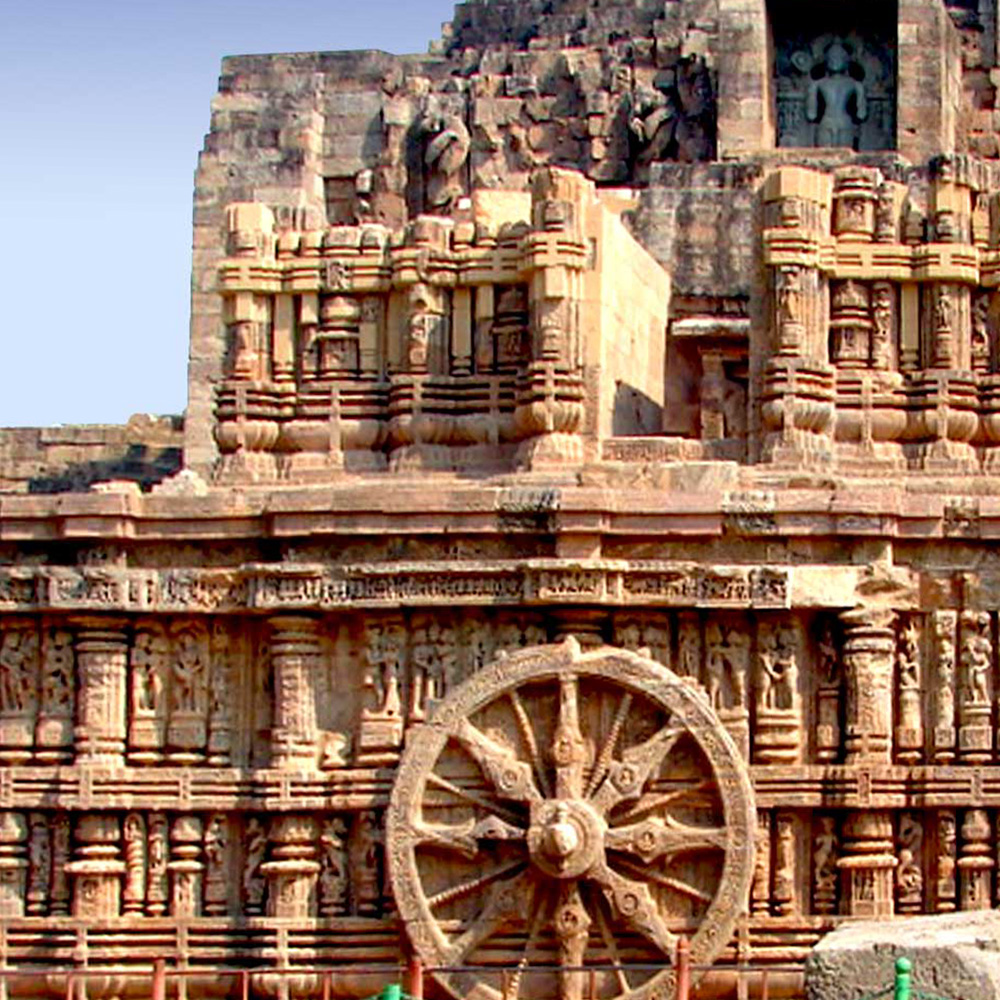
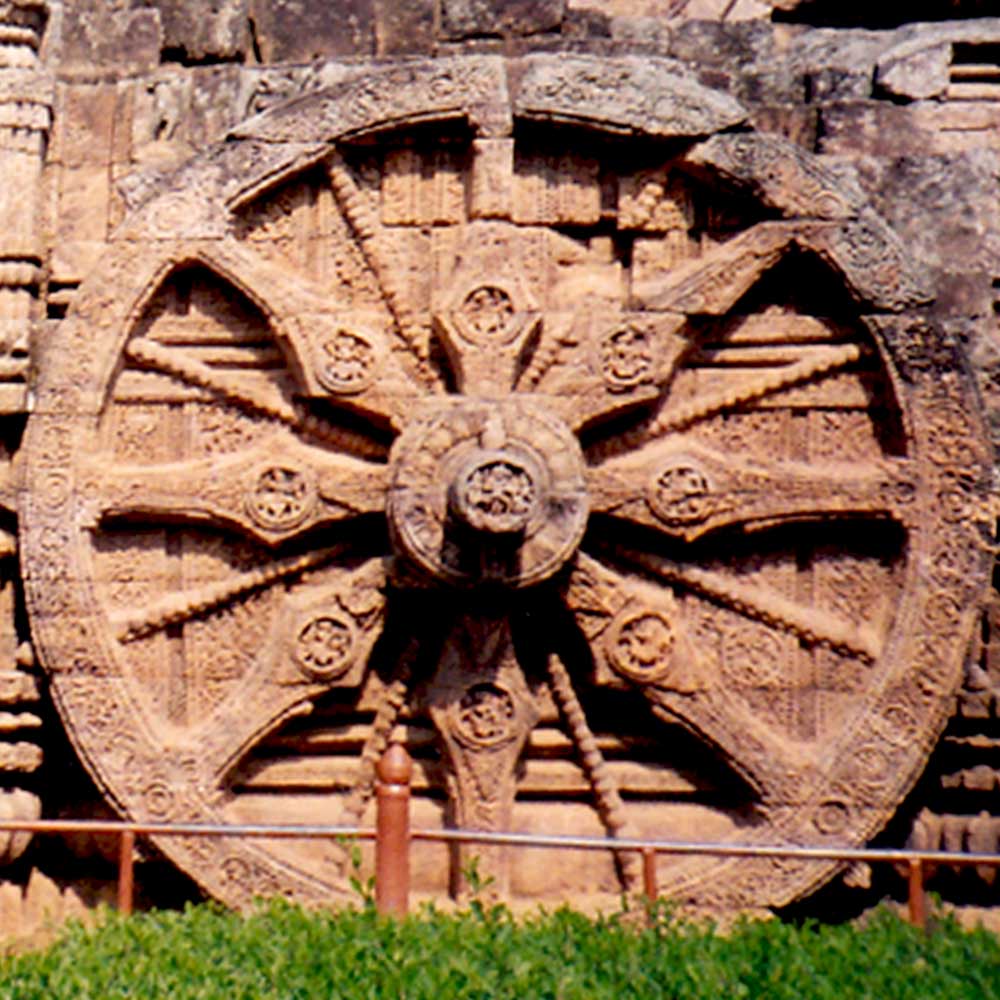
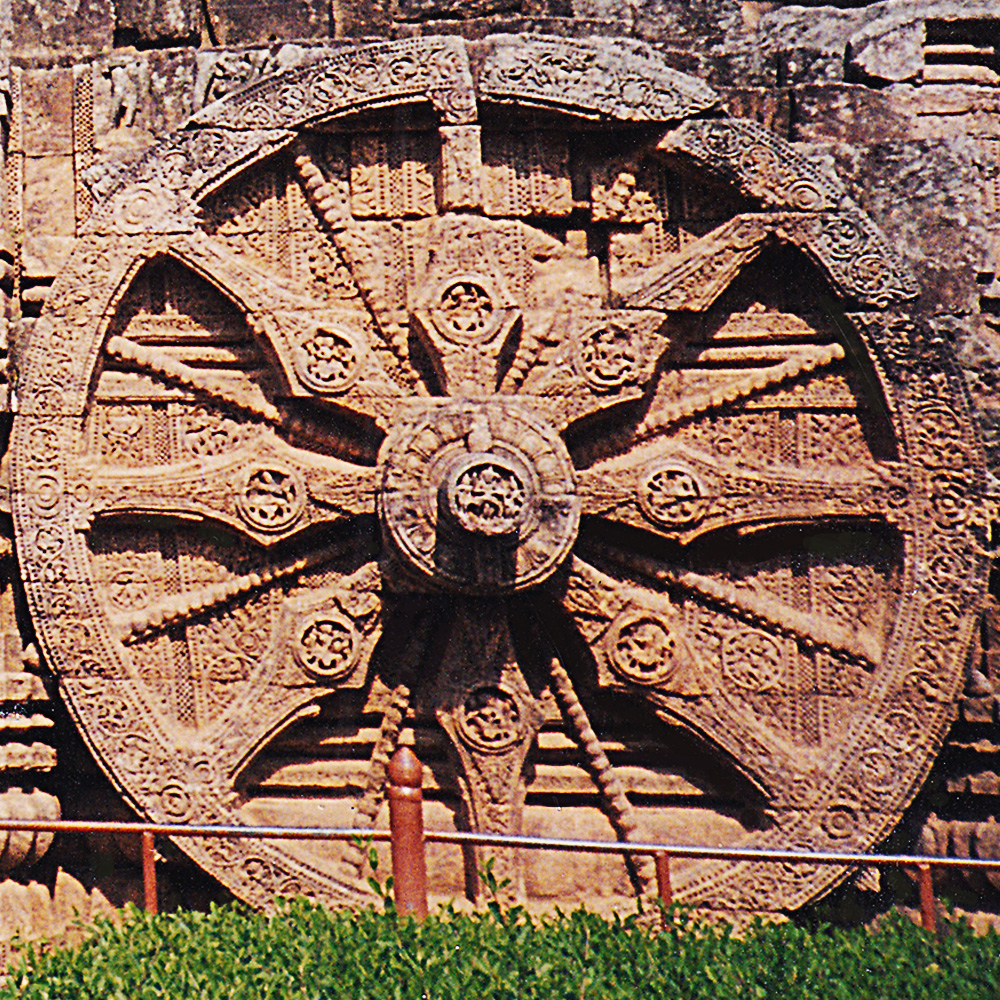
rising sun so that the first rays illuminated the entrance. The temple’s 24 intricately carved stone wheels are among its most iconic features. Interpreted as Dharma Chakras, they
symbolize the cosmic cycles of creation, preservation, and dissolution, as well as the moral law of cause and effect central to Indian spiritual traditions. Their eight spokes evoke the
cyclical nature of time and the karmic principle that actions shape future consequences. These wheels are not literal timekeeping devices but powerful metaphors for samsara—the cycle
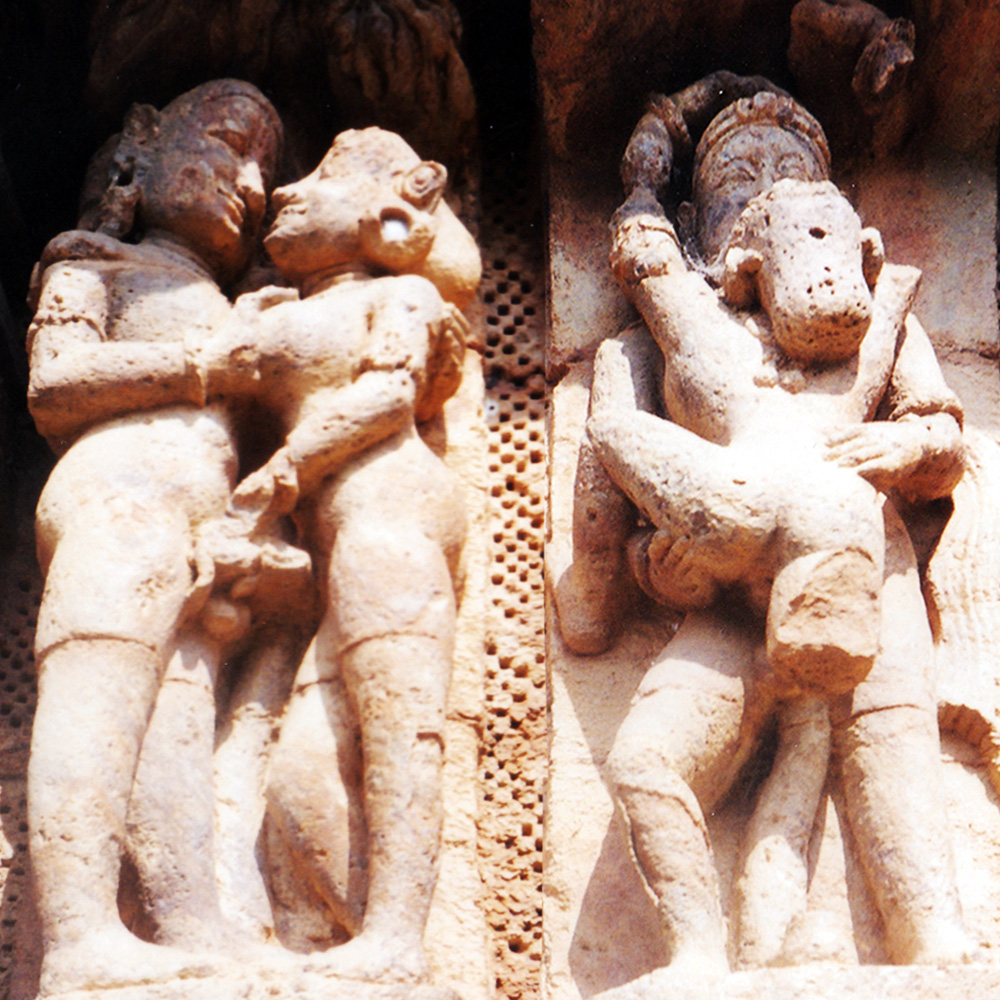
of birth, death, and rebirth—and the spiritual quest for liberation. Konark’s sculptural program reflects the fullness of human experience, illustrating the four Purusharthas—Dharma
(righteous living), Artha (prosperity), Kama (desire), and Moksha (liberation). Within this framework, the law of karma underscores personal responsibility: every deed, intention, and
choice contributes to one’s unfolding destiny. In Hindu thought, karma operates through three forms—sanchita (accumulated past karma), prarabdha (karma shaping the present life), and
kriyamana (karma created in the present). Together, the temple’s architecture and symbolism express a vision of the universe governed by cosmic order, moral law, and the eternal movement
of time—an enduring testament to India’s philosophical and artistic heritage.
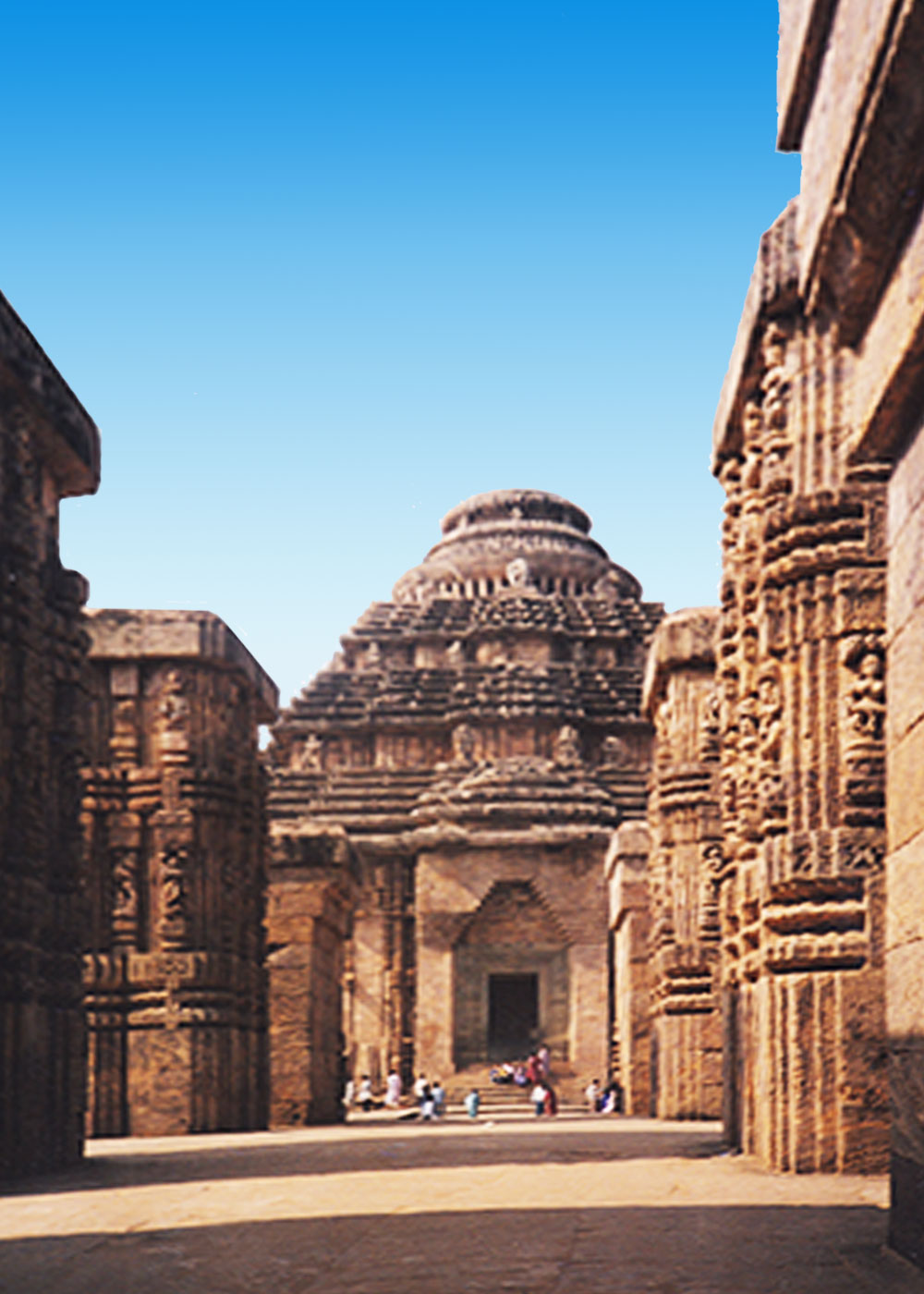
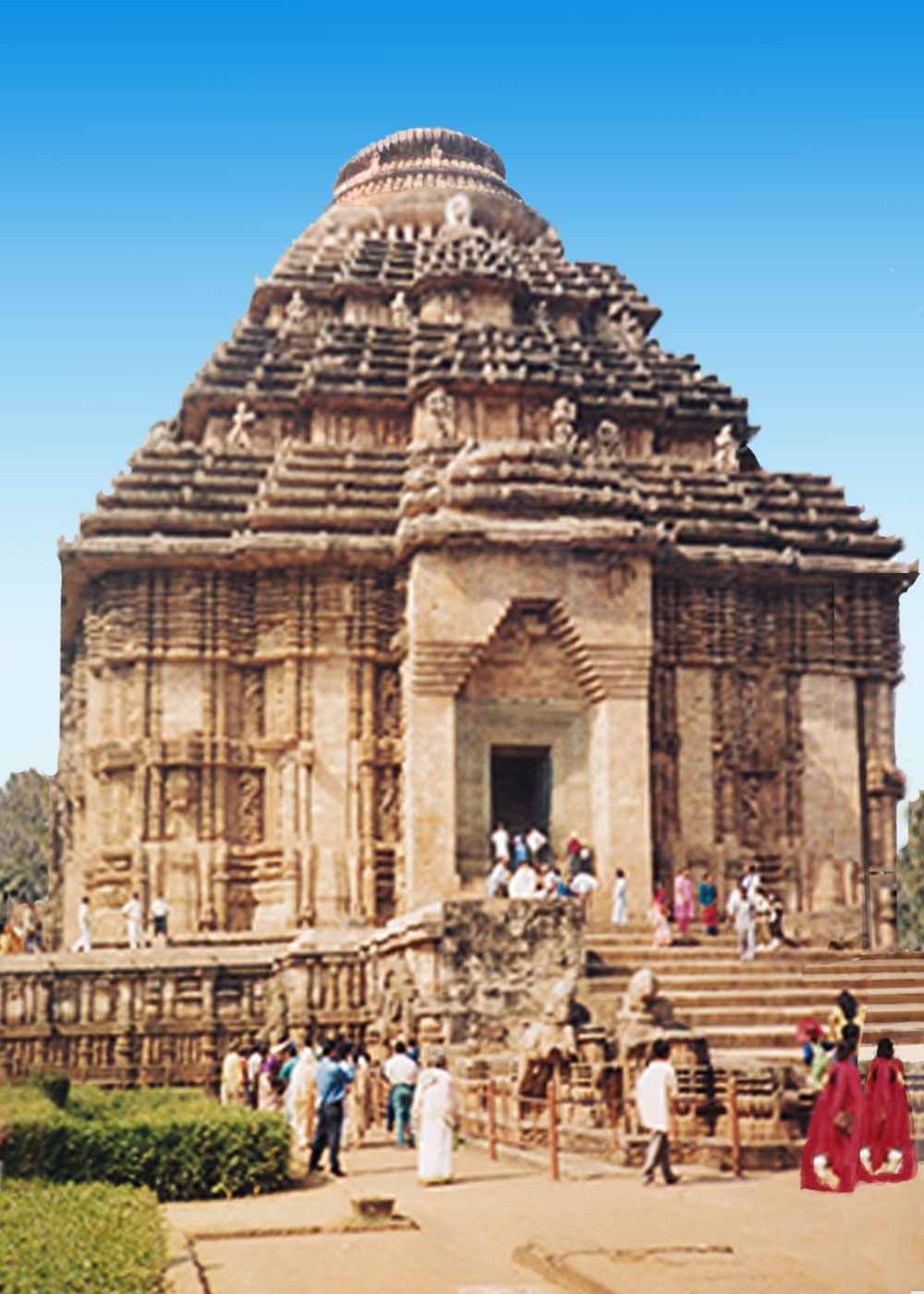
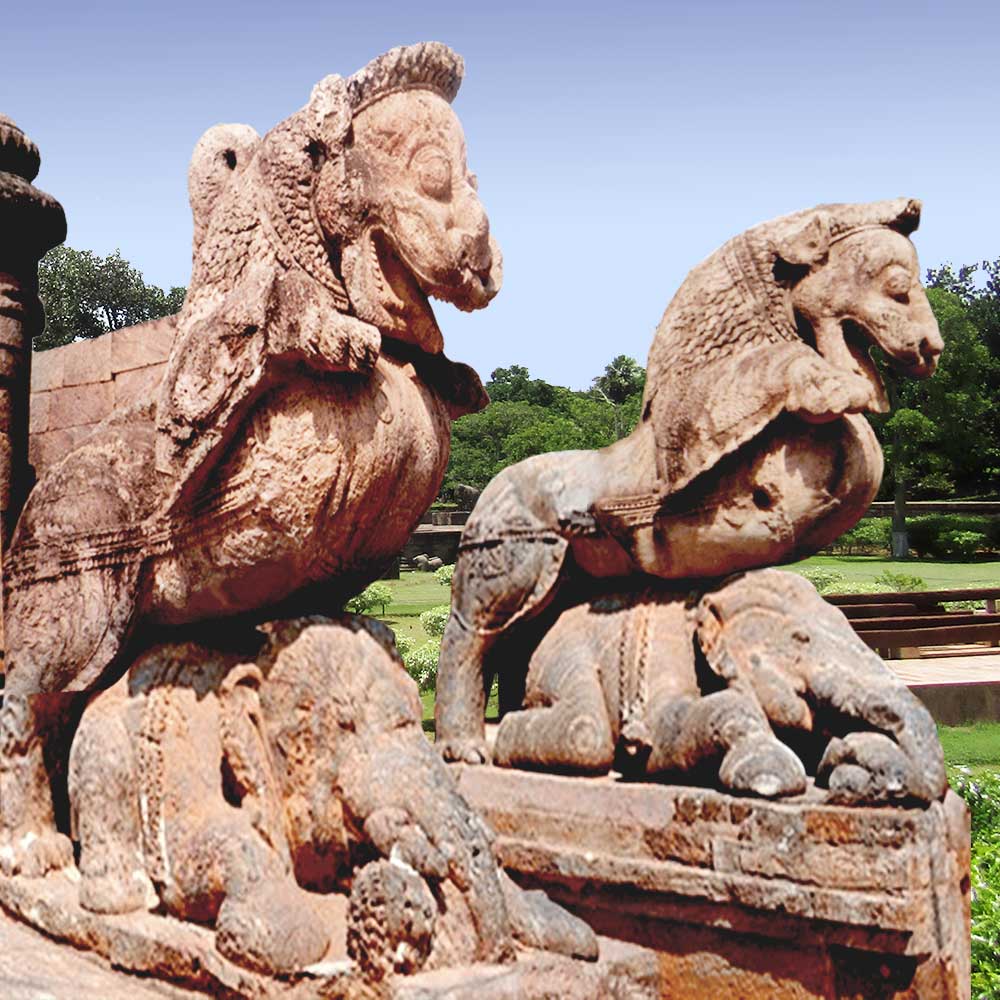
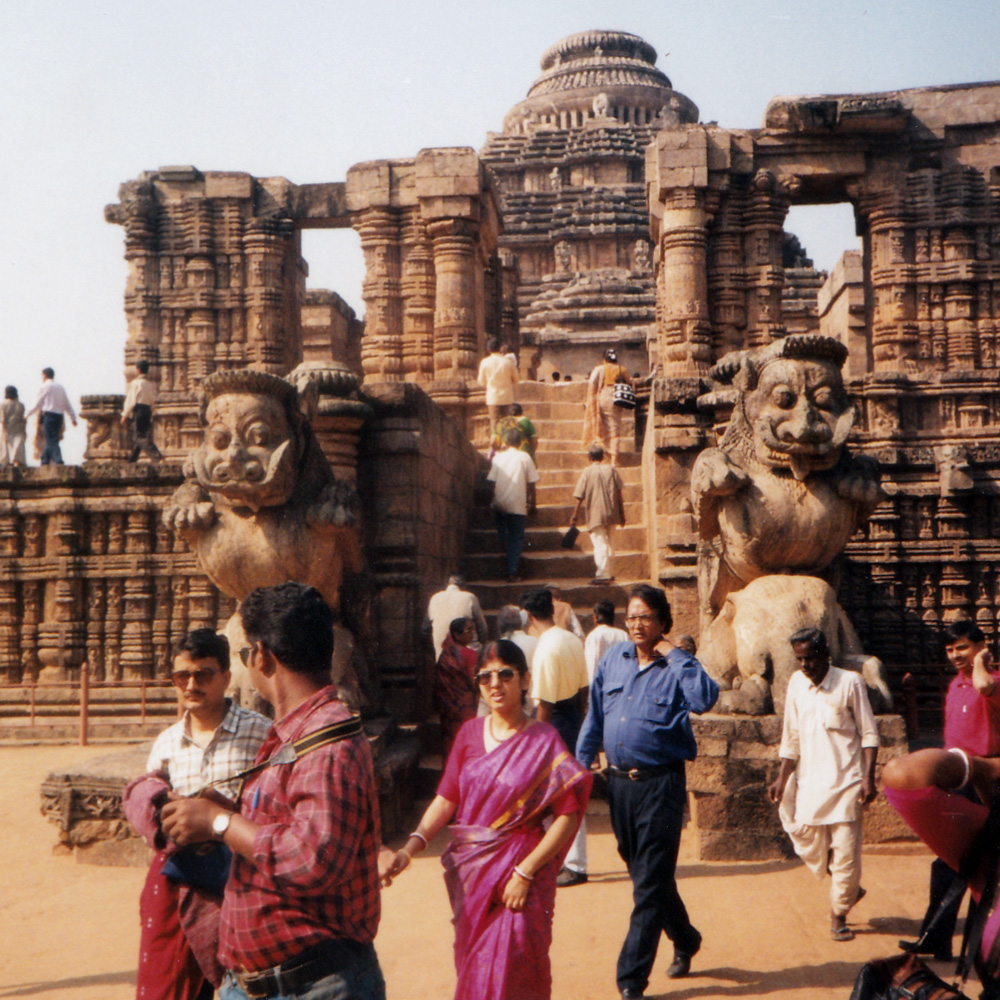
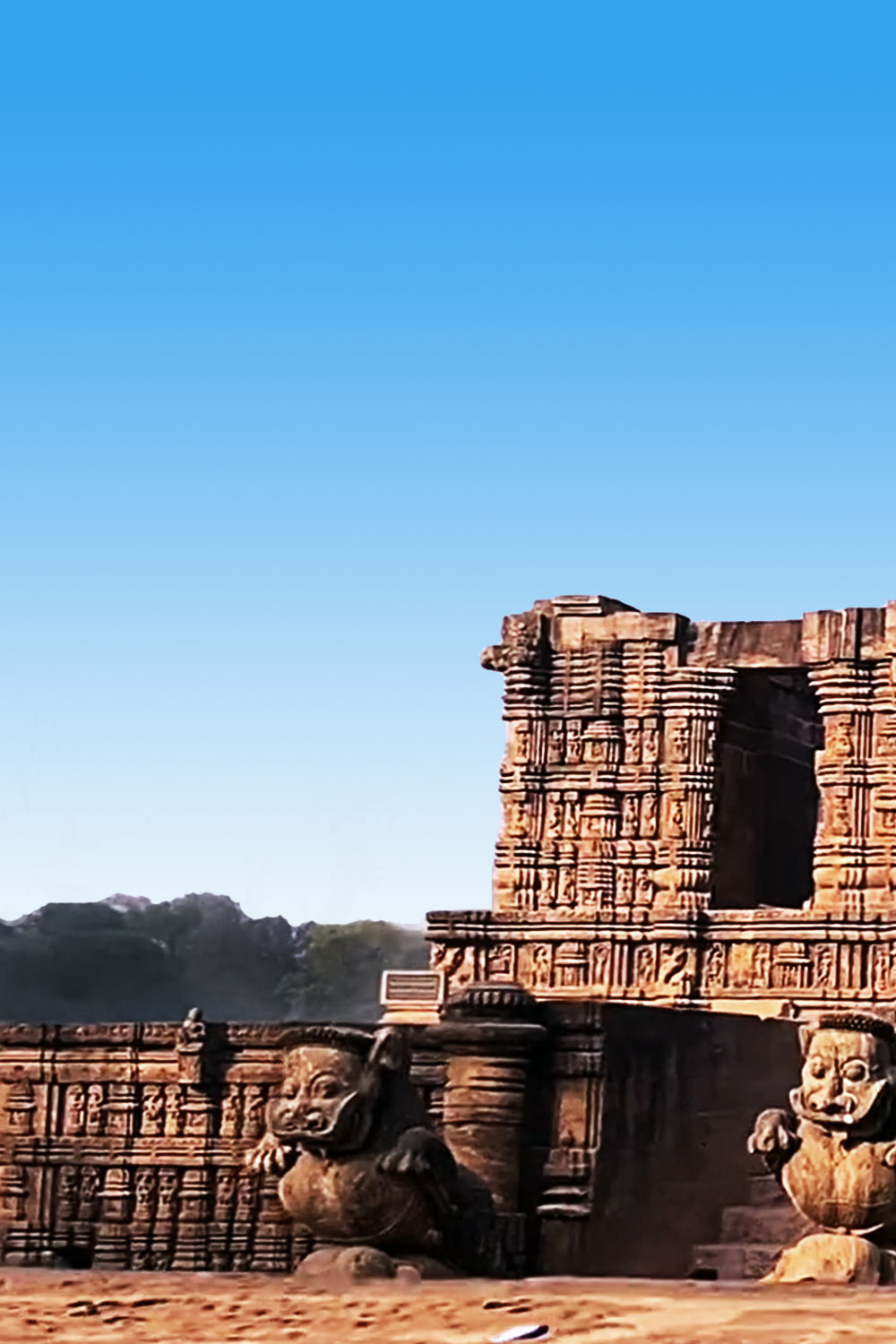 1.) Konark Sun Temple, Main structure entrance,
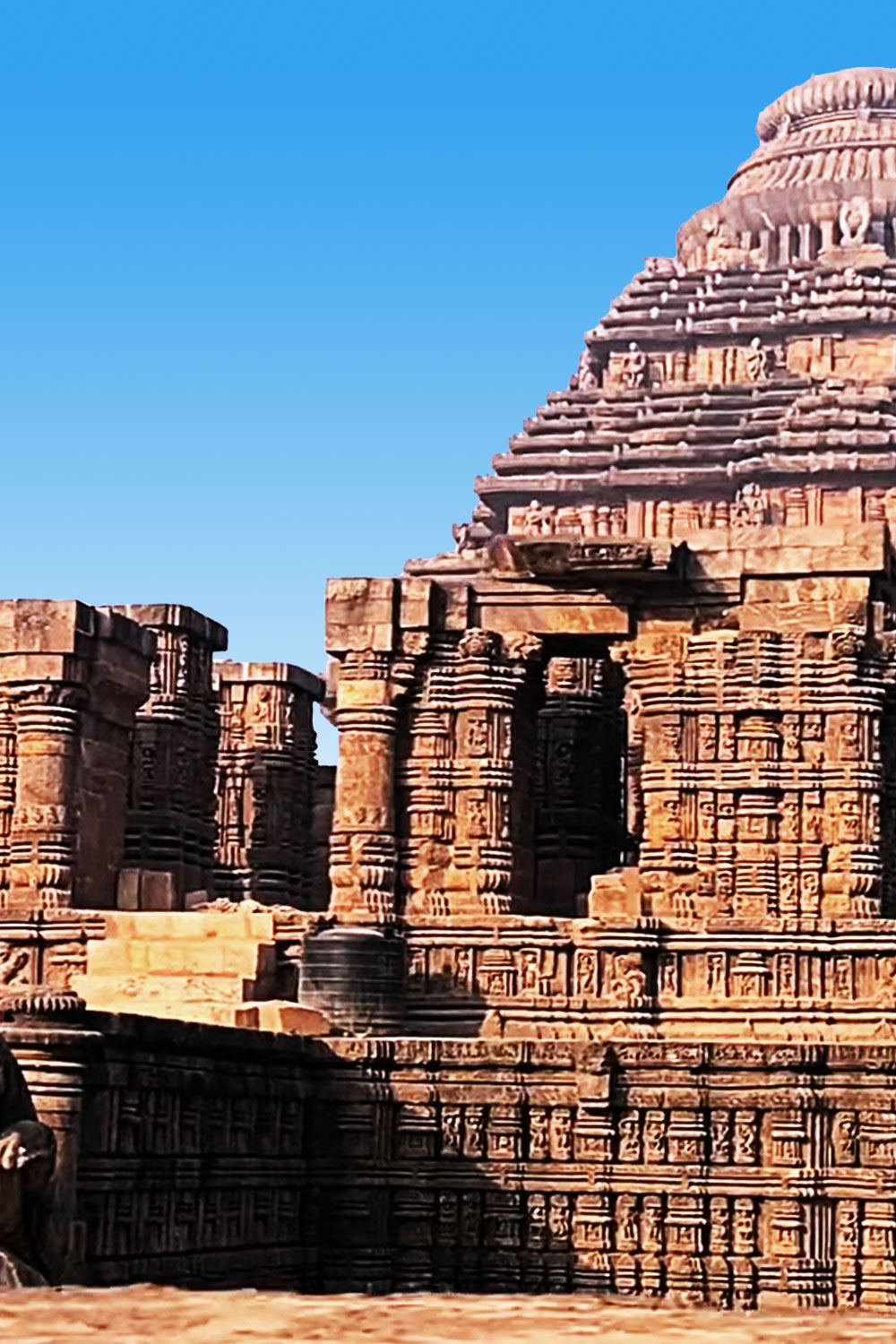 2.)
2.)
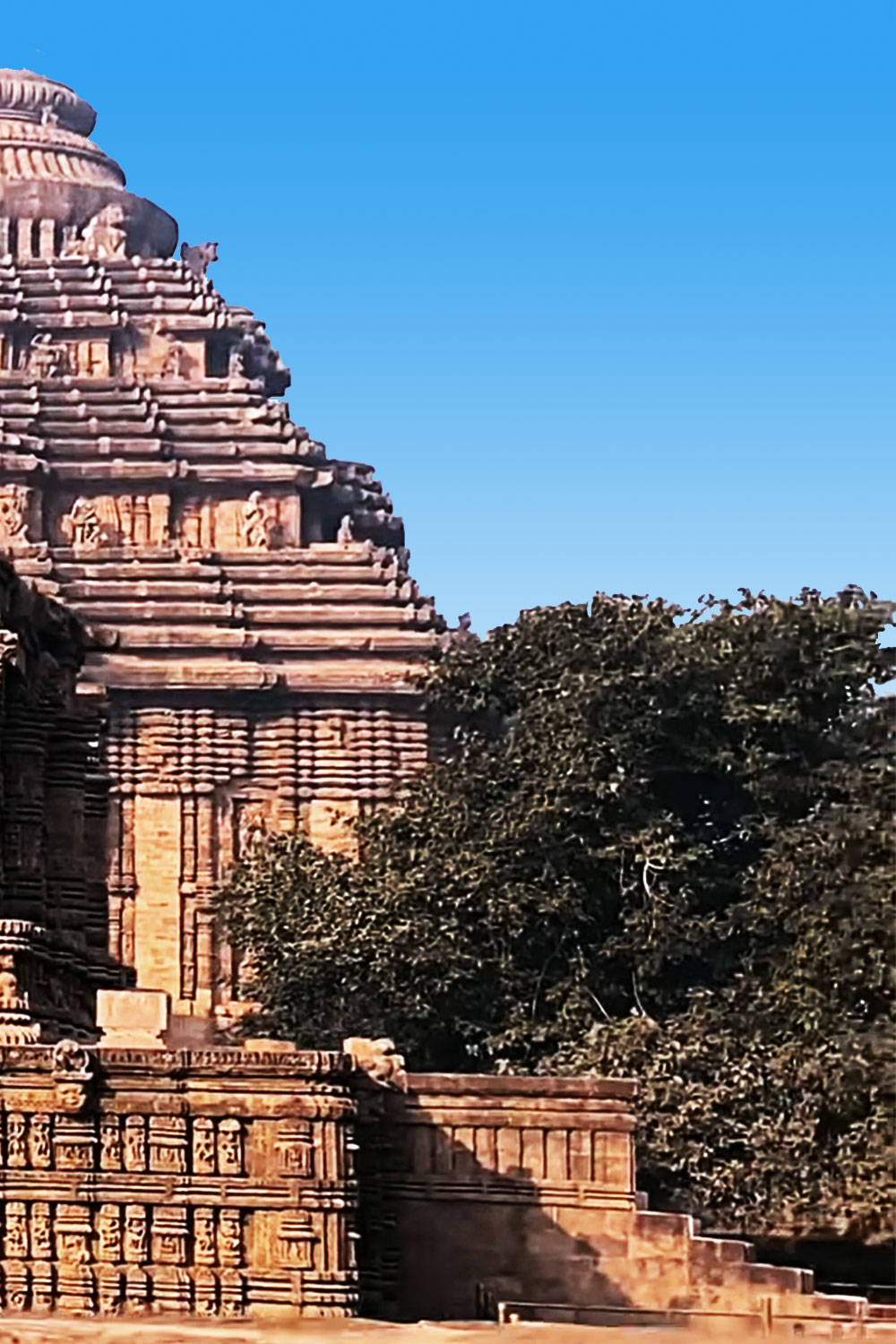 3.)
3.)
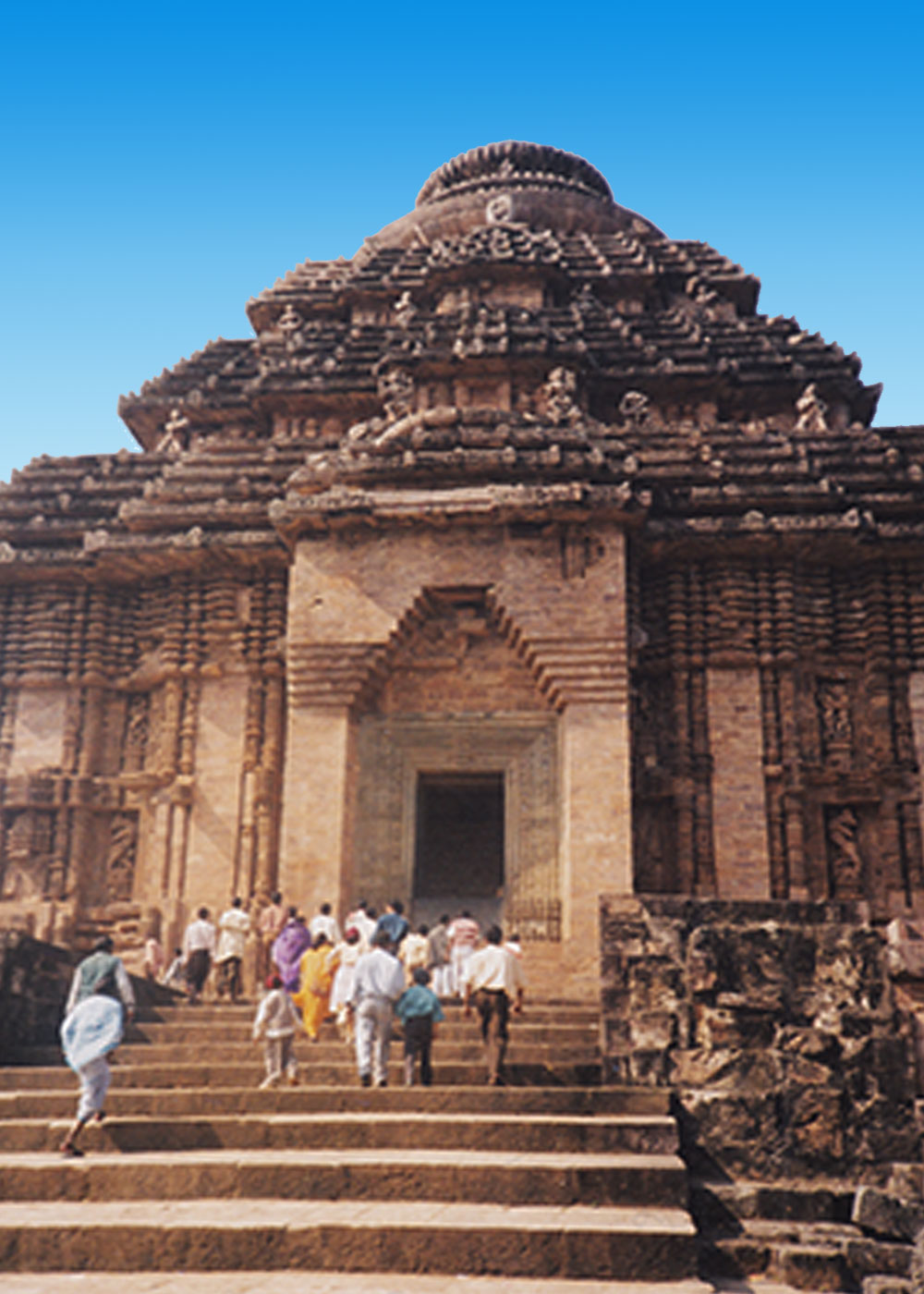
 Dr. Frances W. Pritchett, Columbia University, New York City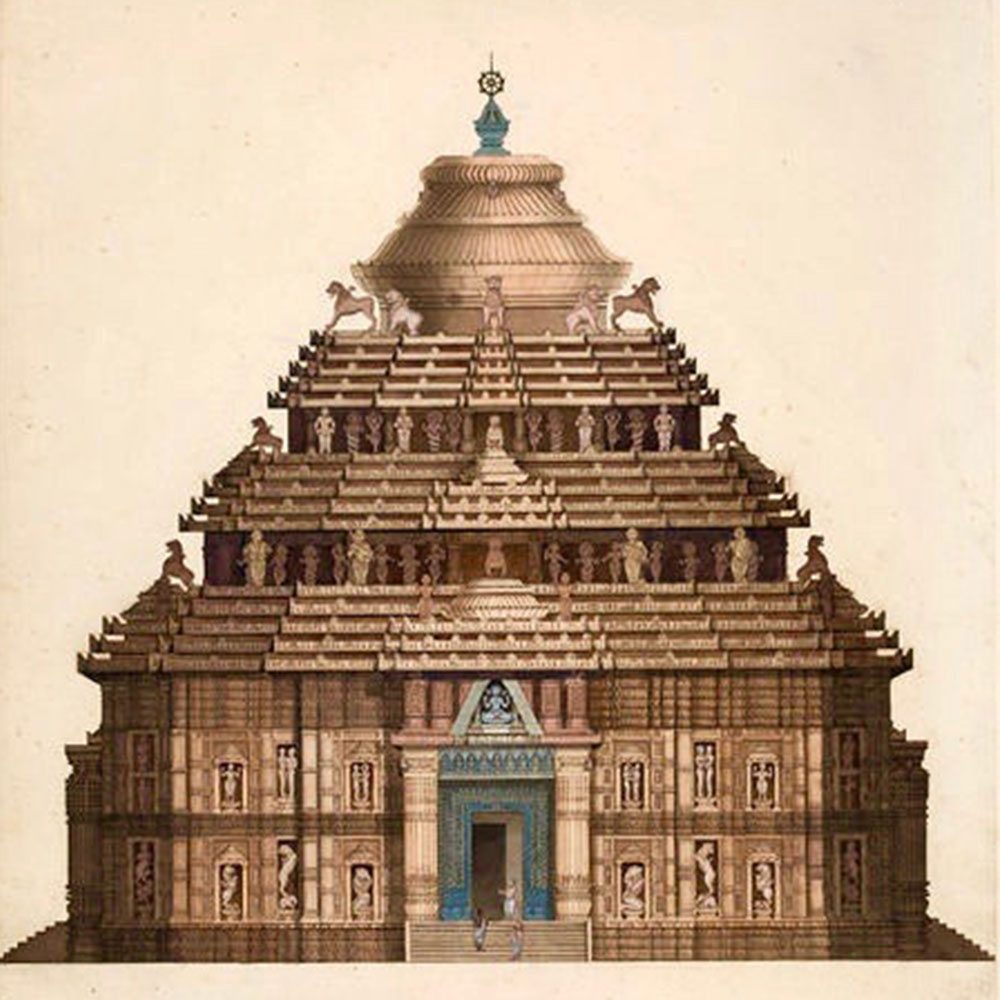
 Boston Public Library
 Top
Top