The Mortuary Temple of Hatshepsut

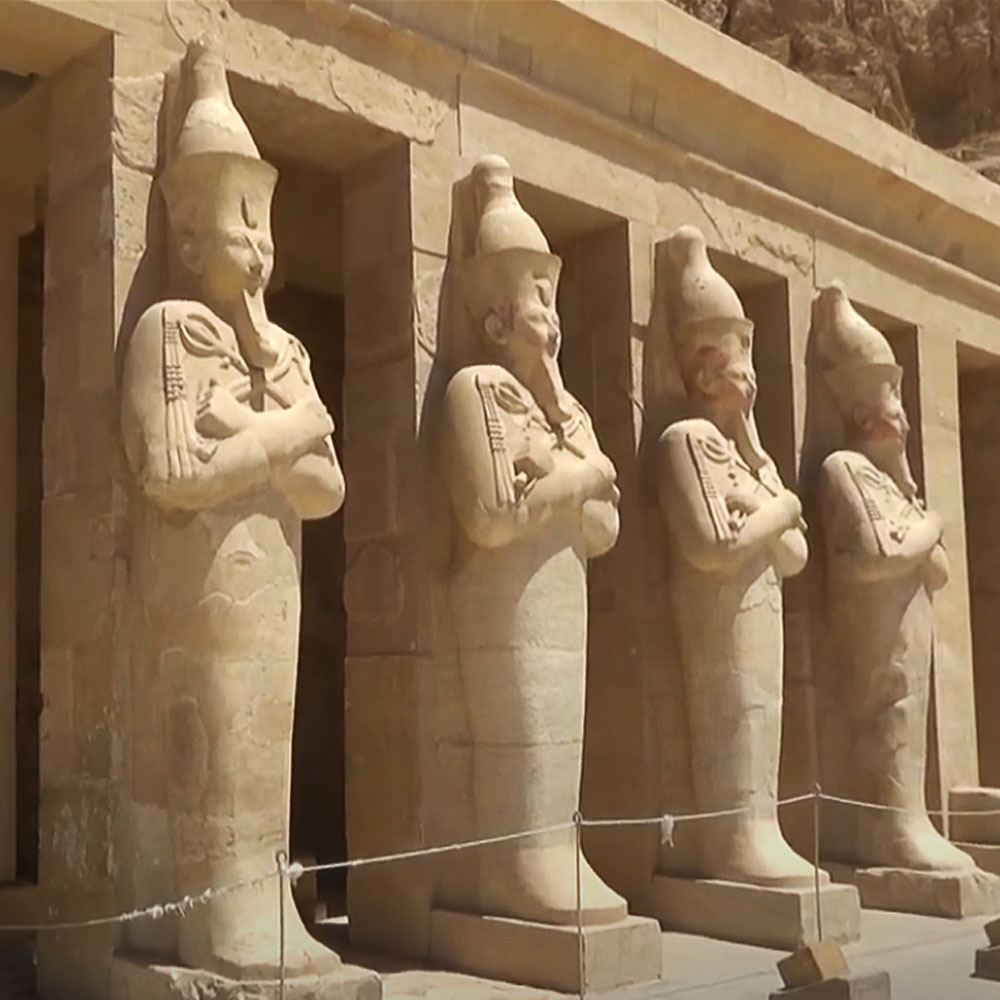
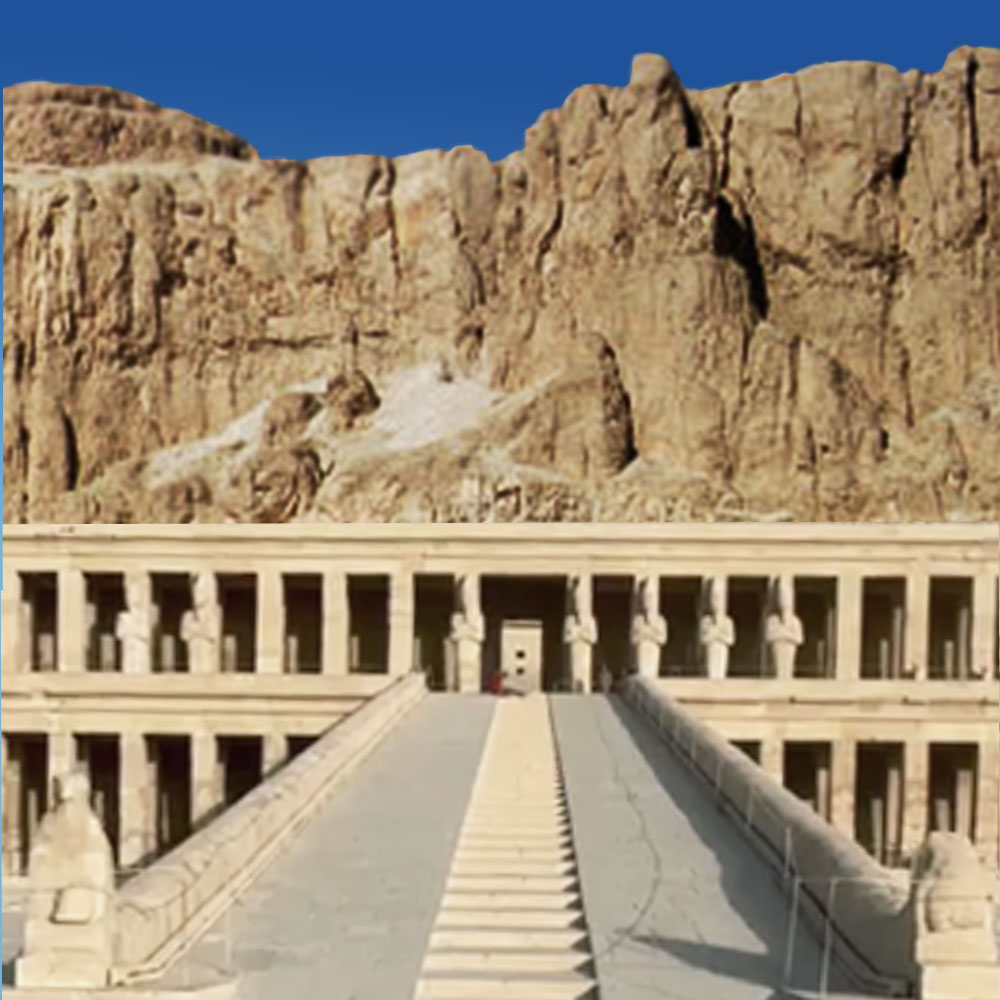
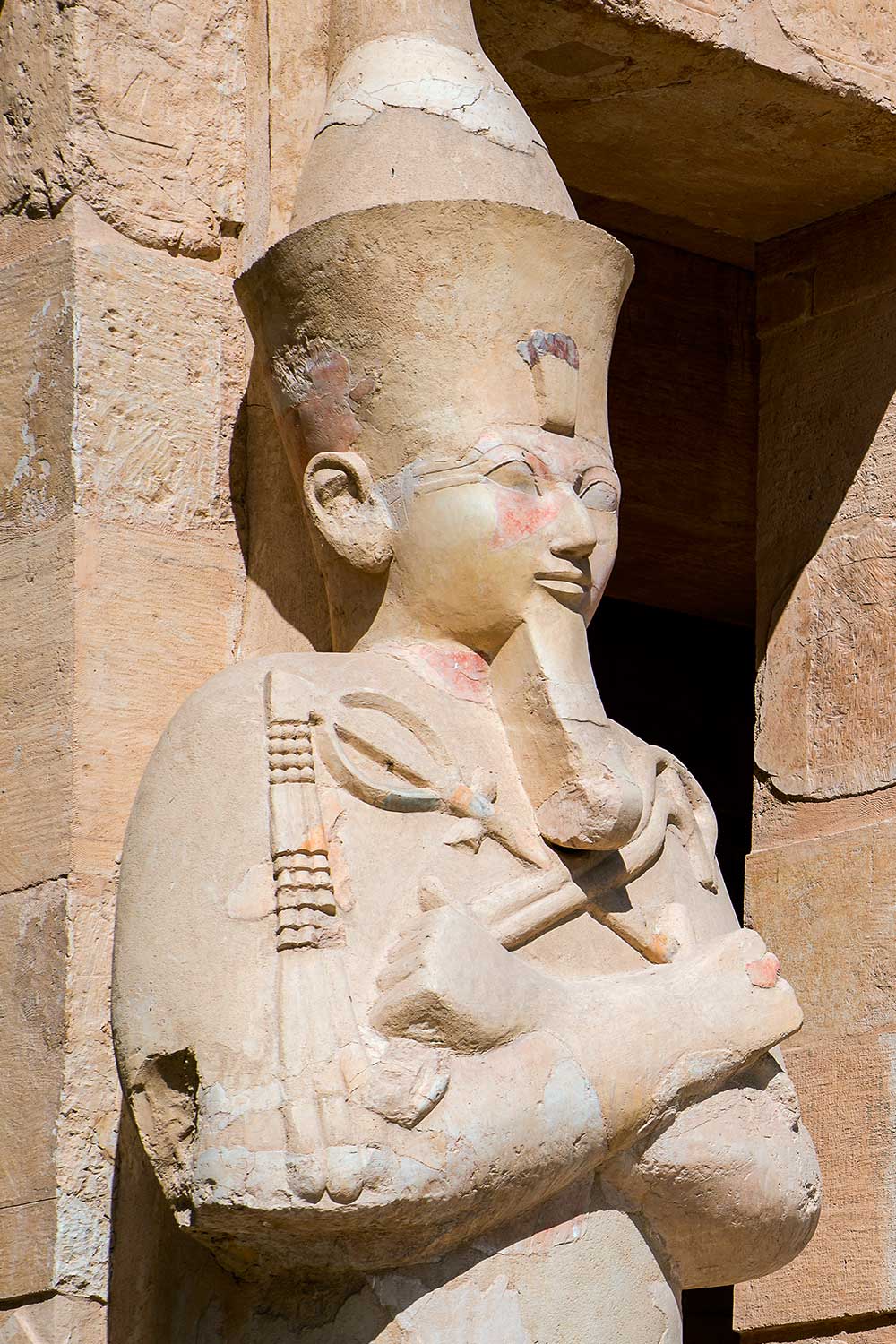
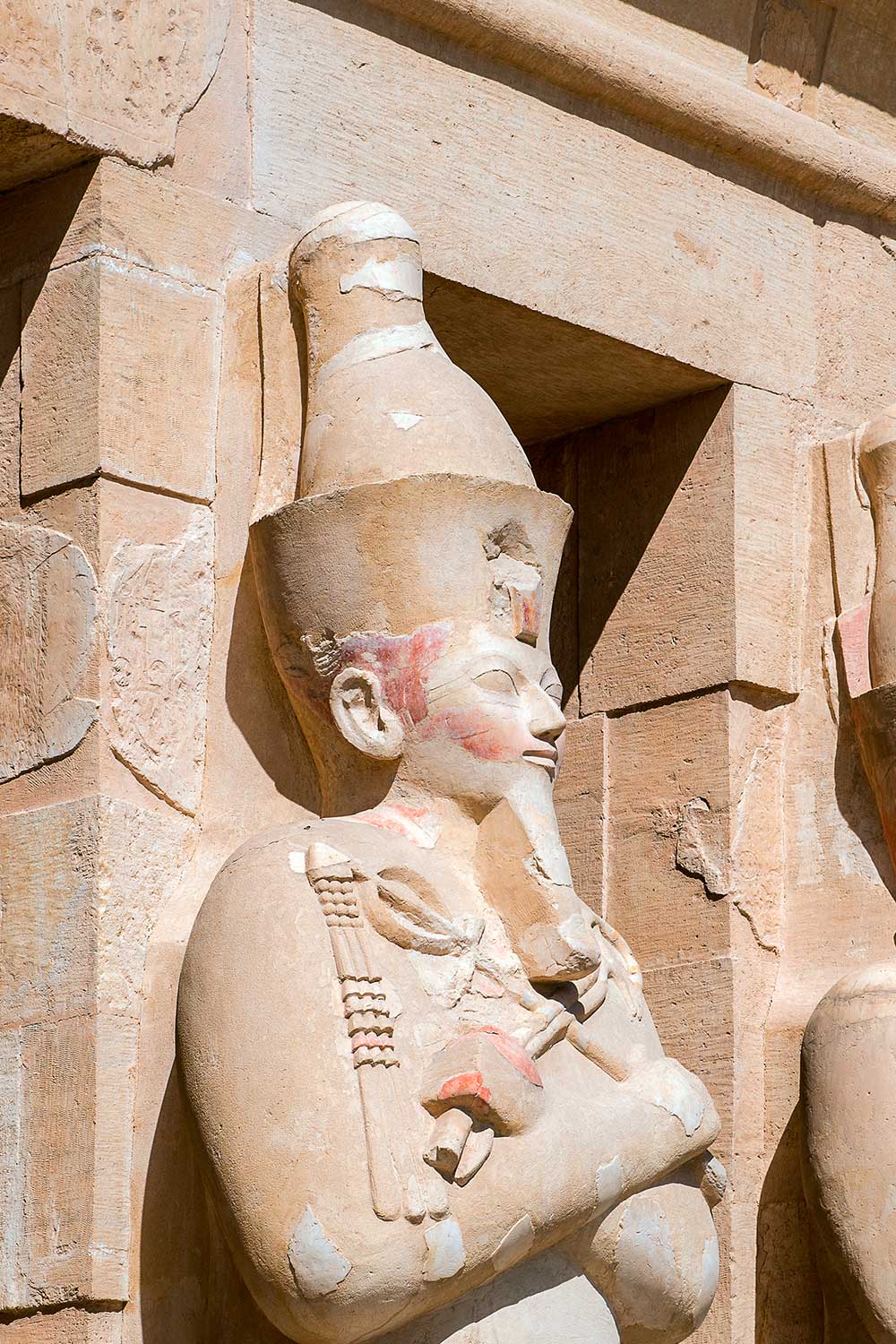
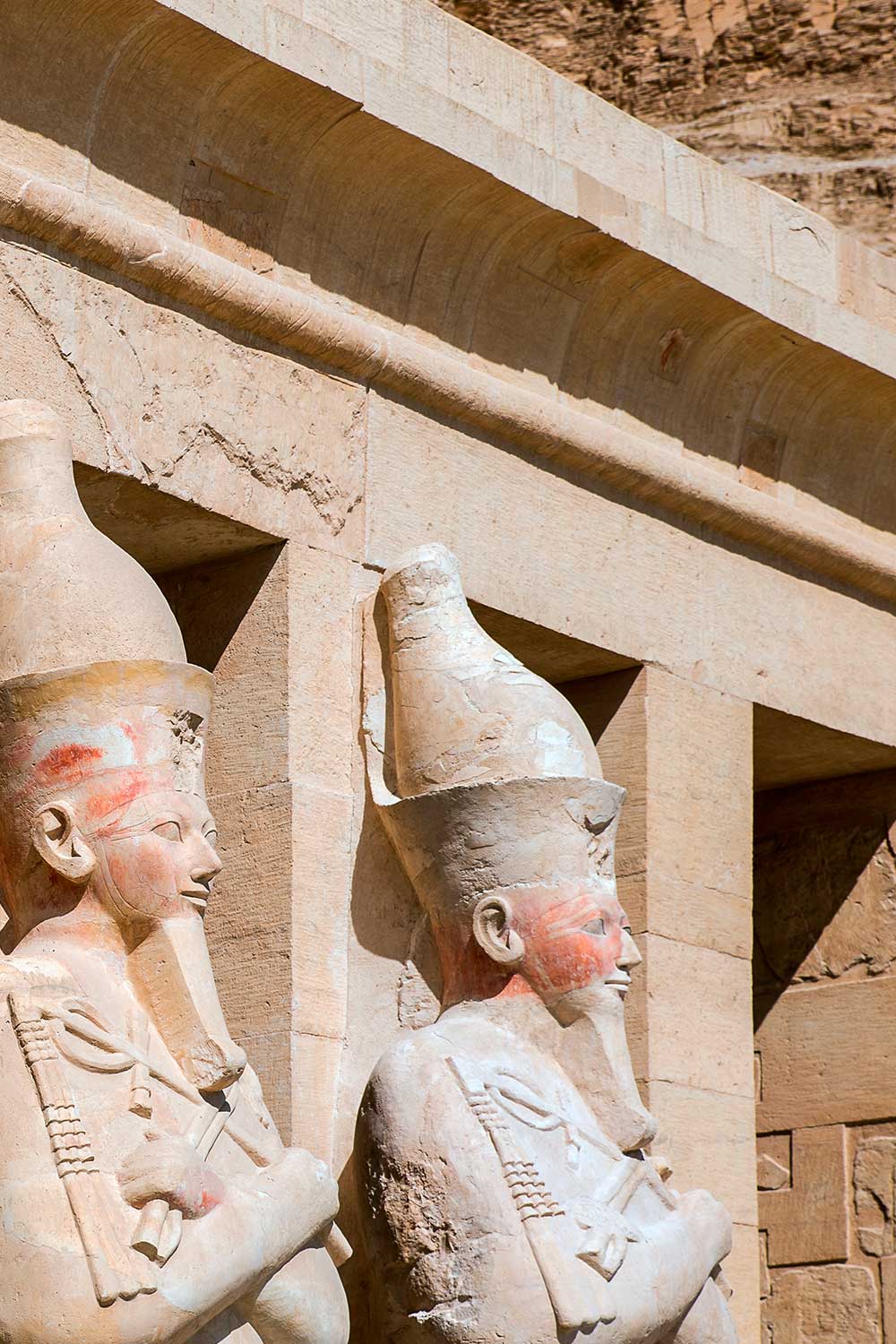
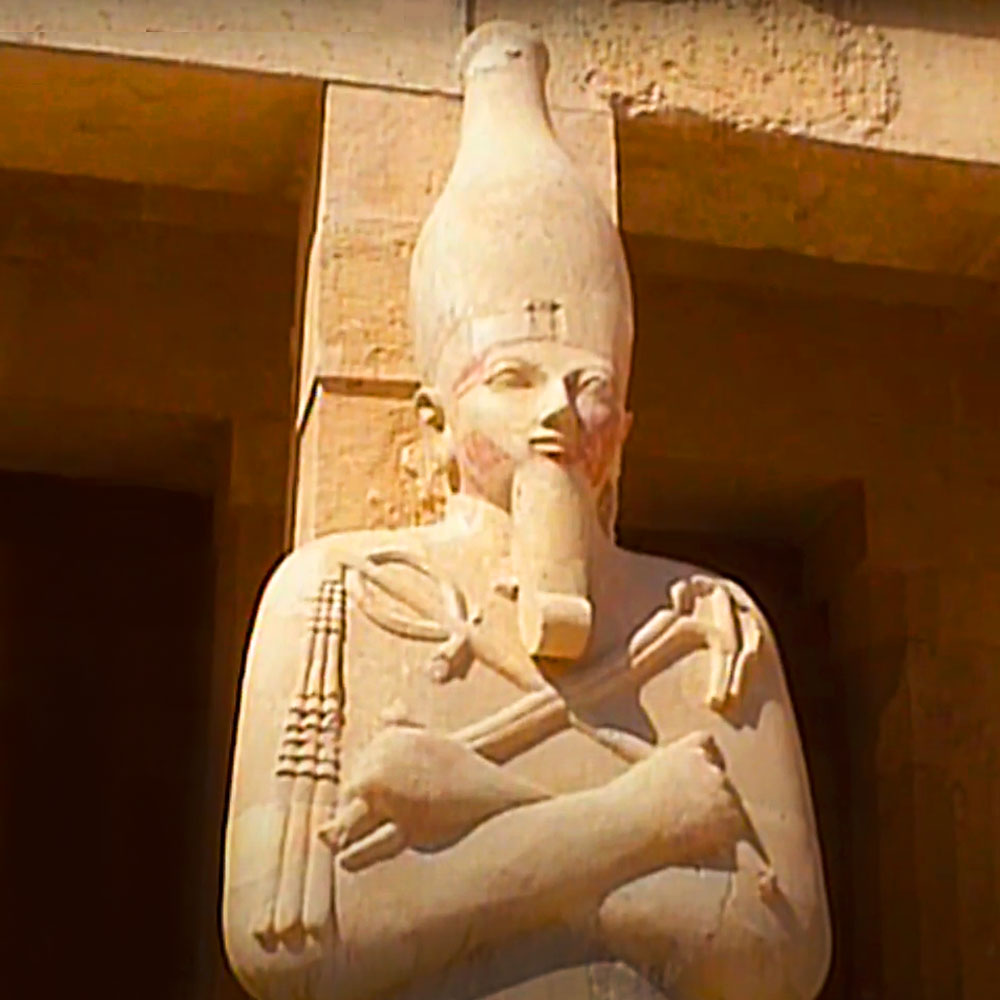
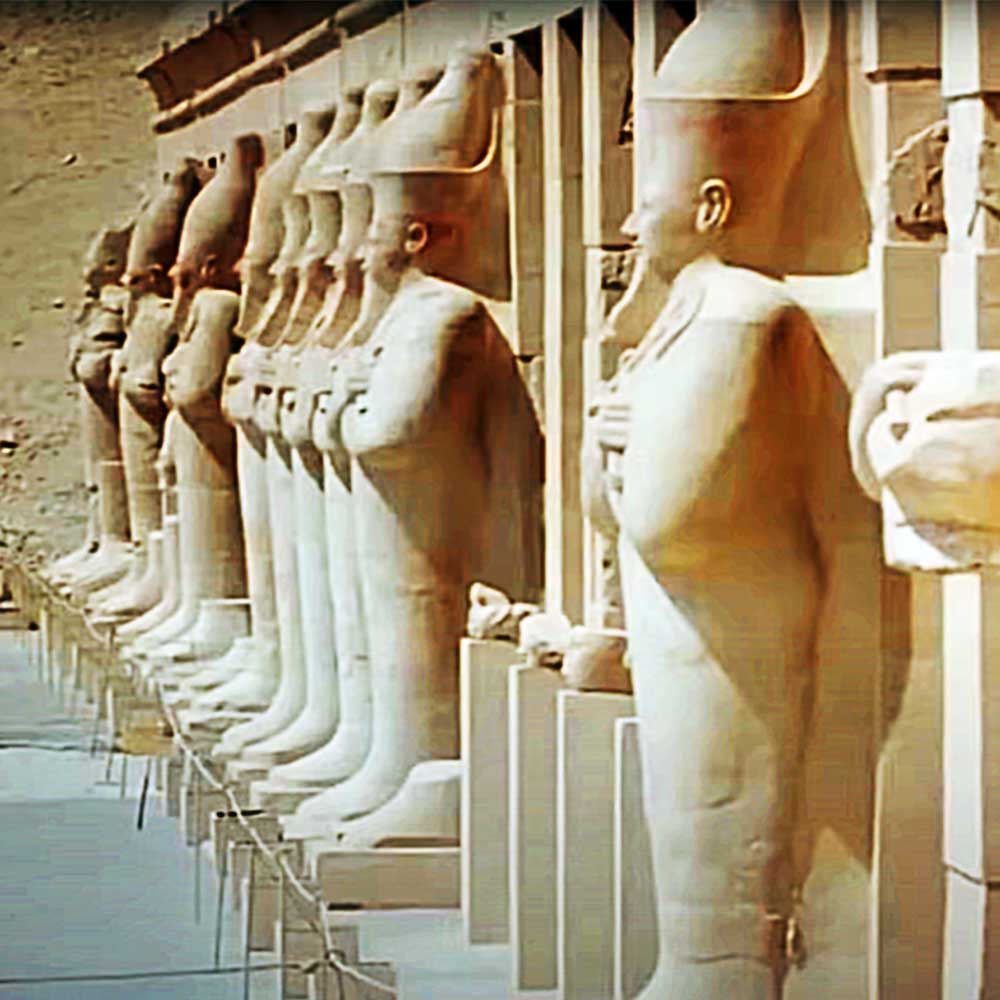
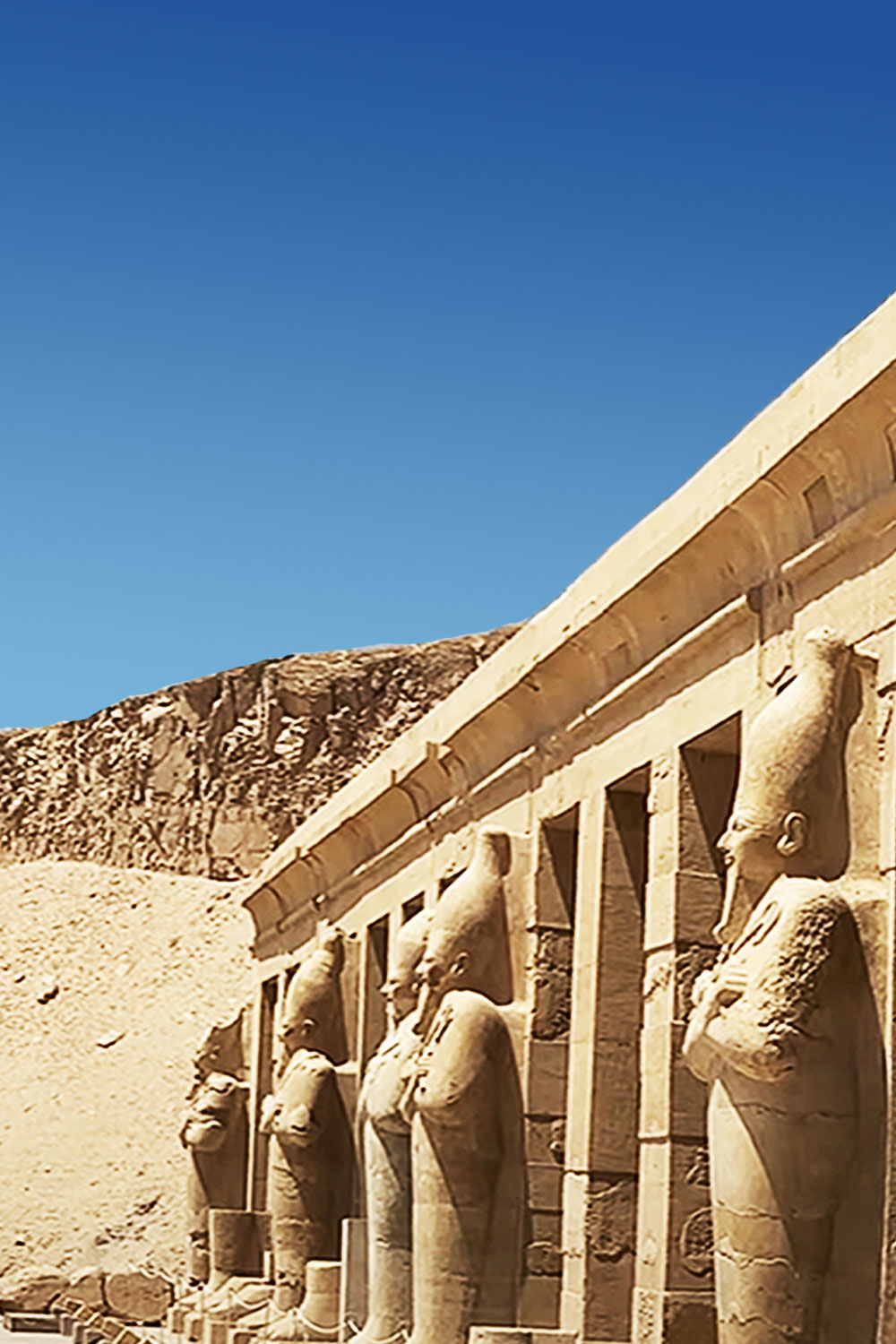
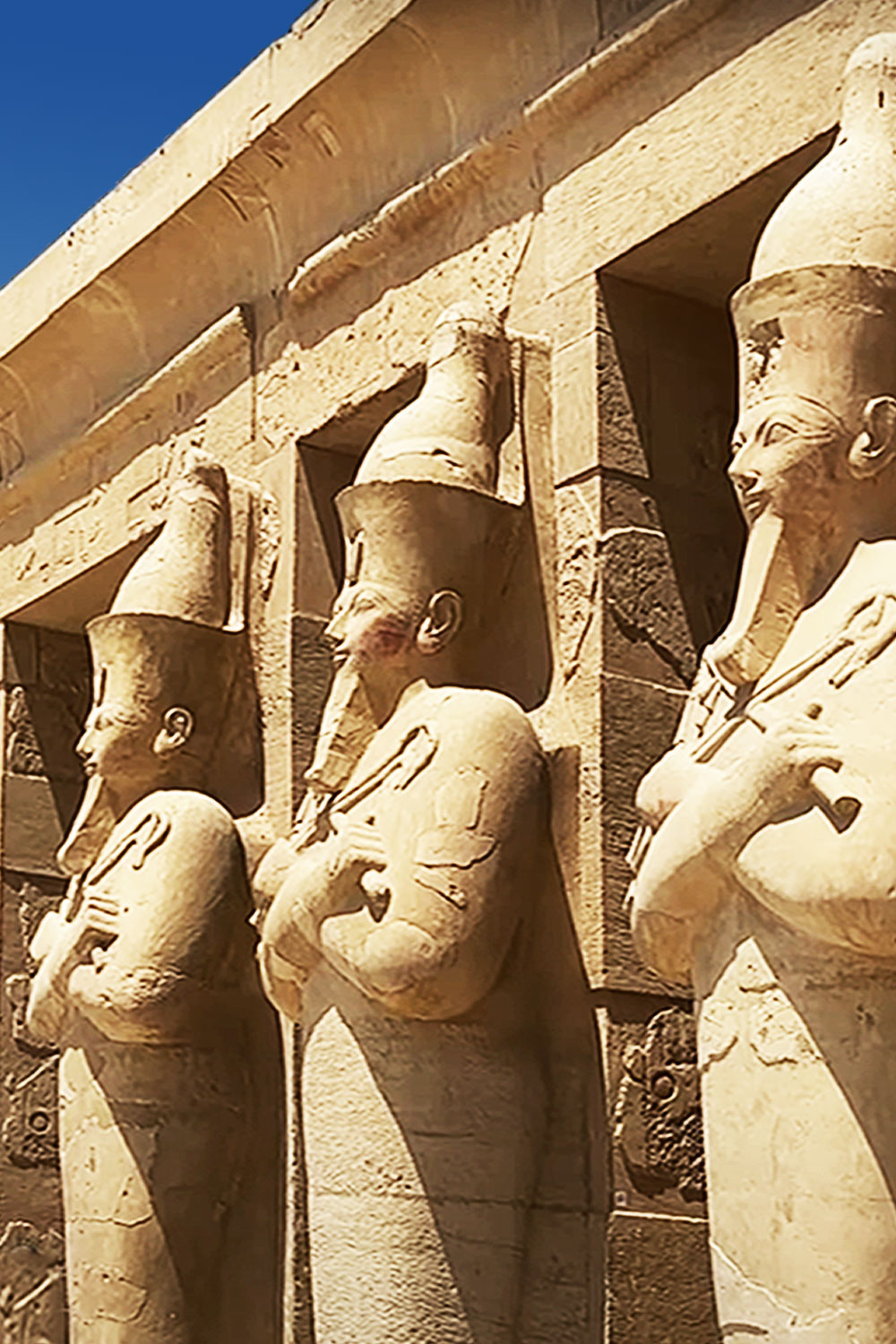
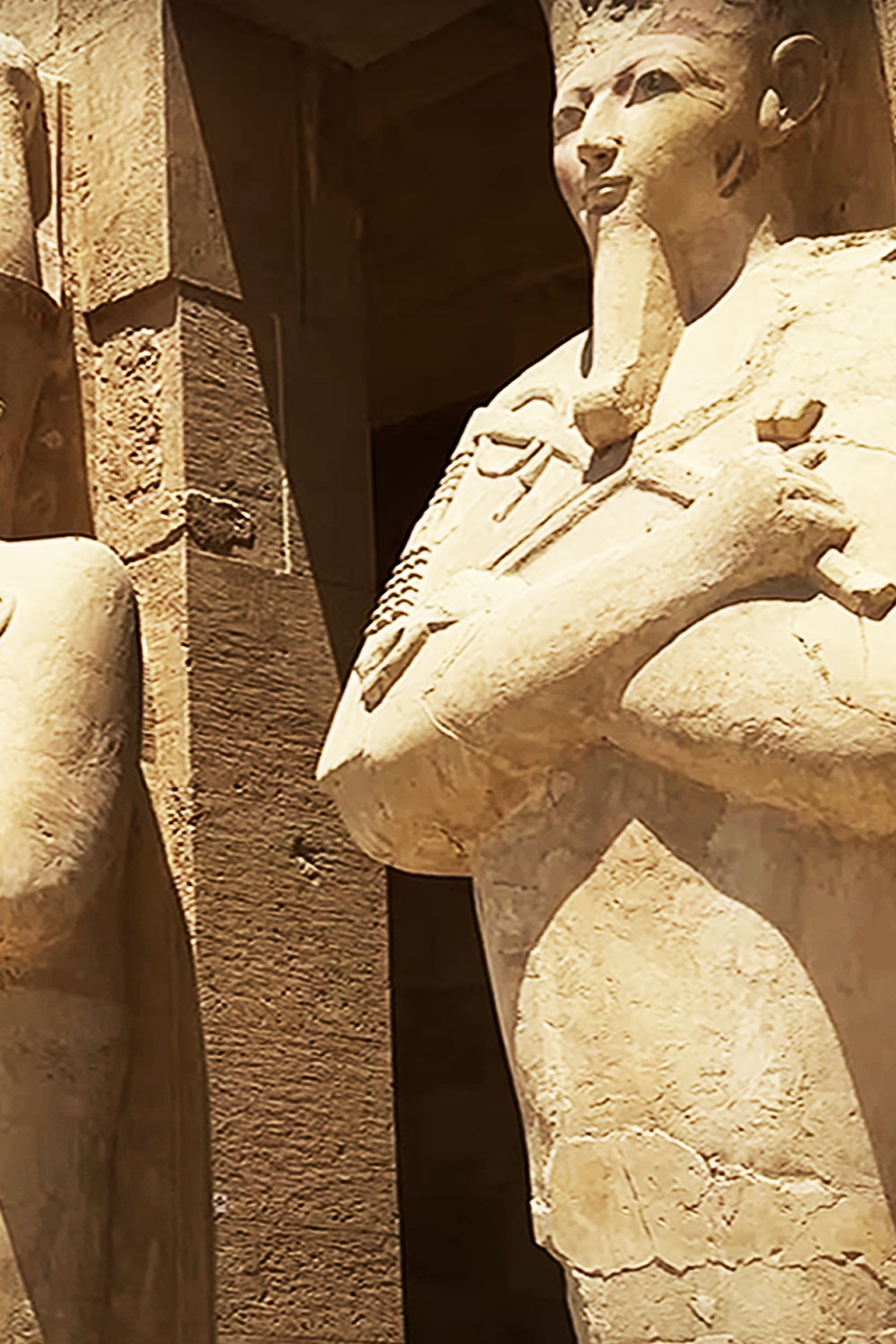
The Mortuary Temple of Hatshepsut, Djeser‑Djeseru (“Holy of Holies”), was built around 1500 BCE during Egypt’s Eighteenth Dynasty. Set against the cliffs of Deir el‑Bahari in the Valley of the Queens, its three sweeping terraces rise seamlessly from the desert and form one of the masterpieces of ancient Egyptian architecture. Hatshepsut’s tomb, KV20, lies deep within the same mountain, crowned by the pyramid‑shaped peak of El Qurn. The temple is renowned for its “Standing Osiris” statues, in which Hatshepsut appears in the form of Osiris—upright, mummiform, and carved as a pillar‑like figure. With crossed arms holding the flail and crook, a braided ceremonial beard, and the Atef crown with its protective cobra, these sculptures emphasize her divine authority and her transformation in the afterlife.
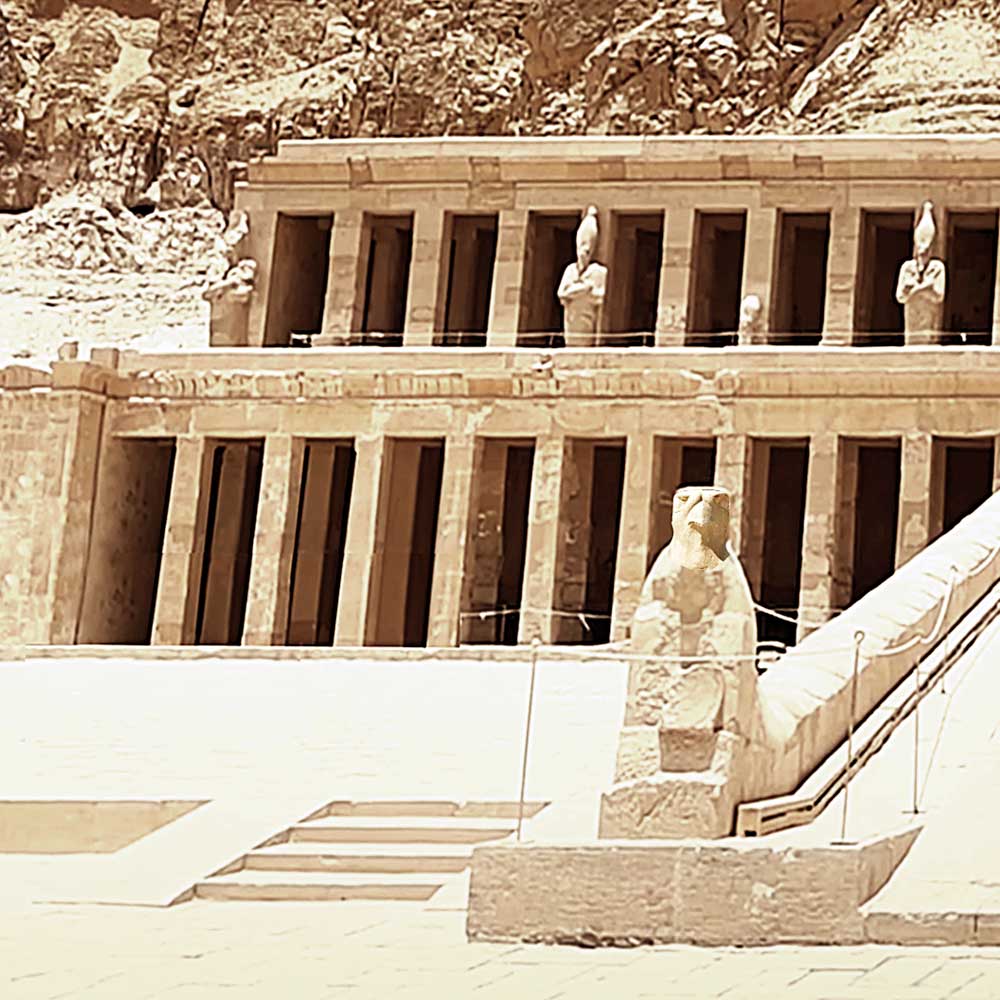
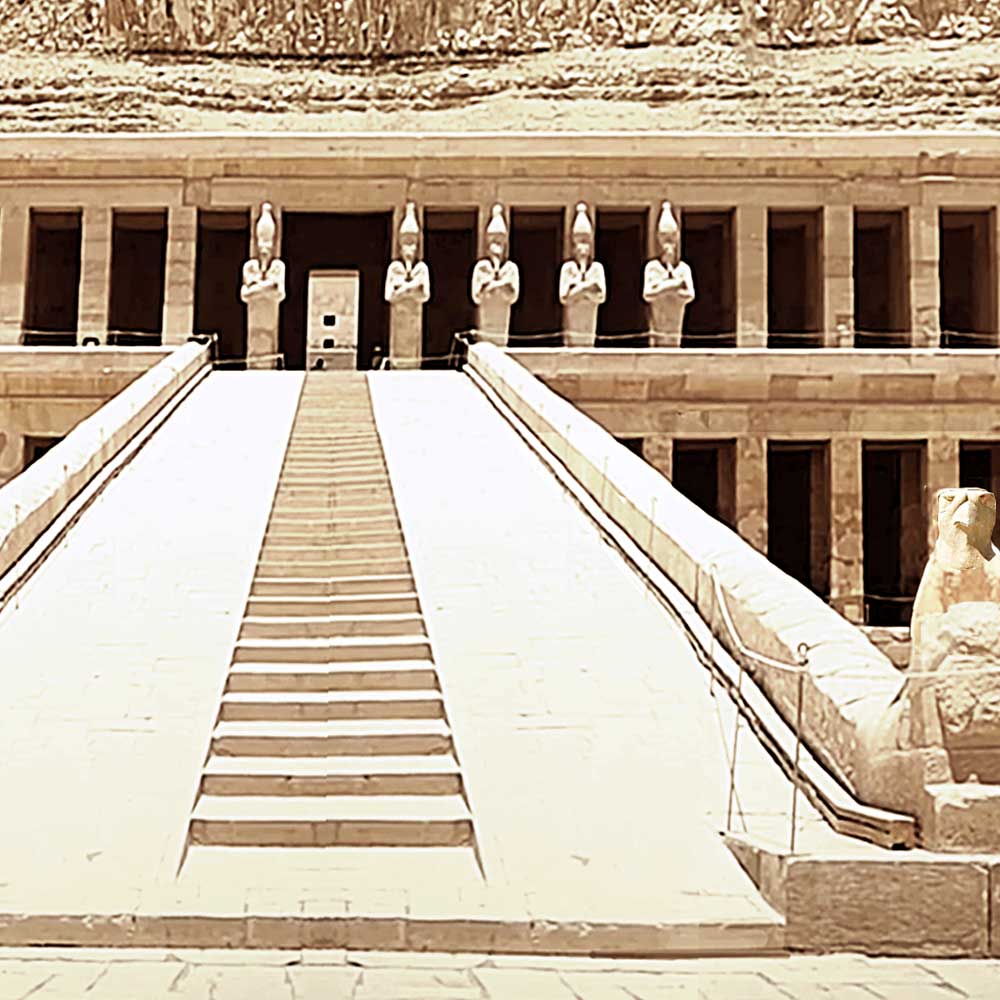
Second level ramp incline leading into the Mortuary Temple of Hatshepsut
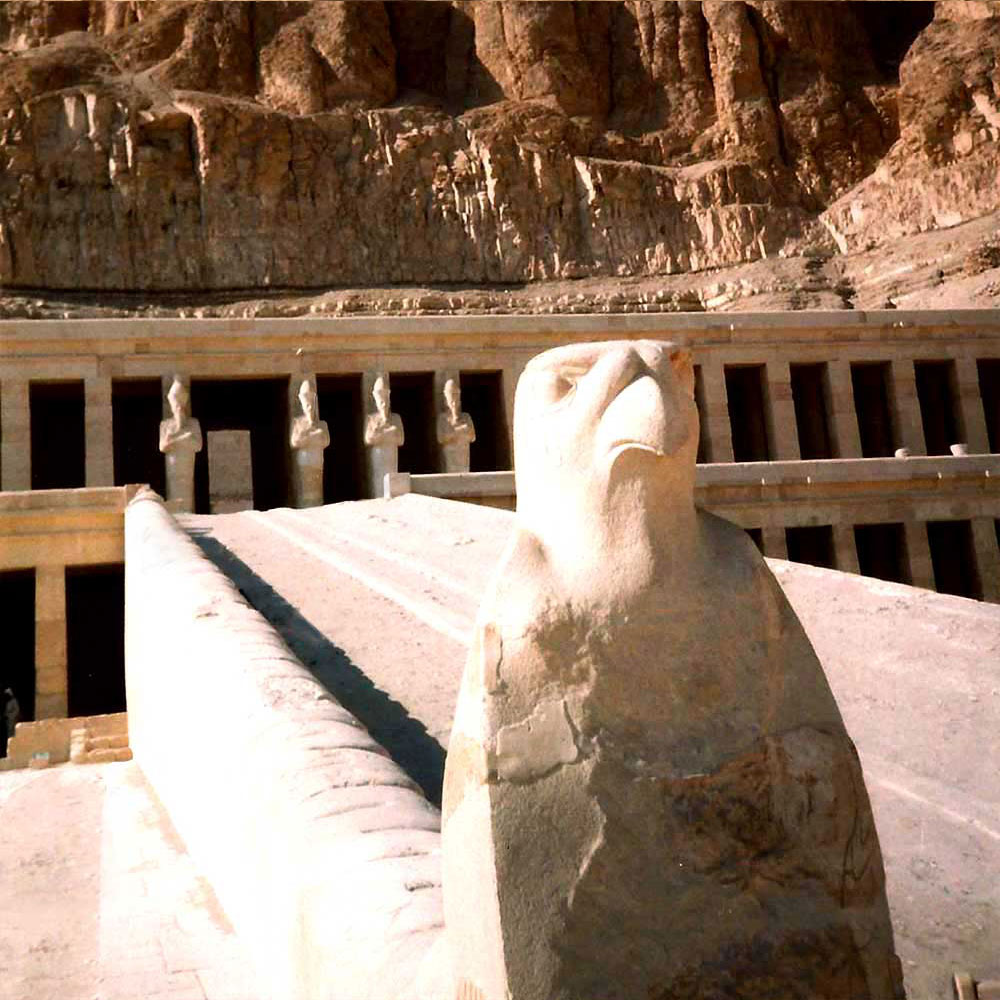
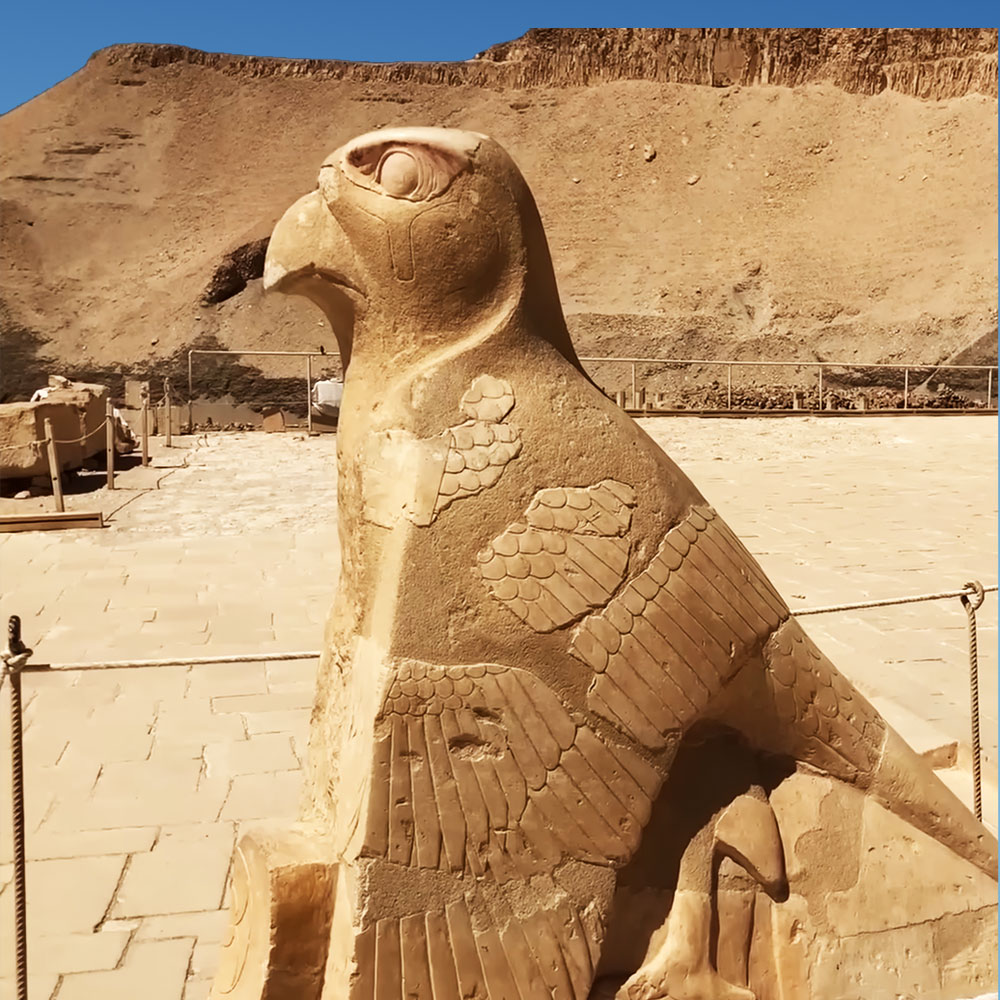
The ramp is guarded by the god Horus as a falcon and Osiride statues of Hatshepsut
Her tomb, KV20, is the shape of a pyramid for her mortuary complex
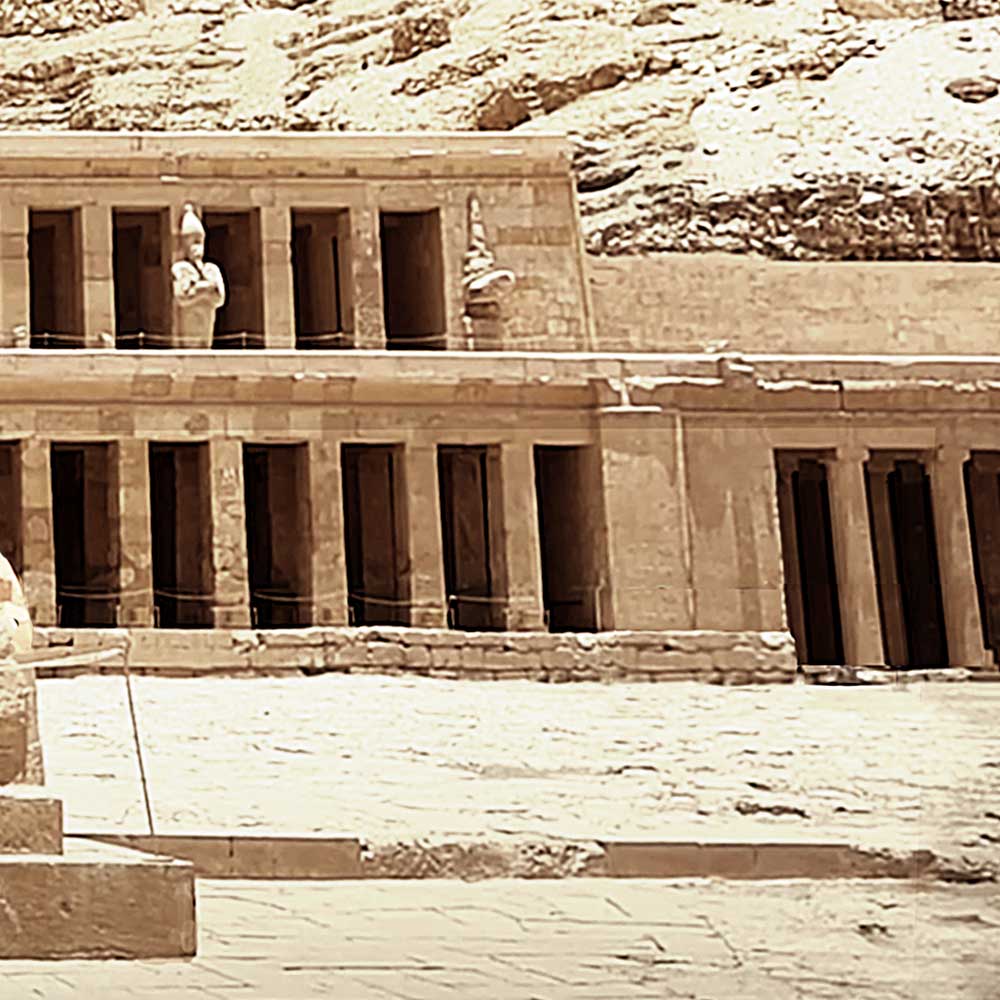
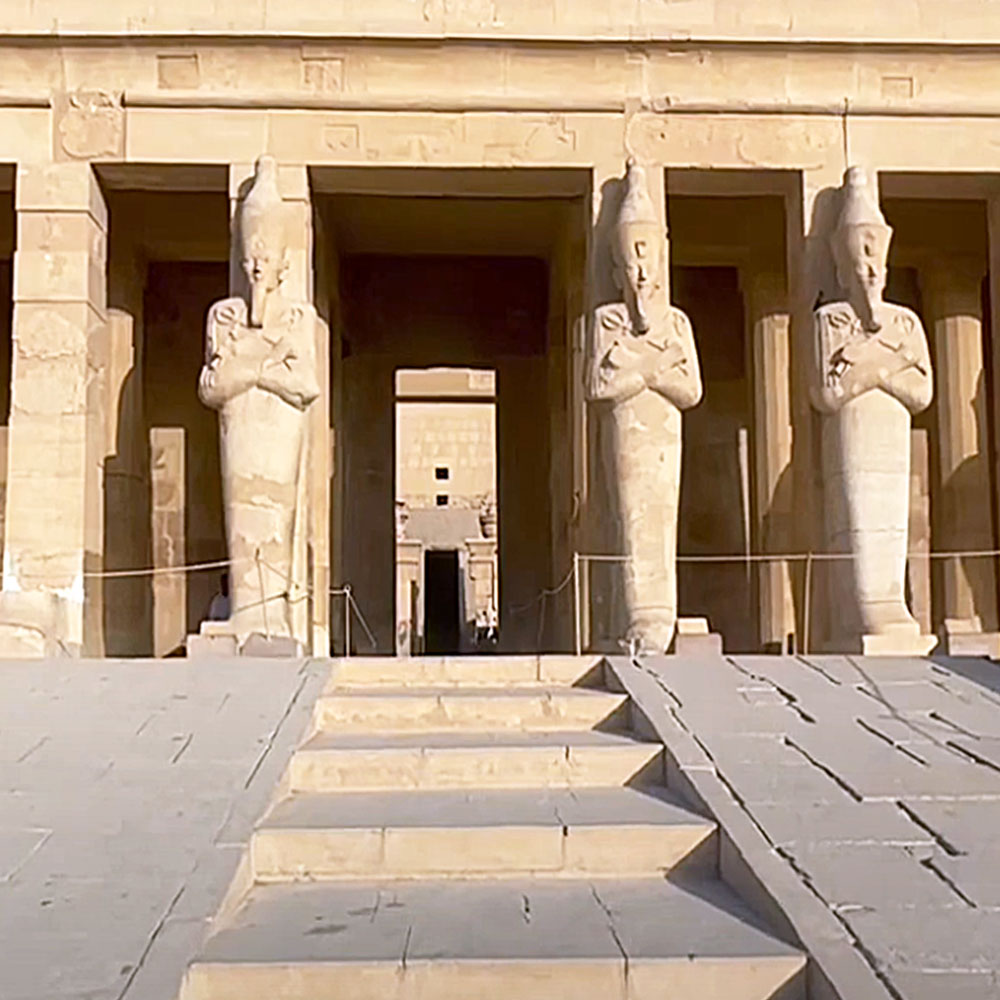
Osiride statues of Hatshepsut as upright pillars made of stone supporting the upper terrace
Punt portico of the middle terrace entrance ramp with a gradual incline leading into the temple through a series of terraces
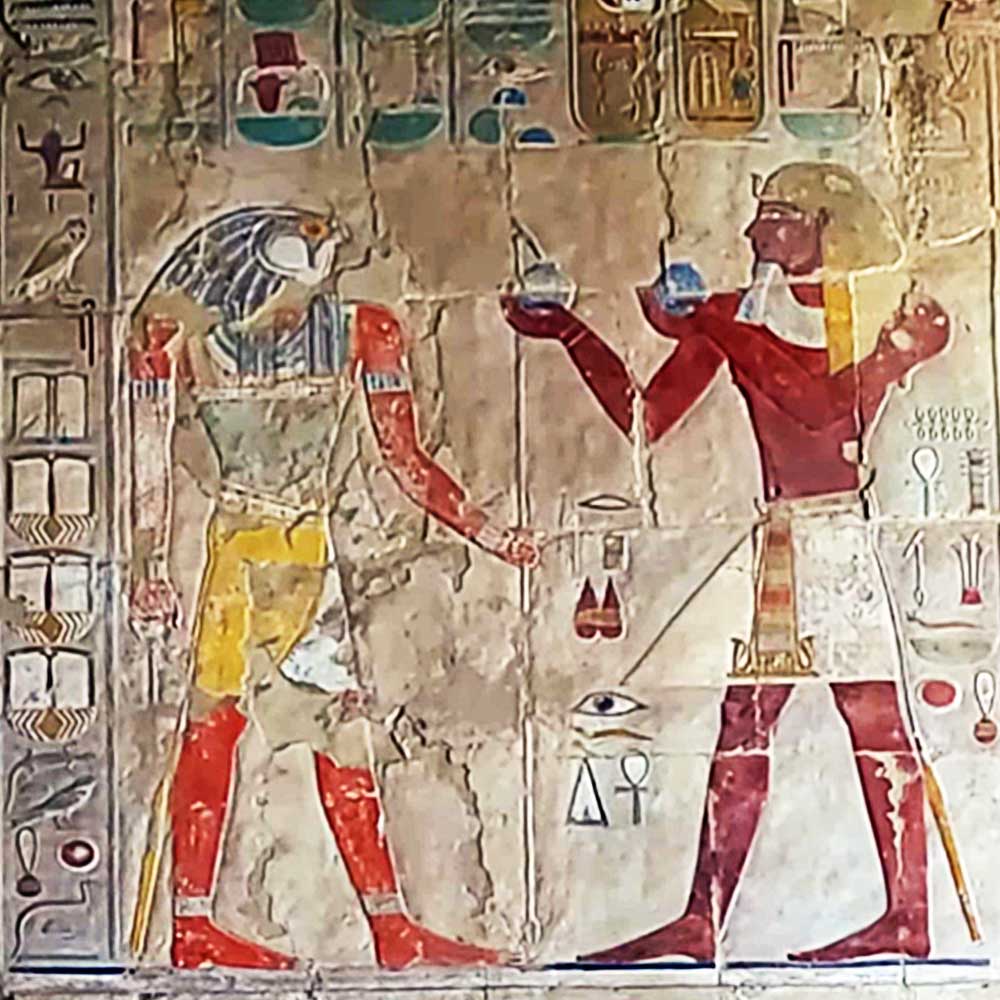
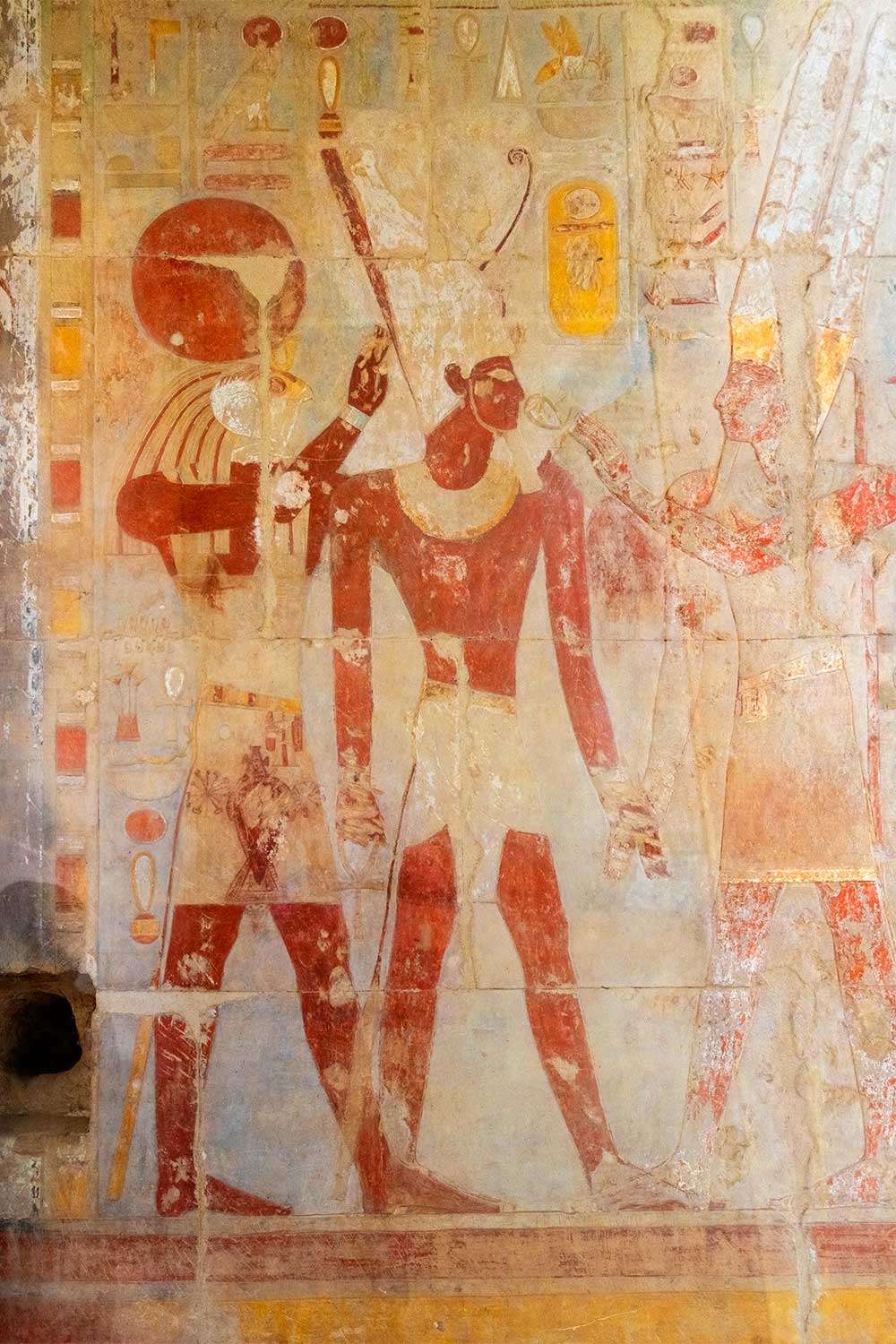
A painted relief of the god Sokaris, presented with offerings of wine by Thutmose III
Balustrade entrance ramp adorned with a Falcon Bird Statue known as The God Horus as protection
Osirian statues at the door entrance to the shrines of Hatshepsut
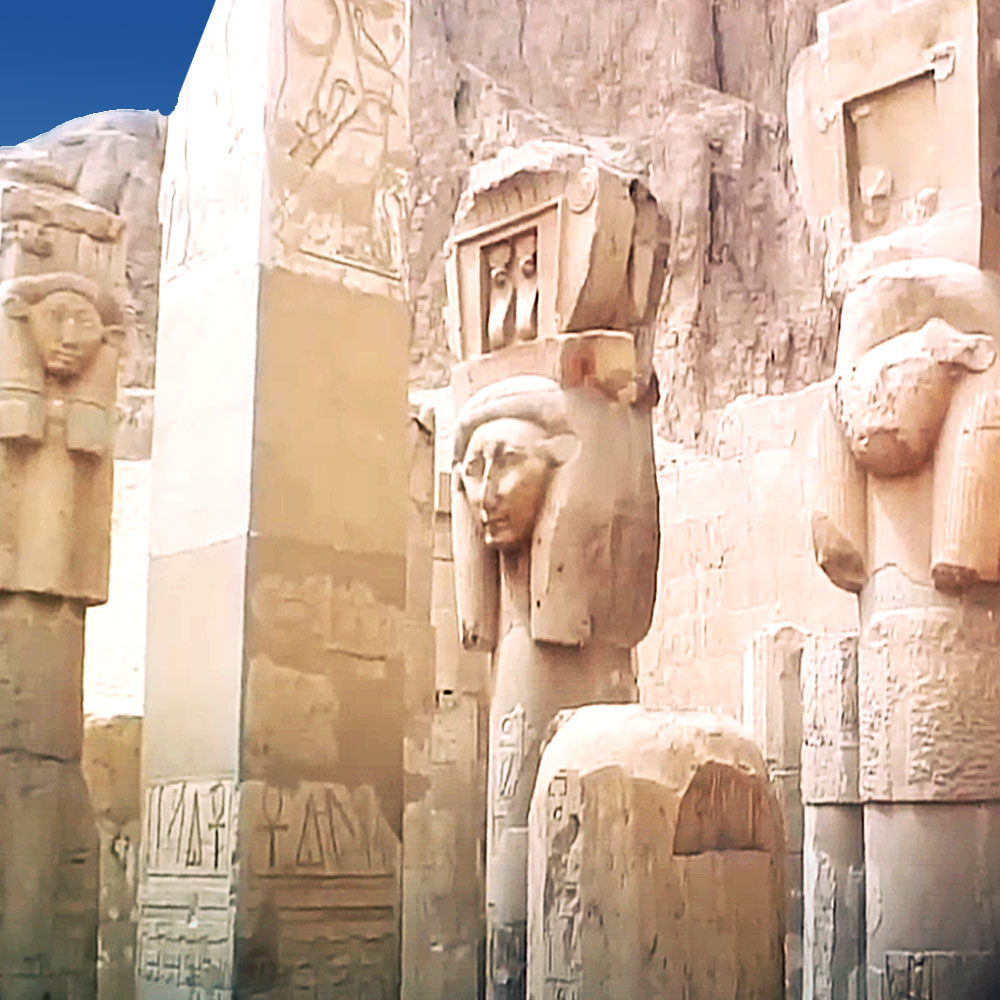
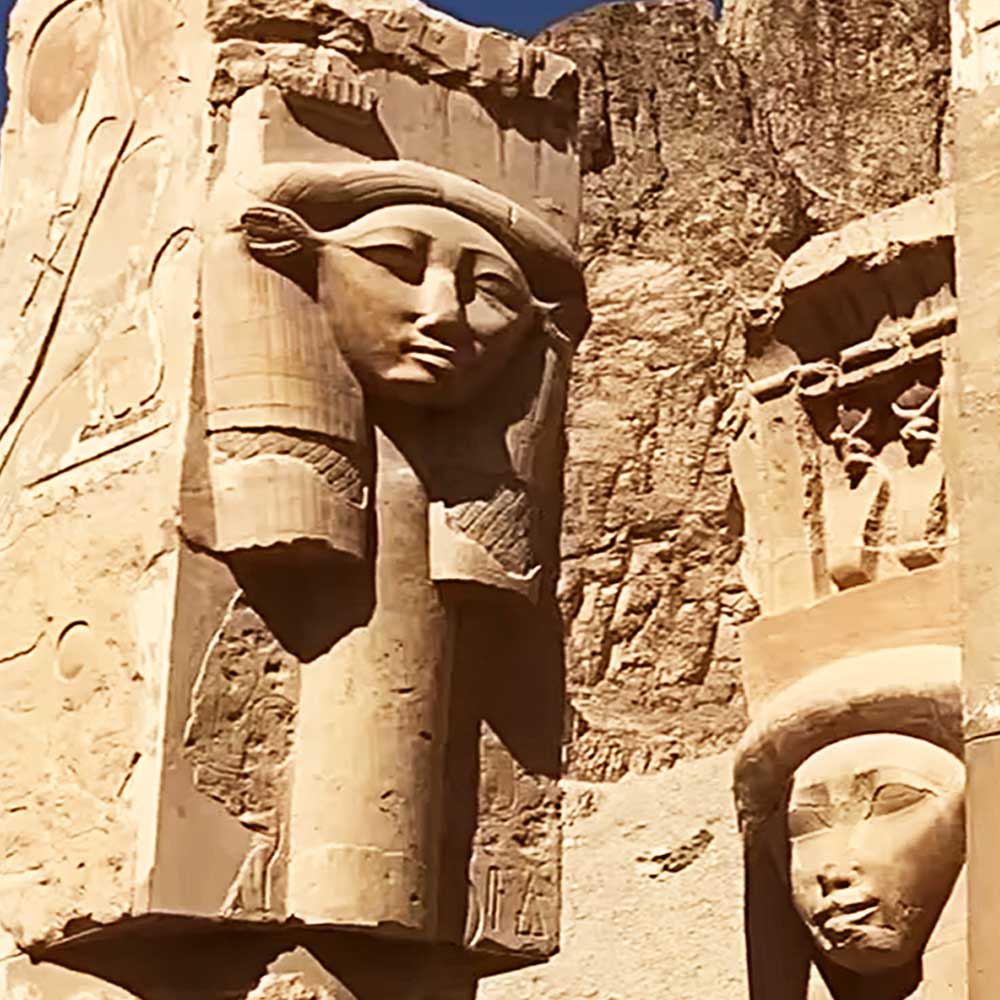
A Hathor column, the goddess of music, dancing, and maternity maternity
Painted relief of the gods, Solar on the left, Hatshepsut center and Amun on the right
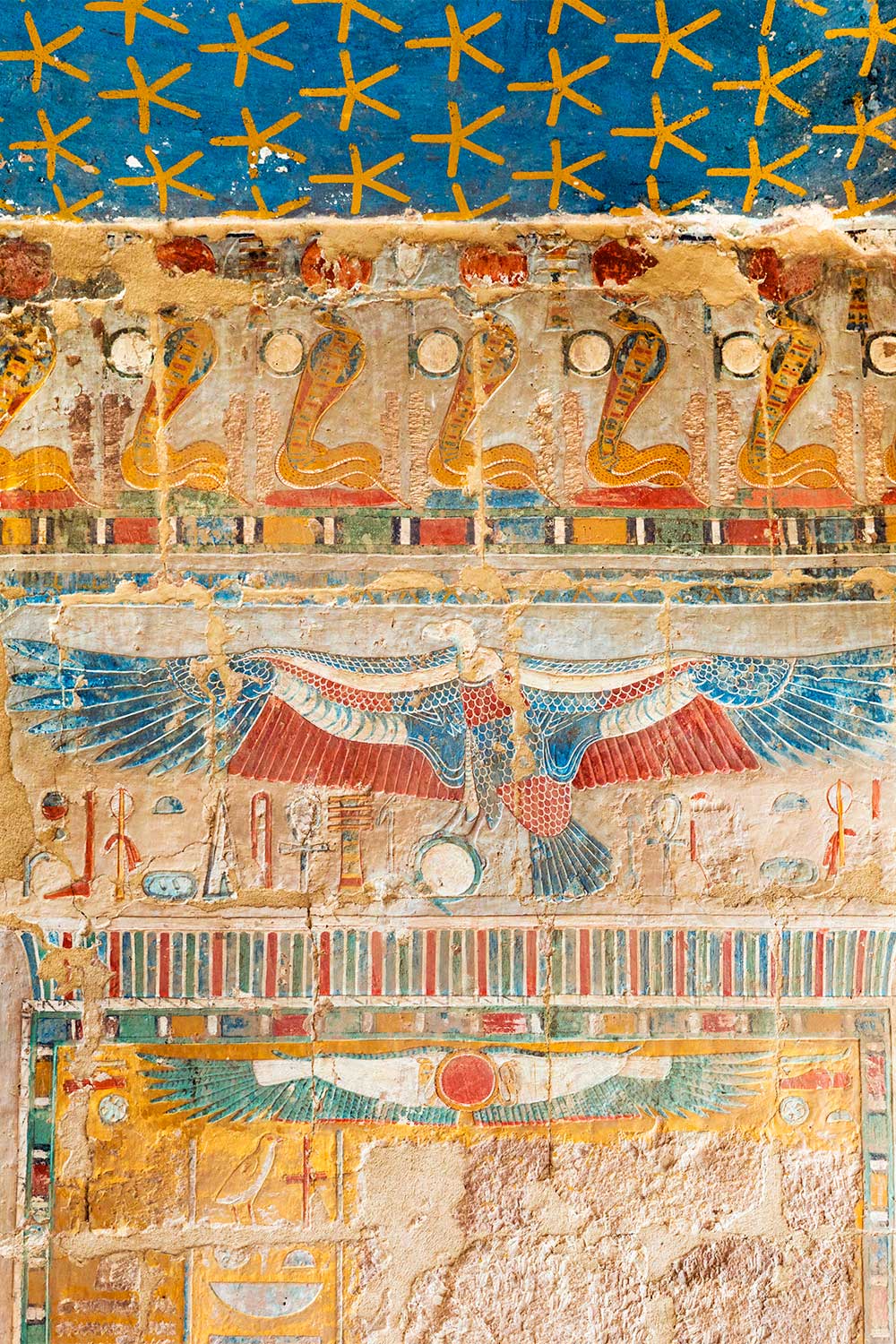
Painted relief of the vulture goddess Nekhbet
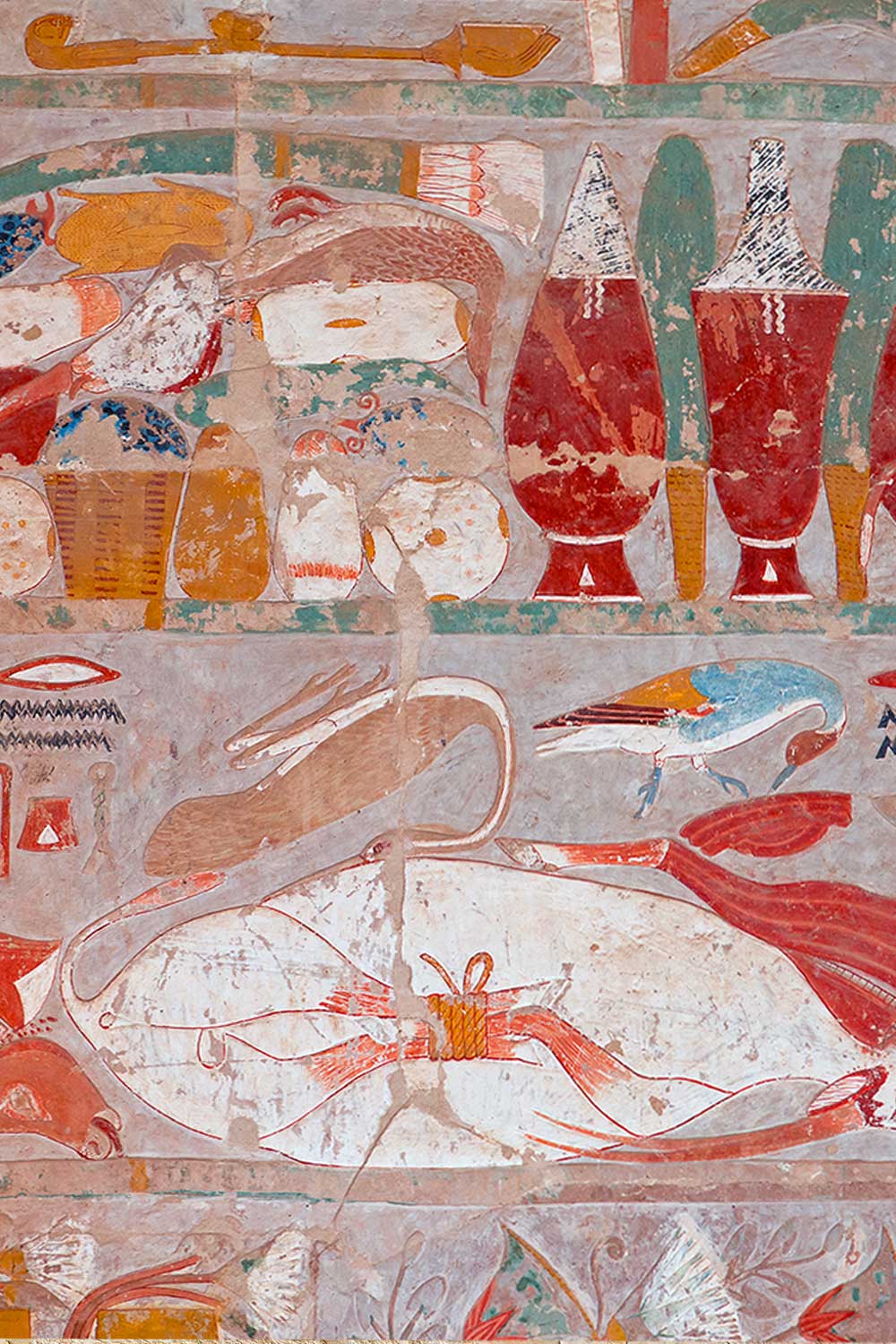
Magnificent painted relief of bestowed generous offerings
1.) A Hatshepsut standing Osiris colonnade, wrapped as a mummys,
2.) wearing a broad bead collars, bearded, crook and flail crossed over
3.) her chest, on her head is a Atef and the crown of Upper Egypt
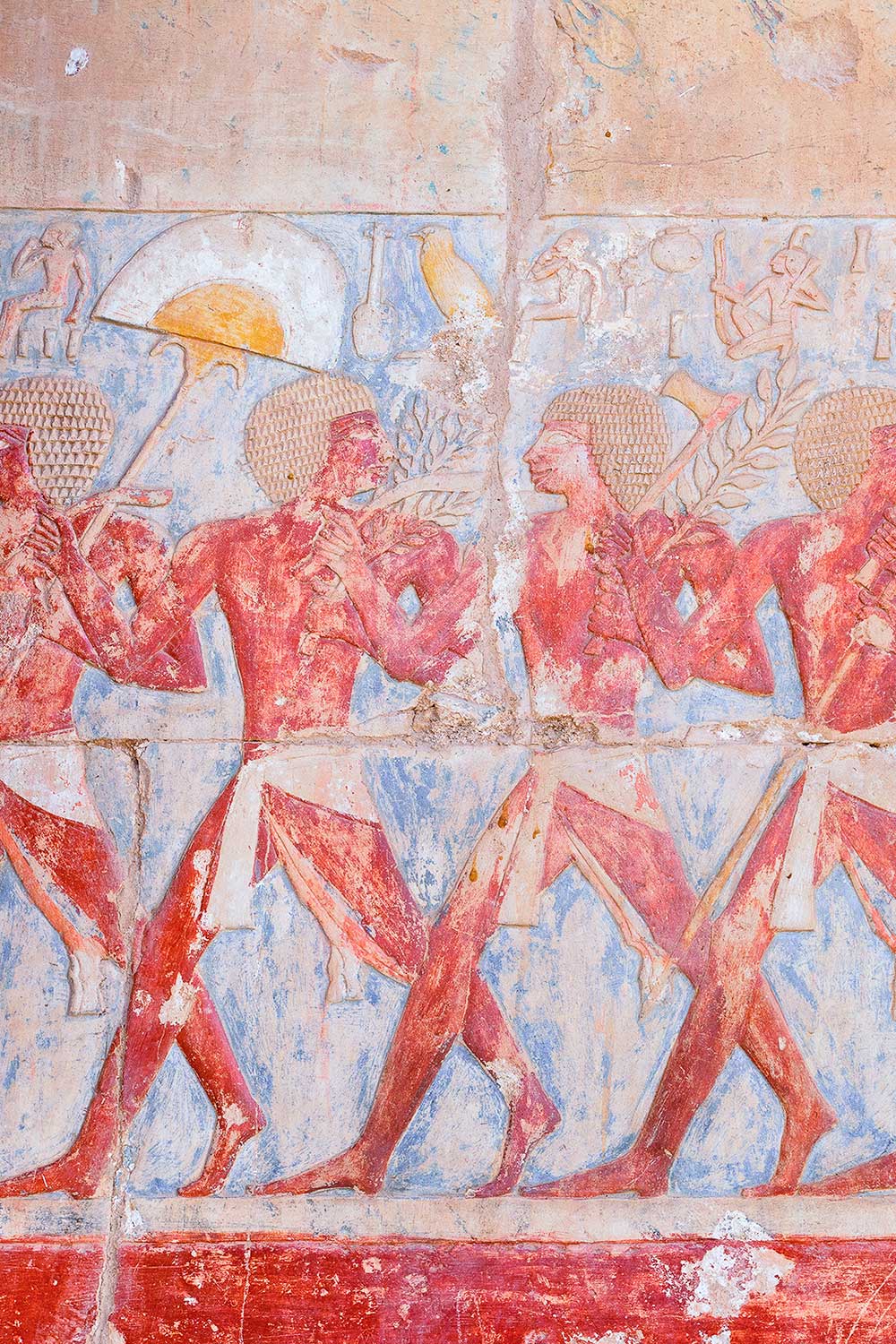
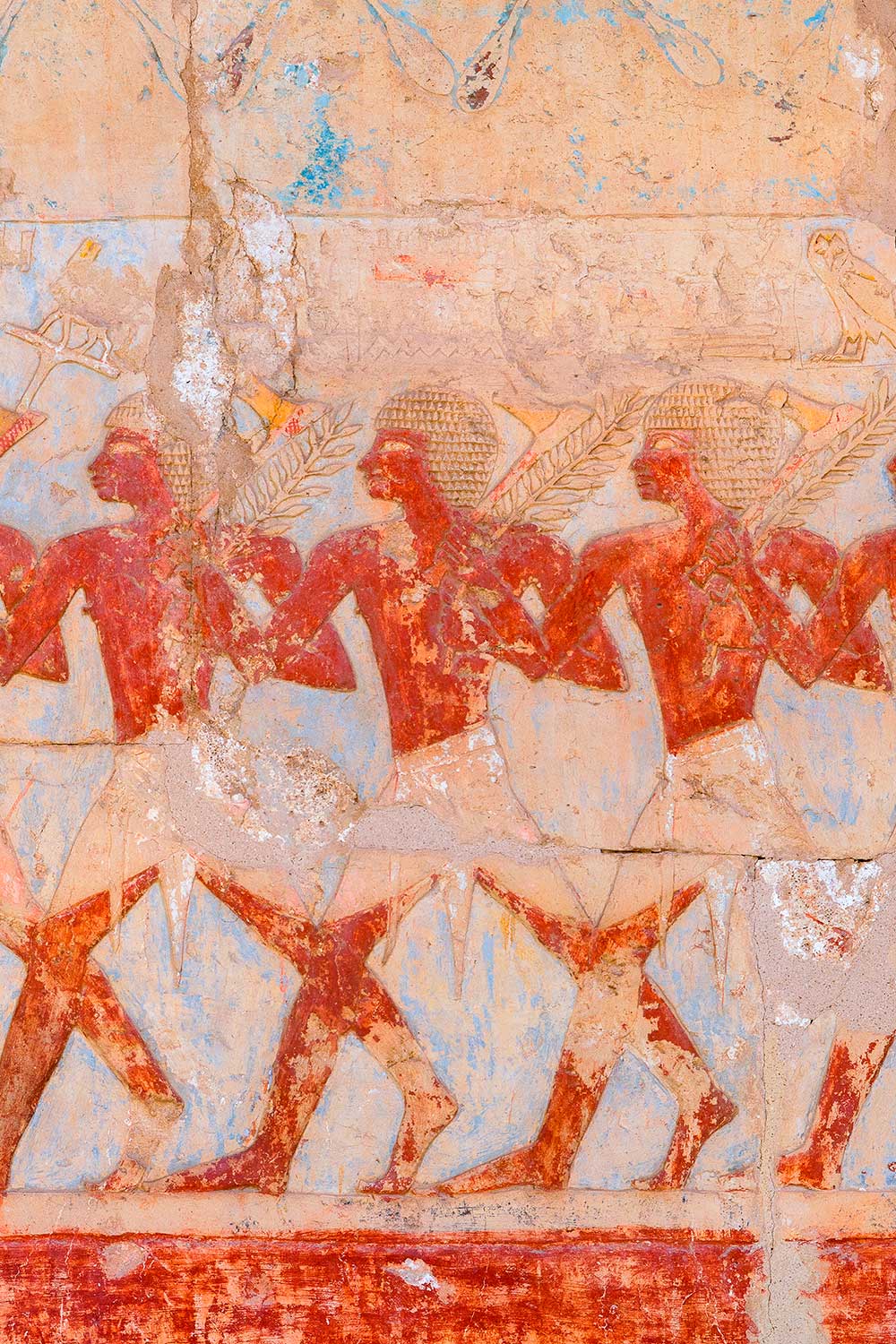
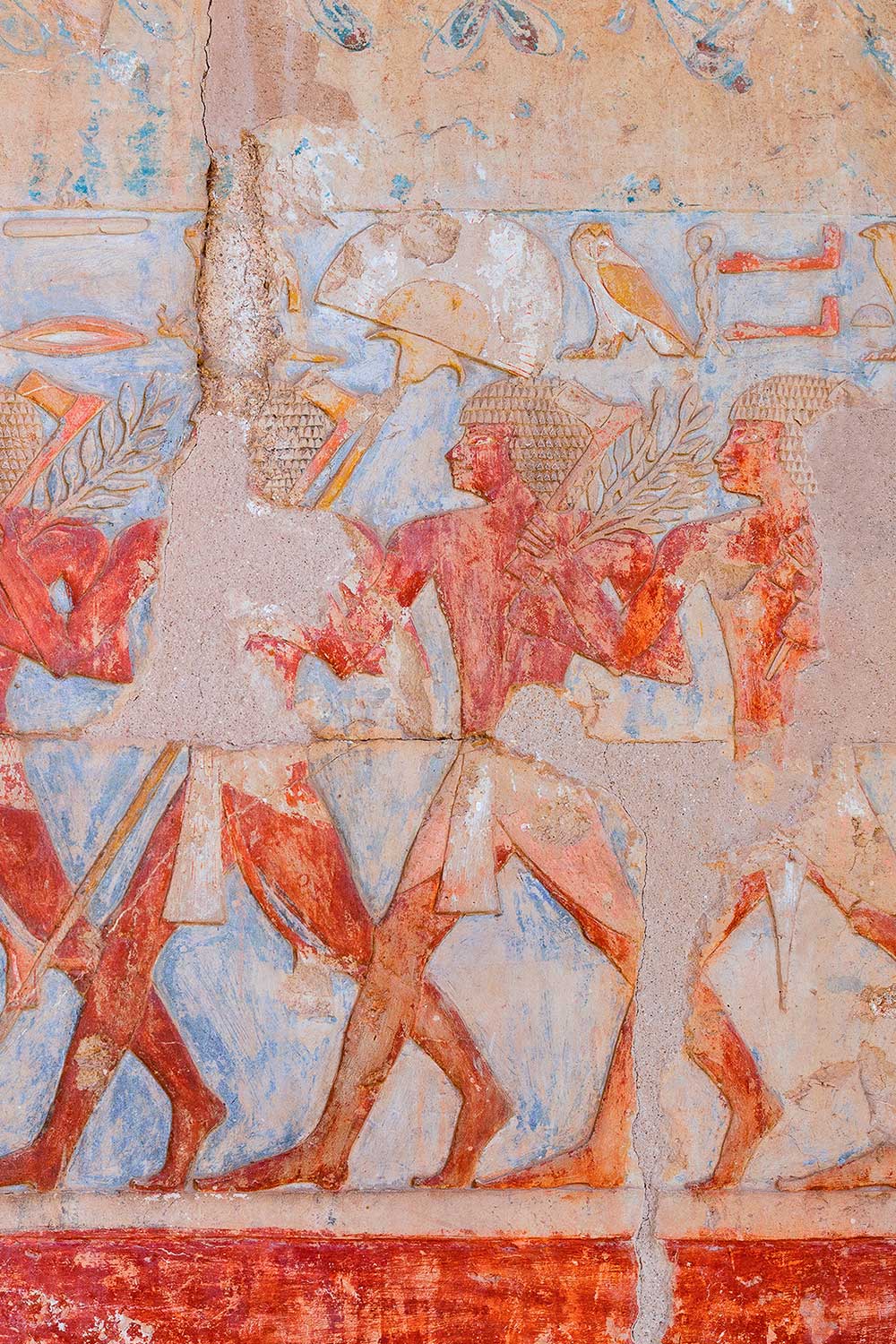
1.) A series of reliefs depict her trading expedition to the Land of Punt -
2.) the soldiers bear tree branches and axes to signify peace -
3.) to the land of Punt located near the red sea on the Horn of Africa
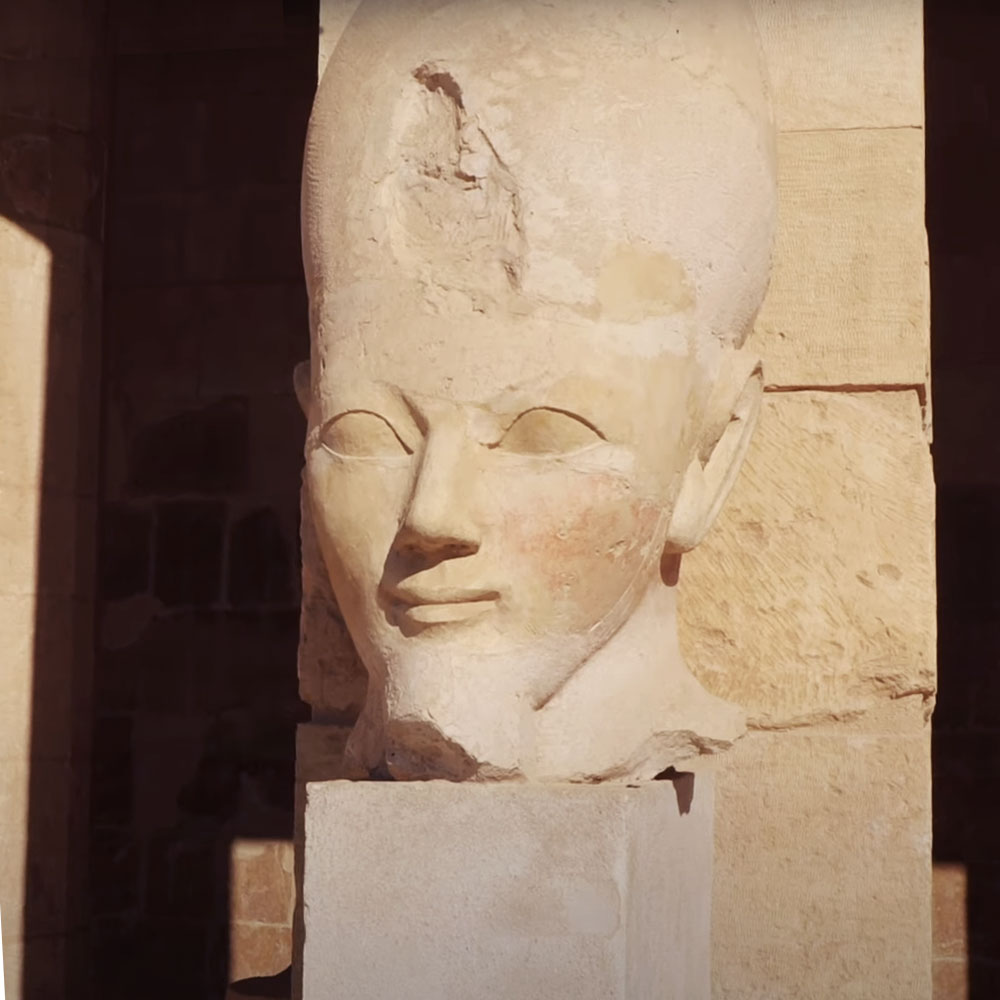
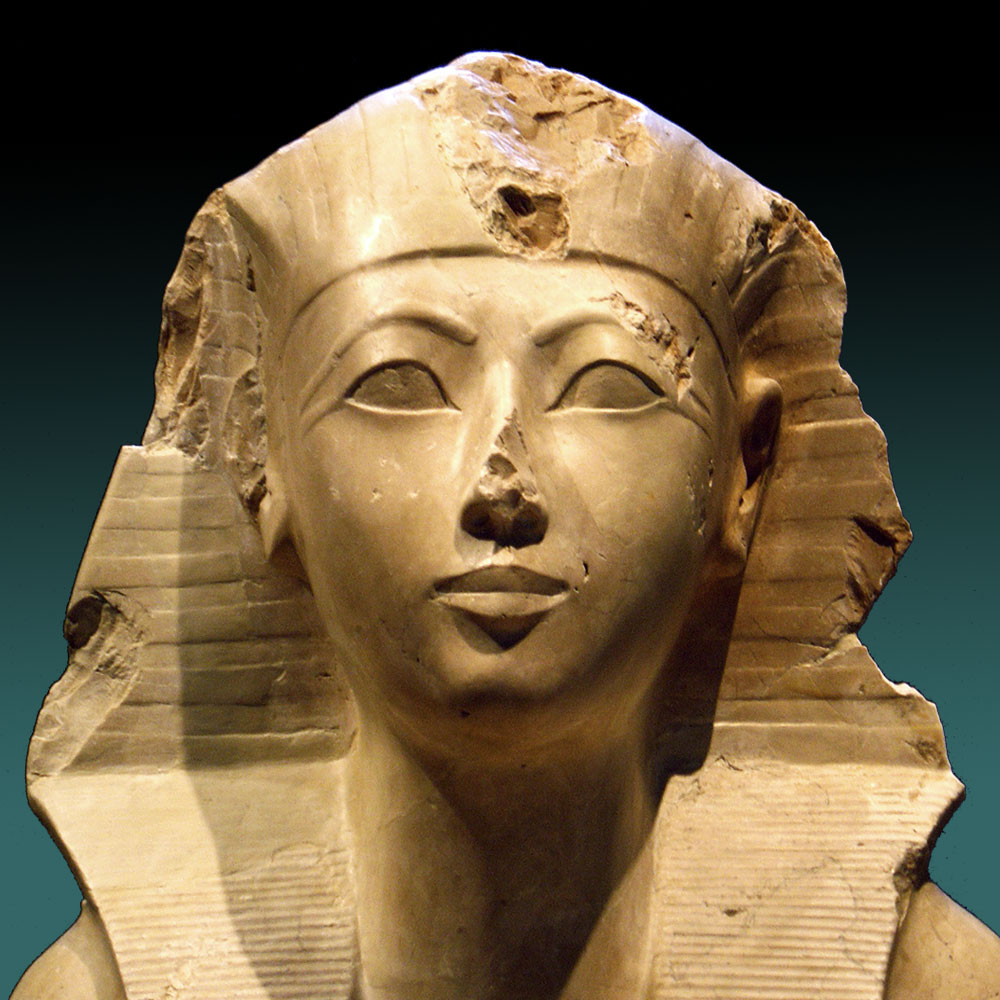
A carved bust of Queen Hatshepsut
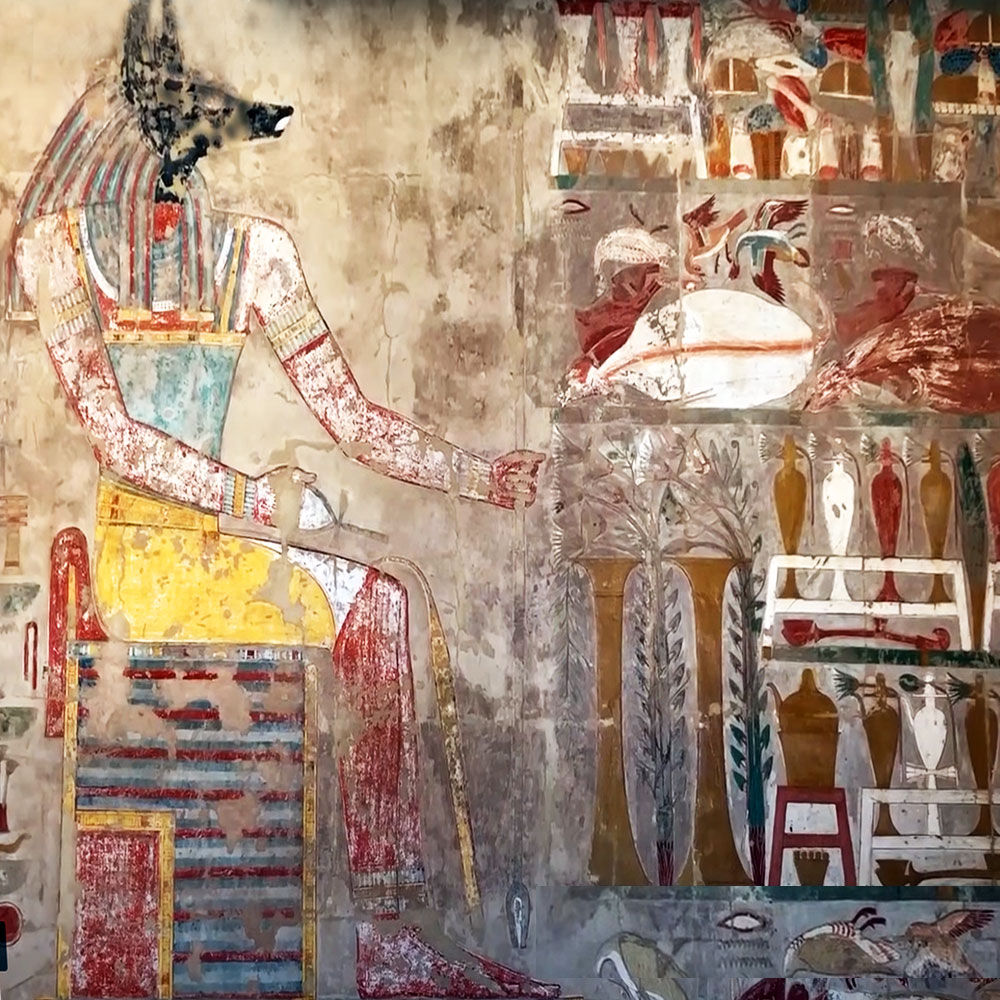
Hatshepsut's Chapel of Anubis, the God of The Dead bestowed with generous offerings
A Hatshepsut Standing Osiris column, wrapped as a mummy, wearing a broad bead collar, bearded, crook and flail crossed over her chest, on her head is a Atef and the crown of Upper Egypt
Statue of Queen Hatshepsut 1479–1458 B.C., carved limestone, in the collection of: Metropolitan Museum of Art, New York City
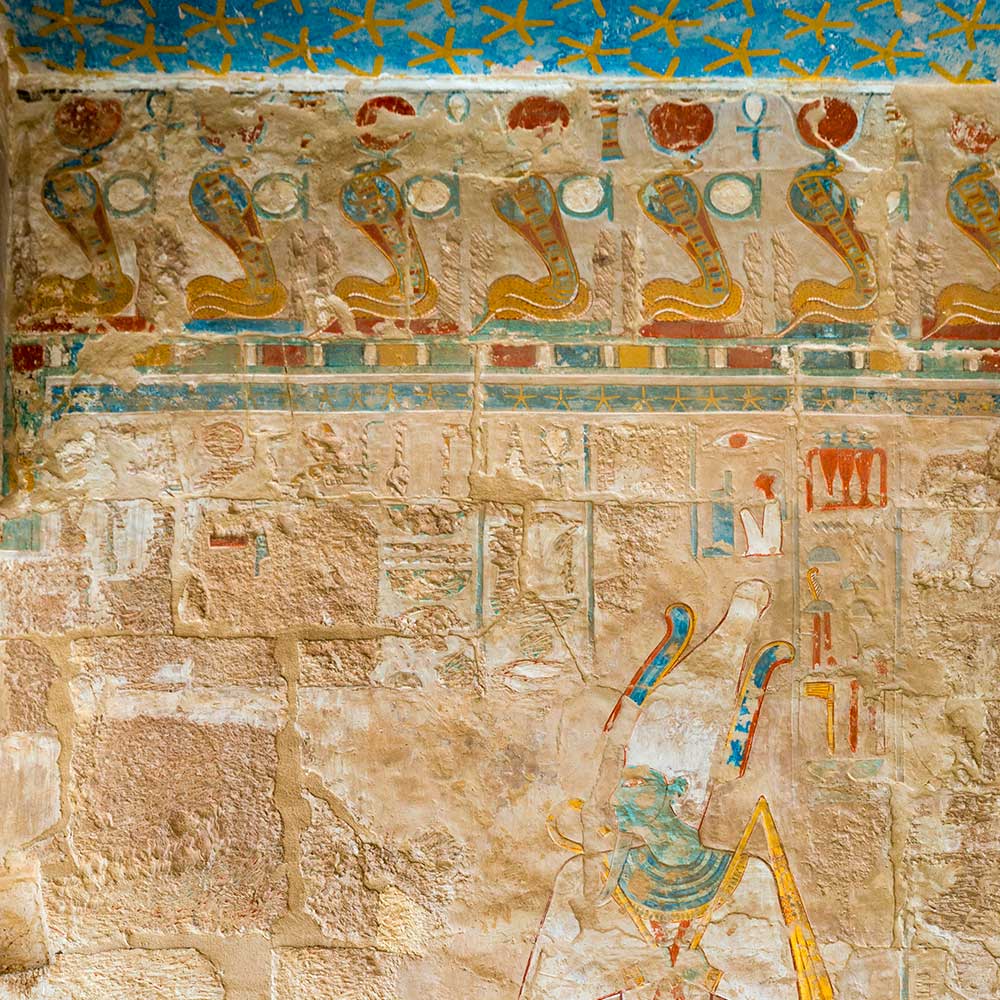
Relief of Osiris guarded by cobras
Colonnade of Colosses Osiriens standing statues of Queen Hatshepsut on lower terrace.
Hathor columns, the goddess of music, dancing, and maternity
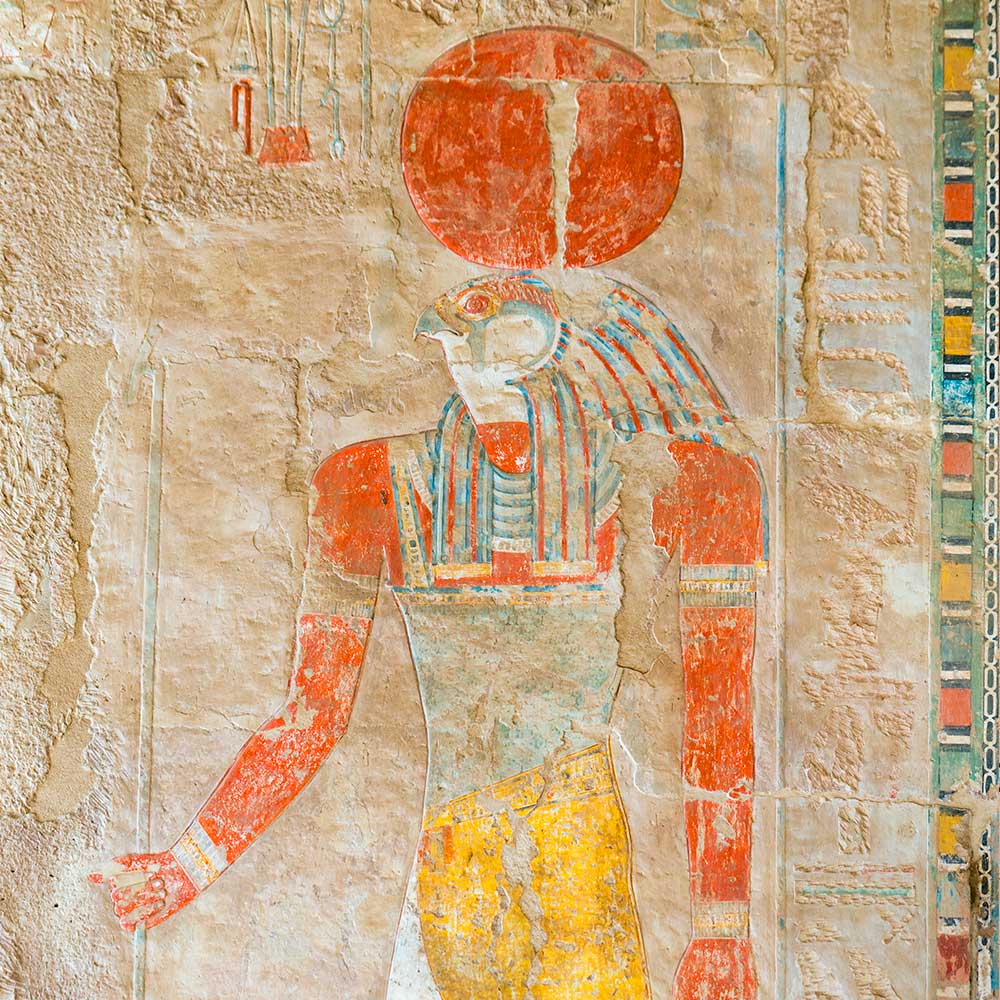
Relief of Horus with a sun disk on the inter walls
The God Horus as a Falcon on the main entrance Balustrade ramp
1.)  a magnificent Colonnade of Colosses Osiriens statues of Queen
2.) Hatshepsut wrapped as a mummy, wearing a broad bead collar,
3.) bearded, on her head is a Atef and the crown of Upper Egypt
Website & Content Created by Richard Brafford, © 2025, All Rights Reserved, Fair Use Disclaimer for Non-Commercial Use for Educational & Entertainment Purposes OnlyTop