GHATS IN VARANASI & SARNATH
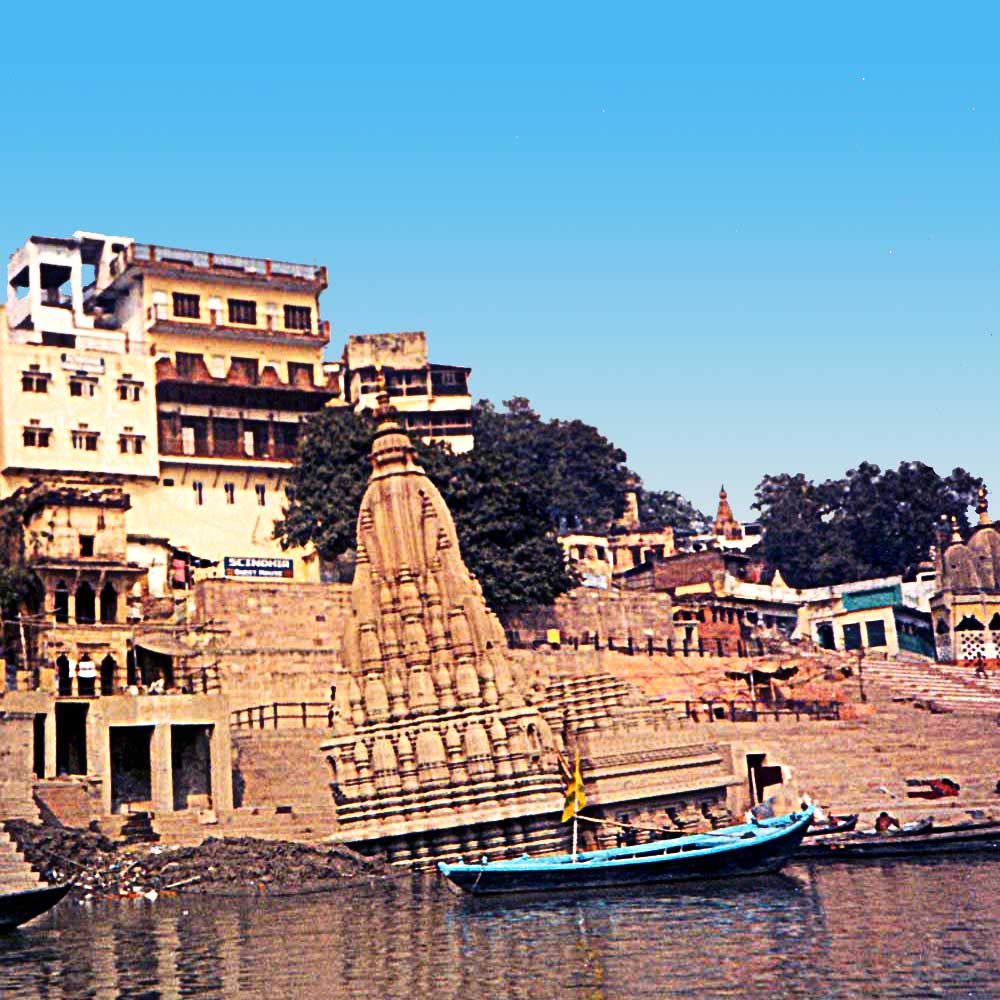
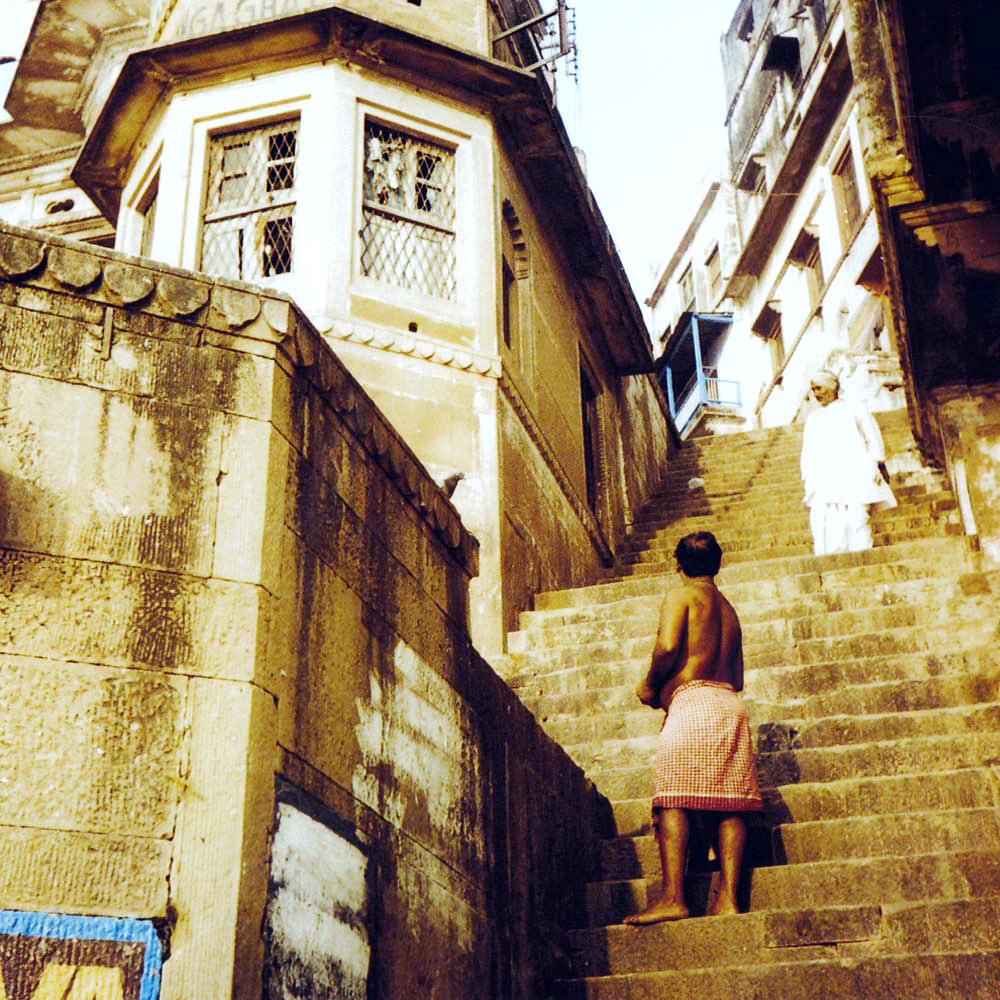
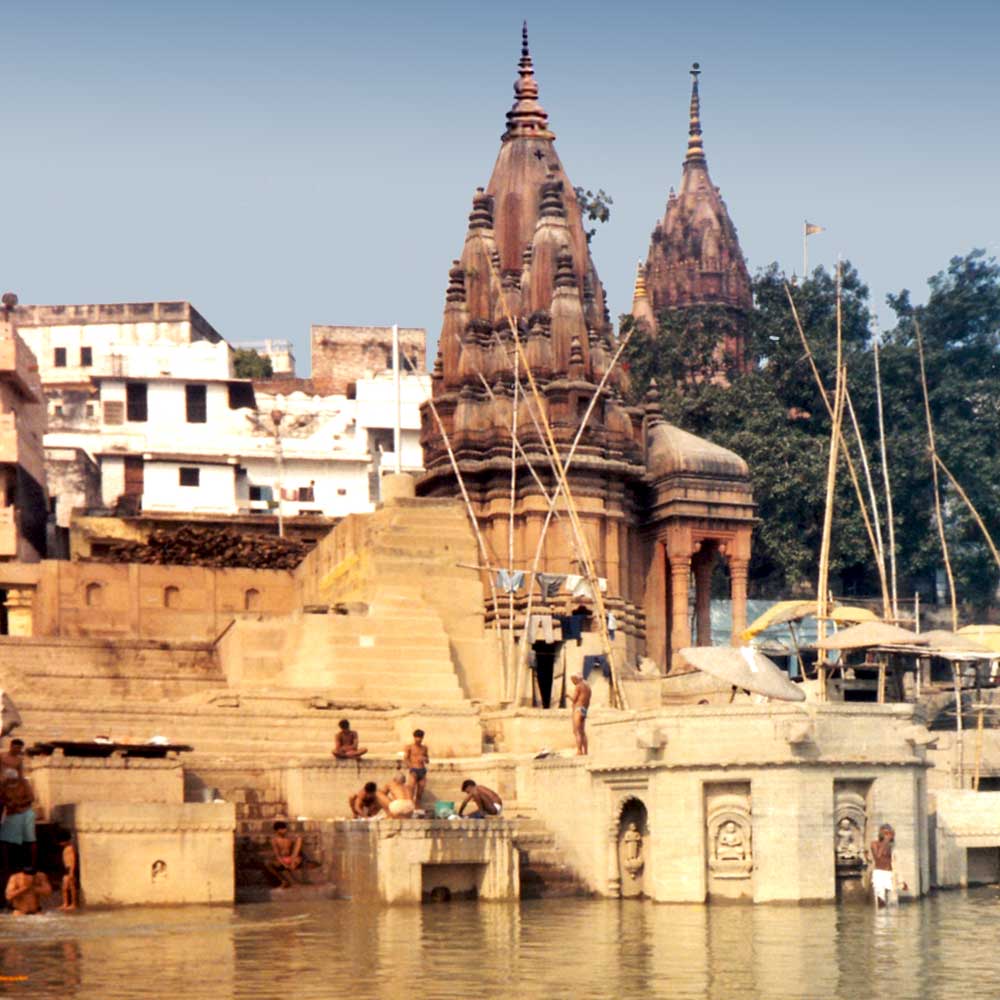
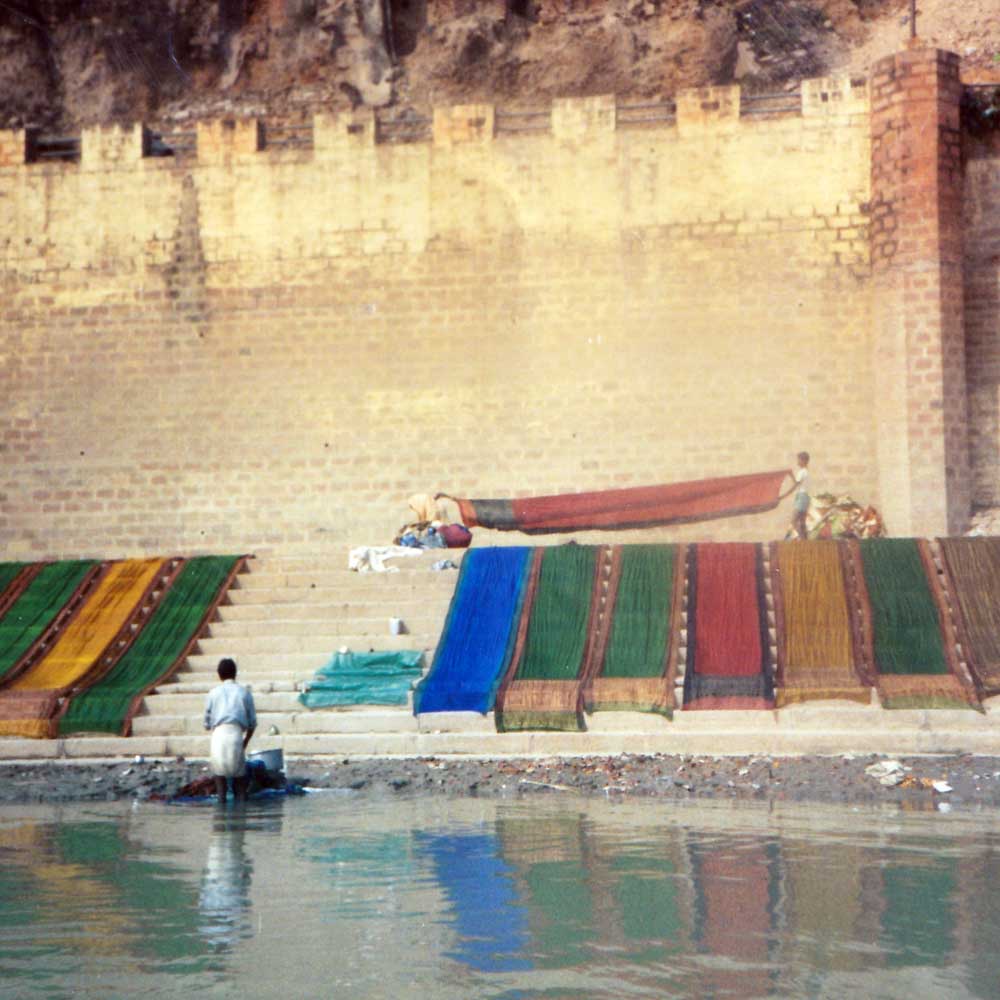
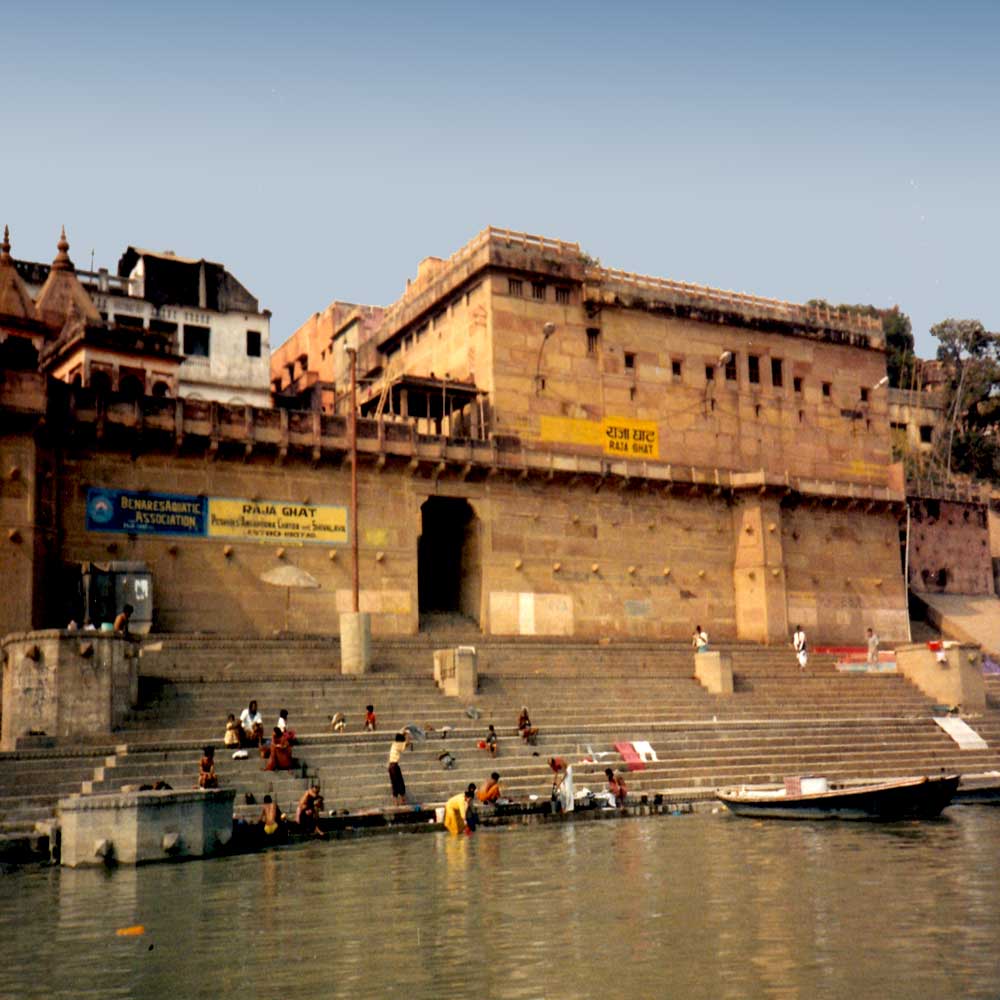
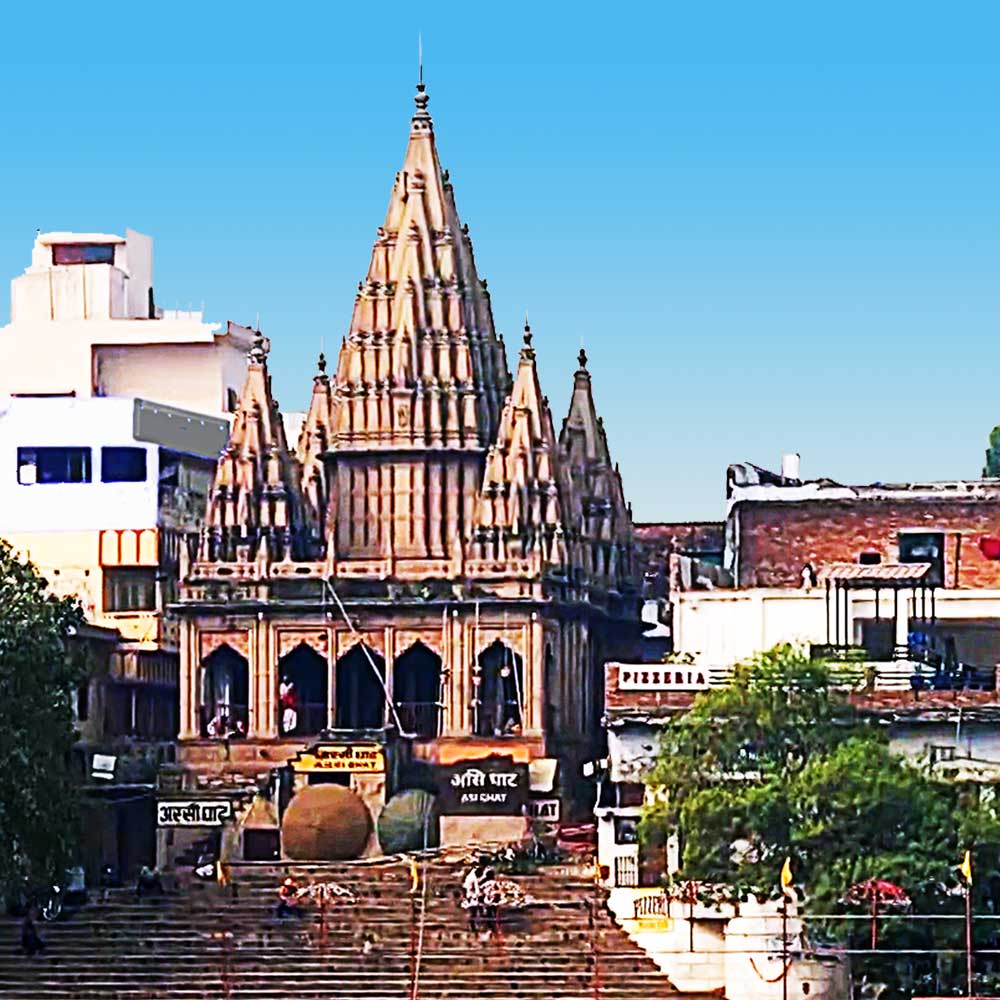
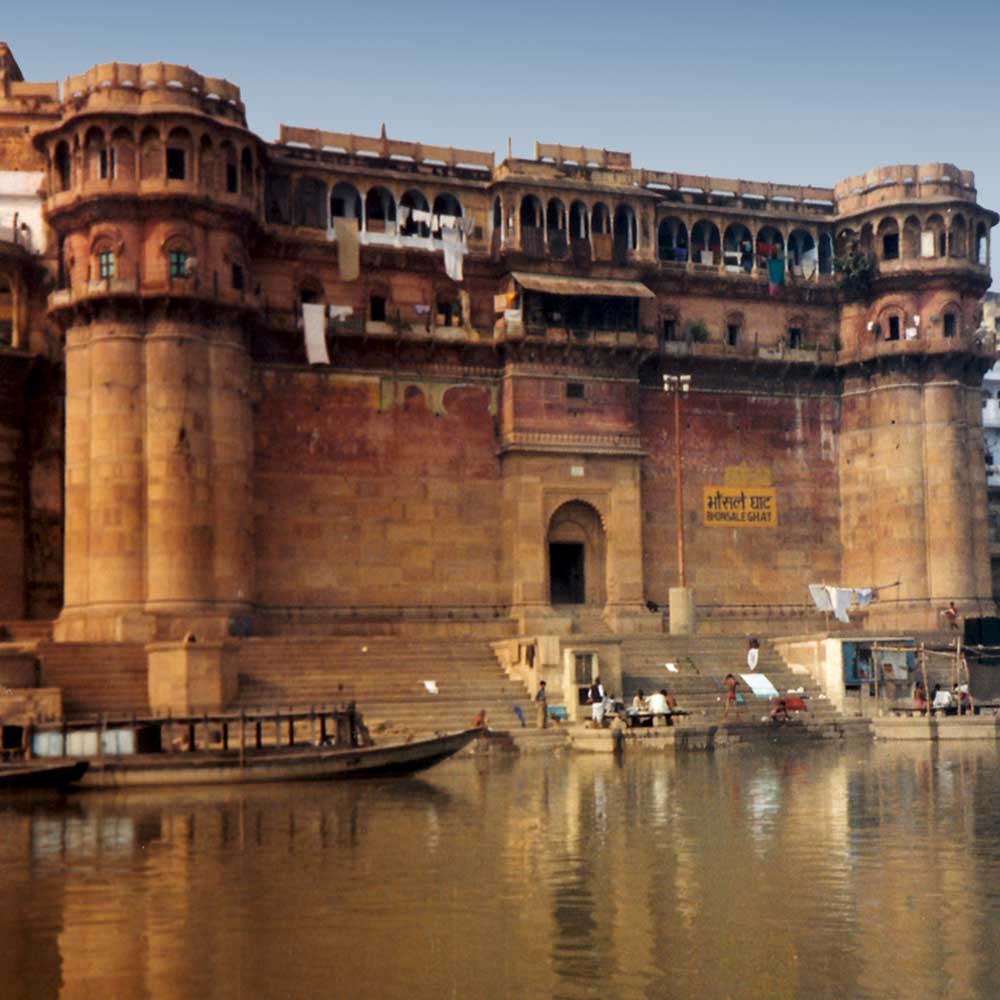
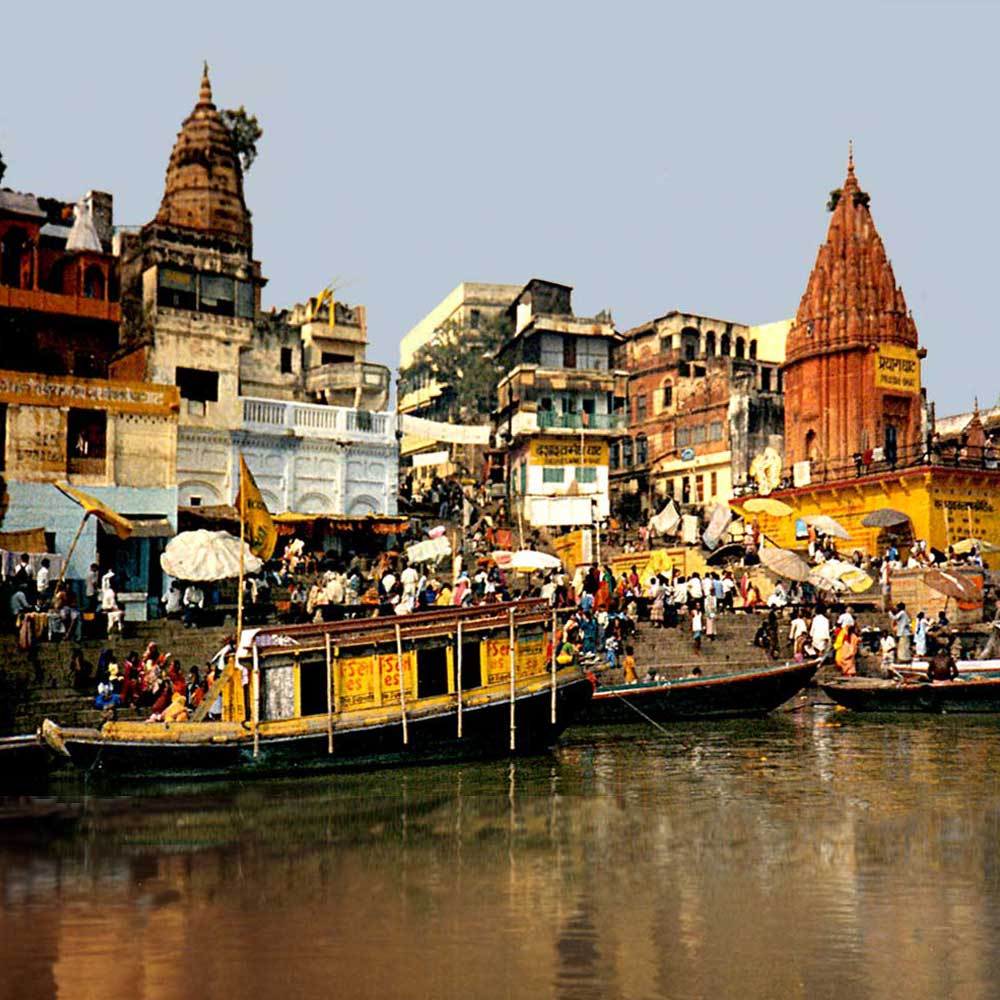
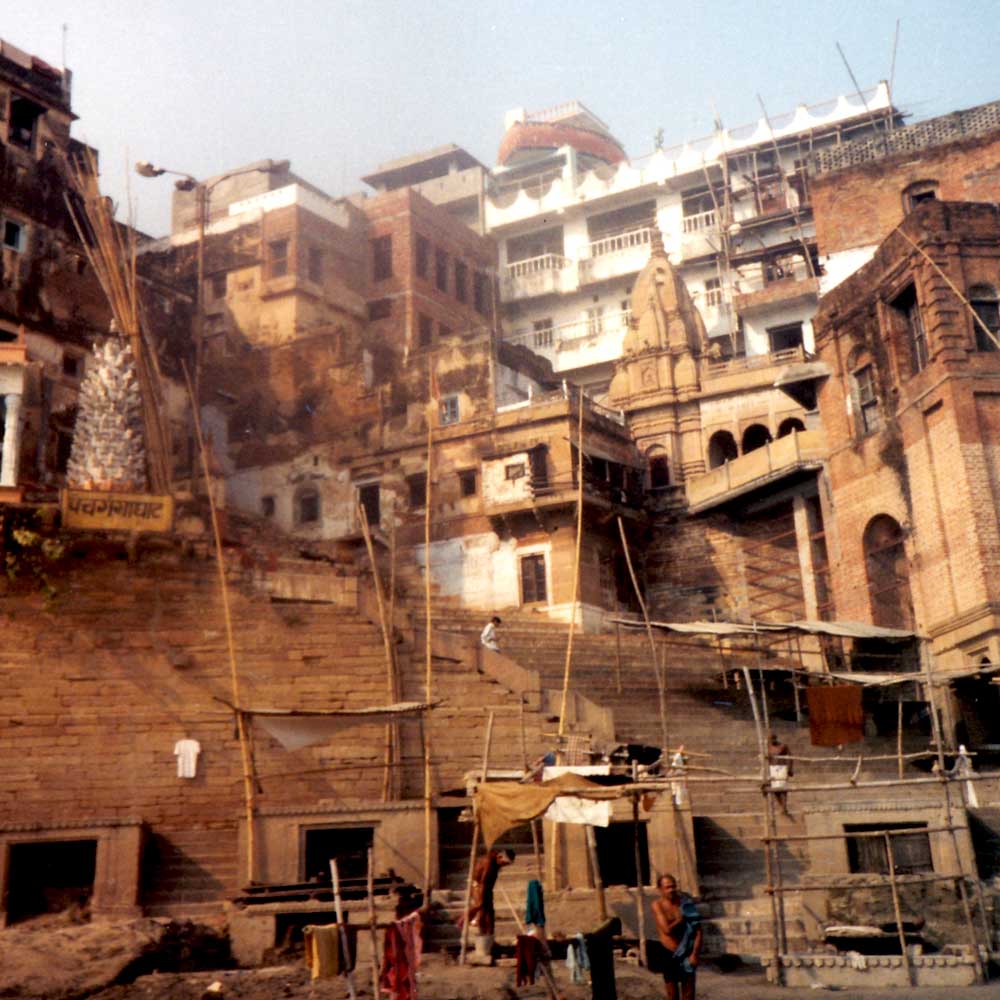
On the west bank of the Ganges in Varanasi—symbolically linked with the setting sun and the realm of death—stretch the city’s 84 ghats, the center
of its religious and cultural life. Here, pilgrims bathe, priests perform rituals, and cremations take place at Manikarnika and Harishchandra, the two ghats dedicated
exclusively to last rites. Each year, an estimated 25,000 to 30,000 cremations occur along the riverfront, accompanied by prayers, hymns, and mantras recited by
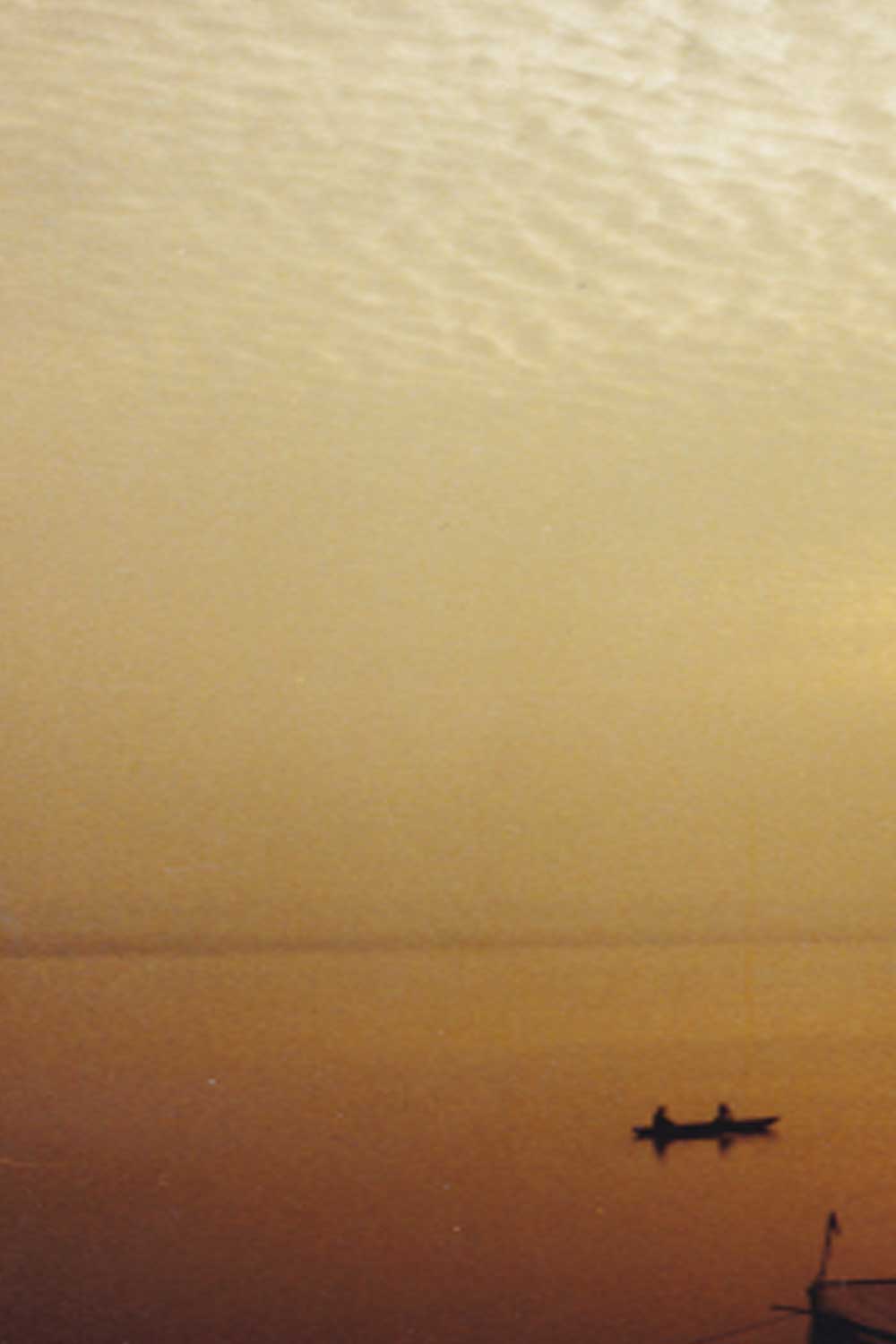
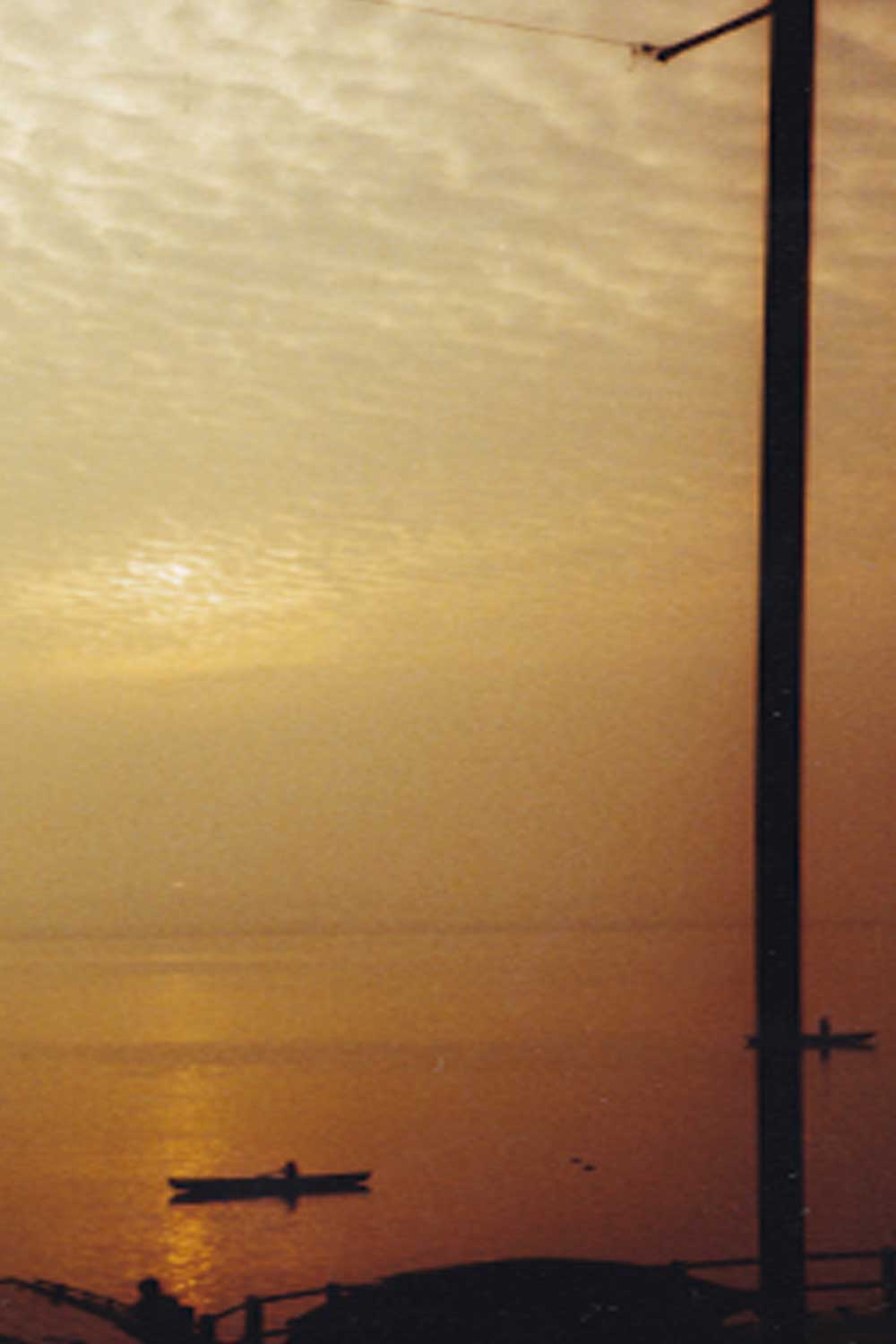
Hindu priests. Across the water, the east bank is a sandy expanse often submerged during the monsoon. Associated with the rising sun, it symbolizes rebirth and new
beginnings in Hindu belief. A local legend warns that dying on the eastern bank may lead to rebirth as a donkey—a notion famously challenged by the poet‑saint Kabir.
While Varanasi is revered as a place where death can bring liberation from the cycle of reincarnation, this particular belief remains a regional folk tale rather than a
core doctrine.
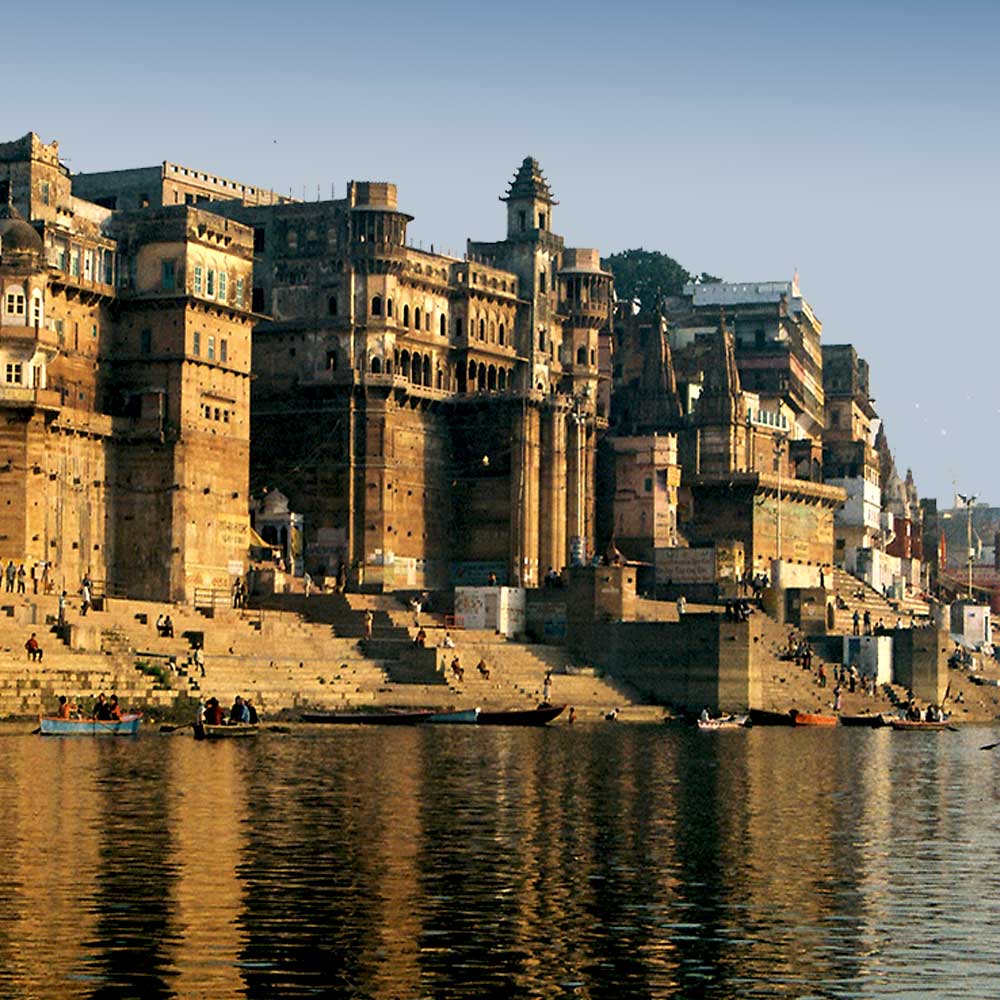 India’s Holiest City At Varanasi, Hindu pilgrims
come to pray and to die along the sacred Ganges River, The city has 84 ghats. Most of the ghats are bathing and puja ceremonial ghats
India’s Holiest City At Varanasi, Hindu pilgrims
come to pray and to die along the sacred Ganges River, The city has 84 ghats. Most of the ghats are bathing and puja ceremonial ghats
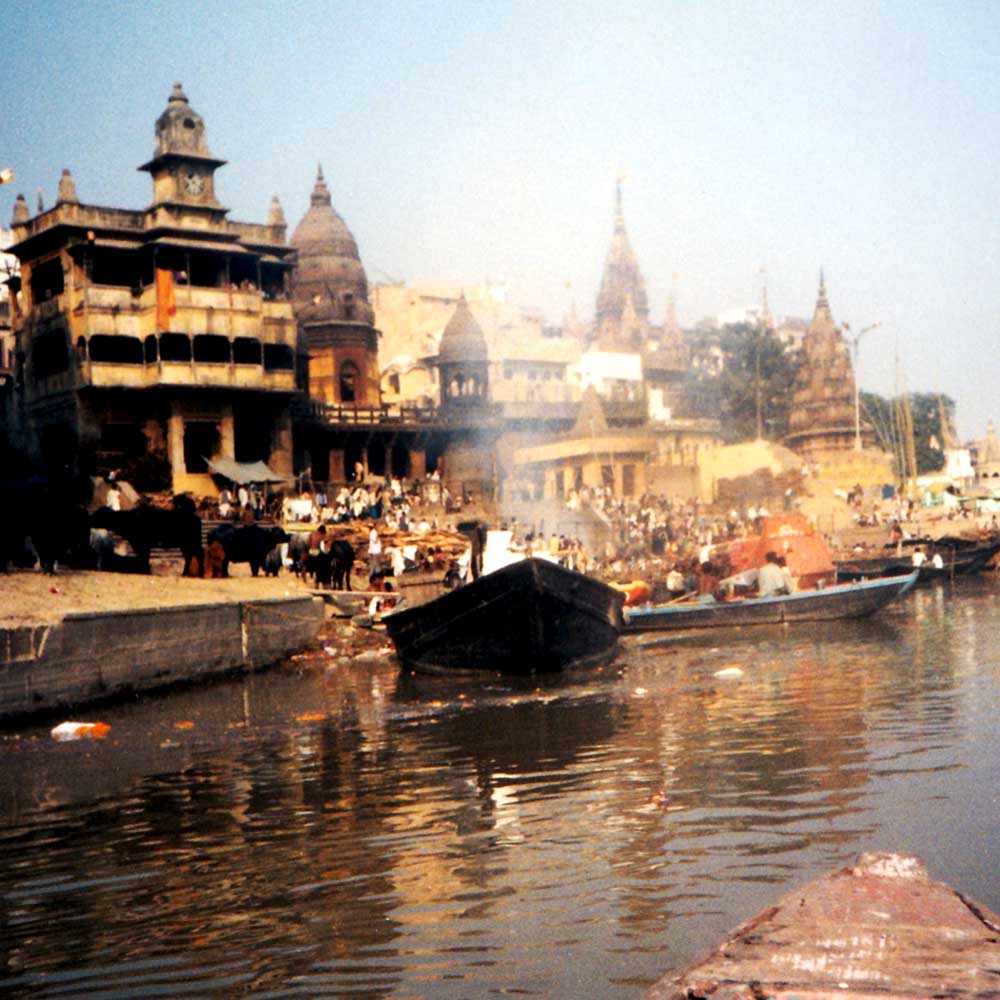 Manikarnika and Harishchandra Ghats are used
exclusively for cremation in Varanasi, hindus believe that Shiva, the god of destruction and re-creation, has made his home here since the beginning
of time
Manikarnika and Harishchandra Ghats are used
exclusively for cremation in Varanasi, hindus believe that Shiva, the god of destruction and re-creation, has made his home here since the beginning
of time
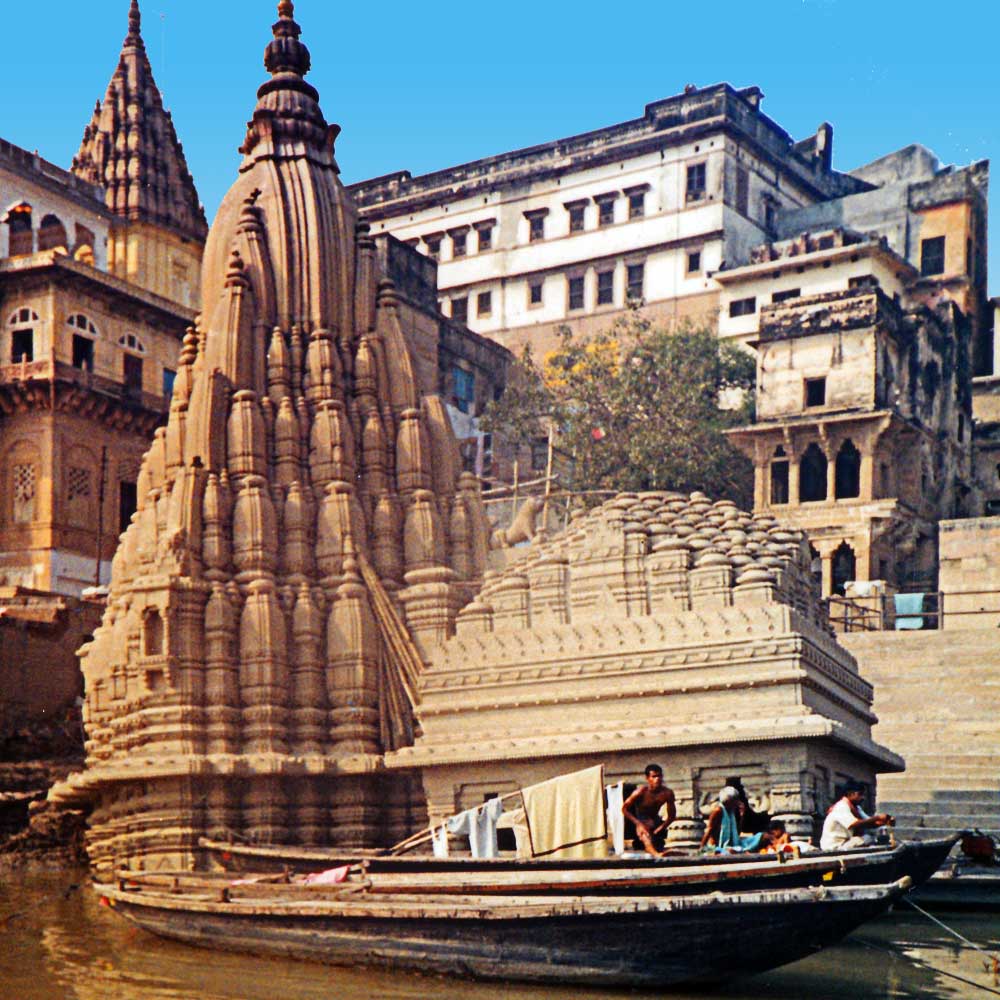
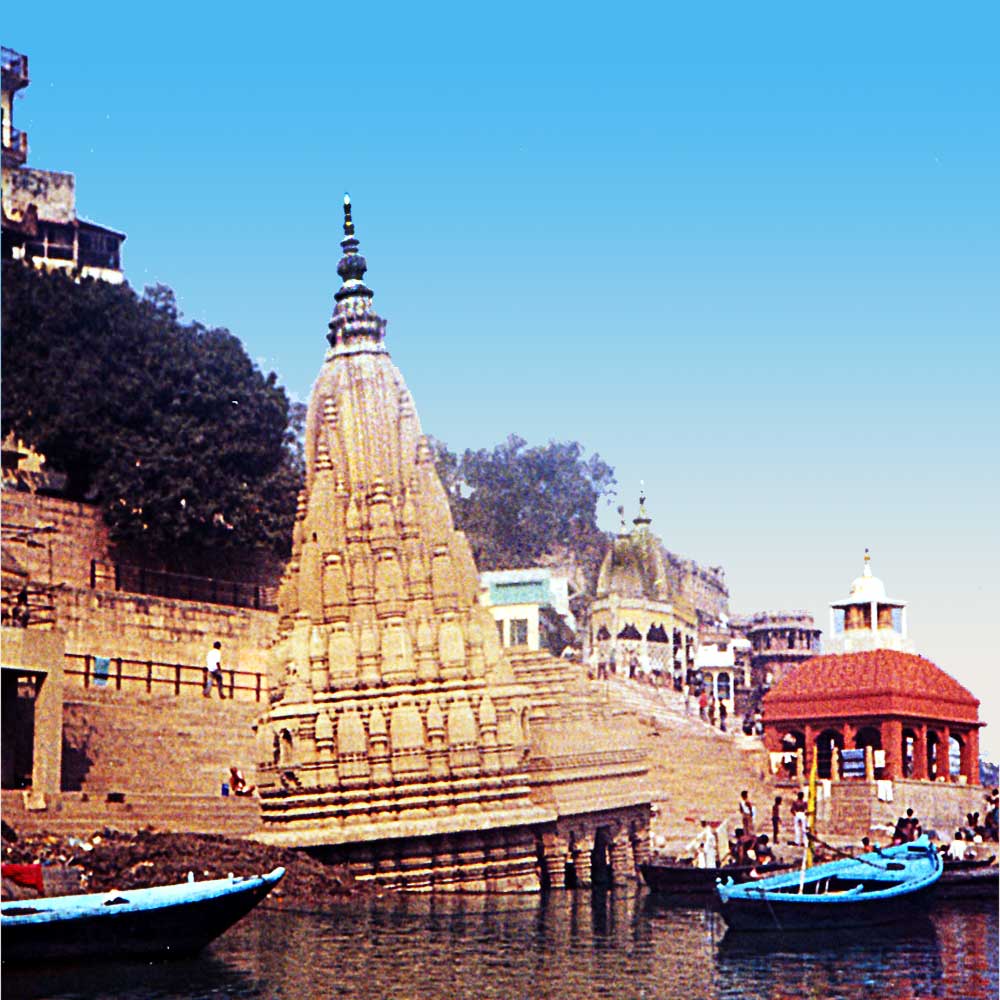
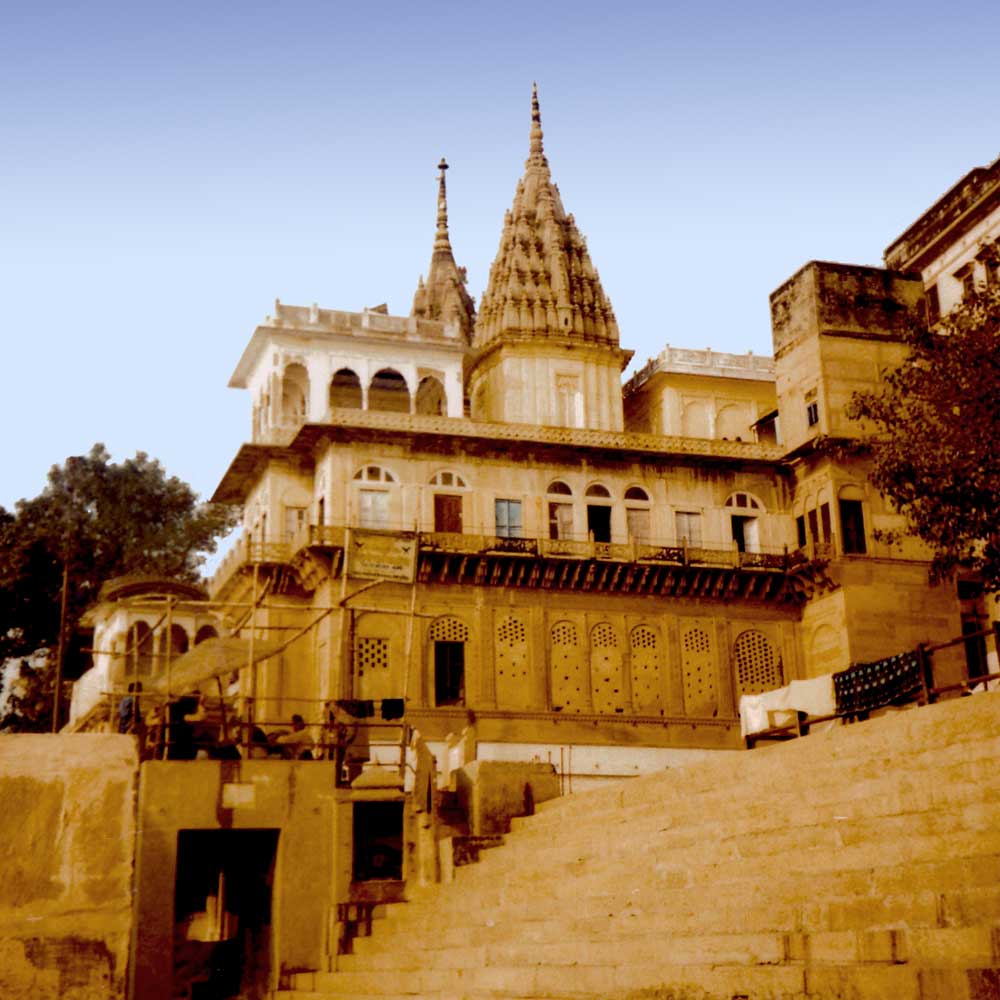
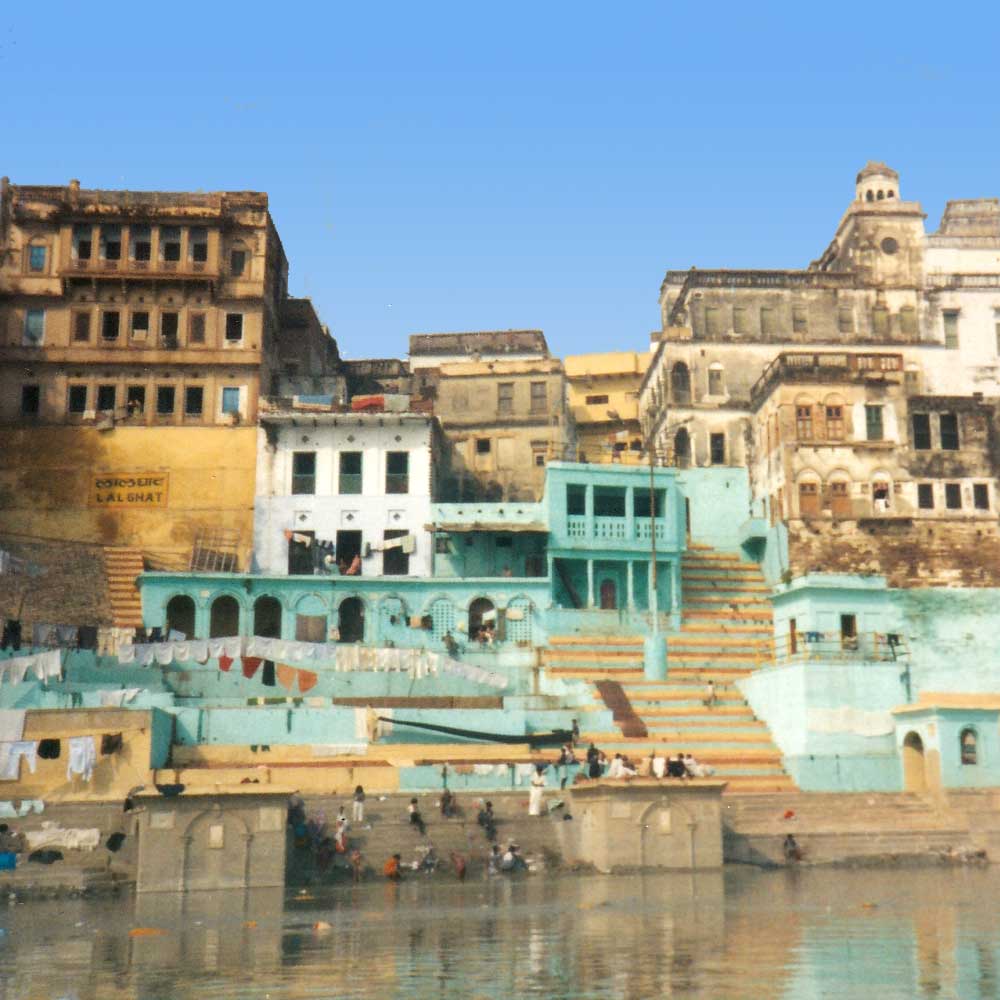 Lal Ghat & Gopreksheshvara Temple created in
1812 by the king of Tijara, Rajasthan, this ghat and temple attract devout Hindus for sacred baths and worship, Varanasi, India
Lal Ghat & Gopreksheshvara Temple created in
1812 by the king of Tijara, Rajasthan, this ghat and temple attract devout Hindus for sacred baths and worship, Varanasi, India
SARNATH (DEER PARK)
Sarnath lies about 10 kilometers northeast of Varanasi, near the confluence of the Ganges and Varuna rivers in Uttar Pradesh. According to Buddhist
tradition, it was here—at the Deer Park outside Varanasi—that Gautama Buddha delivered his first teaching around 528 BCE, shortly after attaining enlightenment at Bodh Gaya.
This moment, known as the Dharmachakra Pravartana or “Turning of the Wheel of the Dharma,” marks the formal beginning of the Buddha’s public ministry and the foundation
of the Buddhist community.
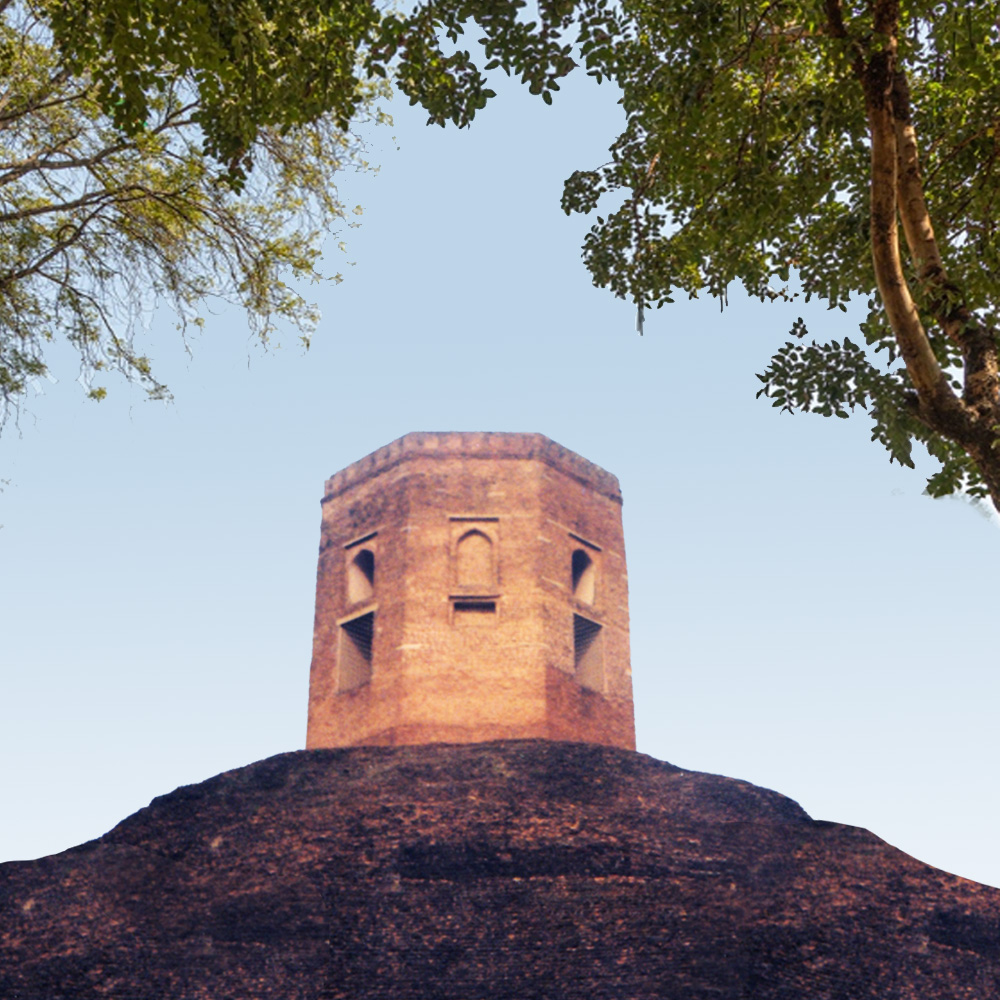 Chaukhandi Stupa, built in the 7th century, and the
octagonal tower on top was commissioned by emperor Akbar in 1567, the stupa marks the place where it is believed Lord Buddha and his first disciples
met, Sarnath
Chaukhandi Stupa, built in the 7th century, and the
octagonal tower on top was commissioned by emperor Akbar in 1567, the stupa marks the place where it is believed Lord Buddha and his first disciples
met, Sarnath
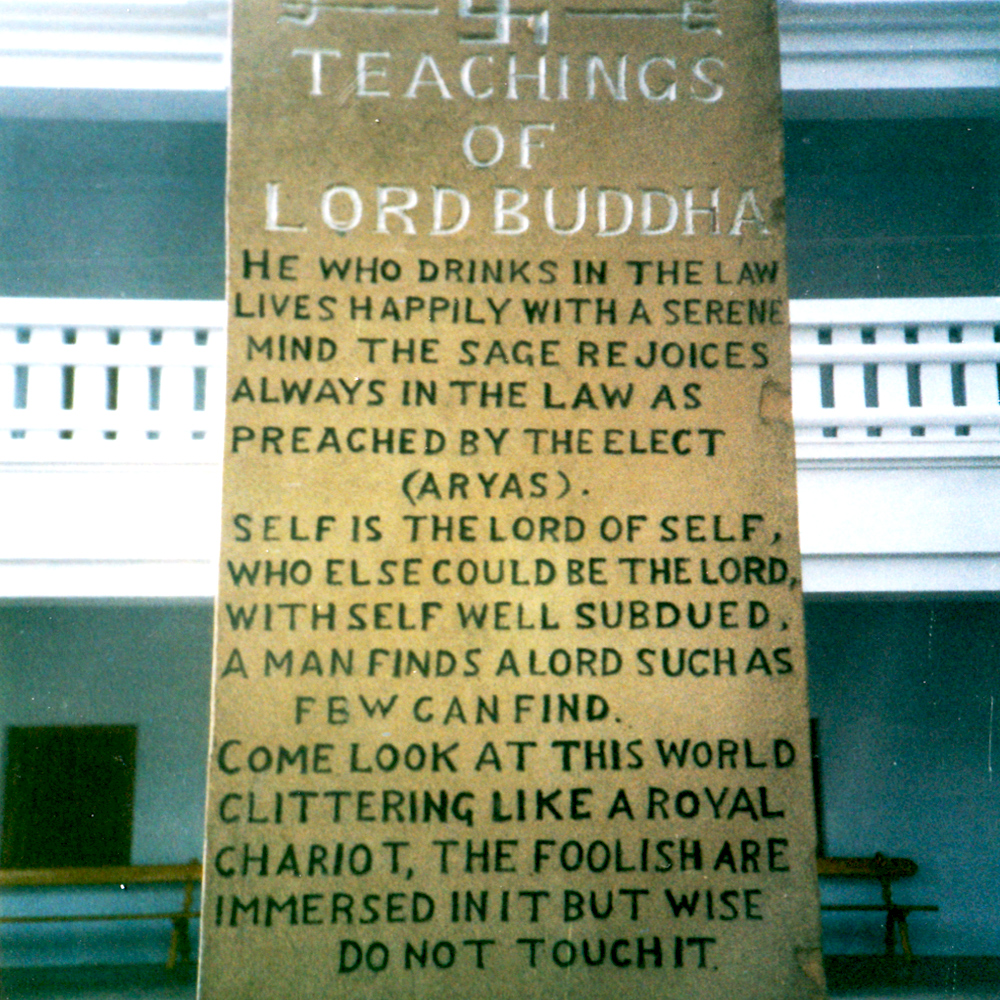 Carved into a rock pillar The Teachings of Lord
Buddha at Sarnath
Carved into a rock pillar The Teachings of Lord
Buddha at Sarnath
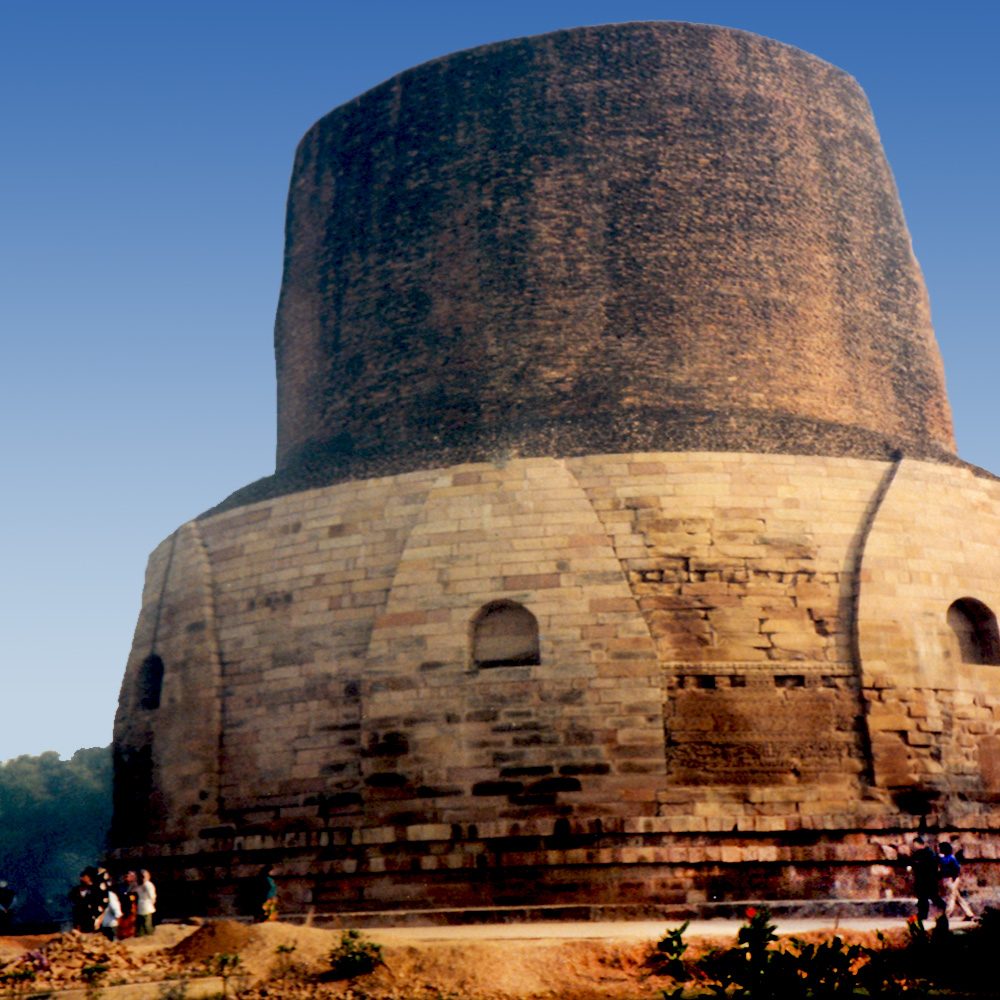 Dhamek Stupa built in the 5th century AD, Sarnath,
India, the stupa marks the precise location where the Lord Buddha preached his first discourse to his first five disciples, Sarnath
Dhamek Stupa built in the 5th century AD, Sarnath,
India, the stupa marks the precise location where the Lord Buddha preached his first discourse to his first five disciples, Sarnath

 Top
Top