
Fatehpur Sikri, built in the late 16th century by Emperor Akbar, served briefly as the Mughal capital. Constructed primarily of red sandstone,
the city showcases a unified architectural style blending Hindu and Muslim traditions. Now a UNESCO World Heritage site, it contains major monuments such as the
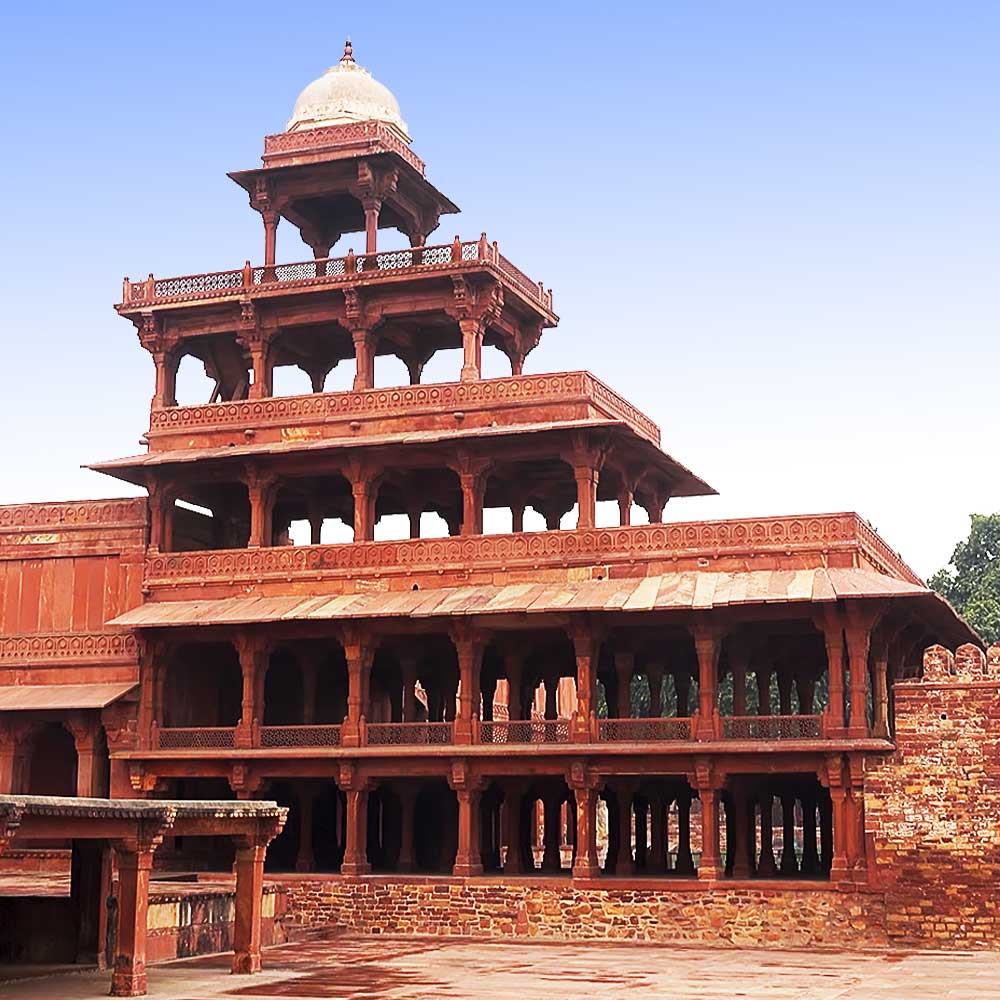
Jama Masjid, the five‑story Panch Mahal, and the towering Buland Darwaza. Its remarkably preserved spaces offer a vivid glimpse into Mughal court life.
The city was ultimately abandoned—likely due to water shortages and shifting political priorities—after Akbar moved the capital to Lahore and later Agra,
leaving Sikri deserted by 1610.
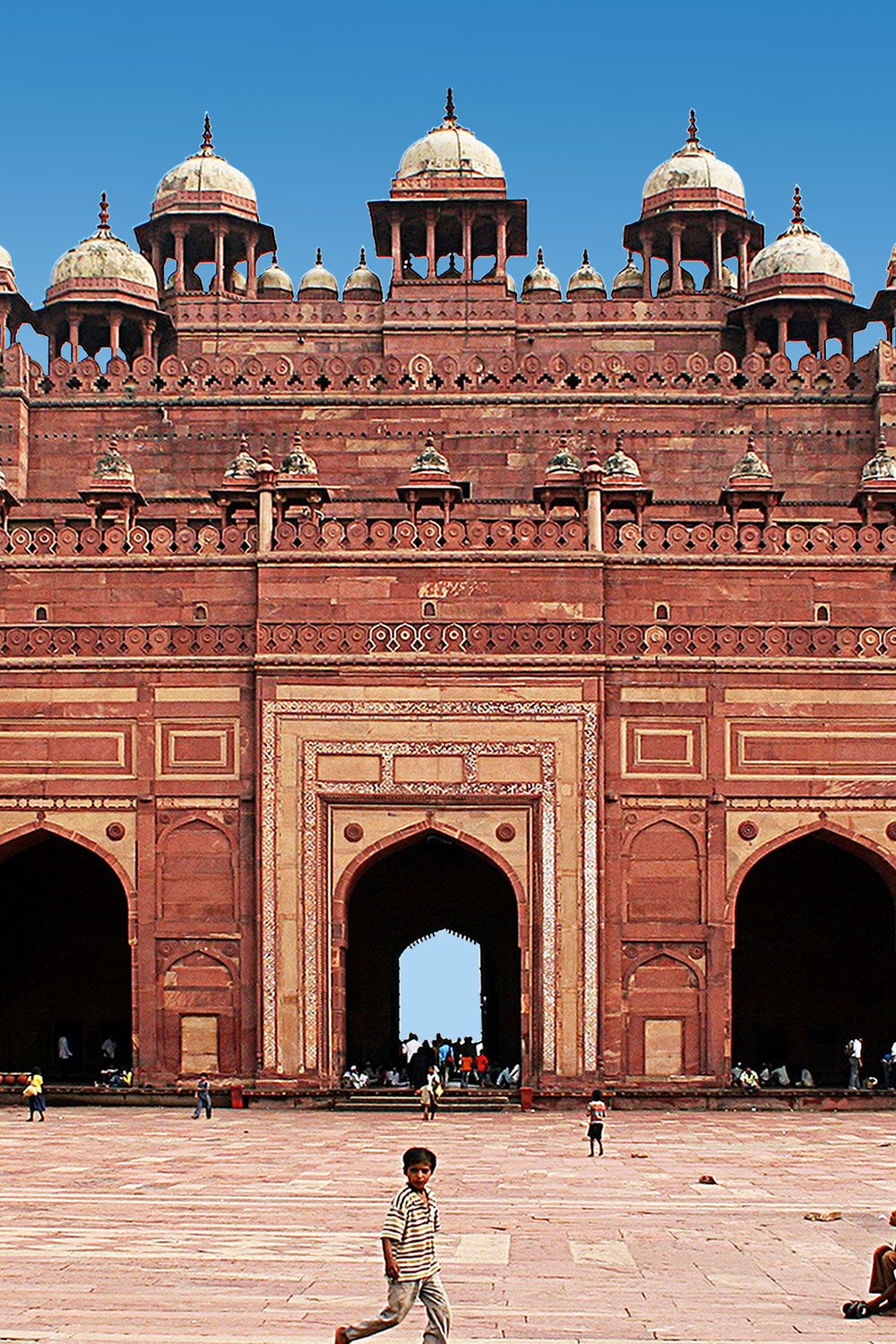
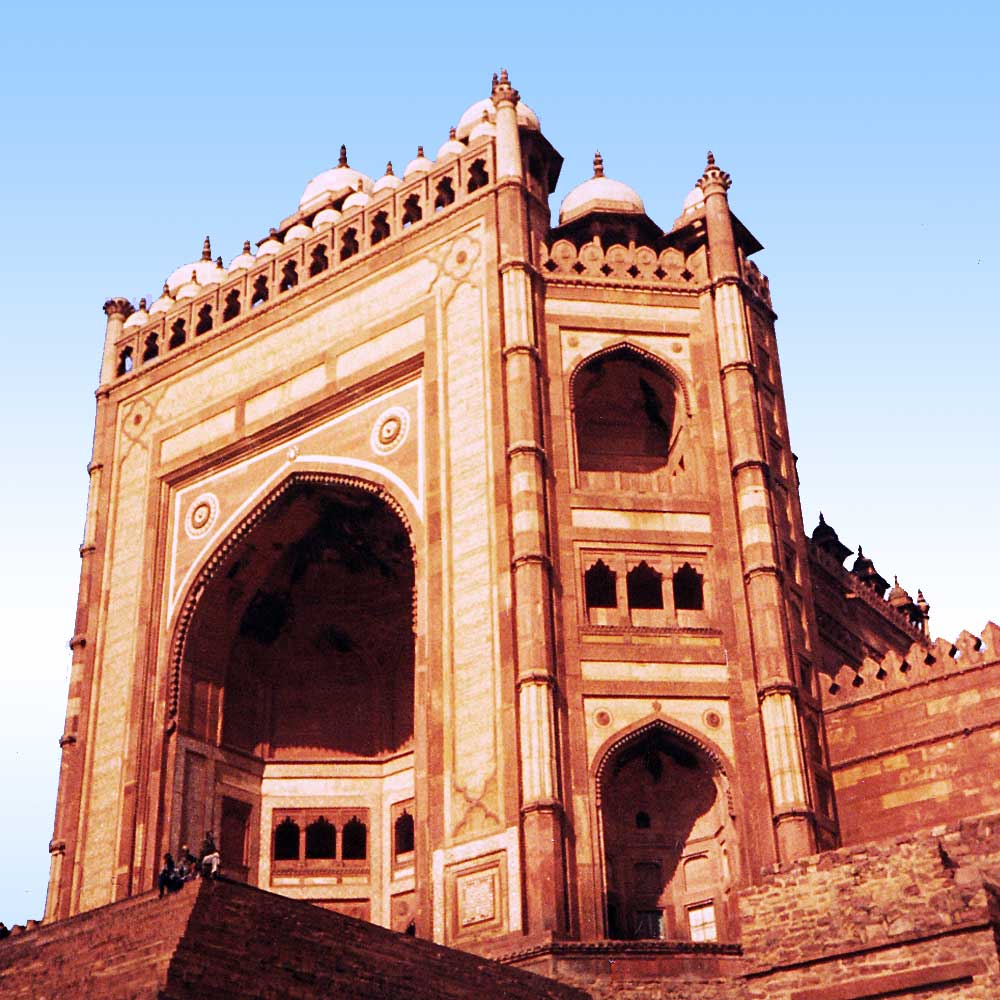
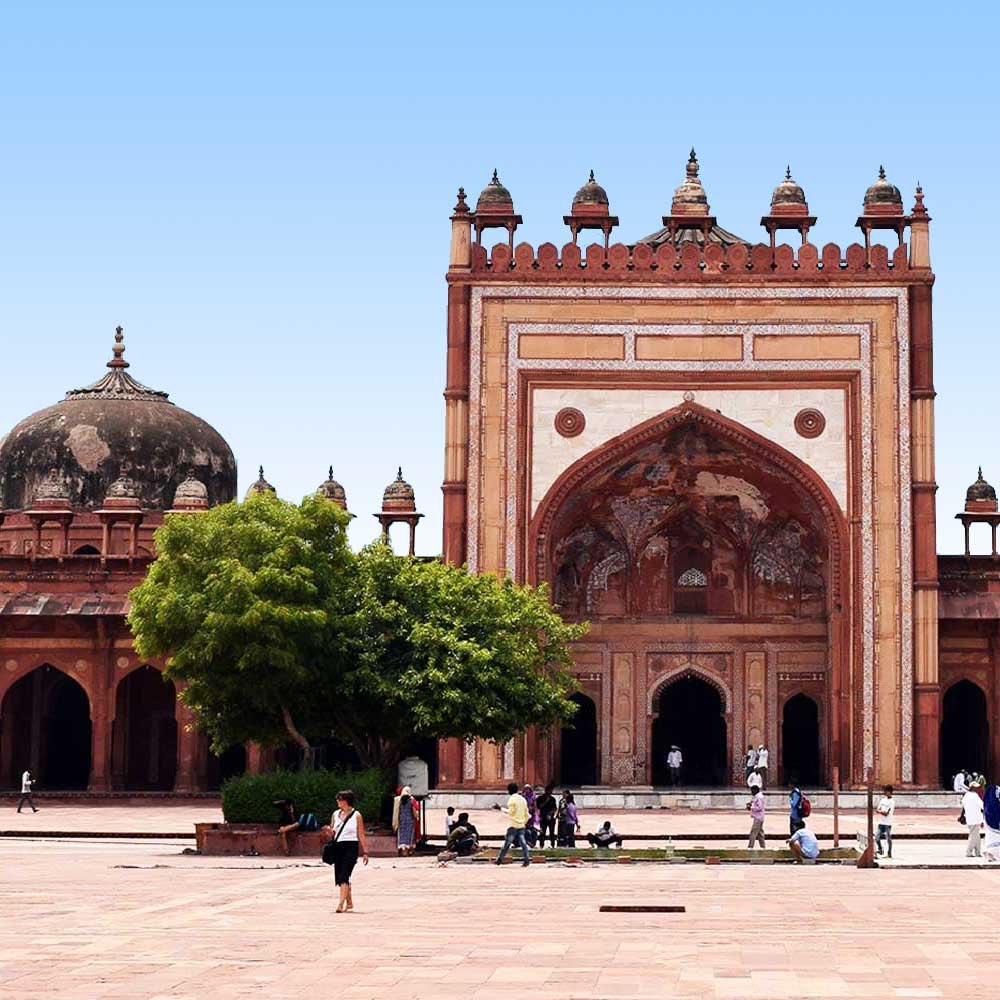
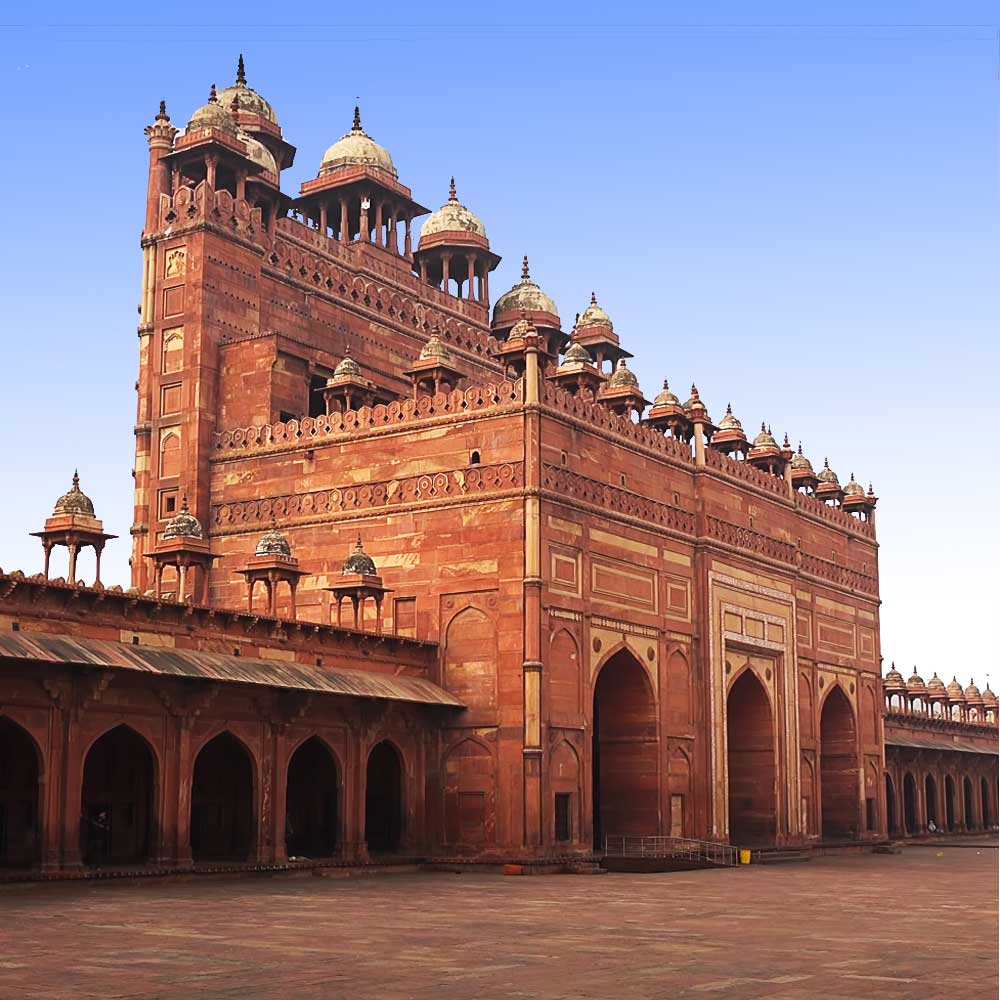
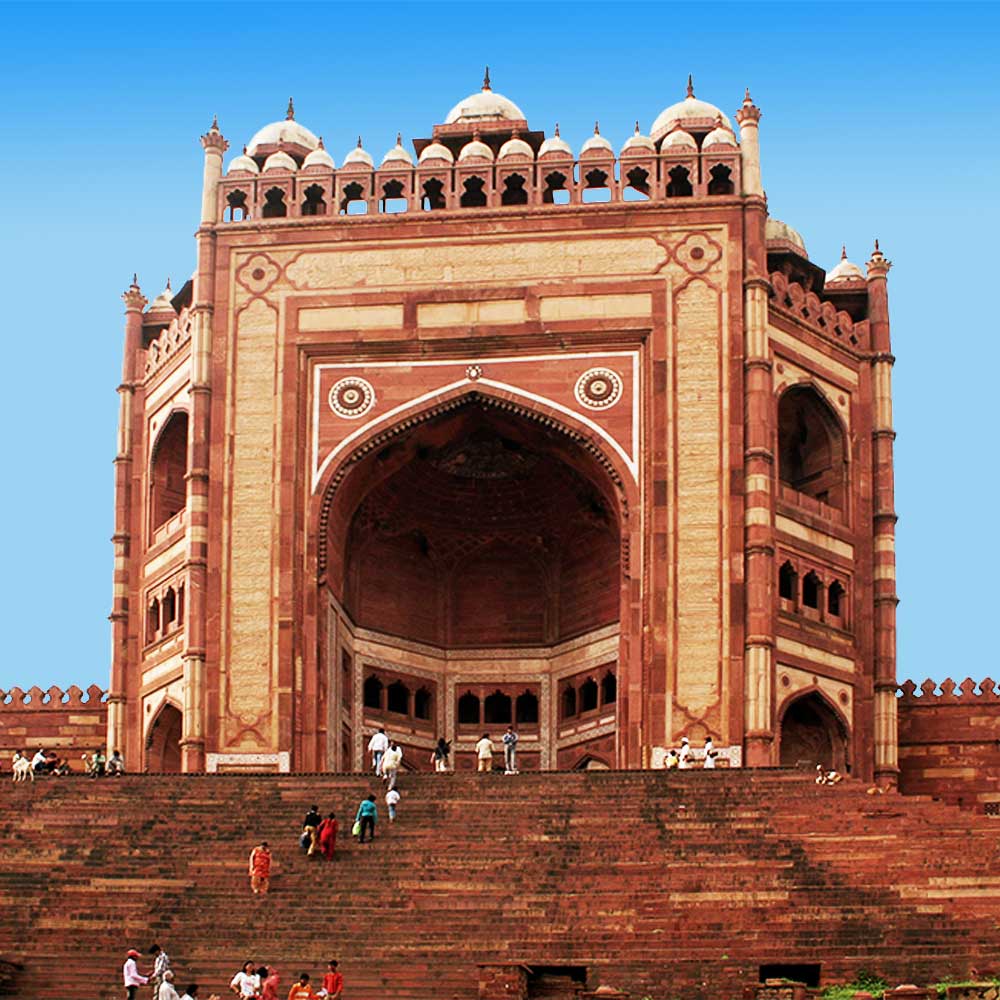
1.) Buland Darwaza, or the "Door of victory"
built in 1573
2.) by Emperor Akbar to commemorate his victory
over Gujarat,
3.) It is the main entrance gate to the Jama
Masjid at Fatehpur Sikri
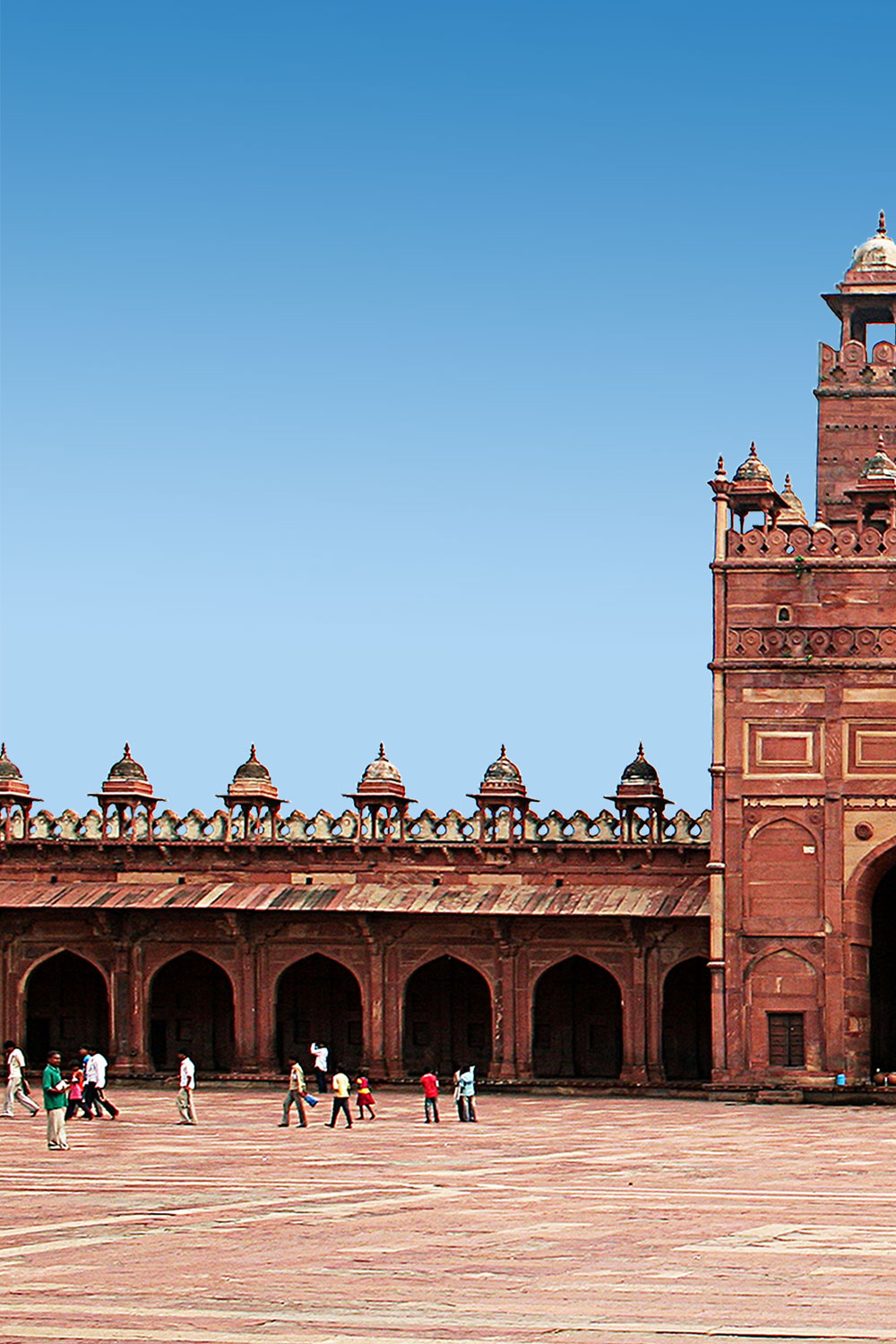
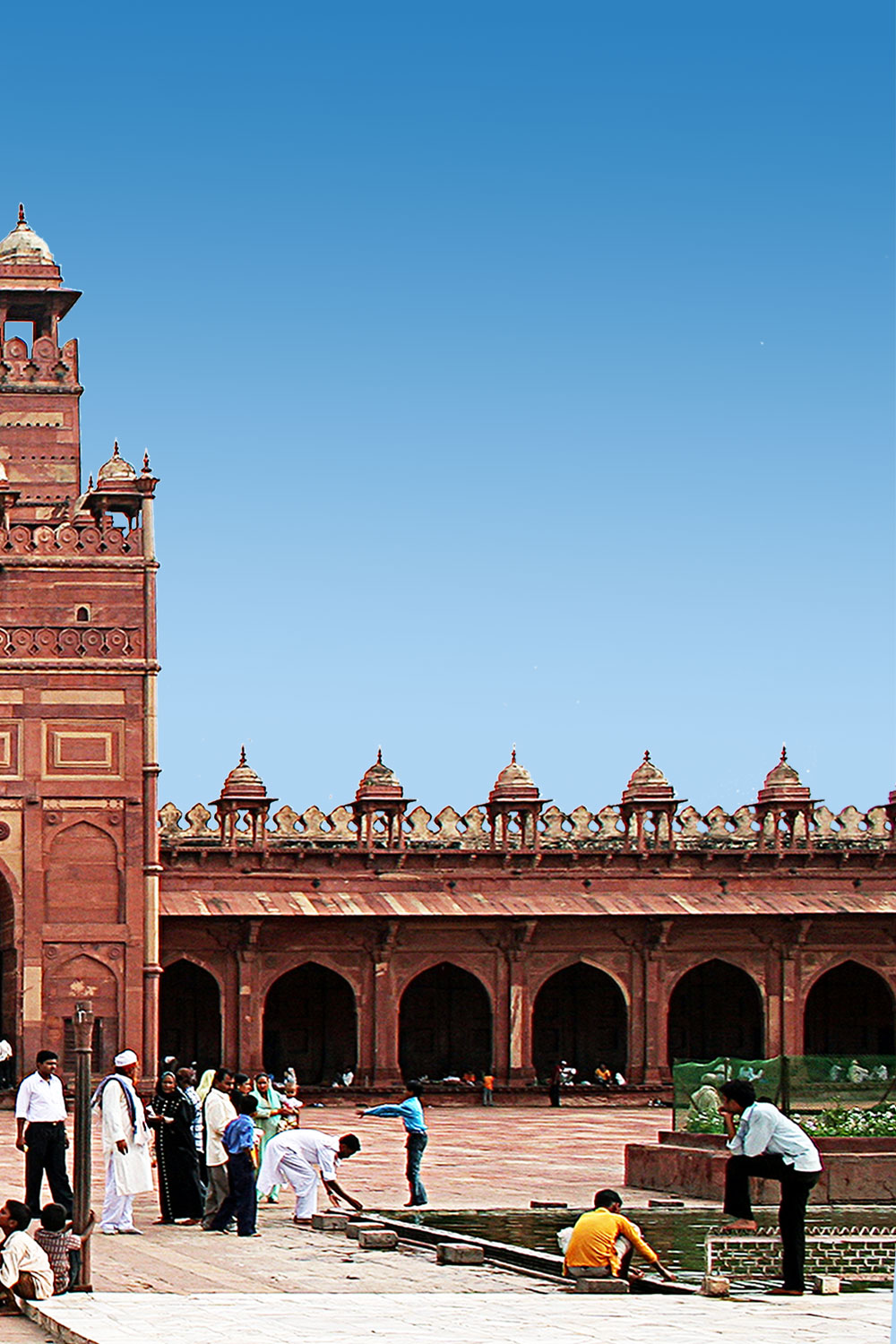
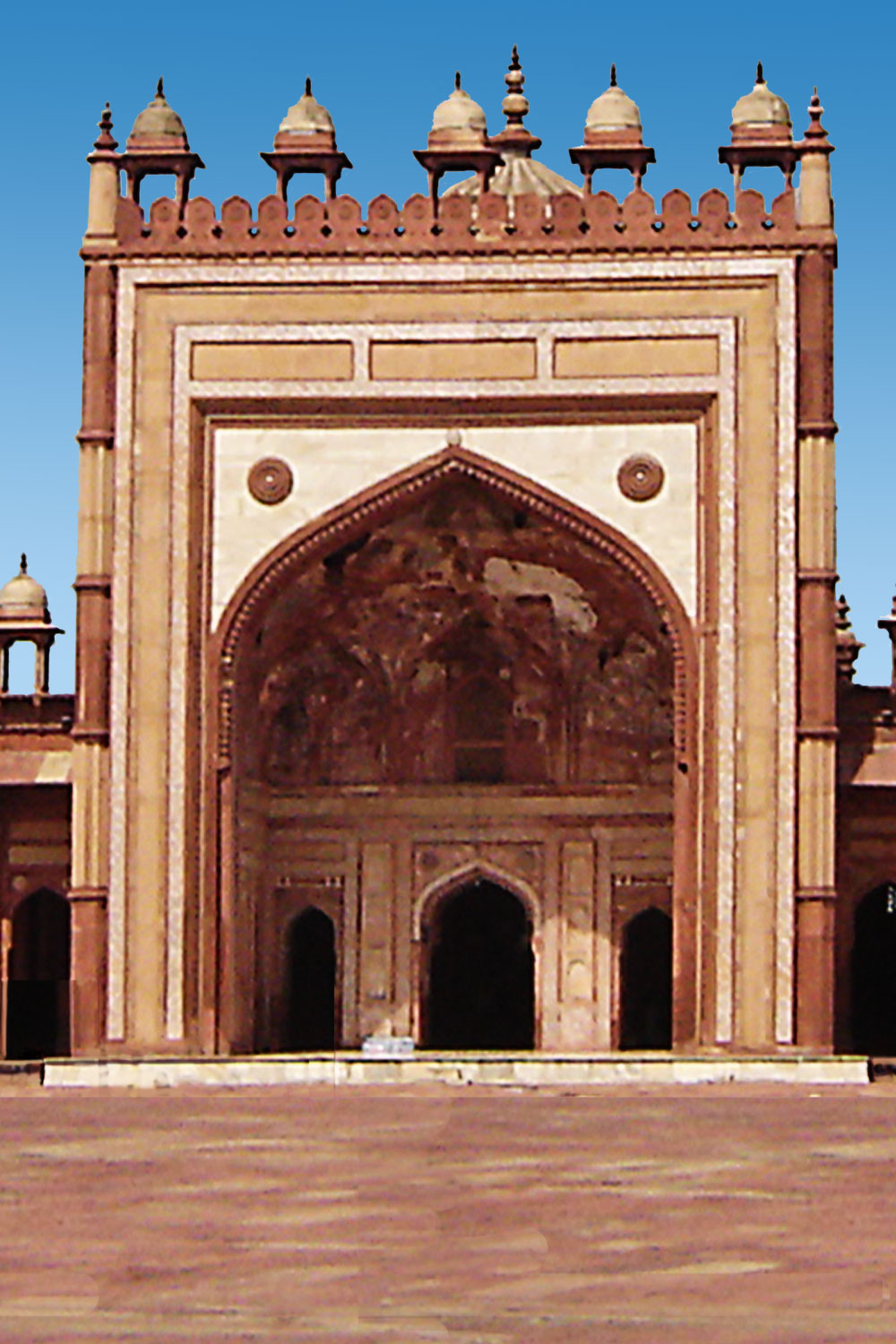
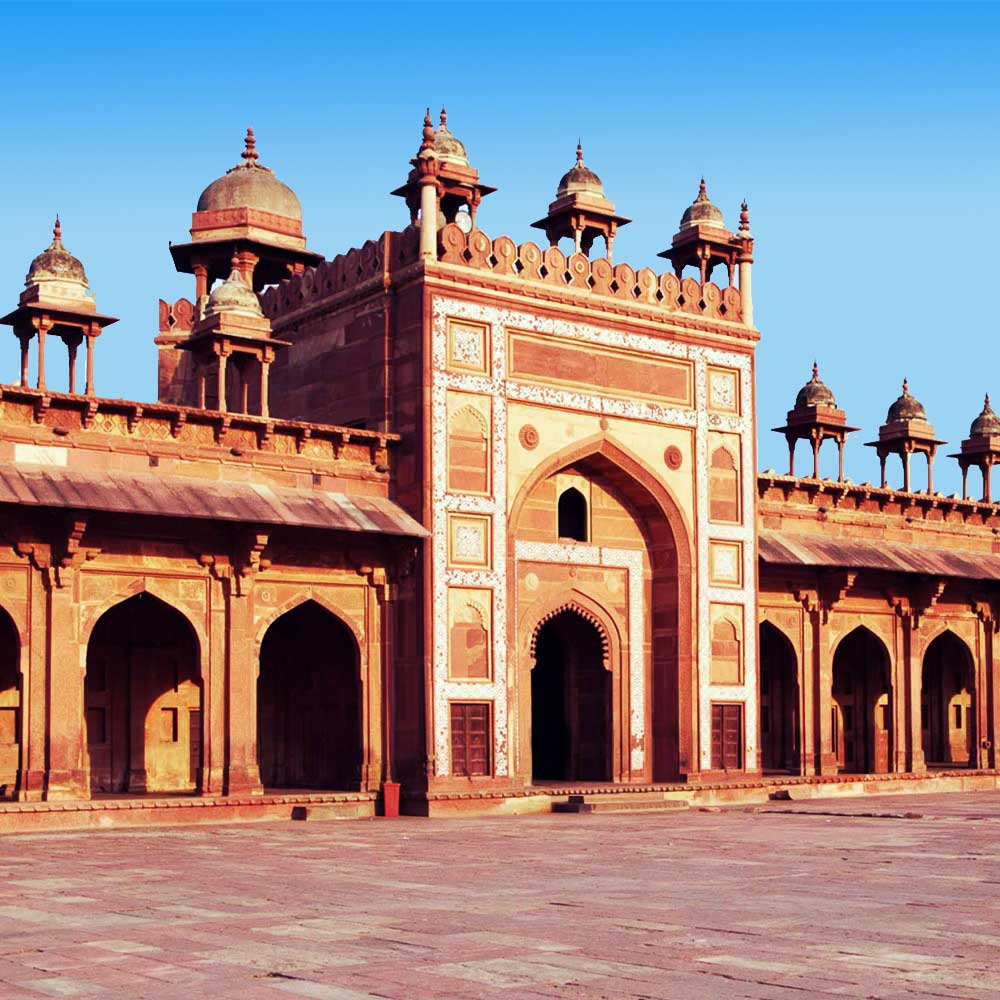
1.) Entrance to the Jama Mosque, also known as
the Jama Masjid,
2.) a 16th-century Sufi Friday mosque,
3.) built by Akbar the Great, 1571, Fatehpur
Sikri, India
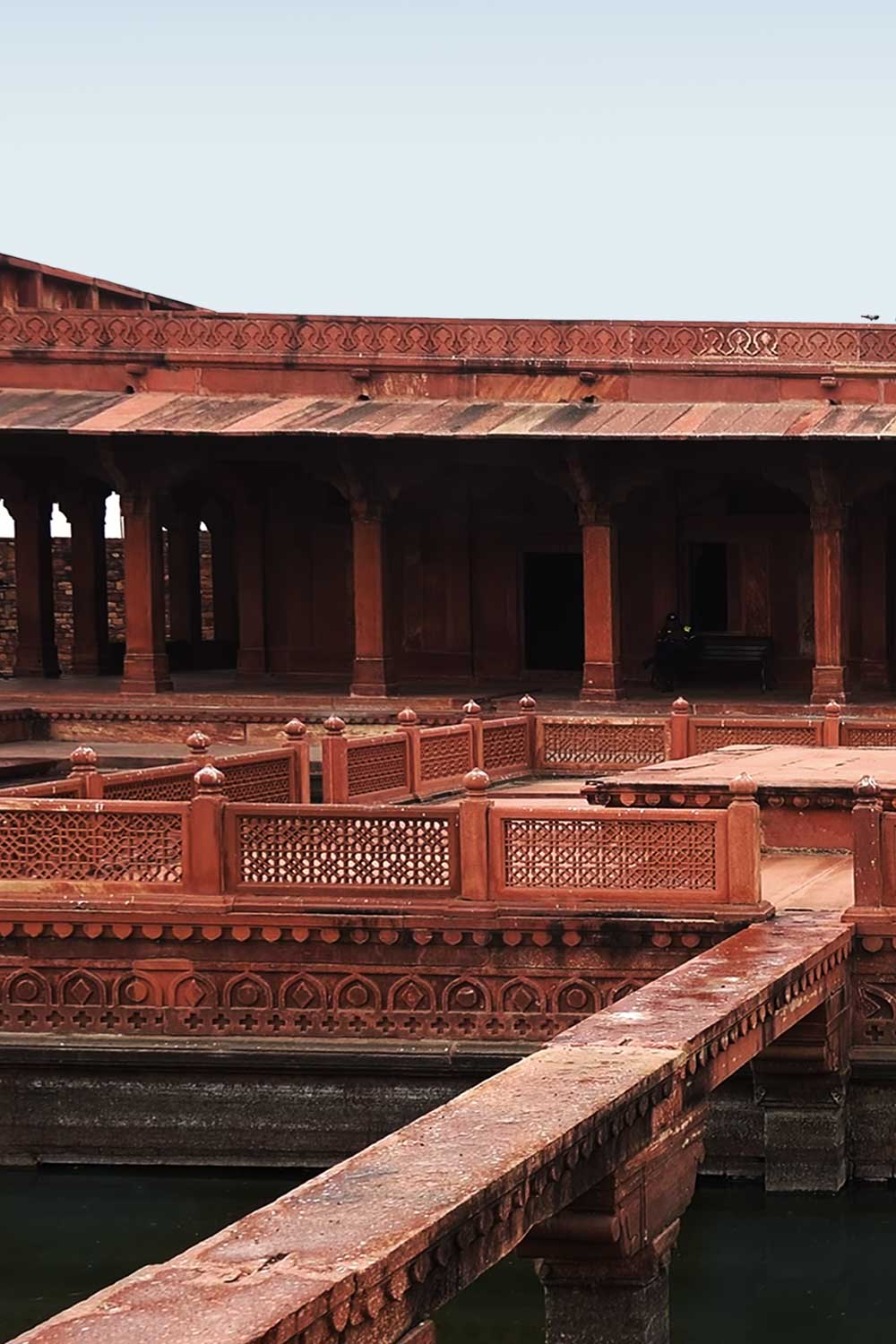
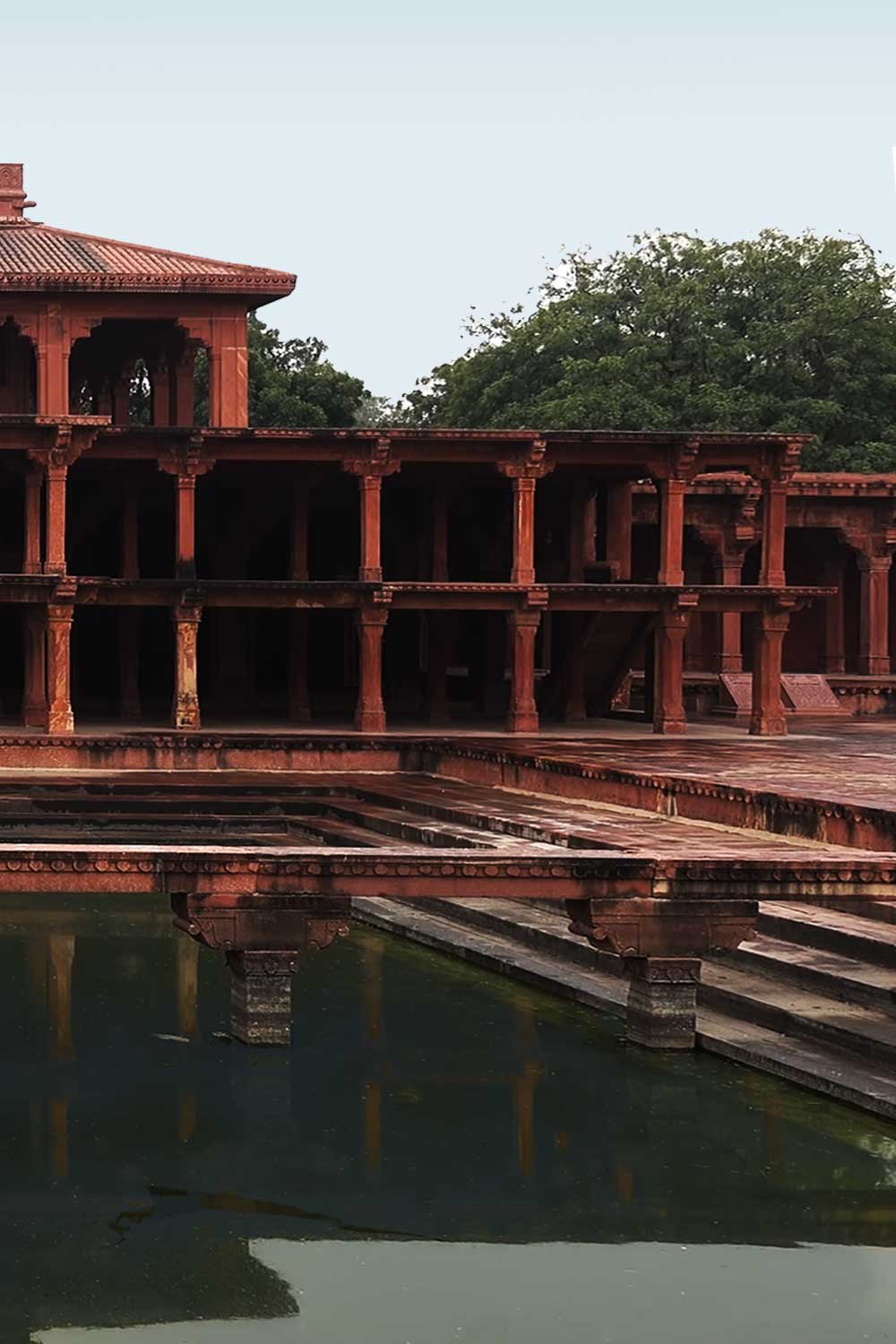
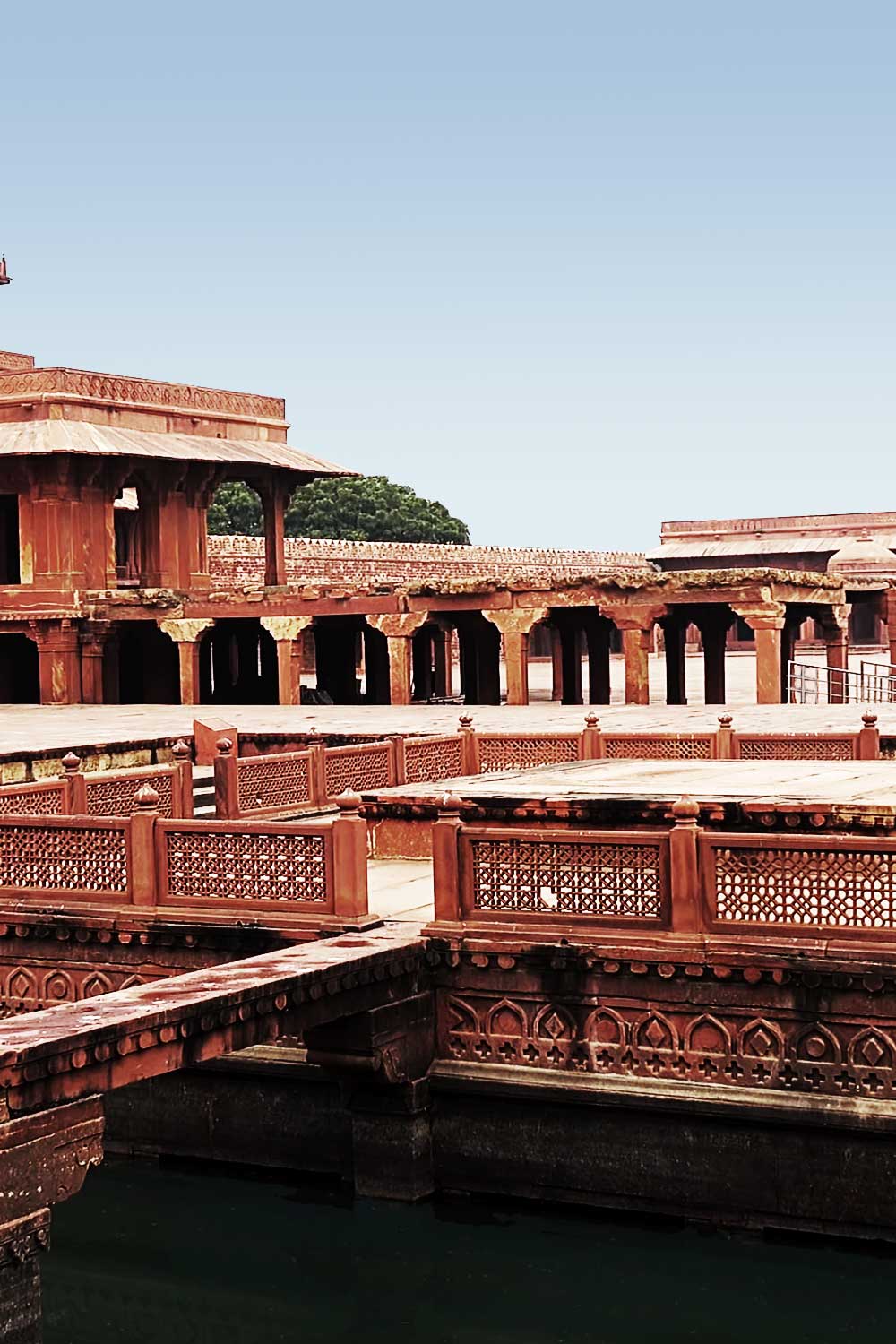
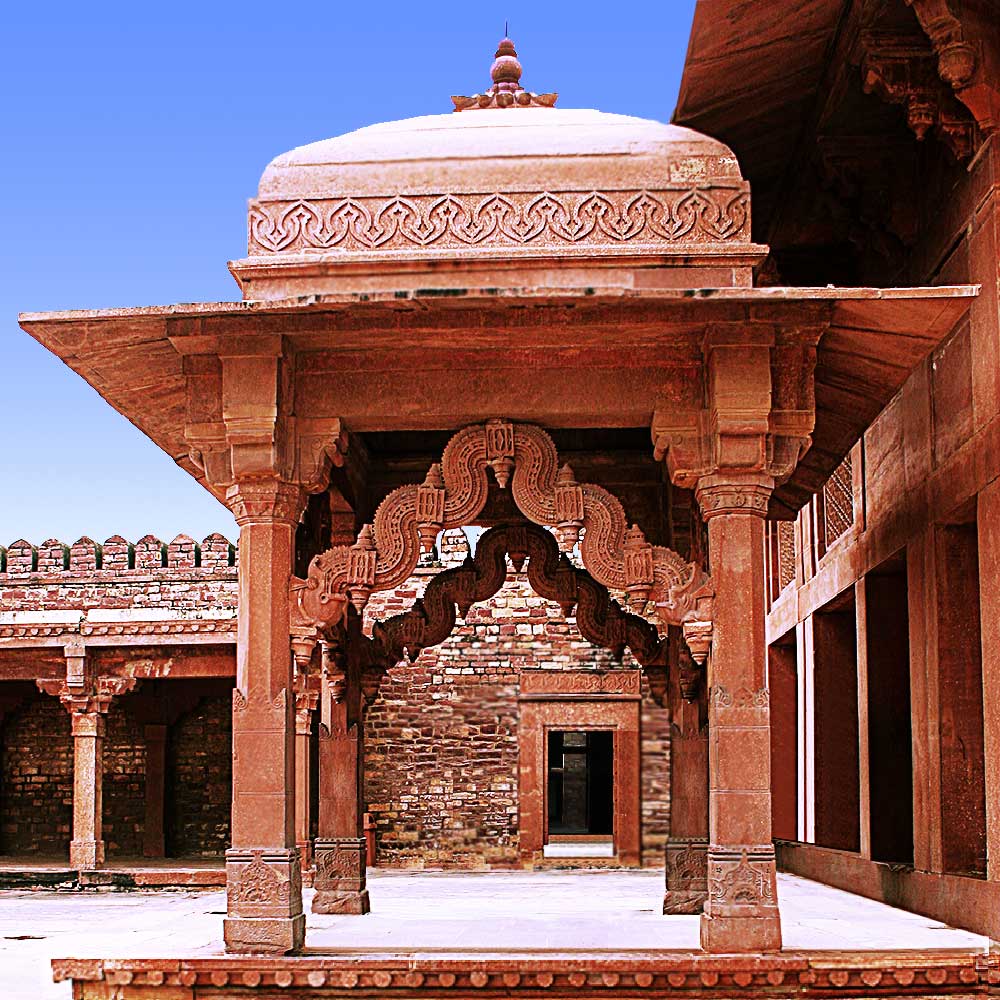
1.) The Anup Talao is a pavilion completed in
1576. It is set in the centre of a pool in the courtyard of the Fatehpur Sikri,
2.) The pavilion is also known as
"Char-Chamad", referring to the four bridges. Located north of the imperial apartments in the Mahal-i Khass courtyard (Khwabgah),
3.) Northeast of Hujra-i-Anup Tala-u a
pavilion housed Akbar’s guests. Fatehpur Sikri, India
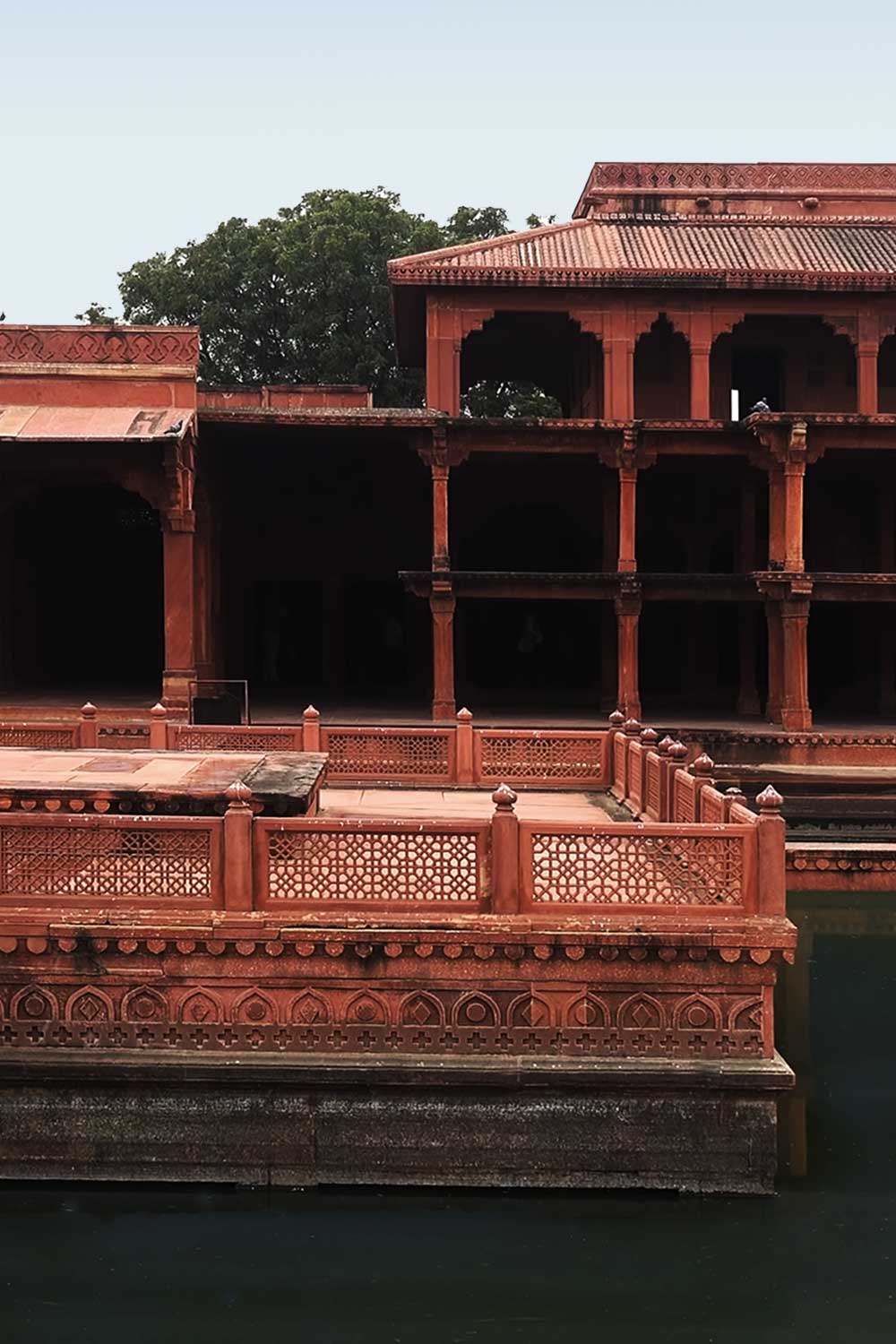
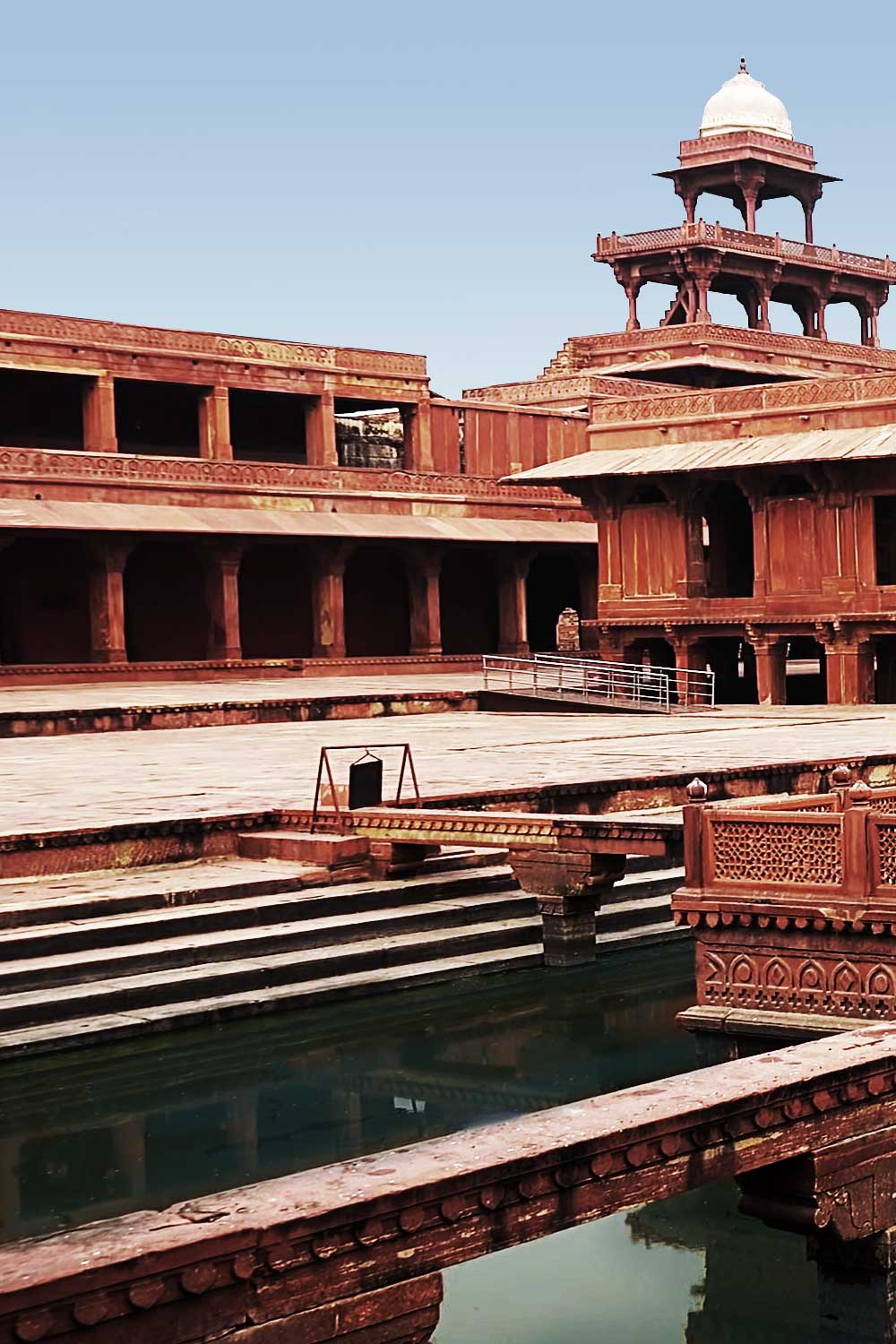
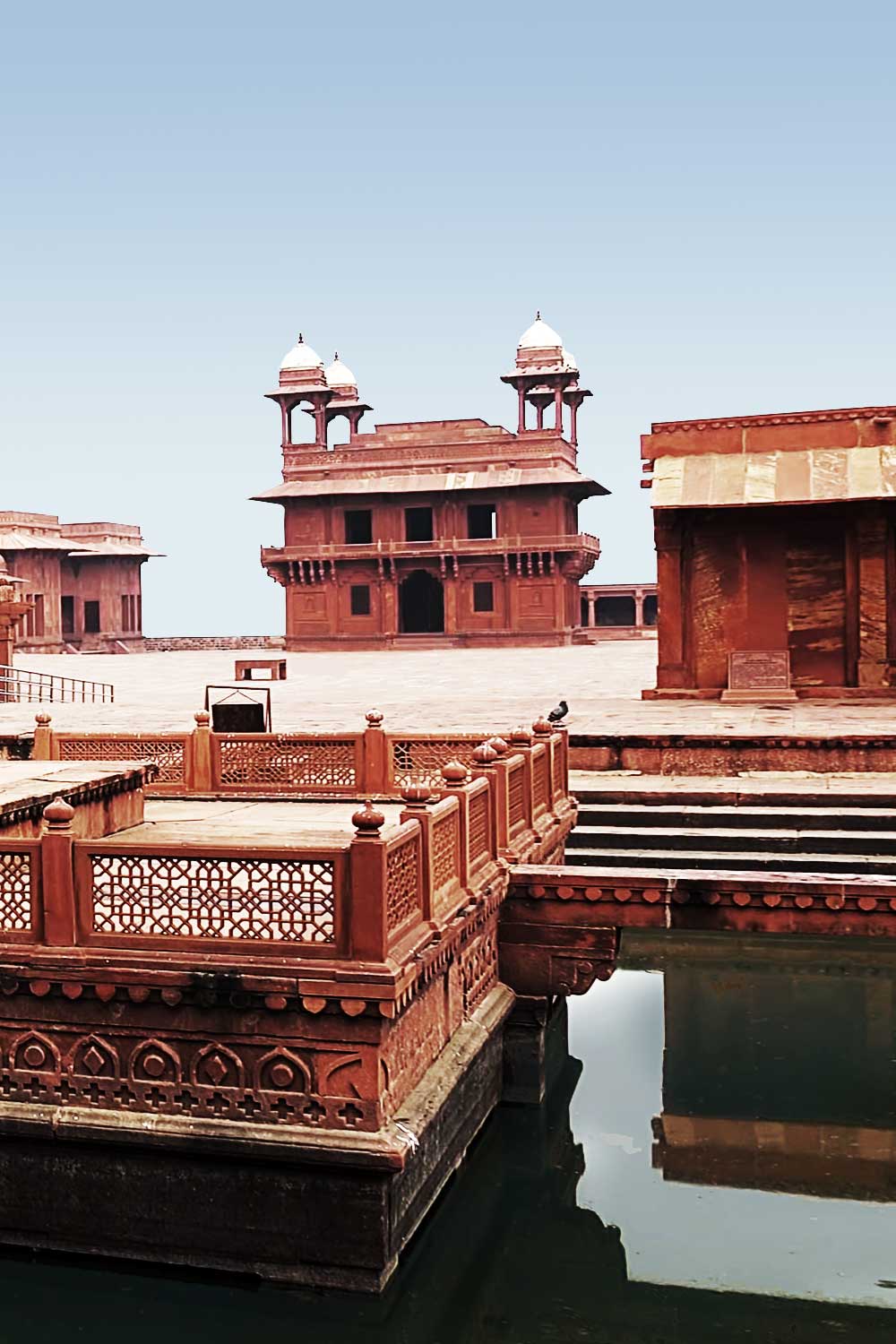
1.) Anup Talao, A ornamental pool with a
central platform and four bridges leading up to it, important buildings of the royal enclave surround it,
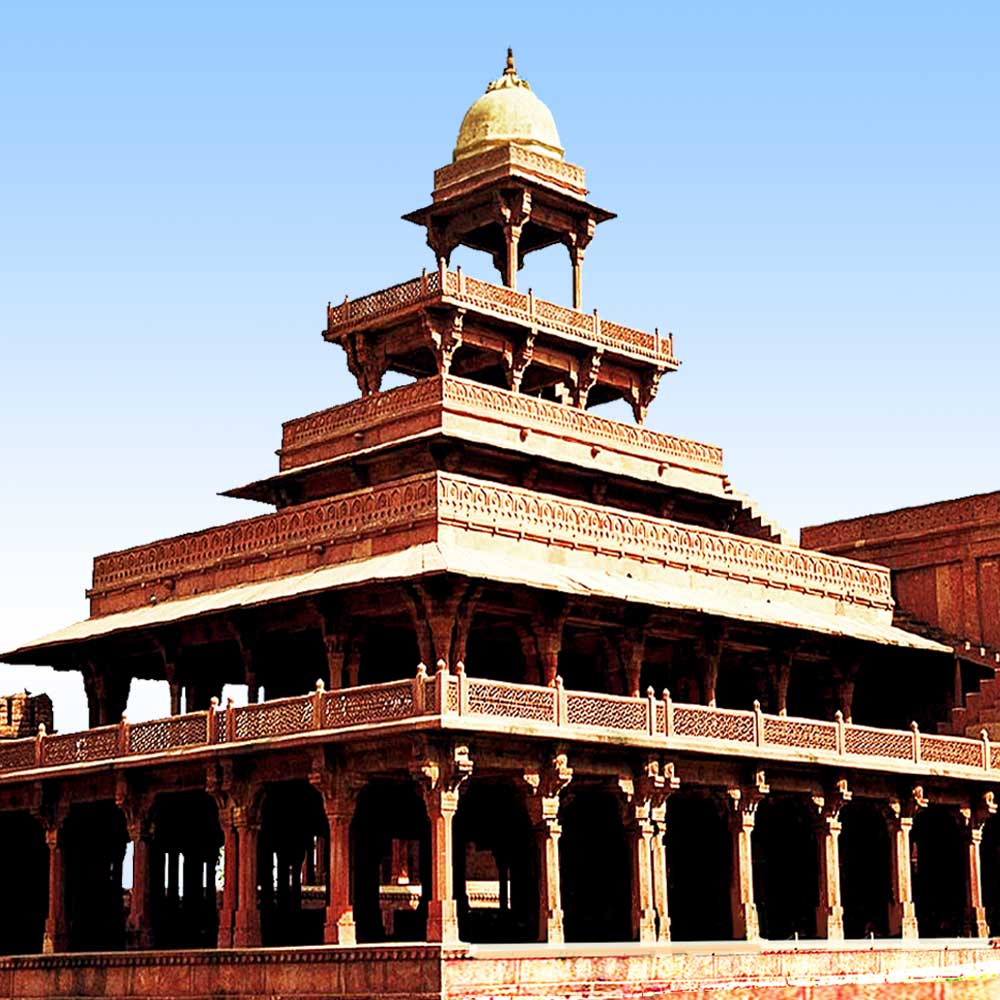
2.) left of the pool; The Panch Mahal meaning
'Five level Palace'
3.) right other side of the pool; The
Diwan-i-Khas or Hall of Private Audiences, Fatehpur Sikri, India
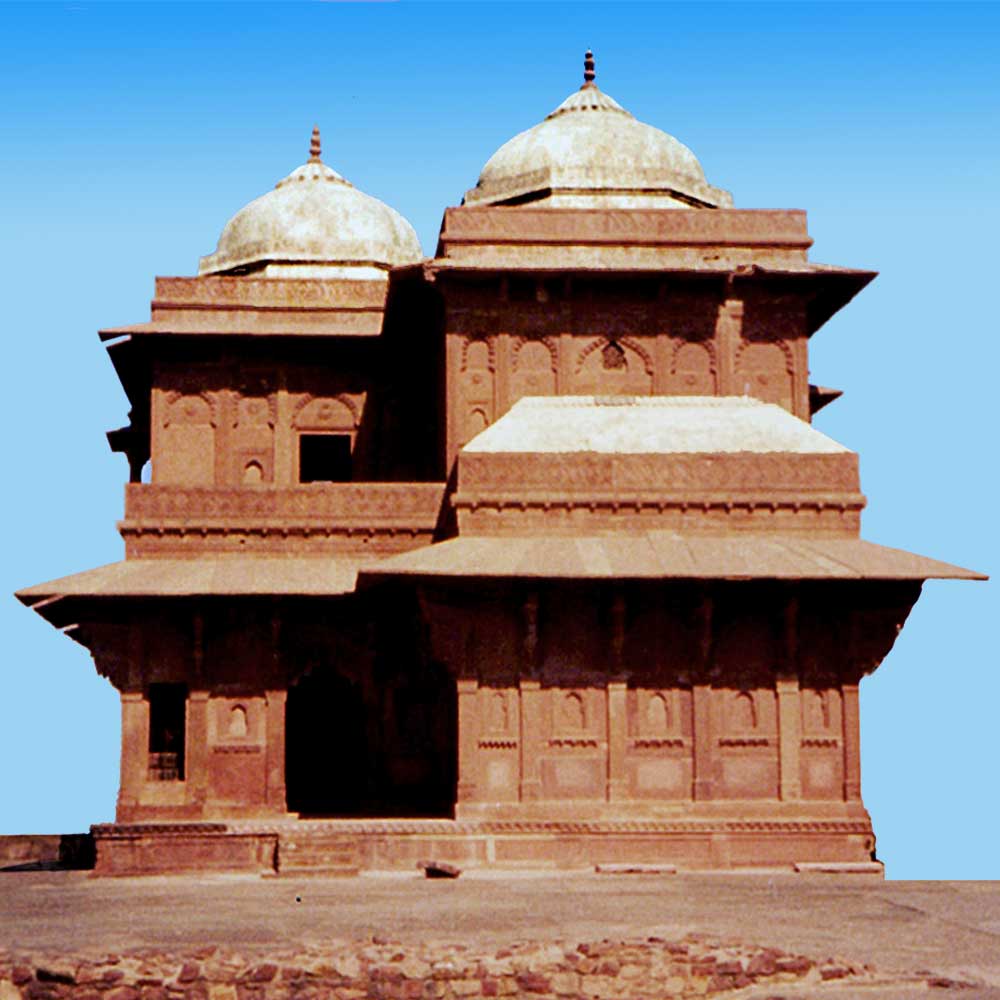
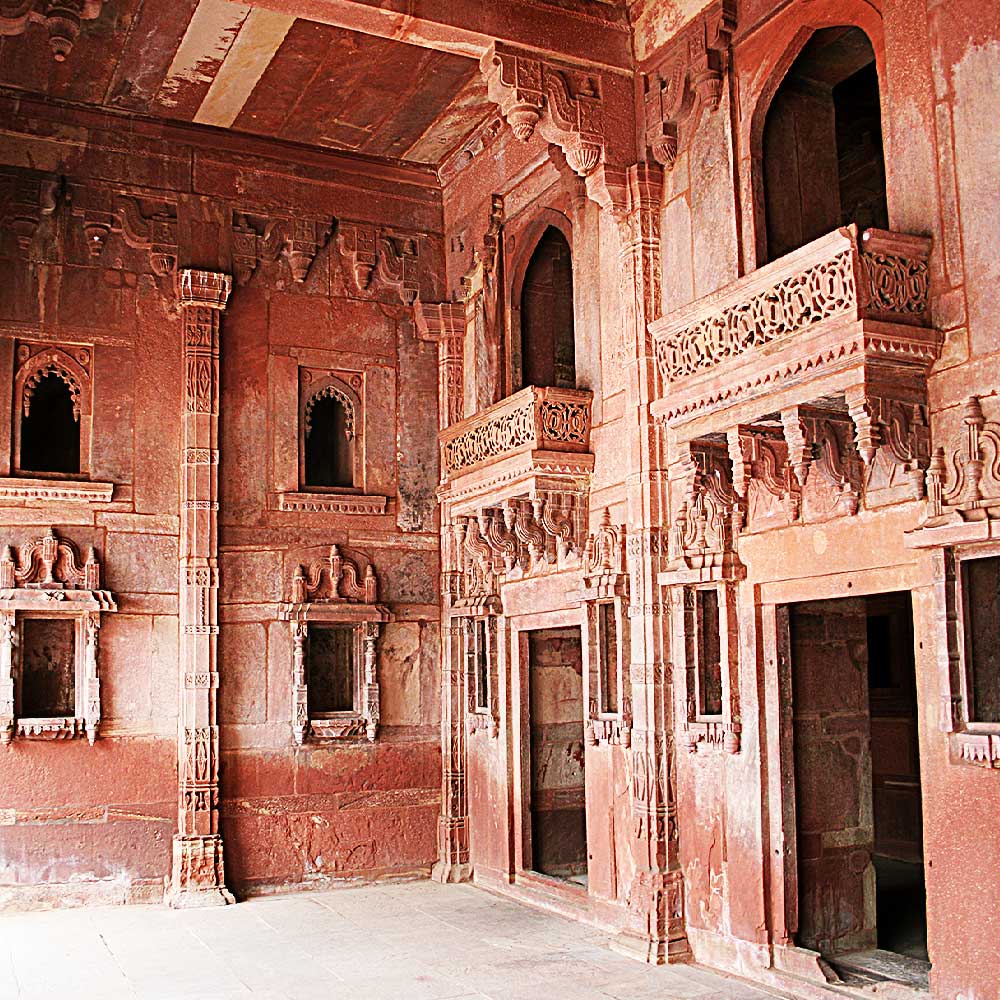
Jodha Bai Mahal Palace, built by Akbar 1569, in
Fatehpur Sikri, Agra District of Uttar Pradesh, India
Birbal Bhavan Palace, adviser to the emperor, built
by Akbar 1571, Agra District of Uttar Pradesh, India
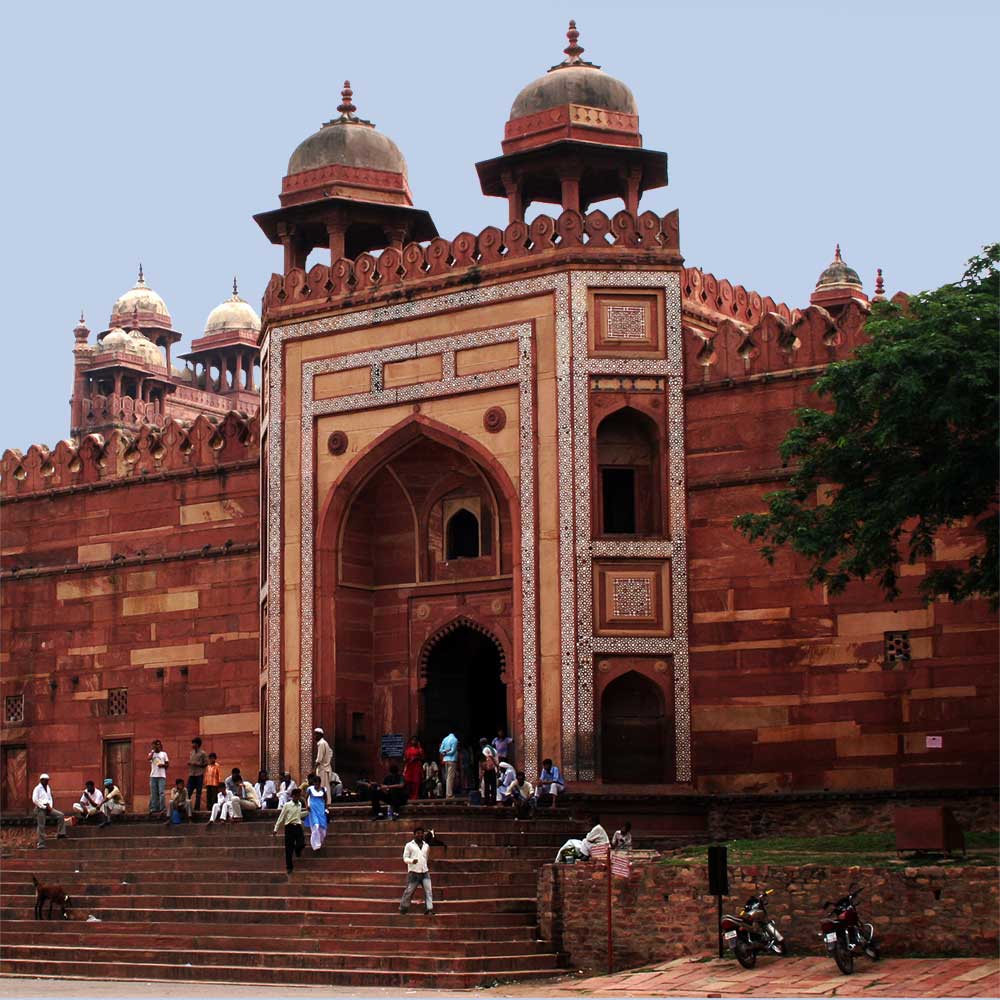
Buland Darwaza (lit. 'High Gate'), built by Akbar
in 1575 as the main entrance to the Jama Masjid Mosque, (the highest gateway in the world) in Fatehpur Sikri, Agra District of Uttar Pradesh, India
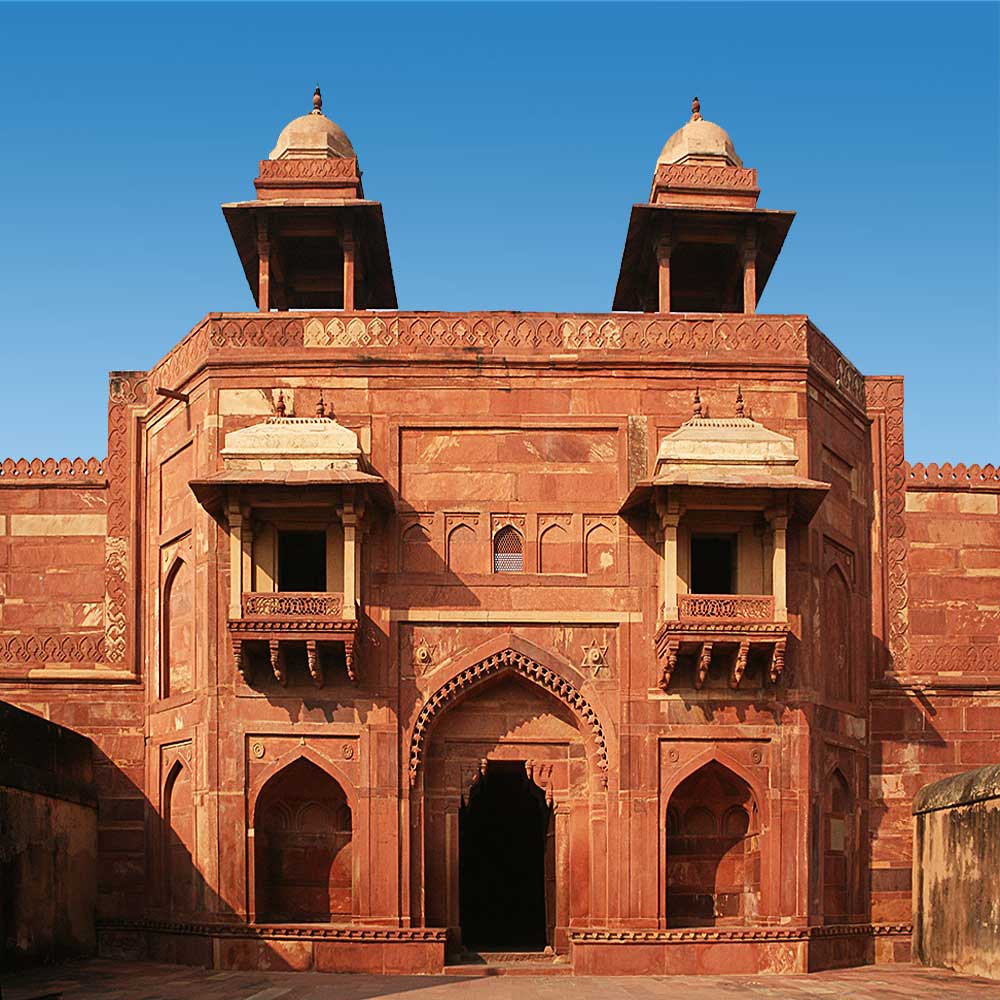
Jodha Bai Mahal, the largest palace in
Fatehpur Sikri, commissioned by Mughal Emperor Akbar in 1569, Agra, District of Uttar Pradesh, India
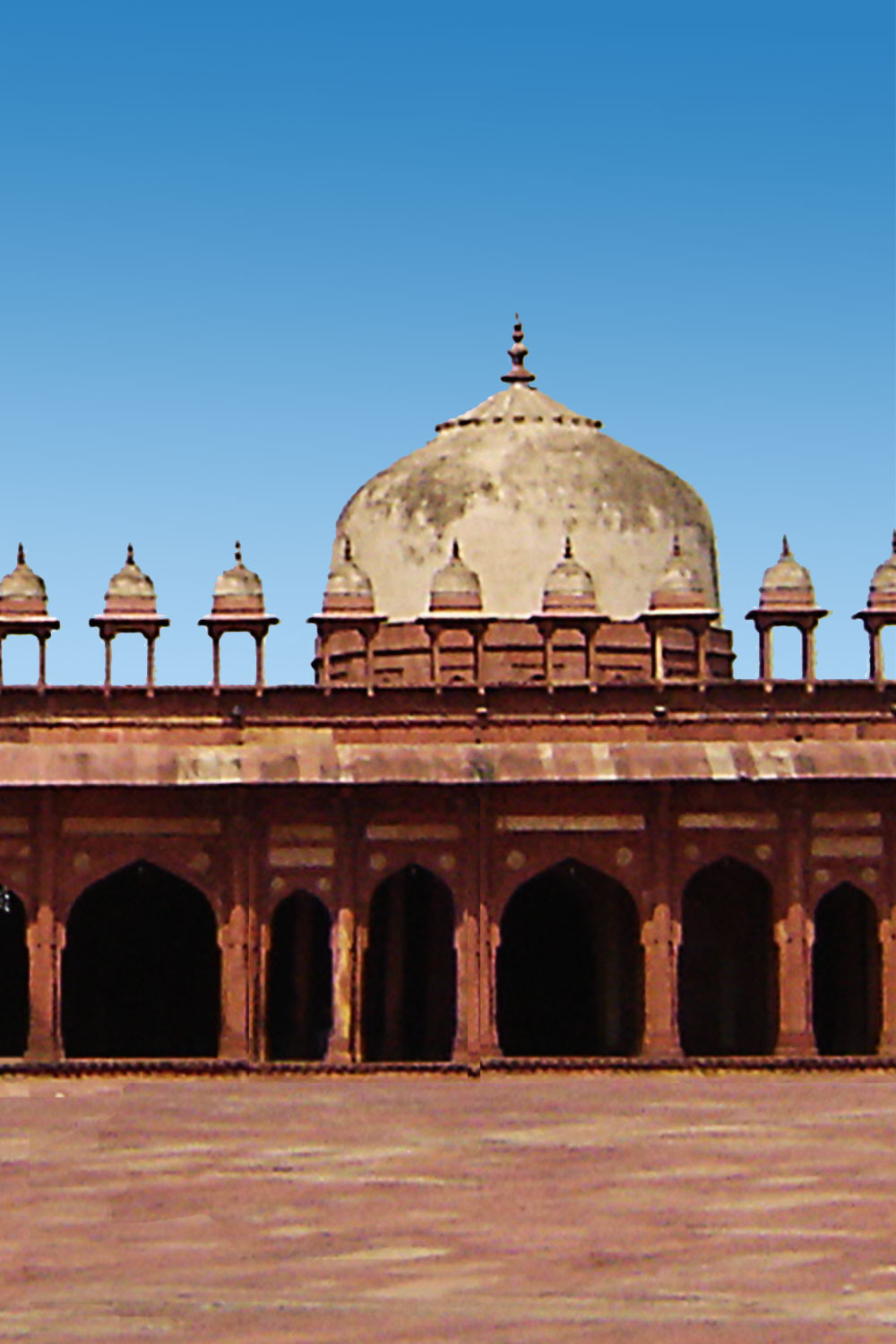
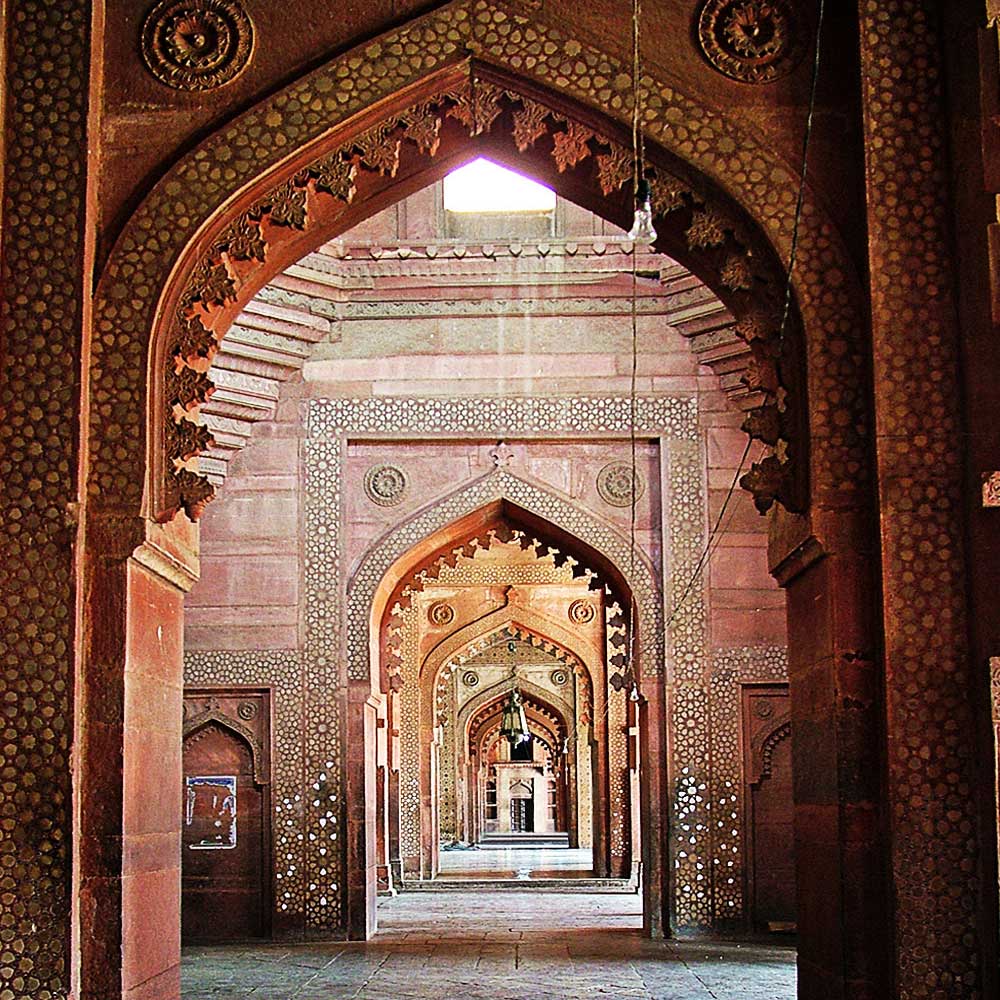
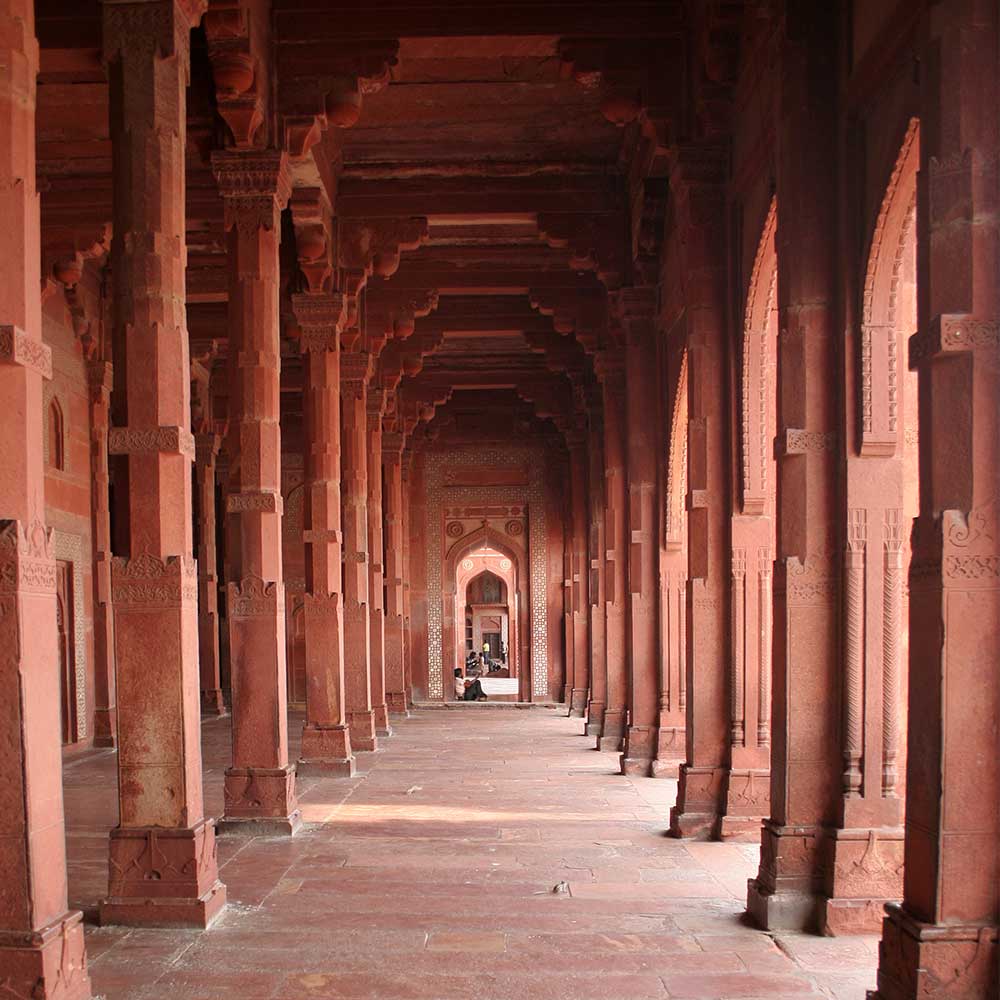
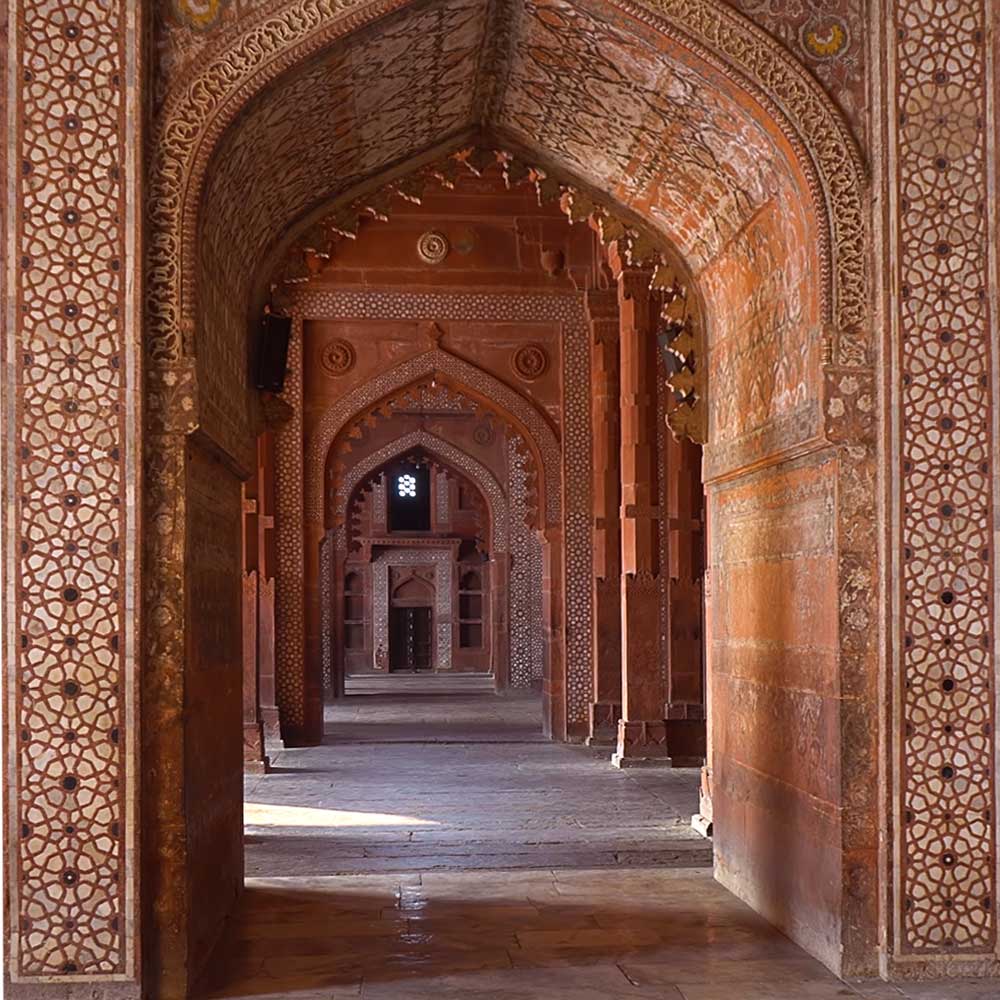
The long hallways of Jama Mosque, a
16th-century Sufi Friday mosque and dargah complex opened in 1571, Fatehpur Sikri, Agra, India
The Mughal Harem of the emperors of the Indian
subcontinent. built by Akbar 1570, Agra, India
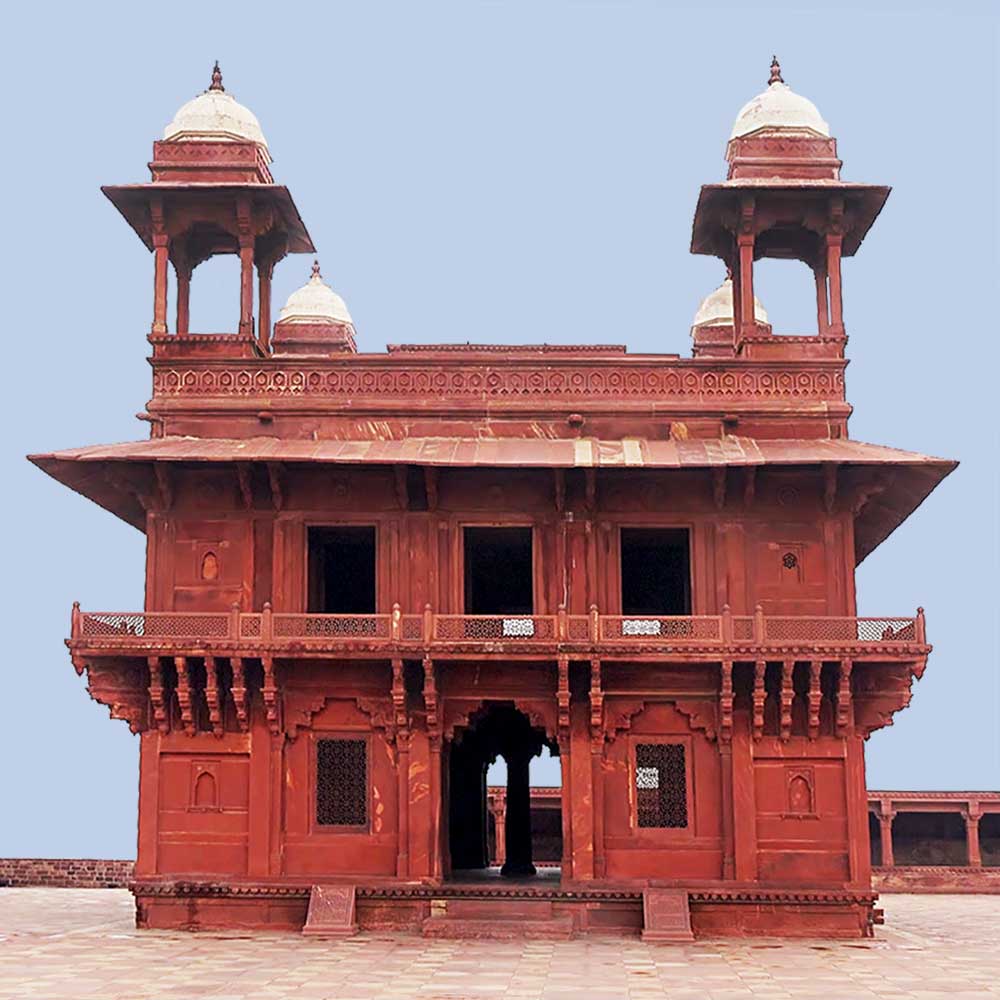
The Diwan-i-Khas, or Hall of Private
Audiences, was a chamber in the Red Fort of Delhi built-in 1648 as a location for receptions, Fatehpur Sikri, Agra, India
The Buland Darwaza, (Gate of Victory) is the
main entrance to the Jama Masjid, built in 1575 CE by Akbar, it is the highest gateway in India, standing at 54 meters (177 feet) high, Fatehpur
Sikri, India.
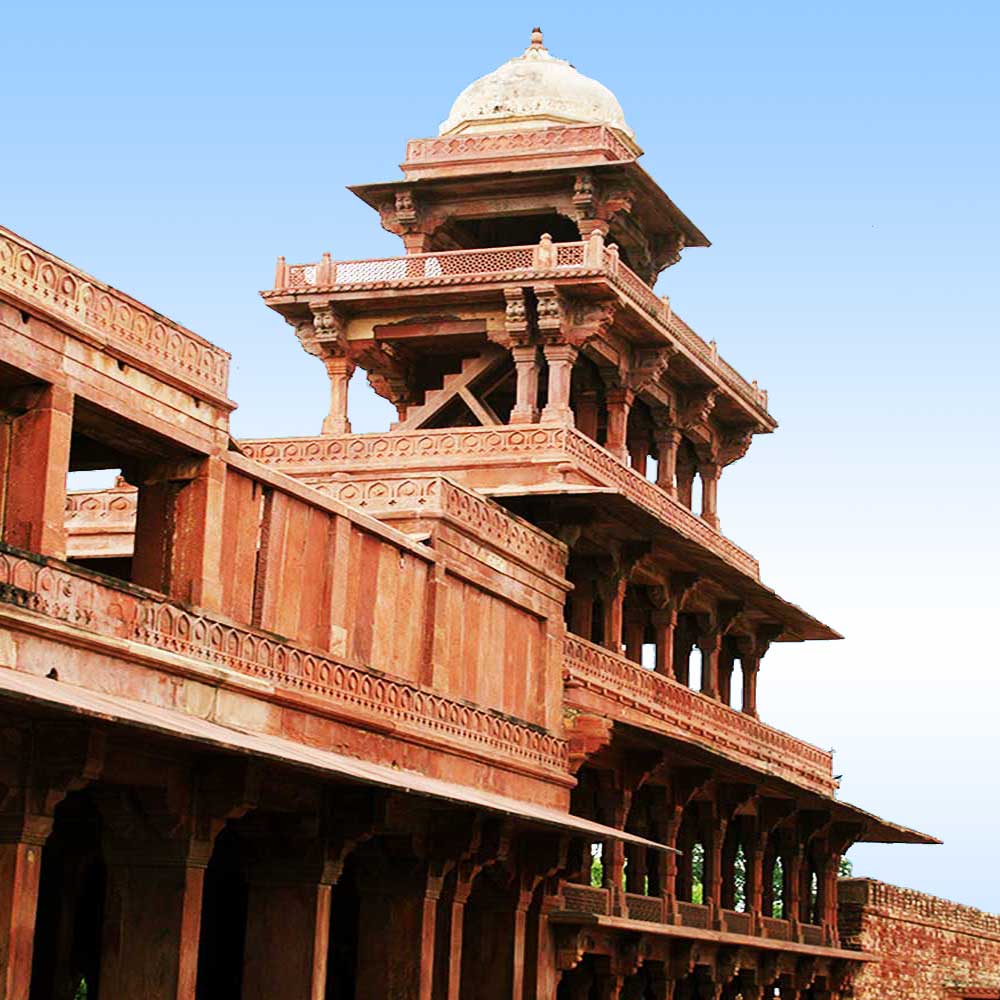
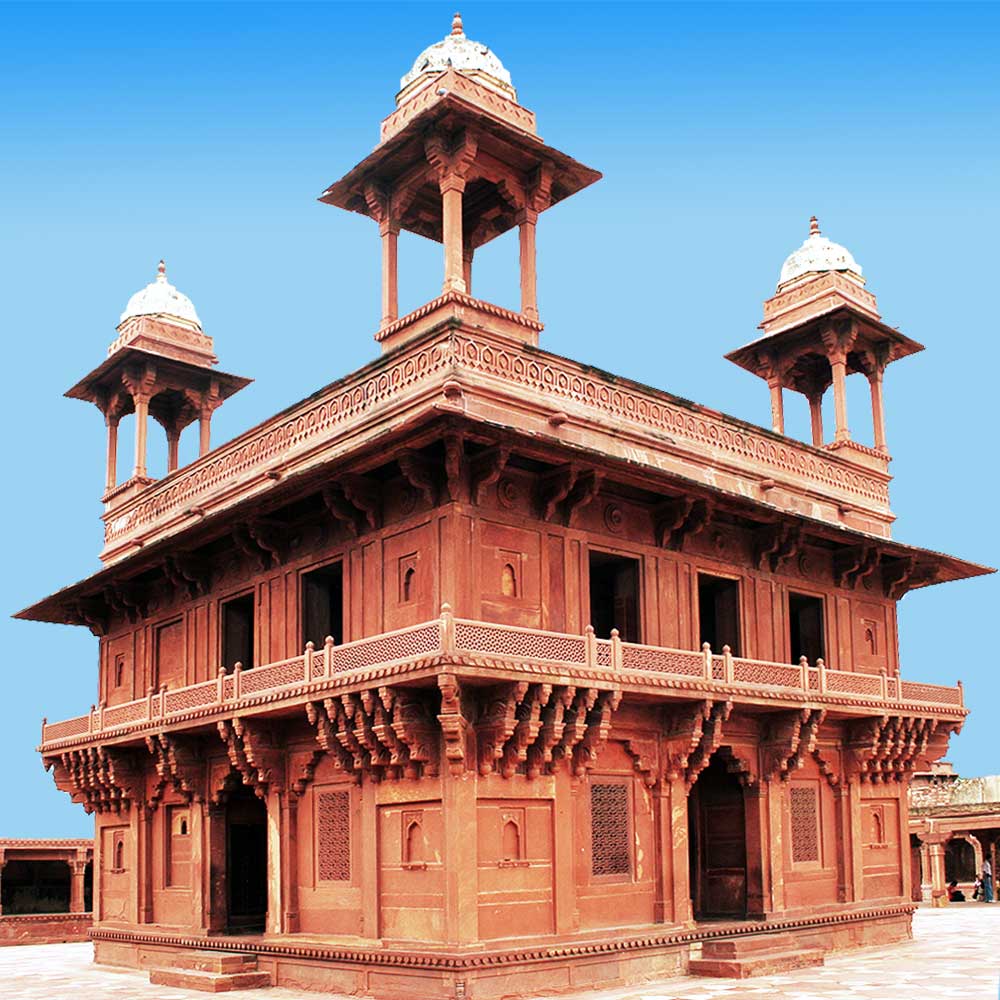
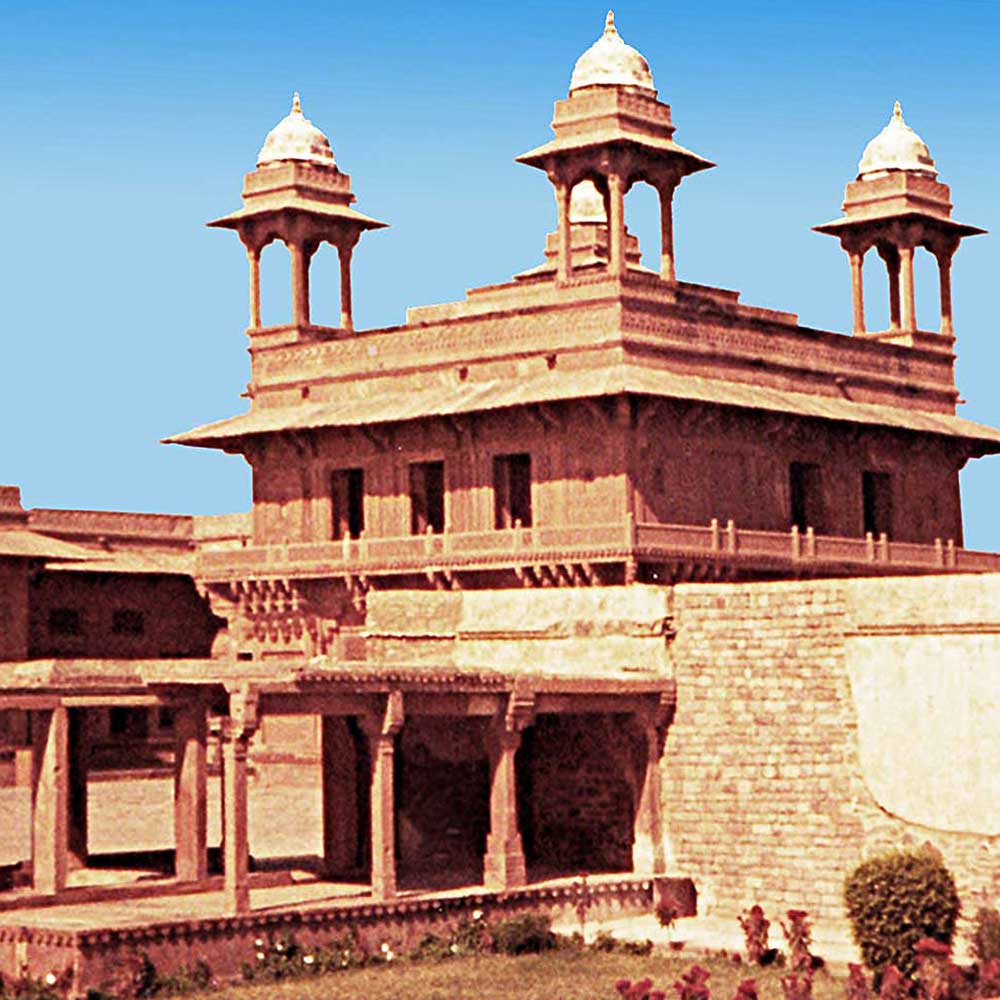
The Panch Mahal meaning 'Five level Palace'
consisting of four stories of decreasing size arranged asymmetrically on the ground floor, which contains 84 columns, Agra, India
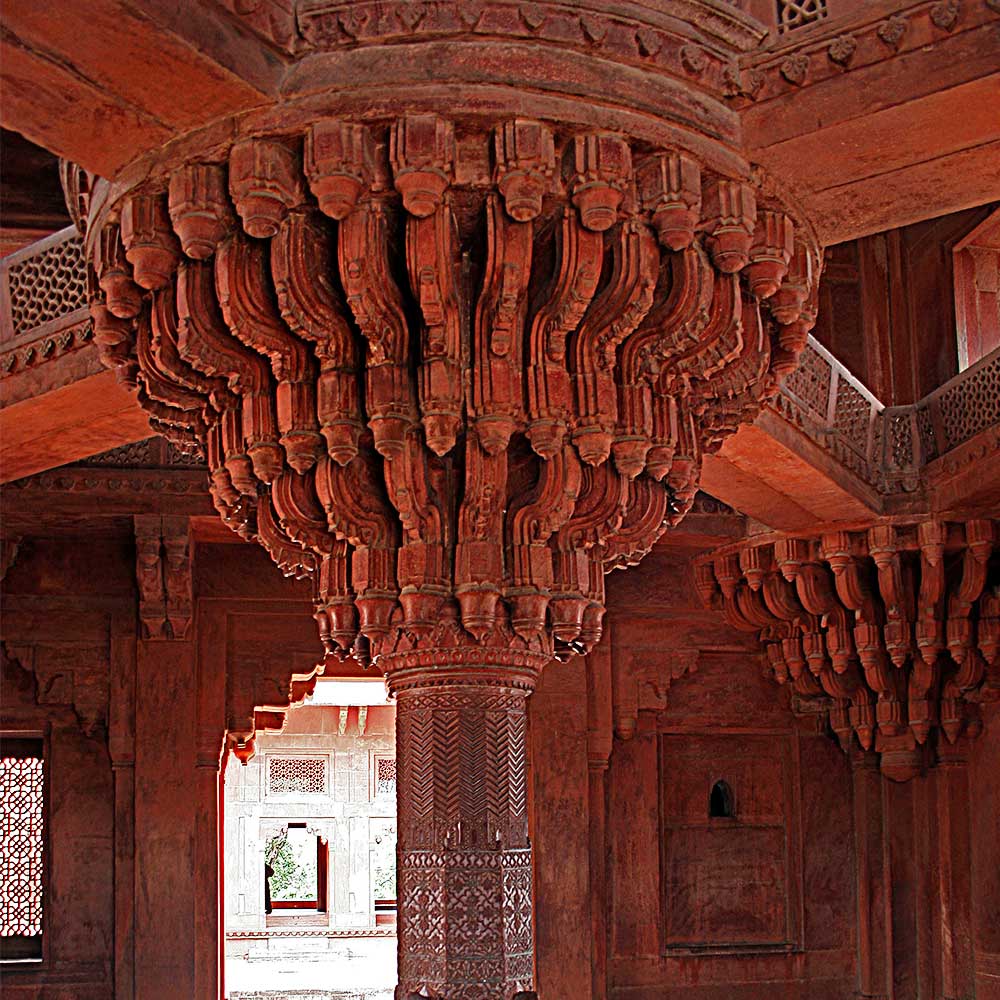
Mogul architecture at its best, the carved
redsandstone central column of Diwan-i-khas (Hall of Private Audiences), built by Akbar, 1570, Fatehpur Sikri, Agra, India
Out side the Jama Masjid, a 16th-century Sufi
Friday mosque and dargah complex, built by Akbar 1570, Fatehpur Sikri, Agra, India
Outside colonnade of the Jami Masjid mosque at
Fatehpur Sikri, built by Akbar 1570, Agra, India
Buland Darwaza, or the "Door of victory",
(inside view) construction was started in 1573 by Mughal Emperor Akbar to commemorate his victory over Gujarat, Agra, India
The long hallways of the Jama Mosque, is a
16th-century Sufi Friday mosque and dargah complex, opened in 1571, Fatehpur Sikri, Agra, India
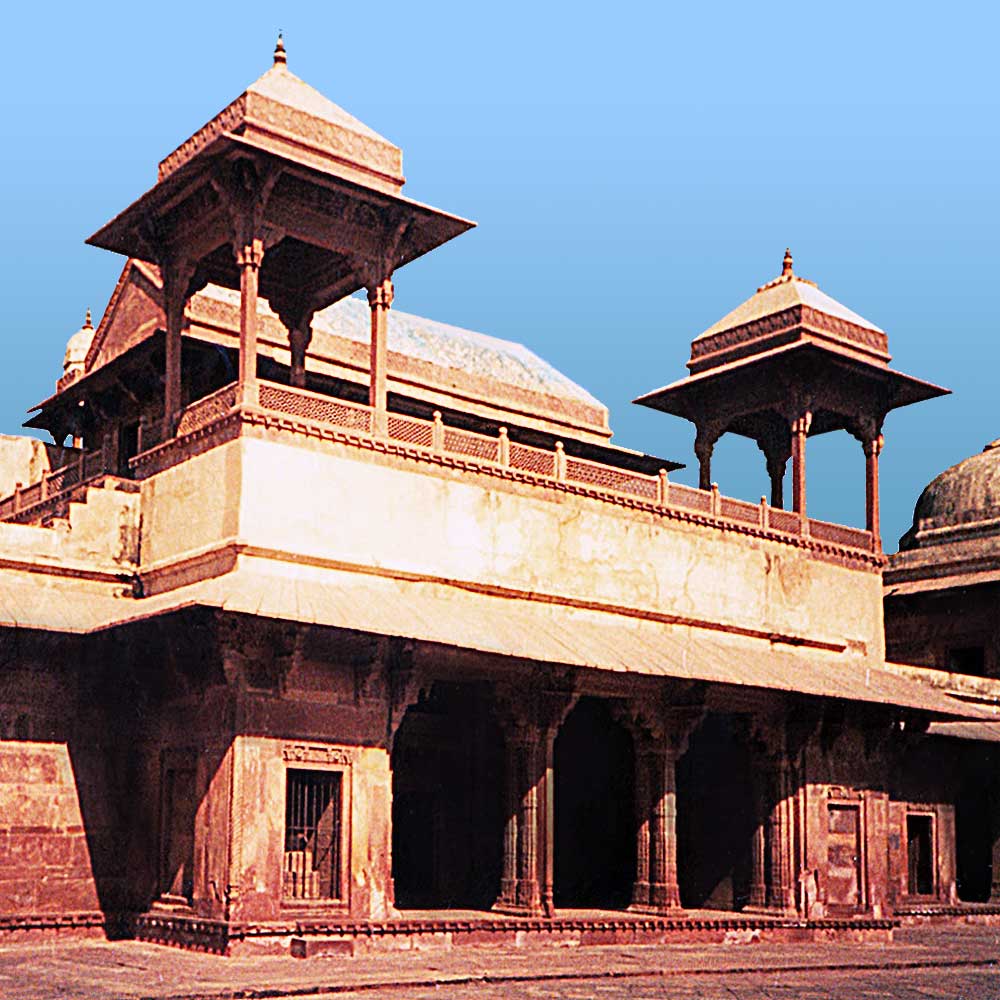
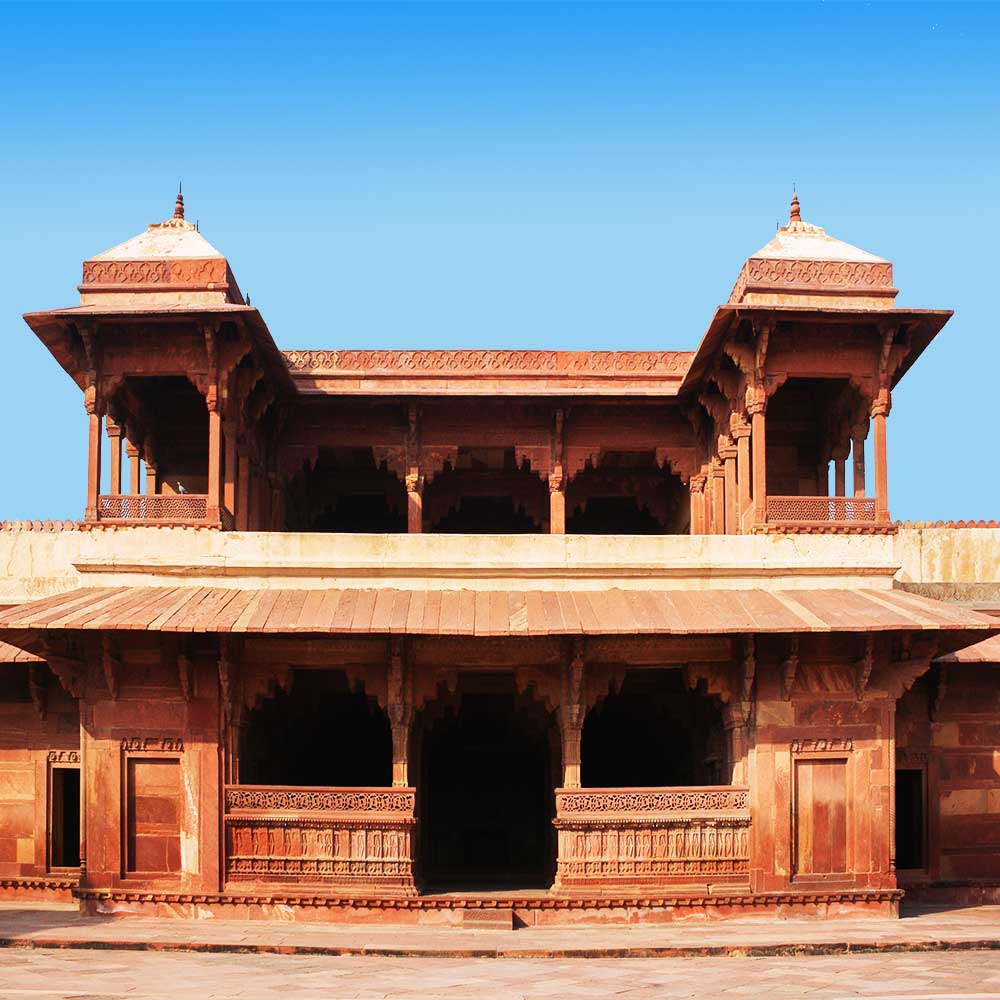
Astrologer's seat by the Treasury in Akbar's fort
built 1570, Fatehpur Sikri, India
The Panch Mahal meaning 'Five level Palace'
consisting of four stories of decreasing size arranged asymmetrically on the ground floor, which contains 84 columns, Agra, India
The Diwan-i-Khas, or Hall of Private
Audiences, was a chamber in the Red Fort of Delhi built-in 1648 as a location for receptions, Fatehpur Sikri, Agra, India
The Panch Mahal meaning 'Five level Palace' was
commissioned by Akbar. This structure stands close to the Zenana quarters which supports the supposition that it was used for entertainment and
relaxation.
The imposing gate located directly opposite the
Jami Masjid is also known as the King's Gate built by Akbar 1578, in Fatehpur Sikri, Agra District of Uttar Pradesh, India
Detail of Jodha Bai Mahal' is the largest palace
in Fatehpur Sikri commissioned by Mughal Emperor Akbar in 1569 for his favourite queen consort, Mariam-uz-Zamani, commonly known as 'Jodha bai' .
Buland Darwaza: Set into the south wall of
congregational mosque at Fatehpur Sikri is 54 metres (177 ft) high, built by Akbar 1570, Agra District of Uttar Pradesh, India
Panch Mahal, 'Five level Palace' built by Akbar
1578, Fatehpur Sikri, Agra District of Uttar Pradesh, India
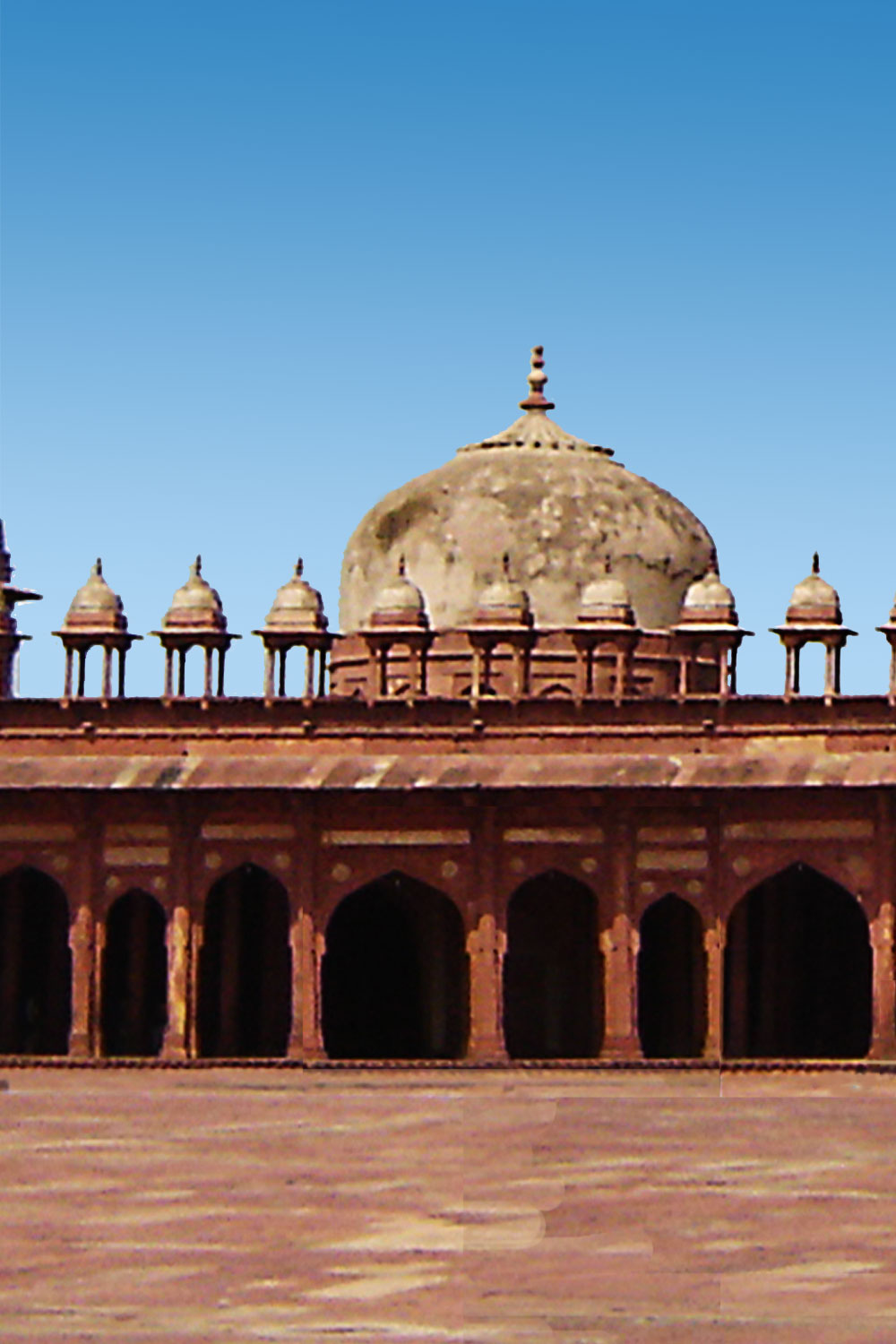
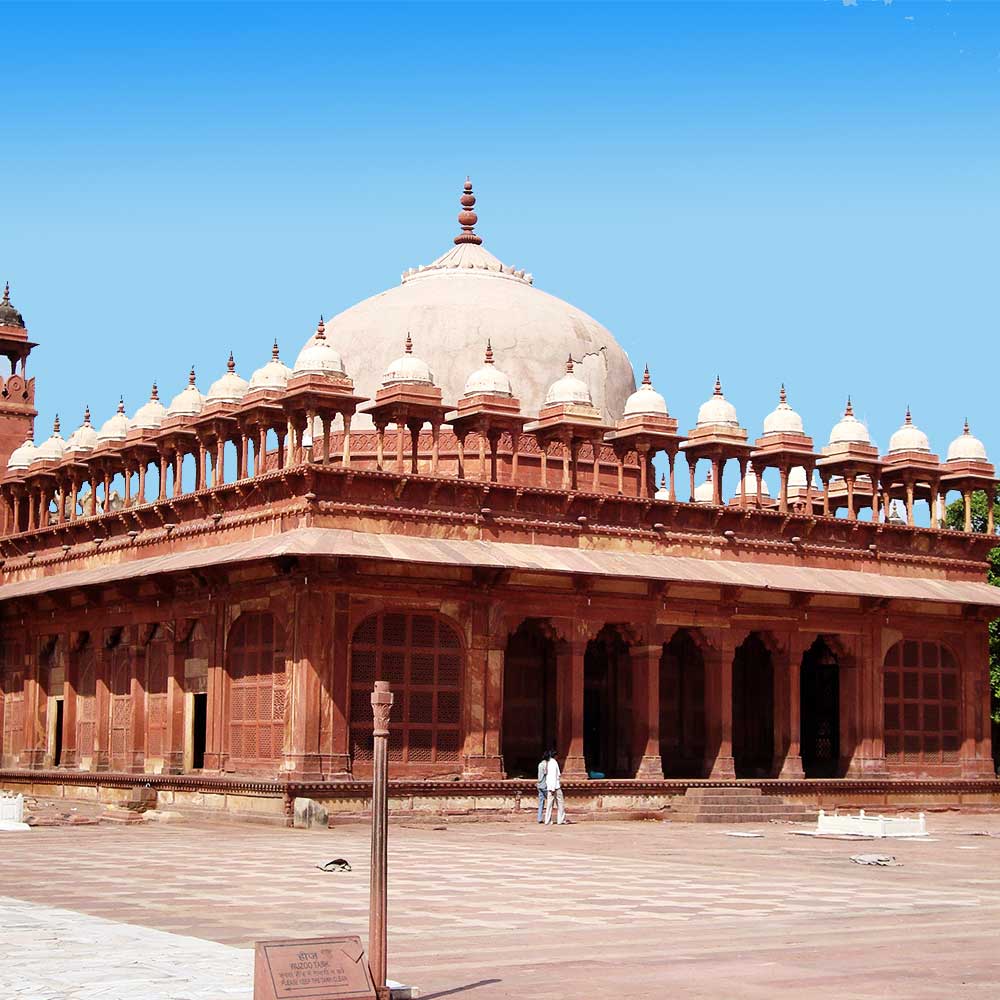
The tomb of Islam Khan, 1613, in the courtyard
of the Jama Masjid, Fatehpur Sikri, India
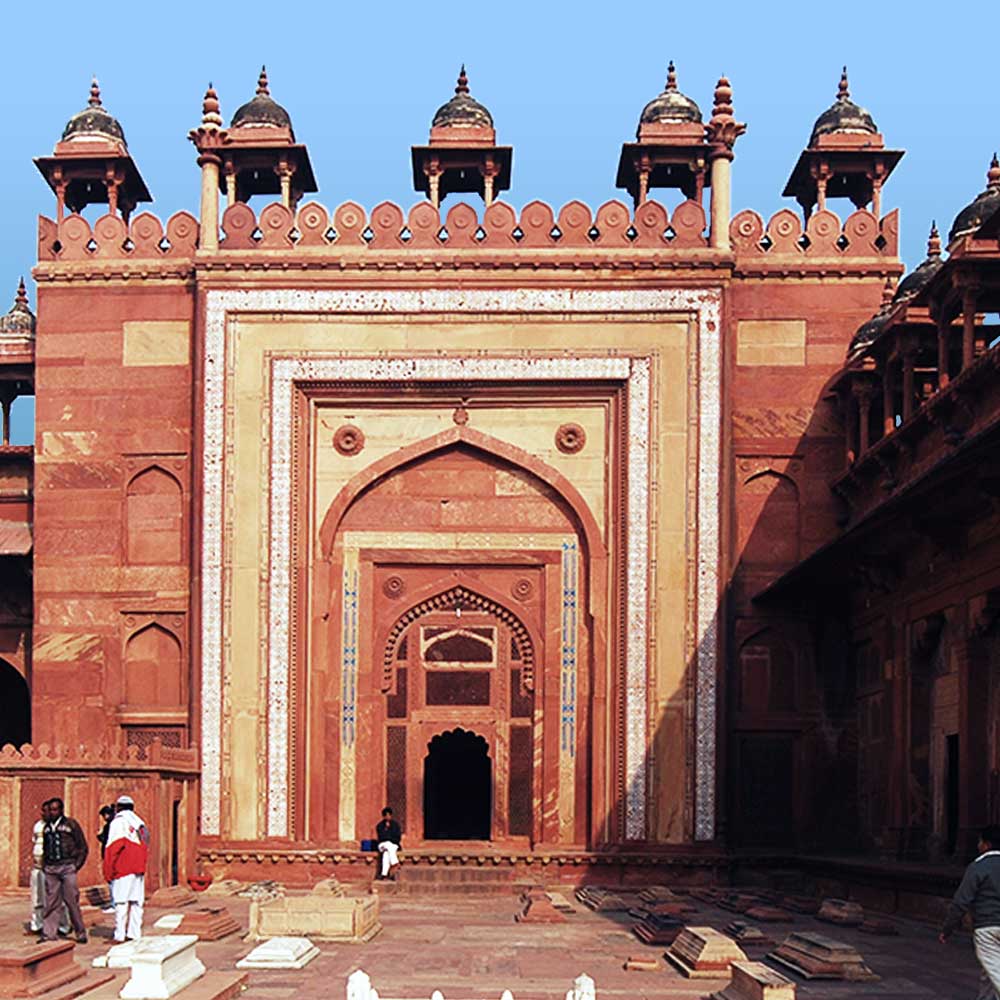
Jami Masjid Mosque Gate from inside, built by
Akbar, 1571, Fatehpur Sikiri, India
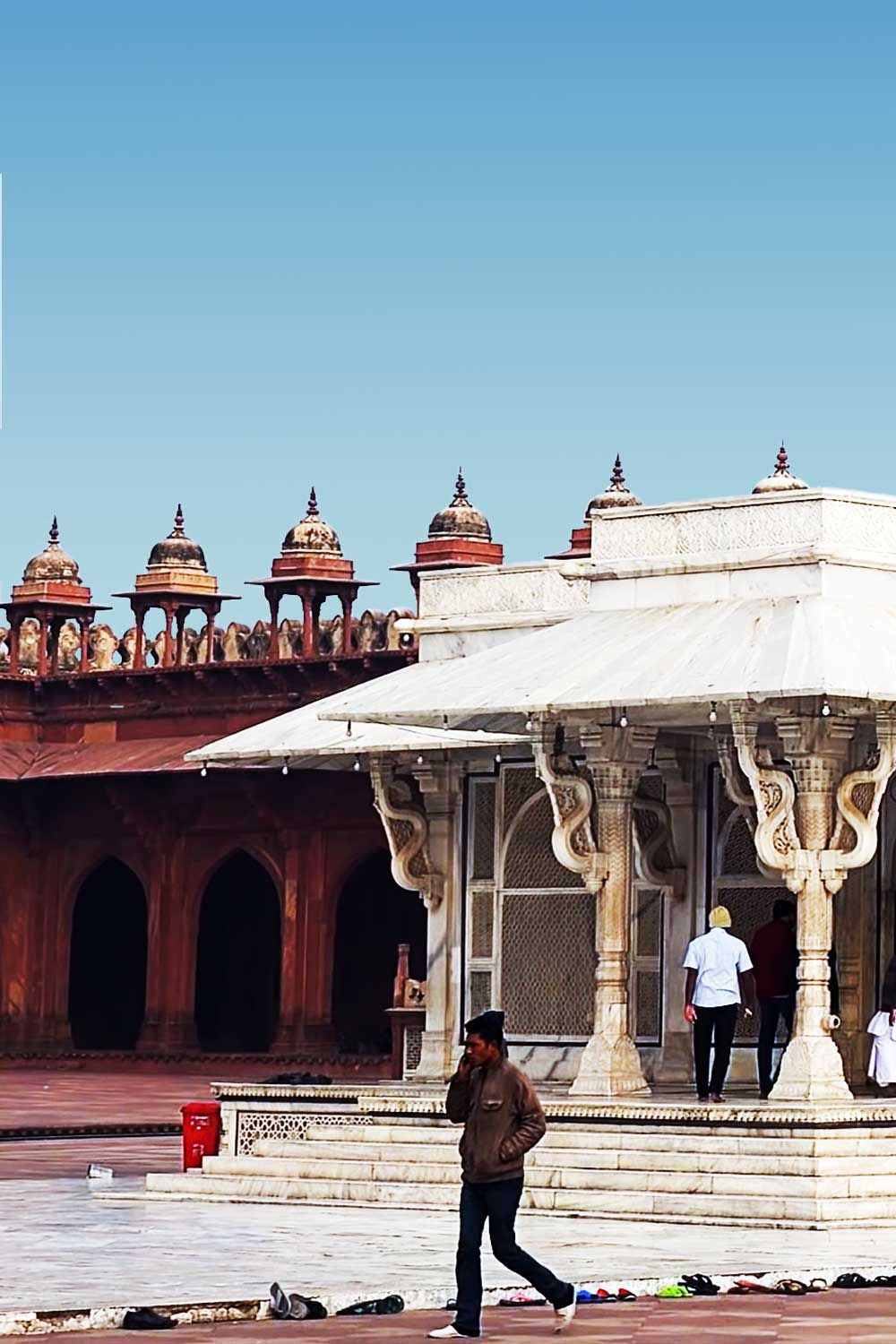
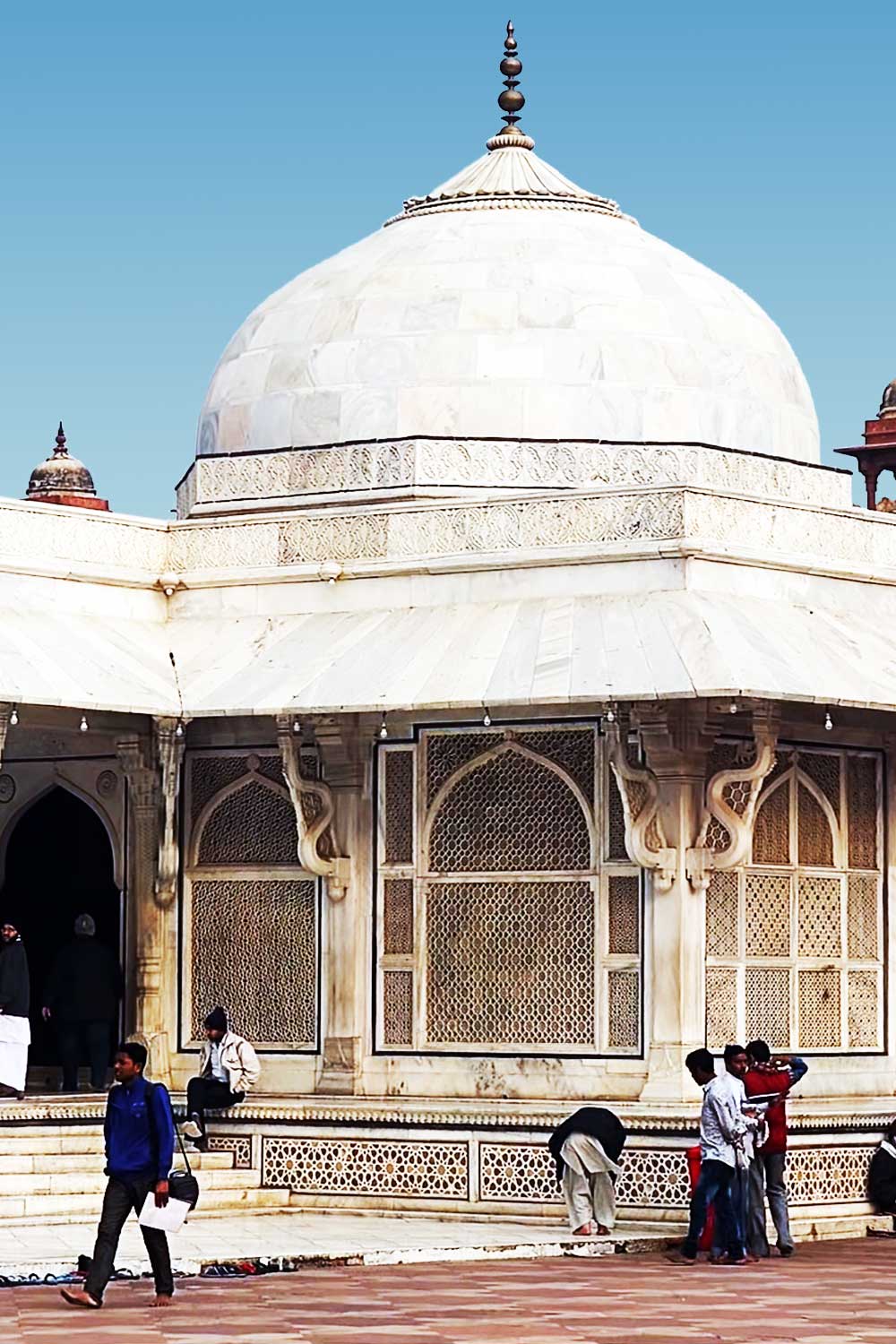
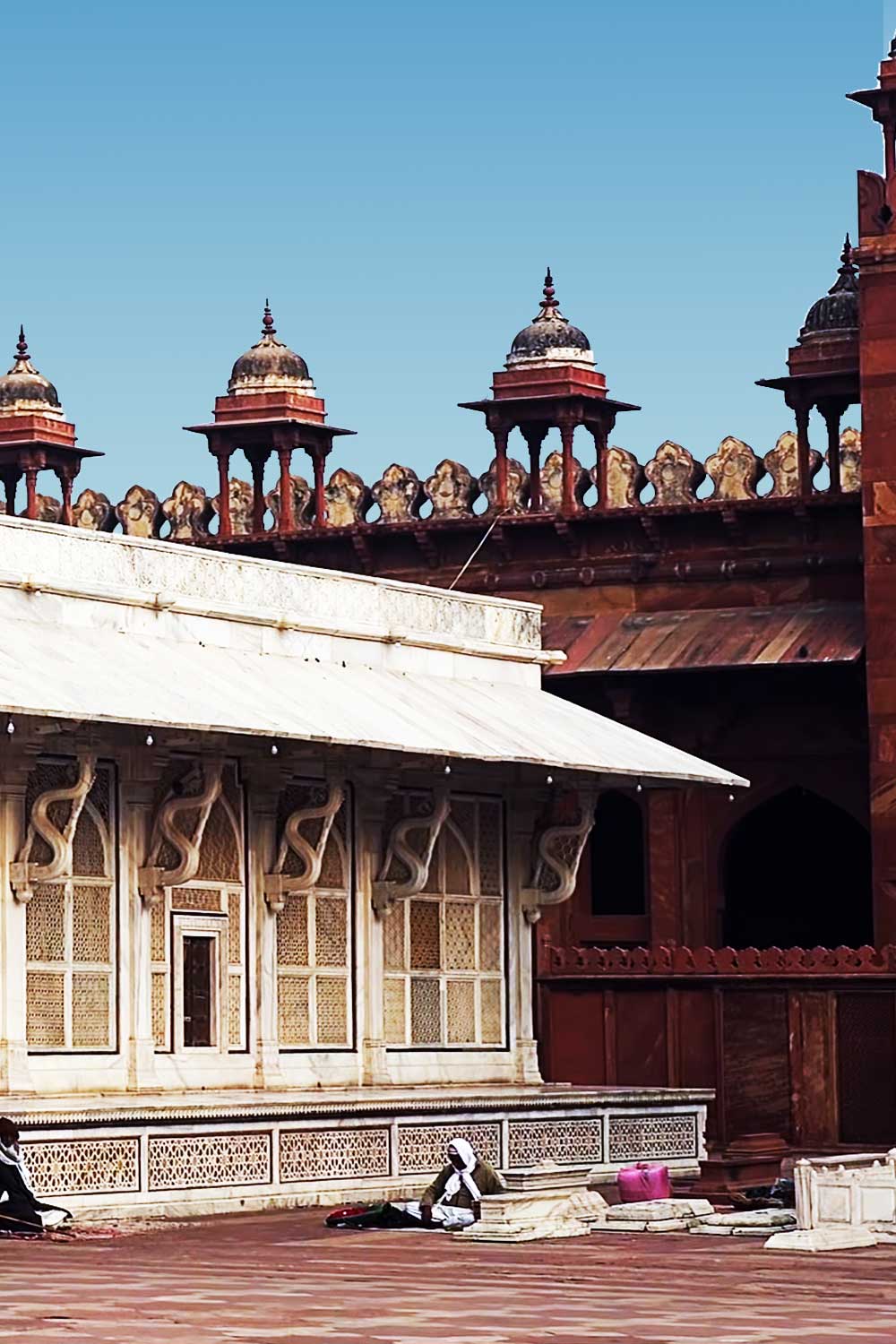
1.) Tomb of Sufi Salim Chishti, at Jama Masjid
Courtyard, the tomb is enclosed by 19 jali latticework screens,
2.) made of perforated marble on all sides, and
is considered one of the finest examples of Mughal architecture in India,
3.) to see a compilation of the 19 Jali
screens; click on this link (then click on the
hour glass to enlarge the image and scroll to the left to start)