Dia Art Foundation
Dia Art Foundation, founded in 1974 by Philippa de Menil, Heiner Friedrich, and Helen Winkler, was created as a radical alternative to the traditional museum,
offering artists the time, space, and support needed for projects too large, remote, or long‑term for conventional institutions. Its mission grew from the experimental practices of
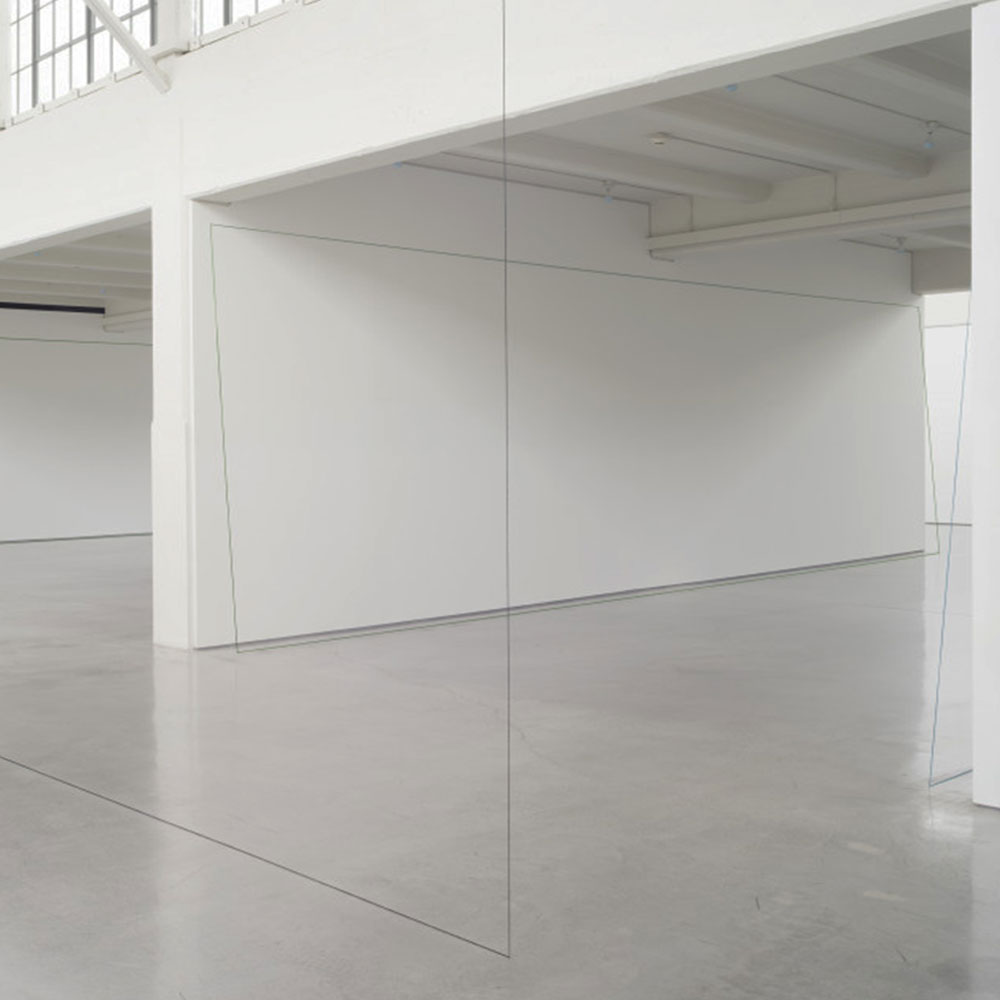
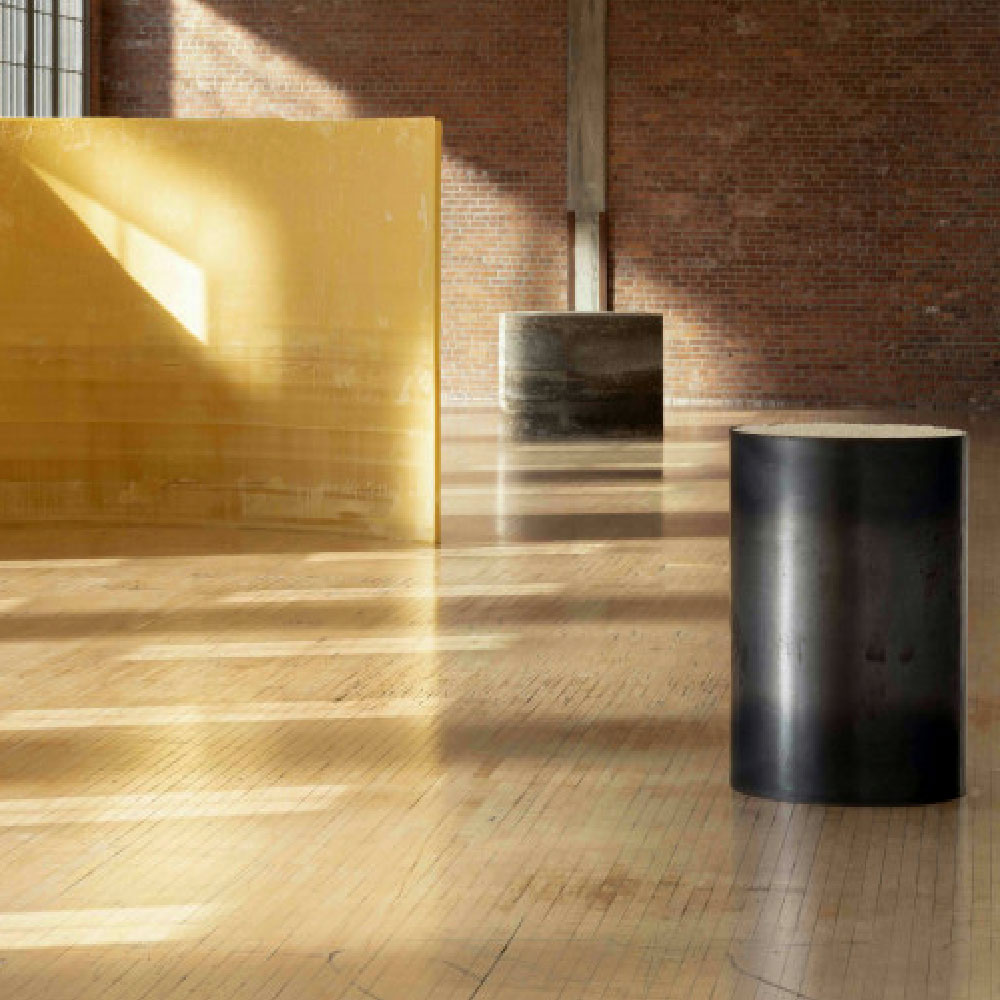
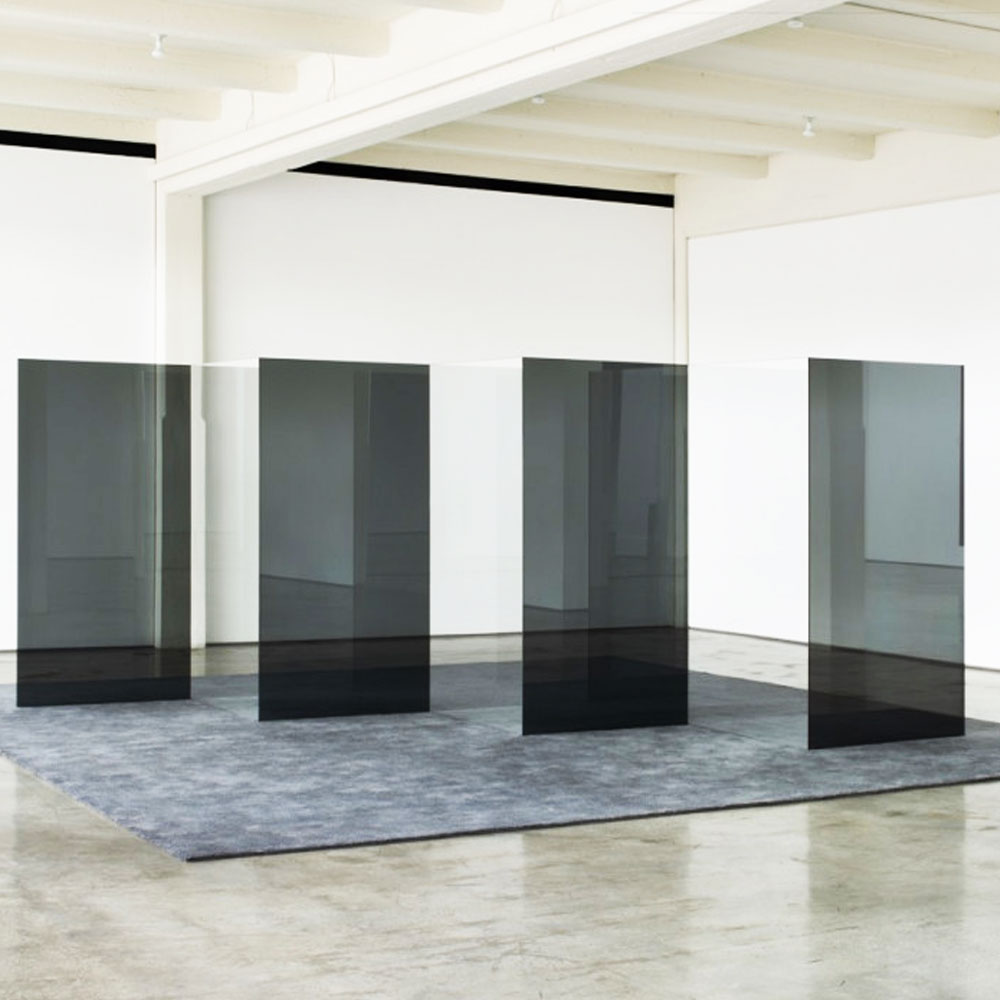
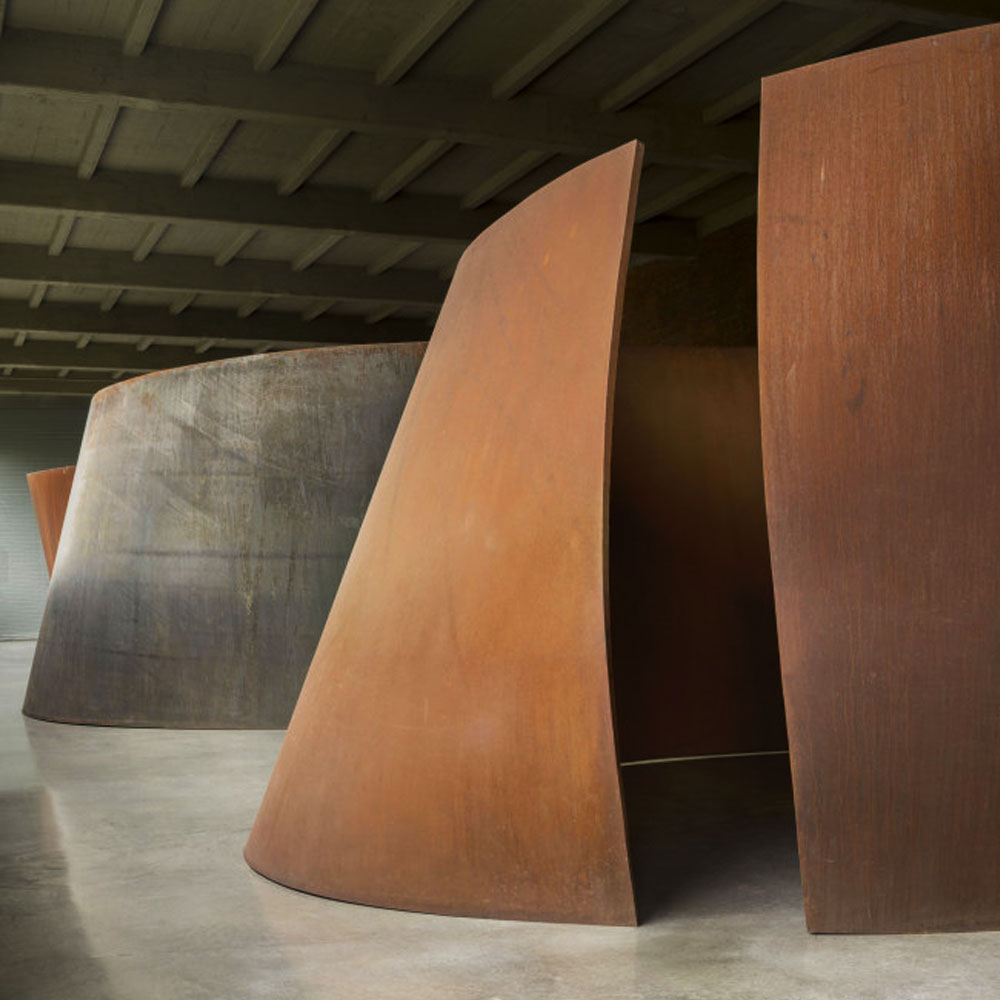
the 1960s and 1970s, when artists began working across vast landscapes, industrial sites, and extended durations. Dia Beacon, opened in 2003 in a former Nabisco factory on the
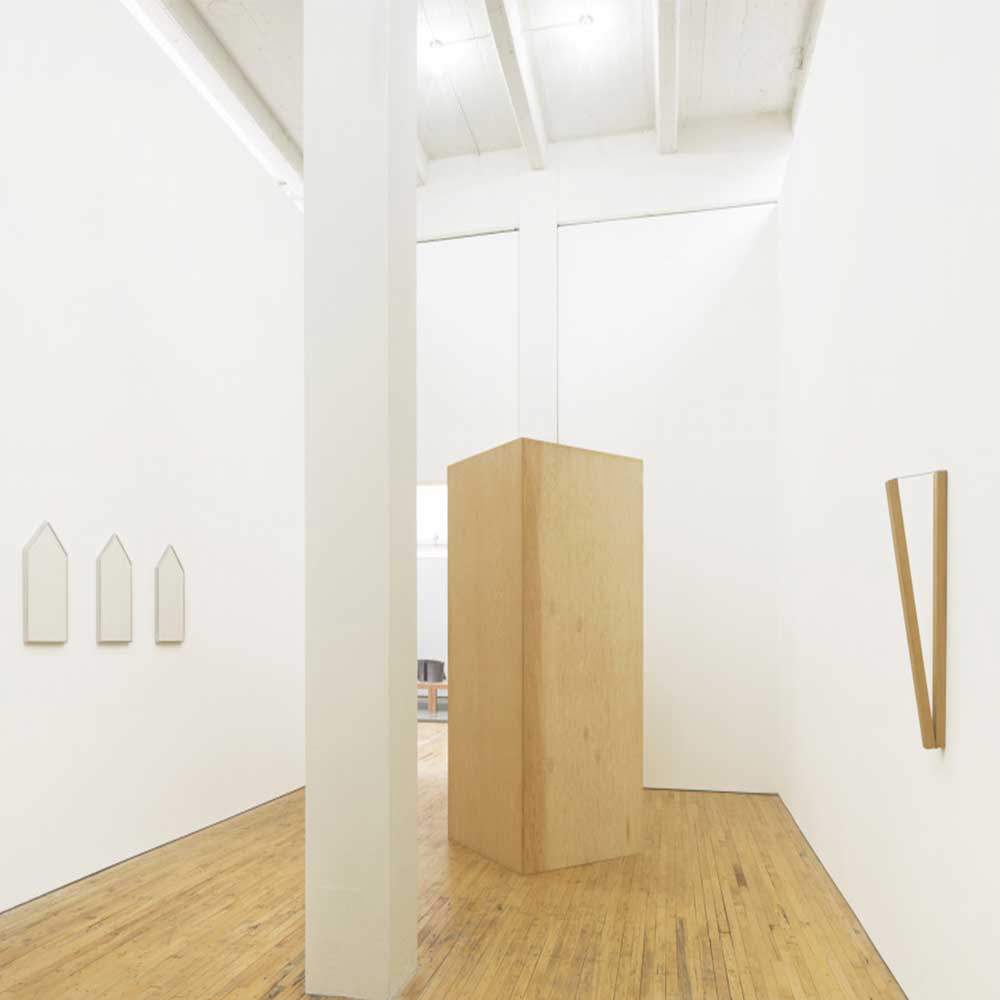
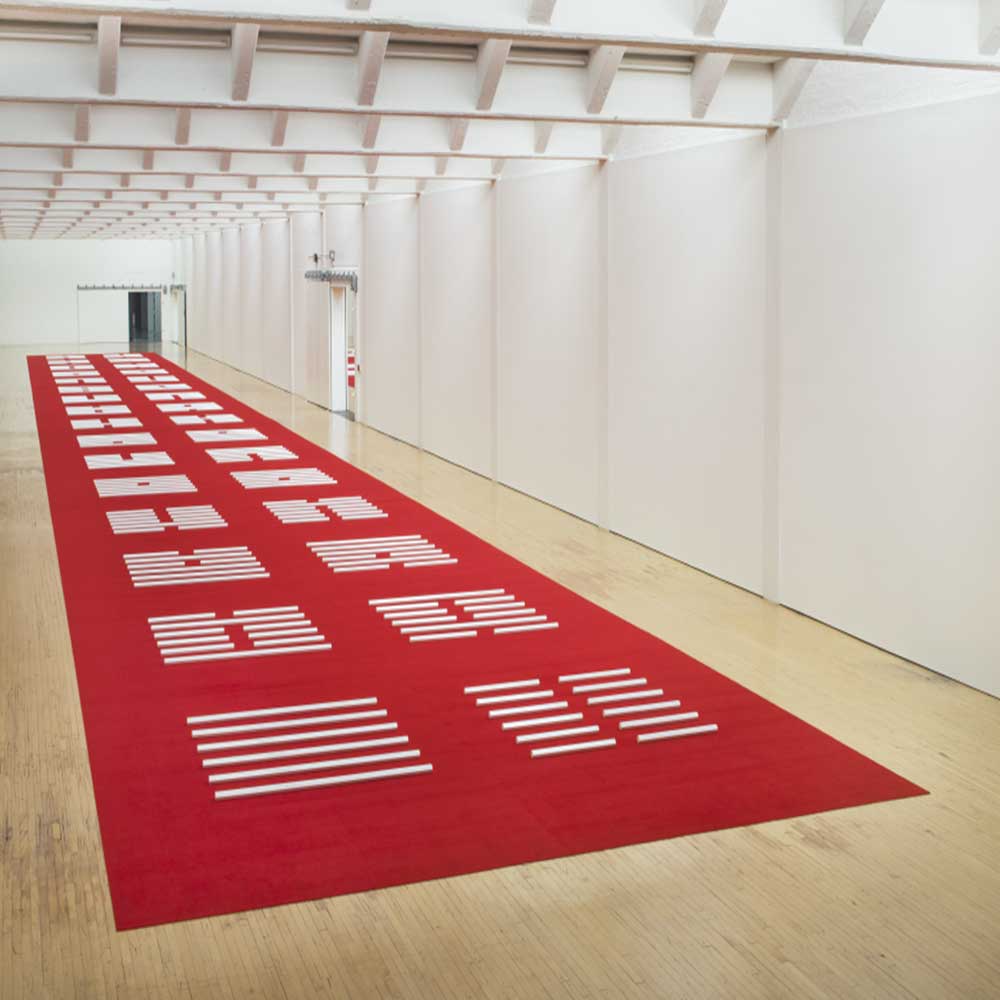
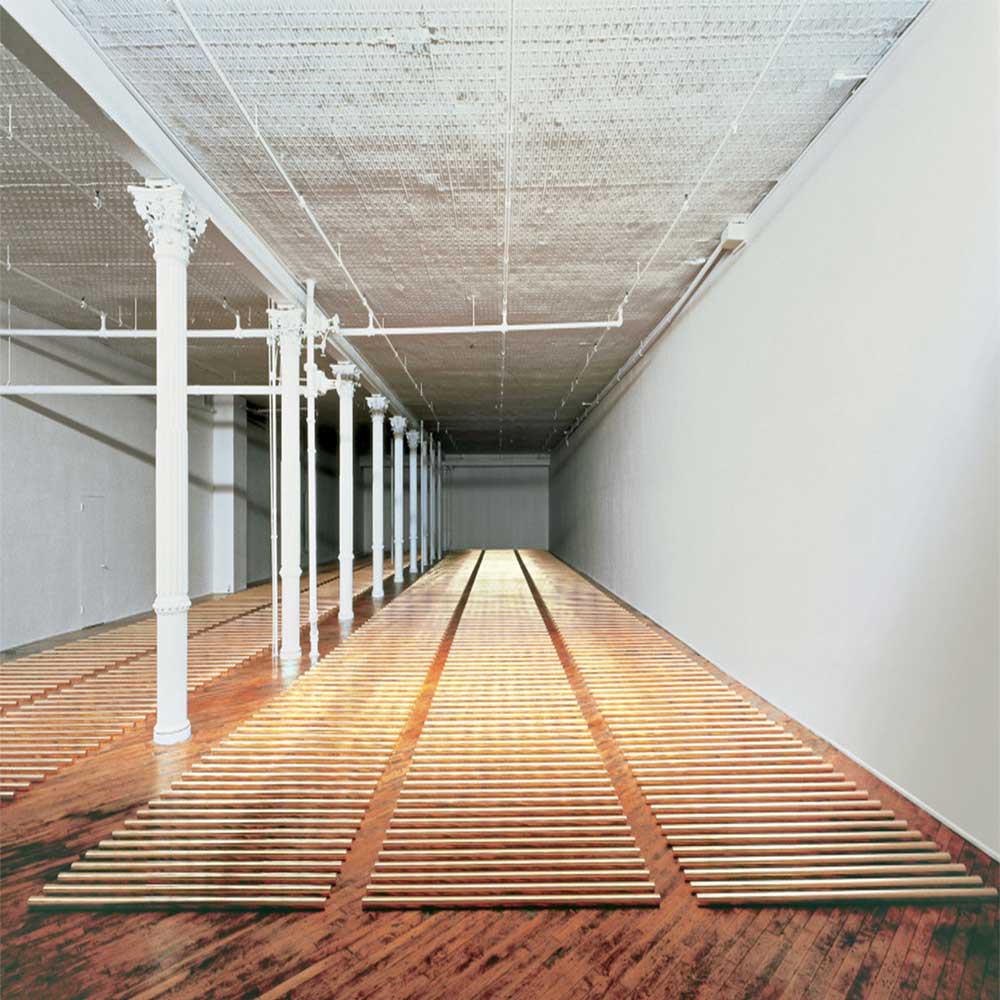
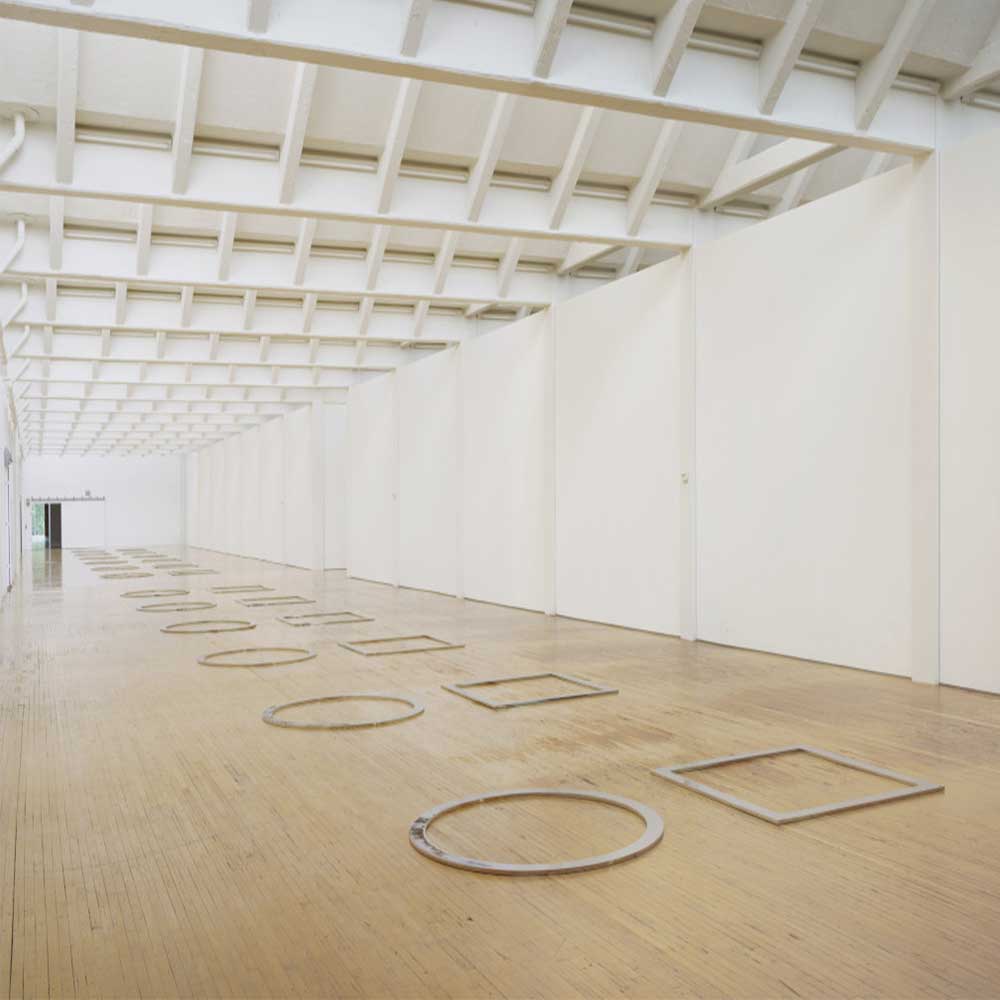
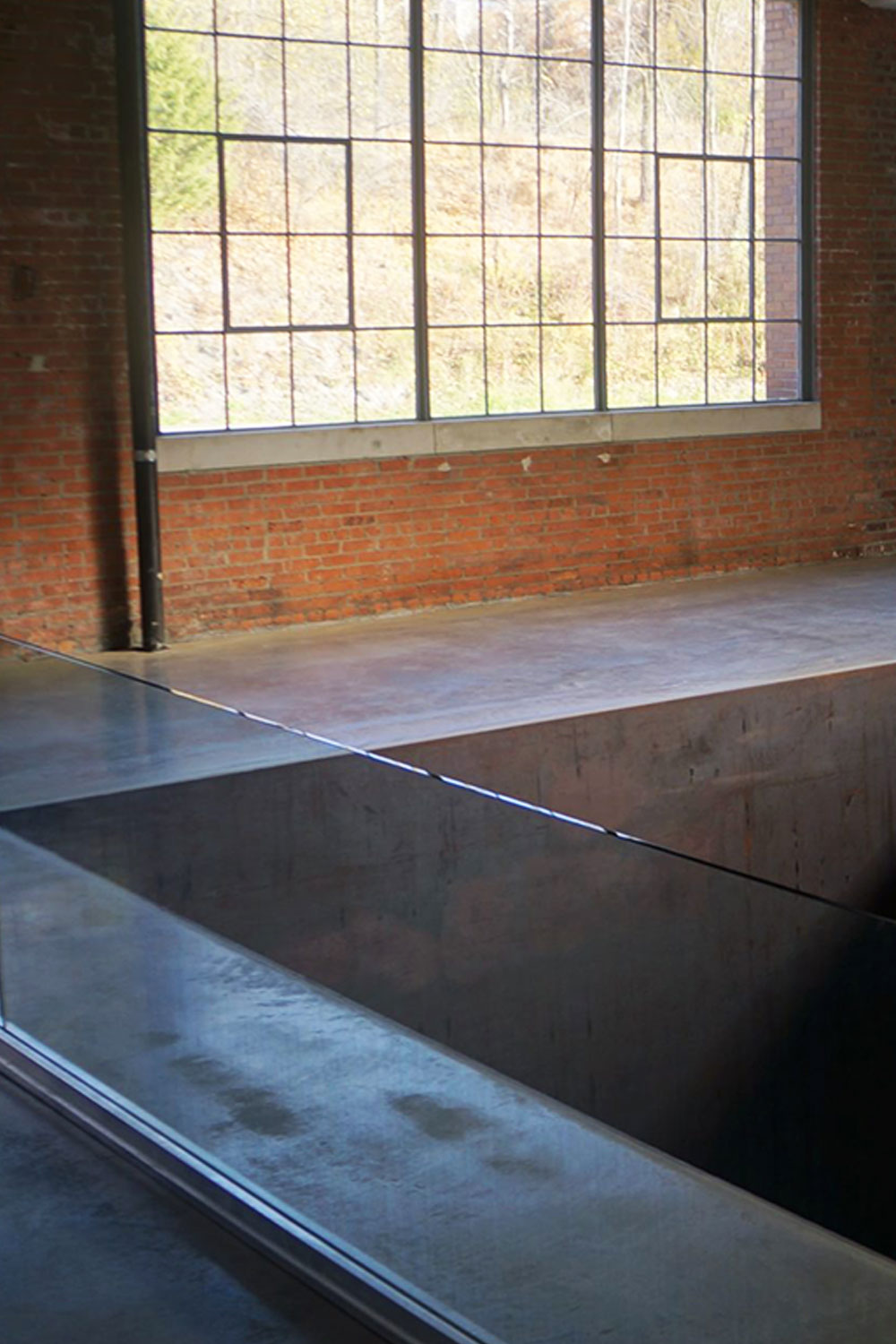
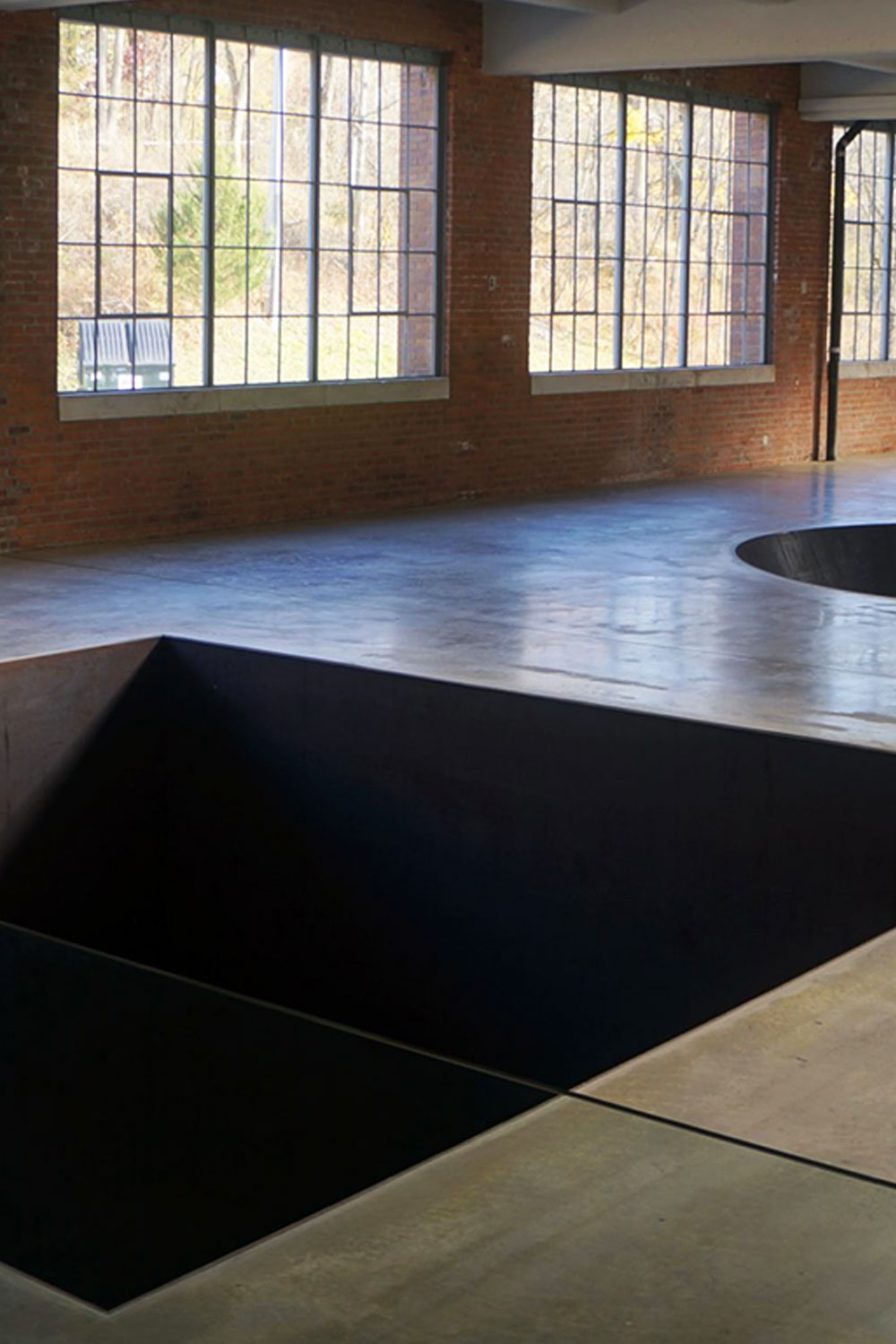
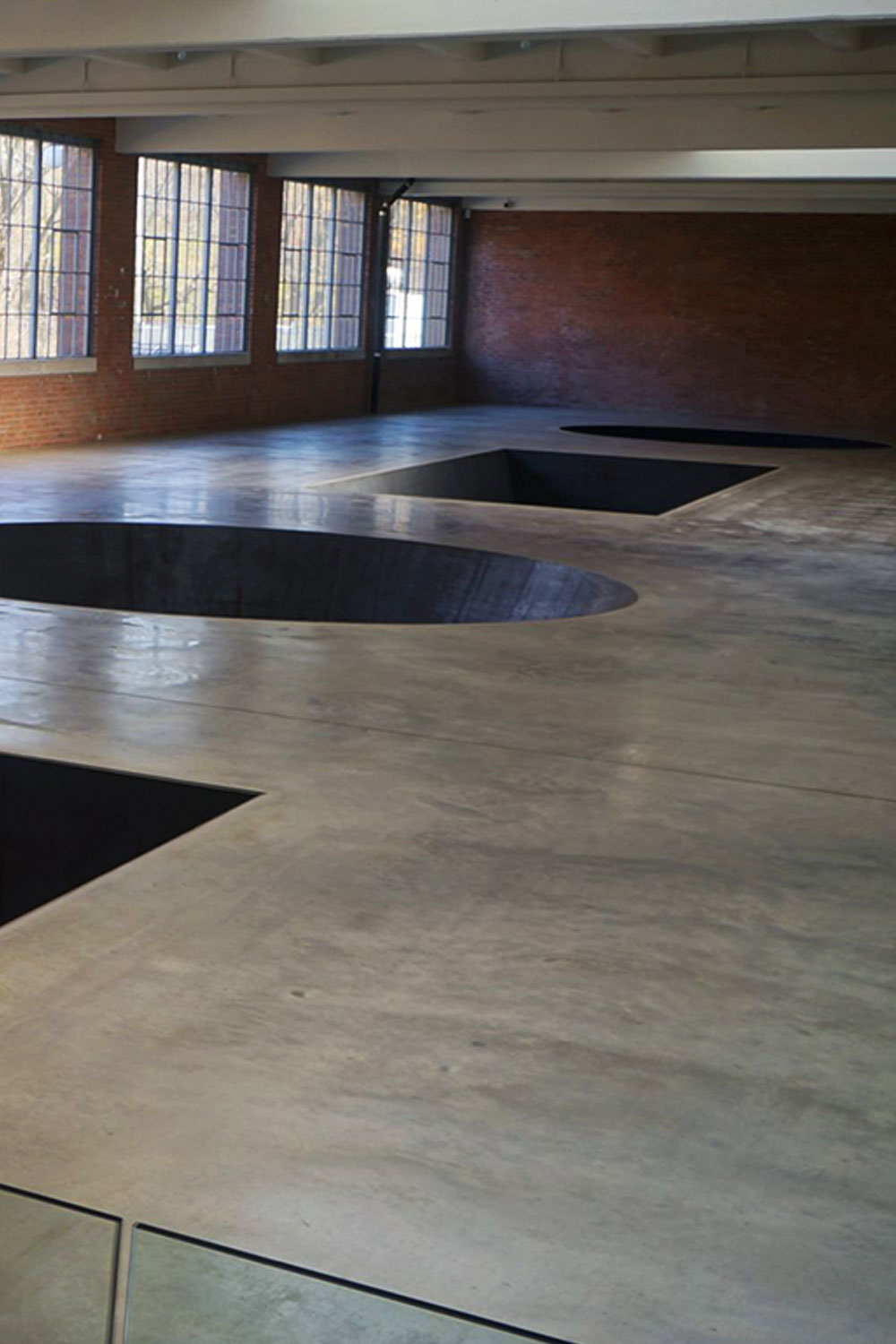
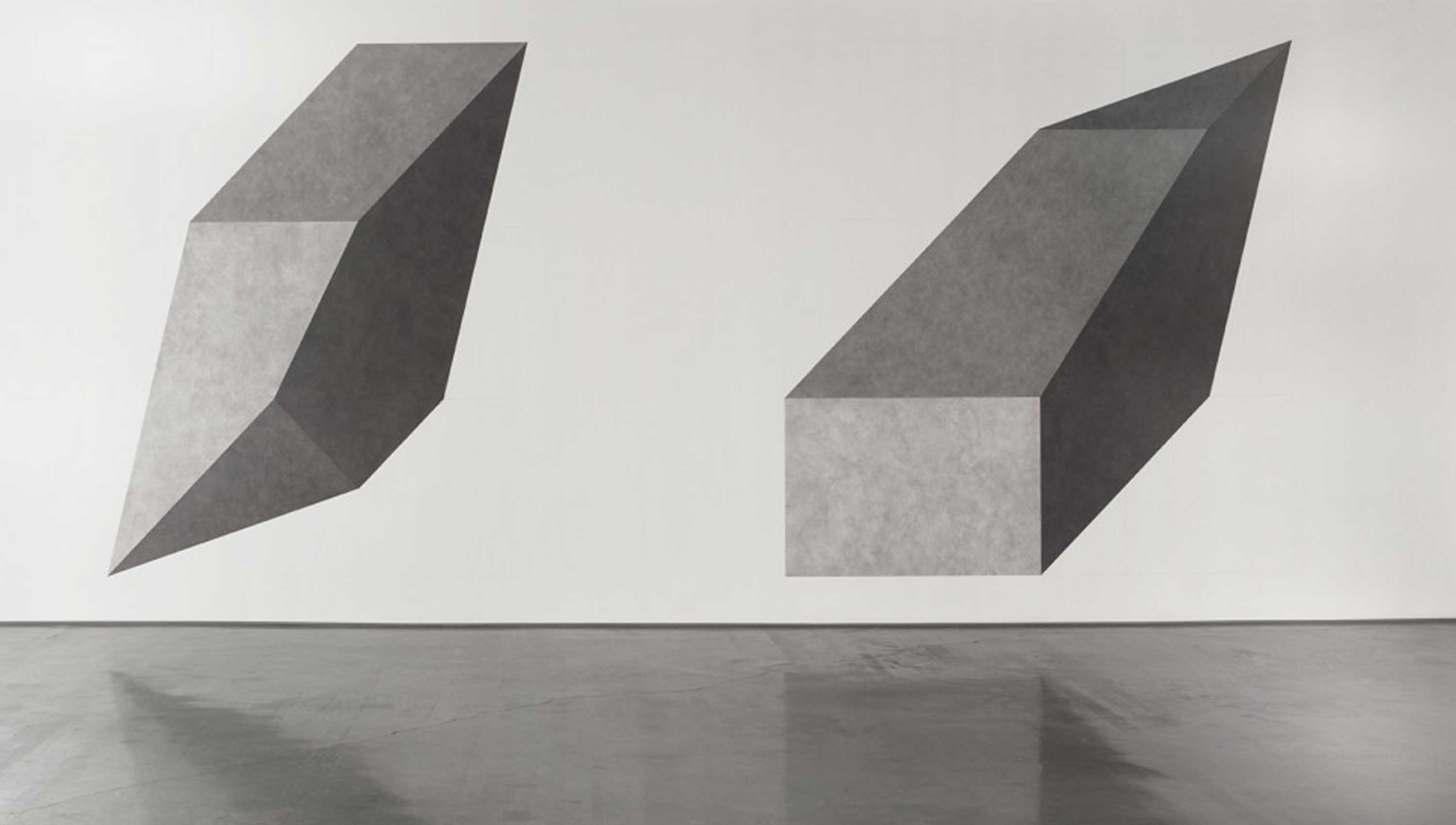
Hudson River, presents major postwar works by artists such as Dan Flavin, Donald Judd, Agnes Martin, Walter De Maria, and Joseph Beuys, with the building’s natural light and open
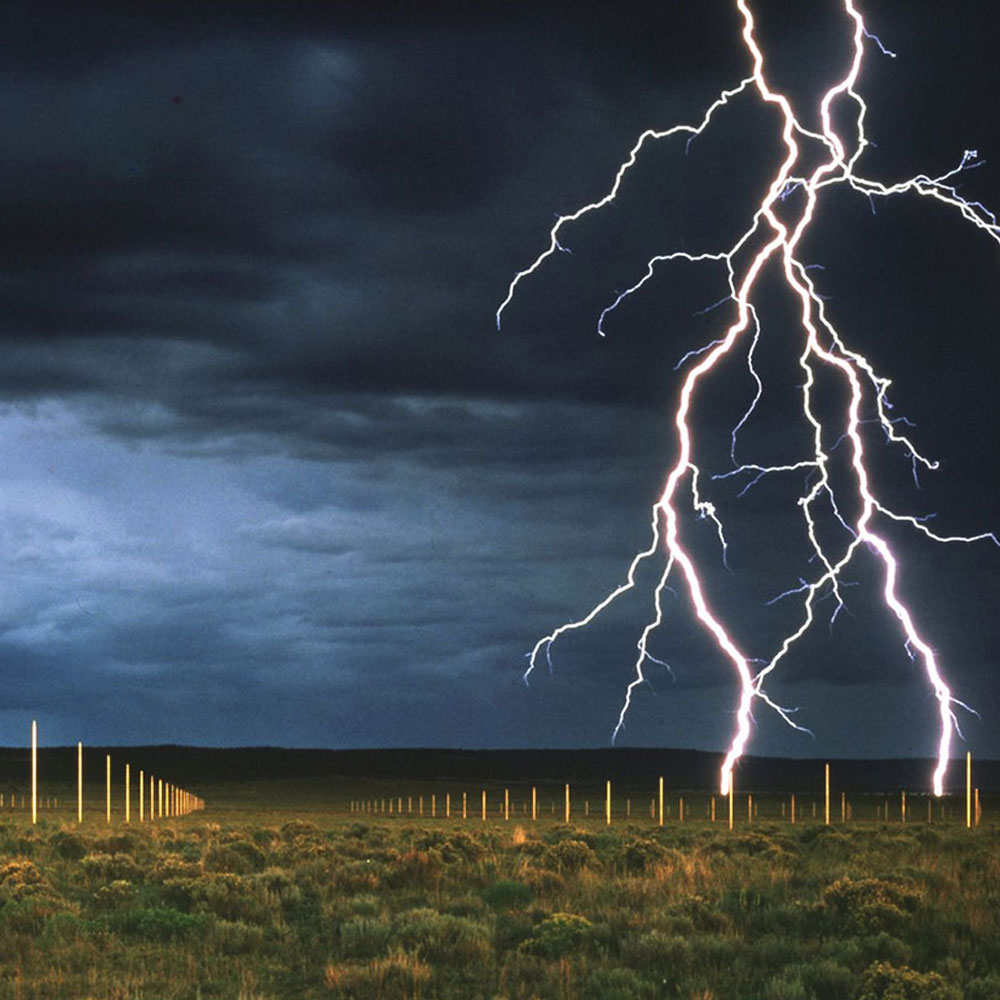
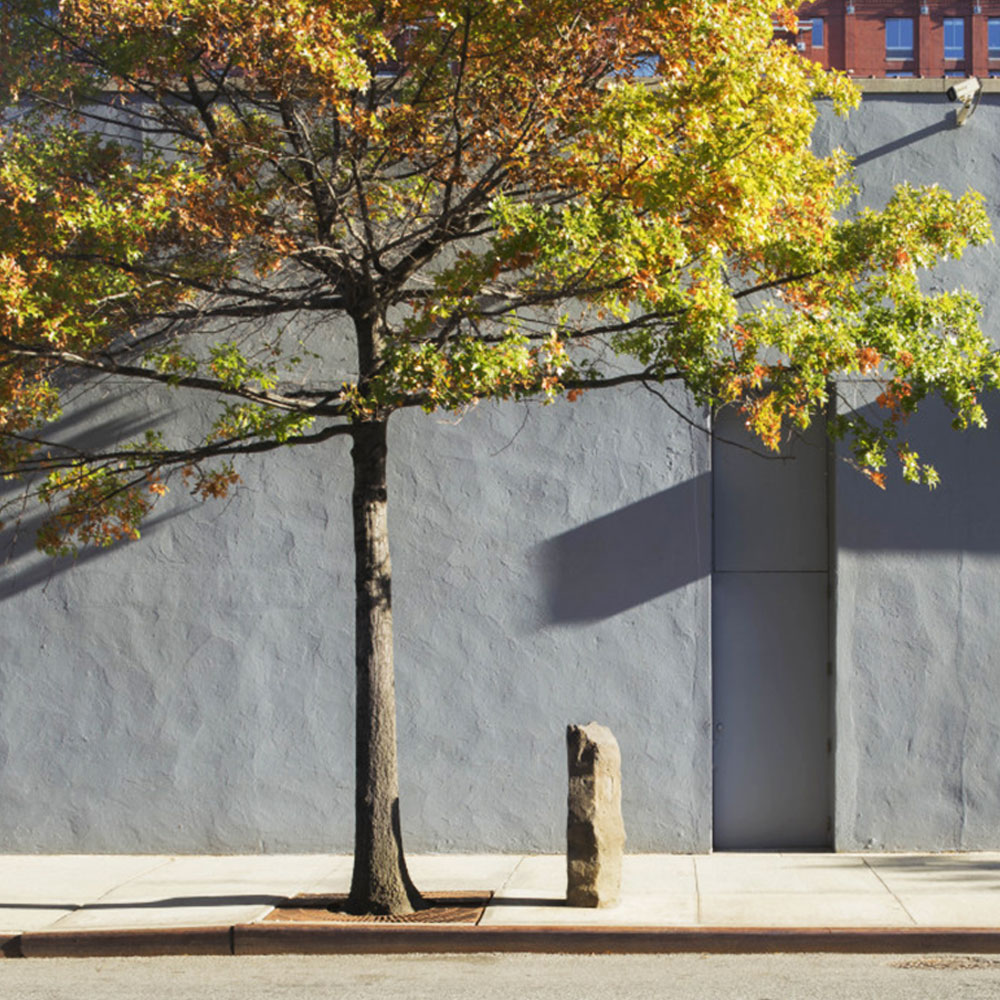
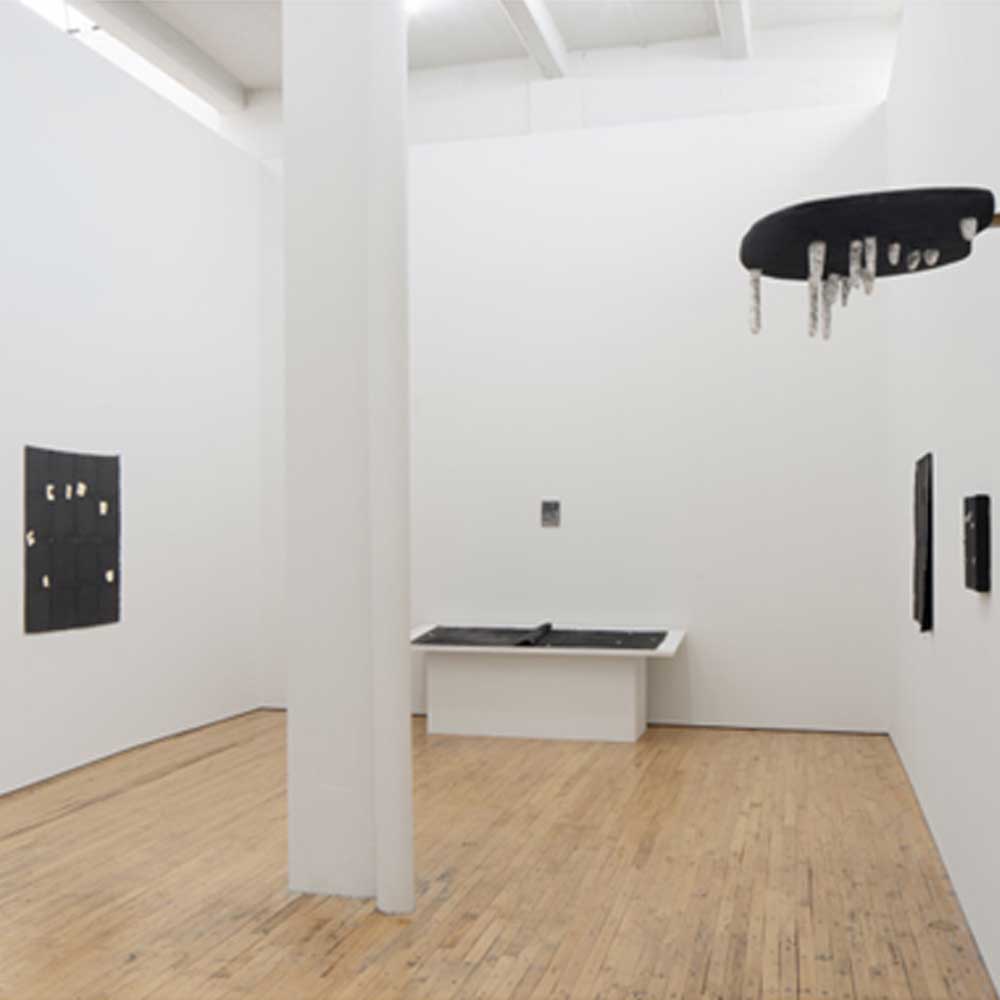
scale functioning as part of the experience. Dia Chelsea serves as the foundation’s New York hub for rotating exhibitions, new commissions, and long‑term installations. Beyond its
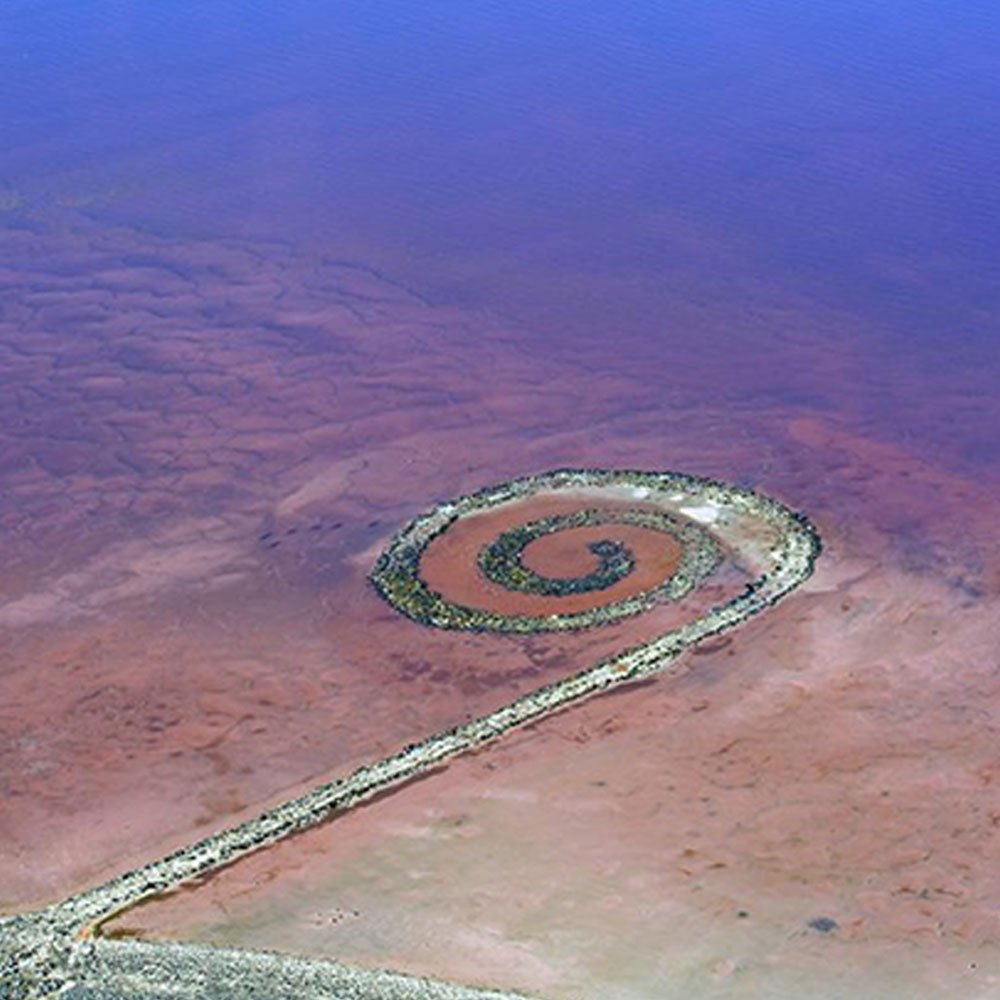
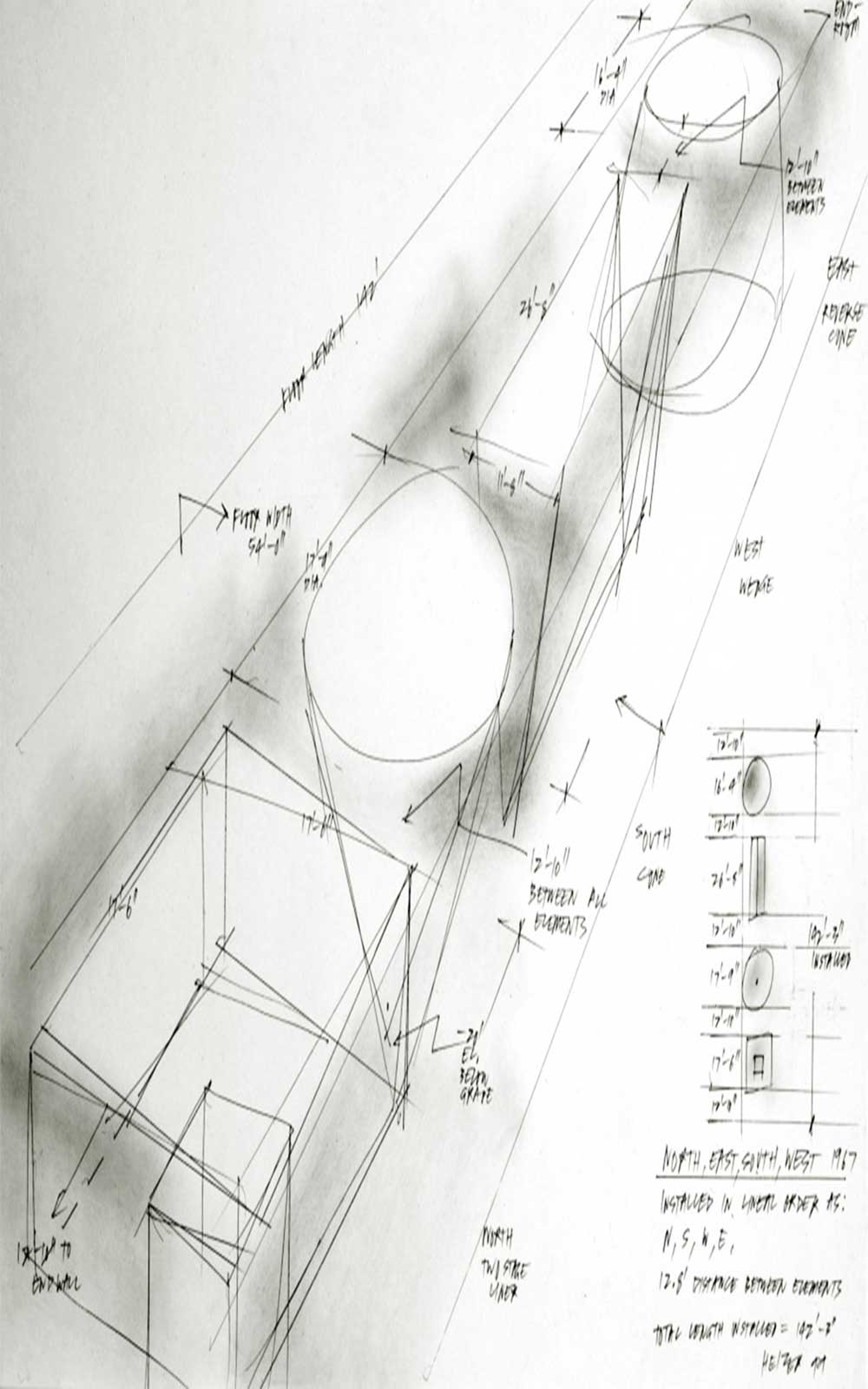
galleries, Dia maintains landmark site‑specific works including Walter De Maria’s The Lightning Field, Robert Smithson’s Spiral Jetty, Michael Heizer’s City, Max Neuhaus’s Times
Square installation, and Dan Flavin’s monuments in Bridgehampton. Rooted in the conceptual shift sparked by Duchamp’s Fountain, Dia has supported artists whose work embraces
minimalist forms, industrial materials, repetition, geographic scale, and long‑term environmental engagement. James Turrell’s Roden Crater, begun in the 1970s, stands as a
defining example of Dia’s commitment to art that unfolds over decades. Today, the foundation continues to expand its constellation of artists, including Mary Heilmann, Maren Hassinger,
and Larry Bell, maintaining a model of patronage and stewardship that remains singular in the art world.
 Top
Top