THE BHAJA and Karli CAVES
The Bhaja Caves
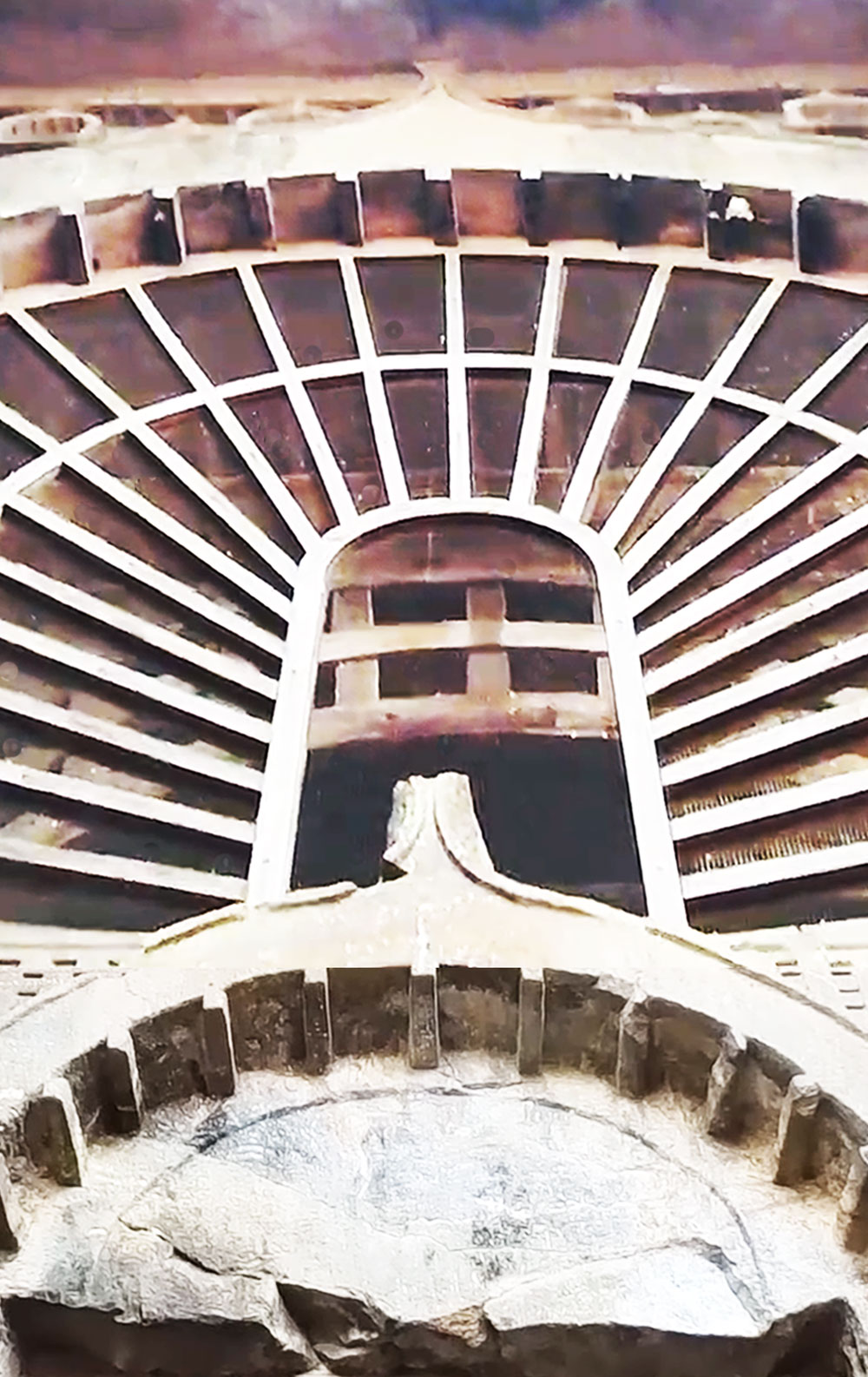
The Bhaja Caves (2nd century BCE) sits high above the village of Bhaja near Lonavala in Maharashtra, like a lookout post which is exactly what it was. Perched along
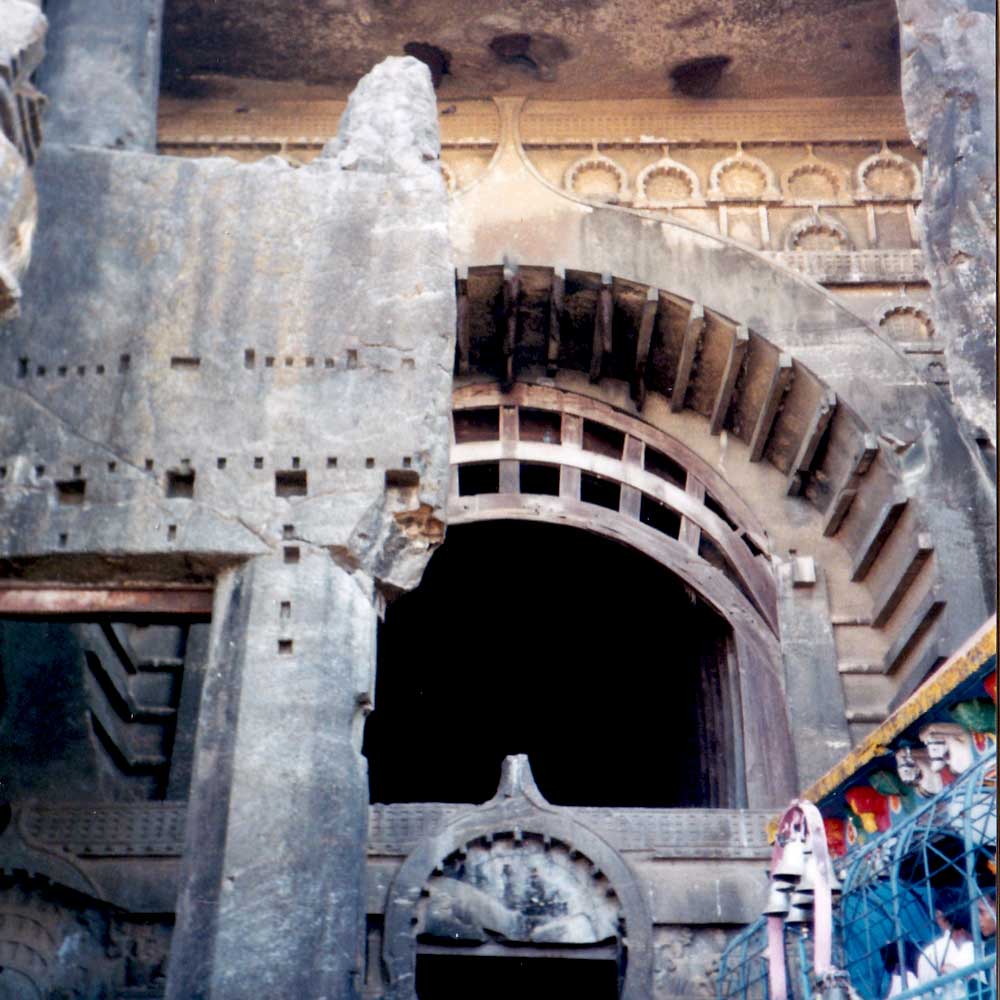
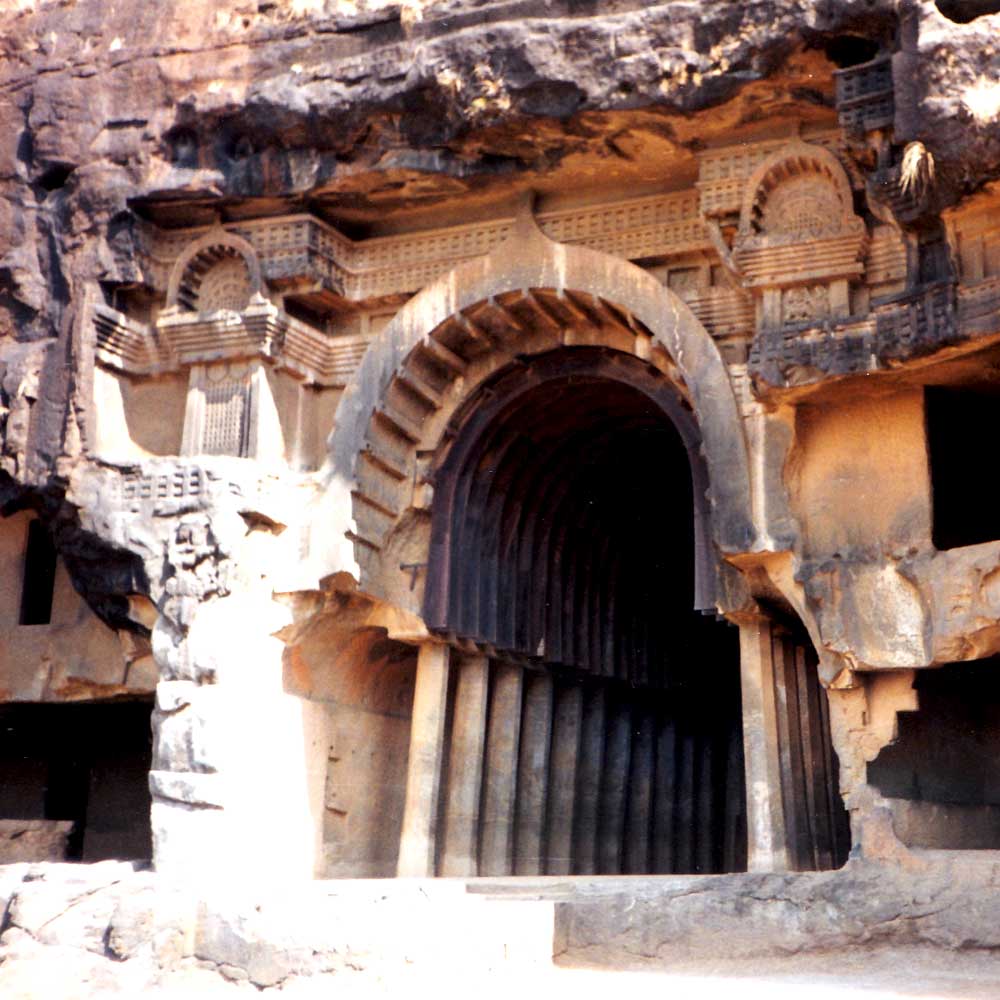
a major trade artery connecting the Arabian Sea to the Deccan, it served as a monastic stopover for traveling merchants, monks, and artisans. A few features make Bhaja particularly compelling it was one
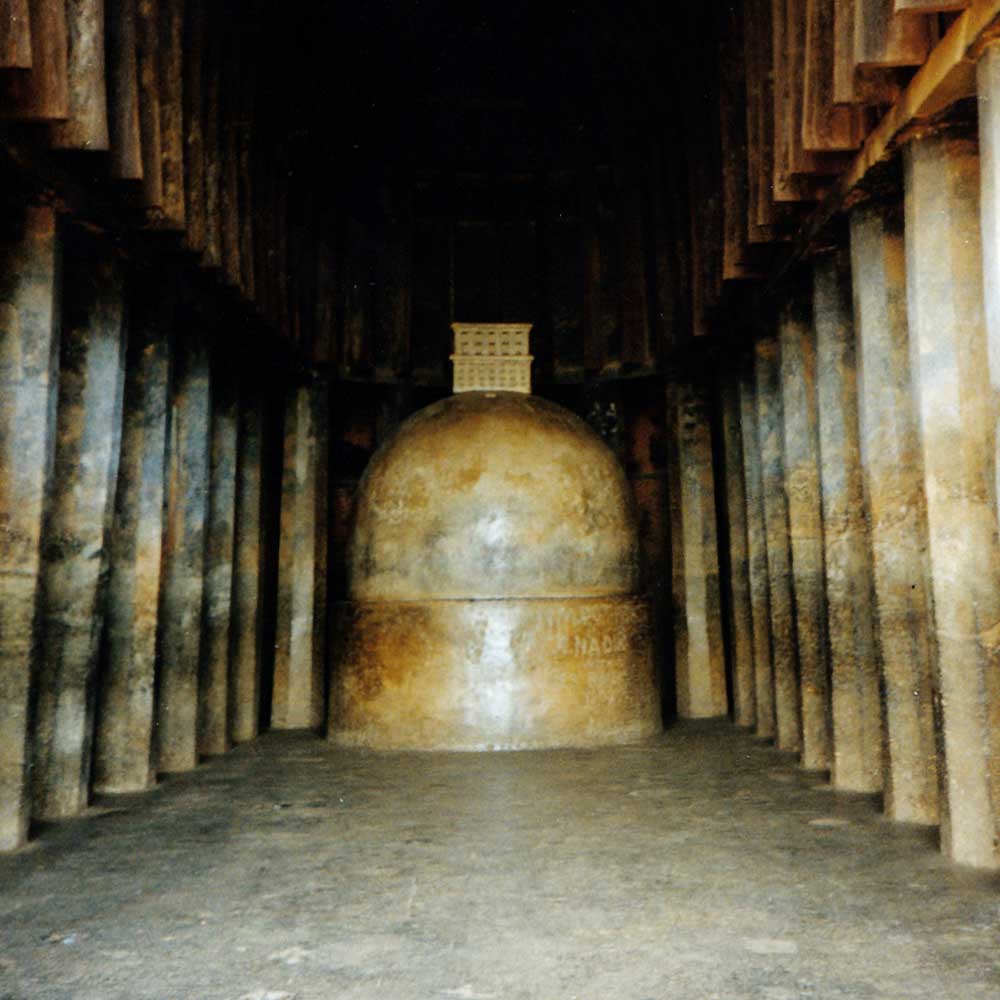
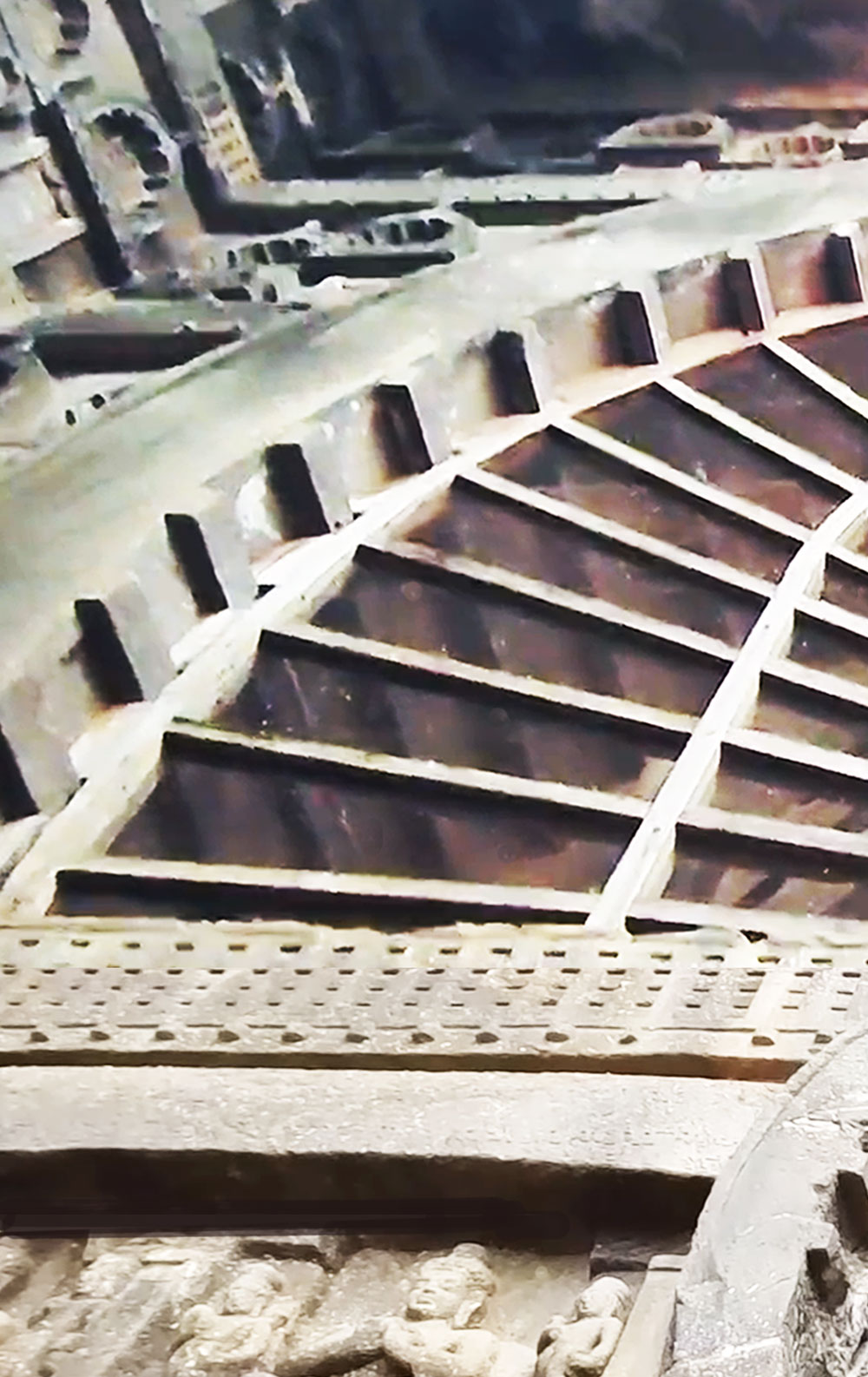
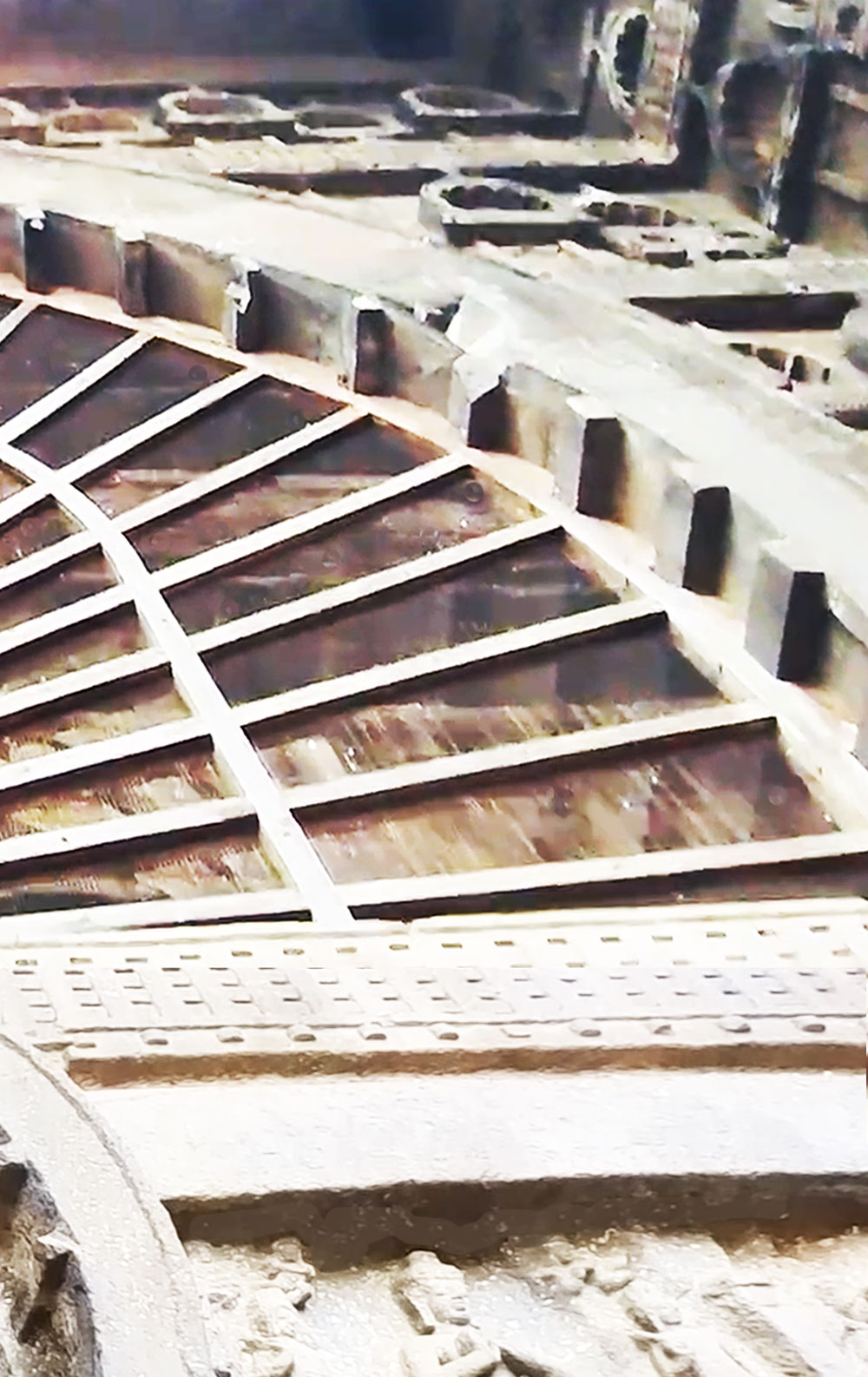
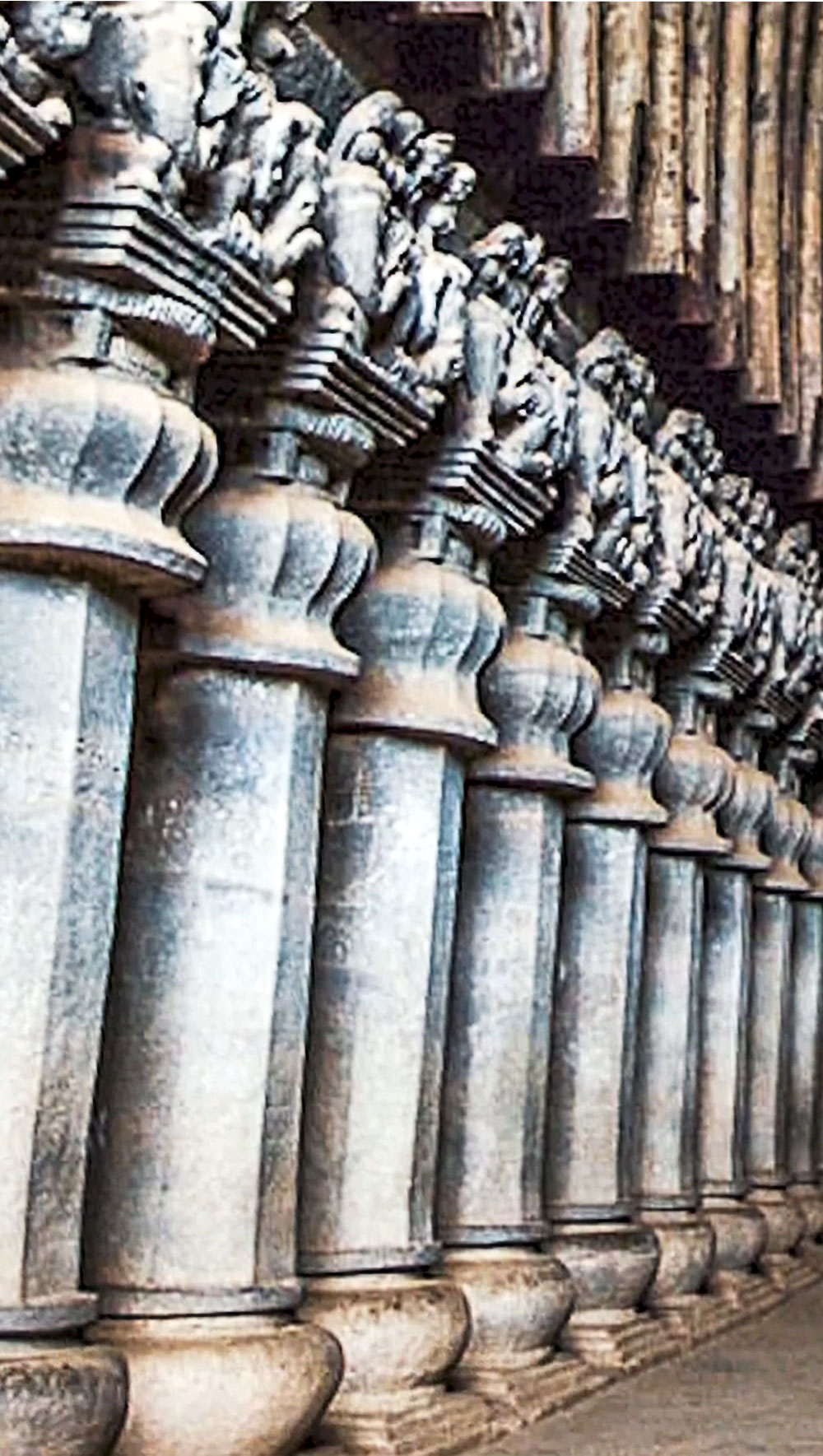
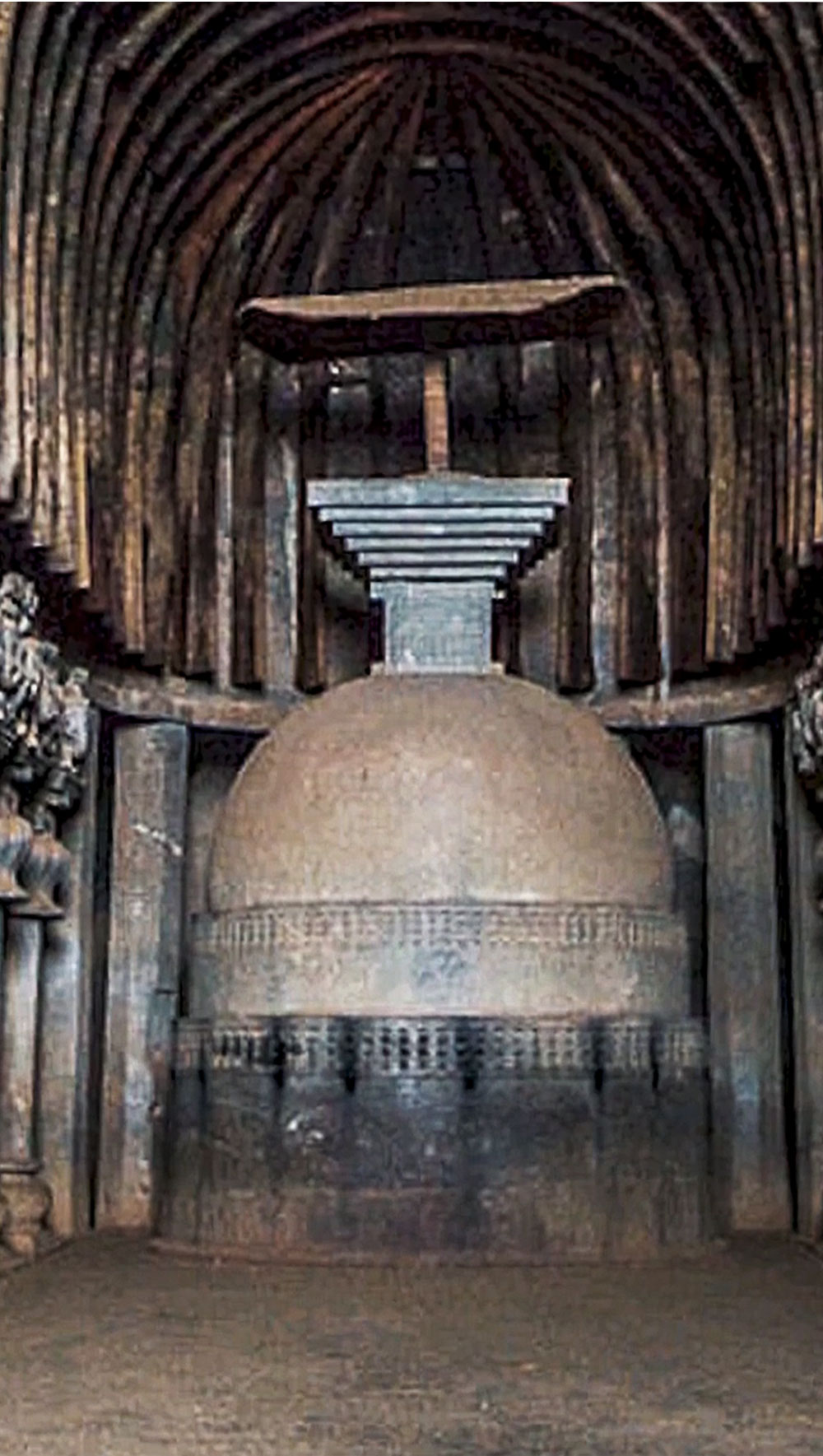
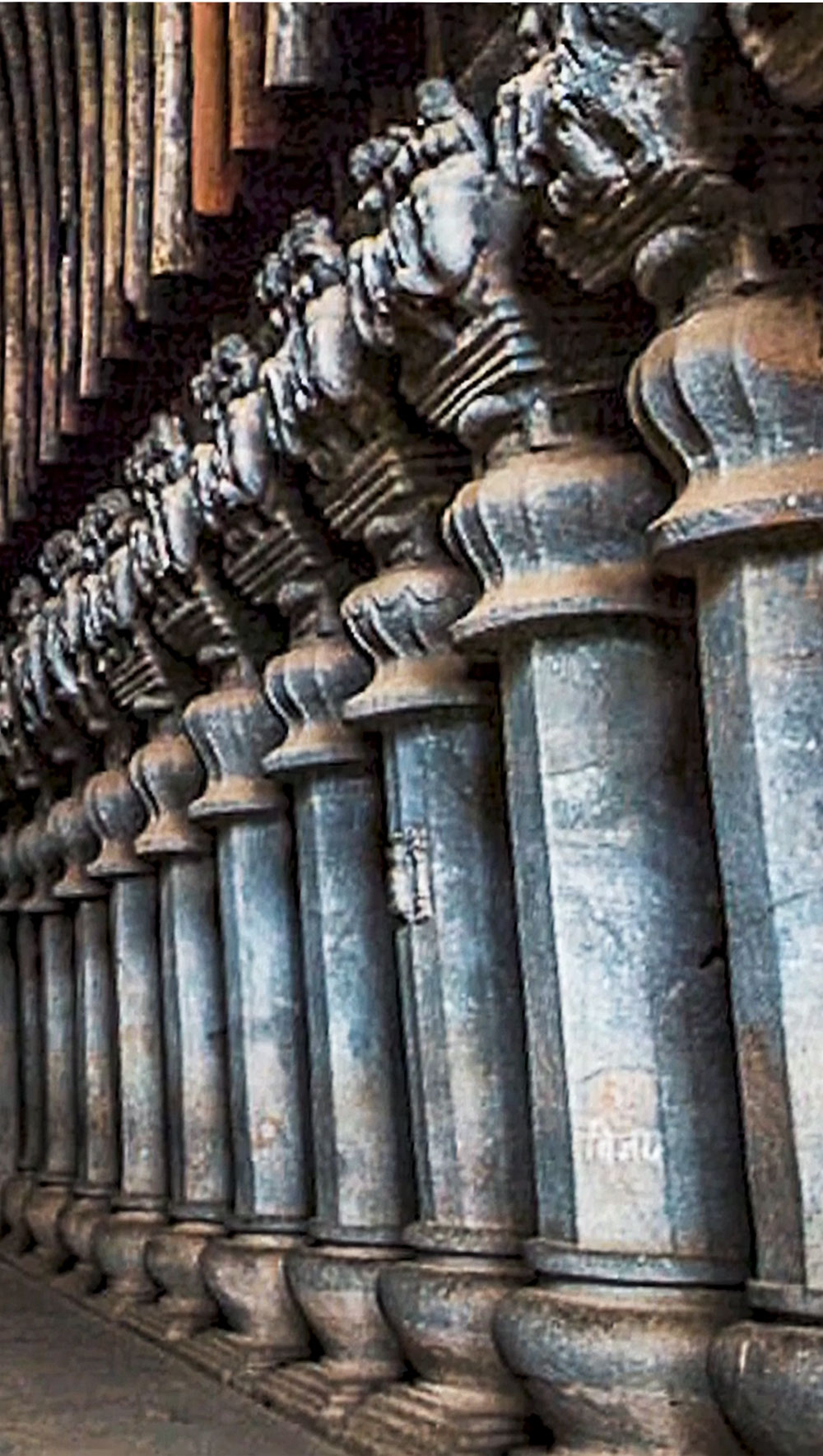
of the earliest chaitya halls in India, its ribbed wooden ceiling (a rare survival) shows how early Buddhist architects translated timber construction into stone. The tabla carving is a delightful
historical curveball. The percussion instrument depicted predates the supposed Turko-Arab introduction by centuries. Its a reminder that Indian musical traditions evolved in complex,
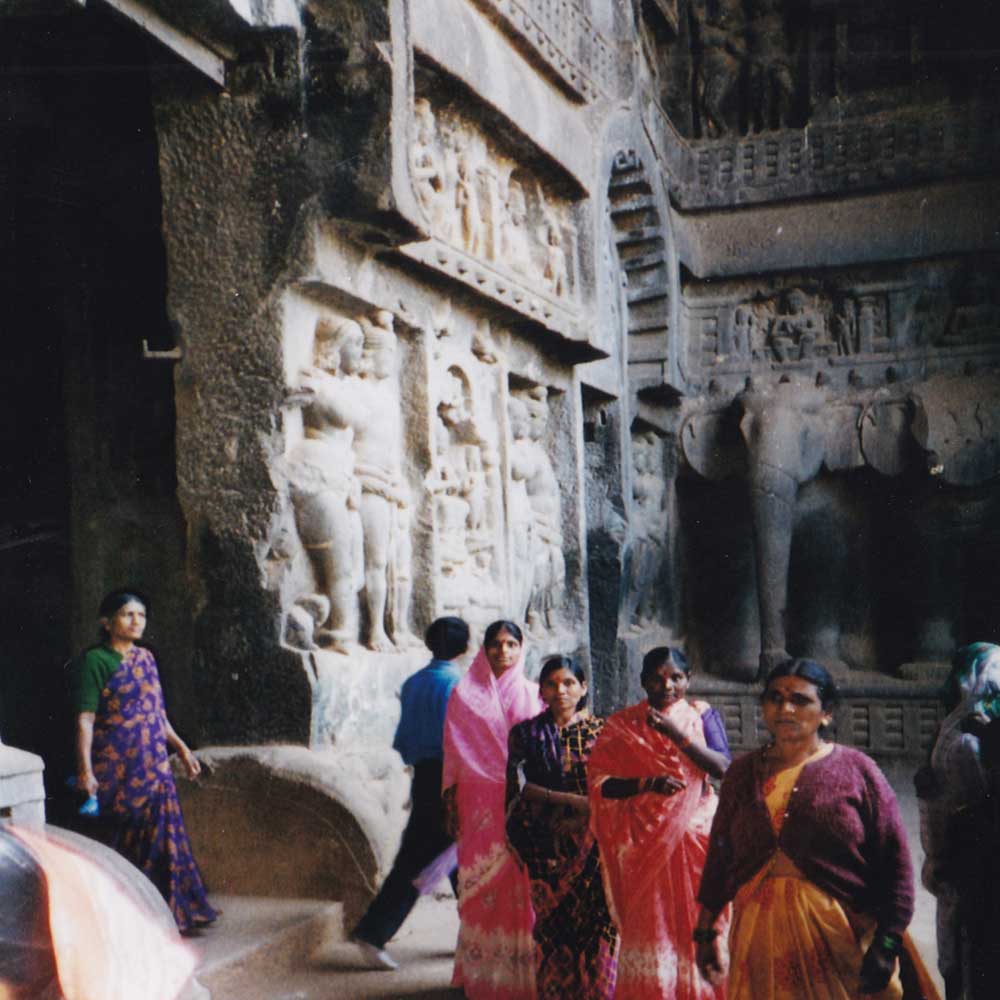
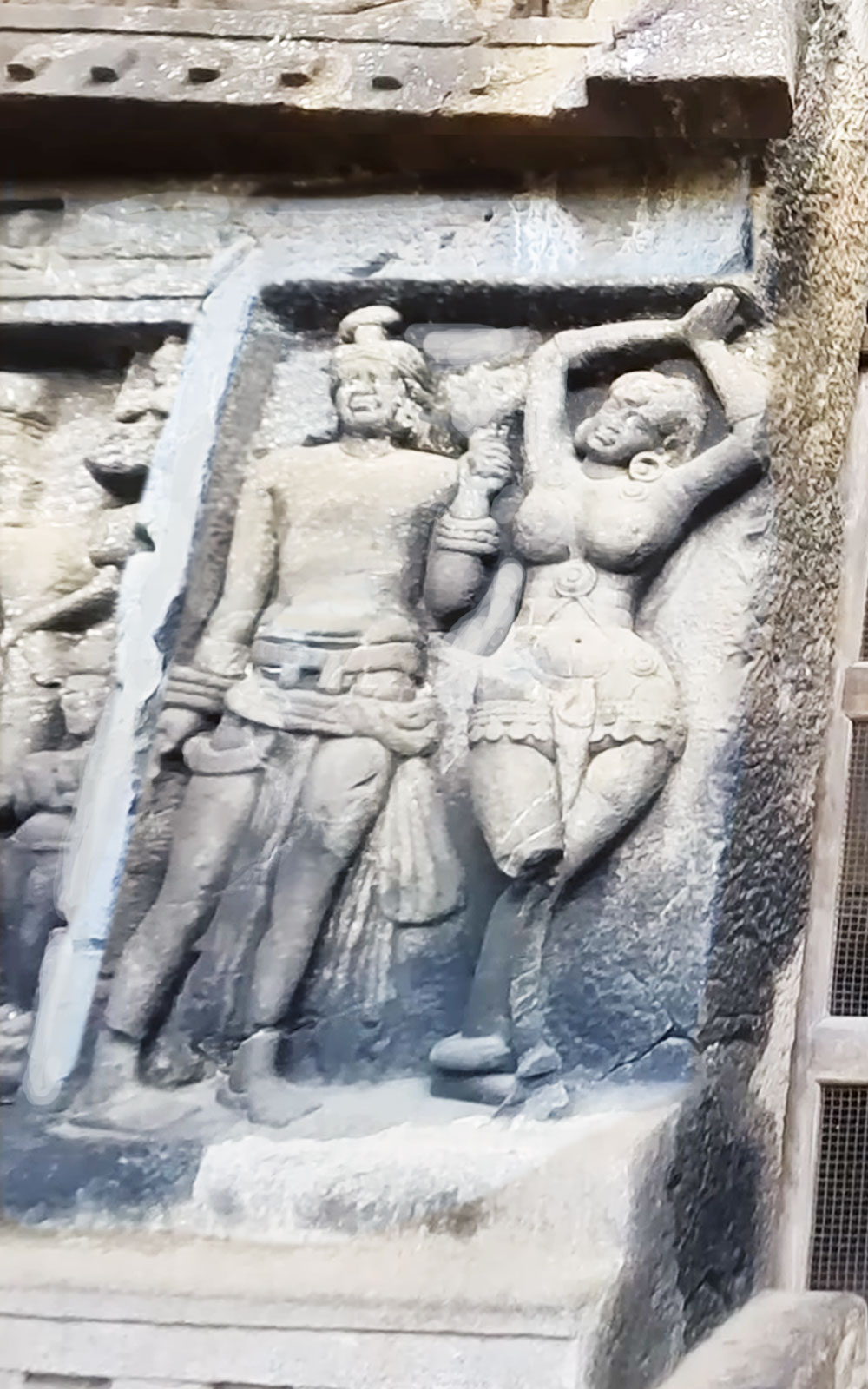
indigenous ways. Vivid narrative sculptures like the Bhaja’s reliefs of dancers, musicians, warriors feel almost cinematic. They’re less formal than later Buddhist art, more rooted
in everyday life.
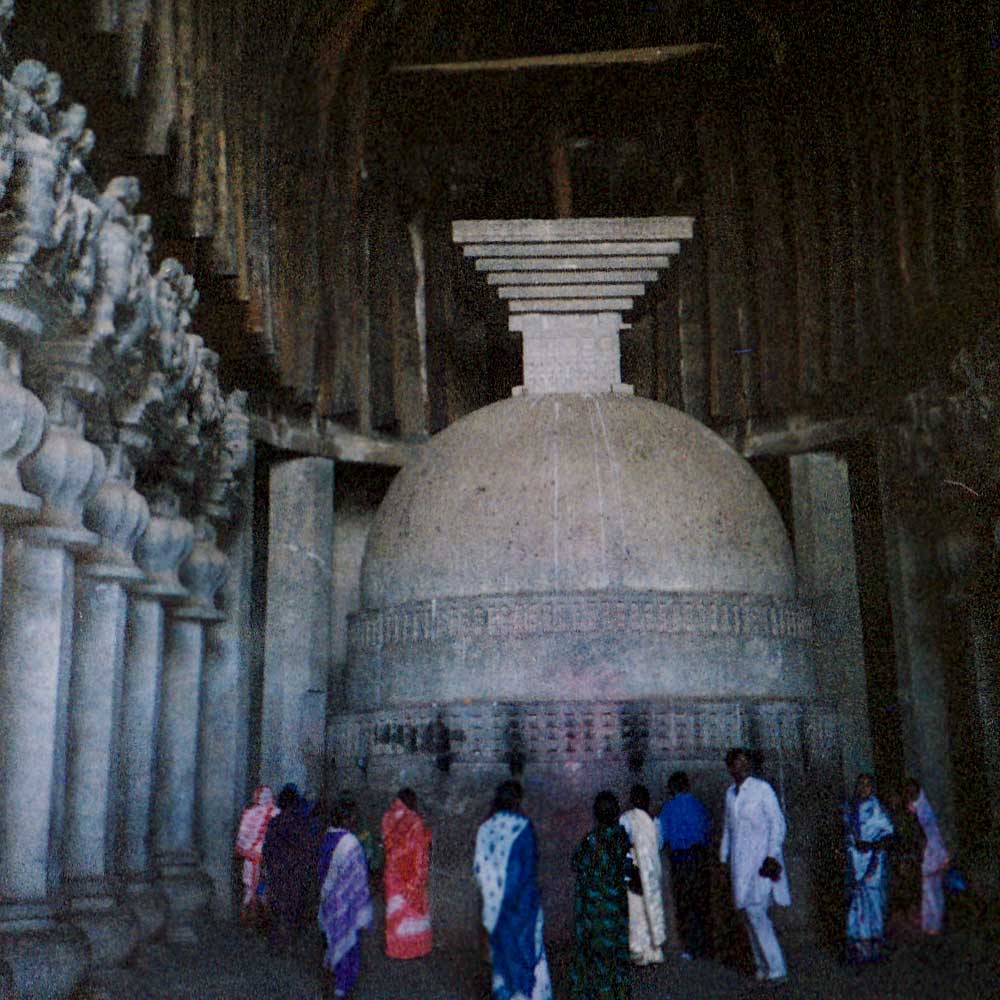
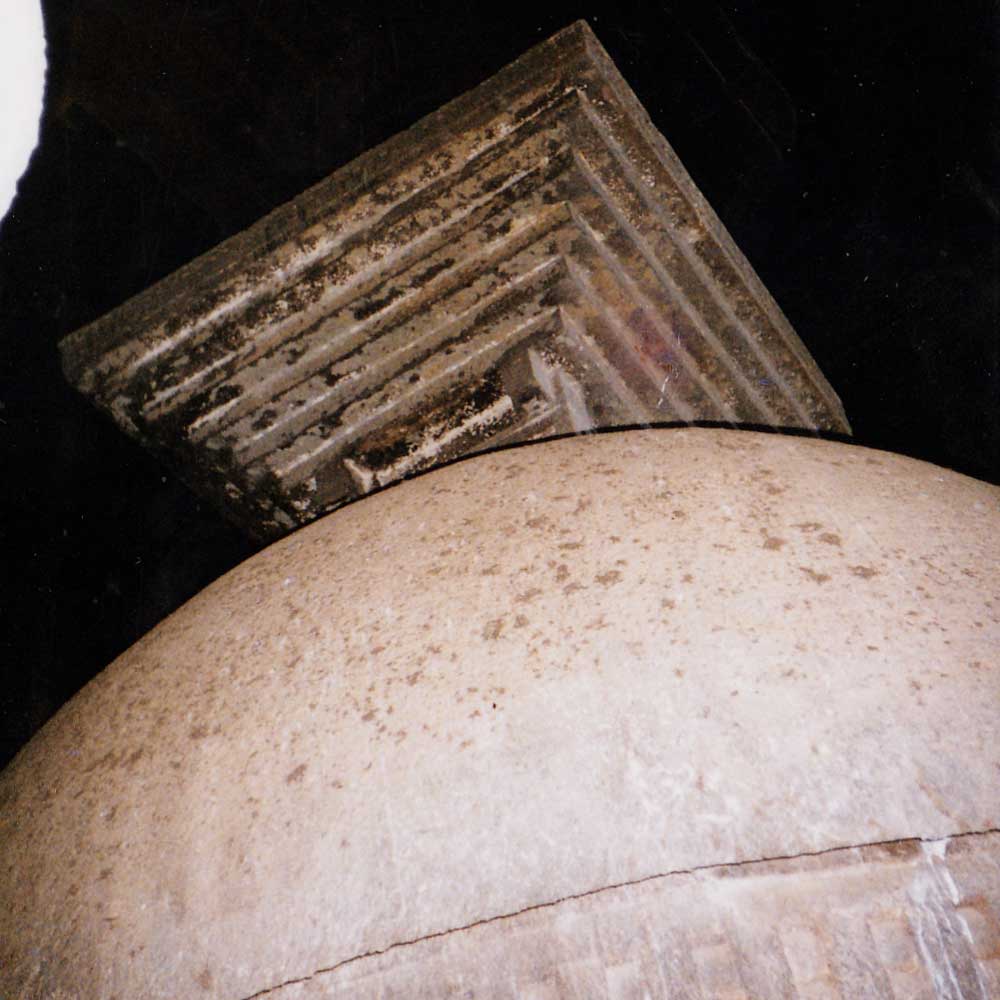
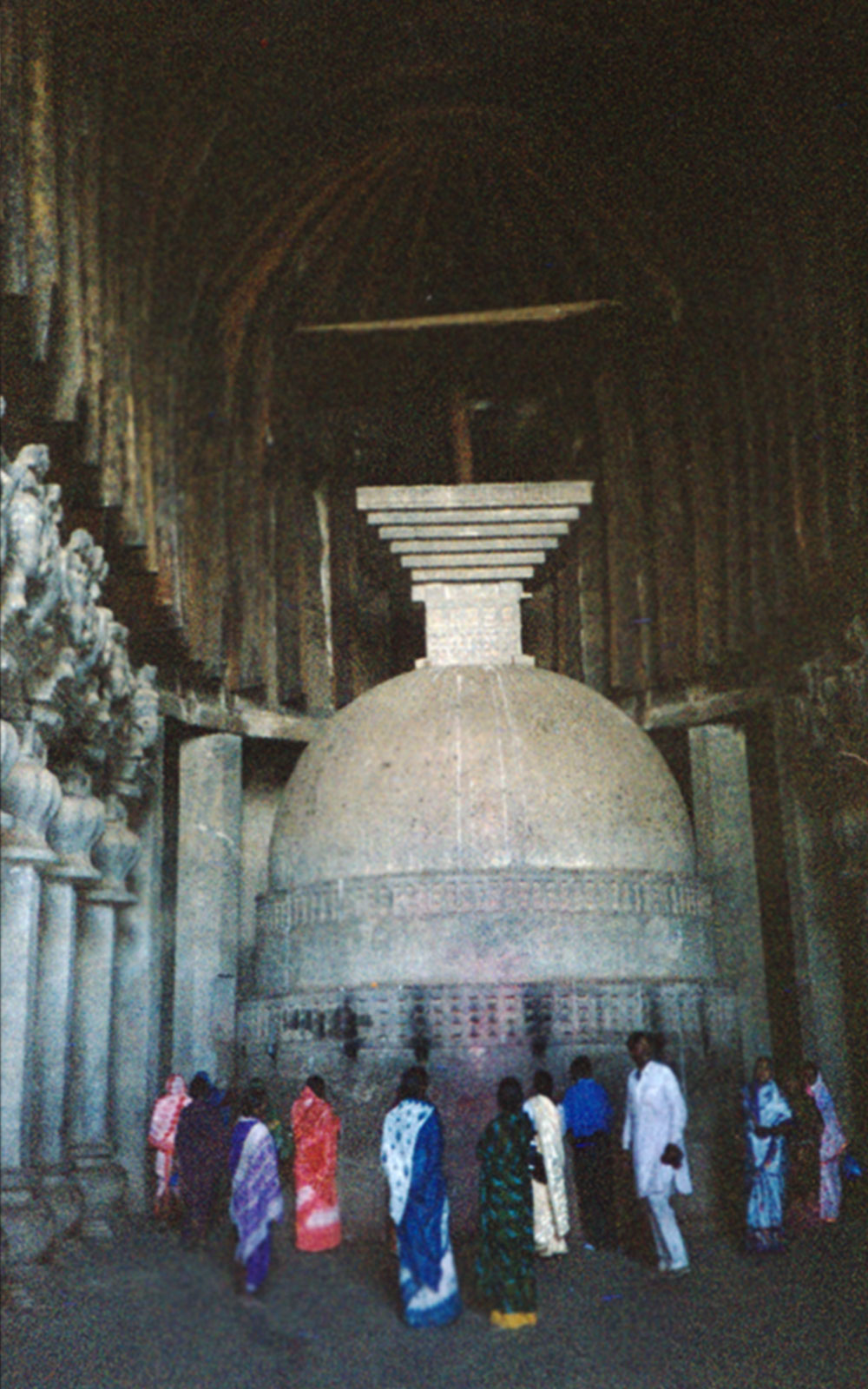
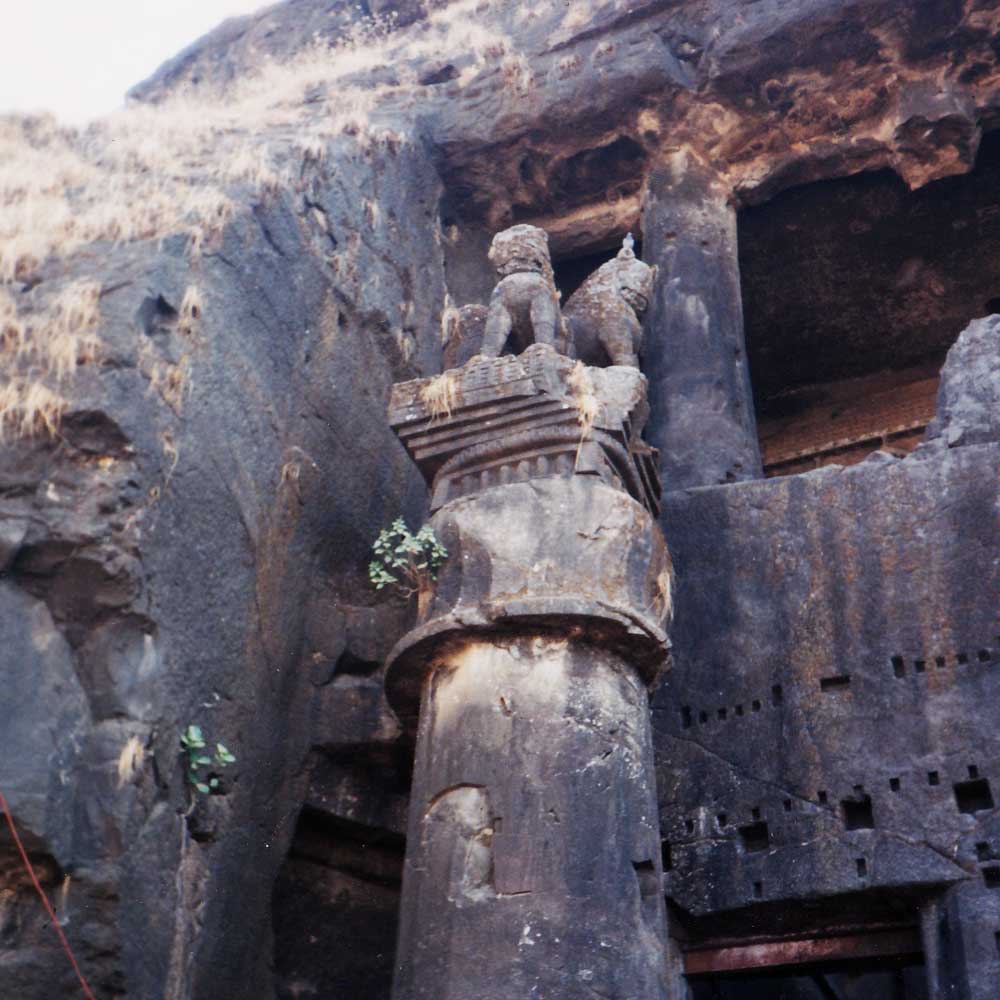 Bhaja sacred stupas, built to preserve the remains of resident monks, the site features 14 such stupas in total, with five inside a cave and nine outside.
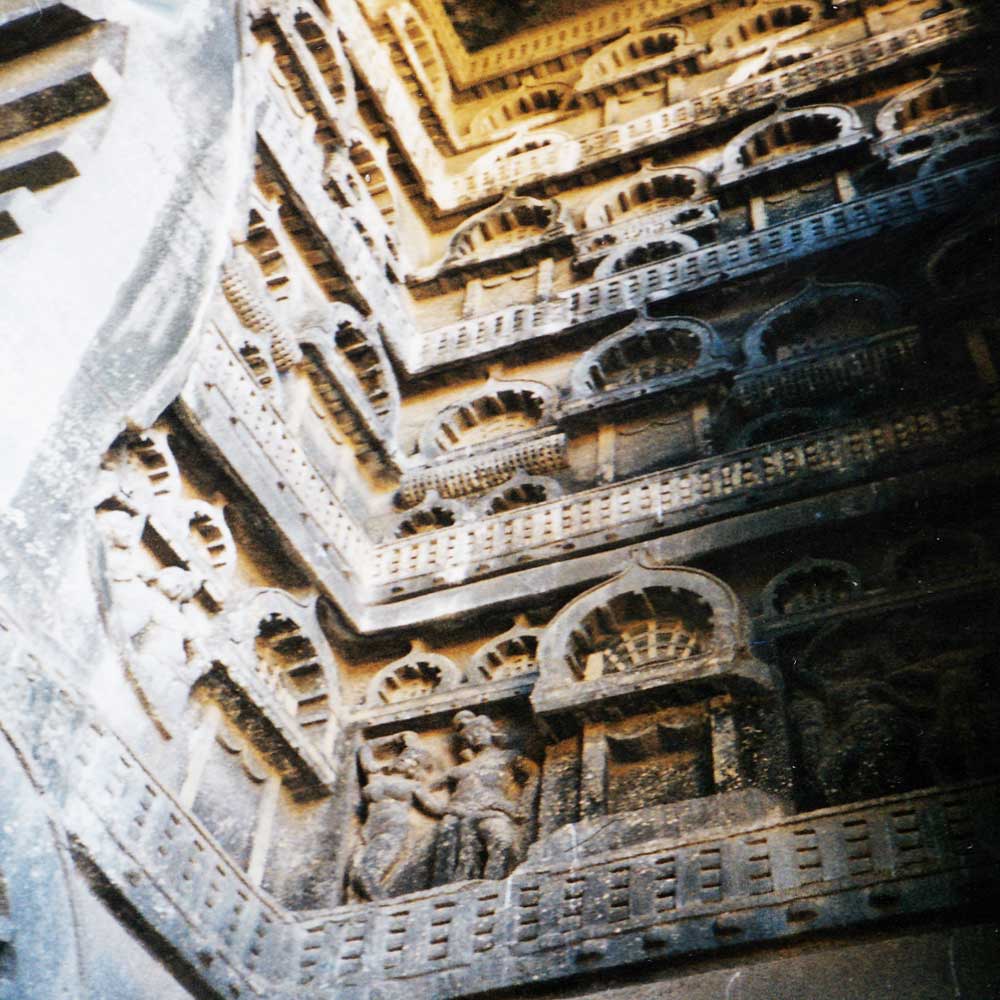 The carving from the Bhaja caves 2nd century BC depicts a woman playing a tabla, providing significant evidence that this percussion instrument was in use in India over 2 thousand years ago.
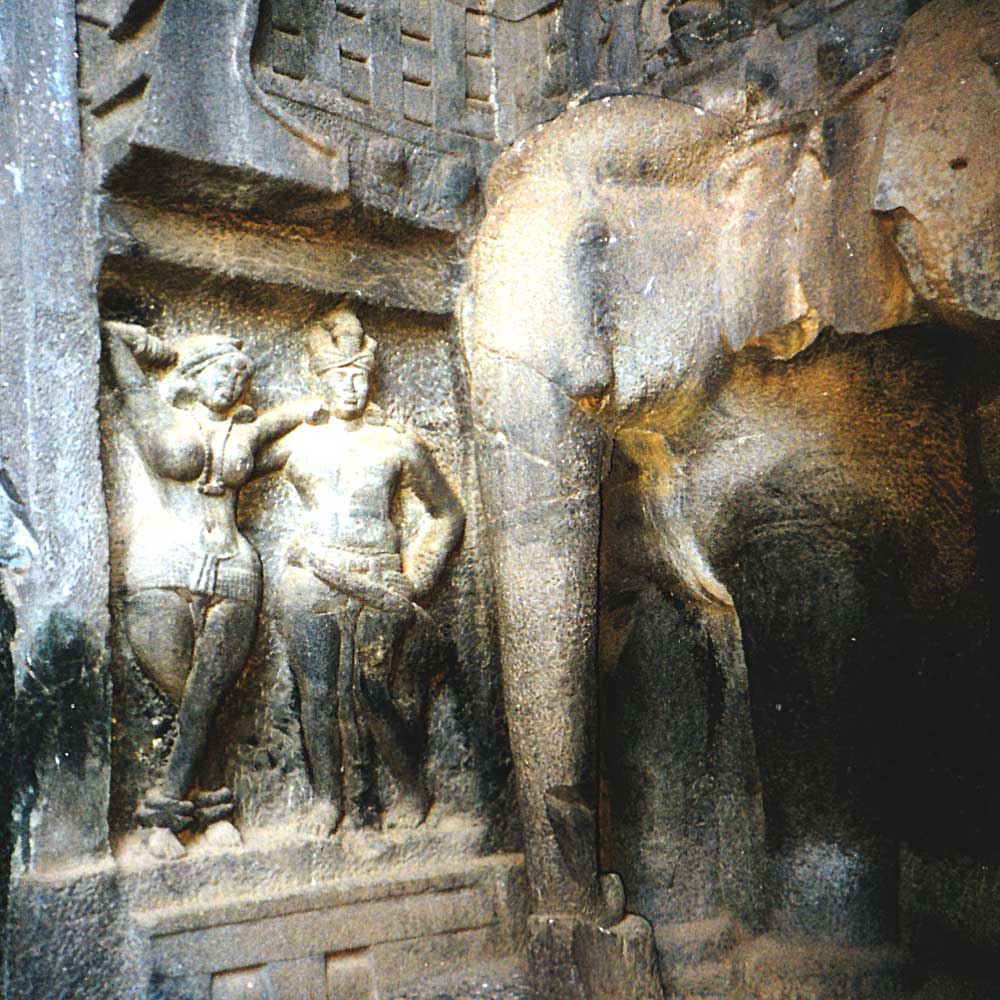
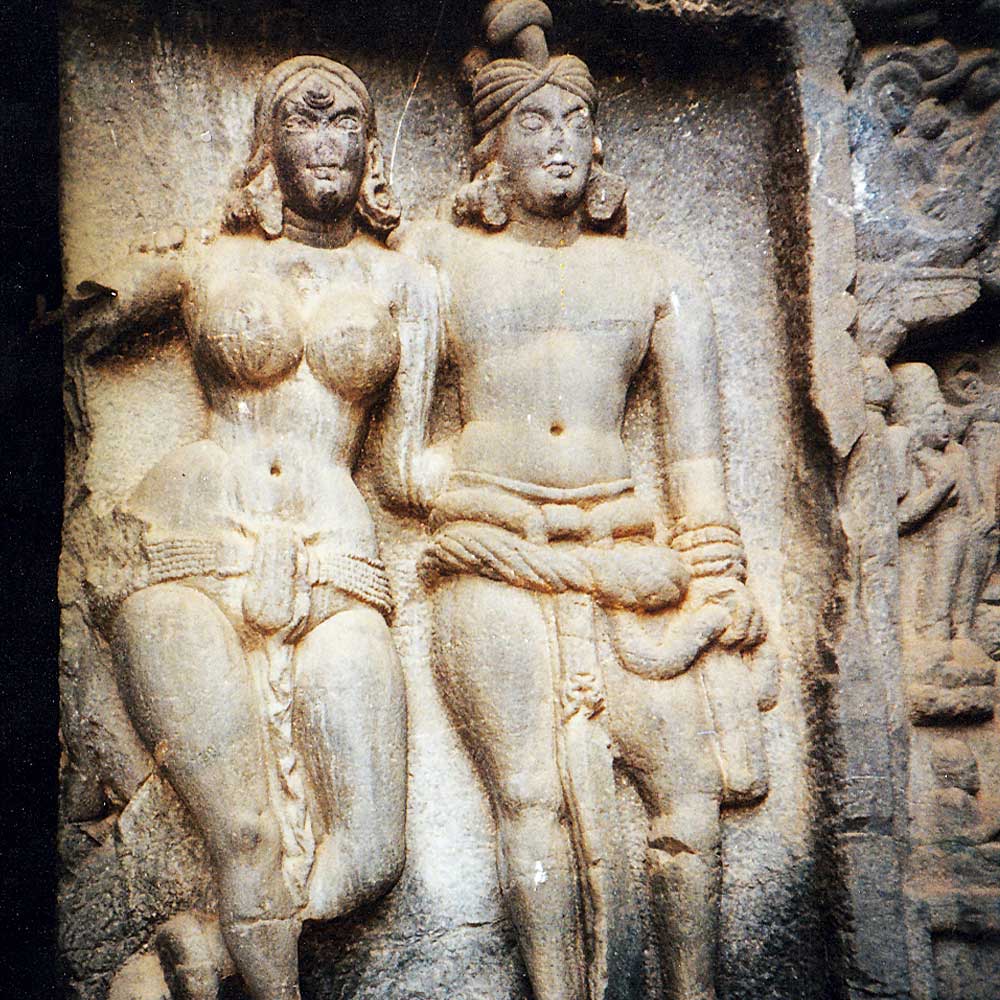
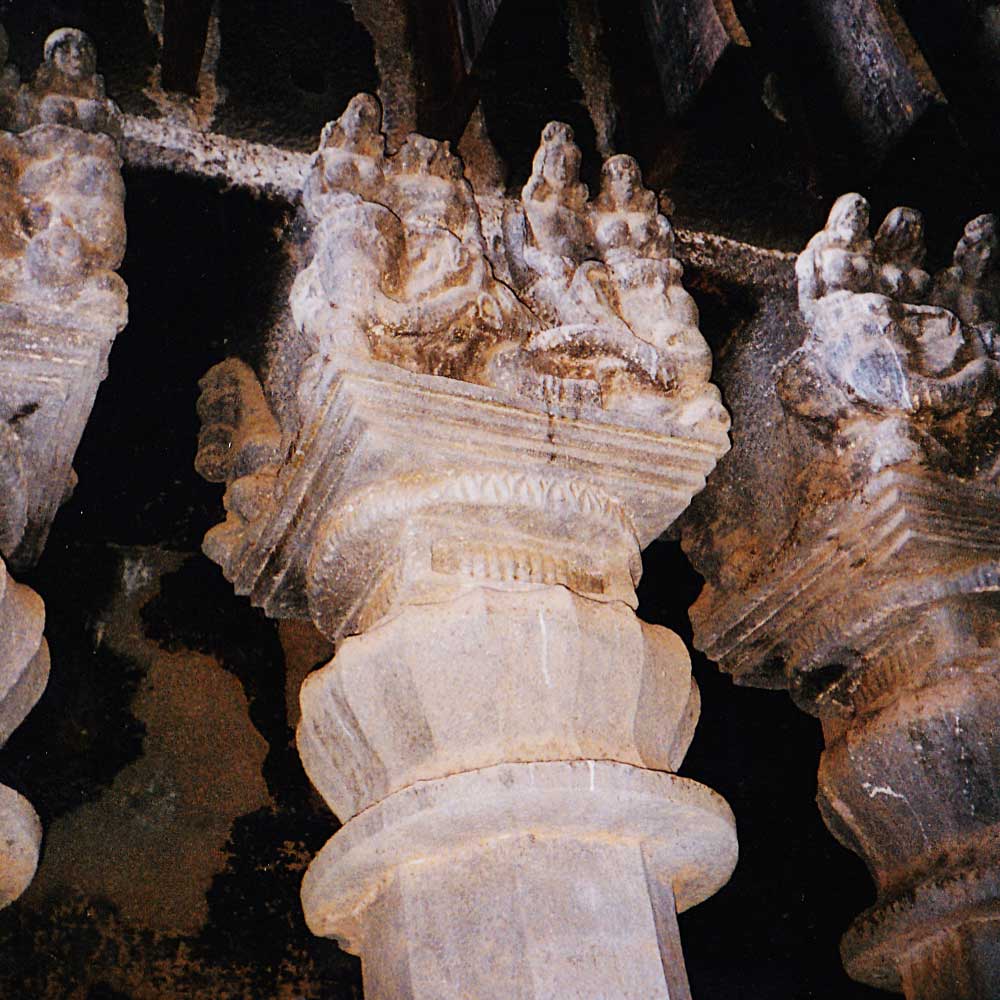
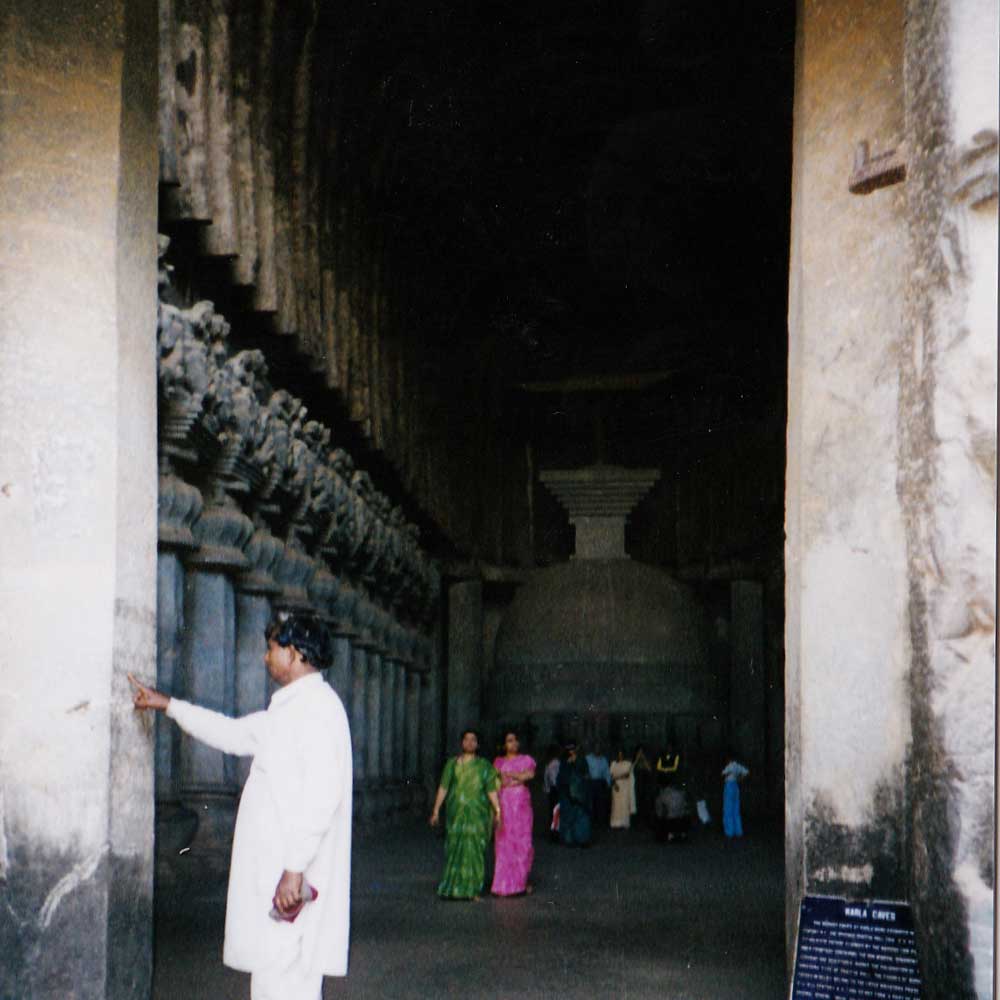
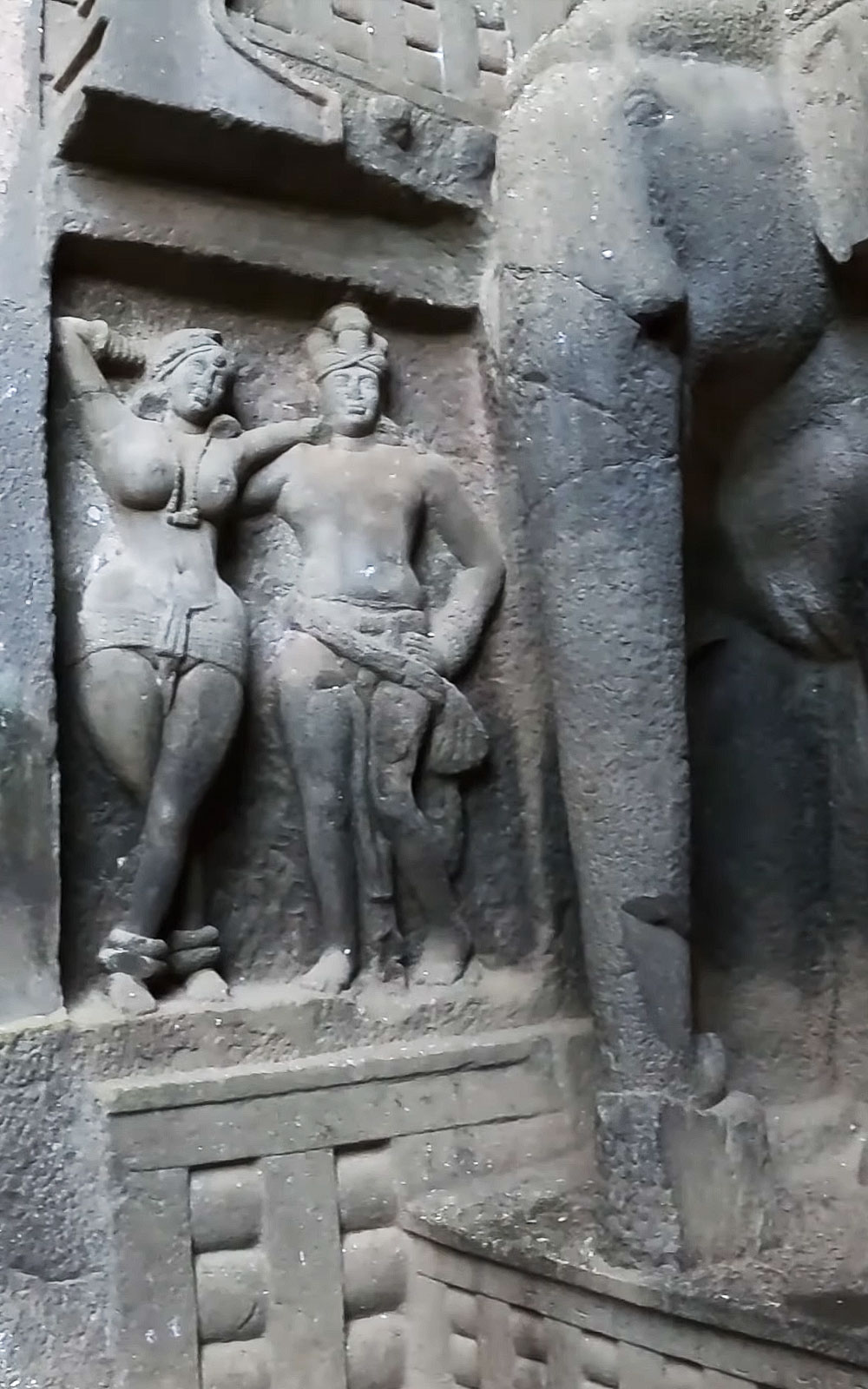
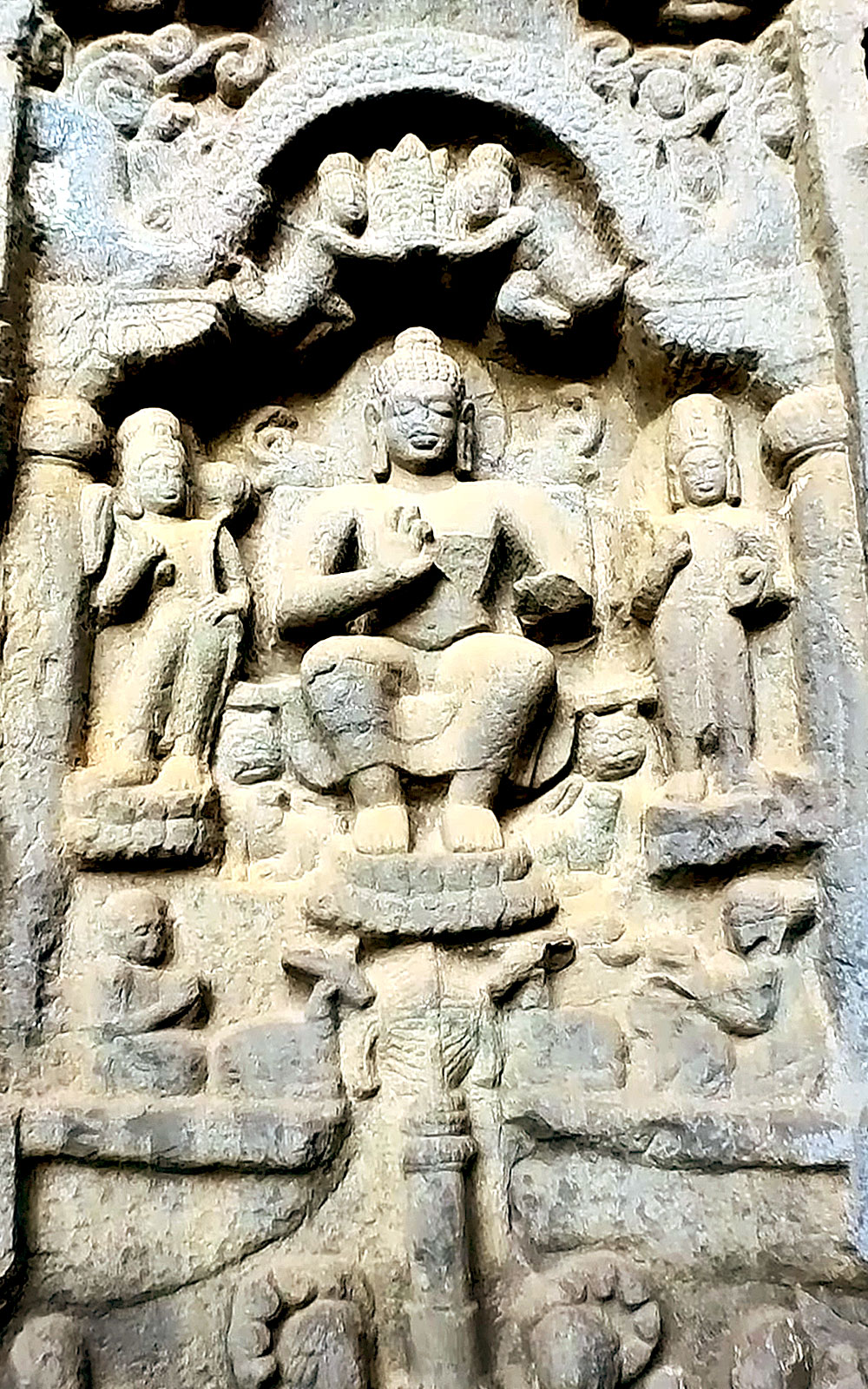
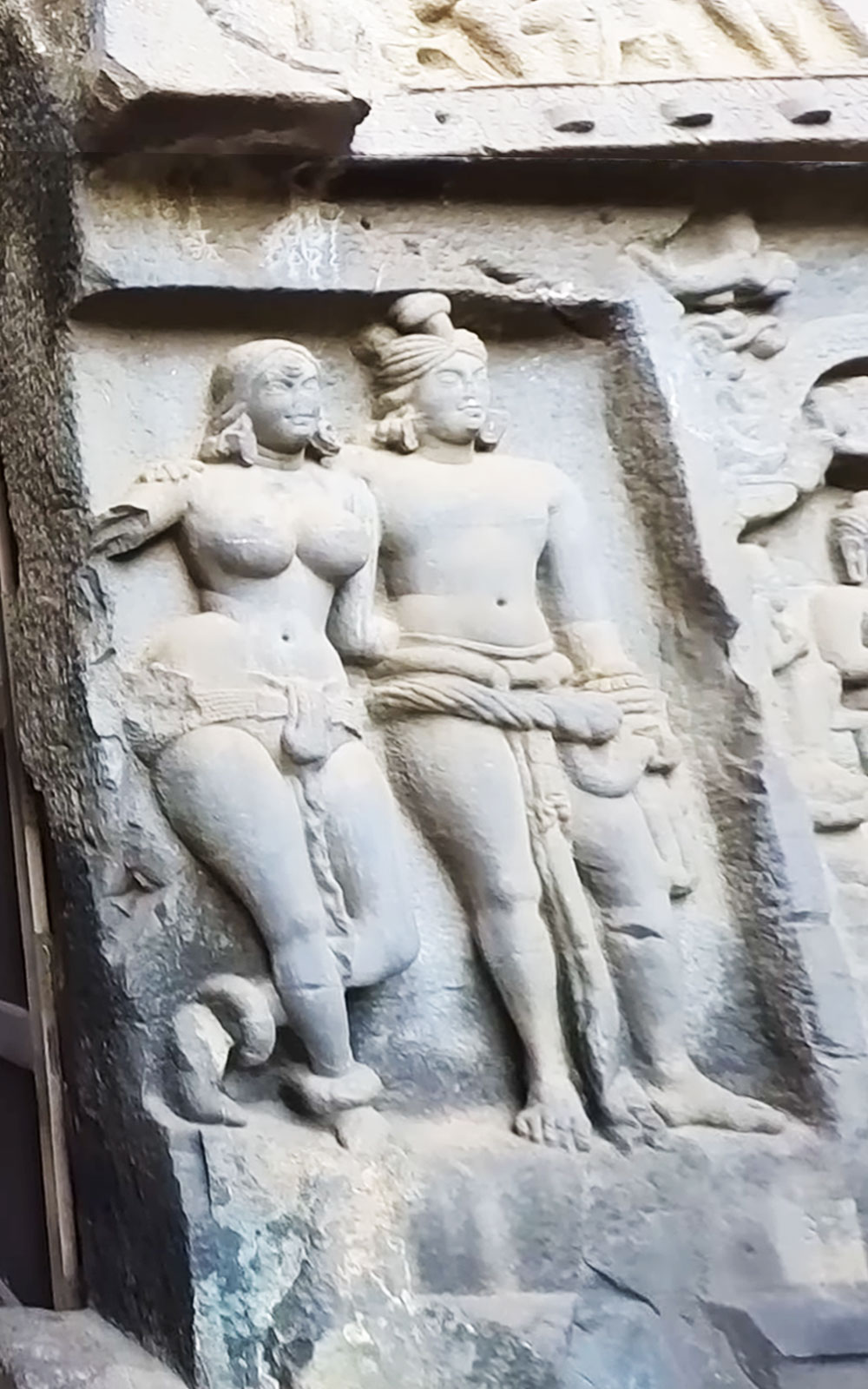
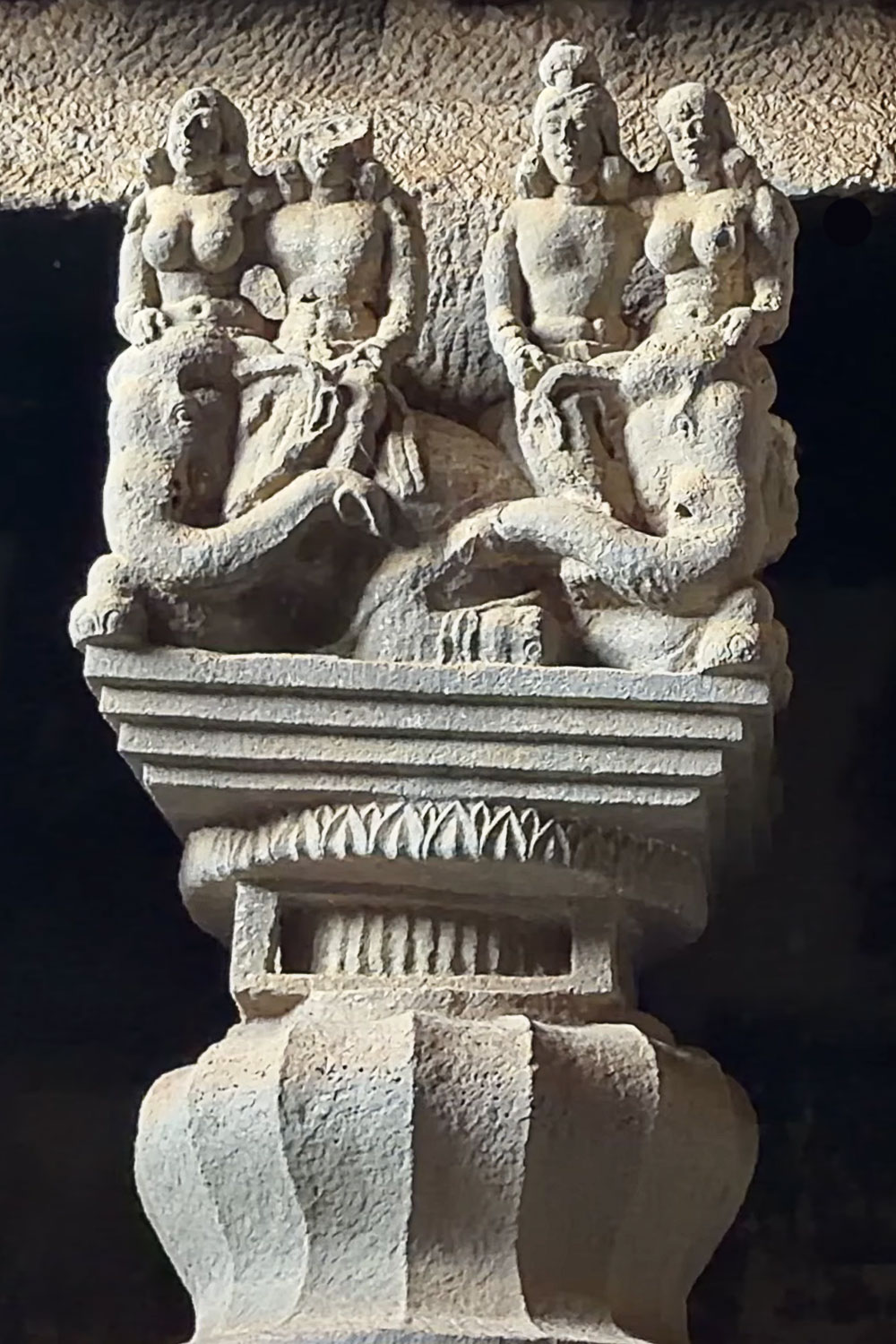
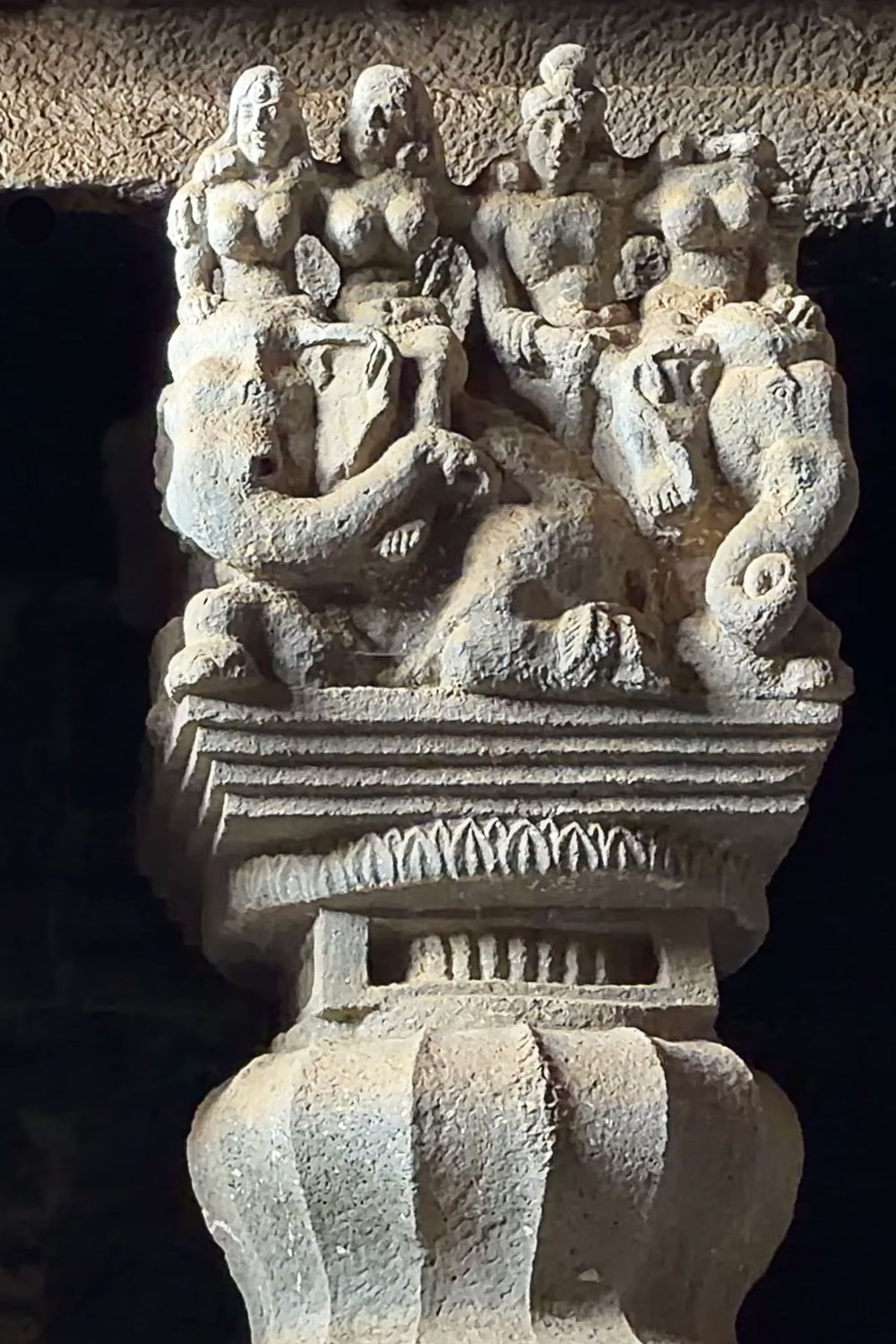
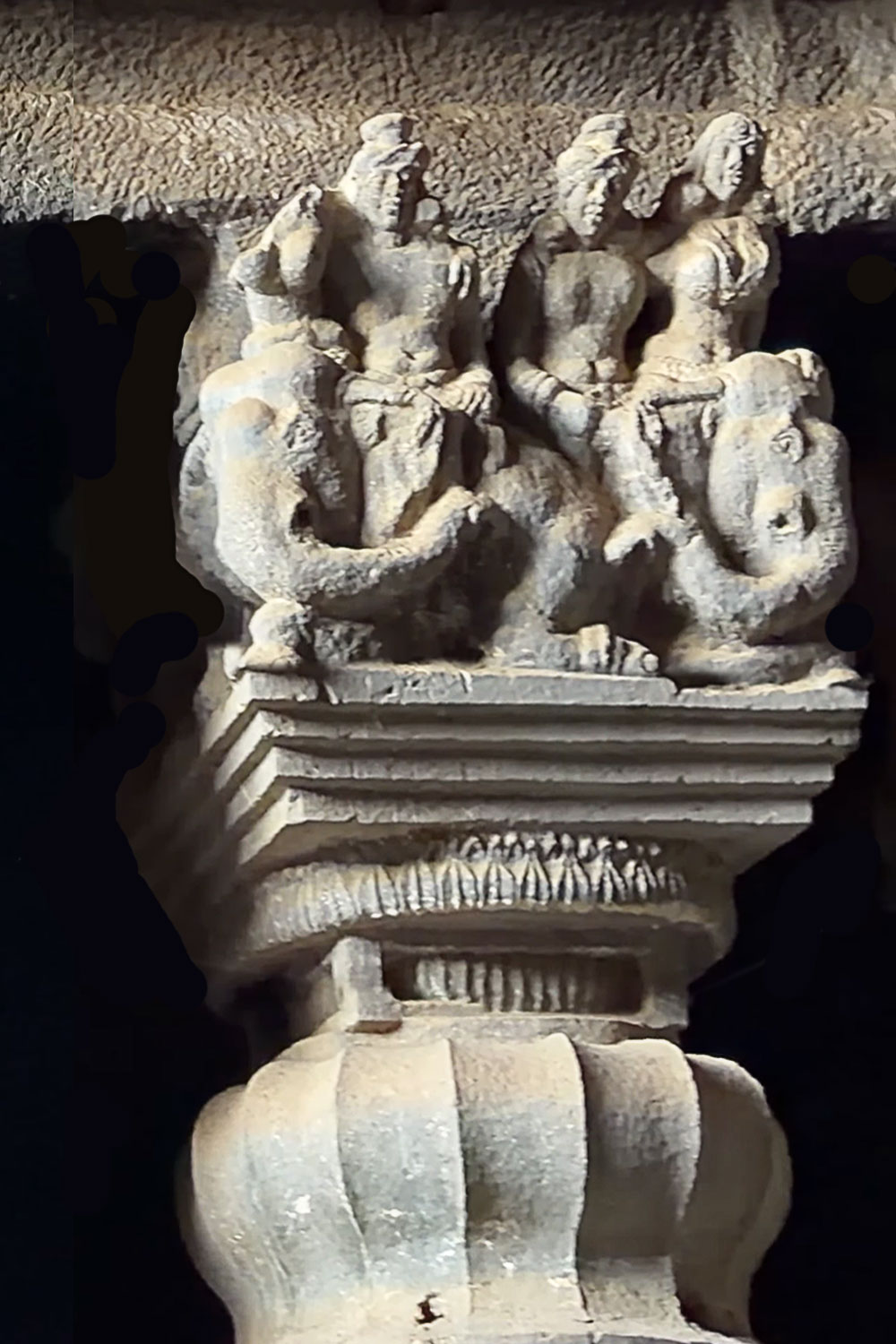
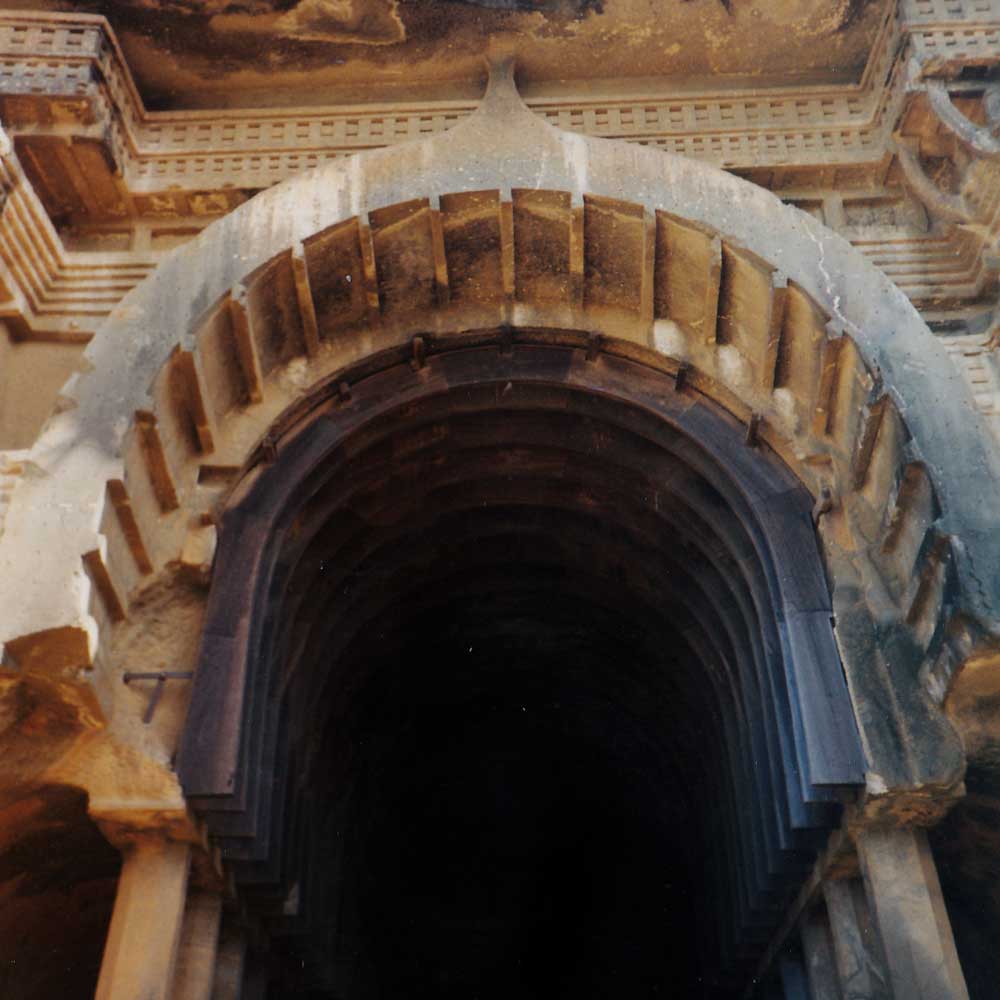 Ancient decorative carvings found within the Karli and Bhaja Caves depict donors or royal couples who contributed to the construction of the cave complex, the motifs include lotus rosettes and other symbolic floral patterns common in early Buddhist architecture.
 Top
Top